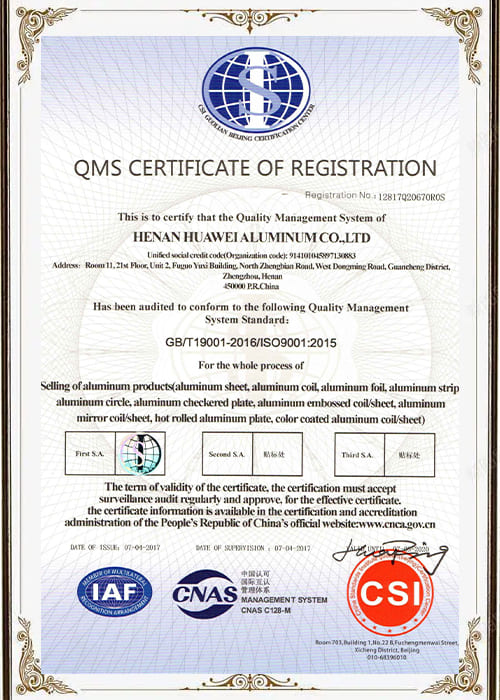
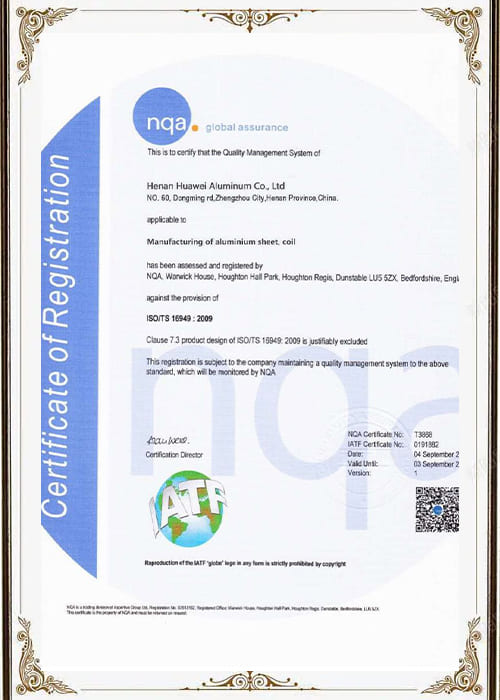
Definition and Technical Characteristics of 2mm Aluminum Sheet
A 2mm aluminum sheet refers to rolled aluminum material with a thickness precisely controlled within the range of 2.0±0.1mm, compliant with international standards such as ISO 6361 and ASTM B209. Key technical parameters include:

2mm aluminum sheet
- Flatness tolerance: ≤0.3mm/m² (EN 485-3)
- Tensile strength range: 70–450 MPa (varies by alloy)
- Surface roughness: Ra 0.4–1.6μm (determined by rolling process)
Common Alloys and Performance Comparison
Six major alloy systems account for 93% of global 2mm aluminum sheet applications (2023 data from the International Aluminum Association):
| Alloy Grade | Typical Composition (%) | Tensile Strength (MPa) | Elongation (%) | Primary Applications |
|---|---|---|---|---|
| 1050A | Al≥99.5 | 70–110 | 25–35 | Food packaging, signage |
| 3003 | Mn1.0–1.5 | 130–190 | 16–25 | Building facades, fuel tanks |
| 5052 | Mg2.2–2.8 | 210–270 | 12–20 | Marine, transportation |
| 6061-T6 | Mg1.0/Si0.6 | 310–340 | 10–15 | Aerospace components |
| 5083 | Mg4.0–4.9 | 275–350 | 10–16 | Offshore engineering, pressure vessels |
| 7075-T6 | Zn5.6/Cu1.6 | 450–520 | 6–10 | Military equipment, molds |
| Note: Data based on ASTM B209-2022 standard test values. | ||||
Standard Sizes and Processing Specifications
1. Standard Sheet Dimensions
- Width range: 800–2000mm (cold-rolled process limit)
- Length specifications: 2000–6000mm (customizable up to 12m)
- Weight calculation:
( \text{Weight (kg)} = \text{Area (m²)} \times \text{Thickness (m)} \times 2700 , \text{kg/m³} )
2. Specialized Processing Capabilities
| Process Type | Tolerance | Recommended Equipment | Application Examples |
|---|---|---|---|
| Laser cutting | ±0.1mm | Fiber laser cutter | Precision electronic components |
| CNC bending | R≥2t | Hydraulic press brake | Enclosure forming |
| Anodizing | 10–25μm coating | Automated anodizing line | Architectural cladding |
Applications and Innovative Case Studies
Industry Distribution (2024 Global Market Data)
- Transportation: 38% (EV battery trays, high-speed rail interiors)
- Construction: 25% (composite panels, sunshades)
- Electronics: 18% (heat sinks, 5G base stations)
- Packaging: 12% (medical sterile packaging, beverage cans)
- Others: 7% (art casting, solar mounts)

2mm aluminum sheet for External wall building
Breakthrough Applications
- Tesla 4680 Battery: Uses 2mm 5182 alloy for explosion-proof layers, achieving 57% weight reduction vs. steel.
- Hong Kong-Zhuhai-Macao Bridge: 3003-H14 alloy sheets in seawater zones ensure 120-year service life.
- SpaceX Starship: 7075-T7351 alloy fuel tank baffles via superplastic forming (SPF), reducing weight by 23%.
Impact of Thickness on Performance
1. Mechanical Properties Comparison (5052 Alloy Example)
| Thickness (mm) | Bending Stiffness (N·m²) | Thermal Conductivity (W/m·K) | Fatigue Limit (MPa) |
|---|---|---|---|
| 1.0 | 8.3×10³ | 138 | 85 |
| 2.0 | 66.4×10³ | 137 | 92 |
| 3.0 | 224.1×10³ | 136 | 95 |
| Source: Journal of Materials Engineering and Performance, 2023 | |||
2. Thickness Selection Guidelines
- Stiffness-critical designs: Stiffness ∝ thickness³; 2mm sheets offer 8x higher rigidity than 1mm.
- Cost-sensitive projects: Each 0.1mm increase raises material costs by 5.2%.
- Forming limits: Minimum bend radius = 1.5×t = 3mm (H32 temper).

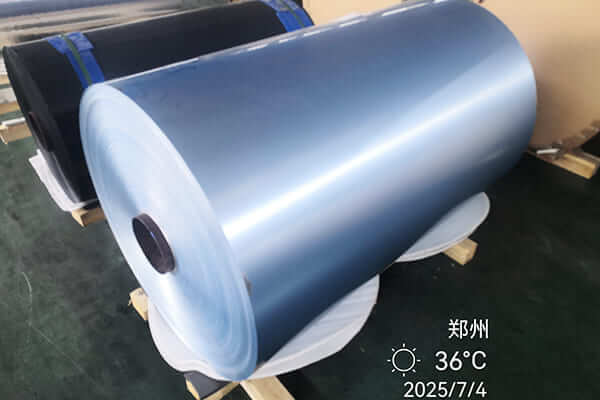
2mm aluminum sheet with bluefilm
Frequently Asked Questions (FAQs)
Q1: Can 2mm aluminum replace steel plates?
Expert Recommendation: Suitable when:
- Load ≤120MPa in static structures
- Weight reduction ≥35% is required
- Corrosion exposure meets C4+ (ISO 12944)
Q2: Cost differences among surface treatments?
| Treatment | Cost ($/m²) | Durability (years) | Environment Suitability |
|---|---|---|---|
| Anodizing | 12–18 | 15–20 | Indoor/outdoor |
| PVDF coating | 20–28 | 25–30 | Harsh climates |
| Brushed finish | 8–10 | 5–8 | Decorative |
Future Technological Trends (2025–2030)
- Nano-coatings: Enhance corrosion resistance to match 316L stainless steel.
- Smart composites: Integrate fiber-optic sensors for self-monitoring sheets.
- Green manufacturing: Reduce electrolysis energy to <13kWh/kg (current: 15–17kWh/kg).
Casting production process and its introduction
The purpose of melting and casting is to produce alloys with satisfactory composition and high purity of melt, so as to create favorable conditions for casting alloys of various shapes.
Melting and casting process steps: batching --- feeding --- melting --- stirring after melting, slag removal --- pre-analysis sampling --- adding alloy to adjust the composition, stirring --- refining --- static Setting——Guide furnace casting.
Hot rolling production process and its introduction
- 1. Hot rolling generally refers to rolling above the metal recrystallization temperature;
- 2. During the hot rolling process, the metal has both hardening and softening processes. Due to the influence of deformation speed, as long as the recovery and recrystallization process is too late, there will be a certain work hardening;
- 3. The recrystallization of the metal after hot rolling is incomplete, that is, the coexistence of recrystallized structure and deformed structure;
- 4. Hot rolling can improve the processing performance of metals and alloys, reduce or eliminate casting defects.
- 1. The casting and rolling temperature is generally between 680°C and 700°C. The lower the better, the stable casting and rolling line usually stops once a month or more to re-stand. During the production process, it is necessary to strictly control the liquid level of the front tank to prevent low liquid level;
- 2. Lubrication uses C powder with incomplete combustion of gas for lubrication, which is also one of the reasons for the dirty surface of casting and rolling materials;
- 3. The production speed is generally between 1.5m/min-2.5m/min;
- 4. The surface quality of products produced by casting and rolling is generally relatively low, and generally cannot meet products with special physical and chemical performance requirements.
- 1. Cold rolling refers to the rolling production method below the recrystallization temperature;
- 2. There will be no dynamic recrystallization during the rolling process, and the temperature will rise to the recovery temperature at most, and the cold rolling will appear in a work hardening state, and the work hardening rate will be large;
- 3. The cold-rolled sheet and strip have high dimensional accuracy, good surface quality, uniform structure and performance, and products in various states can be obtained with heat treatment;
- 4. Cold rolling can roll out thin strips, but at the same time, it has the disadvantages of high energy consumption for deformation and many processing passes.
- 1. Finishing is a processing method to make the cold-rolled sheet meet the customer's requirements, or to facilitate the subsequent processing of the product;
- 2. The finishing equipment can correct the defects produced in the hot rolling and cold rolling production process, such as cracked edge, oily, poor plate shape, residual stress, etc. It needs to ensure that no other defects are brought into the production process;
- 3. There are various finishing equipments, mainly including cross-cutting, slitting, stretching and straightening, annealing furnace, slitter, etc.
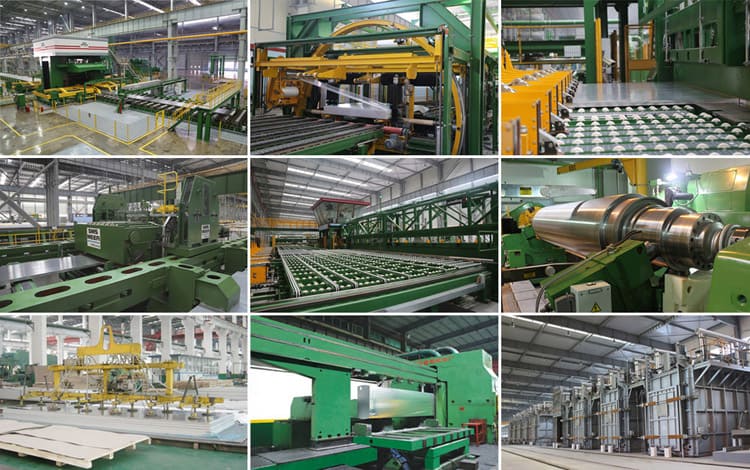
Casting and rolling process
Casting and rolling process: liquid metal, front box (liquid level control), casting and rolling machine (lubrication system, cooling water), shearing machine, coiling machine.
Cold rolling production process
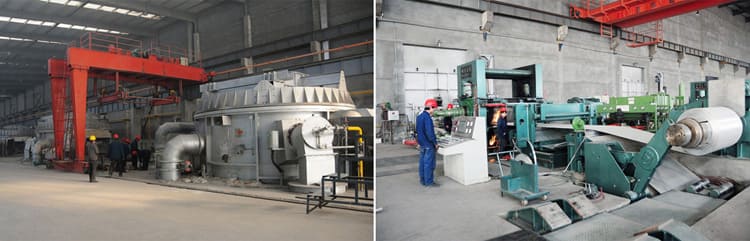
Introduction to finishing production process
Aluminum alloy has the characteristics of low density, good mechanical properties, good processing performance, non-toxic, easy to recycle, excellent electrical conductivity, heat transfer and corrosion resistance, so it has a wide range of applications.
Aerospace: used to make aircraft skins, fuselage frames, girders, rotors, propellers, fuel tanks, wall panels and landing gear struts, as well as rocket forging rings, spacecraft wall panels, etc.
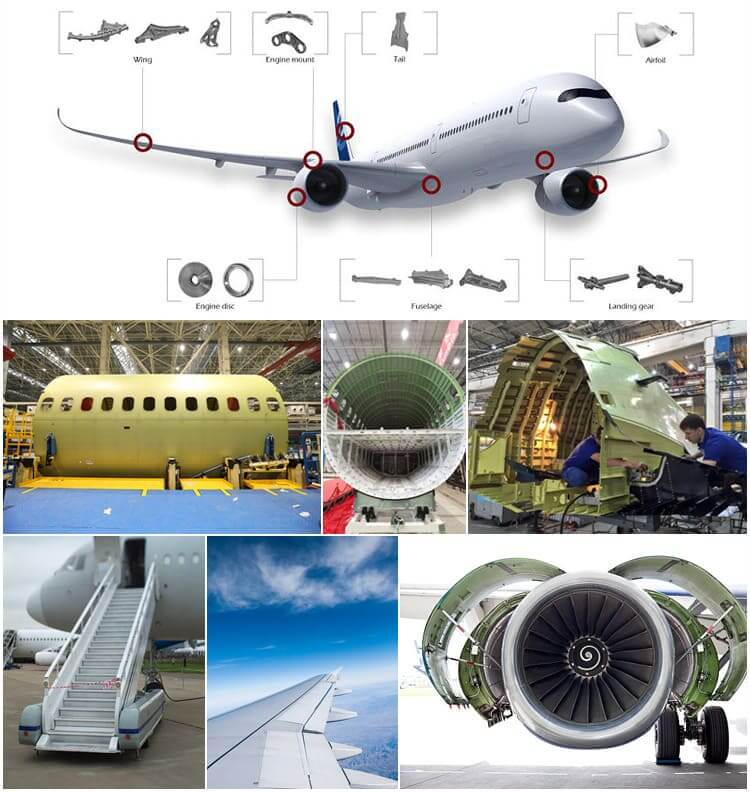
Aluminum alloy used for aerospace
Transportation: used for car body structure materials of automobiles, subway vehicles, railway passenger cars, high-speed passenger cars, doors and windows, shelves, automotive engine parts, air conditioners, radiators, body panels, wheels and ship materials.
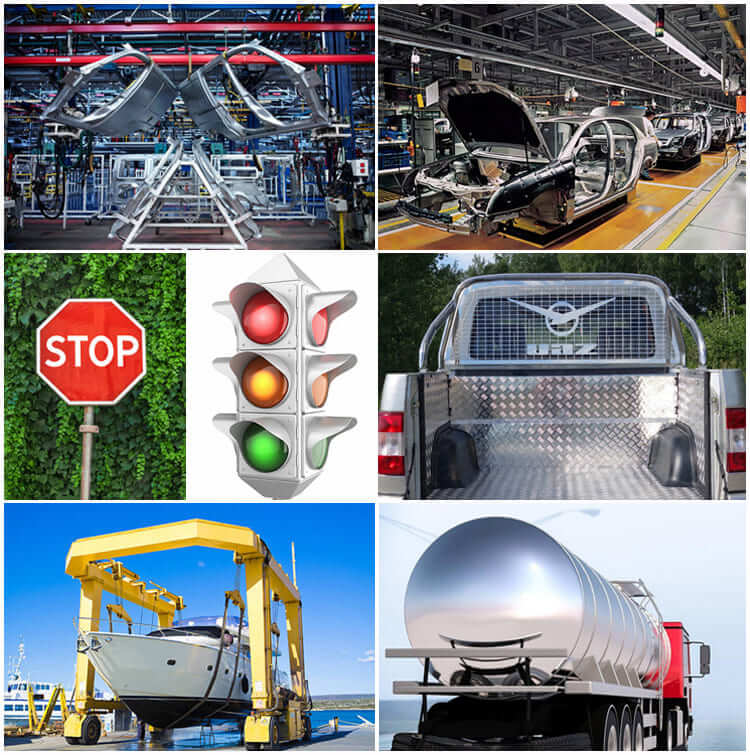
Traffic application
Packaging: All-aluminum pop cans are mainly used as metal packaging materials in the form of thin plates and foils, and are made into cans, lids, bottles, barrels, and packaging foils. Widely used in the packaging of beverages, food, cosmetics, medicines, cigarettes, industrial products, medicines, etc.
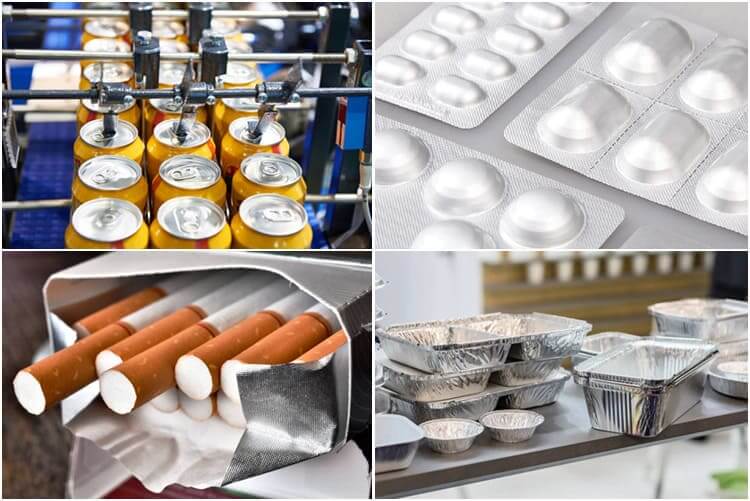
Packaging application
Printing: Mainly used to make PS plates, aluminum-based PS plates are a new type of material in the printing industry, used for automatic plate making and printing.
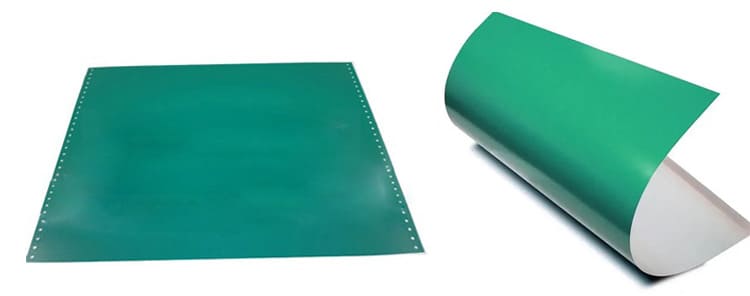
PS printing
Architectural decoration: aluminum alloy is widely used in building structures, doors and windows, suspended ceilings, decorative surfaces, etc. due to its good corrosion resistance, sufficient strength, excellent process performance and welding performance.
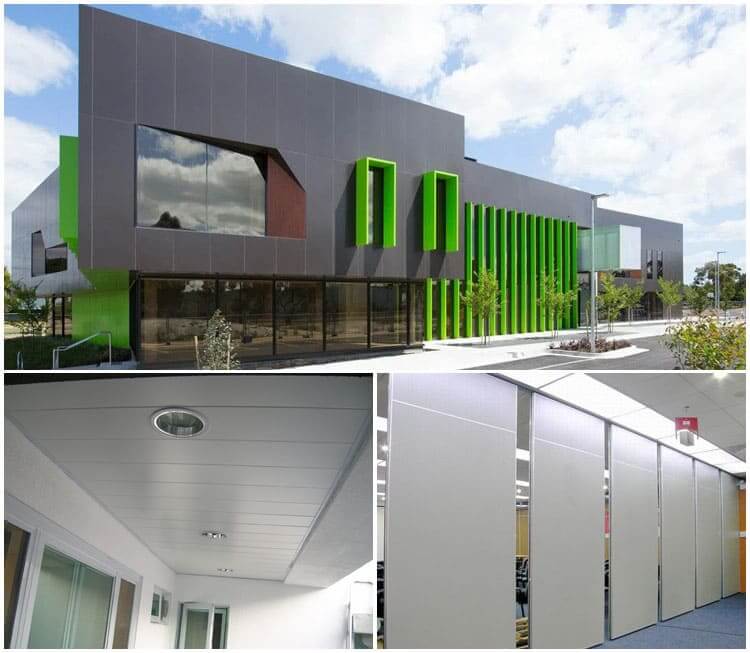
Aluminum alloy construction application
Electronic products: computers, mobile phones, refrigerator shells, radiators, etc.
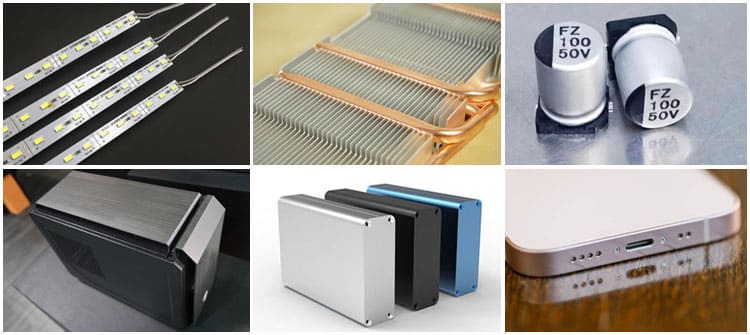
Electronic product application
Kitchen supplies: aluminum pots, aluminum basins, rice cooker liners, household aluminum foil, etc.
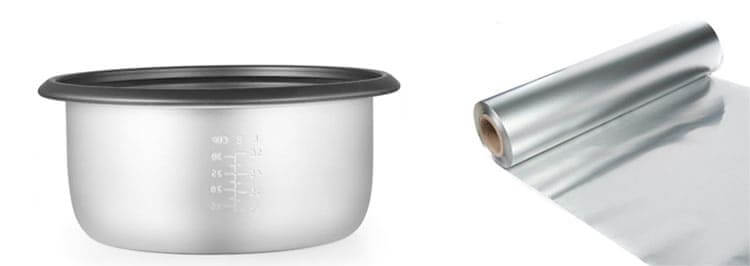
Kitchen application
Packaging Of Aluminum Sheet/Coil
Every detail of packaging is where we pursue perfect service. Our packaging process as a whole is as follows:
Lamination: clear film, blue film, micro-mucosal, high-mucosal, laser cutting film (2 brands, Novacell and Polyphem);
Protection: paper corner protectors, anti-pressure pads;
drying: desiccant;
Tray: fumigated harmless wooden tray, reusable iron tray;
Packing: Tic-tac-toe steel belt, or PVC packing belt;
Material Quality: Completely free from defects such as white rust, oil spots, rolling marks, edge damage, bends, dents, holes, break lines, scratches, etc., no coil set.
Port: Qingdao or other ports in China.
Lead time: 15-45 days.
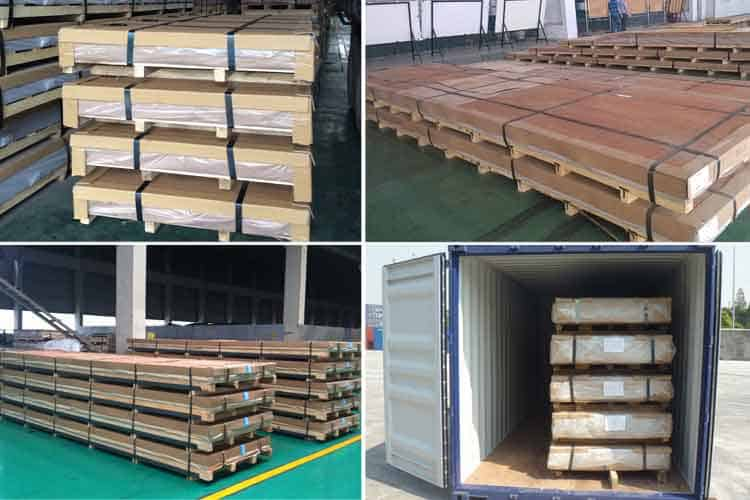
Aluminum sheet/plate packaging process
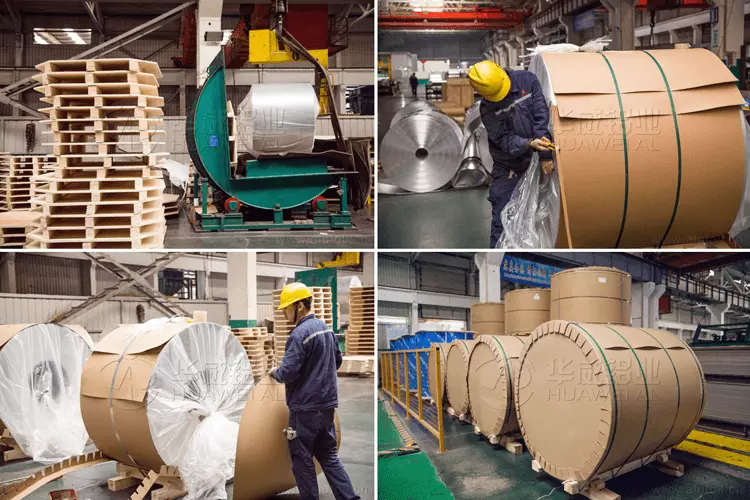
Aluminum coil packaging process
F: Are you a manufacturer or a trader?
Q: We are a manufacturer, our factory is at No.3 Weier Road, Industrial Zone, Gongyi, Henan, China.
F: What is the MOQ for ordering the product?
Q: Our MOQ is 5 tons, and some special products will have a minimum order quantity of 1 or 2 tons.
F: How long is your lead time?
Q: Generally our lead time is about 30 days.
F: Do your products have quality assurance?
Q: Yes, if there is a quality problem with our products, we will compensate the customer until they are satisfied.
Related Products


Latest Blogs
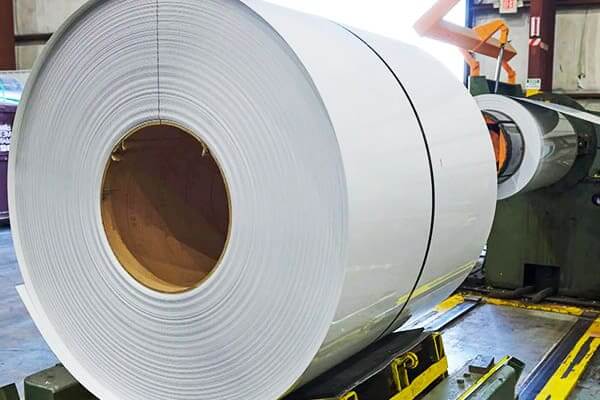
Common Alloys of Reefer Truck Used PE Coated Aluminum Coil
Discover common alloys of reefer truck used PE coated aluminum coil, including 3003, 3004, and 3105. Designed for excellent corrosion resistance, formability, and long-lasting outdoor performance.
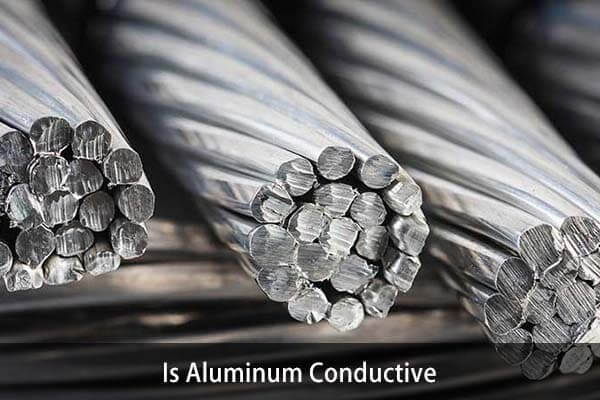
Is Aluminum Conductive? Properties, Uses & Benefits Explained
Is aluminum conductive? Discover aluminum's electrical conductivity, key advantages, and why it is widely used in power transmission and industrial applications.
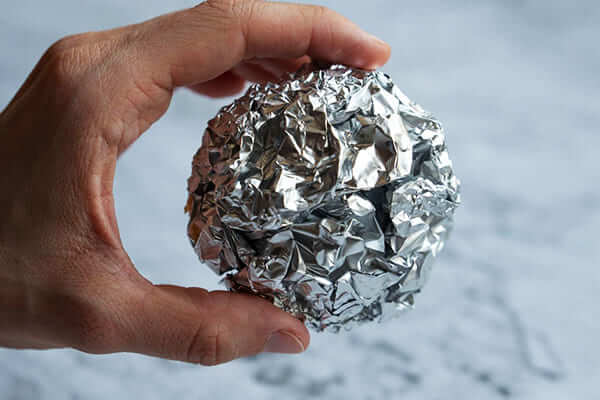
Unlocking Sustainability: The Truth About Aluminum Foil Recycling
Is Aluminum Foil Recyclable? Learn how aluminum foil can be recycled, how to prepare it properly, and why recycling helps reduce waste and save resources.
Coated Aluminum Foil for Packaging Applications | Strong & Reliable
High-quality coated aluminum foil for packaging applications, offering excellent barrier protection, durability, and consistent performance.