
1. Introduction
Pharmaceutical blister packaging aluminum foil is one of the most important primary packaging materials for solid oral dosage forms because it helps protect medicines from light, moisture, oxygen, contamination, and handling damage while still supporting efficient, unit-dose dispensing.
FDA guidance describes a blister package as a flexible packaging system made up of a lidding material and a forming film, and notes that the lidding material is usually a laminate with a barrier layer such as aluminum foil, a print primer, and a heat-sealing lacquer.
Its importance is not only technical but regulatory. Under U.S. cGMP, container closure systems must not alter product safety or quality and must provide adequate protection against foreseeable external factors, while stability testing must be performed in the same container-closure system in which the drug is marketed.
8011 Blister Packaging Aluminum Foil
2. What Is Pharmaceutical Blister Packaging Aluminum Foil?
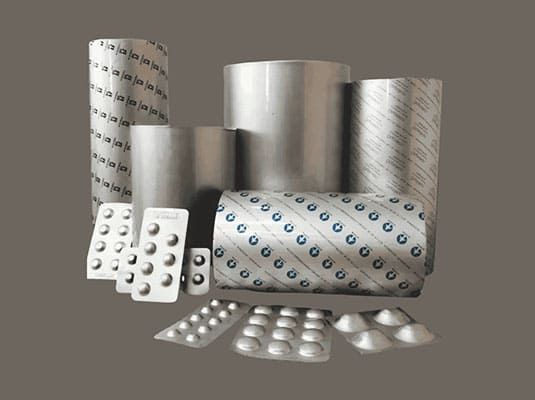
At its core, pharmaceutical blister packaging aluminum foil—frequently termed Push-Through-Pack (PTP) foil or lidding foil—is a highly refined, heavily calendered metallic sheet.
Typically milled to a microscopic thickness ranging from 20 to 30 micrometers (µm) for standard lidding, and up to 60 µm for cold-form backing, it is significantly more sophisticated than standard consumer foil.
It is a composite material system. The raw aluminum substrate undergoes precise thermal treatments (annealing) to achieve specific mechanical tempers.
It is then functionally modified: the exterior is coated with a print-receptive primer to facilitate high-resolution pharmaceutical coding, while the interior is laminated with a thermoplastic Heat Seal Lacquer (HSL).
This HSL is chemically engineered to bond irreversibly with various thermoformed plastic base webs (such as PVC, PVDC, PP, or PET) under heat and pressure, sealing the medication inside the blister cavity.
3. Why Aluminum Foil Is Essential in Pharmaceutical Packaging
3.1 Barrier protection for drug stability
The defining characteristic of aluminum foil is its absolute barrier performance. When rolled to a gauge of 20 µm or thicker, high-quality pharmaceutical foil achieves a zero Water Vapor Transmission Rate (WVTR) and a zero Oxygen Transmission Rate (OTR) (<0.001 g/m²/24h).
In contrast, standard 250 µm PVC film has a WVTR of approximately 3.0 g/m²/day. This absolute barrier completely halts hydrolytic and oxidative degradation pathways.
3.2 Shelf life extension and product efficacy
By creating an impenetrable micro-climate, aluminum foil extends the shelf life of sensitive APIs from months to several years (typically up to 3–5 years).
Furthermore, its 100% opacity completely blocks ultraviolet (UV) and visible light radiation.
This is critical for photo-labile drugs (like nifedipine or certain antibiotics), which undergo rapid photochemical degradation when exposed to light.
3.3 Dose accuracy and patient compliance
Unit-dose blister packs compartmentalize medication. Push-through aluminum foils allow patients to extract a single dose without exposing the remaining medication to ambient humidity.
Furthermore, foils can be printed with “calendarized” days of the week, a proven behavioral psychology tool that significantly boosts patient adherence and prevents accidental overdosing or missed doses.
3.4 Tamper evidence and product security
Counterfeit and adulterated drugs pose a lethal threat to global supply chains. Aluminum blister cavities are inherently tamper-evident; once the foil is breached, ruptured, or peeled, it cannot be seamlessly repaired or resealed.
This mechanical destruction provides immediate visual confirmation of product integrity to both pharmacists and consumers.
3.5 Compatibility with automated packaging lines
Modern high-volume pharmaceutical blistering lines—such as those manufactured by Uhlmann or Marchesini—operate at staggering speeds, often thermoforming, filling, and sealing 400 to 800 blisters per minute.
Aluminum foil’s excellent thermal conductivity facilitates millisecond heat-sealing, while its dead-fold characteristic prevents spring-back, ensuring continuous, jam-free high-speed automation.

Pharmaceutical Blister Packaging Aluminum Foil
4. Types of Pharmaceutical Aluminum Foil Used in Blister Packaging
4.1 PTP (Press-Through-Pack) lidding foil
PTP foil is the ubiquitous backing for standard PVC/PVDC blisters. It is intentionally manufactured in a “hard” temper (H18 state).
The H18 temper means the aluminum has been severely work-hardened during cold rolling and not subjected to a final softening anneal.
This yields a material with high tensile strength but very low elongation (<2%). Consequently, it is highly brittle and ruptures cleanly with minimal force when a patient pushes a tablet against it.
4.2 Strip foil packaging
Utilized for larger capsules, effervescent tablets, and suppositories, strip foil utilizes two webs of foil to encapsulate the drug.
Unlike PTP, strip foil relies on a “soft” temper (O-state) aluminum. It is highly ductile, preventing fracture during packaging, and is typically laminated with Low-Density Polyethylene (LDPE).
The two webs are heat-crimped together to form a pouch, providing an exceptional moisture barrier for highly hygroscopic products.
4.3 Cold forming foil (Alu-Alu foil)
For extremely hygroscopic or light-sensitive formulations, traditional plastic base webs are insufficient.
Alu-Alu blister packaging replaces the plastic with a cold-stamped aluminum laminate (typically OPA/Alu/PVC).
The aluminum core (45–60 µm) is fully annealed (O-state) to maximize ductility. Using a Teflon-coated punch, the laminate is deep-drawn into cavities at room temperature.
The foil must stretch up to 40% without micro-fracturing, demanding exceptional metallurgical purity.
4.4 Child-resistant (CR) and senior-friendly (SF) foil
To comply with stringent regulations (e.g., US CPSC F=1 protocols) preventing pediatric ingestion of toxic medications, lidding foil is reinforced.
It is laminated with a layer of tough paper or tear-resistant PET film. This creates a puncture-resistant barrier that cannot be simply pushed through.
Opening requires a cognitive, two-step “peel-push” (peeling the paper backing away to expose the pushable foil) or “tear-notch” mechanism, balancing child safety with accessibility for seniors suffering from dexterity issues.

Strip foil packaging
5. Material Structure and Coating Systems
5.1 Typical multilayer structure
A standard PTP blister foil is an engineered multilayer composite. From the exterior environment toward the tablet, the structure is precisely calibrated:
- Print Primer Layer (1.0 – 2.0 g/m²): Typically a nitrocellulose-based lacquer. It modifies the surface tension of the raw aluminum, ensuring excellent adhesion for various pharmaceutical printing inks.
- Aluminum Foil Substrate (20-30 µm): The core barrier layer, dictating the mechanical and protective properties.
- Heat Seal Lacquer (HSL) Layer (3.0 – 8.0 g/m²): A thermoplastic adhesive applied to the inner surface. It remains dormant at room temperature but melts and fuses with the plastic base web at specific temperatures (usually 180°C–220°C).
5.2 Common alloys of Blister Packaging Aluminum Foil
The microscopic performance of the foil is governed by its metallurgical alloy:
- Alloy 8011: The global standard for PTP lidding. The deliberate addition of Iron (Fe, 0.6-1.0%) and Silicon (Si, 0.5-0.9%) enhances the material’s burst strength and dramatically reduces the occurrence of microscopic pinholes during rolling compared to pure aluminum.
- Alloy 8021 / 8079: Featuring slightly higher aluminum purity and specific annealing profiles, these alloys possess superior elongation and deep-drawing characteristics, making them the absolute prerequisite for Alu-Alu cold forming base webs.
- Alloy 1235: A high-purity aluminum (minimum 99.35% Al) offering maximum barrier properties per micrometer, generally utilized in flat strip packaging laminates.
5.3 Common coating materials
The chemistry of the Heat Seal Lacquer (HSL) is critical and must be tailor-matched to the base web:
- Vinyl-based Resins: Used universally for sealing to standard PVC and PVDC webs.
- Acrylic-based Polymers: Required for sealing to non-halogenated webs like PET (Polyethylene Terephthalate) or PP (Polypropylene). Proper formulation ensures the seal strength falls within the ideal “peelable yet secure” window.
6. Key Characteristics of Pharmaceutical Blister Packaging Aluminum Foil
6.1 Barrier properties and Pinhole Porosity
While intact aluminum is impermeable, the manufacturing process can introduce microscopic gaps known as pinholes. High-grade pharmaceutical foil is strictly regulated for pinhole porosity (e.g., EN 14392 standards).
For a 20 µm foil, the industry standard demands absolutely zero pinholes larger than 0.3mm, and less than 1-3 microscopic pinholes per square meter, ensuring the macro-barrier remains uncompromised.
6.2 Mechanical properties
- Tensile Strength: H18 temper PTP foil must exhibit a tensile strength between 130–170 MPa, ensuring it remains intact during packaging line tension but yields to finger pressure.
- Elongation: H18 foil has an elongation rate of ≤2%. In stark contrast, Alu-Alu O-state foil requires an elongation rate exceeding 15% to withstand the deep-drawing stamping process without rupture.
6.3 Seal performance
Seal integrity is the fail-safe of the blister pack. Quality foils must consistently demonstrate a minimum peel strength of ≥ 7.0 N/15mm (Newtons per 15mm width) when sealed against PVC under a standardized pressure of 0.3 MPa for 1 second at 180°C.
6.4 Chemical stability and compatibility
The foil system must be chemically inert. Exhaustive Extractables and Leachables (E&L) testing (via LC-MS and GC-MS) is conducted to guarantee that plasticizers, residual solvents, or ink components do not migrate through the lacquer into the API, even under accelerated thermal stress testing.
6.5 Printability and traceability
To combat counterfeiting and ensure patient safety, the exterior primer must support high-speed rotogravure or UV flexographic printing.
It must clearly render micro-text, batch numbers, GS1 2D DataMatrix barcodes, and occasionally overt anti-counterfeit features like color-shifting inks or UV-fluorescent markers.
7. Manufacturing Processes of Blister Aluminum Foil
7.1 Rolling and foil production
Production begins with continuous casting of massive aluminum coils. Through a series of high-precision cold rolling mills, the gauge is systematically reduced.
During the final pass, two sheets are often rolled together (pack rolling) to achieve the 20 µm thickness, which gives foil its characteristic shiny side (in contact with the steel rollers) and matte side (in contact with the other aluminum sheet).
The foil is then thermally annealed in massive furnaces at 300°C – 400°C to achieve the desired temper and burn off volatile rolling oils.
7.2 Coating and lacquering
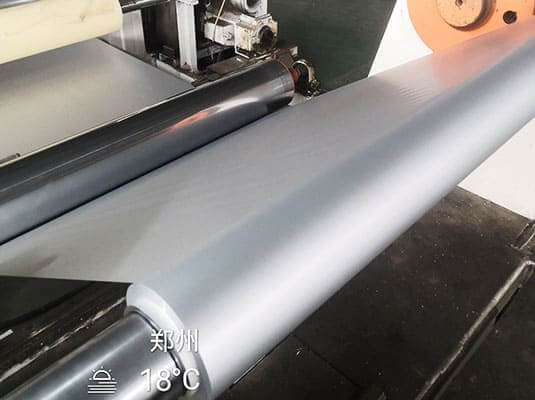
The bare foil is transferred to Class 100,000 (ISO Class 8) cleanroom facilities. Using precision gravure cylinders, the protective primer and Heat Seal Lacquer are applied evenly across the web.
The coated foil travels through multi-zone convection drying ovens (up to 200°C) to cure the polymers and rapidly evaporate the solvent carriers.
7.3 Printing and surface treatment
Depending on the pharmaceutical client’s specifications, the coated jumbo rolls undergo in-line printing.
Using specialized, non-migratory, pharma-grade inks, the foil is branded and encoded with specific regulatory text and visual security layers.
7.4 Slitting and conversion
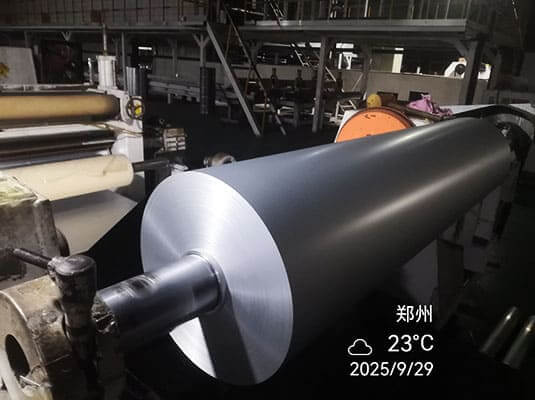
Finally, the massive jumbo rolls are processed through highly tension-controlled slitter rewinders, cutting the foil into the precise, narrow widths required by pharmaceutical blister machines.
Automated optical inspection (AOI) systems utilizing lasers continuously scan the moving web to detect surface anomalies or micro-pinholes in real-time.

Huawei Packaged Blister Packaging Aluminum Foil
8. Huawei Quality Control and Testing Methods
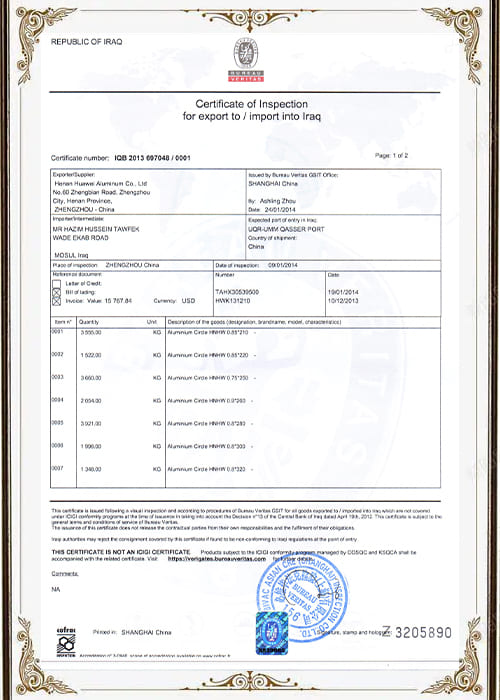
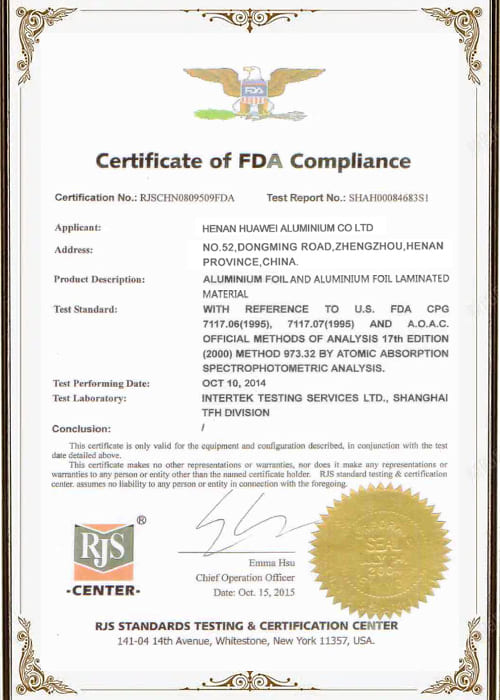
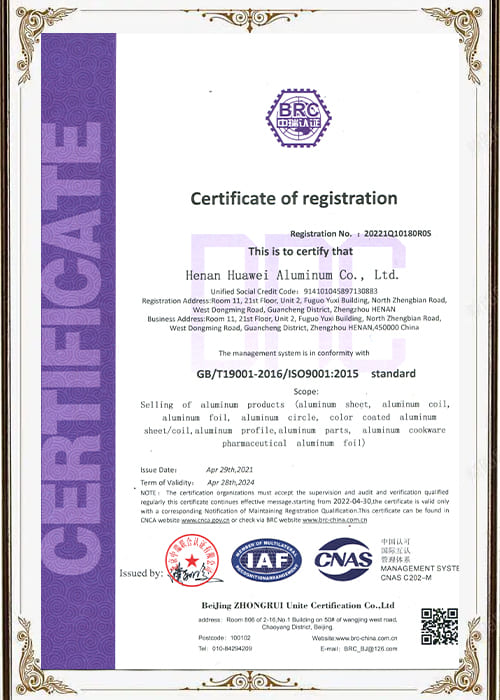
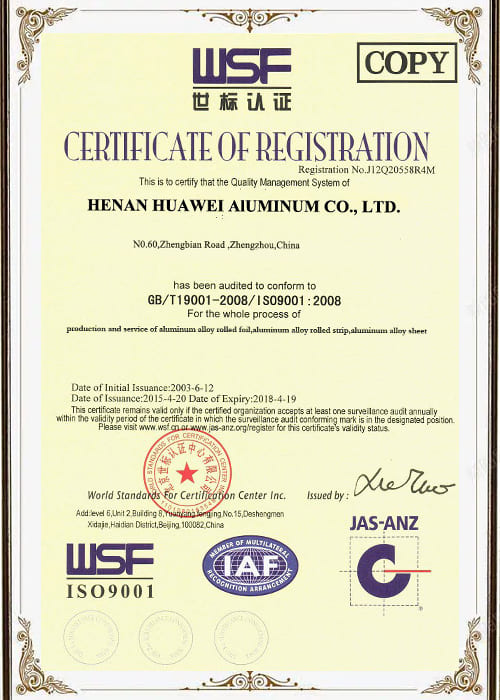
Recognized as a benchmark in global aluminum foil manufacturing, Huawei Aluminum implements a rigorous, uncompromising Quality Control (QC) framework tailored to pharmaceutical requirements.
Operating well beyond basic specifications, Huawei’s testing matrix includes:
- Laser Pinhole Detection: Utilizing high-intensity optical light boxes and automated laser scanners on the slitting line to guarantee absolute compliance with zero macroscopic pinhole limits.
- Peel Force & Adhesion Testing: Employing Lloyd instrument universal testing machines to verify that the Heat Seal Lacquer achieves and exceeds the critical 7N/15mm bonding strength against specific base webs.
- Gravimetric Coat Weight Verification: Ensuring the primer and HSL are applied uniformly, maintaining an exacting tolerance of ±0.5 g/m² to prevent weak seals (under-coating) or blister machine jamming (over-coating).
- Solvent Residue Analysis: Utilizing advanced Gas Chromatography-Mass Spectrometry (GC-MS) to quantify Volatile Organic Compounds (VOCs). Huawei ensures residual solvents from the lacquering process are practically non-existent (< 5 mg/m²), precluding any risk of drug contamination.
- Microbiological and Bioburden Testing: Conducted in dedicated, sterile lab facilities to ensure the foil maintains strict microbial limits, rendering it safe for primary pharmaceutical packaging.
9. Regulatory and Compliance Requirements
Because blister foil acts as primary packaging—meaning it is in direct contact with, or directly forms the barrier for, the medication—its production operates under severe regulatory scrutiny. Reputable manufacturers must meticulously adhere to:
- FDA 21 CFR (Part 175/177): Dictating the strict toxicological safety of the adhesives, polymers, and coatings used.
- DMF (Drug Master File): Manufacturers must register and maintain a Type III DMF with the US FDA. This highly confidential document details the precise chemical formulas and manufacturing protocols, allowing pharmaceutical companies to reference the foil during their drug approval (NDA/ANDA) process.
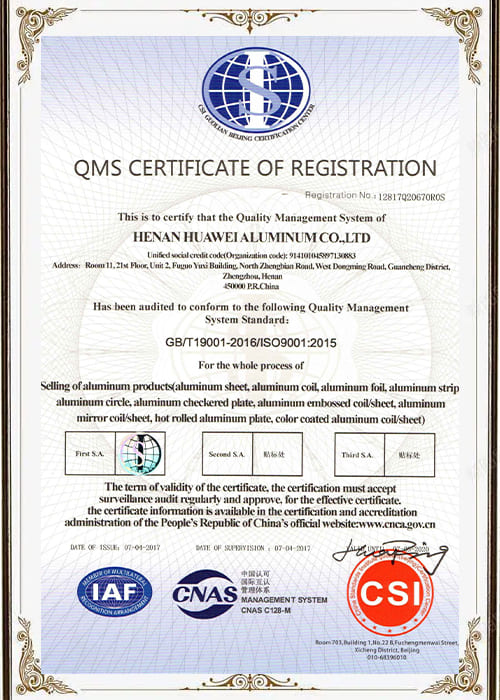
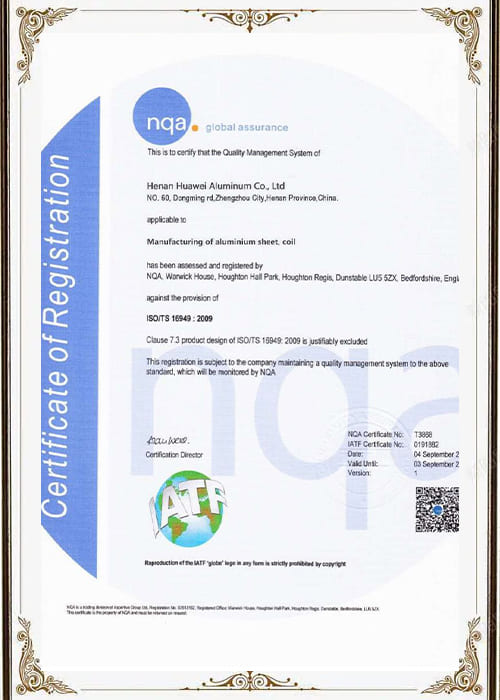
- ISO 15378 & cGMP: A specialized global certification that merges ISO 9001 quality management with Good Manufacturing Practices (cGMP) specifically designed for primary packaging materials for medicinal products.
- Pharmacopoeia Standards: Total compliance with the material safety and performance monographs set by the USP (United States Pharmacopeia, specifically <661> and <671>) and the EP (European Pharmacopoeia).
10. Comparison with Alternative Packaging Materials
While aluminum remains the definitive standard, understanding the packaging landscape requires comparing it against its plastic counterparts.
The data clearly illustrates aluminum’s supremacy in barrier protection:
| Base Web Material | Typical Structure / Thickness | WVTR (Moisture) [g/m²/day] | OTR (Oxygen) [cc/m²/day] | Visual Clarity | Relative Cost Factor | Primary ICH Climate Zone Suitability |
| Standard PVC | 250 µm | ~3.00 | ~15.00 | Excellent | 1.0x (Baseline) | Zone I & II (Mild/Dry) |
| PVC / PVDC | 250 µm / 90 gsm | ~0.40 | ~1.50 | Very Good | 1.5x – 2.0x | Zone I, II, III |
| Aclar® Laminate | PVC / Aclar (SupRx 900) | ~0.03 | ~2.00 | Excellent | 3.5x – 4.5x | All Zones (Moisture focus) |
| COC Laminate | PP / COC / PP | ~0.25 | ~8.00 | Excellent | 2.5x – 3.5x | Zone I, II, III |
| Alu-Alu Foil | OPA 25 / Alu 45 / PVC 60 | < 0.001 (Absolute Zero) | < 0.001 (Absolute Zero) | Opaque (None) | 3.0x – 4.0x | All Zones (Ultimate Protection) |
11. Conclusion
Pharmaceutical blister packaging aluminum foil is far more than a simple metallic sheet; it is a triumph of advanced metallurgy, polymer chemistry, and precision engineering.
By providing an absolute, impermeable barrier against moisture, light, and oxygen, while enabling ultra-high-speed automated packaging and tamper-evident security, it fundamentally underpins the stability of global healthcare supply chains.
As the pharmaceutical industry advances toward increasingly complex and sensitive formulations—such as biologically derived solids and ultra-hygroscopic compounds—the reliance on stringently tested, premium-grade aluminum foil will only intensify.
Manufacturers like Huawei Aluminum, who enforce relentless QC and regulatory compliance, are critical pillars in this ecosystem.
Looking forward, the integration of nanocoatings, RFID smart-packaging for patient adherence, and the development of sustainable, mono-material recycling pathways will ensure that aluminum foil remains the ultimate vanguard of pharmaceutical protection for decades to come.
FAQs
Q1: What is the difference between PTP foil and Alu-Alu foil?
A1: PTP (Push-Through-Pack) foil is thin (20-30 µm), hard-tempered, and used as the flat lidding sheet that you push a tablet through. Alu-Alu foil is thicker (45-60 µm), soft-tempered, and laminated with nylon and PVC to allow it to be cold-formed into deep cavities (the base web) without tearing.
Q2: Is pharmaceutical aluminum foil safe and non-toxic?
A2: Yes. The aluminum substrate is coated with food- and pharma-grade primers and heat seal lacquers. The metal itself never comes into direct chemical contact with the drug, and all coating materials undergo rigorous Extractables and Leachables (E&L) testing to comply with FDA and EMA regulations.
Q3: Can pharmaceutical blister packs be recycled?
A3: Traditionally, blister packs are difficult to recycle because they are composite materials (aluminum securely bonded to PVC or other plastics). However, advanced delamination technologies and the development of newer, mono-material blister packaging concepts are actively improving the recyclability of these items.
Q4: Why does my blister foil have a paper layer on the back?
A4: If a blister pack has a paper or PET film laminated over the aluminum, it is designed for Child Resistance (CR). The paper layer prevents a child from simply pushing the pill through the foil; instead, an adult must cognitively peel back the paper layer first before pushing the tablet out.
Casting production process and its introduction
The purpose of melting and casting is to produce alloys with satisfactory composition and high purity of melt, so as to create favorable conditions for casting alloys of various shapes.
Melting and casting process steps: batching --- feeding --- melting --- stirring after melting, slag removal --- pre-analysis sampling --- adding alloy to adjust the composition, stirring --- refining --- static Setting——Guide furnace casting.
Hot rolling production process and its introduction
- 1. Hot rolling generally refers to rolling above the metal recrystallization temperature;
- 2. During the hot rolling process, the metal has both hardening and softening processes. Due to the influence of deformation speed, as long as the recovery and recrystallization process is too late, there will be a certain work hardening;
- 3. The recrystallization of the metal after hot rolling is incomplete, that is, the coexistence of recrystallized structure and deformed structure;
- 4. Hot rolling can improve the processing performance of metals and alloys, reduce or eliminate casting defects.
- 1. The casting and rolling temperature is generally between 680°C and 700°C. The lower the better, the stable casting and rolling line usually stops once a month or more to re-stand. During the production process, it is necessary to strictly control the liquid level of the front tank to prevent low liquid level;
- 2. Lubrication uses C powder with incomplete combustion of gas for lubrication, which is also one of the reasons for the dirty surface of casting and rolling materials;
- 3. The production speed is generally between 1.5m/min-2.5m/min;
- 4. The surface quality of products produced by casting and rolling is generally relatively low, and generally cannot meet products with special physical and chemical performance requirements.
- 1. Cold rolling refers to the rolling production method below the recrystallization temperature;
- 2. There will be no dynamic recrystallization during the rolling process, and the temperature will rise to the recovery temperature at most, and the cold rolling will appear in a work hardening state, and the work hardening rate will be large;
- 3. The cold-rolled sheet and strip have high dimensional accuracy, good surface quality, uniform structure and performance, and products in various states can be obtained with heat treatment;
- 4. Cold rolling can roll out thin strips, but at the same time, it has the disadvantages of high energy consumption for deformation and many processing passes.
- 1. Finishing is a processing method to make the cold-rolled sheet meet the customer's requirements, or to facilitate the subsequent processing of the product;
- 2. The finishing equipment can correct the defects produced in the hot rolling and cold rolling production process, such as cracked edge, oily, poor plate shape, residual stress, etc. It needs to ensure that no other defects are brought into the production process;
- 3. There are various finishing equipments, mainly including cross-cutting, slitting, stretching and straightening, annealing furnace, slitter, etc.
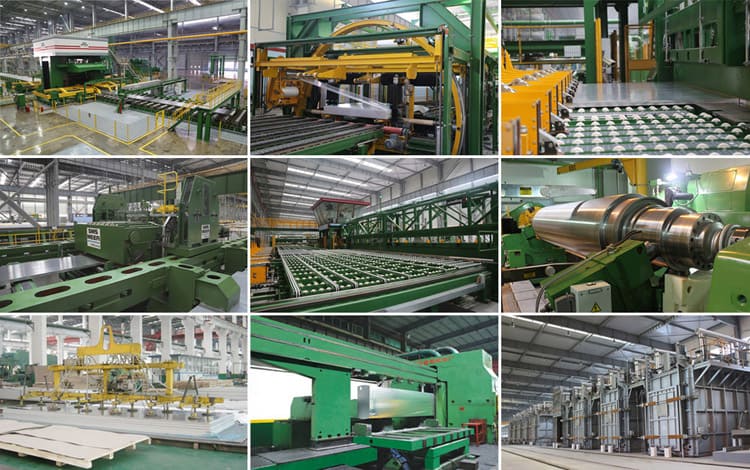
Casting and rolling process
Casting and rolling process: liquid metal, front box (liquid level control), casting and rolling machine (lubrication system, cooling water), shearing machine, coiling machine.
Cold rolling production process
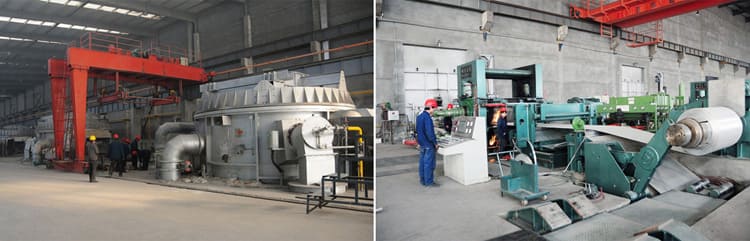
Introduction to finishing production process
Aluminum alloy has the characteristics of low density, good mechanical properties, good processing performance, non-toxic, easy to recycle, excellent electrical conductivity, heat transfer and corrosion resistance, so it has a wide range of applications.
Aerospace: used to make aircraft skins, fuselage frames, girders, rotors, propellers, fuel tanks, wall panels and landing gear struts, as well as rocket forging rings, spacecraft wall panels, etc.

Aluminum alloy used for aerospace
Transportation: used for car body structure materials of automobiles, subway vehicles, railway passenger cars, high-speed passenger cars, doors and windows, shelves, automotive engine parts, air conditioners, radiators, body panels, wheels and ship materials.

Traffic application
Packaging: All-aluminum pop cans are mainly used as metal packaging materials in the form of thin plates and foils, and are made into cans, lids, bottles, barrels, and packaging foils. Widely used in the packaging of beverages, food, cosmetics, medicines, cigarettes, industrial products, medicines, etc.
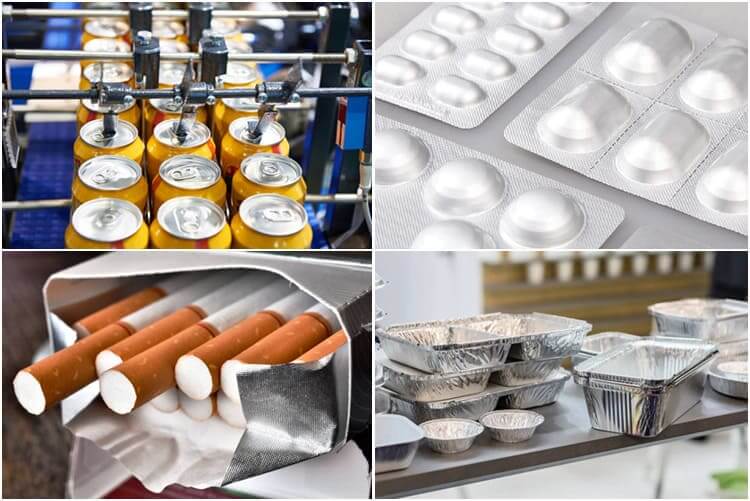
Packaging application
Printing: Mainly used to make PS plates, aluminum-based PS plates are a new type of material in the printing industry, used for automatic plate making and printing.
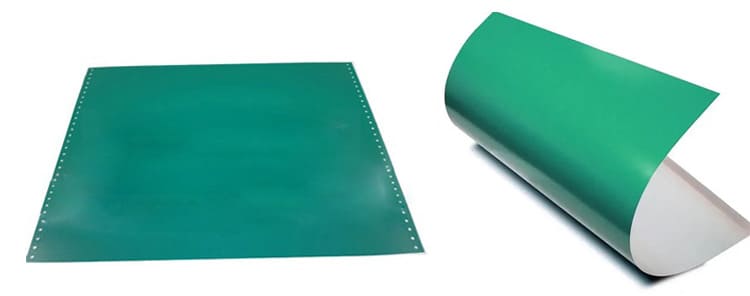
PS printing
Architectural decoration: aluminum alloy is widely used in building structures, doors and windows, suspended ceilings, decorative surfaces, etc. due to its good corrosion resistance, sufficient strength, excellent process performance and welding performance.

Aluminum alloy construction application
Electronic products: computers, mobile phones, refrigerator shells, radiators, etc.
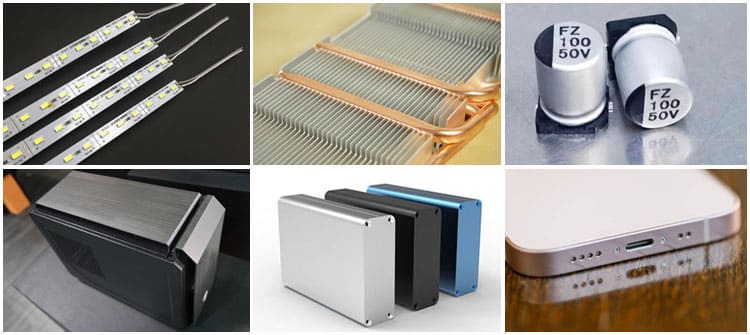
Electronic product application
Kitchen supplies: aluminum pots, aluminum basins, rice cooker liners, household aluminum foil, etc.
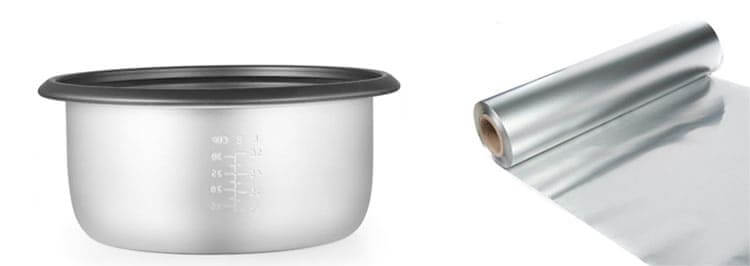
Kitchen application
Packaging Of Aluminum Sheet/Coil
Every detail of packaging is where we pursue perfect service. Our packaging process as a whole is as follows:
Lamination: clear film, blue film, micro-mucosal, high-mucosal, laser cutting film (2 brands, Novacell and Polyphem);
Protection: paper corner protectors, anti-pressure pads;
drying: desiccant;
Tray: fumigated harmless wooden tray, reusable iron tray;
Packing: Tic-tac-toe steel belt, or PVC packing belt;
Material Quality: Completely free from defects such as white rust, oil spots, rolling marks, edge damage, bends, dents, holes, break lines, scratches, etc., no coil set.
Port: Qingdao or other ports in China.
Lead time: 15-45 days.
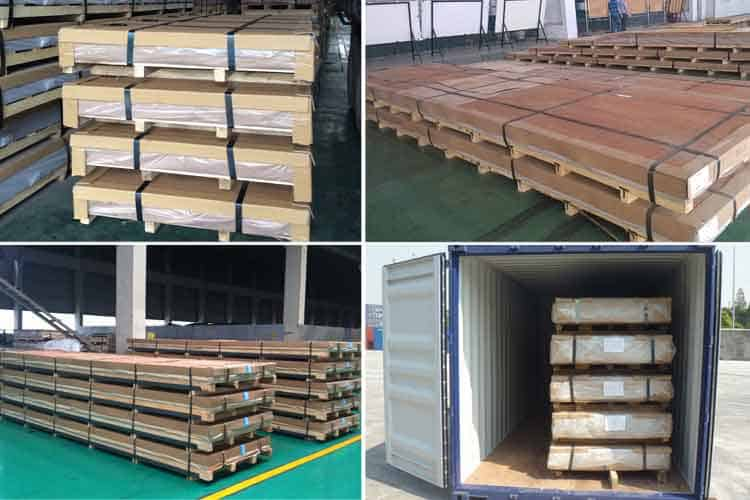
Aluminum sheet/plate packaging process
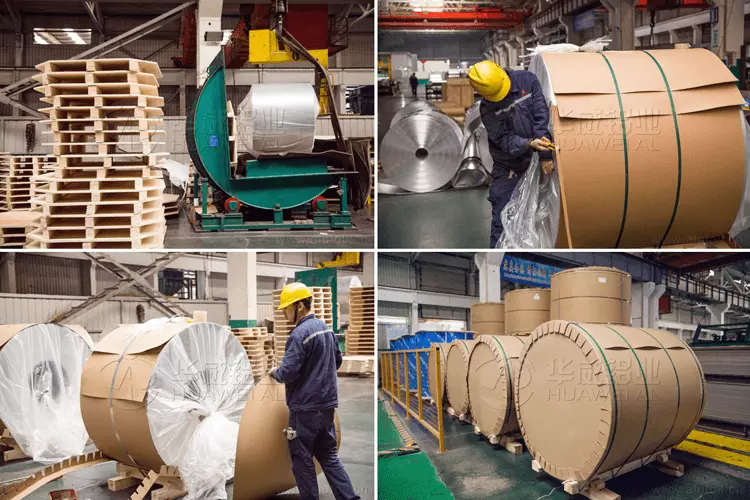
Aluminum coil packaging process
F: Are you a manufacturer or a trader?
Q: We are a manufacturer, our factory is at No.3 Weier Road, Industrial Zone, Gongyi, Henan, China.
F: What is the MOQ for ordering the product?
Q: Our MOQ is 5 tons, and some special products will have a minimum order quantity of 1 or 2 tons.
F: How long is your lead time?
Q: Generally our lead time is about 30 days.
F: Do your products have quality assurance?
Q: Yes, if there is a quality problem with our products, we will compensate the customer until they are satisfied.
Related Products


Latest Blogs
Common Alloys of Reefer Truck Used PE Coated Aluminum Coil
Discover common alloys of reefer truck used PE coated aluminum coil, including 3003, 3004, and 3105. Designed for excellent corrosion resistance, formability, and long-lasting outdoor performance.
Is Aluminum Conductive? Properties, Uses & Benefits Explained
Is aluminum conductive? Discover aluminum's electrical conductivity, key advantages, and why it is widely used in power transmission and industrial applications.
Unlocking Sustainability: The Truth About Aluminum Foil Recycling
Is Aluminum Foil Recyclable? Learn how aluminum foil can be recycled, how to prepare it properly, and why recycling helps reduce waste and save resources.
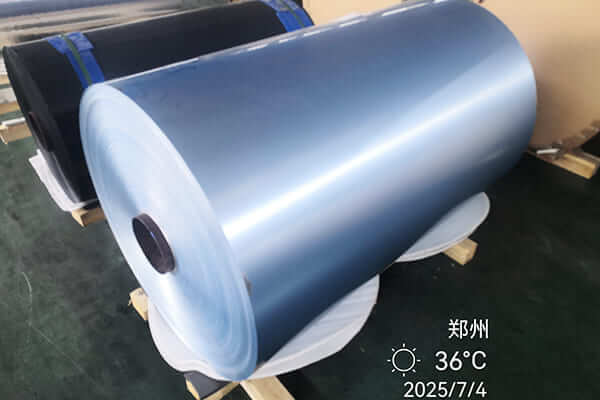
Coated Aluminum Foil for Packaging Applications | Strong & Reliable
High-quality coated aluminum foil for packaging applications, offering excellent barrier protection, durability, and consistent performance.