
8011 H14 Aluminum Closure Coil: A Complete Guide for Bottle Cap Manufacturers
An 8011 H14 aluminum closure coil is the raw material most cap converters reach for first, and once you understand the alloy chemistry behind it, the reason becomes obvious.
Whether you produce ROPP caps, crown caps, or pharmaceutical vial seals, this coil consistently balances formability and strength in a way few alternatives can match.
Below, we unpack the alloy composition, mechanical properties, typical applications, and the quality checkpoints that separate a reliable aluminum closure coil from a batch that cracks during cap forming.
Whether you run a beverage bottling line or a pharmaceutical packaging plant, this guide gives you the technical grounding to negotiate specs with confidence.
What Makes 8011 H14 Aluminum Closure Coil Different
Aluminum coil comes in dozens of alloy and temper combinations, but not all of them survive the deep-drawing and threading process that closure manufacturing demands.
The 8011 alloy belongs to the 8xxx series, meaning iron and silicon are the dominant alloying elements rather than copper, magnesium, or zinc.
This particular chemistry gives the aluminum closure coil a rare combination of qualities. It is soft enough to be stamped and rolled into intricate thread patterns, yet strong enough to hold its shape once the cap is formed and applied to a bottle.
Meanwhile, the H14 temper — a strain-hardened, half-hard condition — adds just enough rigidity to prevent the finished cap from deforming under normal handling, without sacrificing the ductility needed during the stamping stage.
Consequently, converters across the beverage, cosmetics, and pharmaceutical sectors specify 8011 H14 coil as their go-to material whenever a closure needs to be both formable and durable at the same time.
For a deeper comparison of alloy families, the Aluminum Association’s alloy designation system offers a useful technical reference.
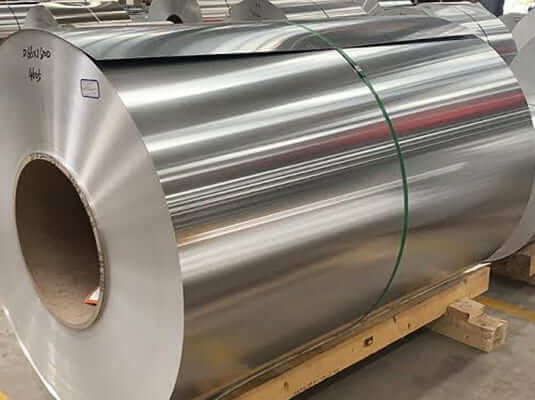
8011 H14 Aluminum Closure Coil
Key Technical Specifications
Before placing an order, it helps to compare the numbers side by side. The table below summarizes the typical specification range Henan Huawei Aluminum offers for 8011 H14 aluminum closure coil.
| Property | Typical Value |
|---|---|
| Alloy | 8011 |
| Temper | H14 |
| Thickness | 0.18mm – 0.40mm |
| Width | 30mm – 1600mm (custom slitting available) |
| Coil Weight | 500kg – 3000kg (customizable core and ID) |
| Tensile Strength | 100 – 150 MPa |
| Elongation | ≥ 2% |
| Surface Finish | Bright, mill finish, or lacquered |
| Core Diameter | 150mm / 300mm / 405mm / 505mm |
Naturally, exact figures shift slightly depending on the cap design — a ROPP (Roll-On Pilfer Proof) closure for wine bottles calls for a different thickness than a crown cap for a beer bottle.
As a result, most reputable suppliers will ask about your final application before confirming a spec sheet.
If you are still comparing alloys, our 8006 vs 8011 aluminum coil comparison breaks down the differences in more detail.
Common Applications Across Industries
Aluminum closure coil rarely sits idle in a warehouse. It moves quickly into production because the demand for caps and seals is constant across so many consumer goods categories.
Beverage and Food Packaging
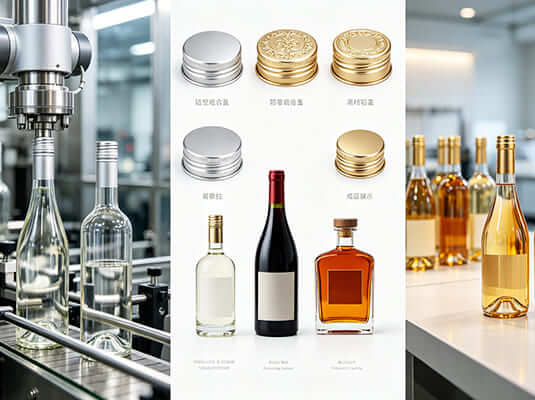
The largest share of 8011 H14 coil goes into ROPP caps, crown caps, and screw caps for wine, spirits, mineral water, and carbonated drinks.
Since these caps must seal tightly while still allowing an easy twist-off, the coil’s balance of strength and formability becomes essential.
Our ROPP cap material page covers gauge selection in more depth for this segment.
Pharmaceutical and Medical Sealing
In addition, pharmaceutical companies rely on this aluminum closure coil for vial seals and tamper-evident caps.
Here, purity and consistency matter enormously, because any inclusion or pinhole in the aluminum could compromise the sterile barrier.
Cosmetics and Personal Care
Furthermore, perfume caps, cream jar seals, and tube closures often use thinner gauges of the same 8011 H14 coil, taking advantage of its smooth surface finish for decorative printing and lacquering.
Applications of 8011 H14 Aluminum for Closure
Why H14 Temper Outperforms Other Options for Cap Forming
Some buyers ask whether a softer O temper or a harder H16 temper might work better. In practice, neither extreme performs as reliably.
An O-temper coil is too soft, so caps formed from it tend to lose their shape or develop wrinkles during high-speed capping.
On the other hand, an H16 or H18 temper resists forming altogether, which leads to cracking along the thread lines and higher scrap rates on the production floor.
The H14 temper sits at the sweet spot between these two extremes. Therefore, it remains the most cost-effective and production-friendly choice for the vast majority of closure applications, from mass-market beverage caps to premium spirit closures.
Quality Control: What to Verify Before You Order
A closure coil that looks fine on paper can still fail on the production line if the underlying process control is weak. Before confirming an order, it is worth checking several details with your supplier.
Surface cleanliness comes first, since oil residue or oxide spots can interfere with lacquer adhesion and printing quality.
Thickness tolerance is equally important, because even a small variation across the coil width can throw off the capping machine’s calibration.
Finally, coil flatness and edge condition affect how smoothly the material unwinds during high-speed slitting and forming.
| Quality Checkpoint | Why It Matters |
|---|---|
| Chemical composition (Fe, Si content) | Determines formability and cracking resistance |
| Thickness tolerance | Affects consistency across the entire coil |
| Surface finish inspection | Impacts printing, lacquering, and corrosion resistance |
| Mechanical testing (tensile/elongation) | Confirms suitability for stamping and threading |
| Coil flatness and edge trimming | Reduces downtime during slitting and forming |
Most mills follow testing procedures aligned with ASTM B209 standards for aluminum sheet and coil, so it is reasonable to request a mill test certificate referencing this standard alongside your shipment.
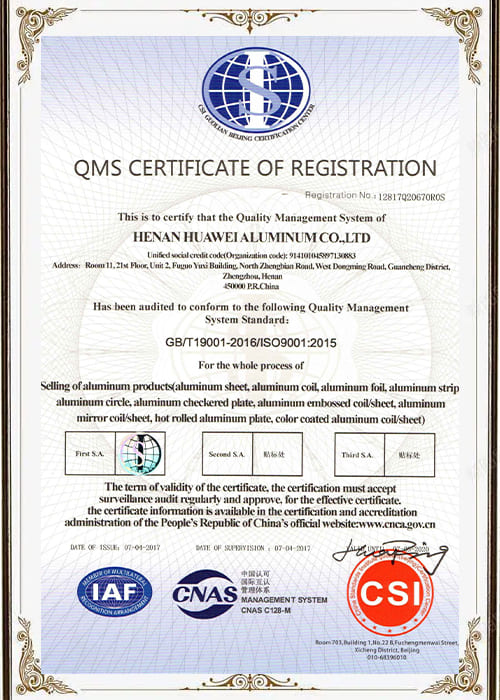
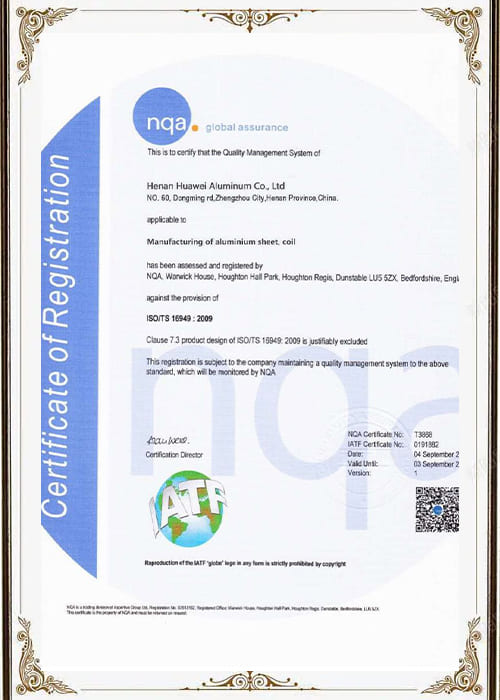
At Henan Huawei Aluminum, every coil ships with a mill test certificate covering these exact checkpoints, so buyers can verify compliance before the material even leaves the port.
Wine used 8011 H14 Aluminum
About Henan Huawei Aluminum
Henan Huawei Aluminum operates rolling and slitting lines dedicated to closure and packaging-grade aluminum coil, with 8011 H14 among its core product lines.
Over the years, the company has built export relationships with beverage, pharmaceutical, and cosmetics converters who need consistent gauge control and dependable lead times batch after batch.
Rather than treating export orders as a one-off transaction, the team works with overseas buyers on packaging requirements, sample testing, and documentation from the first inquiry through repeat shipments.
This hands-on approach is part of why many customers return for their next coil order rather than re-sourcing from scratch each time.
Sourcing Considerations for International Buyers
Ordering aluminum coil across borders introduces a layer of logistics that domestic buyers rarely think about.
Packaging, moisture protection, and container loading all influence whether the coil arrives in usable condition.
Moisture-resistant wrapping matters a great deal, since aluminum coil is sensitive to white rust when exposed to humidity during long sea transit.
Additionally, wooden pallets and edge protectors prevent physical damage during loading and unloading.
A supplier with export experience will typically build these steps into their standard packing procedure rather than treating them as an afterthought.
Lead time is another factor worth clarifying early. Standard 8011 H14 coil in common widths often ships faster than custom slit widths, so it makes sense to align your order timeline with your production schedule well in advance.
FAQs About 8011 H14 Aluminum Closure Coil
What is the difference between 8011 and 8006 aluminum coil?
8011 generally offers a better balance of strength and formability for closure applications, while 8006 is more commonly chosen for foil and flexible packaging where higher elongation is prioritized over rigidity.
Can 8011 H14 coil be used for both ROPP and crown caps?
Yes. The same alloy and temper work for both cap types, though the thickness typically differs — ROPP caps often use a slightly heavier gauge than crown caps to withstand the roll-on threading process.
What is the minimum order quantity for custom widths?
This varies by supplier, but most mills can accommodate custom slit widths starting from a single coil batch, with faster turnaround on standard widths already in stock.
Does 8011 H14 aluminum closure coil come with a mill test certificate?
Reputable suppliers provide a mill test certificate covering chemical composition, mechanical properties, and dimensional tolerances with every shipment, often referencing ASTM B209 or equivalent standards.
Conclusion
The 8011 H14 aluminum closure coil is not simply another commodity product. Its specific alloy chemistry and temper condition are engineered around one job: forming reliable, leak-proof, tamper-evident caps at high speed without excessive scrap.
Understanding the specifications, quality checkpoints, and sourcing considerations outlined above puts you in a stronger position when evaluating suppliers.
A well-informed buyer avoids costly production stoppages and ensures the caps rolling off the line meet both functional and aesthetic expectations.
If you are currently comparing coil suppliers, feel free to reach out to Henan Huawei Aluminum with your target thickness, width, and application. Our team is happy to provide a tailored specification sheet along with sample availability for testing on your production line.
Casting production process and its introduction
The purpose of melting and casting is to produce alloys with satisfactory composition and high purity of melt, so as to create favorable conditions for casting alloys of various shapes.
Melting and casting process steps: batching --- feeding --- melting --- stirring after melting, slag removal --- pre-analysis sampling --- adding alloy to adjust the composition, stirring --- refining --- static Setting——Guide furnace casting.
Hot rolling production process and its introduction
- 1. Hot rolling generally refers to rolling above the metal recrystallization temperature;
- 2. During the hot rolling process, the metal has both hardening and softening processes. Due to the influence of deformation speed, as long as the recovery and recrystallization process is too late, there will be a certain work hardening;
- 3. The recrystallization of the metal after hot rolling is incomplete, that is, the coexistence of recrystallized structure and deformed structure;
- 4. Hot rolling can improve the processing performance of metals and alloys, reduce or eliminate casting defects.
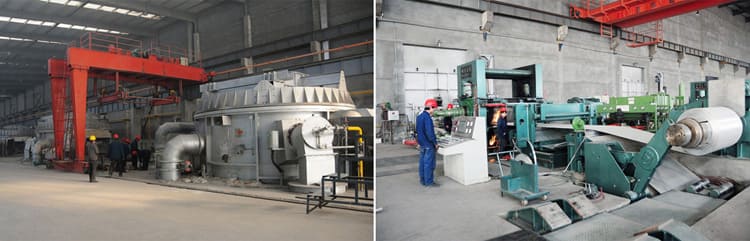
- 1. The casting and rolling temperature is generally between 680°C and 700°C. The lower the better, the stable casting and rolling line usually stops once a month or more to re-stand. During the production process, it is necessary to strictly control the liquid level of the front tank to prevent low liquid level;
- 2. Lubrication uses C powder with incomplete combustion of gas for lubrication, which is also one of the reasons for the dirty surface of casting and rolling materials;
- 3. The production speed is generally between 1.5m/min-2.5m/min;
- 4. The surface quality of products produced by casting and rolling is generally relatively low, and generally cannot meet products with special physical and chemical performance requirements.
- 1. Cold rolling refers to the rolling production method below the recrystallization temperature;
- 2. There will be no dynamic recrystallization during the rolling process, and the temperature will rise to the recovery temperature at most, and the cold rolling will appear in a work hardening state, and the work hardening rate will be large;
- 3. The cold-rolled sheet and strip have high dimensional accuracy, good surface quality, uniform structure and performance, and products in various states can be obtained with heat treatment;
- 4. Cold rolling can roll out thin strips, but at the same time, it has the disadvantages of high energy consumption for deformation and many processing passes.
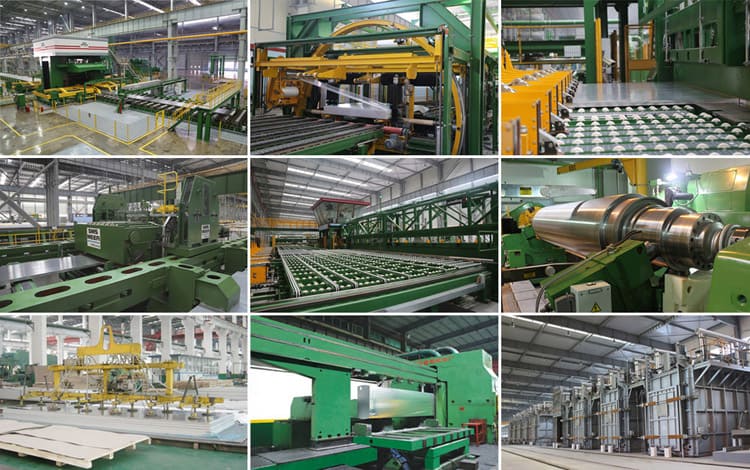
- 1. Finishing is a processing method to make the cold-rolled sheet meet the customer's requirements, or to facilitate the subsequent processing of the product;
- 2. The finishing equipment can correct the defects produced in the hot rolling and cold rolling production process, such as cracked edge, oily, poor plate shape, residual stress, etc. It needs to ensure that no other defects are brought into the production process;
- 3. There are various finishing equipments, mainly including cross-cutting, slitting, stretching and straightening, annealing furnace, slitter, etc.
Casting and rolling process
Casting and rolling process: liquid metal, front box (liquid level control), casting and rolling machine (lubrication system, cooling water), shearing machine, coiling machine.
Cold rolling production process
Introduction to finishing production process
Aluminum alloy has the characteristics of low density, good mechanical properties, good processing performance, non-toxic, easy to recycle, excellent electrical conductivity, heat transfer and corrosion resistance, so it has a wide range of applications.
Aerospace: used to make aircraft skins, fuselage frames, girders, rotors, propellers, fuel tanks, wall panels and landing gear struts, as well as rocket forging rings, spacecraft wall panels, etc.

Aluminum alloy used for aerospace
Transportation: used for car body structure materials of automobiles, subway vehicles, railway passenger cars, high-speed passenger cars, doors and windows, shelves, automotive engine parts, air conditioners, radiators, body panels, wheels and ship materials.
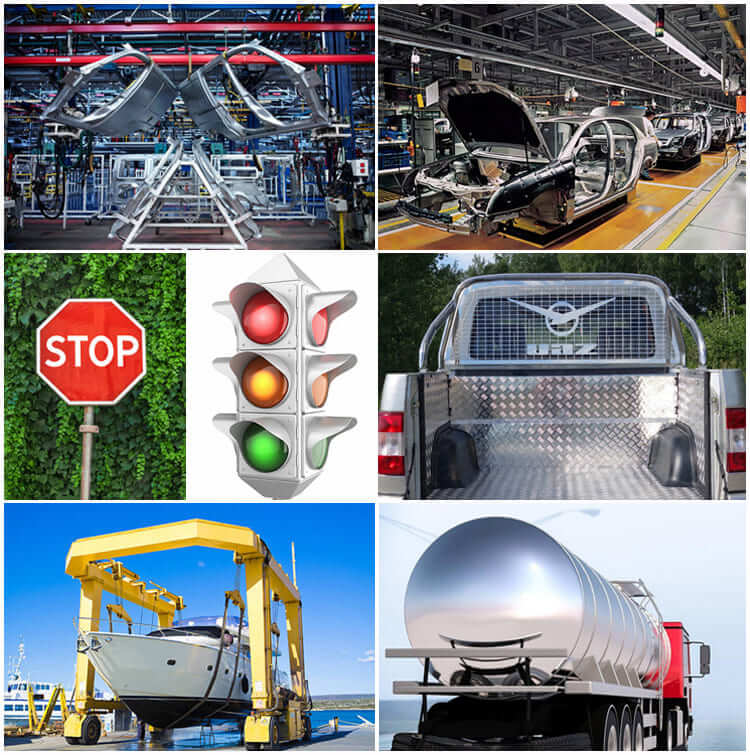
Traffic application
Packaging: All-aluminum pop cans are mainly used as metal packaging materials in the form of thin plates and foils, and are made into cans, lids, bottles, barrels, and packaging foils. Widely used in the packaging of beverages, food, cosmetics, medicines, cigarettes, industrial products, medicines, etc.
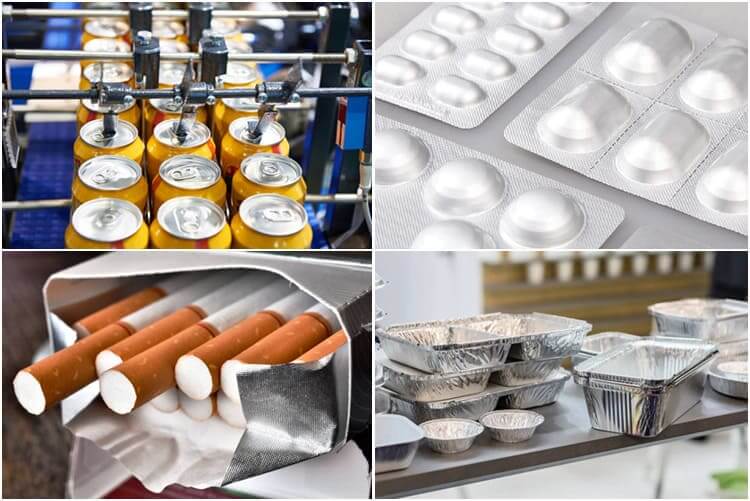
Packaging application
Printing: Mainly used to make PS plates, aluminum-based PS plates are a new type of material in the printing industry, used for automatic plate making and printing.
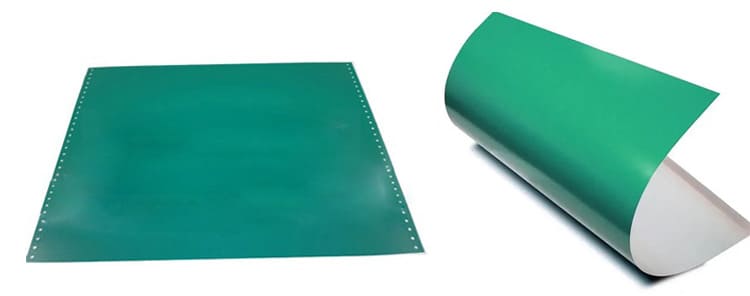
PS printing
Architectural decoration: aluminum alloy is widely used in building structures, doors and windows, suspended ceilings, decorative surfaces, etc. due to its good corrosion resistance, sufficient strength, excellent process performance and welding performance.

Aluminum alloy construction application
Electronic products: computers, mobile phones, refrigerator shells, radiators, etc.
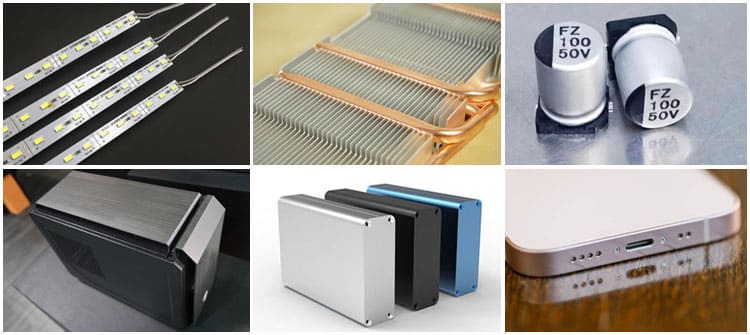
Electronic product application
Kitchen supplies: aluminum pots, aluminum basins, rice cooker liners, household aluminum foil, etc.
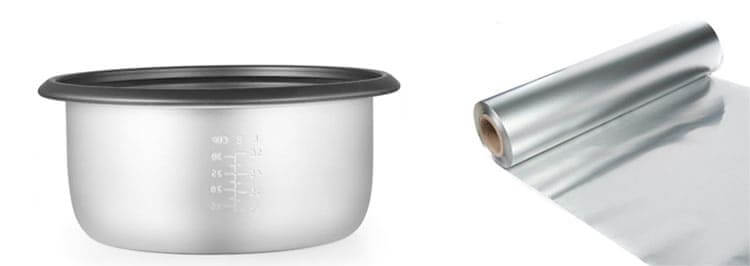
Kitchen application
Packaging Of Aluminum Sheet/Coil
Every detail of packaging is where we pursue perfect service. Our packaging process as a whole is as follows:
Lamination: clear film, blue film, micro-mucosal, high-mucosal, laser cutting film (2 brands, Novacell and Polyphem);
Protection: paper corner protectors, anti-pressure pads;
drying: desiccant;
Tray: fumigated harmless wooden tray, reusable iron tray;
Packing: Tic-tac-toe steel belt, or PVC packing belt;
Material Quality: Completely free from defects such as white rust, oil spots, rolling marks, edge damage, bends, dents, holes, break lines, scratches, etc., no coil set.
Port: Qingdao or other ports in China.
Lead time: 15-45 days.
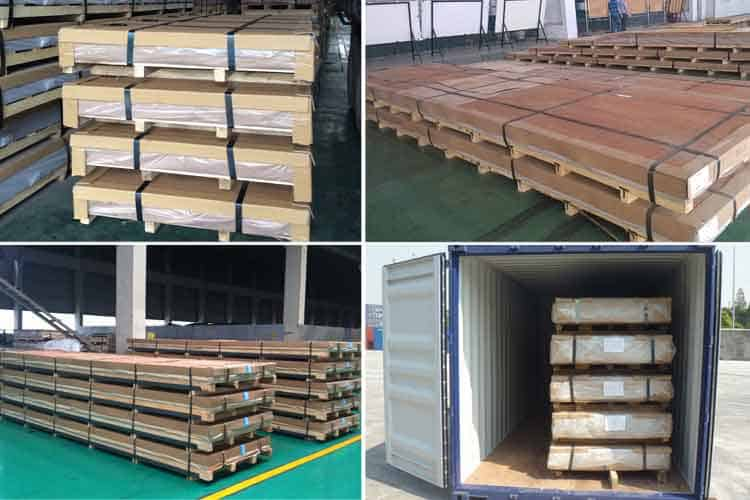
Aluminum sheet/plate packaging process
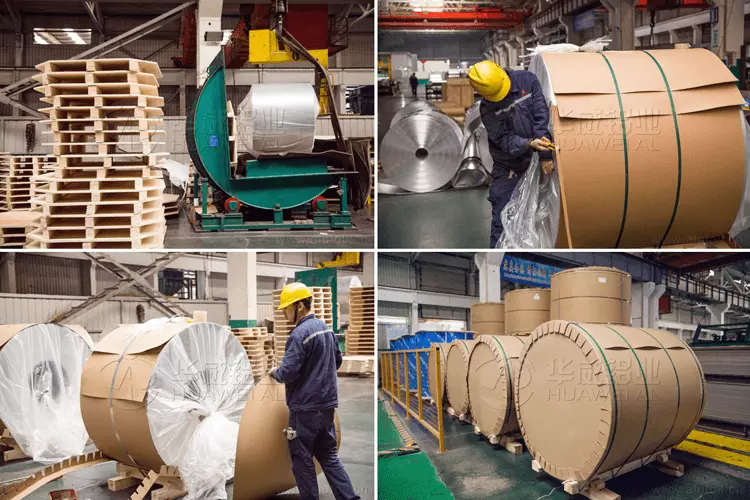
Aluminum coil packaging process
F: Are you a manufacturer or a trader?
Q: We are a manufacturer, our factory is at No.3 Weier Road, Industrial Zone, Gongyi, Henan, China.
F: What is the MOQ for ordering the product?
Q: Our MOQ is 5 tons, and some special products will have a minimum order quantity of 1 or 2 tons.
F: How long is your lead time?
Q: Generally our lead time is about 30 days.
F: Do your products have quality assurance?
Q: Yes, if there is a quality problem with our products, we will compensate the customer until they are satisfied.
Related Products



Latest Blogs
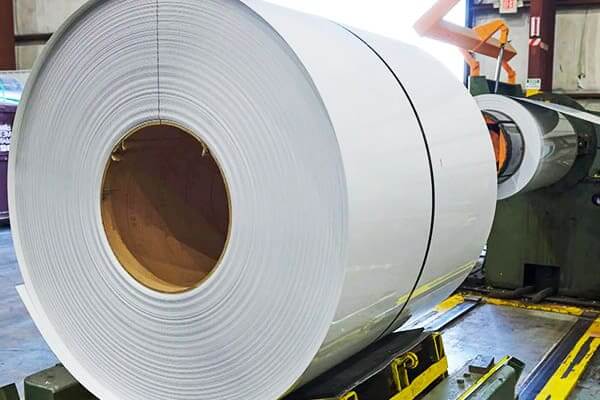
Common Alloys of Reefer Truck Used PE Coated Aluminum Coil
Discover common alloys of reefer truck used PE coated aluminum coil, including 3003, 3004, and 3105. Designed for excellent corrosion resistance, formability, and long-lasting outdoor performance.
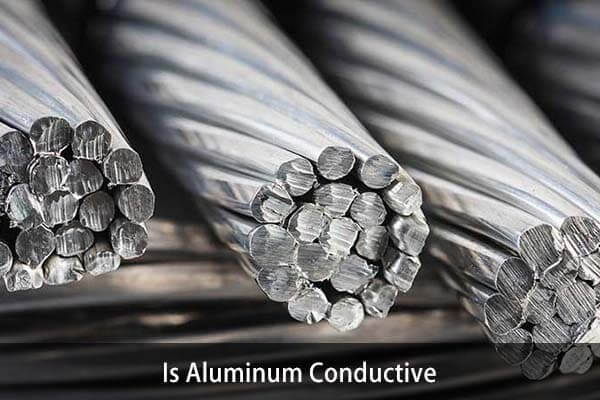
Is Aluminum Conductive? Properties, Uses & Benefits Explained
Is aluminum conductive? Discover aluminum's electrical conductivity, key advantages, and why it is widely used in power transmission and industrial applications.
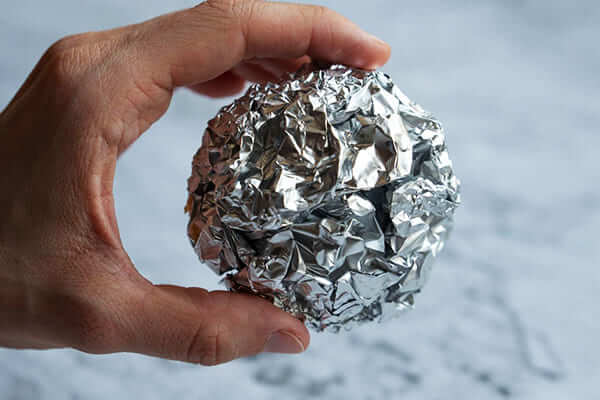
Unlocking Sustainability: The Truth About Aluminum Foil Recycling
Is Aluminum Foil Recyclable? Learn how aluminum foil can be recycled, how to prepare it properly, and why recycling helps reduce waste and save resources.
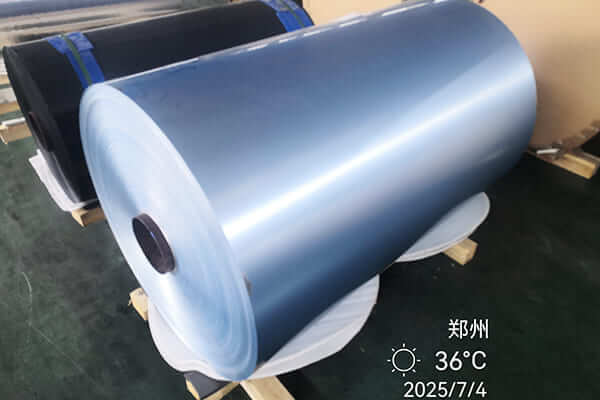
Coated Aluminum Foil for Packaging Applications | Strong & Reliable
High-quality coated aluminum foil for packaging applications, offering excellent barrier protection, durability, and consistent performance.