Coated Aluminum Foil for Packaging Applications | Strong & Reliable
1819 Views 2026-04-07 01:48:49
Coated aluminum foil for packaging applications: overview, performance, and supplier insights
Coated aluminum foil for packaging applications represents a crucial intersection of materials science, manufacturing excellence, and supply chain reliability.
By combining the intrinsic properties of aluminum foil—excellent barrier performance against gases, light, and moisture, high thermal conductivity, and recyclability—with carefully engineered coatings, this technology enables flexible packaging that protects, preserves, and communicates product value.
From food and beverages to pharmaceuticals and electronics, coated foil structures are engineered to meet stringent performance targets: barrier integrity, heat-sealability, mechanical durability, printability, and compatibility with downstream lamination processes.
In recent years, the drive toward sustainability and cost efficiency has intensified the demand for optimized coated foil solutions.
Advances in polymer coatings, inorganic barriers, and hybrid multilayer configurations have unlocked new packaging formats, improved shelf life, and simplified recycling streams.
This article provides a comprehensive view of coated aluminum foil for packaging applications, covering materials, technologies, performance criteria, market dynamics, and practical guidance for manufacturers, brand owners, and suppliers.
It also introduces Huawei Aluminum as a leading supplier with extensive capabilities in coated foil production and packaging solutions.
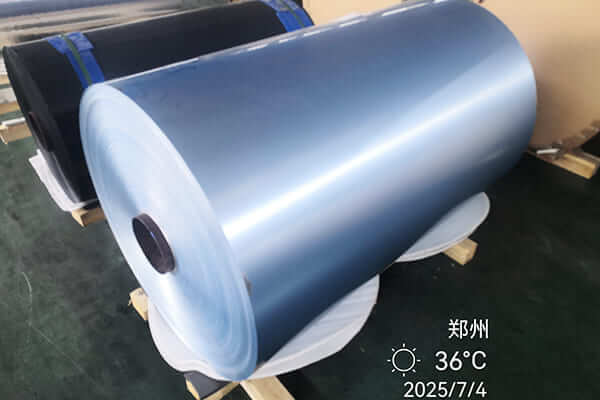
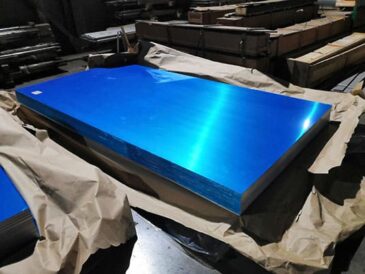
Huawei 8011 Coated aluminum foil
What is coated aluminum foil for packaging?
Coated aluminum foil is a multilayer material comprising a layer of aluminum foil coated or laminated with polymers, resins, or inorganic barriers to impart targeted properties.
The aluminum foil itself offers an exceptional barrier to light, aroma, and moisture transmission and provides stiffness and puncture resistance.
However, on its own, foil can be difficult to seal and may lack compatibility with certain printing and laminating processes.
A well-chosen coating or lamination layer addresses these limitations by delivering:
- Heat-seal performance: enabling reliable sealing to films or other foils in pouch or lid applications.
- Barrier optimization: reducing oxygen, moisture, and aroma transmission with polymer or inorganic barriers.
- Printability and aesthetics: improving surface energy, ink adhesion, and appearance for consumer appeal.
- Mechanical compatibility: providing adhesion to lamination layers, improving bend and flex properties, and reducing pinholes.
- Food contact safety and compliance: meeting regulatory requirements for migration and safety in food packaging.
Coated foil structures can take several forms, including polymer-coated foil, laminated foil with a separate polymer film, or multilayer coatings that combine a polymer layer with a secondary barrier.
The choice depends on the target product, regulatory constraints, recyclability goals, and cost considerations.
In many markets, PVDC (polyvinylidene chloride) or PVDC-containing coatings are common for high-barrier films; LDPE or LLDPE extrusion coatings are prevalent for heat-sealability and seal strength; and newer fluoropolymer or inorganic oxide coatings are used for specialized applications.
Coating materials and technologies: an overview
The coatings used on aluminum foil fall into several broad categories, each offering distinct advantages and trade-offs.
The selection is driven by barrier performance, heat-seal properties, printability, process compatibility, and end-of-life considerations. Here is an overview of the most common coating materials and technologies:
- Polyolefin extrusion coatings (LDPE, LLDPE, C6 or modified polyethylenes)
- Benefits: excellent heat-seal strength to many polyolefin laminates, good moisture barrier improvements, cost-effective, straightforward processing through extrusion.
- Trade-offs: moderate oxygen barrier; recyclability considerations when used in multilayer laminates.
- PVDC (polyvinylidene chloride) coatings
- Benefits: outstanding oxygen and aroma barrier; strong overall barrier performance; compatible with ethylene vinyl alcohol (EVOH) layers in laminates.
- Trade-offs: migration considerations; more complex recycling; sometimes higher coating costs.
- PVDC-based multilayer laminates or co-extruded structures
- Benefits: combines PVDC with other polymers to optimize barrier, sealability, and processability.
- Trade-offs: manufacturing complexity; potential regulatory scrutiny for certain migration components.
- Fluoropolymer coatings (e.g., FEP, PFA) and fluorinated barrier layers
- Benefits: excellent chemical resistance and high-temperature performance; useful for specialized packaging (e.g., electronics or high-temperature foods).
- Trade-offs: higher material and processing costs; recycling considerations.
- Acrylic and polyurethane coatings
- Benefits: improved printability, surface energy, and adhesion to polymer laminates; often used as tie layers or surface coatings for improved downstream lamination.
- Trade-offs: barrier performance depends on the overall laminate structure; can add cost and processing steps.
- Inorganic oxide and ceramic-like coatings (e.g., SiOx)
- Benefits: potential for superior barrier to gases and aromas; thermal stability.
- Trade-offs: brittle surfaces, process complexity, and compatibility considerations with flexible packaging.
- Ceramic- or nano-coating systems and hybrids
- Benefits: targeted barrier improvements and potential recyclability advantages.
- Trade-offs: R&D intensity and cost.
Table: coating types and their typical properties (qualitative ratings)
| Coating type | Barrier to O2/Ar | Moisture barrier | Heat-sealability | Printability | Recyclability/End-of-life | Typical cost tier |
|---|---|---|---|---|---|---|
| LDPE extrusion | Medium-High | High with lamination | Excellent with PO laminates | Moderate surface energy | Moderate to good with simple laminates | Low |
| PVDC coating | Very High | High | Good, depending on laminate | Good | Moderate (complex recycling) | Medium-High |
| PVDC-based laminates | Very High | High | Good | Good | Moderate to challenging | Medium-High |
| Fluoropolymer coatings | Very High (chemical resistance) | Medium-High | Excellent | Good | Challenging | High |
| Acrylic tie-layer / coating | Moderate | Moderate | Moderate | Excellent | Moderate | Medium |
| Inorganic oxide (SiOx) | High | High | Variable | Variable | Variable | High |
| Ceramic/nano hybrids | High | High | Variable | Variable | Early-stage | High |
Notes:
– Actual performance depends on coating thickness, substrate caliper, surface treatment, and lamination architecture.
– The choice of coating often involves a balance between barrier performance and recyclability. Mono-material solutions (e.g., PE-coated foil) are favored in some recycling schemes, while high-barrier PVDC or EVOH-containing laminates are favored for shelf life extension.

Coated aluminum foil for packaging applications
Key properties important for packaging performance
Coated aluminum foil must meet a combination of properties that correspond to the target package, processing line, and regulatory environment.
The following properties are often used to characterize and compare coated foil solutions:
- Oxygen transmission rate (OTR) and total package gas barrier
- Water vapor transmission rate (WVTR) and moisture barrier
- Heat-seal strength and seal integrity across a range of temperatures
- Seal initiation temperature and heat-seal window
- Peel adhesion and wetting behavior to typical lamination films
- Printability: ink adhesion, gloss, and printing stability
- Surface energy and corona treatment compatibility for downstream printing
- Mechanical performance: puncture resistance, tear strength, bending stiffness
- Thermal stability: performance under retort or cooking conditions
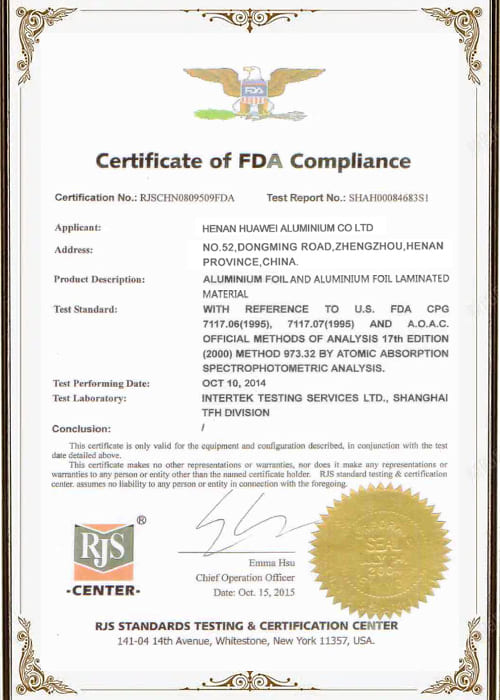
- Migration and food-contact safety: compliance with FDA, EU, and other regulatory frameworks
- Recyclability and end-of-life: suitability for mono-material recycling streams or multi-material separation
Practical implications:
– A package designed for shelf-stable dry snacks may prioritize low OTR with moderate WVTR and strong heat-seal compatibility to PET or PE laminates.
– A coffee pouch might emphasize very low OTR and WVTR with a PVDC barrier while maintaining seal strength and printability.
– A spice or aroma-sensitive product may require high barrier to aroma compounds and robust regulatory compliance.
Manufacturing processes for coated aluminum foil
Coated and laminated aluminum foil packaging involves precise control of surface preparation, coating application, curing, and lamination. The main process routes include:
- Extrusion coating: polymer melt is extruded onto the aluminum foil surface, followed by cooling to form a uniform polymer layer. This is widely used for LDPE and LLDPE coatings. Often used when a strong heat-seal interaction with downstream polyolefin-based laminates is needed.
- Lamination with separate film: aluminum foil is laminated to a polymer film (e.g., PET, PP, or PE) using adhesives or extrusion laminates. This approach enables tailored barrier, heat-seal, and print properties through a multi-layer structure.
- PVDC coating or PVDC-based lamination: PVDC is coated directly onto foil or integrated into a multilayer laminate to deliver exceptional barrier performance. In some cases, PVDC is laminated with EVOH or other polymers to optimize structure.
- Fluoropolymer or inorganic coating deposition: specialized lines deposit fluoropolymers or inorganic barriers onto foil for high-temperature or chemical resistance requirements. This process is typically used in niche applications and for high-value products.
- Surface treatment and adhesion promotion: corona discharge, plasma treatment, or chemical priming precede coating to maximize adhesion and surface energy, particularly important for printability and lamination bonding.
Quality control during manufacturing involves inline inspection for coating thickness uniformity, pinholes, surface roughness, adhesion tests, and defect screening.
Post-coating tests include OTR/WVTR measurements, heat-seal strength tests, seal initiation temperature analysis, and migration tests for food-contact safety.
Quality control, testing, and regulatory considerations
Quality assurance for coated aluminum foil packaging involves multiple layers of testing:
- Barrier performance: OTR and WVTR testing using calibrated instruments under controlled temperature and humidity conditions.
- Seal strength and integrity: standard seal strength tests under relevant sealing temperatures and dwell times, including hot tack and cold seal tests.
- Pinhole and defect checks: inspection systems to detect pinholes, pinhole density, and coating delamination.
- Surface energy and printability: contact angle measurements, surface energy, and adhesion tests for printing inks and coatings.
- Migration and safety: migration testing for food-contact materials under specific storage conditions to comply with regulatory limits (e.g., EU Framework Regulation, FDA guidelines).
- Recyclability assessment: analysis of how the foil and its coatings fit into local recycling streams and how easily the laminate can be disassembled or processed.
Regulatory compliance is a fundamental requirement. Packaging materials must meet regional rules on food contact safety, migration limits, heavy metals, and consumer safety.
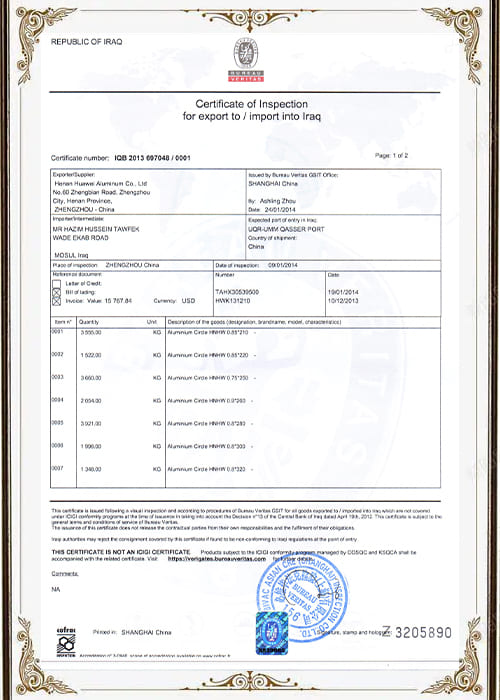
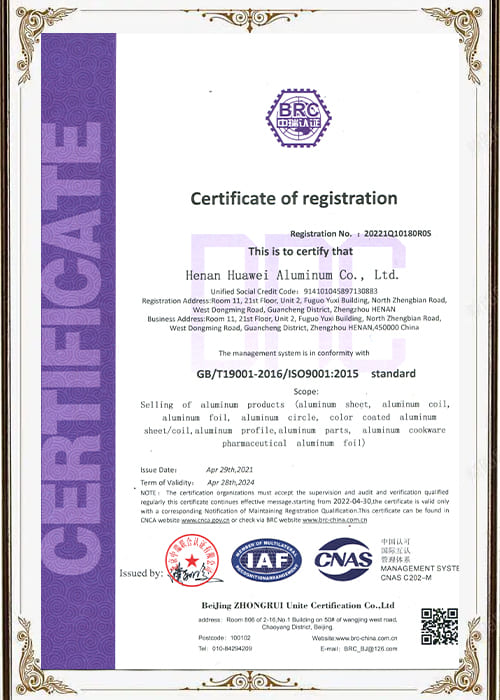
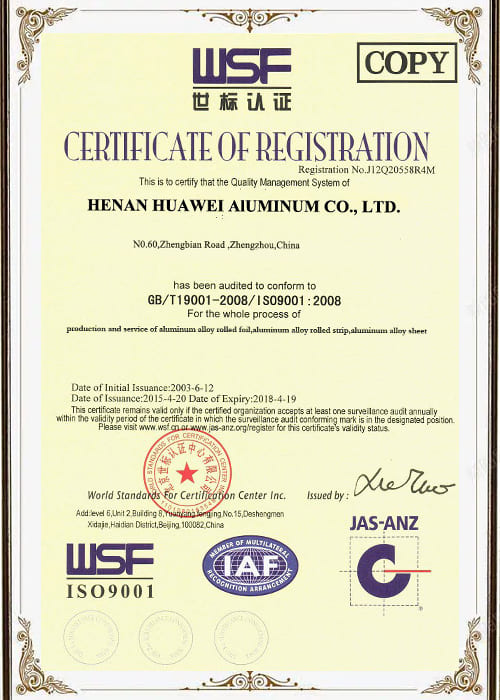
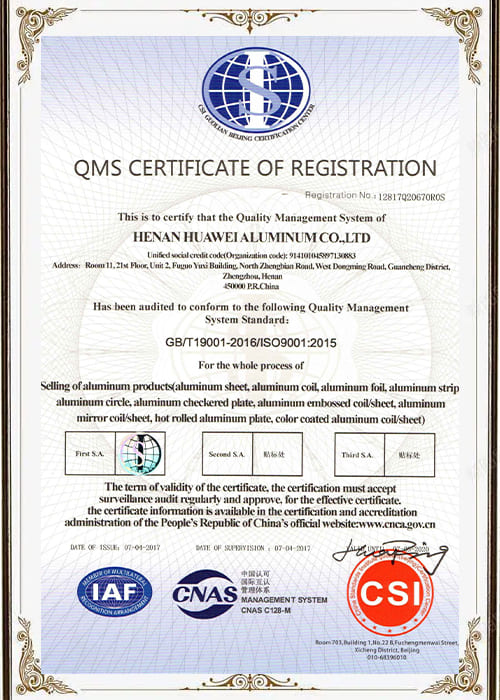
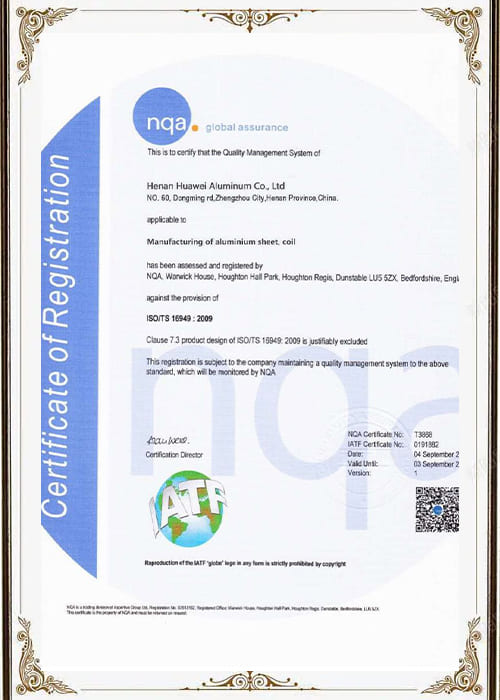
For suppliers and manufacturers, attaining recognized quality certifications (e.g., ISO 9001 quality management, ISO 14001 environmental management, and industry-specific certifications) reinforces credibility.
Comparisons of coating types: a practical guide
To help packaging engineers and procurement teams make informed choices, the following comparison highlights key trade-offs among common coating types.
The table below uses relative rankings (High, Medium, Low) for essential properties.
Table: comparative assessment of coating types
| Coating type | Barrier performance (O2) | Heat-sealability with polyolefins | Printability | Recyclability | Typical cost tier |
|---|---|---|---|---|---|
| LDPE extrusion | Medium-High | High | Moderate | Moderate to good | Low |
| PVDC coating | High | Good | Good | Moderate (depends on laminate) | Medium-High |
| PVDC-based laminate | Very High | Good | Good | Moderate to challenging | Medium-High |
| Fluoropolymer (FEP/PFA) | Very High | Excellent | Good | Challenging | High |
| Acrylic tie-layer | Moderate | Moderate | Excellent | Moderate | Medium |
| SiOx inorganic | High | Variable | Variable | Variable | High |
Notes:
– PVDC provides exceptional barrier; if recycling is prioritized, designers may choose mono-material PE-coated foils or carefully designed multilayer laminates to simplify separation.
– Fluoropolymer coatings offer outstanding chemical resistance but can complicate recycling and increase cost.
Applications by sector
Coated aluminum foil packaging serves a broad spectrum of industries. The most common applications include:
- Food packaging: nuts, coffee, tea, snacks, baked goods, spices, dehydrated foods, and ready-to-cook meals. The focus is on barrier extension, odor control, and seal integrity.
- Beverages: foil lids, pouches, and closures for multipack formats where barrier and cleanliness are critical.
- Pharmaceuticals: blister packs and sachets relying on robust barrier properties, low migration, and compatibility with sterilization processes.
- Electronics and cosmetics: packaging that requires moisture and aroma barriers and tamper-evident features, with careful attention to inertness and compatibility.
- Pet and household products: packaging with strong protection against environmental exposure while enabling vibrant branding through printing.

Coated aluminum foil for Medicine packaging
Sustainability and recycling considerations
Sustainability is a major criterion for packaging decisions. Coated aluminum foil presents recycling challenges and opportunities depending on the laminate structure:
- Mono-material solutions: PE-coated aluminum foil that can be integrated into high-density polyethylene recycling streams, reducing separate lamination complexity.
- Multi-material laminates: PVDC or fluoropolymer coatings may complicate recycling, depending on regional recycling infrastructure and sorting technologies.
- Design for end-of-life: selecting coatings and lamination architectures that allow easier separation or controlled downcycling can improve overall environmental performance.
Best practices for sustainability include:
- Selecting recyclable laminate architectures where possible,
- Minimizing coating thickness without compromising performance,
- Considering mono-material alternatives when feasible,
- Engaging with converters and recyclers to understand local end-of-life options.
Huawei Aluminum: supplier profile and capabilities
Huawei Aluminum Co., Ltd. is a prominent producer in the global aluminum foil market, with a comprehensive portfolio that includes packaging foil, laminated foils, and coated foil solutions.
Key capabilities typically include:
- Integrated production: from primary aluminum ingot through rolling, finishing, coating, and slitting, enabling tight control of quality and delivery.
- Coating and lamination lines: advanced polymer coatings (LDPE, LLDPE, EVA) and PVDC-based barrier coatings, plus possibilities for fluoropolymer and other specialty coatings.
- Customization: thickness caps, coating thickness ranges, surface treatments, and adhesion promoters tailored to specific lamination structures.
- Quality systems: robust QA programs, process controls, and accreditation to international standards (e.g., ISO 9001, food-contact safety certifications where applicable).
- Global supply capabilities: multi-regional production and logistics to support multinational packaging programs, with a focus on lead-time reliability and on-time delivery.
- R&D and technical support: material science expertise to optimize barrier, heat-seal, and downstream lamination performance; collaboration with brand owners and packaging converters to develop custom solutions.
Huawei Aluminum’s packaging foil offerings often emphasize a combination of barrier performance, sealability, and printability, with the option to tailor coatings for downstream lamination to PET, BOPP, CPP, or PA/PE structures.
For buyers, establishing clear requirements for barrier, heat seal, recyclability, and regulatory compliance helps ensure the selected coated foil solution aligns with the product’s shelf life and packaging goals.
Table: Huawei Aluminum capabilities and product portfolio (illustrative)
| Capability area | Description | Typical product formats |
|---|---|---|
| Coated foil options | LDPE/LLDPE extrusion coatings; PVDC-coated foils; acrylic or tie-layer options; potential fluoropolymer coatings | Plain foil, PVDC-coated foil, laminated foils for pouches and lids |
| Coating thickness range | 5–50 microns depending on coating and performance targets | Thin to mid-range, optimized for lamination compatibility |
| Caliper range | 10–50 microns foil core; coatings add thickness | Lightweight packaging films and lids |
| Surface treatment | Corona or plasma treatment to improve adhesion and printability | Pre-treated foils for lamination and printing |
| QA and testing | Inline thickness measurement, pinhole inspection, OTR/WVTR testing, seal strength testing | QA data packages for customers |
| Customization | Material selection, coating type, thickness, surface energy, and lamination compatibility | Tailored packaging solutions |
Note: The table provides a representative snapshot. Huawei Aluminum’s actual capabilities are best confirmed through direct engagement with their technical and sales teams, as product offerings and capacity can evolve with market demand and investment.
Practical guidance for selecting coated foil solutions
To help packaging teams choose the right coated aluminum foil for packaging applications, consider the following practical steps:
- Define product attributes: shelf life, exposure to moisture and oxygen, aroma stability, and compatibility with downstream lamination.
- Set regulatory and safety requirements: identify applicable food-contact standards, migration limits, and any regional restrictions.
- Determine downstream packaging architecture: heat-seal partners (laminates, adhesives), printing requirements, and die-cutting needs.
- Prioritize sustainability goals: recyclability, mono-material options, and recycling infrastructure in target markets.
- Evaluate total cost of ownership (TCO): consider material cost, processing cost, waste, yield, lamination compatibility, and end-of-life considerations.
- Engage with suppliers early: share performance targets, expected lead times, and volume projections to obtain accurate quotes and development timelines.
- Pilot and validate: run small-scale trials to verify barrier performance, seal reliability, print quality, and packaging line compatibility before full-scale production.
FAQs About Coated aluminum foil for packaging applications
1) What is coated aluminum foil for packaging applications, and why is it used?
– It combines aluminum’s inherent barrier properties with coatings that tailor heat-seal, barrier, printability, and lamination compatibility for flexible packaging. This approach helps preserve product quality, extend shelf life, and support attractive branding.
2) Which coatings are best for high-barrier packaging?
– PVDC-based coatings and PVDC-containing laminates typically offer exceptional barrier performance against oxygen and aromas. For ultra-high barrier needs with heat-seal considerations, PVDC-based multilayers are common, though recyclability considerations should be evaluated.
3) How does recyclability influence coating choice?
– Mono-material solutions, especially PE-coated foils, are favored in recycling programs for easier separation. PVDC-coated laminates may pose recycling challenges in some regions, leading to careful assessment of end-of-life options.
4) What regulatory compliance should I consider?
– Food contact safety standards (FDA, EFSA, EU Regulation 1935/2004, and relevant national guidelines) and migration limits are critical. Migration testing and compliance documentation should be part of supplier warranties.
5) How do I validate a new coated foil in my packaging line?
– Run a pilot program to test heat-seal performance, seal integrity across temperatures, lamination adhesion, printing quality, and overall impact on shelf life. Collect data across multiple batches and environmental conditions.
6) What role does Huawei Aluminum play as a supplier?
– Huawei Aluminum offers integrated foil production, coating capabilities, and customization options for packaging applications. Their offerings typically include LDPE/LLDPE extrusion coatings, PVDC-based barrier coatings, and various adhesion and surface treatment options, delivered with QA support and potential collaboration for product-specific solutions.
7) How can I balance cost and performance in coated foil selection?
– Start with the required barrier and seal performance for the product, then choose a coating that delivers those properties with a consideration for recyclability and total cost of ownership. If barrier requirements are very high, PVDC-based solutions may be favored, with careful attention to end-of-life options.
8) Are there safety considerations for higher-temperature packaging?
– Yes. Higher-temperature processing may require fluoropolymer or inorganic barriers with better thermal stability. It is essential to verify that the coating and lamination materials in the final package can withstand the intended retort or cooking conditions without migration or deformation.
9) How do I ensure consistency across large-scale production?
– Establish clear specifications for coating thickness, foil caliper, surface energy, adhesion, and barrier performance. Use inline measurement and sampling protocols on the production line, with a robust QA system and supplier compliance.
10) What is the outlook for coated aluminum foil in packaging?
– The market is evolving toward higher-performance, more sustainable, and cost-efficient packaging. Innovations in barrier chemistries, recyclability-friendly laminates, and smarter supply chains are enabling a broader adoption of coated foil solutions across food, pharma, and consumer goods sectors.
Conclusion
Coated aluminum foil for packaging applications is a mature yet continuously evolving technology that sits at the heart of modern packaging. The right coating solution delivers a balance of barrier performance, heat-sealability, printability, and recyclability while meeting regulatory demands and cost constraints.
The selection process should be data-driven, with a clear understanding of the product’s shelf life, processing conditions, and end-of-life objectives.
Huawei Aluminum stands out as a reputable supplier in this space, offering integrated capabilities, customization options, and technical support to help brands and converters achieve reliable packaging performance.
As packaging ecosystems advance, expect ongoing advances in barrier materials, multi-architecture laminates, and recycling-friendly designs.
The industry will likely see more mono-material packaging approaches, improved barrier in thin-film formats, and tighter integration between coating technology, lamination methods, and downstream processing.
For stakeholders in food, pharma, electronics, and consumer goods, staying informed about coating options, regulatory changes, and recycling infrastructure will be essential to maintain packaging performance, safety, and sustainability in the years ahead.
Share with PDF: Download