8011 Aluminum Foil for Pharmaceutical Packing
1232 Views 2026-07-16 01:15:06
8011 Aluminum Foil for Pharmaceutical Packing: A Comprehensive Guide
Introduction set the stage for a detailed exploration of the role of 8011 Aluminum Foil for Pharmaceutical Packing in modern drug delivery.
This guide is designed for packaging engineers, procurement specialists, quality managers, researchers, and executives who want a practical, data-driven understanding of why 8011 aluminum foil is a trusted material in pharmaceutical packaging, how it performs across different applications, and how to select, qualify, and work with suppliers to achieve reliable, compliant results.
The phrase 8011 Aluminum Foil for Pharmaceutical Packing encapsulates a specific use-case that has become a standard in the industry: a foil material that combines formability, barrier performance, and compatibility with modern lamination and sealing technologies.
In this guide, you will learn about the properties that make 8011 aluminum foil well-suited for pharmaceutical packing, the regulatory considerations that govern its use, the most common packaging formats and lamination structures, and practical steps to optimize supply, performance, and quality.
We will also introduce Huawei Aluminum, a leading supplier with a proven track record in producing high-quality 8011 foil for pharmaceutical applications, and discuss how partnerships with reputable suppliers can reduce risk and improve supply chain resilience.

8011 Aluminum Foil for Pharmaceutical Packing
Why 8011 Aluminum Foil for Pharmaceutical Packing?
Why the 8011 grade is favored for pharma packaging
The 8011 aluminum foil is part of the 8000-series family, characterized by aluminum-magnesium-manganese compositions that offer excellent formability, good mechanical properties, and reliable barrier performance when incorporated into laminated structures.
In pharmaceutical packaging, where products range from tablets to capsules and from dry powders to creams, the packaging material must meet stringent requirements:
- Excellent moisture and gas barrier when used as part of multi-layer laminates
- High formability to create complex blister geometries and seal areas
- Compatibility with heat sealing processes and coating layers
- Inertness and chemical compatibility with a wide range of medicines
- Printability for product branding, lot codes, and regulatory information
- Strong tamper-evidence characteristics when used in laminated foils, sachets, or blister packs
The 8011 grade offers a balanced combination of these attributes, making it a widely adopted choice for pharmaceutical packaging worldwide.
The material’s natural corrosion resistance and stability under typical sterilization conditions (such as ethylene oxide, gamma irradiation, or electron beam) add to its appeal for products requiring robust protection throughout shelf life and distribution.
How 8011 compares to other alloys used in pharma packaging
- In the 8000-series family, 8011 generally provides better formability and printability than higher-strength variants. It is less prone to cracking during deep drawing or cold forming, which is essential for blister packaging lines and lamination with thin, compatible coatings.
- Compared with pure 1100 or 1050 foils (very high formability but lower barrier performance), 8011 offers improved barrier when laminated with polymer films without sacrificing too much formability.
- Compared with some thinner, high-barrier polymer films, aluminum foil provides an unparalleled inorganic barrier to moisture and gases when used in laminate structures, often reducing the overall oxygen transmission rate (OTR) and water vapor transmission rate (WVTR) of the final package.
This balance of properties makes 8011 a practical default for many pharmaceutical packaging formats, particularly when combined with barrier coatings, polymer laminates, and heat-sealing layers that tailor performance for specific products and regulatory environments.
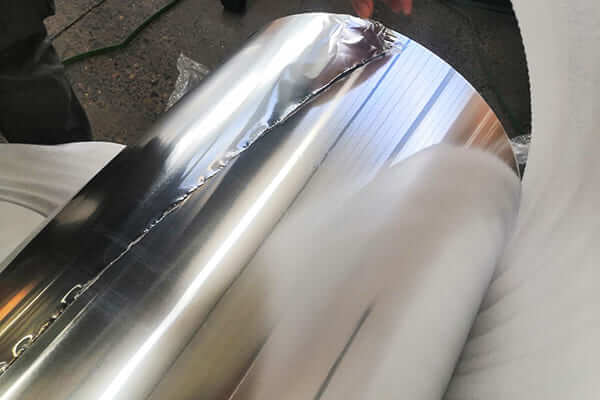
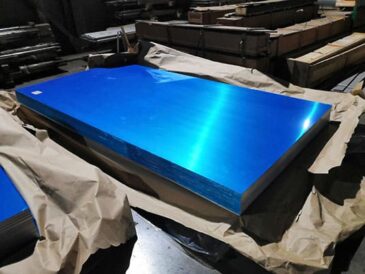
Huawei 8011 Aluminum Foil Display
Key Properties and Performance of 8011 Aluminum Foil
Material properties in the context of pharma packaging
- Formability: 8011 foil demonstrates excellent formability, enabling high-speed manufacturing and reliable sealing across a range of blister designs, sachet formats, and laminated structures.
- Barrier performance: In laminated systems, the aluminum layer acts as a robust inorganic barrier to moisture, oxygen, and odors. When combined with polymer coatings and sealant layers, the overall laminate barrier can be tailored to product stability requirements.
- Compatibility with coatings: Aluminum foils can be surface-treated or coated to improve adhesion with polymers such as PET, PE, polypropylene (PP), and PVDC layers. Coatings also help in achieving improved seal strength and surface energy for printing.
- Heat sealability: The foil’s surface can be compatible with standard heat-sealing polymers used in pharmaceutical packaging, enabling reliable seals at typical process temperatures for blister lines.
- Printability: The foil surface accepts inks and coatings for high-quality photography, text, barcodes, and regulatory labeling, which is critical for traceability and compliance.
- Sterilization resilience: Aluminum foil in laminated forms withstands common sterilization methods (e.g., ETO, gamma radiation) without significant degradation of barrier properties or integrity of the seal.
- Safety and regulatory compatibility: Aluminum foil used in pharmaceutical packaging is generally recognized as safe for packaging applications when used in compliance with relevant regulations. The aluminum itself is inert in contact with most pharmaceutical formulations, and the laminate is designed to prevent leaching or interaction with products.
Typical thickness ranges and their implications
- Foil thicknesses commonly used in pharmaceutical laminates range from about 6 micrometers to 40 micrometers, with 12–25 μm being a particularly common thickness for standard blister-pack laminates. Thinner foils contribute to lower material costs and greater flexibility in forming, but may require additional barrier or coating layers to achieve the required protection. Thicker foils provide higher stiffness and improved puncture resistance, which may be desirable for certain products or downstream processing, but at a higher material cost and potential impact on line speed.
- The choice of thickness depends on product characteristics (fragility, moisture sensitivity, odor control), the intended packaging format (blister packs, sachets, bottles with foil-laminate caps), the sterilization method, and cost considerations.
Surface treatments and lamination considerations
- Surface energy and adhesion: To create robust laminates, the aluminum foil can be treated with surface modifiers or coatings that enhance adhesion to polymer films such as PET, PP, PE, or PVDC. Proper surface treatment reduces delamination risk during forming, sealing, and handling.
- Barrier coatings: PVDC, PVD coatings, or other barrier layers can be applied to aluminum foil laminates to further enhance moisture and oxygen barriers. These coatings help tailor WVTR and OTR to product needs.
- Ink and varnish compatibility: Printing on aluminum foil or on the polymeric surface of laminates requires compatible inks and overprint varnishes, with attention to potential migration and regulatory constraints.
- Shelf-life and stability: The chosen laminate structure should be tested under accelerated aging conditions to ensure the integrity of seals, barrier properties, and printed information throughout the shelf life of the medicine.
Regulatory and Safety Considerations for 8011 Foil in Pharmaceuticals
Regulatory standards and guidance
- FDA expectations: In the United States, packaging materials in contact with drugs must comply with relevant sections in the Code of Federal Regulations (CFR) and FDA guidelines for packaging materials, emphasizing biocompatibility, stability, and non-toxicity. Aluminum foil used in pharmaceutical packaging is typically considered inert when used as part of a properly laminated structure.
- EU and global standards: European Pharmacopoeia and other global pharmacopeias require packaging materials to meet purity, compatibility, and performance standards for packaging and storage of medicines. Laminates containing 8011 foil are designed to meet these requirements when properly manufactured, coated, and sealed.
- Tamper-evidence and traceability: Aluminum foil in packaging often participates in tamper-evident designs or is integrated into packaging solutions that provide secure seals and clear readability for lot numbers, expiration dates, and batch information.
- Material safety: Aluminum itself is non-toxic under typical packaging conditions. The key regulatory concern is the laminated structure: ensuring coatings and seal layers do not migrate into the product, and that all adhesives and printed inks meet regulatory safety standards.
- REACH and other chemical regulations: Suppliers must ensure that coatings, adhesives, and printing inks used in conjunction with 8011 foil comply with REACH (Registration, Evaluation, Authorization, and Restriction of Chemicals) or equivalent national regulations.
Testing and quality assurance for pharmaceutical readiness
- WVTR and OTR testing: For each laminate structure, valves and tests quantify how much moisture and gas can traverse the laminate over time. These measurements are critical for ensuring product stability, especially for moisture- and oxygen-sensitive formulations.
- Heat seal strength: The seal zone must be robust against handling, storage, and end-use conditions (temperature variations and mechanical stress). Seal strength testing helps confirm that the laminate provides tamper-resistance and product protection.
- Puncture resistance: Mechanical testing ensures the foil component provides adequate puncture resistance under typical handling and transport conditions.
- Migration and leaching tests: To protect product safety, migration and extractables testing ensures that any coatings, adhesives, or inks in contact with the product do not leach harmful substances into the medicine.
- Surface cleanliness and cleanliness validation: A clean surface is crucial for consistent lamination and printing results, and many pharmaceutical packaging lines demand documented cleanliness validation as part of process validation.

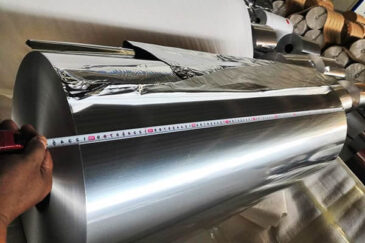
Pharmaceutical Packing Used Aluminum Foil
Applications in Pharmaceutical Packaging
Blister packaging systems
Blister packs are one of the most common pharmaceutical packaging formats, combining blister cavities with a lidding material.
Aluminum foil plays the critical role in forming the lid of the blister, providing a moisture- and oxygen-barrier layer.
8011 foil is frequently used in the lid component, typically in a laminated structure with PET or PVDC-coated films to provide dimensional stability, sealability, and barrier performance.
The foil’s pliability helps in forming high-speed blister lines, while its compatibility with heat-seal polymers ensures a secure seal around the blister cavities.
Sachets and sachet-laminates
For products such as powders, granules, or capsules packaged in sachets, aluminum foil is often employed as the inner barrier layer, laminated with films such as PE or PET and sometimes coated with PVDC to enhance barrier performance.
The foil provides a robust barrier while the outer polymer layers deliver structural integrity, printability, and consumer-facing functionality like opening mechanisms.
8011 foil in sachet laminates is selected for its balance of formability and barrier properties, enabling thin film structures suitable for unit-dose packaging.
Lamination with barrier films
In pharmaceutical packaging, an important strategy is to laminate 8011 foil with barrier polymers to create multi-layer films that meet product stability requirements. Common laminate stacks include:
– Aluminum foil / PET / PE or PP
– Aluminum foil / PET / PVDC / sealant layer
– Aluminum foil / PA (polyamide) or EVOH (vinyl alcohol copolymer) layers for enhanced gas barrier
– Aluminum foil with specialty coatings for improved ink adhesion and surface energy
The exact structure depends on the product’s sensitivity, required shelf life, and regulatory constraints.
Lamination is often performed with controlled lamination temperatures to prevent delamination, pinholes, or coating delamination that could undermine barrier performance.
Sterilization and compatibility considerations
- Ethylene oxide (ETO) sterilization: Foil-based laminates often withstand ETO sterilization without significant degradation and minimal impact on barrier properties.
- Gamma irradiation and electron-beam sterilization: The laminate must maintain mechanical integrity and seal strength after sterilization. 8011 foil is generally compatible with these methods, provided the coating systems and adhesives are formulated to resist the irradiation environment.
- Storage and distribution: For products that require cold-chain or ambient storage, the laminate must maintain barrier properties across temperature swings and humidity exposures. The 8011 foil’s inert nature plus the laminated barrier ensures product protection during distribution.
Supplier Profile: Huawei Aluminum
Introducing Huawei Aluminum
Huawei Aluminum is a leading Chinese aluminum producer with a strong global footprint in the supply of aluminum foil and related packaging materials.
The company has invested in modern rolling, annealing, and finishing facilities, enabling the production of high-quality 8011 aluminum foil for pharmaceutical and other demanding applications.
Huawei Aluminum emphasizes rigorous quality control, a robust supply chain, and the ability to customize foil properties for specific customer needs. The company is known for:
– A broad portfolio of foil products, including 8011 alloys suitable for pharmaceutical packaging
– Capabilities in producing multiple temper grades and thicknesses
– Advanced surface treatment and coating options for lamination compatibility
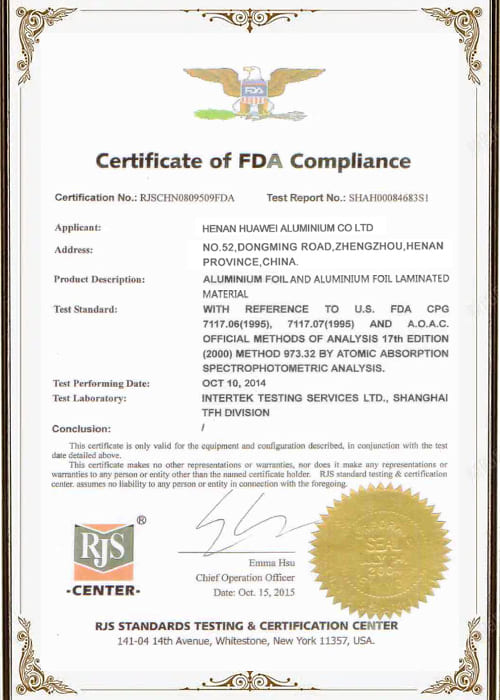
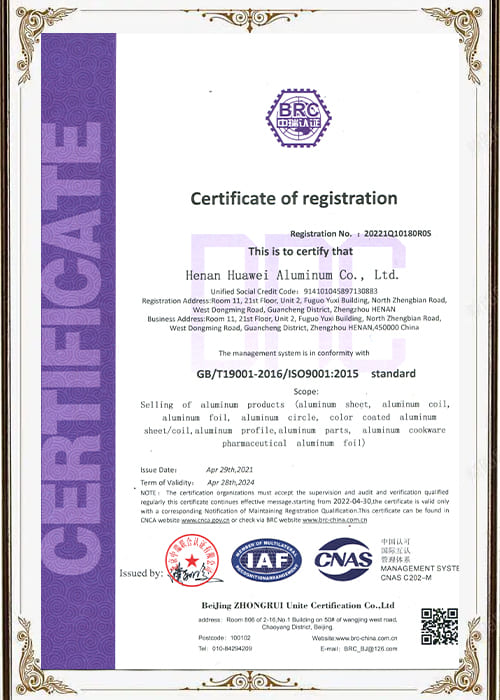
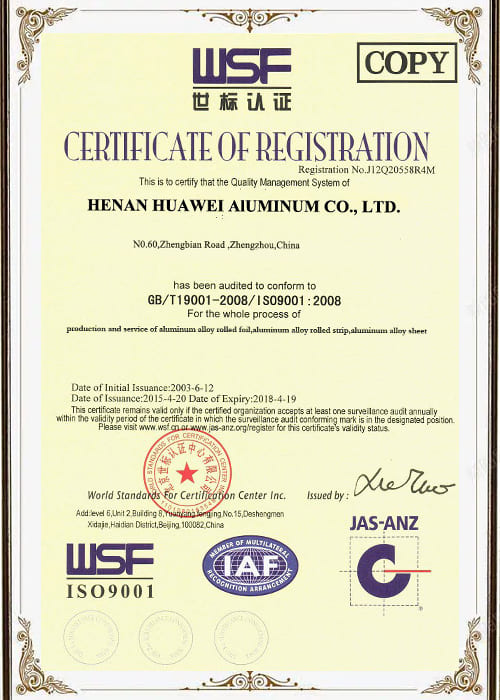
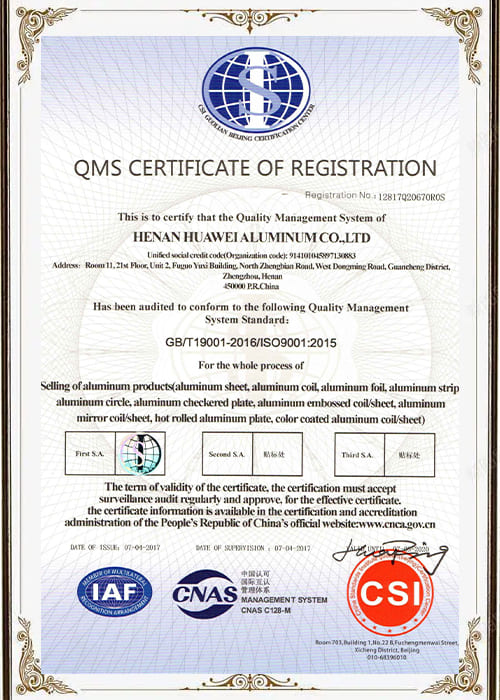
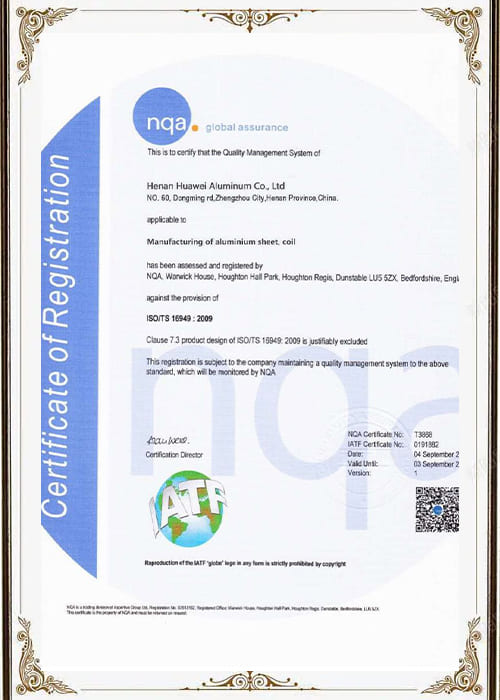
– Strong quality management systems and certifications (ISO 9001 and related quality standards)
– Global logistics and customer service with engineering support for packaging line optimization
Capabilities in 8011 foil production
Huawei Aluminum provides 8011 foil products in a range of thicknesses and temper conditions to meet pharmaceutical packaging requirements. Their capabilities include:
– Thickness: 6–40 μm (typical for pharma laminates)
– Temper: O-to-H18 variations as required by downstream processing
– Surface treatments: Ready for lamination with PET, PVDC, PA, PVDC, and other barrier films
– Coatings and prints: Prepared surfaces for ink adhesion or optional barrier coatings
– Packaging-ready materials: Foils designed for blister packaging, sachets, and specialty laminates
Quality control and certifications
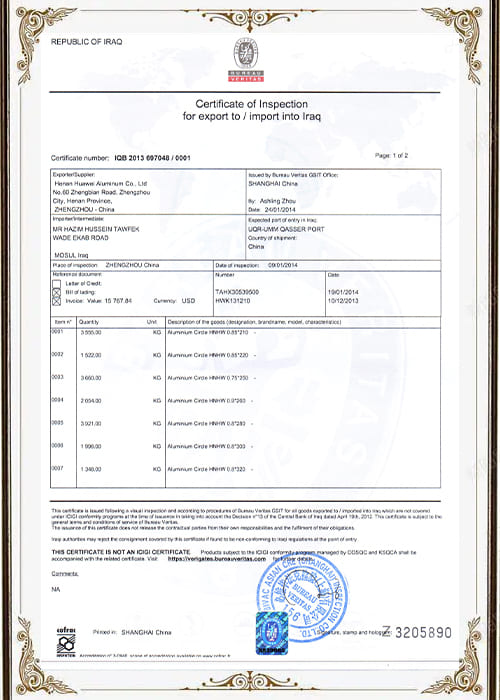
Huawei Aluminum emphasizes quality management and traceability. Typical certifications include:
– ISO 9001: Quality management system
– MSDS and safety compliance for chemical coatings used in laminates
– Documentation for material safety, lot traceability, and compliance with customer specifications
Sustainability and supply chain considerations
As a major supplier, Huawei Aluminum seeks to maintain responsible production practices, minimize environmental impact, and ensure supply chain resilience.
This includes energy efficiency initiatives, waste management, and adherence to international standards for supplier quality and reliability.
For pharma packaging buyers, this translates into consistent product quality, on-time deliveries, and responsive technical support—an important combination for reducing risk in critical packaging programs.
Comparative Analysis: 8011 Foil Versus Other Foils for Pharma Packaging
| Feature / Criterion | 8011 Aluminum Foil (Standard Pharma Use) | 8021 Aluminum Foil (Commonly Used in Pharma) | 1235 Aluminum Foil (High-Purity, Often in Food Grade) | 1100 Aluminum Foil (High Formability) |
|---|---|---|---|---|
| Typical Alloy Group | 8xxx series (Al-Mn alloys) | 8xxx series with slightly different composition | 1xxx series (nearly pure aluminum) | 1xxx series (nearly pure aluminum) |
| Formability | Excellent; good for complex blister designs | Very good; good formability for many laminates | Excellent formability; best for simple laminates | Highest formability; widely used for flexible packaging |
| Barrier Contribution (in laminates) | Excellent when paired with barrier layers; foil itself is not a barrier to gases | Similar to 8011 when laminated; depends on coatings | Excellent barrier with proper laminate; high purity helps reduce interactions | Moderate barrier; relies heavily on laminate structure |
| Heat Sealability | Compatible with common polymer sealants in pharma laminates | Compatible with standard heat-seal polymers | High compatibility with seal polymers | Excellent sealability with standard polymers |
| Printability / Surface Finish | Good surface for printing and coating; coatings available | Good to excellent printability; suitable for high-quality labels | Good printability with appropriate coatings | Good printability; widely used for consumer packaging |
| Regulatory Perception | Trusted in pharma; widely accepted in global markets | Also trusted; sometimes used in specialized laminates | Widely used in food and pharma; regulatory acceptance depends on structure | Widely used in various packaging, including some pharma cases |
| Typical Uses in Pharma | Blister lid foils, laminate lid foils, sachet interior foils | Alternative laminate foils; used in specific structures | Pure aluminum surfaces used in certain laminates and buffer layers | High formability applications where extreme bending is required |
| Cost Considerations | Moderate; balanced performance and cost | Slightly higher or similar to 8011 depending on alloy mix | Usually lower cost due to high purity but needs compatibility checks | Generally lower cost; formability is a key advantage |
Note: This table presents typical characteristics and generalizations. Real-world performance depends on temper, thickness, surface treatment, coating, and laminate architecture. When selecting a foil for a pharmaceutical packaging project, consult with the foil manufacturer and packaging material suppliers to verify the exact properties for your intended format and regulatory requirements.
FAQs About 8011 Aluminum Foil for Pharmaceutical Packing
Q: What makes 8011 foil suitable for pharmaceutical packaging?
A: 8011 foil offers a balance of formability, barrier capability when laminated, thermal compatibility for sealing, and chemical inertness, making it a reliable choice for pharma packaging in blister packs, sachets, and laminated films.
Q: Can 8011 foil be used with all sterilization methods?
A: It is compatible with common sterilization methods (ETO, gamma, electron beam) when the laminate structure and coatings are designed to withstand the process. Always validate the entire laminate under the chosen sterilization method.
Q: How do I determine the right laminate structure for a drug product?
A: Consider the product’s moisture sensitivity, oxygen sensitivity, packaging format (blister or sachet), regulatory requirements, and distribution environment. Work with your foil supplier and laminator to design a structure that meets WVTR/OTR targets and heat-seal reliability.
Q: What is the impact of foil thickness on cost and performance?
A: Thicker foils often provide greater puncture resistance and may improve seal reliability but increase material cost and potential line-load requirements. Lamination design and product stability goals should guide thickness choices.
Q: How important is surface treatment for printing and bonding?
A: Very important. Surface treatment influences ink adhesion, print quality, and lamination adhesion. Proper treatment reduces delamination risk and improves overall packaging aesthetics and readability.
Q: What should I look for when selecting a supplier?
A: Look for a supplier with demonstrated experience in pharmaceutical packaging, robust quality management systems (e.g., ISO 9001), traceability across raw materials and finished products, and the ability to support coating, lamination, and packaging line integration. Supplier certifications, technical support, and supply chain reliability are critical.
Q: How can Huawei Aluminum support pharmaceutical packaging programs?
A: Huawei Aluminum provides 8011 foil products in an array of thicknesses and temper conditions, with capabilities for surface treatment, coatings, and lamination compatibility. Their quality controls, certifications, and global delivery capabilities can help buyers achieve consistent performance and regulatory compliance.
Conclusion
8011 Aluminum Foil for Pharmaceutical Packing represents a well-established option that enables reliable, high-performance packaging for a broad range of pharmaceutical products.
Its intrinsic formability, compatibility with barrier coatings, and robust compatibility with heat-sealing processes make it a preferred choice for blister packs, sachets, and laminated films across global markets.
The ability to tailor laminate structures with PVDC, EVOH, PET, and other barrier layers allows packaging engineers to meet specific product stability and regulatory requirements, delivering safe and effective medicines to patients.
In this landscape, Huawei Aluminum emerges as a credible supplier with a focus on delivering high-quality 8011 foil tailored for pharmaceutical packing.
Their capability to provide consistent materials, supported by quality controls, certifications, and a global supply network, can help manufacturers reduce risk and maintain reliability in complex packaging programs.
By combining industry knowledge, rigorous testing, and strategic supplier partnerships, teams can design packaging solutions that optimize product protection, regulatory compliance, and supply chain resilience.
If you are evaluating an upgrade to your pharmaceutical packaging program or starting a new line requiring 8011 aluminum foil, this guide serves as a practical reference.
Use the insights to drive better decision-making, align with regulatory expectations, and collaborate with trusted suppliers to deliver safe, effective medicines to market locations around the world.
Share with PDF: Download