

1. Introduction
Chromated aluminum foil is a honeycomb-core feedstock where aluminum foil (often 1xxx/3xxx/5xxx series) receives a chromate conversion coating to enhance adhesive bonding durability and corrosion resistance, particularly under humid, saline, and thermal cycling conditions.
The coating is ultra-thin (typically tens to a few hundreds of nanometers, depending on process) yet functionally powerful because it modifies surface chemistry, passivates cathodic sites, and improves wetting.
Key performance drivers include foil alloy/temper/thickness, surface cleanliness (ionic and organic residues), conversion coating film weight, and post-treatment handling (aging and contamination control).
Regulatory pressure has pushed a shift from Cr(VI) to Cr(III) and non-chrome alternatives; however, high-reliability sectors may retain Cr(VI) specifications where permitted due to mature qualification histories.
Typical aluminum physical data used in design includes density ~2.70 g/cm³ and elastic modulus ~69 GPa, enabling high stiffness-to-weight honeycomb structures.
Chromated Aluminum Foil for Honeycomb
2. What Is Chromated Aluminum Foil for Honeycomb?
Chromated aluminum foil for honeycomb refers to thin aluminum foil that has undergone a specialized chemical surface treatment called chromate conversion coating (often simply “chromation”).
This treatment creates a passive, inert layer on the aluminum surface.
This treated foil is then used to construct the hexagonal cell structure of aluminum honeycomb cores, which are subsequently bonded to face sheets (e.g., aluminum, carbon fiber, fiberglass) to form lightweight, high-stiffness sandwich panels.
The chromate layer serves two primary, critical functions for honeycomb applications:
- Enhanced Adhesion: It provides an ideal surface for structural adhesives (like epoxies or phenolics) to form a strong, durable, and reliable bond during the manufacturing of the honeycomb core and the final sandwich panel. Without it, adhesive bonding to raw aluminum would be significantly weaker and more prone to environmental degradation.
- Superior Corrosion Resistance: It passivates the aluminum surface, offering excellent protection against oxidation and various forms of corrosion, crucial for the longevity and structural integrity of the very thin foil in demanding service environments.
3. Material System: Foil Alloy, Temper, Thickness
The performance of chromated aluminum foil for honeycomb is a direct consequence of the precise selection of its base material and its subsequent surface treatment.
3.1 Alloy Selection
The choice of aluminum alloy for the foil substrate is driven by a balance of strength, formability, and inherent corrosion resistance:
- 3003 (Al-Mn): This is the most common alloy used. Its manganese content provides good strength (tensile strength ~110-140 MPa for O temper, higher for H tempers) and excellent general corrosion resistance, particularly to atmospheric conditions. It also offers good formability, which is crucial for the precise corrugation process during honeycomb manufacturing.
- 5052 (Al-Mg): Chosen for applications requiring higher strength (tensile strength ~170-220 MPa for O to H32 tempers) and enhanced corrosion resistance in marine or saline environments. Its formability is slightly less than 3003, but still adequate for honeycomb formation.
- 5056 (Al-Mg-Mn): Sometimes selected for very high-strength honeycomb cores, offering even greater mechanical properties than 5052, but can be more challenging to form at very thin gauges.
3.2 Temper & Mechanical Needs
The temper of aluminum foil dictates its mechanical properties, particularly its strength and formability. For honeycomb, foil is typically used in:
- H19 (Fully Hard): This temper provides maximum strength through severe strain hardening (cold rolling), offering the highest resistance to crushing in the finished honeycomb. It is common for high-performance aerospace applications.
- H18 (Three-Quarters Hard): Offers slightly less strength than H19 but may retain a marginal increase in formability.
- H14 (Quarter Hard): Sometimes used when the honeycomb cell formation requires slightly greater ductility or for thicker foils where H19 would be too brittle.
The goal is to select a temper that provides sufficient strength for the final honeycomb application while allowing the foil to be precisely corrugated without cracking during manufacturing.

Honeycomb Sheet Structure
3.3 Thickness
The foil’s thickness (gauge) is a critical parameter, directly impacting the finished honeycomb’s density, cell wall thickness, and overall mechanical properties.
For aluminum honeycomb, the foil is extremely thin, typically ranging from 50 to 150 microns (0.05 mm to 0.15 mm).
- Thinner foils result in lower-density honeycomb with reduced overall weight, but also potentially lower shear and compression strength.
- Thicker foils produce denser, stronger honeycomb cores.
- Precision in thickness control (tolerances often ±5% or less) is paramount for consistent honeycomb properties.
3.4 Chromate Conversion Coating
This is the essential surface treatment. It’s a chemical process that transforms the surface of the aluminum foil into a thin, inorganic film primarily composed of hydrated chromium oxides. This layer provides a passive barrier against corrosion and, more importantly for honeycomb, creates an ideal substrate for adhesive bonding.
4. Manufacturing Process of Chromated Aluminum Foil
The production of chromated aluminum foil is a specialized multi-stage process demanding high precision and stringent quality control.

Chromated Aluminum Foil Production Process
4.1 Aluminum Ingot Casting & Rolling
- The process begins with casting aluminum ingots of the selected alloy (e.g., 3003, 5052).
- These ingots undergo hot rolling to an intermediate thickness, followed by multiple passes through specialized cold rolling mills to achieve the extremely thin gauges required for honeycomb (down to 0.05 mm).
- Intermediate and final annealing steps are precisely controlled to achieve the desired H19, H18, or H14 temper.
4.2 Cleaning and Surface Preparation
Before chromation, the foil surface must be meticulously clean and active:
- Degreasing: Thorough removal of rolling oils and organic contaminants using alkaline or solvent solutions.
- Alkaline Cleaning: Further cleaning and activation of the surface.
- Etching (De-smutting): A mild acid or alkaline etch may be used to remove any residual smut (oxides or alloying elements) and create a microscopically rough surface profile, which enhances the mechanical keying of the chromate coating.
- Rinsing: Multiple deionized water rinses ensure no chemical residues remain.
4.3 Chromate Conversion Coating Application
The cleaned foil web is continuously fed through a chemical processing line:
- Immersion or Spray: The foil passes through tanks containing the chromate conversion solution or is sprayed with it.
- Dwell Time & Temperature: Precise control over the contact time and solution temperature is critical to form a uniform, optimal coating thickness. Typical chromation processes occur at ambient to moderately elevated temperatures.
- Rinsing: Multiple, high-purity water rinses remove unreacted chemicals.
- Drying: Controlled hot air drying ensures a stable, uniform, and non-smudging chromate layer. Over-drying can sometimes degrade coating performance.
4.4 Post-treatment & Handling
After chromation, the foil is carefully handled and rerolled onto cores.
Specialized packaging protects the delicate, coated surface from contamination or damage during transport to the honeycomb manufacturer.
4.5 Quality Control
Rigorous quality checks are performed at every stage:
- Foil Gauge & Mechanical Properties: Online and offline measurements confirm thickness tolerances and temper (tensile strength, elongation).
- Surface Cleanliness: Water break test or surface energy measurements.
- Coating Weight: Gravimetric methods (dissolving the coating and weighing the foil before/after) or X-ray fluorescence (XRF) are used to measure the chromate coating thickness (e.g., 0.1-0.5 mg/ft² or 1.1-5.4 mg/m² for Type I Class 1A chromate).
- Adhesion Testing: Cross-hatch adhesion tests or tape pull tests ensure the coating is well-adhered to the aluminum.
- Corrosion Resistance Testing: Salt spray testing (e.g., ASTM B117) is a standard method to evaluate the coating’s ability to resist corrosion. For example, a good chromate coating should show no significant corrosion after 168 hours or more in a salt spray chamber.
- Adhesive Bond Strength Testing: Samples are typically bonded to a standard adhesive and tested for peel or shear strength, simulating the honeycomb manufacturing process.

Chromated Aluminum Foil Dyne value test
5. Chromate Conversion Coating: Chemistry & Mechanism
5.1 Conversion Coating Fundamentals
Unlike paints or platings, a conversion coating chemically reacts with the substrate (aluminum) to form an integral part of its surface. The process involves:
- Cleaning: Removing all contaminants.
- Etching: Light etching to provide a receptive surface.
- Chemical Reaction: Immersion in an acidic solution containing hexavalent or trivalent chromium ions, along with other activators (e.g., fluorides). The chromium ions react with the aluminum surface to form a gelatinous, hydrated chromium oxide/hydroxide film.
- Curing: The film dehydrates and hardens upon drying, forming a stable, amorphous layer typically 0.0001 mm to 0.0005 mm thick.
This film is relatively soft when wet but hardens significantly upon drying, providing a stable, excellent base for subsequent organic coatings (adhesives).
It also acts as a physical and electrochemical barrier against corrosion.
5.2 Cr(VI) vs Cr(III)
Cr(VI) (hexavalent chromium):
- Historically prized for strong corrosion performance and the widely cited “self-healing” inhibitor behavior.
- Regulatory and occupational-health restrictions are significant; usage may be tightly controlled or prohibited depending on jurisdiction and application.
Cr(III) (trivalent chromium):
- Developed to reduce compliance burden while retaining conversion-coating benefits.
- Often requires tighter process control and thorough qualification to match legacy performance in severe environments.
Practical reality: many high-reliability programs specify performance via qualification tests rather than allowing process substitution without re-qualification.
5.3 Film weight/thickness & performance linkage
Although specs vary, CCC is commonly managed through film weight (mass per area) because the film is too thin for simple thickness gauging.
Typical engineering relationships (trend-level guidance):
- Too low film weight: incomplete coverage → early pitting/crevice corrosion, weaker bond durability after aging.
- Too high film weight: powdery/fragile films → reduced cohesive strength at the interface, risk of adhesive failure, inconsistent wetting.
For context, conversion coating films are usually sub-micron, and film weights are commonly in the low mg/ft² range (or equivalent mg/m²), depending on the specification and coating type.

Chromated aluminum foil for honeycomb core
6. Properties and Characteristics of Chromated Aluminum Foil for Honeycomb
6.1 Enhanced adhesion for structural adhesives
Chromated Aluminum Foil typically improves:
- initial adhesion (better wetting and bonding),
- durability after hot/wet exposure, where untreated aluminum can suffer interfacial degradation.
In honeycomb, this is crucial because bond lines are numerous and thin; a small reduction in interfacial reliability can translate to large panel-level performance loss.
6.2 Superior corrosion resistance
Chromated Aluminum Foil provides:
- barrier protection,
- inhibition at defect sites,
- improved performance in crevices and under adhesive edges compared with bare foil.
6.3 High strength-to-weight ratio
This is a system property of aluminum honeycomb, supported by aluminum’s low density:
- Density of aluminum: ~2.70 g/cm³
- Honeycomb achieves stiffness by geometry; the foil enables thin, stable cell walls at low mass.
6.4 Thermal stability
Aluminum itself is thermally stable across typical adhesive cure ranges used in honeycomb manufacture, while Chromated Aluminum Foil must remain compatible with:
- cure temperatures (often ~120–180°C for many structural adhesive systems; actual depends on adhesive),
- thermal cycling without losing adhesion.

Chromated Aluminum Foil for Honeycomb Sheet
6.5 Electrical properties
Aluminum is electrically conductive; Chromated Aluminum Foil films are thin and may slightly change surface resistivity.
In practical honeycomb applications, electrical behavior is dominated by:
- adhesive continuity,
- surface films/primers,
- joint design and grounding strategy.
6.6 Formability
The foil must survive:
- slitting (edge quality),
- adhesive coating and stacking,
- expansion and shaping.
A good Chromated Aluminum Foil must not crack or flake under bending/handling typical of core manufacture.
7. Applications of Chromated Aluminum Honeycomb
Chromated aluminum honeycomb is integral to a vast array of high-performance lightweight structures across multiple industries.
7.1 Aerospace Industry
- Aircraft Flooring and Interior Panels: Lightweight, stiff, and fire-resistant.
- Cargo Liners, Galleys, Lavatories: Structural support with reduced weight.
- Aircraft Control Surfaces (Flaps, Ailerons): Provide stiffness without adding significant mass.
- Rotor Blades (Helicopters): Core material for aerodynamic efficiency.
- Spacecraft Structures: Satellite panels, fairings, and internal support structures where every gram counts.

Chromated Aluminum Foil for Aerospace
7.2 Marine Industry
- Boat Hulls, Decks, and Bulkheads: Reduces overall vessel weight, leading to increased speed, fuel efficiency, and stability. Its corrosion resistance is crucial in saline environments.
- Yacht Interiors: Lightweight, high-end finishing panels.
7.3 Automotive & Transportation
- Racing Car Chassis and Body Panels: Provides extreme stiffness and strength-to-weight for performance vehicles.
- Train and Bus Panels: Improves structural rigidity, reduces weight, contributes to fuel efficiency, and enhances safety.
- Electric Vehicle (EV) Battery Enclosures: Lightweight yet strong protection.
7.4 Construction & Architecture
- Lightweight Wall Panels and Facades: Used in modern architecture for exterior cladding and interior partitioning, offering flatness, rigidity, and aesthetic versatility.
- Cleanroom Panels: Dimensional stability and ease of cleaning.
- Modular Structures: Prefabricated elements.
7.5 Industrial & Specialty
- Work Platforms and Tooling: For lightweight, stable, and precise manufacturing tools or fixtures.
- Wind Tunnel Components: Aerodynamic shaping.
- Energy Absorbers: In crashworthiness applications where controlled deformation and energy absorption are required.
- Flow Straighteners / Grids: For fluid dynamics applications.

Chromated Aluminum Foil for Cabinet Doors
8. Huawei Quality Control & Acceptance Criteria
Huawei‘s QA protocols for chromated aluminum foil for honeycomb would be world-class, encompassing:
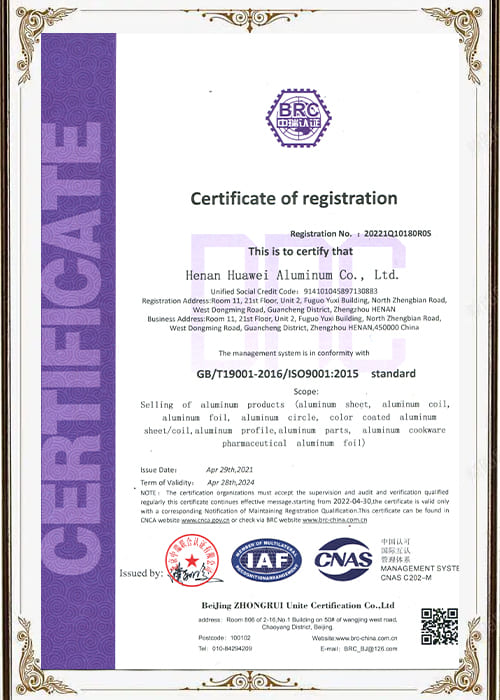
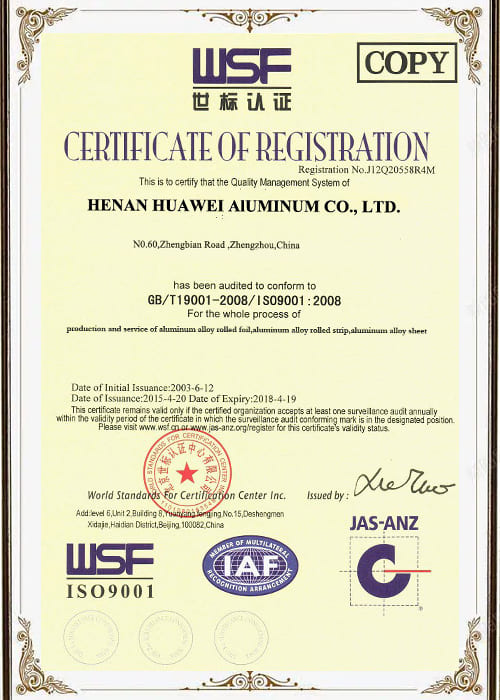
- Supplier Qualification & Audit: Only suppliers with NADCAP accreditation for chemical processing, ISO 9001/AS9100 certification, and a proven track record of consistently meeting stringent aerospace-grade specifications would be approved. Comprehensive on-site audits would verify process controls for chromation.
- Incoming Material Inspection: Every batch of chromated foil would undergo extensive testing beyond standard checks:
- Foil Gauge & Mechanicals: Precise measurements of thickness (e.g., ±2% tolerance), tensile strength, and elongation to confirm base material integrity and temper.
- Chromate Coating Weight: X-ray Fluorescence (XRF) or gravimetric analysis to ensure coating weight is within the tight optimal range (e.g., 0.15-0.35 mg/ft² for Cr(VI) or equivalent for Cr(III)).
- Surface Wetting & Uniformity: Water break test and visual inspection for consistent coating and absence of defects.
- Adhesion Testing: Standardized cross-hatch/tape pull tests on the chromated surface. More critically, trial bonding tests with Huawei’s specified structural adhesives to measure peel strength (e.g., >80 N/25mm) and shear strength (e.g., >20 MPa) of the adhesive joint formed with the chromated foil.
- Accelerated Corrosion Testing: ASTM B117 Neutral Salt Spray Test to ensure no corrosion after extended exposure (e.g., >336 hours for highly demanding applications).
- Elemental Analysis (RoHS/REACH Compliance): Confirmation of the absence or permissible levels of restricted substances, especially for Cr(VI), using techniques like ICP-OES.
- Process Parameter Validation: For internal honeycomb manufacturing, adhesive application, curing cycles, and expansion processes would be meticulously validated and monitored to ensure the chromated foil’s properties are fully leveraged.
- Long-Term Performance & Environmental Testing: Sample honeycomb panels would undergo thermal cycling, humidity exposure, and vibration tests to simulate operational conditions and verify long-term bond durability and corrosion protection.
- Traceability: A comprehensive digital traceability system would track every coil of chromated foil from raw material to its final application in a component, providing immediate data for any performance analysis.
By enforcing such stringent quality control, Huawei would guarantee that the chromated aluminum foil used in its advanced lightweight structures meets the highest standards of adhesion, corrosion resistance, and overall reliability, contributing directly to the performance and longevity of its cutting-edge products.

Chromated aluminum foil for ceiling
9. Industry Standards and Certifications
Applicable requirements depend on sector (aerospace vs building), region, and customer primes. Commonly referenced categories include:
- Aluminum foil material specifications (chemistry, temper, mechanical properties)
- Conversion coating specifications (chromate type, process, performance)
- Corrosion testing standards (salt spray / cyclic corrosion)
- Quality system certifications (e.g., ISO-type QMS), plus sector-specific approvals
Best practice in procurement is to cite the exact standard revision + test method + acceptance values, because “chromated” alone is not sufficiently defined.
10. Conclusion
Chromated aluminum foil for honeycomb is best understood as a reliability enabler for adhesive-bonded, crevice-prone structures.
When alloy/temper/thickness selection is aligned with manufacturing needs, and when cleaning, conversion coating film weight, and handling discipline are tightly controlled, CCC-treated foil significantly improves bond durability and corrosion resistance—the two dominant failure drivers in honeycomb cores.
Regulatory trends are steadily pushing systems toward Cr(III) or non-chrome solutions, but in critical applications the deciding factor remains the same: qualified, repeatable performance under relevant aging and corrosion tests.
FAQs
1) Why does honeycomb foil need chromate conversion coating?
Because honeycomb cores have enormous bonded area and many crevices; CCC improves adhesive bonding durability and inhibits corrosion where moisture can be trapped.
2) Is Cr(VI) always better than Cr(III)?
Not universally. Cr(VI) has a long qualification history and strong corrosion inhibition, but Cr(III) can perform very well with proper process control and system qualification—while significantly reducing compliance burden.
3) What “data” should be specified in a purchase order?
At minimum: alloy/temper/thickness/width, coating type (Cr(VI)/Cr(III)), film weight range, cleanliness requirements, shelf life/storage conditions, and functional validation (corrosion + bond durability tests).
4) What are the most common root causes of poor bonding?
Residual rolling oils, ionic contamination from rinse water, incorrect film weight, aging/contamination after coating, and mismatch between coating type and adhesive cure schedule.
5) Can non-chrome coatings replace chromate directly?
Sometimes, but not as a drop-in in high-reliability programs. Substitution typically requires re-qualification because bond durability and corrosion behavior can be highly system-dependent.
6) How thin is a chromate conversion coating?
It is typically sub-micron (often tens to hundreds of nanometers), which is why specifications often control it by film weight and performance tests rather than direct thickness measurement.
Casting production process and its introduction
The purpose of melting and casting is to produce alloys with satisfactory composition and high purity of melt, so as to create favorable conditions for casting alloys of various shapes.
Melting and casting process steps: batching --- feeding --- melting --- stirring after melting, slag removal --- pre-analysis sampling --- adding alloy to adjust the composition, stirring --- refining --- static Setting——Guide furnace casting.
Hot rolling production process and its introduction
- 1. Hot rolling generally refers to rolling above the metal recrystallization temperature;
- 2. During the hot rolling process, the metal has both hardening and softening processes. Due to the influence of deformation speed, as long as the recovery and recrystallization process is too late, there will be a certain work hardening;
- 3. The recrystallization of the metal after hot rolling is incomplete, that is, the coexistence of recrystallized structure and deformed structure;
- 4. Hot rolling can improve the processing performance of metals and alloys, reduce or eliminate casting defects.
- 1. The casting and rolling temperature is generally between 680°C and 700°C. The lower the better, the stable casting and rolling line usually stops once a month or more to re-stand. During the production process, it is necessary to strictly control the liquid level of the front tank to prevent low liquid level;
- 2. Lubrication uses C powder with incomplete combustion of gas for lubrication, which is also one of the reasons for the dirty surface of casting and rolling materials;
- 3. The production speed is generally between 1.5m/min-2.5m/min;
- 4. The surface quality of products produced by casting and rolling is generally relatively low, and generally cannot meet products with special physical and chemical performance requirements.
- 1. Cold rolling refers to the rolling production method below the recrystallization temperature;
- 2. There will be no dynamic recrystallization during the rolling process, and the temperature will rise to the recovery temperature at most, and the cold rolling will appear in a work hardening state, and the work hardening rate will be large;
- 3. The cold-rolled sheet and strip have high dimensional accuracy, good surface quality, uniform structure and performance, and products in various states can be obtained with heat treatment;
- 4. Cold rolling can roll out thin strips, but at the same time, it has the disadvantages of high energy consumption for deformation and many processing passes.
- 1. Finishing is a processing method to make the cold-rolled sheet meet the customer's requirements, or to facilitate the subsequent processing of the product;
- 2. The finishing equipment can correct the defects produced in the hot rolling and cold rolling production process, such as cracked edge, oily, poor plate shape, residual stress, etc. It needs to ensure that no other defects are brought into the production process;
- 3. There are various finishing equipments, mainly including cross-cutting, slitting, stretching and straightening, annealing furnace, slitter, etc.
Casting and rolling process
Casting and rolling process: liquid metal, front box (liquid level control), casting and rolling machine (lubrication system, cooling water), shearing machine, coiling machine.
Cold rolling production process
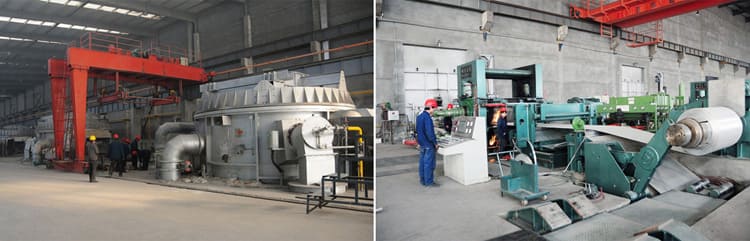
Introduction to finishing production process
Aluminum alloy has the characteristics of low density, good mechanical properties, good processing performance, non-toxic, easy to recycle, excellent electrical conductivity, heat transfer and corrosion resistance, so it has a wide range of applications.
Aerospace: used to make aircraft skins, fuselage frames, girders, rotors, propellers, fuel tanks, wall panels and landing gear struts, as well as rocket forging rings, spacecraft wall panels, etc.

Aluminum alloy used for aerospace
Transportation: used for car body structure materials of automobiles, subway vehicles, railway passenger cars, high-speed passenger cars, doors and windows, shelves, automotive engine parts, air conditioners, radiators, body panels, wheels and ship materials.

Traffic application
Packaging: All-aluminum pop cans are mainly used as metal packaging materials in the form of thin plates and foils, and are made into cans, lids, bottles, barrels, and packaging foils. Widely used in the packaging of beverages, food, cosmetics, medicines, cigarettes, industrial products, medicines, etc.
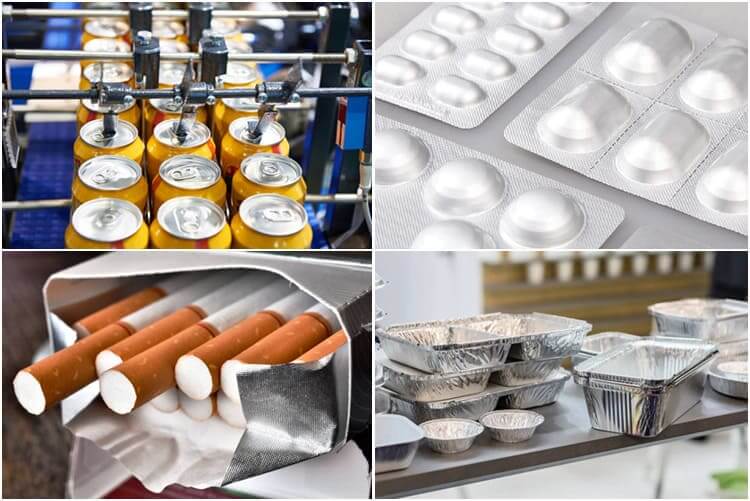
Packaging application
Printing: Mainly used to make PS plates, aluminum-based PS plates are a new type of material in the printing industry, used for automatic plate making and printing.
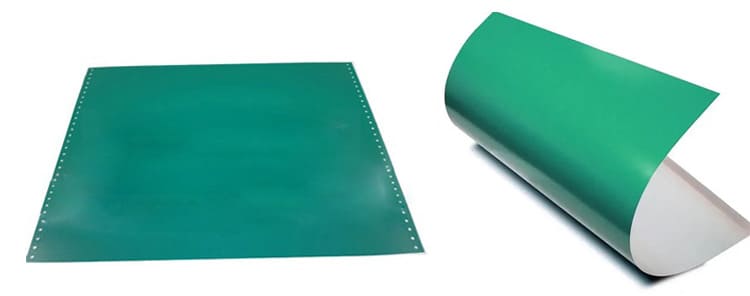
PS printing
Architectural decoration: aluminum alloy is widely used in building structures, doors and windows, suspended ceilings, decorative surfaces, etc. due to its good corrosion resistance, sufficient strength, excellent process performance and welding performance.
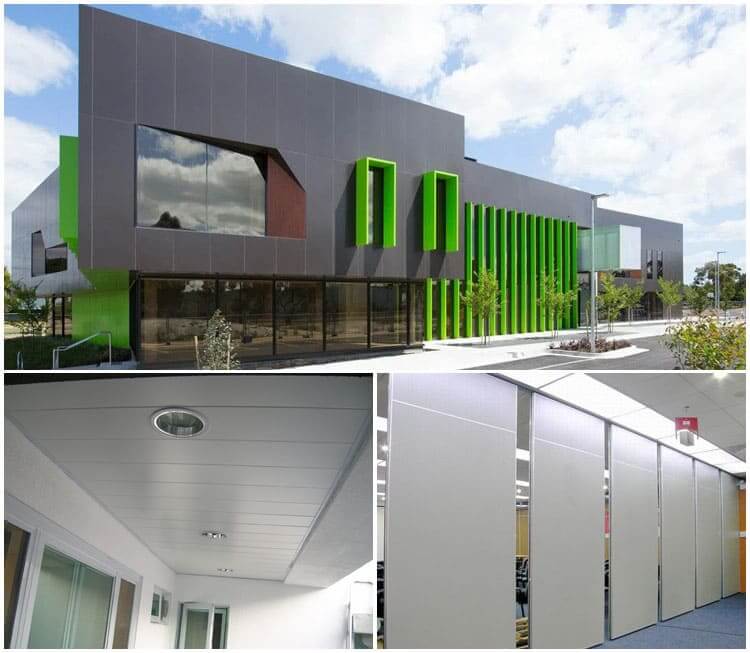
Aluminum alloy construction application
Electronic products: computers, mobile phones, refrigerator shells, radiators, etc.
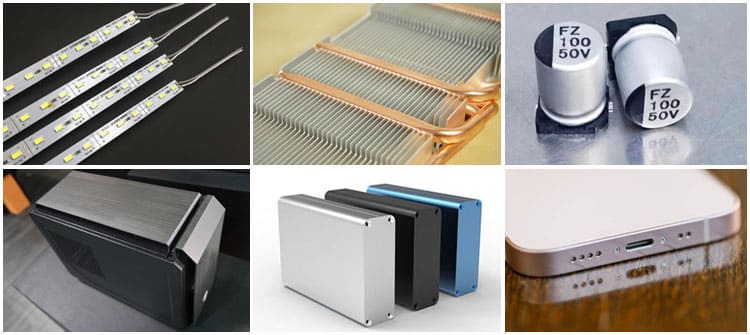
Electronic product application
Kitchen supplies: aluminum pots, aluminum basins, rice cooker liners, household aluminum foil, etc.
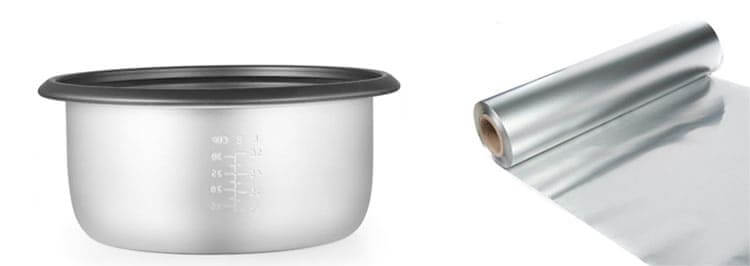
Kitchen application
Packaging Of Aluminum Sheet/Coil
Every detail of packaging is where we pursue perfect service. Our packaging process as a whole is as follows:
Lamination: clear film, blue film, micro-mucosal, high-mucosal, laser cutting film (2 brands, Novacell and Polyphem);
Protection: paper corner protectors, anti-pressure pads;
drying: desiccant;
Tray: fumigated harmless wooden tray, reusable iron tray;
Packing: Tic-tac-toe steel belt, or PVC packing belt;
Material Quality: Completely free from defects such as white rust, oil spots, rolling marks, edge damage, bends, dents, holes, break lines, scratches, etc., no coil set.
Port: Qingdao or other ports in China.
Lead time: 15-45 days.
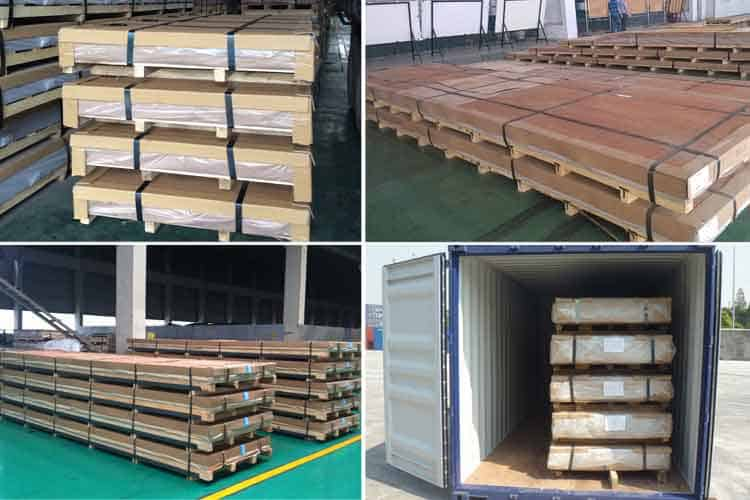
Aluminum sheet/plate packaging process
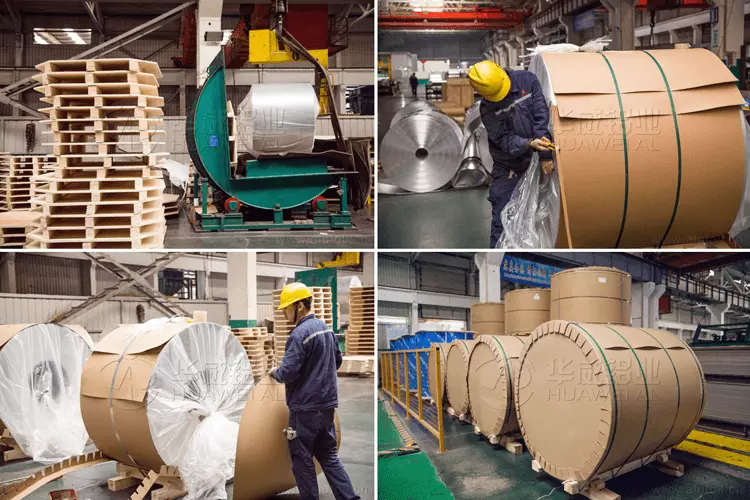
Aluminum coil packaging process
F: Are you a manufacturer or a trader?
Q: We are a manufacturer, our factory is at No.3 Weier Road, Industrial Zone, Gongyi, Henan, China.
F: What is the MOQ for ordering the product?
Q: Our MOQ is 5 tons, and some special products will have a minimum order quantity of 1 or 2 tons.
F: How long is your lead time?
Q: Generally our lead time is about 30 days.
F: Do your products have quality assurance?
Q: Yes, if there is a quality problem with our products, we will compensate the customer until they are satisfied.
Related Products


Latest Blogs
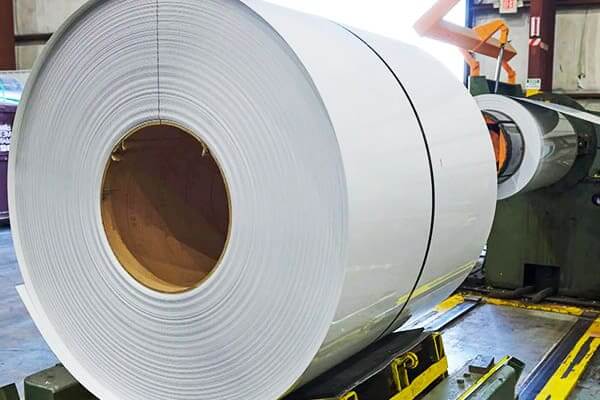
Common Alloys of Reefer Truck Used PE Coated Aluminum Coil
Discover common alloys of reefer truck used PE coated aluminum coil, including 3003, 3004, and 3105. Designed for excellent corrosion resistance, formability, and long-lasting outdoor performance.
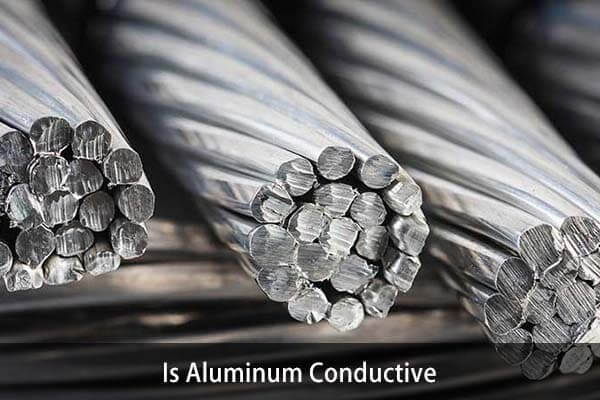
Is Aluminum Conductive? Properties, Uses & Benefits Explained
Is aluminum conductive? Discover aluminum's electrical conductivity, key advantages, and why it is widely used in power transmission and industrial applications.
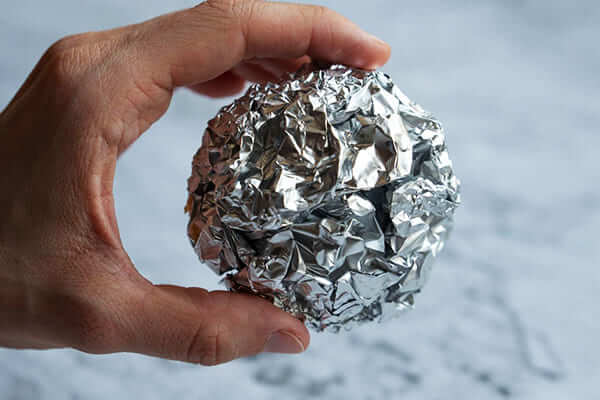
Unlocking Sustainability: The Truth About Aluminum Foil Recycling
Is Aluminum Foil Recyclable? Learn how aluminum foil can be recycled, how to prepare it properly, and why recycling helps reduce waste and save resources.
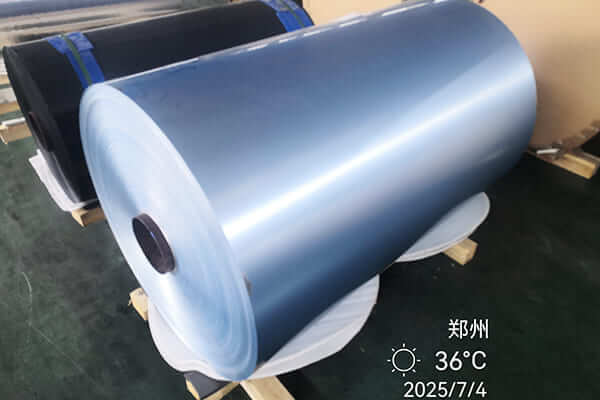
Coated Aluminum Foil for Packaging Applications | Strong & Reliable
High-quality coated aluminum foil for packaging applications, offering excellent barrier protection, durability, and consistent performance.