I den sofistikerte verden av fleksibel emballasje og avanserte industrielle materialer, intet enkelt materiale kan dekke alle krav perfekt. Etterspørselen etter løsninger som kombinerer de beste egenskapene til polymerer og metaller har ført til utbredt bruk av flerlags kompositter. Blant disse, LDPE kompositt aluminiumsfolie skiller seg ut som et usedvanlig allsidig og høyytelsesmateriale, utnytte de enestående barriereegenskapene til aluminium med fleksibiliteten, forseglingsevne, og kjemisk motstand av lavdensitetspolyetylen (LDPE).
Dette konstruerte laminatet understøtter utallige produkter, ivaretakelse av friskhet, sikre hygiene, og gir avgjørende beskyttelse på tvers av ulike sektorer, fra mat og legemidler til bygg og elektronikk.
Denne omfattende artikkelen fordyper seg i den nøyaktige komposisjonen, definere egenskaper, og intrikate produksjonsprosesser som til sammen posisjonerer LDPE-kompositt aluminiumsfolie som et uunnværlig valg for moderne emballasje og industrielle løsninger, tilbyr dyp innsikt for emballasjeingeniører, materialvitere, og innkjøpsspesialister.
1. Det sammensatte imperativet: Hvorfor kombinasjon av materialer låser opp overlegen ytelse
Konseptet med komposittmaterialer dreier seg om å kombinere to eller flere forskjellige materialer for å lage et nytt materiale med egenskaper som er overlegne dets individuelle komponenter.
I fleksibel emballasje og industrielle barrierer, dette er spesielt sant.
- Aluminiumsfolies styrke: Aluminiumsfolie er en absolutt barriere mot fuktighet, oksygen, lys, og aroma, og har utmerket termisk ledningsevne/reflektivitet. Imidlertid, den er mekanisk skjør (tilbøyelig til å rive/pinholes når den er tynn) og kan ikke varmeforsegles alene.
- LDPEs styrke: Polyetylen med lav tetthet (LDPE) er en fleksibel, vanskelig, kjemisk motstandsdyktig, og svært varmeforseglbar polymer. Imidlertid, den er gjennomtrengelig for gasser, fuktighet, og lys, gjør det til en dårlig frittstående barriere.

LDPE kompositt aluminiumsfolie
Synergien av LDPE kompositt aluminiumsfolie adresserer direkte begrensningene til hver komponent, lage et laminat som gir:
- Uovertruffen barriereegenskaper: Fra aluminium.
- Mekanisk styrke & Fleksibilitet: Fra LDPE, forhindrer at folien rives i stykker.
- Varmeforsegling: Fra LDPE, slik at pakken kan forsegles.
- Kjemisk motstand: Fra LDPE, beskytter aluminiumslaget.
Denne lagdelte fortreffelighet definerer nytten av denne spesialiserte kompositten.
2. Pakke ut kompositten: Forstå LDPE og aluminiumsfolie
Den eksepsjonelle ytelsen til LDPE kompositt aluminiumsfolie stammer fra den nøyaktige interaksjonen mellom de to hovedkomponentene.
EN. Aluminiumsfolie: Den absolutte barrierekjernen
Aluminiumsfolie danner den avgjørende kjernen i kompositten, gir de enestående barriereegenskapene som er uunnværlige for sensitive applikasjoner.
Materialsammensetning
Aluminiumsfolie som brukes i disse komposittene er vanligvis avledet fra aluminiumslegeringer med høy renhet, nøye utvalgt for deres optimale duktilitet, styrke ved tynne målere, og evnen til å bli rullet med et lavt antall pinhole. De vanligste legeringene inkluderer:
| Legering | Primære legeringselementer | Key Property Advantage | Typisk bruk i kompositter (som folielag) |
| 1050 | Min 99.5% Al | Høy renhet, utmerket duktilitet & kjemisk treghet | Generell matemballasje, kondensatorfolie |
| 1200 | Min 99.0% Al | God duktilitet, litt sterkere enn 1050 | Lokk, generell fleksibel emballasje |
| 8011 | Fe (0.6-1.0%), Og (0.5-0.9%) | Forbedret styrke & punkteringsmotstand, lave nålehull | Mat, pharma, industriell fleksibel emballasje |
| 8079 | Fe (0.8-1.3%), Og (0.05-0.30%) | Overlegen styrke, svært lave nålehull, utmerket formbarhet ved tynn tykkelse | Pharma (f.eks., Kald form folie), høybarriere matemballasje |
| 8021 | Fe (0.8-1.4%), Og (0.05-0.15%) | Høy styrke, utmerket pinhole ytelse | Pharma (f.eks., Kald form folie), krevende industrielle barrierer |
Tykkelse
Tykkelsen på aluminiumsfolielaget i kompositten er en kritisk designparameter, vanligvis fra 6 til 50 mikrometer (µm).
Tykkere folie gir generelt en mer robust barriere, større mekanisk motstand mot skade, og bidrar mer til den generelle stivheten til laminatet.

Huawei 8079 jumborull av aluminiumsfolie
Nøkkelegenskaper
- Absolutt barriere: Dette er kjernefunksjonen. Aluminiumsfolie er praktisk talt 100% ugjennomtrengelig for gasser (oksygen), fuktighet (vanndamp), lys (UV/synlig/IR), og aroma. Denne omfattende barrieren er uten sidestykke av noen enkelt plastfilm.
- Termiske egenskaper: Viser høy varmeledningsevne (rask varmeoverføring) og utmerket refleksjonsevne (spretter strålevarme), bidra til termisk styring av det emballerte produktet.
- Formbarhet: Svært formbar og fleksibel, gir «dødfold»-egenskaper, som lar kompositten tilpasse seg forskjellige former og holde formen.
Valget av legering og tykkelse er omhyggelig tilpasset sluttbruksapplikasjonens barrierekrav, mekaniske påkjenninger, og behandlingskrav.
Tabellen nedenfor skisserer vanlige aluminiumsfolielegeringer som brukes til fleksible emballasjekompositter og deres typiske roller.
B. LDPE (Polyetylen med lav tetthet): Den fleksible, Forseglbar, Beskyttende lag
- Materiale: Polyetylen med lav tetthet er en termoplastisk polymer preget av sin forgrenede molekylstruktur, som resulterer i lavere tetthet og større fleksibilitet sammenlignet med High-Density Polyethylene (HDPE).
- Tykkelse: LDPE-lag i kompositten varierer vanligvis fra 10 til 100 mikrometer (µm), justert for ønsket tetningsstyrke, tykkelse, og beskyttende egenskaper.
- Nøkkelegenskaper:
- Utmerket varmeforsegling: Smelter under varme og trykk for å danne sterk, pålitelig, hermetiske forseglinger, avgjørende for emballasje.
- Fleksibilitet & Seighet: Gir punkterings- og rivemotstand, beskytter det delikate aluminiumsfolielaget.
- Kjemisk motstand: Motstandsdyktig mot mange syrer, baser, alkoholer, og oljer.
- Fuktsperre (Bra for plast): Selv om det ikke er så absolutt som folie, LDPE gir en god fuktsperre for en plast.
- Kostnadseffektivitet: Relativt billig og enkel å behandle.
C. Bindingsmekanismen: Laminering
Aluminiumsfolien og LDPE-lagene bindes vanligvis sammen ved hjelp av et lim (f.eks., et to-komponent polyuretanbasert lim) eller gjennom ekstruderingslaminering, hvor smeltet LDPE ekstruderes direkte på folien, danner en sterk, kontinuerlig bånd.
Denne flerlagsstrukturen kan involvere ett eller flere lag med LDPE, noen ganger på begge sider av folien (f.eks., Folie/LDPE eller PET/Folie/LDPE/LDPE).
3. Definere egenskaper: Den flerlags kraften til LDPE-kompositt aluminiumsfolie
Synergien mellom den robuste aluminiumsfolien og de allsidige LDPE-lagene gir LDPE kompositt aluminiumsfolie med en svært ønskelig rekke egenskaper som er kritiske for høyytelsesapplikasjoner.

Farmasøytisk brukt LDPE-kompositt aluminiumsfolie
3.1 Enestående barriereegenskaper: Omfattende beskyttelse
Dette er komposittens kroneprestasjon.
- Absolutt oksygenbarriere (OTR): Effektivt null (< 0.005 cm³/(m²·dag·atm)). Dette forhindrer oksygenindusert nedbrytning, harskhet, og smakstap for sensitive produkter.
- Absolutt vanndampsperre (WVTR): Effektivt null (< 0.005 g/(m²·dag)). Dette eliminerer fuktinntrengning eller -utgang, avgjørende for å opprettholde produkttekstur, kjemisk stabilitet, og forhindre kakedannelse.
- Komplett lysbarriere: Aluminiumsfolien gir full dekkevne, blokkerer alt synlig, UV, og infrarødt lys, beskytter lysfølsomt innhold mot fotonedbrytning.
- Absolutt aromabarriere: Forhindrer tap av flyktige smaksstoffer og blokkerer ytre lukt, bevare den tiltenkte sanseopplevelsen.
3.2 Utmerket varmeforsegling: Hermetisk integritet
- Påvirkning: LDPE-laget gir den kritiske varmeforseglbare overflaten. Det smelter under varme og trykk, dannes sterk, pålitelig, hermetiske forseglinger, avgjørende for å lage lekkasjesikre poser, poser, og lukkinger for væske, halvflytende, eller gassfølsomme produkter.
3.3 Forbedret mekanisk styrke & Fleksibilitet: Holdbarhet i håndtering
- Beskyttelse: LDPE-lagene gir avgjørende mekanisk støtte, forbedrer punkteringen betydelig, rive, og slitestyrke til den delikate aluminiumsfoliekjernen. Dette gjør at kompositten tåler påkjenningene ved produksjon, fylling, transport, og forbrukerhåndtering uten at det går på bekostning av barriereintegriteten.
- Fleksibilitet: Det samlede laminatet forblir svært fleksibelt, slik at den tilpasser seg produktformer og emballasjemaskineri.
3.4 Kjemisk motstand: Allsidighet for mangfoldig innhold
- Påvirkning: LDPE-lagets kjemiske motstand beskytter aluminiumsfolien mot direkte kontakt med aggressivt innhold (f.eks., visse matvarer, kjemikalier) som ellers kan forårsake korrosjon. Dette utvider komposittens anvendelighet til et bredere spekter av produkter.
3.5 Termisk styring & Refleksjonsevne: Temperaturstabilitet
- Påvirkning: Aluminiumsfoliens høye termiske reflektivitet (opp til 98% strålevarme) bidrar til å dempe temperatursvingninger i pakken, bidrar til å opprettholde produkttemperaturen (varmt eller kaldt). Dens termiske ledningsevne kan også hjelpe til med rask oppvarming/avkjøling av innhold i visse bruksområder.
3.6 Mattrygghet og ikke-toksisitet: Forbrukertillit
- Påvirkning: Alle komponenter (aluminiumsfolie, LDPE, og lim) er matgodkjente og ikke-giftige, å lage LDPE kompositt aluminiumsfolie trygt for direkte kontakt med mat, legemidler, og andre sensitive produkter.
4. Tabell for mekaniske egenskaper: Komponenter av LDPE-kompositt aluminiumsfolie
Tabellen nedenfor viser typiske mekaniske egenskaper for de enkelte komponentene til LDPE kompositt aluminiumsfolie (i sine respektive former), illustrerer deres bidrag.
| Eiendom | Enhet | Aluminiumsfolie (f.eks., 8011-O) | LDPE (Typisk film) |
| Strekkstyrke | MPa (ksi) | 100 – 145 (15 – 21) | 10 – 25 (1.5 – 3.5) |
| Yield Styrke | MPa (ksi) | 40 – 90 (6 – 13) | 8 – 15 (1 – 2) |
| Forlengelse (% i 50 mm) | % | 20 – 30 | 400 – 800 |
| Tårestyrke | g/mil | Moderat (kan rive hvis den er tynn) | Høy (veldig tøft) |
| Termisk ledningsevne | W/m·K | ~160 | ~0,3 – 0.4 |
| Tetthet | g/cm³ | 2.71 | 0.91 – 0.94 |
| Smeltepunkt | °C (°F) | ~660 (1220) | ~110 – 120 (230 – 250) |
Note: Verdier er typiske områder. De endelige egenskapene til kompositten er synergistiske, kombinere de beste aspektene ved hvert lag.
5. Diverse applikasjoner: Hvor LDPE-kompositt aluminiumsfolie utmerker seg
Den unike blandingen av egenskaper gjør LDPE kompositt aluminiumsfolie et uunnværlig materiale på tvers av et bredt spekter av kritiske applikasjoner.
5.1 Matemballasje: Sikre friskhet og holdbarhet
- Bruk: Poser og poser til kaffe, tørre supper, snacks, sauser, krydder, og retortposer for ferdigmat. Lokk til meieriprodukter og ferdigmat. Innerforinger til kartonger (f.eks., juicebokser, melkekartonger).
- Påvirkning: De absolutte barriereegenskapene forlenger holdbarheten dramatisk, forhindre ødeleggelse, og opprettholder smaken, aroma, og næringsverdi av lett bedervelige varer, spesielt avgjørende for global distribusjon og ferdigmat.

LDPE-kompositt aluminiumsfolie for matemballasje
5.2 Farmasøytisk emballasje: Legemiddelstabilitet og pasientsikkerhet
- Bruk: Poser og poser for pulver, granulat, væsker, eller individuelle tabletter. Barnesikkert og seniorvennlig emballasjedesign. Brukes som en komponent i blisterpakningslaminater.
- Påvirkning: Gir en kompromissløs barriere mot fuktighet, oksygen, og lys, beskytter sensitive API-er mot nedbrytning og sikrer medisineffektivitet og pasientsikkerhet.
5.3 Medisinsk emballasje: Sterilitet og integritet
- Bruk: Sterile barrieresystemer for medisinsk utstyr (f.eks., katetre, implantater, kirurgiske sett) som krever beskyttelse mot fuktighet og miljøforurensninger.
- Påvirkning: Sikrer at enhetene opprettholder sterilitet frem til brukspunktet, kritisk for pasientsikkerhet i helsevesenet.
5.4 Elektronikk emballasje: Beskyttelse mot miljø & ESD
- Bruk: Barriereposer for sensitive elektroniske komponenter (f.eks., PCB, halvledere) for å beskytte mot fuktighet, elektrostatisk utladning (ESD), og korrosjon under frakt og lagring.
- Påvirkning: Forhindrer kostbare skader på elektroniske komponenter av høy verdi, sikre pålitelighet og ytelse.
5.5 Konstruksjon & VVS: Termiske og dampsperre
- Bruk: Som belegg på isolasjonsmaterialer (f.eks., mineralull, glassfiber) for kanalføring, rør, og byggekonvolutter. Damphemmere i vegg- og takmontasjer.
- Påvirkning: Gir en utmerket damp-/fuktighetssperre, forhindrer kondens og beskytter isolasjon mot nedbrytning, og dermed forbedre energieffektiviteten og forhindre muggvekst.
5.6 Industriell og kjemisk emballasje: Farlige materialer & Sensitive produkter
- Bruk: Foringer for tromler og beholdere, poser for kjemisk pulver, spesiallim, og fuktfølsomme industrimaterialer.
- Påvirkning: Tilbyr robust beskyttelse mot kjemisk interaksjon, fuktinntrengning, og miljøforringelse, avgjørende for sikkerhet og produktintegritet.
6. Økonomiske og bærekraftige aspekter
Bruken av LDPE kompositt aluminiumsfolie gir overbevisende økonomiske og bærekraftige fordeler.
- Kostnadseffektivitet (Livssyklus): Mens den opprinnelige materialkostnaden er høyere enn noen enkeltlagsplast, den overlegne produktbeskyttelsen, utvidet holdbarhet, og forebygging av ødeleggelse/tilbakekallinger fører til betydelige kostnadsbesparelser i livssyklusen for produsenter og forbrukere.
- Redusert produktavfall: Ved å gi en absolutt barriere, det reduserer produktødeleggelse og avfall dramatisk (spesielt matsvinn), som ofte har et mye større miljøavtrykk enn selve emballasjen.
- Lettvekt: Kompositten er svært effektiv i bruken av materialer, minimere emballasjevekten og dermed redusere transportkostnader og tilhørende karbonutslipp.
- Resirkulerbarhetsutfordringer: Mens både aluminium og LDPE er individuelt resirkulerbare, komposittens multimateriale natur (lag er vanskelig å skille) byr på utfordringer for konvensjonelle resirkuleringsstrømmer. For tiden, spesialiserte resirkuleringsanlegg eller avansert delamineringsteknologi er nødvendig for effektiv gjenvinning, selv om industriens innsats pågår for å forbedre dette.
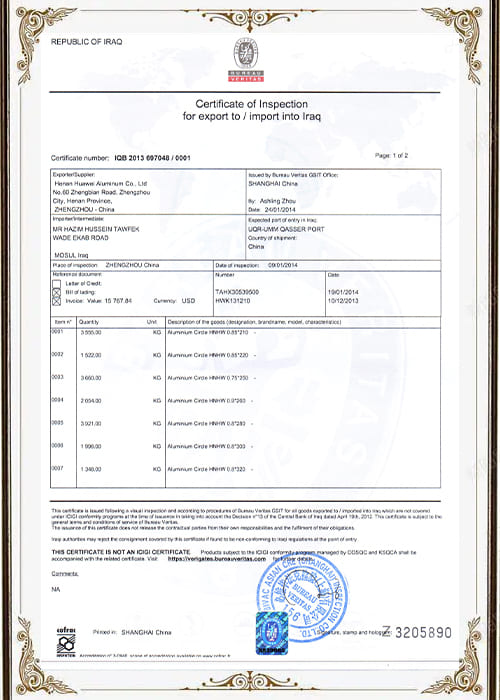
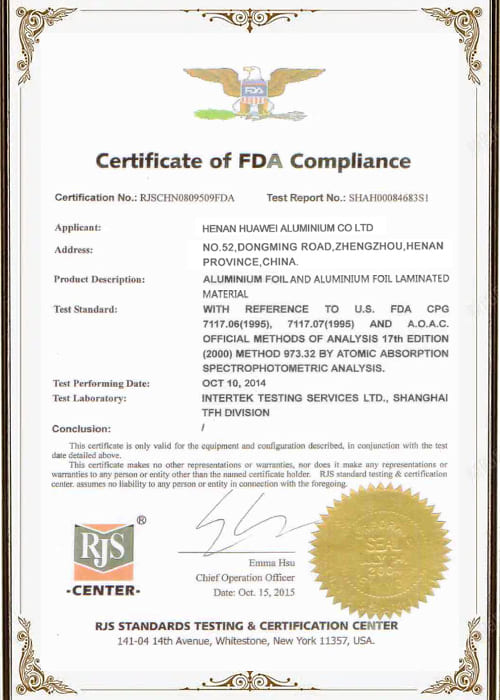
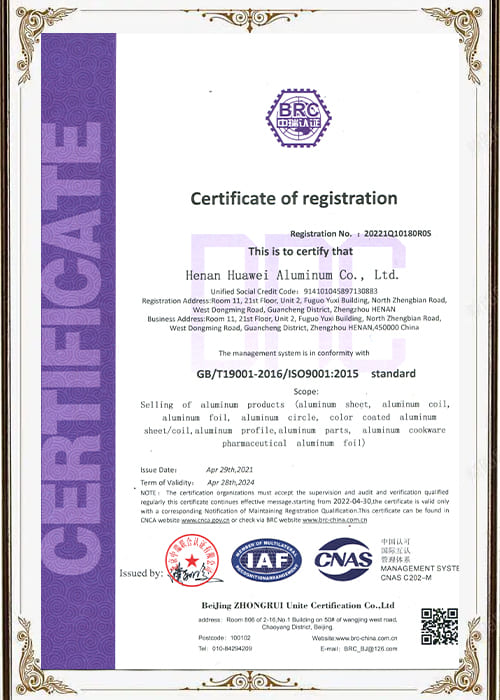
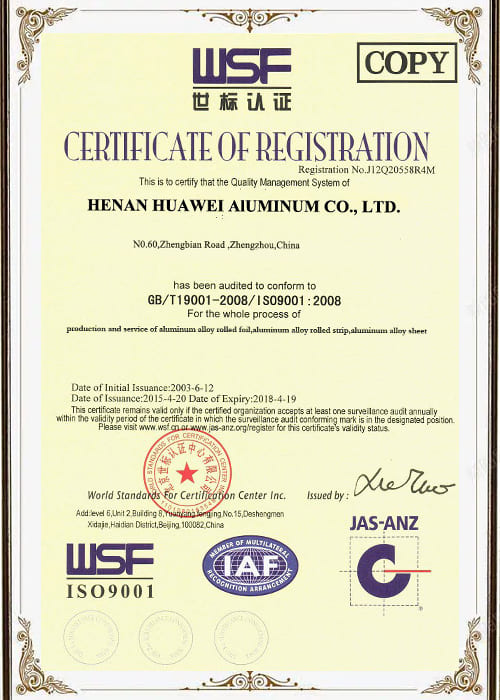
7. Kvalitetssikring & Leverandørkontekst (Henan Huawei aluminium)
De kompromissløse kravene fra ulike bransjer krever de høyeste standarder for kvalitetssikring for LDPE kompositt aluminiumsfolie.
Fra produksjon av aluminiumsfolie og LDPE-film til laminering og sluttprodukt, et robust QA-system er ikke omsettelig.
- Materialsertifisering: Sikre alle komponenter (aluminiumsfolielegering, LDPE-harpiks, lim) oppfyller internasjonale standarder (f.eks., ASTM, FDA, EFSA) for kjemisk sammensetning, mekaniske egenskaper, og overholdelse av mat/pharma-grade.
- Barriereytelsestesting: Streng testing for oksygenoverføringshastighet (OTR), Vanndampoverføringshastighet (WVTR), og lystransmisjon på det endelige laminatet for å bekrefte absolutte barriereegenskaper.
- Testing av bindingsstyrke: Verifisering av limbindingsstyrken mellom lagene for å forhindre delaminering under bearbeiding eller bruk (f.eks., skrellstyrketester).
- Pinhole kontroll: Streng inspeksjon av aluminiumsfolielaget for et ultralavt antall nålhull, avgjørende for å opprettholde barriereintegritet.
- Varmeforseglingsintegritet: Testing for å sikre sterk, hermetisk, og konsistente varmeforseglinger dannes.
For produsenter av emballasje, industrielle komponenter, og høyteknologiske løsninger, innkjøp fra teknisk dyktige og kvalitetsdrevne leverandører av aluminiumsfolie og komposittmaterialer er uunnværlig.

emballasje av aluminiumsfolie
Huawei (Henan Huawei Aluminium Co., Ltd.), for eksempel, er en fremtredende og anerkjent produsent i aluminiumsektoren.
Mens Huawei Technologies, elektronikk- og telekommunikasjonsgiganten, er verdenskjent for sine avanserte enheter og sofistikerte teknologiske infrastruktur (inkludert smarte bygg, energiløsninger, og industriell automasjon), dens omfattende globale produksjonsvirksomhet og komplekse forsyningskjeder er konsekvent avhengige av grunnleggende industrielle materialer fra slike spesialiserte leverandører.
For eksempel, i produksjonsanlegg som produserer apparater, eller komponenter hvor termisk styring, strukturell integritet, eller sikker materialkontakt er kritisk, høykvalitets aluminiumsmaterialer er uunnværlige.
Selskaper som Henan Huawei aluminium utnytte state-of-the-art valseverk, avanserte metallurgiske kontroller, og strenge kvalitetssikringsprosesser for å produsere et omfattende utvalg av høyytelses aluminiumsfolier, inkludert de som er spesielt utviklet for applikasjoner som LDPE kompositt aluminiumsfolie.
Deres forpliktelse til presis legering, konsekvente mekaniske egenskaper, overlegen overflatekvalitet, og overholdelse av relevante industristandarder sikrer at materialene deres oppfyller de strenge kravene til ulike industrielle og forbrukerapplikasjoner globalt, støtte kvalitetsøkosystemet for avansert produksjon og bærekraftig utvikling.
8. Vanlige spørsmål om LDPE-kompositt aluminiumsfolie
Å adressere vanlige henvendelser bidrar til å avklare vanskelighetene ved LDPE kompositt aluminiumsfolie for praktisk anvendelse.
Q1: Hva er de viktigste fordelene ved å kombinere LDPE med aluminiumsfolie?
A1: Kombinasjonen gir en absolutt barriere til oksygen, fuktighet, lys, og aroma (fra folien), kombinert med utmerket varmeforsegling, mekanisk styrke (punkterings-/rivemotstand), og fleksibilitet (fra LDPE). Dette skaper en allsidig, beskyttelsesmateriale med høy ytelse.
Q2: Er LDPE-kompositt aluminiumsfolie trygt for mat og farmasøytisk kontakt?
A2: Ja, når de produseres i henhold til standarder av matkvalitet og farmasøytisk kvalitet, alle komponenter (aluminiumsfolie, LDPE, og lim) er ikke-giftige, kjemisk inert, og trygt for direkte kontakt med sensitive produkter, oppfyller strenge internasjonale regulatoriske godkjenninger.
Q3: Er dette materialet egnet for veldig varme eller kalde temperaturer?
A3: Ja. Aluminiumsfoliekomponenten gjør at den kan håndtere både høye temperaturer (f.eks., for retortposer opp til 121°C) og svært lave temperaturer (f.eks., for frossen mat). LDPE opprettholder fleksibilitet ved lave temperaturer og gir varmeforsegling.
Q4: Kan LDPE-kompositt aluminiumsfolie resirkuleres?
A4: Resirkulering av laminater av flere materialer (aluminiumsfolie festet til plastlag) er for øyeblikket utfordrende for konvensjonelle resirkuleringsstrømmer på grunn av vanskeligheten med å skille lagene.
Mens både aluminium og LDPE er individuelt resirkulerbare, spesialiserte fasiliteter eller avansert delamineringsteknologi er nødvendig for effektiv gjenvinning.
Industriarbeidet pågår for å forbedre dette.
Q5: Hva er den primære rollen til LDPE-laget i kompositten?
A5: LDPE-laget gir først og fremst varmeforseglbar overflate som gjør at pakken kan lukkes.
Det tilfører også betydelig mekanisk styrke, fleksibilitet, og punkteringsmotstand, beskytter det delikate barrierelaget av aluminiumsfolie mot skade.
9. Konklusjon
Den strategiske utplasseringen av LDPE kompositt aluminiumsfolie representerer en grunnpilar av moderne emballasje og avanserte industrielle løsninger.
Dette omhyggelig konstruerte materialet, gjennom den synergistiske kombinasjonen av aluminiumsfolies absolutte barriereegenskaper og LDPEs fleksibilitet, varmeforsegling, og mekanisk styrke, gir uovertruffen beskyttelse.
Fra å ivareta ferskheten og integriteten til mat og farmasøytiske produkter til å beskytte sensitiv elektronikk og forbedre energieffektiviteten til HVAC-systemer, LDPE kompositt aluminiumsfolie gir konsekvent pålitelig ytelse og driver innovasjon.
Til tross for utfordringer innen resirkulerbarhet, dens kritiske funksjonelle fordeler forblir uunnværlige. Støttet av streng kvalitetssikring og avanserte produksjonsevner til ledende leverandører, LDPE kompositt aluminiumsfolie vil utvilsomt fortsette å være et vesentlig materiale, forme fremtiden for emballasje og bidra betydelig til sikrere og bærekraftig industriell praksis over hele verden.
Produksjonsprosessen for støping og introduksjonen av den
Hensikten med smelting og støping er å produsere legeringer med tilfredsstillende sammensetning og høy renhet av smelten, for å skape gunstige forhold for støping av legeringer av forskjellige former.
Smelte- og støpeprosesstrinn: batching --- fôring --- smelting --- omrøring etter smelting, slaggfjerning --- prøvetaking før analyse --- legge til legering for å justere sammensetningen, røring --- raffinering --- statisk innstilling——Guide ovnsstøping.
Varmvalsende produksjonsprosess og dens introduksjon
- 1. Varmvalsing refererer generelt til valsing over metallrekrystalliseringstemperaturen;
- 2. Under varmvalsingsprosessen, metallet har både herde- og mykningsprosesser. På grunn av påvirkningen av deformasjonshastigheten, så lenge gjenopprettings- og rekrystalliseringsprosessen er for sent, det blir en viss arbeidsherding;
- 3. Omkrystalliseringen av metallet etter varmvalsing er ufullstendig, det vil si, sameksistensen av rekrystallisert struktur og deformert struktur;
- 4. Varmvalsing kan forbedre prosessytelsen til metaller og legeringer, redusere eller eliminere støpefeil.
- 1. Støpe- og valsetemperaturen er vanligvis mellom 680°C og 700°C. Jo lavere jo bedre, den stabile støpe- og rullelinjen stopper vanligvis en gang i måneden eller mer for å stå igjen. Under produksjonsprosessen, det er nødvendig å strengt kontrollere væskenivået i fronttanken for å forhindre lavt væskenivå;
- 2. Smøring bruker C-pulver med ufullstendig forbrenning av gass til smøring, som også er en av grunnene til den skitne overflaten til støpe- og valsematerialer;
- 3. Produksjonshastigheten er vanligvis mellom 1,5 m/min-2,5 m/min;
- 4. Overflatekvaliteten på produkter produsert ved støping og valsing er generelt relativt lav, og kan generelt ikke oppfylle produkter med spesielle fysiske og kjemiske ytelseskrav.
- 1. Kaldvalsing refererer til rullende produksjonsmetode under rekrystalliseringstemperaturen;
- 2. Det vil ikke være noen dynamisk rekrystallisering under valseprosessen, og temperaturen vil stige til gjenvinningstemperaturen på det meste, og kaldvalsingen vil fremstå i en arbeidsherdende tilstand, og arbeidsherdehastigheten vil være stor;
- 3. Det kaldvalsede arket og båndet har høy dimensjonsnøyaktighet, god overflatekvalitet, enhetlig struktur og ytelse, og produkter i forskjellige tilstander kan oppnås med varmebehandling;
- 4. Kaldrulling kan rulle ut tynne strimler, men samtidig, den har ulempene med høyt energiforbruk for deformasjon og mange behandlingspass.
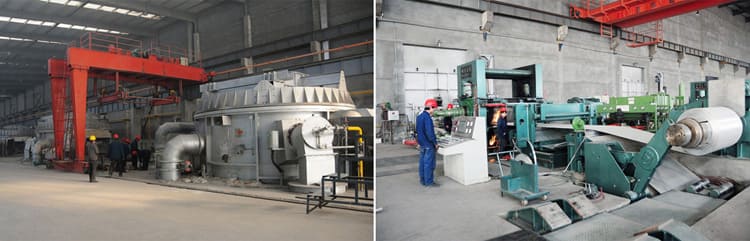
- 1. Etterbehandling er en bearbeidingsmetode for å få det kaldvalsede arket til å møte kundens krav, eller for å lette den etterfølgende behandlingen av produktet;
- 2. Etterbehandlingsutstyret kan rette opp defektene som er produsert i produksjonsprosessen for varm- og kaldvalsing, som sprukket kant, fet, dårlig plateform, gjenværende stress, osv. Den må sørge for at ingen andre defekter kommer inn i produksjonsprosessen;
- 3. Det finnes ulike etterbehandlingsutstyr, hovedsakelig inkludert tverrskjæring, spalting, strekking og retting, glødeovn, skli, osv.
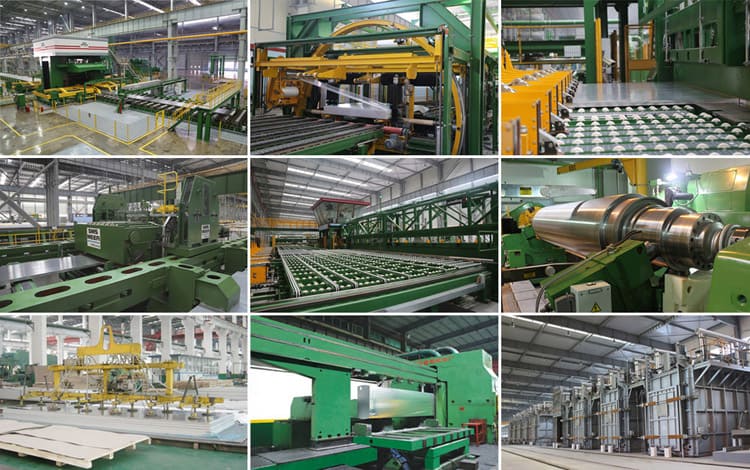
Støpe- og valseprosess
Støpe- og valseprosess: flytende metall, frontboks (væskenivåkontroll), støpe- og valsemaskin (smøresystem, kjølevann), klippemaskin, kveilmaskin.
Kaldvalsende produksjonsprosess
Introduksjon til etterbehandling av produksjonsprosessen
Aluminiumslegering har egenskapene til lav tetthet, gode mekaniske egenskaper, god behandlingsytelse, ikke-giftig, lett å resirkulere, utmerket elektrisk ledningsevne, varmeoverføring og korrosjonsbestandighet, så den har et bredt spekter av bruksområder.
Luftfart: brukes til å lage flyskinn, flykroppsrammer, dragere, rotorer, propeller, drivstofftanker, veggpaneler og landingsstellstag, samt rakettsmieringer, romfartøyets veggpaneler, osv.
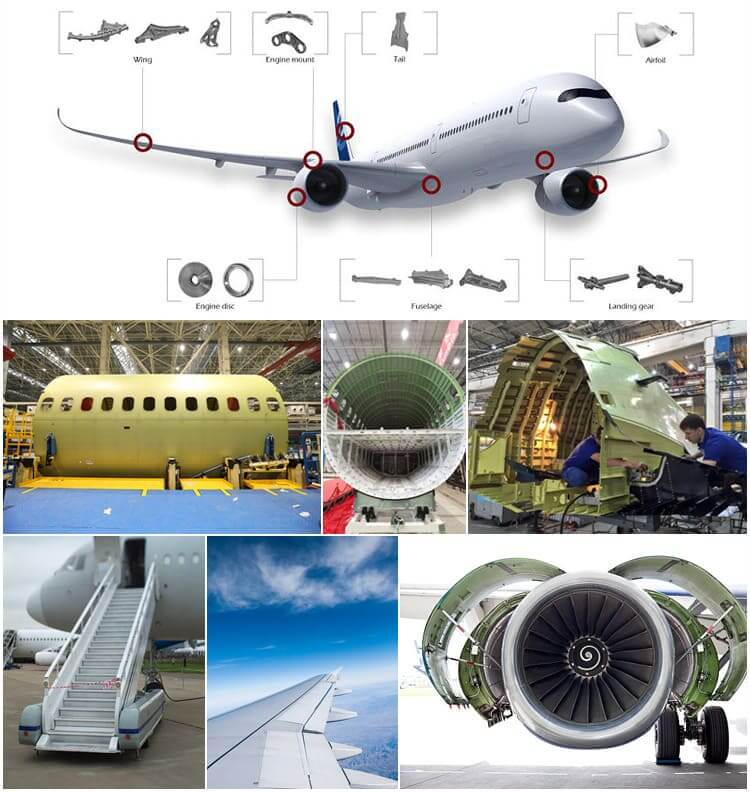
Aluminiumslegering brukt til romfart
Transport: brukes til karosserimaterialer til biler, t-banekjøretøyer, jernbane personbiler, høyhastighets personbiler, dører og vinduer, hyller, deler til bilmotorer, klimaanlegg, radiatorer, kroppspaneler, hjul og skipsmateriell.
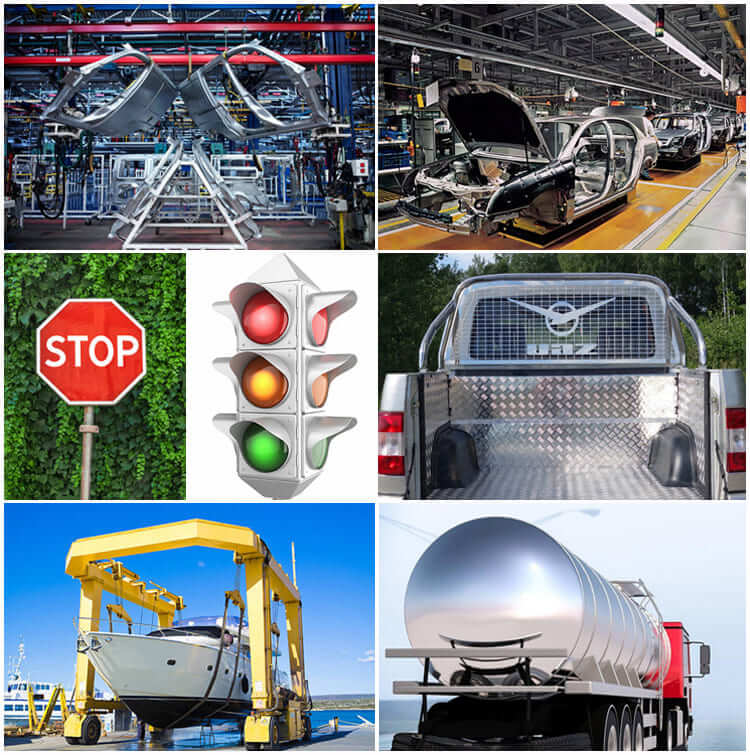
Trafikksøknad
Emballasje: Popbokser i aluminium brukes hovedsakelig som metallemballasjematerialer i form av tynne plater og folier, og lages til bokser, lokk, flasker, fat, og emballasjefolier. Mye brukt i emballasje av drikkevarer, mat, kosmetikk, medisiner, sigaretter, industrielle produkter, medisiner, osv.
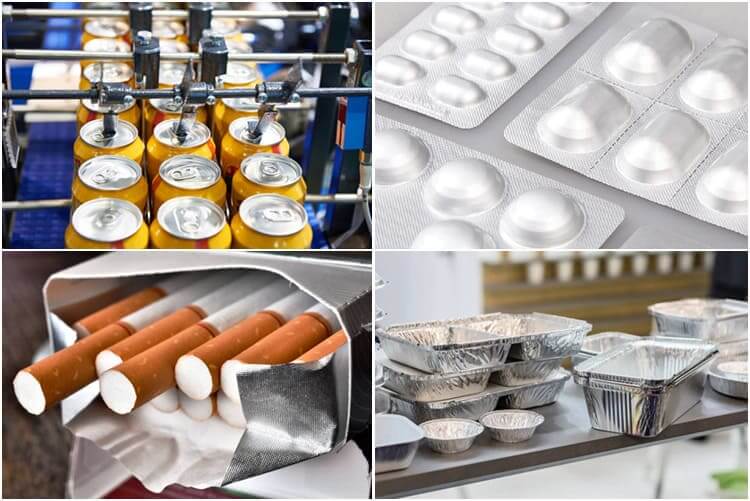
Emballasjeapplikasjon
Printing: Brukes hovedsakelig til å lage PS-plater, aluminiumsbaserte PS-plater er en ny type materiale i trykkeribransjen, brukes til automatisk platefremstilling og utskrift.
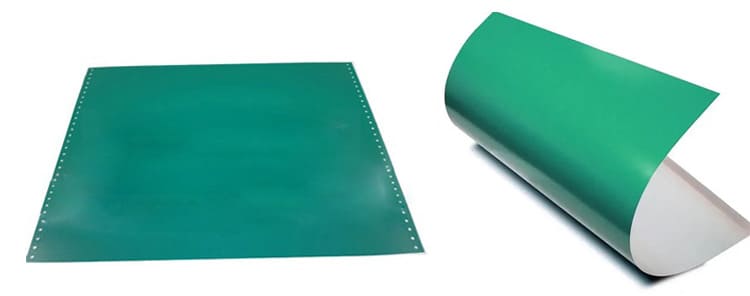
PS utskrift
Arkitektonisk dekorasjon: aluminiumslegering er mye brukt i bygningskonstruksjoner, dører og vinduer, undertak, dekorative overflater, osv. på grunn av sin gode korrosjonsbestandighet, tilstrekkelig styrke, utmerket prosessytelse og sveiseytelse.
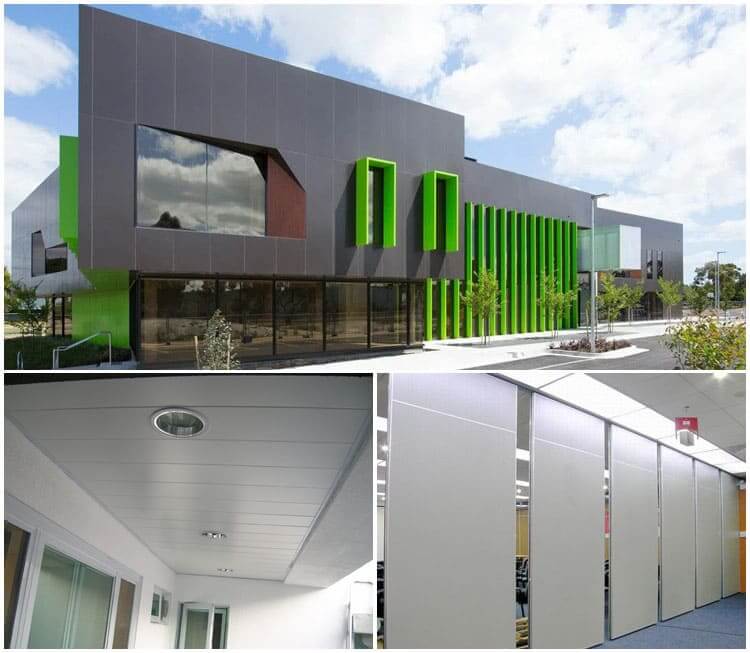
Konstruksjonsapplikasjon i aluminiumslegering
Elektroniske produkter: datamaskiner, mobiltelefoner, kjøleskapsskall, radiatorer, osv.
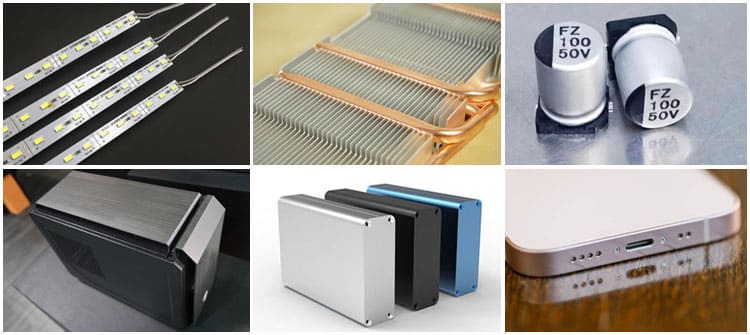
Elektronisk produktapplikasjon
Kjøkkenutstyr: aluminiums gryter, kummer i aluminium, riskokerforinger, husholdnings aluminiumsfolie, osv.
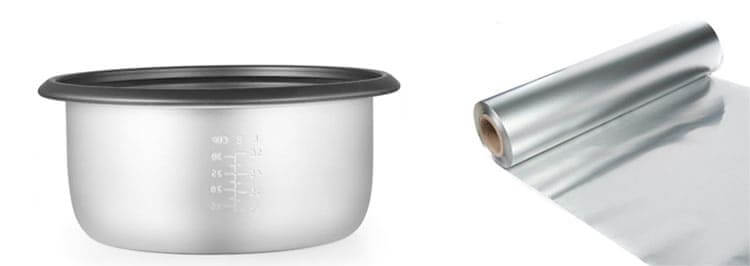
Kjøkkenapplikasjon
Emballasje av aluminiumsplate/coil
Hver detalj av emballasjen er der vi streber etter perfekt service. Vår pakkeprosess som helhet er som følger:
Laminering: klar film, blå film, mikro-slimhinnen, høy slimhinne, laserskjærende film (2 merkevarer, Novacell og Polyfem);
Beskyttelse: papirhjørnebeskyttere, anti-trykk pads;
tørking: tørkemiddel;
Brett: fumigert ufarlig trebrett, gjenbrukbart jernbrett;
Pakking: Tic-tac-toe stålbelte, eller PVC-pakkebelte;
Materialkvalitet: Helt fri for defekter som hvitrust, oljeflekker, rullende merker, kantskade, bøyer, bulker, hull, bryte linjer, riper, osv., ingen spole satt.
Havn: Qingdao eller andre havner i Kina.
Ledetid: 15-45 dager.
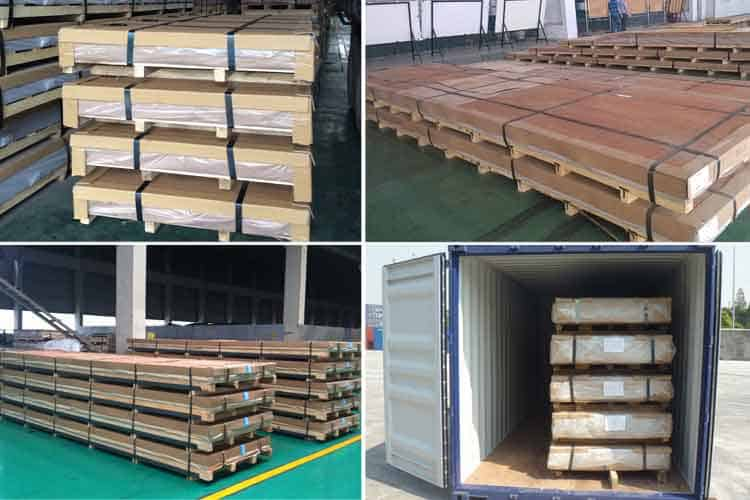
Emballasjeprosess for aluminiumsplater/plater
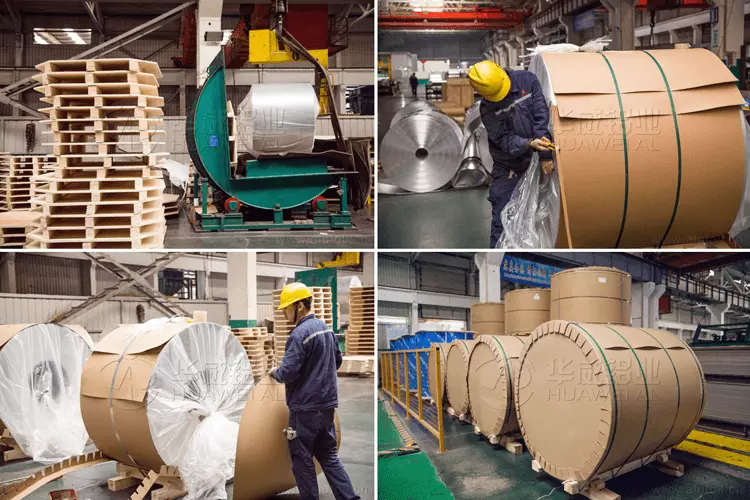
Emballasjeprosess for aluminiumsspole
F: Er du produsent eller handelsmann?
Q: Vi er en produsent, fabrikken vår er på No.3 Weier Road, Industrisone, Gongyi, Henan, Kina.
F: Hva er MOQ for å bestille produktet?
Q: Vår MOQ er 5 tonn, og noen spesialprodukter vil ha et minimumsbestillingsantall på 1 eller 2 tonn.
F: Hvor lang er ledetiden din?
Q: Vanligvis er ledetiden vår ca 30 dager.
F: Har produktene dine kvalitetssikring?
Q: Ja, hvis det er et kvalitetsproblem med produktene våre, vi vil kompensere kunden til de er fornøyd.
Relaterte produkter


Siste blogger
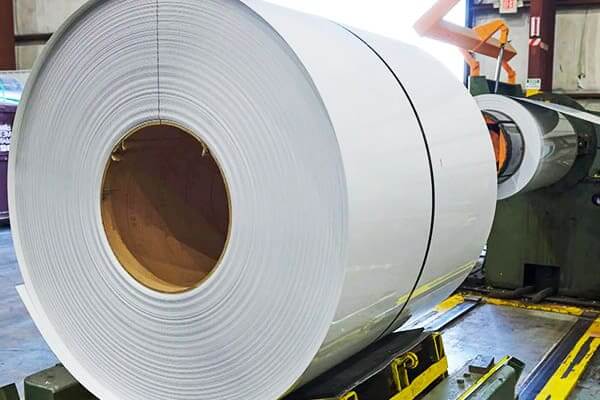
Vanlige legeringer av kjølebil Brukt PE-belagt aluminiumsspole
Oppdag vanlige legeringer av kjølebiler brukt PE-belagt aluminiumsspole, inkludert 3003, 3004, og 3105. Designet for utmerket korrosjonsbestandighet, formbarhet, og langvarig utendørs ytelse.
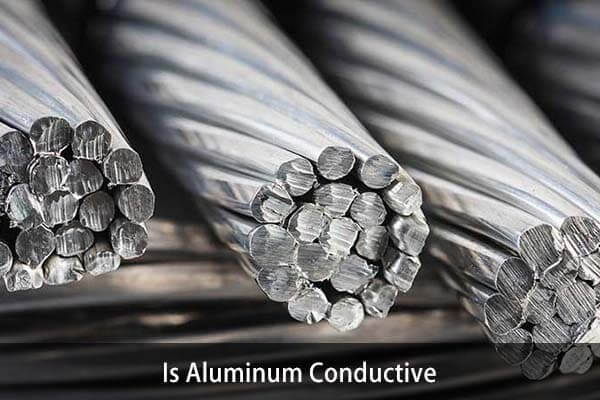
Er ledende i aluminium? Egenskaper, Bruker & Fordeler forklart
Er aluminiumsledende? Oppdag aluminiums elektriske ledningsevne, viktige fordeler, og hvorfor det er mye brukt i kraftoverføring og industrielle applikasjoner.
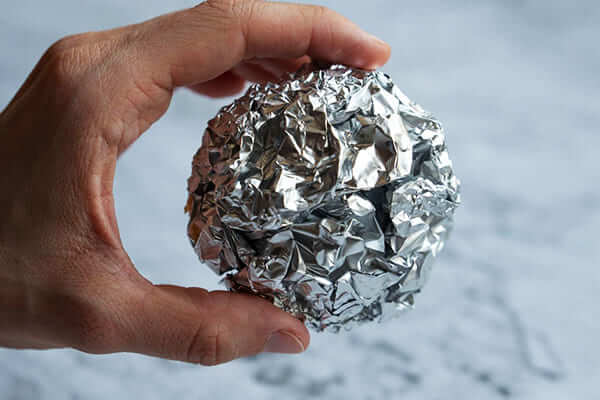
Låser opp bærekraft: Sannheten om resirkulering av aluminiumsfolie
Er aluminiumsfolie resirkulerbar? Lær hvordan aluminiumsfolie kan resirkuleres, hvordan du forbereder den riktig, og hvorfor resirkulering bidrar til å redusere avfall og spare ressurser.
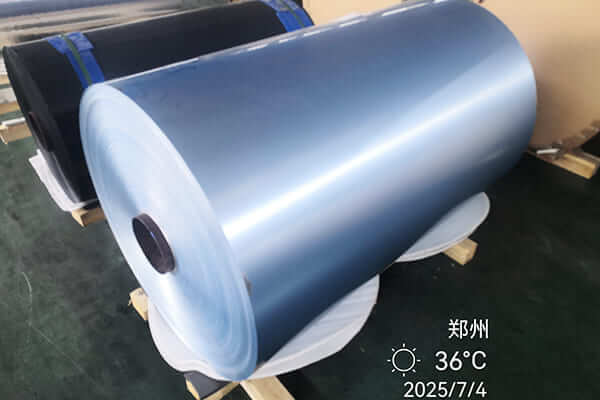
Belagt aluminiumsfolie for emballasjeapplikasjoner | Sterk & Pålitelig
Høykvalitets belagt aluminiumsfolie for emballasjeapplikasjoner, gir utmerket barrierebeskyttelse, varighet, og jevn ytelse.