jeg. Introduksjon
Marine karakter 5086 H116 aluminiumsplate inntar en unik verdifull posisjon i spekteret av aluminiumsfartøysmaterialer - en som ofte blir undervurdert nettopp fordi den sitter mellom to mer fremtredende spesifiserte legeringer.
Mer korrosjonsbestandig og formbar enn 6061 serie, likevel mer brukbar og sveisbar enn høystyrken 5083, 5086 H116 leverer en kombinasjon av egenskaper som gjør den uerstattelig på tvers av et bredt spekter av marine applikasjoner: fritidsfiskebåter med komplekse skrogformer, seilbåtskrog som krever utvidede oversider, kommersiell arbeidsbåt sekundær struktur, gangveier for offshoreplattformer, og militære fartøysoverbygninger.
Denne artikkelen gir en omfattende, autoritativ undersøkelse av marin karakter 5086 H116 aluminiumsplate over atten analytiske dimensjoner — metallurgi, temperamentvitenskap, produksjon, eiendommer, korrosjonsytelse, den kritiske 5086-versus-5083-sammenligningen, strukturell design, fartøyapplikasjoner, fabrikasjon, korrosjonsbeskyttelse, kvalitetsstandarder, regulatoriske rammer, forsyningskjedeøkonomi, bærekraft, og innovasjon.
II. Metallurgisk stiftelse: De 5086 Aluminiumslegering
2.1 5xxx-serien: Magnesiums marinkjemi
Aluminiumslegeringer i 5xxx-serien oppnår sin styrke og korrosjonsytelse gjennom magnesium oppløst i fast løsning i aluminiumsmatrisen.
Magnesium atomer, litt større enn aluminiumatomer, forvrenge krystallgitteret, hindrer dislokasjonsbevegelser og derved øker styrken - en mekanisme kalt solid løsningsstyrking som ikke krever varmebehandling for å aktiveres og aldri reduseres ved termisk eksponering (under sensibiliseringsområdet).
Denne karakteren som ikke kan varmebehandles, definerer den marine ytelseslogikken til 5xxx-legeringer: egenskapene deres forblir stabile gjennom fartøyets levetid, i motsetning til varmebehandlede legeringer hvis nedbørsherding delvis kan reverseres av de termiske syklusene ved sveising og brann.
Magnesiums andre marinegave er elektrokjemisk: det forskyver legeringens naturlige korrosjonspotensial i sjøvann mot mer negativt (anodisk) verdier, forbedre motstanden mot gropkorrosjon ved å gjøre den passive filmen mer stabil og redusere forskjellen mellom legeringsmatrisen og de katodiske intermetalliske partiklene som tjener som gropinitieringssteder.
Høyere magnesiuminnhold betyr generelt bedre sjøvannskorrosjonsbestandighet - og det er derfor 5083 (4.0–4,9 % Mg) utkonkurrerer 5052 (2.2–2,8 % Mg) i langsiktig marinetjeneste.
5086 sitter mellom disse to: dens 3,5–4,5 % magnesiumområde gir sjøvann korrosjonsbestandighet klart overlegen 5052 og nærmer seg 5083, samtidig som magnesiuminnholdet holdes lavt nok til å redusere sensibiliseringsrisikoen som blir en primær ingeniørmessig bekymring i legeringer med høyt Mg.
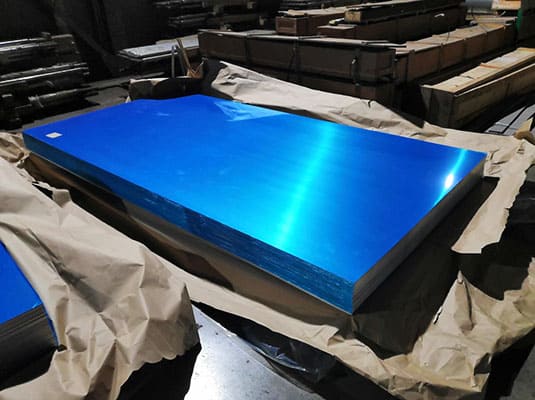
Marine karakter 5086 H116 aluminiumsplate
2.2 Kjemisk sammensetning: Hvert element konstruert for havet
Sammensetningen av 5086 aluminium, definert av ASTM B209, I 573-3, GB/T 3880, og JIS H4000, reflekterer bevisst marin engineering ved hvert element:
| Element | Komposisjonsområde (%) | Marine Engineering funksjon |
|---|---|---|
| Aluminium (Al) | Rest (~94,2–95,7) | Primær matrise; dannelse og reparasjon av passiv oksidfilm |
| Magnesium (Mg) | 3.5 – 4.5 | Solid løsning som styrker; sjøvann korrosjonsbestandighet |
| Mangan (Mn) | 0.20 – 0.70 | Kornstrukturkontroll; Al6Mn dispersoiddannelse |
| Krom (Cr) | 0.05 – 0.25 | Hemmer rekrystallisering; stabiliserer korngrensene |
| Stryke (Fe) | ≤ 0.50 | Urenhet; danner katodiske Al₃Fe-partikler — kontrollert tett |
| Silisium (Og) | ≤ 0.40 | Urenhet; interagerer med Mg i Mg₂Si-dannelse |
| Kopper (Cu) | ≤ 0.10 | Strengt minimert — øker risikoen for gropdannelse og galvanisk korrosjon |
| Sink (Zn) | ≤ 0.25 | Urenhet tak; overflødig degraderer SCC-motstanden |
| Titanium (Av) | ≤ 0.15 | Støpekornforedler; kontrollert for eiendomskonsistens |
| Andre (hver/totalt) | ≤0,05/≤0,15 | Aggregert urenhetsgrense |
2.3 Sammenlignende legeringsanalyse for marine applikasjoner
Å velge riktig marin aluminiumslegering krever forståelse for hvor hver enkelt faller på ytelse-formbarhet-sensibiliseringsspekteret:
| Legering | Mg (%) | Min UTS (H116, MPa) | Min YS (H116, MPa) | Sensibiliseringsrisiko | Formbarhet | Beste marineapplikasjon |
|---|---|---|---|---|---|---|
| 5052-H32 | 2.2–2.8 | 228 | 193 | Veldig lavt | Glimrende | Lett struktur; ikke-skrog |
| 5086-H116 | 3.5–4.5 | 270 | 193 | Lav-moderat | Veldig bra | Skrogoversider; komplekse former; sekundær struktur |
| 5083-H116 | 4.0–4.9 | 303 | 214 | Moderat | God | Primær skrogstruktur; bunnplettering |
| 5456-H116 | 4.7–5,5 | 317 | 228 | Moderat-høy | Rettferdig | Høyfast skrog; nøye overvåking |
| 5059-H116 | 5.0–6,0 | 330 | 240 | Lav (optimalisert) | Rettferdig | Premium marine; marine med høyeste styrke |
| 6061-T6 | 0.8–1,2 mg | 310 | 276 | N/A | Moderat | Ikke-marin strukturell; unngå nedsenking av sjøvann |
5086 opptar formbarhetsoptimumet til marinelegeringsfamilien. Den bøyer seg lettere enn 5083, sveiser med litt mindre HAZ-styrkereduksjon, og har tilsvarende sensibiliseringsbeskyttelse i H116-temperering - noe som gjør det til det logiske valget når kompleks geometri, buede skrog former, eller overlegen kaldbearbeidbarhet betyr mer enn 10–12 % styrkepremie som 5083 gir.
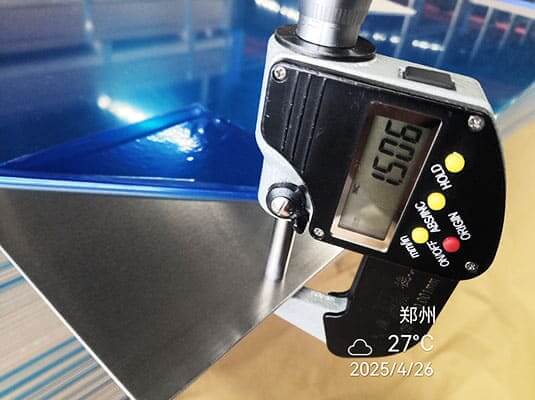
5086 H116 Aluminiumsplatetykkelsesmåling
III. H116 Temper: Marin-spesifikk ingeniørfag av 5086
3.1 Et temperament født av operativ erfaring
H116-tempereringsspesifikasjonen for marine aluminiumslegeringer kom ikke fra teoretisk materialvitenskap - den kom fra en dokumentert historie med for tidlig korrosjonsfeil i fartøyer konstruert av 5xxx-legeringer i temperamenter som besto spesifikasjonene for mekaniske egenskaper, men som manglet den mikrostrukturelle kontrollen som trengs for å motstå sjøvannets spesifikke korrosjonsmekanismer..
Eksfoliering av skrogplettering, spenningskorrosjonssprekker i sveisede skjøter, og intergranulært angrep i plate som hadde blitt mildt sensibilisert under fabrikasjon, bidro alle til industriens erkjennelse av at marine aluminium trengte en tempereringsbetegnelse spesielt utviklet rundt korrosjonsmotstand, ikke bare rundt styrke.
Resultatet – kodifisert i ASTM B928 (først publisert 2004, regelmessig revidert) — definerer H116 som en strekkherdet tilstand for legeringer i 5xxx-serien med ≥3 % magnesium spesielt utviklet for å gi motstand mot eksfolieringskorrosjon og spenningskorrosjonssprekker.
Standarden krever sensibiliseringstesting på hvert produksjonsparti, noe som gjør H116 til det eneste aluminiumstemperet i rutinemessig kommersiell produksjon der korrosjonstesting er et obligatorisk krav om partigodkjenning i stedet for en valgfri tilleggstest.
3.2 H116 Produksjonsbane: Kontrollert kaldt arbeid
Produserer 5086 H116 krever presis kontroll over kaldreduksjonen som brukes etter varmvalsing - en prosentandel som samtidig oppnår tre mål som normalt ville vært i spenning: tilstrekkelig strekkstyrke (UTS ≥270 MPa), tilstrekkelig duktilitet (forlengelse ≥10 %), og den spesifikke dislokasjonsstrukturen som forstyrrer kontinuerlig beta-fase korngrensedekning.
Den kritiske termiske disiplinen under H116 kaldvalsing er å holde platetemperaturen under 65°C gjennom kuldereduksjonspassasjene.
Kaldvalsing genererer varme gjennom plastisk deformasjon, og uten tilstrekkelig kjølevæskepåføring og inter-pass kjøling, rullende varme alene kan drive platen inn i sensibiliseringsområdet - en prosessavvik som ville gi H116-tempererte mekaniske egenskaper i materiale som allerede har begynt korngrenseutfellingen som H116 er designet for å forhindre.
3.3 Sammenligner 5086 temperament: De marinkritiske distinksjonene
| Temperament | Definisjon | NAMLT påkrevd | Eksfolieringsmotstand | SCC-motstand | Marine bruk |
|---|---|---|---|---|---|
| O | Fullglødet | Ingen | Fattig | Fattig | Kun dyp forming; ikke for nedsenking i sjøvann |
| H32 | Strekkherdet + delvis gløding | Ingen | Moderat | Moderat | Ikke marinekvalitet — kun generell strukturell |
| H34 | Strekkherdet + delvis gløding (høyere) | Ingen | Moderat | Moderat | Ikke marinekvalitet |
| H116 | Strekkherdet; marine-kontrollert | Ja (≤15 mg/cm²) | Glimrende | Glimrende | Primær marin strukturell spesifikasjon |
| H321 | Strekkherdet + stabilisert | Ja (≤15 mg/cm²) | Glimrende | Glimrende | Alternativ til H116; tallerken >38 mm |
| H112 | Som-fabrikert; kontrollerte egenskaper | Ingen | Ikke testet | Ikke testet | Ikke-marine strukturelle applikasjoner |
3.4 Mekanisk egenskap av marin klasse 5086 H116 aluminiumsplate
| Eiendom | Verdi | Teststandard | Designapplikasjon |
|---|---|---|---|
| UTS (minimum) | 270 MPa (39 ksi) | ASTM E8 | Skrogpanelstyrke; konstruksjonselementdesign |
| Yield Styrke (0.2%) (min) | 193 MPa (28 ksi) | ASTM E8 | Elastisk designgrense; knekkvurdering |
| Forlengelse (min) | 10% | ASTM E8 | Duktilitetsreserve for forming og slagtoleranse |
| Skjærstyrke (typisk) | ~165 MPa | — | Nagle- og sveiseskjærdesign |
| Brinell hardhet (typisk) | 60–75 HB | ASTM E10 | Verifisering av temperament; innkommende inspeksjon |
| Tretthetsstyrke (usveiset, 5×10⁸) | ~117 MPa | ASTM E466 | Overordnet metalltretthetsvurdering |
| Tretthetsstyrke (sveiset skjøt) | ~45–62 MPa | Eurokode 9/DNV | Styrende designkriterium for marine skrog |
| Charpy innvirkning (-40°C) | >15 J | ASTM E23 | Kaldklimatjenestekvalifikasjon |
| Elastisitetsmodul | 70.3 GPa | — | Nedbøynings- og stivhetsberegninger |
IV. Produksjonsprosess av marin klasse 5086 H116 aluminiumsplate
4.1 Fra smelte til marin sertifisering: Produksjonssekvensen
Sertifisert 5086 H116 marin plate krever disiplinert prosesskontroll over seks produksjonstrinn, fordi H116 temperamentets primære funksjon - korrosjonsmotstand gjennom kontrollert mikrostruktur - kan ødelegges av en enkelt termisk ekskursjon eller utilstrekkelig kuldreduksjon når som helst i sekvensen.
Følgende sporer produksjonsprosessen fra legeringsforberedelse til sertifisering.
4.2 Legeringsforberedelse og DC-støping
De 5086 smelte fremstilles ved å kombinere primæraluminium (≥99,7% Al) med nøyaktig veide tilsetninger av magnesiummetall (oppnå 3,5–4,5 % Mg-mål) og manganmesterlegering (0.20–0,70 % Mn mål).
Tilsetning av krom (0.05–0,25 % Cr) krever nøye kontroll — for lite ofrer korngrensestabiliseringsfunksjonen; for mye risikerer kromholdig bunnfallsdannelse som kan sprø legeringen. Optisk emisjonsspektrometri (OES) verifiserer smeltekjemi fra øseprøver før hver støping.
Direkte avkjøling (DC) semi-kontinuerlig støping produserer rullende plater typisk 400–550 mm tykke og 1 000–2 000 mm brede.
DC-prosessens kontrollerte størkningshastighet gir en fin, relativt jevn mikrostruktur med håndterbare komposisjonsgradienter - overlegen de grovere, mer segregert struktur produsert ved kontinuerlige støpingsmetoder.
For marin plateproduksjon, DC-støping er den nødvendige produksjonsruten; produsenter som forsøker kontinuerlig støping av 5086 for marine applikasjoner kan ikke oppnå den mikrostrukturelle ensartetheten som kreves for konsistent H116-korrosjonsytelse.
4.3 Homogenisering: Bygge det mikrostrukturelle fundamentet
Homogenisering ved 460–510°C i 8–18 timer oppnår tre funksjoner samtidig for 5086 plater:
Eliminering av segregering: Størkning produserer komposisjonsgradienter over dendritmellomrom (typisk 50–200 μm). Holding ved forhøyet temperatur tillater diffusjon å omfordele magnesium, mangan, og krom til en mer jevn fordeling, sikrer konsistente egenskaper gjennom hele platetykkelsen.
Dispersoid nedbør: Under langsom avkjøling fra homogeniseringstemperatur, Al6Mn og Al12Mg2Cr dispersoide partikler (0.05–0,5 μm) kjerne og vokse. Disse partiklene er de mikrostrukturelle midlene som er ansvarlige for å hemme rekrystallisering under varmvalsing og kornvekst under gløding - som direkte kontrollerer den endelige kornstrukturen til H116-platen.
Ikke-likevektsfaseoppløsning: Som støpt 5086 inneholder metastabile magnesiumrike intermetalliske faser ved dendrittgrenser. Homogenisering løser disse opp i fast løsning, forberede en ensartet startmikrostruktur for varmvalsing.
4.4 Hot Rolling: Reduksjon av bygningstykkelse med mikrostrukturell kontroll
Etter homogenisering, skalperte plater (overflatebearbeidet for å fjerne de segregerte ytre 10–20 mm) forvarmes til 430–500°C og varmvalses.
Tidsplanen for varmvalsing reduserer platen fra ~400–550 mm til varmbåndmålet på typisk 3–20 mm gjennom en sekvens av sammenbruddspasseringer (stor reduksjon per passering, høy temperatur) og avslutningspass (mindre reduksjon, kontrollert utgangstemperatur).
Varmvalsende utgangstemperatur - temperaturen ved hvilken båndet forlater det endelige valsestanden - er spesielt viktig for 5086 H116 produksjon.
Hvis utgangstemperaturen er for høy (over ca. 320°C), stripen rekrystalliserer i stor grad til en grovkornstruktur som gir dårligere overflatefinish i sluttproduktet.
Hvis utgangstemperaturen er for lav (under ca. 220°C), ufullstendig rekrystallisering etterlater en delvis bearbeidet struktur som forårsaker variable egenskaper etter påfølgende gløding.
For konsekvent 5086 H116 eiendommer, de fleste produsenter målretter utgangstemperaturer på 250–310°C med ±20°C kontroll over stripebredden.
4.5 Kaldrulling til H116-tilstand
Etter varmbåndsavkjøling til under 100°C (sikrer ingen sensibilisering under overgangen), kaldvalsing bruker den kontrollerte reduksjonen som definerer H116.
Produksjonsdisiplinen under kaldvalsing omfatter tre samtidige krav:
- Reduksjonskontroll: Oppnå den spesifikke prosentvise reduksjonen (proprietær til hver produsent, typisk 5–20 % for 5086 H116) som produserer UTS ≥270 MPa, YS ≥193 MPa, forlengelse ≥10 %, og dislokasjonstetthet tilstrekkelig for NAMLT ≤15 mg/cm²
- Temperaturkontroll: Hold platetemperaturen under 65°C til enhver tid – verifisert av kontakttermometre på utgangssiden av hver kaldvalsing
- Smøremiddelhåndtering: Påfør rullende olje jevnt for å kontrollere friksjonen, varmeutvikling, og overflaterenhet - overflødig smøremiddel bidrar til overflatehydrokarbonforurensning som kompromitterer etterfølgende beleggvedheft
4.6 Kvalitetskontroll integrering: Sensibiliseringstesting på produksjonsstadiet
ASTM B928 krever at hvert produksjonsparti av 5086 H116 gjennomgår NAMLT-testing før utgivelse. Et "parti" er definert som alle plater av samme legering, temperament, og tykkelse produsert fra samme støp (varme) i samme rullende sekvens.
Den praktiske implikasjonen for store valseverk som produserer flere partier samtidig, er at NAMLT-testing kan representere en meningsfull sertifiseringssyklus - vanligvis legger til 2–3 virkedager til leveringsplanene.
Anskaffelsesteam må bygge denne tidslinjen inn i leveringsplaner for verftsmateriell i stedet for å presse leverandører for forhåndssertifiseringsutgivelse.
Testsekvensen for produksjonskvalitetskontroll før platefrigjøring:
- Kjemisk sammensetning (av OES): Hvert heat → aksepter/avvis versus ASTM B209 / I 573-3 grenser
- Strekktesting (ASTM E8): Hvert parti → UTS, YS, forlengelse versus H116 minimum
- NAMLT (ASTM G67): Hvert parti → massetap ≤15 mg/cm²
- Hardhet (Brinell): Hvert parti (stikkprøve) → 60–75 HB-områdebekreftelse
- Dimensjonell inspeksjon: Hver plate → tykkelse, bredde, lengde, flathet, camber
- Ultralydtesting (ASTM B594): Som spesifisert → intern laminering og inkluderingsdeteksjon
V. Fysiske og mekaniske egenskaper: Den komplette profilen
5.1 Sammenligning av strukturelle egenskaper: 5086 H116 vs. Nøkkelalternativer
Forstå Marine Grade 5086 H116 aluminiumsplate isolert er mindre nyttig enn å forstå det i sammenheng.
Følgende sammenligningsposisjoner 5086 H116 mot de vanligste marine alternativene på tvers av egenskapene som styrer beslutninger om konstruksjonsdesign:
| Eiendom | 5086-H116 | 5083-H116 | 5052-H32 | 6061-T6 |
|---|---|---|---|---|
| UTS min (MPa) | 270 | 303 | 228 | 310 |
| YS min (MPa) | 193 | 214 | 193 | 276 |
| Forlengelse min (%) | 10 | 10 | 12 | 8 |
| Tetthet (g/cm³) | 2.66 | 2.66 | 2.68 | 2.70 |
| E (GPa) | 70.3 | 70.3 | 70.3 | 68.9 |
| HAZ YS (typ., MPa) | ~105 | ~115 | ~90 | ~160 (T4-ekv.) |
| Min. bøyeradius (3mm plate) | ~1,5t | ~2t | ~1t | ~2,5t |
| Sjøvannskorrosjon | Glimrende | Glimrende | Veldig bra | Moderat |
| Sensibiliseringsrisiko | Lav-moderat | Moderat | Veldig lavt | N/A |
| ASTM B928 kreves | Ja | Ja | Ingen | Ingen |
HAZ-avkastningsraden avslører en av 5086s undervurderte fordeler: dens sveisede skjøt HAZ-egenskaper, mens den er lavere enn hovedplaten, sammenligne gunstig med 5083s HAZ-verdier fordi den lavere startflytegrensen oversetter til et mer gunstig HAZ-fugeeffektivitetsforhold.
For et strukturelt panel hvor sveiset skjøt effektivitet (HAZ YS / forelder YS) styrer utformingen, 5086 oppnår ca 54% leddeffektivitet kontra ca 54% til 5083 — i hovedsak likeverdig.
Imidlertid, det absolutte stressnivået i 5086 HAZ (~105 MPa) er lavere, som betyr at for en gitt strukturell belastning, 5086 HAZ-forbindelser krever litt tykkere plate eller tettere avstivningsavstand enn tilsvarende 5083 forbindelser.
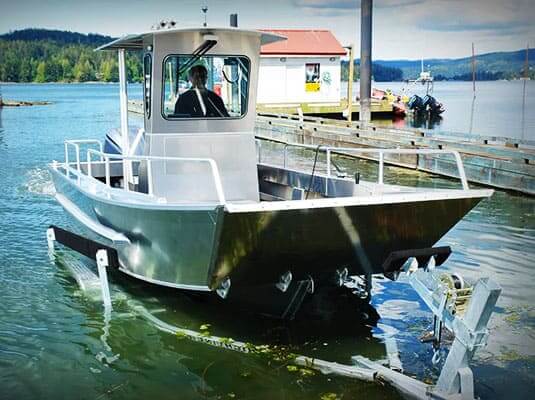
5086 H116 aluminiumsplate for seilbåtskrog
5.2 Fysiske egenskaper for marin design
| Eiendom | Verdi | Enhet | Implikasjon for marin design |
|---|---|---|---|
| Tetthet | 2.66 | g/cm³ | 34% av stål; muliggjør lettvekts skrogkonstruksjon |
| Elastisitetsmodul | 70.3 | GPa | Lavere enn stål; regulerer nedbøyning i store paneler |
| Skjærmodul | 26.4 | GPa | Torsjonsstivhet; panel skjær knekk design |
| Koeffisient for termisk utvidelse | 23.8 | µm/m·°C | Tropisk-til-arktisk termisk fugedesignkrav |
| Termisk ledningsevne | 127 | W/m·K | Varmefordeling; brannteknisk analyse |
| Elektrisk ledningsevne | 31 | % IACS | Katodisk beskyttelse gjeldende distribusjon design |
| Smelteområde | 585–641 | °C | Brannsikkerhet: lavere enn stål; passiv beskyttelse er nødvendig |
| Spesifikk varmekapasitet | 900 | J/kg·K | Termisk masse for brannvarighetsberegninger |
Tettheten av 2.66 g/cm³ er tallet som til syvende og sist driver forretningsgrunnlaget for aluminium over stål i de fleste marine applikasjoner.
Oversetter dette til en skrogstrukturell vektsammenligning: en 5086 H116 skrogpanel med tilsvarende bøyestivhet som et marine stålpanel veier omtrent 45–55 % av stålpanelets vekt.
På et 15 meter langt fritidsfartøy, denne vektbesparelsen på 600–900 kg i skrogstrukturen reduserer drivstofforbruket direkte med omtrent 15–22 % ved marsjfart – en betydelig driftsøkonomi over en levetid på 20–30 år..
5.3 Formbarhet: 5086sin konkurransedyktige differensiator
5086 H116s formbarhetsfordel fremfor 5083 H116 er ikke subtil - det er den primære tekniske grunnen til å spesifisere 5086 når kompleks skroggeometri er nødvendig.
Mekanismen bak fordelen er grei: 5086lavere magnesiuminnhold (3.5–4,5 % vs. 4.0–4,9 % for 5083) gir lavere flytegrense, og lavere flytegrense gir direkte bedre kaldformbarhet fordi spenningen som kreves for å plastisk deformere materialet er lavere i forhold til bruddspenningen.
Sammenligning av minimum bøyeradius (materialtykkelse 4 mm):
| Bøyretning | 5086-H116 | 5083-H116 | Fordel |
|---|---|---|---|
| Tvers i forhold til rulleretning | 1.5t (6 mm) | 2t (8 mm) | 5086: 25% tettere radius |
| Parallelt med rulleretning | 2t (8 mm) | 2.5t (10 mm) | 5086: 20% tettere radius |
For skrogkonstruksjon som involverer utpregede dødstigningsvinkler, utsvingte oversider, sammensatte buede baugpartier, og lensesvinger med tett radius, denne formbarhetsfordelen er operasjonelt avgjørende.
Produsenter som jobber med 5086 H116 rapporterer 30–40 % færre sprekkhendelser under kaldbøyning av skrogrammer og skrogskallpaneler sammenlignet med tilsvarende 5083 H116-operasjoner — en kvalitets- og produktivitetsforbedring som mer enn kompenserer for den beskjedne materialkostnadsforskjellen mellom de to legeringene.
5.4 Utmattelsesdesignegenskaper for marine strukturer
De sveisede skjøtenes utmattingsegenskaper til 5086 H116 følger samme Eurocode 9 / DNV S-N kurveramme som 5083 H116, siden begge er sveisede aluminiumslegeringer og utmattingsytelsen til sveisede skjøter avhenger først og fremst av sveisegeometri og kvalitet snarere enn av den spesifikke legeringen:
| Strukturell detalj | Detaljkategori Δσ_C (MPa) | Representant Hull Plassering |
|---|---|---|
| Foreldreplate, fjernt fra sveiser | 70 | Midtpanel, vekk fra stivere |
| Full penetrasjonsstumsveis (kvalitet A) | 40–50 | Skrogets langsgående ledd |
| Full penetrasjonsstumsveis (kvalitet B) | 35–45 | Ramme og tverrgående ledd |
| Avstivningsavslutning — med brakett | 28–35 | Rammeendeforbindelser |
| Avstivningsavslutning — uten brakett | 20–28 | Korte avstivningsavslutninger |
| Kilsveis, korsformet ledd | 25–32 | Dekk maskinvarefeste |
Avgjørende, 5086 og 5083 sveisede skjøter i samme detaljkategori gir tilsvarende utmattingslevetid ved like spenningsområder.
Valget mellom de to legeringene påvirker ikke utmattingsdesignet nevneverdig, forutsatt at sveisekvaliteten og detaljgeometrien er likeverdige.
Denne ekvivalensen betyr at designere fritt kan erstatte 5086 til 5083 i tretthetsstyrte strukturelle applikasjoner uten å redesigne sveisedetaljer – en viktig praktisk forenkling.
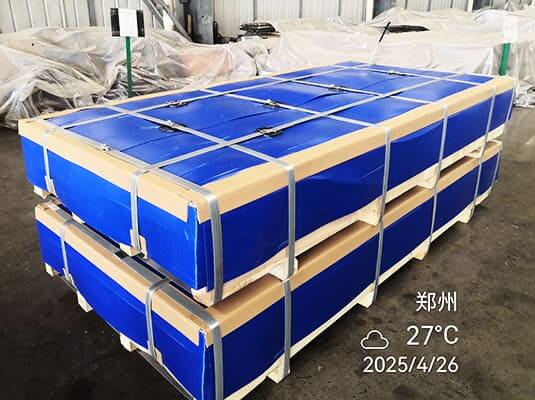
Eksportemballasje av marin kvalitet 5086 H116 aluminiumsplate
VI. Marine korrosjonsytelse: Vitenskapelig analyse
6.1 5086sin elektrokjemiske posisjon i sjøvann
Marine karakter 5086 H116 aluminiumsplate i sjøvann utvikler et naturlig åpent kretspotensial (OCP) på omtrent -0,85 V mot den mettede kalomelelektroden (SCE) — marginalt mer edel (positivt) enn 5083 (omtrent -0,87 V), noe som gjenspeiler det noe lavere magnesiuminnholdet.
Denne lille forskjellen er praktisk talt ubetydelig for de fleste marine designformål, siden begge legeringene inntar samme generelle posisjon i den galvaniske serien og reagerer på samme måte på de samme katodiske beskyttelsessystemene.
Den passive filmen på 5086 i sjøvann er en tynn (2–8 nm), amorft aluminiumoksidlag som dannes spontant ved eksponering for oksygenholdige miljøer og opprettholder seg selv gjennom en dynamisk balanse mellom oppløsning og repassivering.
Nøkkelytelsesberegningen er pitting potensial – det elektrokjemiske potensialet over hvilke groper kjernener seg – og 5086s pittingpotensial i sjøvann ved 25°C faller ved omtrent −0,65 til −0,75 V versus SCE.
Siden den naturlige OCP (-0,85 V) er betydelig mer negativ enn pittingpotensialet, 5086 i normal sjøvannstjeneste opererer med ca. 100–200 mV katodisk beskyttelse fra sitt eget bulkpotensial – en selvbeskyttende buffer som gir grunnlinjemotstand mot gropkjernedannelse.
6.2 De tre kritiske korrosjonsmodusene og 5086s forsvarsmekanismer
Eksfolieringskorrosjon: Det primære H116-forsvaret
Peeling angriper 5xxx legeringer gjennom den langstrakte, pannekakeformede korngrenser produsert ved rulling - intergranulær sjøvannspenetrering løfter gradvis suksessive platelag langs rullende plan, skaper den karakteristiske blemmer, delaminerende utseende som gir peeling navnet sitt.
Mekanismen krever tre forhold samtidig: et sensibilisert korngrensenettverk (kontinuerlig betafasedekning); en elektrolytt (sjøvann) i stand til å trenge gjennom korngrensen; og den geometriske begrensningen av langstrakte korn som tvinger korrosjonsproduktets ekspansjon til å uttrykkes som delaminering mellom lag i stedet for spredt generelt angrep.
5086 H116 angriper denne mekanismen ved sin første forutsetning. Ved å kontrollere kuldreduksjon for å produsere en avbrutt, diskontinuerlig korngrense beta-fasefordeling, H116 temperament fjerner den kontinuerlige intergranulære banen som sjøvann krever for progressiv eksfoliering.
I tillegg, 5086lavere magnesiuminnhold (kontra 5083) betyr at selv uten H116 temperaturkontroll, korngrensen beta-fase har en tendens til å dannes langsommere og i et mer diskontinuerlig mønster – og gir en ekstra sikkerhetsmargin som forklarer hvorfor 5086 i H32 temperament viser bedre eksfolieringsmotstand enn 5083 i H32 temperament, til tross for at ingen av dem oppfyller ASTM B928-sertifiseringskravet.
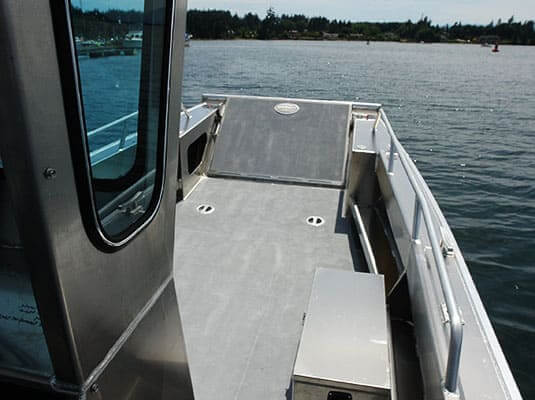
Skipsdekk brukt 5086 H116 aluminiumsplate
Spenningskorrosjonssprekker (SCC): Hvor 5086 Utkonkurrerer 5083
SCC kombinerer vedvarende strekkspenning med et aktivt korrosivt miljø for å forplante sprekker ved spenningsintensiteter langt under bruddseigheten til ubelastet materiale.
I sensibiliserte 5xxx legeringer, den kontinuerlige korngrense beta-fasefilmen muliggjør forplantning av anodisk oppløsningssprekker. 5086 H116s SCC-motstand drar nytte av to forsterkende mekanismer: H116 temperamentets forstyrrelse av kontinuerlig korngrense beta-fase (samme som for peeling), og det lavere magnesiuminnholdets iboende langsommere sensibiliseringskinetikk.
Publiserte data fra langsiktig SCC-testing av 5086 H116 viser motstand mot sprekker ved vedvarende stressnivåer opp til 60% av flytegrense i alternativ nedsenkingstesting (ASTM G44) — overlegen 5083 H116 (vanligvis motstandsdyktig mot ca 50% av flytegrense) og dramatisk overlegen sensibilisert H32-materiale (som kan sprekke ved 20–25 % av flytegrensen).
For skrogkonstruksjoner med gjenværende sveisespenninger på 30–50 MPa, denne SCC-motstandsmarginen er tilstrekkelig for normal marine service - men ikke ubegrenset. Enhver vedvarende strekkspenning kombinert med et sensibiliseringsfremmende termisk miljø fortjener ingeniøroppmerksomhet.
Pittingkorrosjon: Baseline sjøvannsangrepet
Pitting starter på steder der den passive filmen er svakest: intermetalliske partikkel-matrise-grensesnitt, korngrense fremkomstpunkter, og overflateriper som eksponerer fersk aluminium.
For Marine Grade 5086 H116 aluminiumsplate, de dominerende gropinitieringsstedene er Al₃Fe og Al₆Mn intermetalliske partikler, som er katodisk for aluminiumsmatrisen og skaper lokale galvaniske celler som løser opp det omkringliggende aluminiumet.
Jernforurensningsgrensen på ≤0,50 % for 5086 (mot ≤0,40 % for 5083) betyr det 5086 kan i prinsippet inneholde flere Al₃Fe-partikler — en mindre korrosjonsbestandighetsulempe sammenlignet med 5083. I praksis, mest marinekvalitet 5086 produsenter holder jern under 0.30%, gjør denne teoretiske forskjellen ubetydelig.
Langtids fordypningstestdata for 5086 i syntetisk sjøvann (ASTM D1141) viser gjennomsnittlige gropdybder på 0,10–0,25 mm etter 5 år — en korrosjonshastighet på 0,02–0,05 mm/år som komfortabelt imøtekommer platetykkelsesreserven som er tilgjengelig i marin skrogplettering.
VII. Marine applikasjoner og fartøystyper
7.1 Fritids- og sportsbåter: Det dominerende applikasjonsdomenet
Fritidsbåtmarkedet står for den største andelen av 5086 H116 forbruk globalt, drevet av legeringens eksepsjonelle kombinasjon av formbarhet, sjøvann korrosjonsbestandighet, og vekteffektivitet for fartøystyper og størrelser som dominerer rekreasjonsbygging (6–18 m LOA).
Offshore fiskebåter i aluminium i området 6–12 m representerer arketypen 5086 H116 søknad. Disse fartøyene trenger sammensatte buede skrog med uttalt dødstigning (typisk 18–24°) og utsvingte buer for offshore sjøholding, sjøvannskorrosjonsbestandighet for overflater som ikke kan males på flere år mellom ombyggingene, og strukturell styrke tilstrekkelig for offshore service uten overdreven vekt som ville kompromittere ytelsen med mindre påhengsmotorer eller hekkdrevne kraftverk. Marine karakter 5086 H116 aluminiumsplate i 3,0–5,0 mm gauge tilfredsstiller alle tre kravene samtidig.
Seilbåtskrog presentere noen av de mest geometrisk komplekse utfordringene i aluminiumsbåtbygging — feide kjøl, buede akterspeilseksjoner, utsvingte oversider, og uttalt tumblehome alle krever stram radius bøying som 5086 håndterer mer pålitelig enn 5083. I tillegg, strukturelle belastninger for seilbåter er generelt lavere enn belastninger for motorbåter med tilsvarende lengde (ingen smelling; lavere hastighet), gjør 10% flytegrenseforskjell mellom 5086 og 5083 strukturelt irrelevant for de fleste bruksområder for seilfartøy. Erfarne aluminiumseilbåtbyggere – inkludert spesialister i Europa og New Zealand – spesifiserer konsekvent 5086 H116 for dekk og overvannsstruktur, reservere 5083 H116 for kjølfesteområder og vannlinje/bunnplettering der strukturelle krav rettferdiggjør den ekstra styrken.
Midtkonsoll og walkaround-båter (7–10 m) dra nytte av 5086s formbarhet når du produserer de dypsidede konsollstrukturene, fiskekasseomgir, og fribordsseksjoner som definerer disse skrogtypene. Byggherrer rapporterer betydelig færre sveisereparasjoner fra sprekker under dannelse av disse komplekse profilene ved bruk 5086 H116 versus 5083 H116 — en direkte produksjonskostnadsbesparelse som mer enn kompenserer for en eventuell mindre materialkostnadspremie.
7.2 Kommersielle arbeidsbåter: Kombinerer strukturell ytelse med formbarhet
Kommersielle arbeidsbåter — det praktiske, utilitaristiske fartøyer som betjener offshoreplattformer, overføringsmannskap, gjennomføre undersøkelser, og støtte havnedrift — representerer det andre store forbruksdomenet for 5086 H116.
Mannskapsoverføringsfartøy (CTV-er) for offshore vindparkvedlikehold demonstrere optimaliseringsstrategien for valg av legeringer tydeligst. En typisk 24 m CTV-skrogdesign bruker ofte 5083 H116 (6–8 mm) for bunnpletteringen – der slammende belastninger fra gjentatt turbintilgang ved lavsjøtilstander påfører høye sykliske påkjenninger – og 5086 H116 (5–6 mm) for dekk og overbygningsplater, hvor den lavere strukturelle etterspørselen tillater den mer formbare legeringen, og hvor den komplekse mannskapsovernattingsgeometrien drar nytte av 5086s strammere bøyeradius-evne.
Losbåter og havneservicefartøy (12–22 m) presentere spesielt gunstige forhold for 5086 H116: moderate strukturelle belastninger (forskyvning fremfor høvling i de fleste tilfeller), komplekse skrogformer som er typiske for forskyvningsdesign med rund lense, og den vanlige ferskvannsspylingen av dekker som kjennetegner vedlikehold av havnefartøy. Den lavere sensibiliseringsrisikoen for 5086 H116 versus 5083 er en sekundær fordel i havnefartøyer som opplever dekksdamprengjøring - en potensiell sensibilisering-temperatureksponering som er helt fraværende i spesifikasjonene for skrogkonstruksjonslegeringer i de fleste verft.
7.3 Marine strukturer og offshore-applikasjoner
Utover selve båtskrogene, 5086 H116-plate tjener mye i marine strukturelle applikasjoner der aluminiums korrosjonsmotstand og lette vekt er verdsatt, men maksimal strukturell ytelse er sekundær:
Flytende marina fingerdokker og pontonger bruk 5086 H116 for deres eksepsjonelle korrosjonsbestandighet i det aggressive miljøet i marinavann (forhøyede forurensningsnivåer fra drivstoffsøl, avrenning av bunnstoffmaling, og organisk forurensning fra kai). De lavere strukturelle kravene til flytedokkkonstruksjon gjør 5083s ekstra styrke unødvendig, mens 5086s formbarhet forenkler fremstillingen av pontongformene og tilkoblingsbrakettene som karakteriserer marinadokksystemer.
Gangveier til plattformer til havs, rekkverk, og rister – der den primære funksjonen er korrosjonsbestandighet og personellsikkerhet i stedet for strukturell lastbæring – bruk 5086 H116 for sin kombinasjon av tilstrekkelig styrke (tilstrekkelig for gangveibelastning i henhold til gjeldende koder), utmerket korrosjonsbestandighet uten maling (redusere vedlikehold på avsidesliggende offshore-lokasjoner), og lett vekt (redusere dødvekten som pålegges plattformens oversidestruktur).
Landganger og adkomstramper for fartøy-til-plattform og fartøy-til-land overføring nåværende formbarhetskrav som favoriserer 5086: de artikulerende seksjonene, buede føringsskinner, og vinklede landingsplattformer i moderne landgangsystemer krever bøyeoperasjoner der 5086s strammere minste bøyeradius muliggjør design som vil kreve forhåndsgløding av 5083.
Mens 5083 H116 dominerer primære skrogkonstruksjonsapplikasjoner i marinefartøykonstruksjon, 5086 H116 finner betydelig bruk i marinefartøys sekundære struktur og overbygning:
Overbygningspaneler og kapslinger på hurtigpatruljefartøy og støttefartøy dra nytte av 5086s formbarhet når de produserer den ikke-plane, sammensatte buede overflater som karakteriserer moderne marinefartøysoverbygningsestetikk (designet for redusert radartverrsnitt). Marinearkitekter som designer etter stealth-kriterier spesifiserer buede, vinklede overbygningspaneler som utfordrer produsenter som jobber med 5083; overgangen til 5086 for disse elementene forbedrer suksessratene for førstegangs-fabrikasjon betydelig.
Mine mottiltaksfartøy (MCMV) hjelpestruktur — ikke-strukturelle paneler, innvendige romskillere, dekksmaskinhus — ofte brukt 5086 H116 der vektreduksjon og korrosjonsbestandighet betyr noe, men maksimal strukturell ytelse ikke gjør det. Det ikke-magnetiske kravet som driver MCMV skrogmaterialvalg til aluminium (eller GRP) gjelder også sekundærstruktur, å lage 5086 en naturlig passform.
Amfibiefartøy kombinert konstruksjon strategier i økende grad benyttes 5086 H116 for oversider, rampe sidepaneler, og mannskapsromstruktur, reservere 5083 H116 for bunnskallet og strukturelle rammer som bærer de konsentrerte lastene med kjøretøylast under strandlandingsoperasjoner.
XIII. Kvalitetsstandarder, Testing, og sertifisering
Sertifisert Marine Grade 5086 H116 aluminiumsplate sitter innenfor et rammeverk av komplementære standarder som tar for seg sammensetning, eiendommer, sensibilisering, og dokumentasjon:
| Standard | Utstedende organ | Omfang | Kritisk krav til 5086 |
|---|---|---|---|
| ASTM B928 | ASTM International | 5xxx legeringer for marine service | NAMLT ≤15 mg/cm² på hvert parti |
| ASTM B209 | ASTM International | Al ark og tallerken: dimensjoner og egenskaper | Kjemisk sammensetning; mekaniske egenskaper |
| ASTM G67 | ASTM International | NAMLT sensibiliseringstest | Testprosedyre for B928-samsvar |
| ASTM G66 | ASTM International | ASSET eksfolieringstest | Visuell vurdering av eksfolieringsmotstand |
| I 485 | CEN | Europeisk ark/plate: dimensjoner og toleranser | Dimensjonalt toleranserammeverk |
| I 573-3 | CEN | Europeiske legeringssammensetningsstandarder | 5086 sammensetningsgrenser |
| MIL-DTL-24093 | US DoD | Militært marine aluminium | Materiell kvalifisering for marinefartøy |
| I 10204 | CEN | Materialsertifikattyper | 3.1 / 3.2 sertifiseringsdokumentasjon |
IX. Konklusjon
Den viktigste konklusjonen av denne omfattende undersøkelsen er en omformulering av hvordan Marine Grader 5086 H116 Aluminiumsplate oppfattes. Altfor ofte beskrevet som «det mindre sterke alternativet til 5083 for applikasjoner hvor redusert styrke er akseptabelt,"Marine karakter 5086 H116 aluminiumsplate er mer nøyaktig forstått som presisjonsmaterialevalget for applikasjoner hvor overlegen formbarhet, tilsvarende langsiktig marin korrosjonsbestandighet i sertifisert H116-temperering, og marginalt bedre sensibiliseringsrobusthet kombineres for å gi bedre ingeniørresultater enn 5083 H116 ville oppnå.
Applikasjonene som spesifikt drar nytte av 5086 H116 er mange og kommersielt viktige: fritidsbåter i aluminium med komplekse skrogformer (den største volumsektoren innen forbruk av marint aluminium), seilbåtskrog og toppsider, kommersiell arbeidsbåt sekundær struktur, aluminiumskonstruksjoner for offshoreplattformer, skrogkonstruksjonsstrategier av blandet legering, og det raskt voksende markedet for batteri-elektriske fartøy. I alle disse applikasjonene, 5086 H116 er ikke et alternativ – det er det riktige tekniske svaret.
Produksjonsprosessen for støping og introduksjonen av den
Hensikten med smelting og støping er å produsere legeringer med tilfredsstillende sammensetning og høy renhet av smelten, for å skape gunstige forhold for støping av legeringer av forskjellige former.
Smelte- og støpeprosesstrinn: batching --- fôring --- smelting --- omrøring etter smelting, slaggfjerning --- prøvetaking før analyse --- legge til legering for å justere sammensetningen, røring --- raffinering --- statisk innstilling——Guide ovnsstøping.
Varmvalsende produksjonsprosess og dens introduksjon
- 1. Varmvalsing refererer generelt til valsing over metallrekrystalliseringstemperaturen;
- 2. Under varmvalsingsprosessen, metallet har både herde- og mykningsprosesser. På grunn av påvirkningen av deformasjonshastigheten, så lenge gjenopprettings- og rekrystalliseringsprosessen er for sent, det blir en viss arbeidsherding;
- 3. Omkrystalliseringen av metallet etter varmvalsing er ufullstendig, det vil si, sameksistensen av rekrystallisert struktur og deformert struktur;
- 4. Varmvalsing kan forbedre prosessytelsen til metaller og legeringer, redusere eller eliminere støpefeil.
- 1. Støpe- og valsetemperaturen er vanligvis mellom 680°C og 700°C. Jo lavere jo bedre, den stabile støpe- og rullelinjen stopper vanligvis en gang i måneden eller mer for å stå igjen. Under produksjonsprosessen, det er nødvendig å strengt kontrollere væskenivået i fronttanken for å forhindre lavt væskenivå;
- 2. Smøring bruker C-pulver med ufullstendig forbrenning av gass til smøring, som også er en av grunnene til den skitne overflaten til støpe- og valsematerialer;
- 3. Produksjonshastigheten er vanligvis mellom 1,5 m/min-2,5 m/min;
- 4. Overflatekvaliteten på produkter produsert ved støping og valsing er generelt relativt lav, og kan generelt ikke oppfylle produkter med spesielle fysiske og kjemiske ytelseskrav.
- 1. Kaldvalsing refererer til rullende produksjonsmetode under rekrystalliseringstemperaturen;
- 2. Det vil ikke være noen dynamisk rekrystallisering under valseprosessen, og temperaturen vil stige til gjenvinningstemperaturen på det meste, og kaldvalsingen vil fremstå i en arbeidsherdende tilstand, og arbeidsherdehastigheten vil være stor;
- 3. Det kaldvalsede arket og båndet har høy dimensjonsnøyaktighet, god overflatekvalitet, enhetlig struktur og ytelse, og produkter i forskjellige tilstander kan oppnås med varmebehandling;
- 4. Kaldrulling kan rulle ut tynne strimler, men samtidig, den har ulempene med høyt energiforbruk for deformasjon og mange behandlingspass.
- 1. Etterbehandling er en bearbeidingsmetode for å få det kaldvalsede arket til å møte kundens krav, eller for å lette den etterfølgende behandlingen av produktet;
- 2. Etterbehandlingsutstyret kan rette opp defektene som er produsert i produksjonsprosessen for varm- og kaldvalsing, som sprukket kant, fet, dårlig plateform, gjenværende stress, osv. Den må sørge for at ingen andre defekter kommer inn i produksjonsprosessen;
- 3. Det finnes ulike etterbehandlingsutstyr, hovedsakelig inkludert tverrskjæring, spalting, strekking og retting, glødeovn, skli, osv.
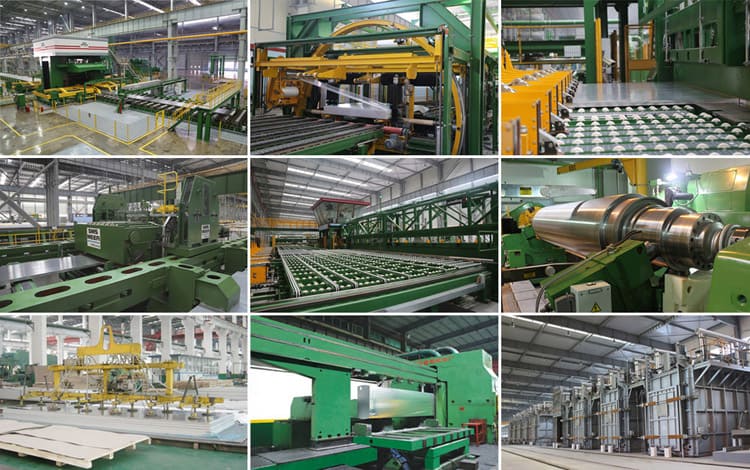
Støpe- og valseprosess
Støpe- og valseprosess: flytende metall, frontboks (væskenivåkontroll), støpe- og valsemaskin (smøresystem, kjølevann), klippemaskin, kveilmaskin.
Kaldvalsende produksjonsprosess
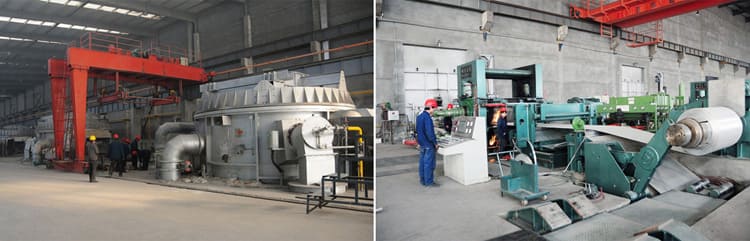
Introduksjon til etterbehandling av produksjonsprosessen
Aluminiumslegering har egenskapene til lav tetthet, gode mekaniske egenskaper, god behandlingsytelse, ikke-giftig, lett å resirkulere, utmerket elektrisk ledningsevne, varmeoverføring og korrosjonsbestandighet, så den har et bredt spekter av bruksområder.
Luftfart: brukes til å lage flyskinn, flykroppsrammer, dragere, rotorer, propeller, drivstofftanker, veggpaneler og landingsstellstag, samt rakettsmieringer, romfartøyets veggpaneler, osv.
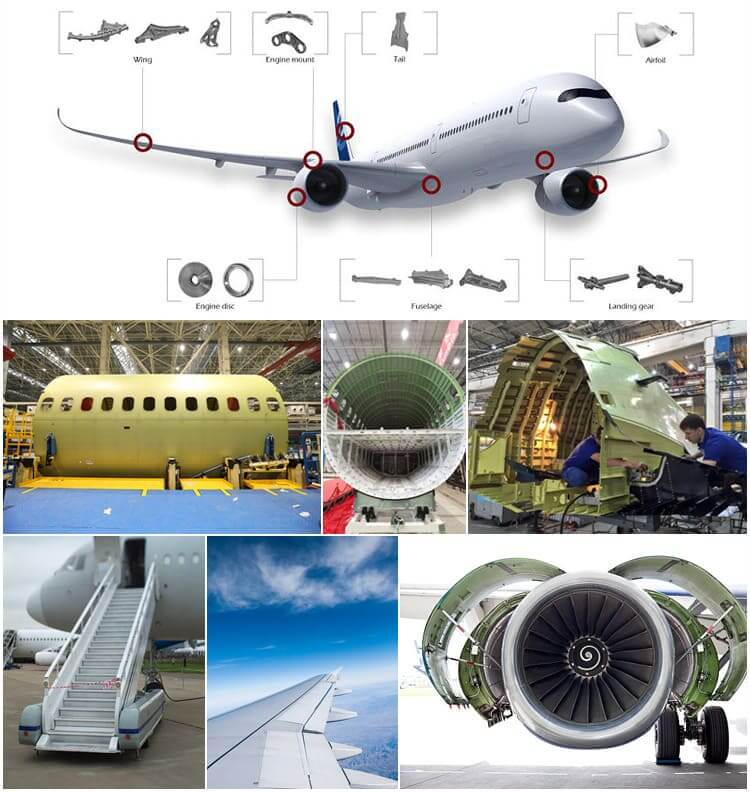
Aluminiumslegering brukt til romfart
Transport: brukes til karosserimaterialer til biler, t-banekjøretøyer, jernbane personbiler, høyhastighets personbiler, dører og vinduer, hyller, deler til bilmotorer, klimaanlegg, radiatorer, kroppspaneler, hjul og skipsmateriell.
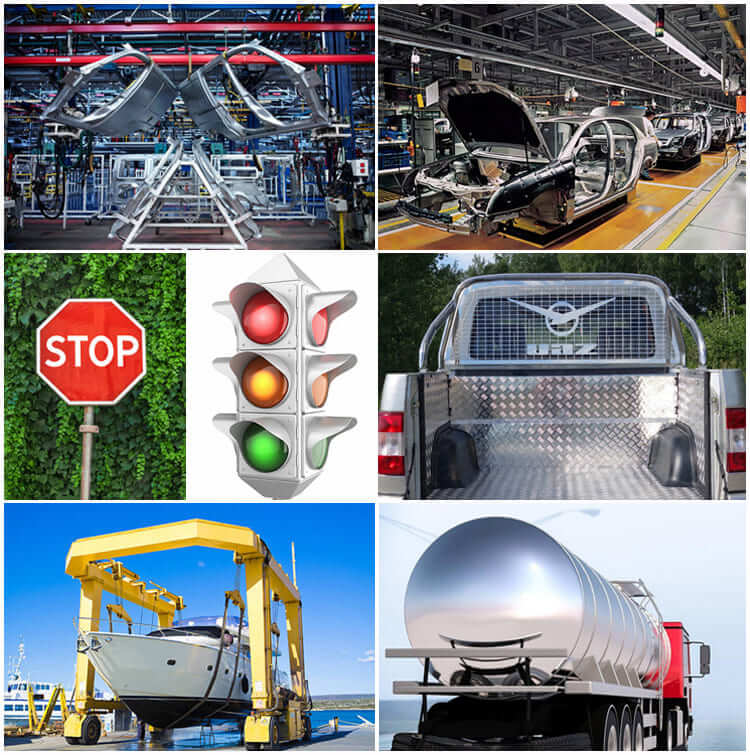
Trafikksøknad
Emballasje: Popbokser i aluminium brukes hovedsakelig som metallemballasjematerialer i form av tynne plater og folier, og lages til bokser, lokk, flasker, fat, og emballasjefolier. Mye brukt i emballasje av drikkevarer, mat, kosmetikk, medisiner, sigaretter, industrielle produkter, medisiner, osv.
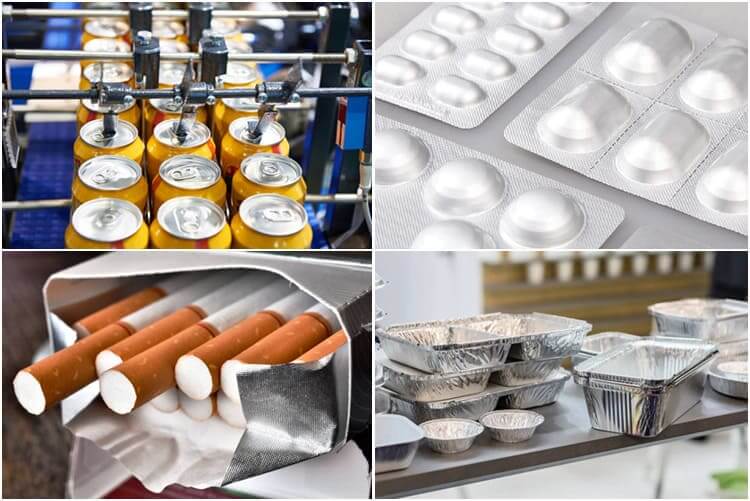
Emballasjeapplikasjon
Printing: Brukes hovedsakelig til å lage PS-plater, aluminiumsbaserte PS-plater er en ny type materiale i trykkeribransjen, brukes til automatisk platefremstilling og utskrift.
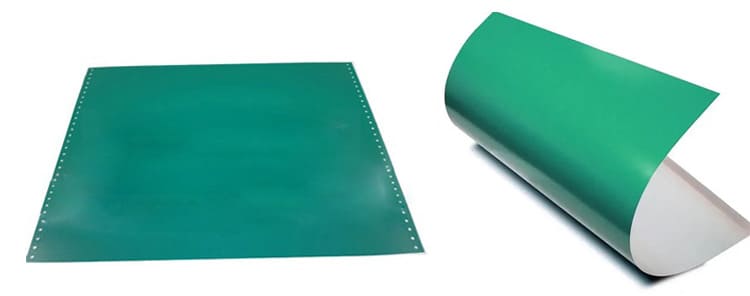
PS utskrift
Arkitektonisk dekorasjon: aluminiumslegering er mye brukt i bygningskonstruksjoner, dører og vinduer, undertak, dekorative overflater, osv. på grunn av sin gode korrosjonsbestandighet, tilstrekkelig styrke, utmerket prosessytelse og sveiseytelse.
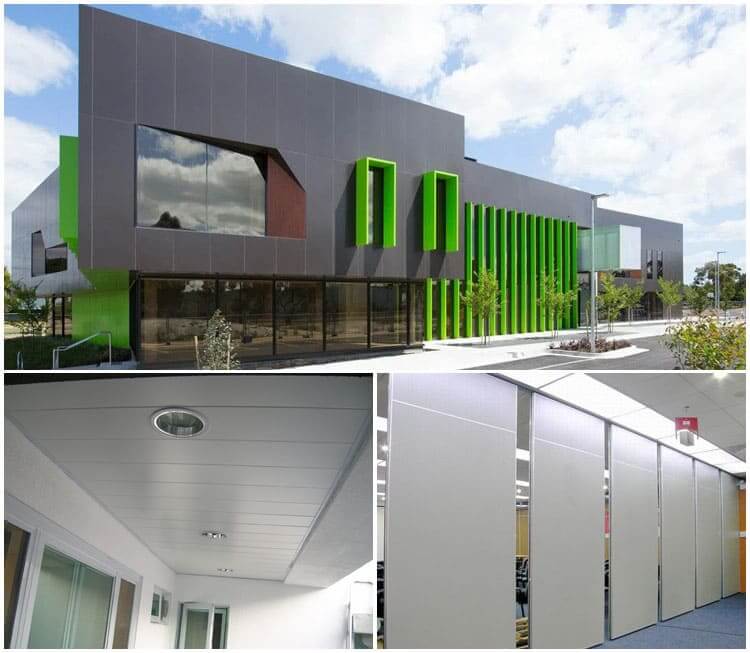
Konstruksjonsapplikasjon i aluminiumslegering
Elektroniske produkter: datamaskiner, mobiltelefoner, kjøleskapsskall, radiatorer, osv.
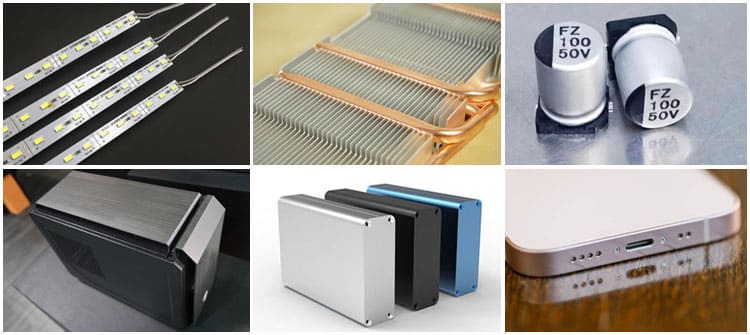
Elektronisk produktapplikasjon
Kjøkkenutstyr: aluminiums gryter, kummer i aluminium, riskokerforinger, husholdnings aluminiumsfolie, osv.
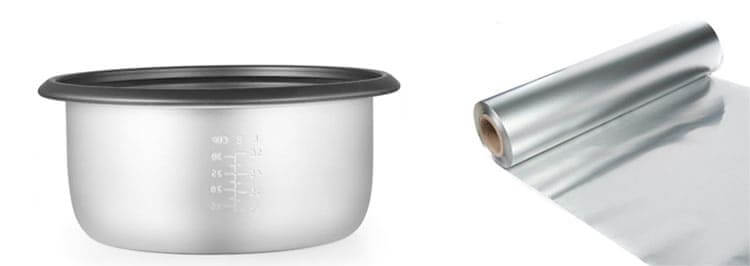
Kjøkkenapplikasjon
Emballasje av aluminiumsplate/coil
Hver detalj av emballasjen er der vi streber etter perfekt service. Vår pakkeprosess som helhet er som følger:
Laminering: klar film, blå film, mikro-slimhinnen, høy slimhinne, laserskjærende film (2 merkevarer, Novacell og Polyfem);
Beskyttelse: papirhjørnebeskyttere, anti-trykk pads;
tørking: tørkemiddel;
Brett: fumigert ufarlig trebrett, gjenbrukbart jernbrett;
Pakking: Tic-tac-toe stålbelte, eller PVC-pakkebelte;
Materialkvalitet: Helt fri for defekter som hvitrust, oljeflekker, rullende merker, kantskade, bøyer, bulker, hull, bryte linjer, riper, osv., ingen spole satt.
Havn: Qingdao eller andre havner i Kina.
Ledetid: 15-45 dager.
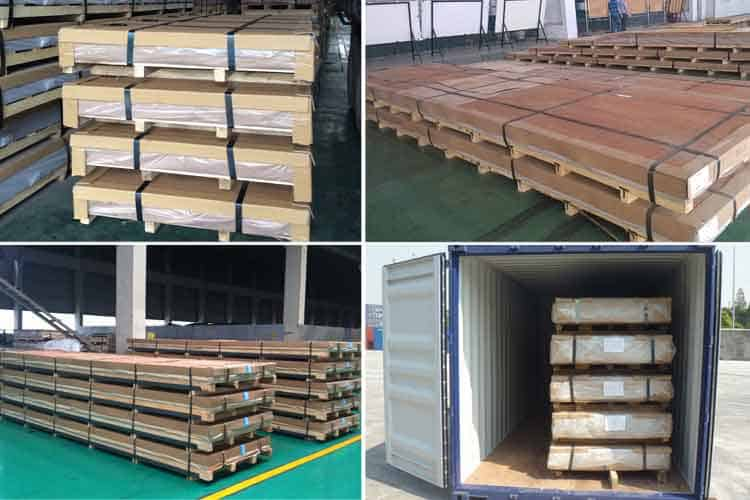
Emballasjeprosess for aluminiumsplater/plater
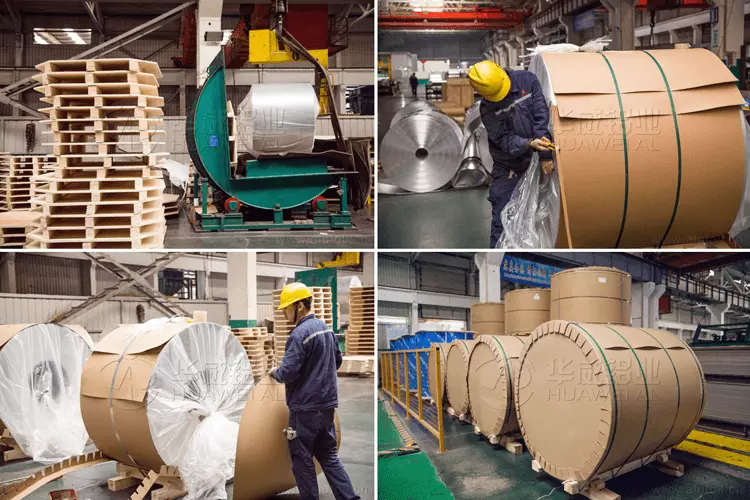
Emballasjeprosess for aluminiumsspole
F: Er du produsent eller handelsmann?
Q: Vi er en produsent, fabrikken vår er på No.3 Weier Road, Industrisone, Gongyi, Henan, Kina.
F: Hva er MOQ for å bestille produktet?
Q: Vår MOQ er 5 tonn, og noen spesialprodukter vil ha et minimumsbestillingsantall på 1 eller 2 tonn.
F: Hvor lang er ledetiden din?
Q: Vanligvis er ledetiden vår ca 30 dager.
F: Har produktene dine kvalitetssikring?
Q: Ja, hvis det er et kvalitetsproblem med produktene våre, vi vil kompensere kunden til de er fornøyd.
Relaterte produkter


Siste blogger
5052 vs 6061 Aluminium: Viktige forskjeller & Beste bruksområder
Sammenligne 5052 vs 6061 aluminium for styrke, korrosjonsbestandighet, formbarhet, og maskinering. Finn ut hvilken legering som passer best til ditt prosjekt.
Vanlige legeringer av kjølebil Brukt PE-belagt aluminiumsspole
Oppdag vanlige legeringer av kjølebiler brukt PE-belagt aluminiumsspole, inkludert 3003, 3004, og 3105. Designet for utmerket korrosjonsbestandighet, formbarhet, og langvarig utendørs ytelse.
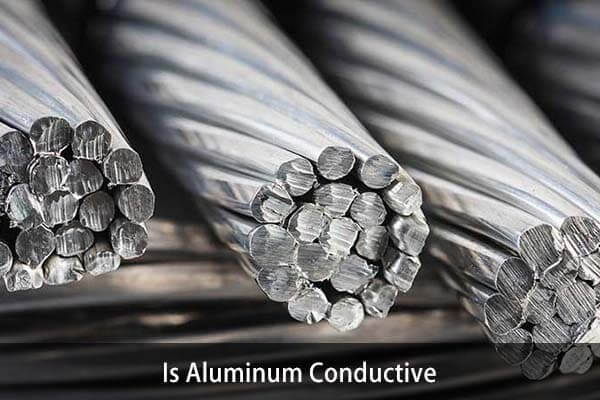
Er ledende i aluminium? Egenskaper, Bruker & Fordeler forklart
Er aluminiumsledende? Oppdag aluminiums elektriske ledningsevne, viktige fordeler, og hvorfor det er mye brukt i kraftoverføring og industrielle applikasjoner.
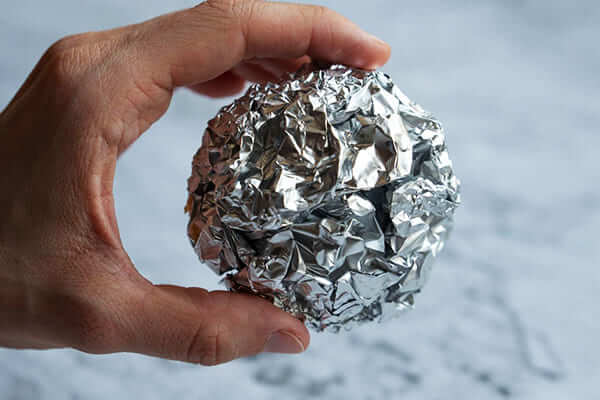
Låser opp bærekraft: Sannheten om resirkulering av aluminiumsfolie
Er aluminiumsfolie resirkulerbar? Lær hvordan aluminiumsfolie kan resirkuleres, hvordan du forbereder den riktig, og hvorfor resirkulering bidrar til å redusere avfall og spare ressurser.