7 Micron 8079 Fleksibel emballasje aluminiumsfolie
17,197 Visninger 2025-10-20 02:26:18
7 Micron 8079 Fleksibel emballasje aluminiumsfolie: Det ultratynne kraftsenteret til moderne emballasje
I det konkurransedyktige landskapet med fleksibel emballasje, 7 mikron 8079 fleksibel emballasje aluminiumsfolie skiller seg ut som en presisjonskonstruert løsning som balanserer ultratynnhet, barriere ytelse, og bearbeidbarhet.
Dette spesialiserte materialet bygger bro mellom krav til lett emballasje og strenge konserveringskrav, bli en stift i mat, farmasøytisk, og nye energinæringer.
I motsetning til tykkere aluminiumsfolier som øker kostnadene eller dårligere legeringer som går på akkord med kvaliteten, 7 mikron 8079 folie gir en "akkurat riktig" kombinasjon av egenskaper – alt samtidig som det muliggjør bærekraftig emballasjedesign.

7 mikron 8079 Fleksibel emballasje aluminiumsfolie
jeg. Kjernedefinisjon: Hva er 7 Micron 8079 Fleksibel emballasje aluminiumsfolie?
7 mikron 8079 aluminiumsfolie refererer til en ultratynn aluminiumslegeringsfolie med en tykkelse på nøyaktig 7 mikrometer (0.007 mm, omtrent 1/10 diameteren til et menneskehår) og består av 8079 aluminiumslegering.
Klassifisert under 8xxx-serien (Al-Fe-Si legeringer), den er spesielt optimalisert for fleksible emballasjescenarier der:
- Lette materialer reduserer transport- og emballasjekostnadene;
- Overlegne barriereegenskaper forlenger produktets holdbarhet;
- Tynnhet muliggjør kompatibilitet med høyhastighets laminering og utskriftslinjer.
Dens popularitet stammer fra å løse et kritisk industridilemma: tynnere folier lider ofte av pinholes og dårlig styrke, mens tykkere øker materialforbruket. 7 mikron 8079 folie løser dette med legeringsspesifikke forbedringer og presisjonsproduksjon.
II. Materialsammenbrudd: 8079 Alloys hemmelighet til overlegen ytelse
De 8079 aluminiumsfolie er ryggraden i denne foliens fortreffelighet. Dens kjemiske sammensetning og iboende egenskaper er skreddersydd for fleksibel emballasje, gjør det forskjellig fra vanlige alternativer som 1235 eller 8011 legeringer.
2.1 Kjemisk sammensetning av 8079 Legering
Legeringens elementære balanse påvirker direkte barrieren, styrke, og bearbeidbarhet. Nedenfor er standardsammensetningen per GB/T 9774 og ASTM-standarder:
| Element | Innholdsområde | Kjernefunksjon |
|---|---|---|
| Aluminium (Al) | 96.0%–99,0 % | Uedelt metall som gir duktilitet og resirkulerbarhet |
| Stryke (Fe) | 0.70%–1,30 % | Forbedrer styrke uten å ofre fleksibilitet |
| Silisium (Og) | 0.05%–0,30 % | Forbedrer lamineringsvedheft og termisk stabilitet |
| Kopper (Cu) | ≤0,05 % | Minimerer korrosjonsrisiko i fuktige omgivelser |
| Sink (Zn) | ≤0,10 % | Forhindrer misfarging i matkontaktscenarier |
| Andre | ≤0,15 % | Sikrer renhet og konsistent ytelse |
Datakilde: GB/T 9774-2023《Aluminiumsfolie for emballasje》

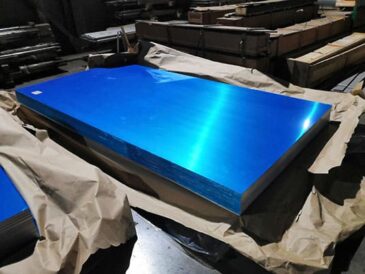
7 mikron 8079 aluminiumsfolie
2.2 Nøkkelegenskaper til 7 Micron 8079 Fleksibel emballasje aluminiumsfolie
Hver egenskap ved denne folien er konstruert for emballasjeeffektivitet. Her er de kritiske ytelsesberegningene, verifisert av bransjetesting:
- Barriere ytelse: Blokker 100% av lys (UV og synlig), 99.9% av oksygen, og 99.8% av vanndamp – overgår 1235 legering av 15% i fuktmotstand .
- Mekanisk styrke: Strekkfasthet på 65–100 N/mm² og bruddforlengelse på ≥15 % , forhindrer riving under høyhastighetspakking (opp til 450 m/min).
- Pinhole kontroll: ≤150 nålehull per m² (maks blenderåpning≤0,1 mm) -langt under 450-pinhole-terskelen for 6μm folier, sikrer ingen barrierelekkasje.
- Overflatekvalitet: Lysstyrke på 70 %–75 % og overflatespenning ≥72 dyn/cm , muliggjør skarpe trykk og sterk vedheft med plast som BOPP eller PET.
- Temperaturstabilitet: Tåler -73℃ til 371℃ uten deformasjon , egnet for både fryselagring og retortsterilisering (opptil 121 ℃).
2.3 Synergi av 7 Micron Tykkelse og 8079 Legering
Tykkelsen på 7 μm er ikke vilkårlig – det er den optimale balansen for fleksibel emballasje:
- Kostnadseffektivitet: 30% lettere enn 10μm 8079 folie, kutte materialkostnader med 22% samtidig som barriereytelsen opprettholdes .
- Prosesskompatibilitet: Tynn nok til å brettes inn i stående poser eller blisterpakninger, men tykk nok til å unngå rynker under laminering (et vanlig problem med 6μm folier).
- Bærekraft: Reduserer aluminiumforbruket med 1,2 kg per tonn emballasje sammenlignet med 9 μm alternativer, reduserer karbonavtrykket med ~8 % .
III. Presisjonsproduksjon: Hvordan 7 Micron 8079 Folie er laget
Produserer ultratynn 8079 folie krever mestring av metallurgi og prosesskontroll.
Ledende leverandører som Huawei aluminium (en nøkkelaktør i Kinas aluminiumsfolieindustri) bruke en 10-trinns prosess for å sikre konsistens:
- Ingot Smelting: Rens aluminiumsråvarer for å fjerne urenheter (≤0,01 % rest), kritisk for å redusere pinholes .
- Homogenisering Varmebehandling: Varm ingots til 550 ℃ for 8 timer for å fordele Fe- og Si-partikler jevnt, forhindrer segregering av legeringer.
- Hot Rolling: Reduser blokktykkelsen fra 600 mm til 6–8 mm ved å bruke 4-høyvalseverk, med temperatur kontrollert til 380±10℃.
- Mellomgløding: Myk opp materialet ved 320 ℃ for å gjenopprette duktiliteten etter varmvalsing.
- Kaldrulling: Bruk 6 høypresisjonsfreser (importert fra Tyskland) å tynne arket til 0,015 mm, med spenning satt til 120–150 N/mm² for å unngå brudd.
- Folierulling: Reduser tykkelsen ytterligere til 7μm via "dobbeltrulling" (to lag rullet sammen), forbedre overflateglattheten.
- Overflate rengjøring: Fjern rullende olje med alkalisk løsning (pH 8–9) og tørk ved 120 ℃, sikre at overflatespenningen oppfyller lamineringskravene.
- Endelig gløding: Gløde ved 280 ℃ for 4 timer for å oppnå "O" temperament (full mykhet), kritisk for fleksibilitet.
- Online inspeksjon: Bruk laserskannere for å oppdage pinholes og tykkelsesavvik (toleranse ±6 % ), avvisning av defekte seksjoner i sanntid.
- Skjæring & Vikling: Kutt i bredder på 200–1700 mm og vind opp på 76 mm/152 mm kjerner, med maks hjuldiameter 850 mm for enkel håndtering.
Huawei aluminium's Edge: Selskapet forbedrer denne prosessen med filtrering av smeltet aluminium (3-scene keramiske filtre) og sanntids tykkelsesovervåking, oppnå en 92% rate av ferdige produkter—8 % høyere enn bransjegjennomsnittet.
Dens 7 mikron 8079 folie gjennomgår også 100% barrieretesting etter produksjon, sikre OTR <0.1 cm³/(m²·24t·atm) for applikasjoner av farmasøytisk kvalitet.
IV. av 7 Micron 8079 Fleksibel emballasje aluminiumsfolie
Den nøyaktige konstruksjonen av 7 mikron 8079 Fleksibel emballasje aluminiumsfolie resulterer i en rekke definerende egenskaper som gir kritiske løsninger for høyytelsesemballasje, spesielt når integrert i flerlags laminater.
EN. Absolutte barriereegenskaper: Det kompromissløse skjoldet
Selv på denne ultratynne måleren, 7 mikron 8079 Fleksibel emballasje aluminiumsfolie tilbyr formidable barriereegenskaper:
- Oksygenoverføringshastighet (OTR): Effektivt null (< 0.005 cm³/(m²·dag·atm)). Avgjørende for å beskytte sensitive produkter mot oksidasjon.
- Vanndampoverføringshastighet (WVTR): Effektivt null (< 0.005 g/(m²·dag)). Viktig for fuktfølsomme produkter.
- Lysbarriere: Fullstendig opasitet, blokkerer alt synlig, UV, og infrarødt lys, sikring av fotosensitivt innhold.
- Aroma barriere: Forhindrer tap av flyktige smakskomponenter og forurensning fra ytre lukt.
- Ultralavt antall nålhull: De 8079 legerings- og avanserte valseprosesser er optimalisert for ekstremt lavt antall nålhull, sikre at barrieren forblir intakt. Dette er kritisk ved 7µm, da materialet er mer utsatt for pinholes enn tykkere folier.
B. Utmerket formbarhet og "Dead-Fold"-karakteristikk: Presisjonsinnpakning
- Duktilitet: 'O' temperamentet til 8079 aluminiumsfolie er utrolig formbar og formbar. Den kan lett formes, krympet, og forseglet som en del av et laminat uten å rives.
- Dead-Fold: Folien beholder sin foldede form, muliggjør tett, sikre omslag som holder formen.
C. Mekanisk robusthet (i et laminat): Styrke i synergi
- Beskyttelse: Mens en frittstående 7µm folie er delikat, når de er laminert med andre materialer (f.eks., KJÆLEDYR, OPP, PE), den resulterende kompositten får betydelig mekanisk styrke, punkteringsmotstand, og rivebestandighet fra polymerlagene. De 8079 legeringens iboende styrke bidrar til denne generelle robustheten, gjør det endelige laminatet holdbart nok for høyhastighets pakkelinjer og forbrukerhåndtering.

8079 aluminiumsfolie pakket av huawei
D. Ikke-toksisitet og mattrygghet: Forbrukertillit
- Renhet & Treghet: 8079 aluminiumsfolie er ikke giftig, smakløs, og luktfri. Det er kjemisk inert og, sammen med lim og polymerlag av matvarekvalitet, er trygt for direkte kontakt med mat og legemidler, oppfyller strenge globale regulatoriske godkjenninger.
E. Overlegen trykkbarhet (som et laminat): Merkeappell
- Påvirkning: Når den er laminert med et trykkmottakelig ytre lag (som PET), kompositten gir en jevn, blank, og stabil overflate for høyoppløselig grafikk, merkevarebygging, og forskriftsinformasjon, øker merkeappell i butikkhyllene.
V. Diverse applikasjoner: Hvor 7 Micron 8079 Aluminiumsfolie Excels
Den unike blandingen av egenskaper gjør 7 mikron 8079 Fleksibel emballasje aluminiumsfolie en uunnværlig komponent i en rekke banebrytende bruksområder, spesielt der de er lette, høy barriere, og fleksibilitet er viktigst. Det brukes nesten alltid som et kjernelag i et flerlagslaminat.
5.1 Matemballasje med høy ytelse: Bevarer friskhet og smak
- Bruk: For emballering av svært sensitive matvarer som pulverkaffe, melkepulver, tørre supper, krydder, og snacks med høy verdi. Det er et kritisk lag i laminater for stående poser, poser, og flow wraps.
- Påvirkning: Dens absolutte barriereegenskaper er avgjørende for å forlenge holdbarheten, forhindrer fuktighetskaking i pulver, beskytter fett mot harskning, og bevare den delikate aromaen til produkter som kaffe.
5.2 Konfektemballasje: The Ultimate Wrapper
- Bruk: Som et lag i innpakninger for førsteklasses sjokoladeplater, godteri, og tyggegummi.
- Påvirkning: Beskytter mot fuktighet (hindre oppblomstring på sjokolade), lys, og oksygen, mens dens dødfold-karakteristikk gir mulighet for en tight, sikker innpakning. De 7 micron gauge bidrar til en mykere, mer smidig følelse for omslaget.
5.3 Farmasøytisk emballasje: Legemiddelstabilitet og sikkerhet
- Bruk: For emballering av mindre følsomme, men likevel krevende farmasøytiske produkter i poser og poser (f.eks., pulver, granulat, visse nettbrett).
- Påvirkning: Gir en pålitelig barriere mot fuktighet, oksygen, og lys, sikre legemiddelstabilitet og effekt. Den lette naturen er også gunstig for enhetsdoseemballasje.

7 mikron 8079 aluminiumsfolie for farmasøytisk emballasje
5.4 Meieri emballasje: Lokk og omslag
- Bruk: Som kjernebarrierelag i lokk for yoghurt, kremost, og smørwraps.
- Påvirkning: Forhindrer ødeleggelse, beskytter smaken, og forlenger holdbarheten til sensitive meieriprodukter.
5.5 Industriell og teknisk emballasje: Beskyttelse av sensitive komponenter
- Bruk: I spesialiserte barriereposer for fuktfølsomme industripulver, kjemikalier, eller til og med elektroniske komponenter der en høy barriere er nødvendig med minimal vekt.
- Påvirkning: Forhindrer kostbare skader på industrivarer av høy verdi ved å beskytte dem mot miljøforringelse.
VI. Konkurransedyktig sammenligning: 7 Micron 8079 vs. Alternativer
For å fremheve dens egenart, nedenfor er en head-to-head sammenligning med 7μm folier av 1235 og 8011 legeringer (de vanligste alternativene):
| Ytelsesberegning | 7μm 8079 Legering | 7μm 1235 Legering | 7μm 8011 Legering |
|---|---|---|---|
| Kjemisk sammensetning | Al 96–99 %, Fe 0,7–1,3 % | Al ≥99,35 %, Fe ≤0,5 % | Al 97–98 %, Fe 0,7–1,3 %, Og 0,5–1,0 % |
| Strekkstyrke | 65–100 N/mm² | 50–80 N/mm² | 70–110 N/mm² |
| Forlengelse ved brudd | ≥15 % | ≥20 % | ≤12 % |
| Pinhole Count (per m²) | ≤150 | ≤200 | ≤180 |
| Barriere ytelse (OTR) | <0.1 cm³/(m²·24t·atm) | <0.2 cm³/(m²·24t·atm) | <0.1 cm³/(m²·24t·atm) |
| Trykkbarhet (Lysstyrke) | 70–75 % | 75–80 % | 65–70 % |
| Koste (USD/kg) | 3.8–4.2 | 3.2–3.6 | 3.6–4,0 |
| Best for | Pharma, myke batteripakker | Generell matemballasje | Industriell kjemisk emballasje |
Datakilde: SMM Aluminium Industry Report 2025 & Huawei Aluminium teknisk datablad
Nøkkelinnsikt: 7μm 8079 folie overgår 1235 i barrierestyrke og 8011 i fleksibilitet, noe som gjør det til det eneste alternativet på 7 μm som er egnet for både farmasøytiske og batteriapplikasjoner. Mens litt dyrere enn 1235, det reduserer de totale emballasjekostnadene med 10% via lavere ødeleggelsesrater .
VII. Vanlige spørsmål: Ekspertsvar om 7 Micron 8079 Folie
1. Hvorfor velge 7μm tykkelse over 6μm eller 8μm?
7μm har den ideelle balansen: 6μm folie har for mange pinholes (>450/m² ) som kompromitterer barrierer, mens 8μm øker materialkostnadene med 14% uten meningsfulle ytelsesgevinster. For mest fleksibel emballasje, 7μm er "sweet spot".
2. Kan 7 mikron 8079 folie resirkuleres?
Ja. Aluminium er 100% resirkulerbar, og 7μm folie beholder 95% av sin opprinnelige metallverdi. Resirkulering det bruker 95% mindre energi enn å produsere primæraluminium.
Huawei Aluminium tilbyr til og med et returprogram for folie etter forbruk, med 80% av innsamlet materiale gjenbrukt i ny folieproduksjon.
3. Er denne folien egnet for oppvarming i mikrobølgeovn?
Ingen. Aluminium reflekterer mikrobølger, forårsaker gnister og ujevn oppvarming. Den er kun beregnet for emballasje – fjern alltid folien før innholdet i mikrobølgeovnen.
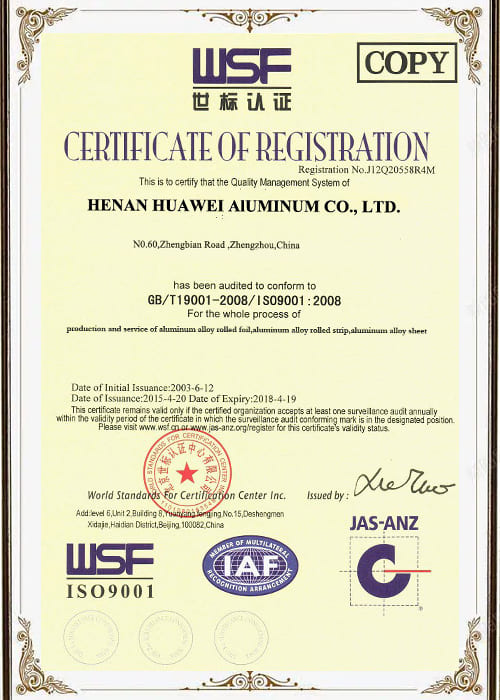
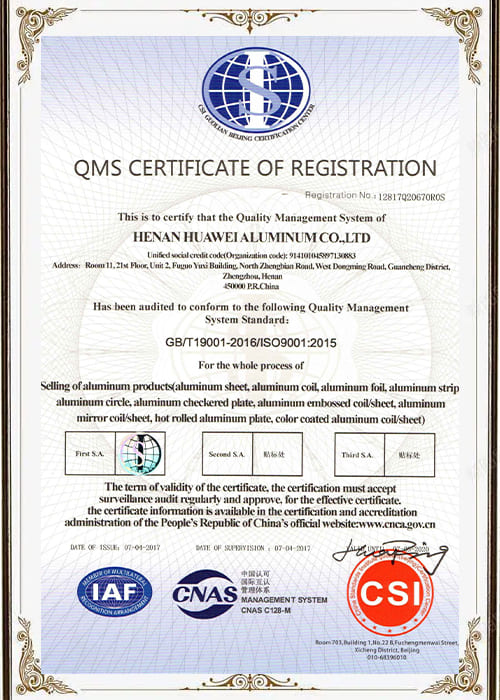
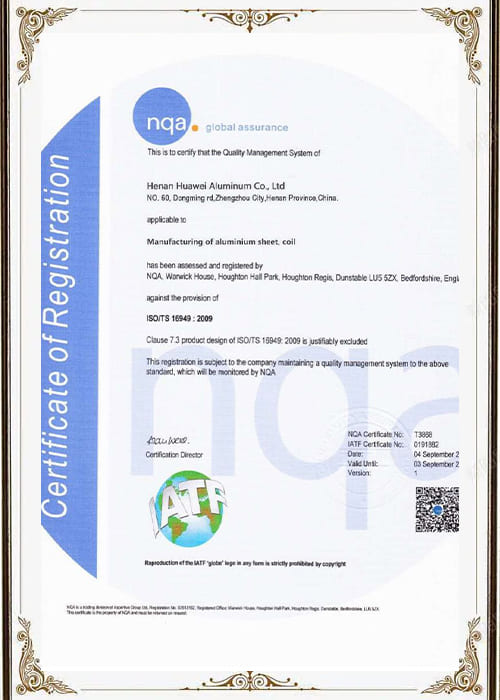
4. Hvilke sertifiseringer har Huawei 7 mikron 8079 folie hold?
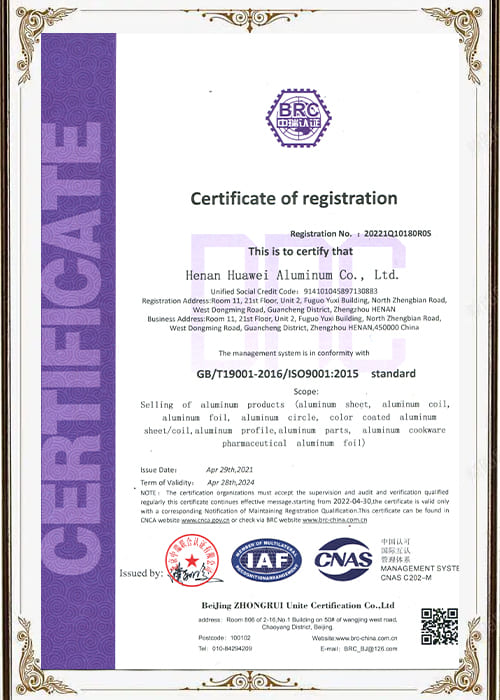
Huaweis produkt oppfyller globale standarder: GB/T 9774 (Kina), ASTM B479 (OSS), EU 10/2011 (matkontakt), og ISO 15378 (farmasøytisk emballasje).
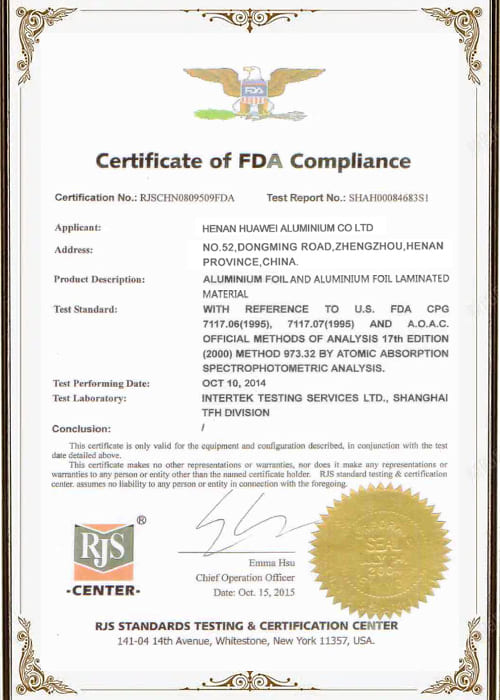
Den har også FDA- og Kosher-sertifiseringer for internasjonale markeder.
5. Hvordan påvirker temperaturen ytelsen?
Folien holder stabilitet fra -73℃ (frossen lagring) til 371 ℃ (retortsterilisering). Ved temperaturer over 400 ℃, det begynner å oksidere, men dette overgår alle vanlige emballasjebruk.
VIII. Utfordringer & Fremtidige trender
Aktuelle bransjeutfordringer
- Råstoffvolatilitet: Aluminiumsprisene svingte med ±1,9 % i 2025 , tvinger leverandører som Huawei til å låse inn langsiktige malmkontrakter for å stabilisere kostnadene.
- Pinhole kontroll: Produserer 7μm folie med <100 pinholes/m² fortsatt et teknisk hinder – bare 30% av produsenter (inkludert Huawei) oppnå dette nivået.
- Resirkuleringskompleksitet: Når laminert med plast, separering av 7μm folie krever spesialisert elektrostatisk utstyr, med utvinningsgrad for øyeblikket på 80% (vs. 95% for rent aluminium).
Nye trender
- Ultratynn evolusjon: R&D er rettet mot 6μm 8079 folie med <200 pinholes/m² for batteriemballasje, sikte på å redusere batterivekten med 5% .
- Funksjonelle belegg: Huawei tester keramiske belegg på 7μm folie for å øke punkteringsmotstanden 30%, rettet mot skarpe matprodukter som nøtter.
- Lavkarbonproduksjon: Bruker fornybar energi (solenergi, vind) for smelting kan kutte foliens karbonavtrykk med 40 % – et mål Huawei planlegger å oppnå innen 2027.
IX. Konklusjon
7 mikron 8079 fleksibel emballasje aluminiumsfolie er mer enn bare en tynn metallplate – det er en presisjonskonstruert løsning som omdefinerer hva fleksibel emballasje kan oppnå.
Ved å kombinere 8079 legeringens balanserte styrke og barriereegenskaper med 7μm tykkelsens kostnads- og vektfordeler, den dekker de mest presserende behovene til moderne emballasje: bevaring, effektivitet, og bærekraft.
Leverandører liker Huawei aluminium har hevet dette materialet ytterligere, ved hjelp av avansert produksjon og kvalitetskontroll for å gjøre en vare til et produkt med høy ytelse.
Ettersom industrien etterspør lettere, grønnere, og mer pålitelig emballasje, 7 mikron 8079 folie vil forbli i forkant - noe som viser det noen ganger, de tynneste materialene gir størst effekt.