Pinholes på PTP aluminiumsfolie | Årsaker, Testing & Spesifikasjoner
17,947 Visninger 2025-10-23 03:03:44
Introduksjon
PTP (Trykk-gjennom emballasje) aluminiumsfolie beskytter tabletter og kapsler ved å blokkere fuktighet, oksygen, og lett samtidig som den gir ren gjennomskyvningsåpning.
Pinholes—mikroskopiske perforeringer dannet under folierulling eller håndtering — undergraver denne beskyttelsen. Selv noen få overdimensjonerte nålehull kan forkorte holdbarheten, forårsake flekker eller mykgjøring, og øke risikoen som ikke er spesifisert ved stabilitet.
Denne artikkelen forklarer hva Pinholes på PTP aluminiumsfolie er, hvorfor de utvikler seg, hvordan måle dem, og – viktigst av alt – hvordan de påvirker barriereytelse og pasientsikkerhet.
Du vil også se avbøtende alternativer, realistiske akseptkriterier, og sammenligninger med lignende lokkmaterialer, slik at du kan spesifisere med selvtillit.

Pinholes på PTP aluminiumsfolie
Hva teller som nålehull på PTP aluminiumsfolie?
EN nålehull er en gjennomgående åpning i aluminiumslaget. I PTP-lokk, aluminiumslaget er typisk 20–25 μm (slik som 8011, 8079, eller 8021 aluminiumsfolie, mykt temperament).
Pinholes er definert av antall per arealenhet og størrelsesklasse (omtrentlig diameter).
- Mikronålshull: < 50 μm – ofte detekterbar bare ved lys/elektrolytiske tester.
- Store nålehull: 50–150 μm – synlig under sterkt bakgrunnsbelysning; høy risiko for fuktinntrengning.
- Kritiske nålehull: > 150 μm – uakseptabelt i de fleste farmaspeksifikasjoner; potensielle synlige defekter i pakkene.
Fordi aluminium er en ekte barriere, egen OTR/MVTR ≈ 0. Enhver ikke-null overføring gjennom en forseglet blemme kommer nesten alltid fra diskontinuiteter– nålehull, kant sprekker, eller forsegle tomrom.
Hvordan produseres pinholes på PTP aluminiumsfolie?
Kort versjon. Pinholes er gjennomgående tykkelsesbrudd i metalllaget. De vises når folien er tynnet, strukket, riper, eller kjemisk angrepet utover det mikrostrukturen tåler.
Risikoen øker kraftig når tykkelsen synker (f.eks., 20 µm vs 25 µm), og når harde partikler eller skarpe kanter konsentrerer stress.
Nedenfor finner du de grunnleggende årsakene gruppert etter stadium, den fysiske mekanismen bak hver, og hva du skal gjøre med det.
1) Smelte & Casting (Stiller inn "pinhole propensity" før rulling)
Mekanisme. Ikke-metalliske inneslutninger (oksider, karbider), intermetalliske stringere (Fe-Si-Al), og fanget gass porøsitet skaper lokale svake punkter. Under kraftige reduksjoner, metall flyter rundt disse «harde øyene,"forlater mikrotynne flekker som senere bryter opp.
Symptomer. Strekjusterte nålehull i maskinretning; populasjonen varierer fra spole til spole.
Kontroller med høy innflytelse. Ren smelte praksis (roterende avgassing), keramisk skumfiltrering (30–50 ppi), tett Fe/Si-kontroll (velge 8079-O / 8021-O over generisk 8011-O for bedre forlengelse og renslighet), beskyttede vaskerier, og tildekket trakt.
2) Varm/kald rulling (Der de fleste pinholes er født)
Mekanisme. Ekstreme målereduksjoner pluss rulleruhet, skravling, eller slitende rusk forårsake skjærebånd og mikrokutt. Enhver hard flekk på arbeidsruller fungerer som en nål. Smøring sult eller forurenset olje øker friksjon og mikrorivning.
Symptomer. Fine hull langs skravlingsbånd; ripejusterte mikrohull; høyere tellinger ved lave målere (< 22–20 µm).
Kontroller. Superferdige rundstykker, streng filtrering av rullende olje, hyppig rullpolering, ruskvakter, optimaliserte reduksjonsplaner (unngå enkelt tunge bitt på tynne målere), og lysinspeksjon på nett å stoppe defekter tidlig.

PTP aluminiumsfolie produksjonsprosess
3) Måleeffekt (Tynn folie forsterker enhver ufullkommenhet)
Mekanisme. Ettersom metall blir tynnere, naturlige overflatedaler og inneslutninger bruker en større andel av tykkelsen; den statistiske sjansen for et gjennomgående hull stiger ikke-lineært.
Implikasjon. 25 µm PTP viser vanligvis færre pinholes enn 20 µm med samme prosessevne.
Kontroll. Oppmålte høyrisiko-SKUer; bruk 8079/8021 (høyere duktilitet) når tynn måler er uunngåelig.
Mekanisme. Sløve topp-/bunnkniver, feil overlapping, eller høyt nipptrykk riv kanten og preget "nål" defekter noen få millimeter innenbords. Teleskopiske og tette kjerner genererer kantknusing og mikrospenner som senere åpner i trykking eller forsegling.
Symptomer. Kant-klynget nålehull innenfor 5–20 mm fra spalten; gjenta for hvert pass.
Kontroller. Programmer for knivskarphet, kalibrert overlapping, lavere nettspenning, kronet ledige, kantbeskyttere, og bredere masterspalte med siste trim etter utskrift.
5) Printing, Lakkering & Preging (Overinntrykk = lokal uttynning)
Mekanisme. For mye nipptrykk eller harde tepper tynne kamtopper av foliens overflatetopografi. Preging og feilregistrering av skårlinjer konsentrerer belastningen; løsemiddelrike systemer kan sprø tynne soner før herding.
Symptomer. Pinholes justert med tekst/grafikk eller pregemønster; "blekkstift-flekker" som senere viser seg å være metalltap.
Kontroller. Sett minimum effektivt inntrykk, mykere bakside, kontrollert løsemiddelbalanse, trinnvis herding, og rutine ettertrykk lys-bord sjekker.
6) Lagring & Miljø (Pitting som blir til hull)
Mekanisme. Kondensasjon + sure gasser (SO₂/NOx) eller klorider forårsaker mikro-pitting på spoleoverflater. Under gløding eller håndtering, groper smelter sammen til gjennomgående hull.
Symptomer. Tilfeldige pinholes etter lang lageropphold; verre på ytre omslag; noen ganger brunlige flekker.
Kontroller. Butikk kl 15–30 °C, < 60–65 % RF, pakk inn med VCI-papir eller barrierefilm, unngå palletering i nærheten av kjemikalier, og roter lager. Hold spiralendene forseglet; akklimatisere seg før du åpner for å unngå "svetting".
Hvordan vi måler og klassifiserer nålehull
| Metode | Hva den oppdager | Typisk følsomhet | Beste bruk |
|---|---|---|---|
| Lett bord / kamera (overføring) | Gjennomgående hull ved lett lekkasje | ~30–50 μm | Rask 100% eller prøvetakingsinspeksjon |
| Elektrolytisk test | Elektrisk kontinuitet gjennom hull | ~10–20 μm | Høy følsomhet på laboratorieprøver |
| Dye penetrasjon (post-laminat) | Gjennomgående hull & tetningsbanedefekter | ~50+ μm | Validerer ferdige lokkstabler |
| Helium/massespektrometri | Grove lekkasjer (systemnivå) | Sub-μm ekvivalent, men kostbart | Validering / rotårsaksanalyse |
Tupp: Par a rask optisk sjekk for rutinemessig kvalitetskontroll med en mer sensitiv laboratoriemetode for å sette handlingsgrenser og trende pinhole tilbøyelighet.

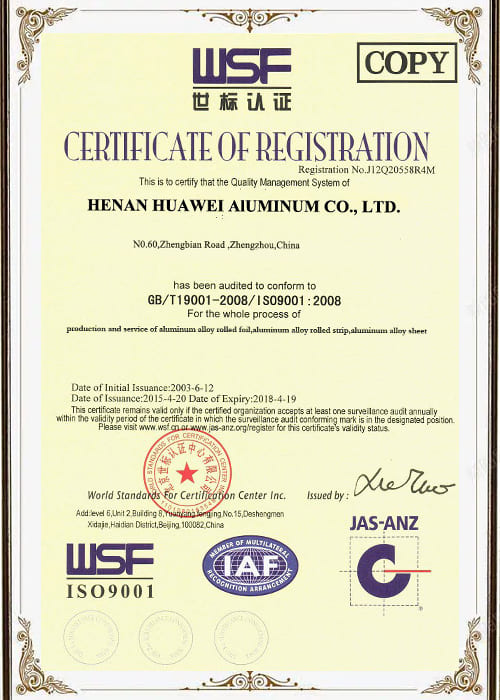
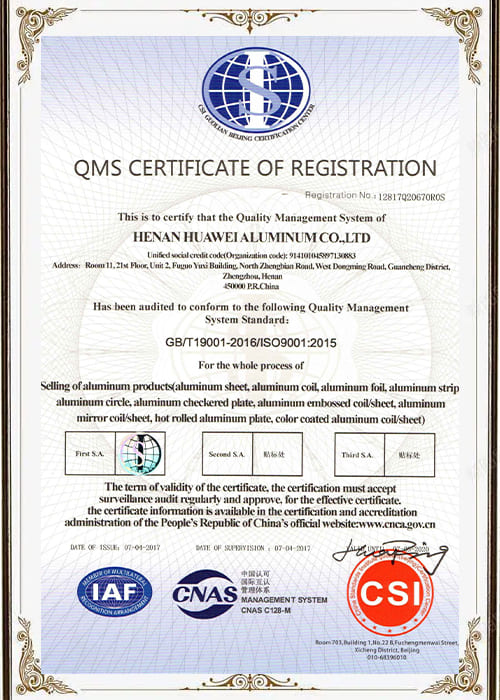
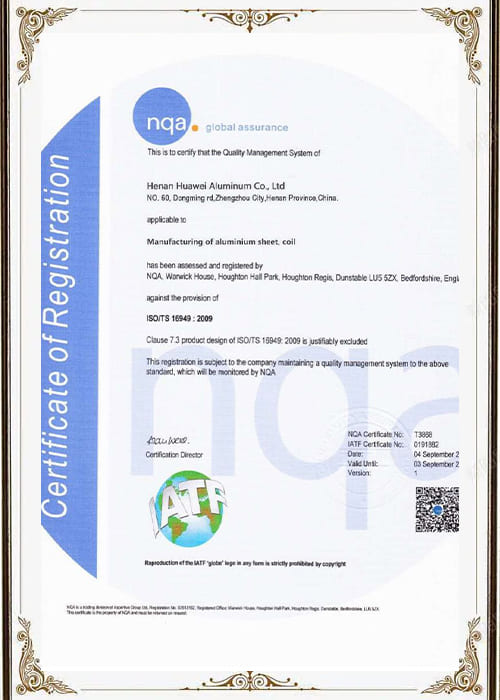
Huawei aluminiumsfolie pinhole test
Huaweis kontroll over hull i PTP-aluminiumsfolie
Tilpass risikoprofilen din og form film; Verdiene nedenfor gjenspeiler vanlig bransjepraksis for pharma PTP-lokk.
| Folietype | Tykkelse | Pinhole Count ≥ 0.3 mm | Pinhole Count 0,1–0,3 mm | Maks enkelt nålehull | Notater |
|---|---|---|---|---|---|
| 8079-O eller 8021-O PTP | 25 μm | 0 per m² | ≤ 3 per m² | < 0.5 mm | 8079/8021 valgt for bedre pinhole motstand |
| 8011-O PTP | 20–25 μm | 0 per m² | ≤ 5 per m² | < 0.5 mm | Det kreves strengere håndteringskontroller |
| Trykt/grunnet PTP | 20–25 μm | 0 per m² | ≤ 3 per m² | < 0.4 mm | Utskrift legger til stress – stram grensene |
Praktisk regel: Nulltoleranse for "kritiske" nålehull; stramme grenser for "store" nålehull; overvåke trender for "mikro" pinholes.
Hvordan pinholes påvirker PTP-aluminiumsfolieytelsen
PTP-foliens verdi ligger i tre nøkkelegenskaper: barrierebeskyttelse, forseglingsintegritet, og mekanisk styrke.
Nålehull på PTP aluminiumsfolie eroderer alle tre, med konsekvenser som spenner fra produktødeleggelse til sikkerhetsrisiko.
1. Barrierebeskyttelsessvikt
Den største risikoen for pinholes er ødelagt barrierebeskyttelse. PTP aluminiumsfolie er ment å blokkere oksygen og fuktighet - to faktorer som bryter ned de fleste medisiner.
Et enkelt nålehull, til og med 30 mikrometer bred, lar omgivelsesluft og fuktighet trenge inn i blisterpakningen.
For eksempel, en vitamin C-tablett som er lagret i en hullpåvirket blisterpakning, kan oksidere i løpet av uker, gulner og mister styrke.
Tilsvarende, fuktighet kan føre til at aspirin brytes ned til eddiksyre, fører til en eddiklignende lukt og redusert effektivitet.
Over tid, Dette sløser ikke bare lagerbeholdningen, men setter også pasienter i fare for å bruke ineffektive legemidler.

PTP aluminiumsfolie for farmasøytisk emballasje
2. Problemer med seglintegritet
PTP-folie er avhengig av en tett forsegling med blisterens plast (vanligvis PVC eller PET) å fange medisinen inne.
Nålehull nær tetningslinjen skaper "lekkasjebaner" som bryter denne forseglingen. Under transport, hvis pakkene blir skjøvet, tetningen rundt et nålhull kan åpne seg litt, slik at støv eller forurensninger kommer inn.
I ekstreme tilfeller, hele blemmen kan åpne seg, fører til tapte eller skadede piller.
For farmasøytiske selskaper, dette betyr kostbare tilbakekallinger – selv en liten batch med pinhole-relaterte forseglingsproblemer kan utløse regulatoriske handlinger, da det bryter med god produksjonspraksis (GMP).
3. Redusert mekanisk styrke
Mens PTP-folien er tynn, den trenger nok styrke til å motstå riving under åpning (når brukere skreller folien av blemmen).
Pinholes fungerer som stresspunkter: når kraft brukes for å åpne pakken, folien er mer sannsynlig å rive langs nålehullet, skaper større hull.
Dette gjør ikke bare pakken vanskeligere å bruke (brukere kan slite med å fjerne piller rent) men øker også sjansen for pilleskade—for eksempel, en myk gelkapsel kan sprekke hvis folien rives ujevnt.
Materialvalg som reduserer pinhole-risiko – fokusert, Datastøttet veiledning
Start med metallet. De fleste pinhole-problemer er "bakt inn" av legeringskjemi og måler før linjen din noen gang ser rullen.
Omformere kan redusere antall med forsiktig håndtering, men legering + tykkelse bestemmer din grunnlinjerisiko.

Effekt av pinholes på PTP aluminiumsfolie
1) Valg av legering (8079/8021 over 8011 for kritiske pakker)
- 8079-O og 8021-O er pharma arbeidshestene fordi de parer seg høy duktilitet med en ren inkluderingsprofil, så folien overlever kraftige reduksjoner uten mikrorivning.
- 8011-O er allment tilgjengelig og greit for mange OTC-produkter, men dens intermetalliske populasjon har en tendens til å øke pinhole tilbøyelighet på tynne målere.
Sammenlignende øyeblikksbilde (veiledende):
| Legering (Å temperament) | Relativ nålehullmotstand* | Typisk måler for PTP | Notater du kan bruke |
|---|---|---|---|
| 8079-O | Lav (beste) | 25 µm (20–25 µm) | Høy forlengelse; tett inkluderingskontroll; førsteklasses valg for fuktighetsfølsomme legemidler |
| 8021-O | Lav–middels | 25 µm (20–25 µm) | God duktilitet; robust i konvertering; bredt spesifisert i pharma |
| 8011-O | Medium | 20–25 µm | Kostnadseffektiv; akseptabelt med strengere håndtering og kvalitetskontroll |
*Relativ rangering avledet fra QA-datasett med flere anlegg hvor "store pinholes (≥0,1 mm)" kl 25 µm viser ~30–50 % lavere antall til 8079/8021 vs. 8011 under sammenlignbar rulleevne.
2) Valg av måler (den største enkeltspaken)
Pinhole-sannsynligheten øker ikke-lineært når måleren synker, fordi overflatedaler og inneslutninger forbruker mer av den gjenværende tykkelsen.
Hva brukerne faktisk ser (typiske dyktige møller):
| Måler | Forventede "store" nålehull (≥0,1–0,3 mm) | Akseptmål kan du skrive |
|---|---|---|
| 25 µm | ≤ 1–3 per m² (8079/8021), ≤ 3–5 per m² (8011) | ≤ 3 per m², null ≥0,3 mm |
| 20 µm | 2–6 per m² (8079/8021), 5–8 per m² (8011) | ≤ 5 per m², null ≥0,3 mm |
Tommelfingerregel: Flytter fra 20 µm → 25 µm skjærer store nålehull med ~40–70 % og forbedrer konverteringsutbyttet vesentlig.
3) Temperament og overflate (trykkvennlig, lavt stress)
- Bruk O temperament kun for PTP-lokk. Hardt temperament (H-, T-) bærer mer gjenværende stress og er pin-utsatt under trykk/pregetrykk.
- Foretrekker folier med jevn overflatetopografi (kontrollert Ra) og konsekvent matt/lys asymmetri. En glattere, feilfri rulleflate senker topptynning under nippet; spesifisere kosmetisk kvalitet uten rulleriper.
4) Laminat arkitektur (mekanisk robusthet uten å skjule feil)
- Lakkert PTP (folie + varmeforseglet lakk) er standarden. Den er helt avhengig av metallet for barriere—ethvert nålhull er en lekkasjebane.
- PET/folie/PE peel laminater legge til mekanisk seighet og kutt håndteringsindusert skade ved ~15–25 % i typiske linjer, men de ikke helbrede ekte nålehull i metalllaget.
- Kaldform Alu-Alu (danner nett): hvis du parer PTP-lokk med en aluminiumslomme, et sjeldent lokk med nålhull har mindre barrierepåvirkning (hulrommet er fortsatt metallbarriere), selv om den fortsatt vil mislykkes i kosmetiske/lekkasjetester.
PTP-folie vs lignende lokkalternativer
| Type lokk | Barriere mot fuktighet/O₂ | Pinhole Behavior | Åpningsmetode | Printing | Typisk bruk |
|---|---|---|---|---|---|
| PTP Al (20–25 μm) + HS lakk | Glimrende (folie er en sann barriere) | Pinhole-begrenset; må kontrollere teller | Trykk gjennom | Glimrende | Standard tabletter/kapsler |
| Papir/folie/PE laminat | Veldig bra; risiko for å fjerne kanter | Papirlag kan maskere små hull, men kantene blir kritiske | Skrelle | God | OTC-kort, store formater |
| PET/folie/PE laminat | Glimrende | Bedre mekanisk robusthet; hullrisiko hovedsakelig fra folielag | Skrelle | Glimrende | Barnesikret, høyere overgrep |
| Kaldform Alu-Alu | Utestående (3-side Al barriere) | Dekke pinholes mindre katastrofal; lommen er fortsatt Al | Skrelle | God | Svært fuktfølsomme legemidler |
Ta bort nøkkel: Hvis formingsbanen din er PVC eller PVC/PVDC, lokkende nålehull definerer pakningsbarrieren direkte. Med Alu-Alu, et sjeldent nålhull med lokk har mindre støt, men mislykkes fortsatt i utseendet og lekkasjetestene.
Vanlige spørsmål
Gjør primere og lakk "dekke" nålehull?
Ingen. Belegg forbedres forsegling og trykkvedheft, men de gjenoppretter ikke ekte metallbarriere der det er et gjennomgående hull.
Vil et tørkemiddel i kartongen kompensere?
Tørkemidler hjelper sekundær headspace, men et nålhull kan fortsatt slippe fukt inn i et spesifikt hulrom. Ikke stol på tørkemidler for å forskyve kritiske nålehull.
Hvorfor er det 25 μm foretrukket for sensitive produkter?
Tykkere folie reduserer hulltilbøyelighet og tåler konverterende påkjenninger bedre, forbedre prosessutbytte og holdbarhetsmargin.
Eliminerer kaldformet Alu-Alu problemet?
Det reduserer påvirkning av et sjeldent nålehull med lokk, fordi lommen er av aluminium, men du må fortsatt oppfylle visuelle krav og lekkasjekrav.
Konklusjon
Nålehull på PTP aluminiumsfolie gjør en perfekt metallbarriere til en lokal lekkasjebane. I PTP aluminiumsfolie, det betyr fuktighet og oksygeninntrengning stige akkurat der du minst ønsker det – på nettbrettnivå – noe som fører til fysiske endringer og stabilitetsrisiko.
Løsningen er grei: angi riktig legering og tykkelse, håndheve nullkritiske grenser, og kontrollere konverterende stress. Par rask optisk inspeksjon med en sensitiv laboratoriemetode, deretter resulterer trender slik at du fanger drift før stabilitet gjør det.
Hvis produktet ditt er svært fuktfølsomt, standardisere på 25 μm 8079-O/8021-O, beholde store pinholes ≤ 3 per m² (eller strammere), og valider ditt valg av formingsfilm.
Denne tilnærmingen gir konsistent pasientopplevelse, færre avvik, og en komfortabel holdbarhetsmargin – akkurat hva et godt PTP-system bør gjøre.