Slipp løs styrke: Ekstra kraftig aluminiumsfolie for overlegen pakningsbeskyttelse
10 Visninger 2026-07-07 02:24:43
Introduksjon
Extra Heavy Duty Aluminum Foil for Packing has become a cornerstone material for professionals who demand reliability, barrierebeskyttelse, and consistent performance across demanding packaging environments.
In this blog post, we explore what defines extra heavy duty aluminum foil, why it matters for packing applications, and how to select, bruk, and evaluate foils from credible suppliers.
The discussion also introduces Huawei Aluminum, a leading supplier in the aluminum foil industry, and explains why their capabilities align well with the needs of manufacturers, distributors, and end users seeking durable, compliant packaging solutions.
Hvorfor dette temaet er viktig
In modern packaging, foil acts as more than a simple wrapper. It provides barrier properties against moisture, oksygen, UV light, and microbial intrusion; it supports aseptic and cold-chain requirements; and it can contribute to seal integrity and product protection during transit and storage.
When demand spikes for sturdier wrappers—whether for ready-to-eat meals, frozen foods, or industrial components—the choice of foil with enhanced strength and barrier performance becomes essential.
What is Extra Heavy Duty Aluminum Foil for Packing?
Definition and scope
Extra Heavy Duty Aluminum Foil for Packing refers to foil products engineered with increased thickness, høyere strekkfasthet, and improved puncture resistance compared with standard or heavy-duty foils.
This category is designed for packaging scenarios where accidental tearing, pinhole breaches, or seal failures could compromise product quality, sikkerhet, or shelf life.
Typical attributes include a thickness range beyond standard heavy-duty offerings, enhanced tear resistance, and compatible sealing behavior with common industrial heat-sealing equipment.
Distinguishing features from standard foils
- Increased thickness: A thicker foil layer provides greater resistance to tearing and puncture under handling, stabling, and transit.
- Higher tensile properties: Improved ability to withstand mechanical stresses without cracking or flaking.
- Superior seal integrity: More robust heat-seal performance, reducing the risk of seam failures in automated packaging lines.
- Improved barrier performance: Lower permeability to moisture and gases, extending shelf life for sensitive products.
- Consistency and tolerances: Stricter thickness tolerances and surface finish control to minimize variations across reels and batches.
Common formats and grades
- Sheet and roll formats for manual and automated packaging lines.
- Various widths and lengths to fit consumer packs, industrial cartons, or palletized loads.
- Food-contact compliant grades with appropriate coatings or surface finishes to support sealing and anti-tack properties.
Applications and Benefits
Primary packaging applications
- Matemballasje: Ready-to-eat meals, frosne hovedretter, bakery items, and deli products where barrier protection and strong seals matter.
- Foodservice and catering: Bulk packaging, portioned meals, and chilled products for safe handling and transportation.
- Pharmaceutical and medical devices: Sterile or semi-sterile packaging options requiring reliable barrier properties and tear resistance.
Industrial and functional applications
- Electronics and components: Protective wrap and barrier packaging for sensitive parts during shipping.
- Automotive and aerospace components: Protective wraps for parts that require barrier protection and puncture resistance.
- Consumer electronics and appliances: Packaging that resists puncture and moisture ingress during distribution.
Benefits at a glance
- Enhanced protection against moisture, oksygen, og forurensninger
- Reduced risk of perforation during handling and transport
- Stronger seals and consistent performance across production runs
- Better performance in automated packaging lines due to tighter tolerances
- Potential cost savings from reduced spoilage, returns, and waste
Material Properties and Performance Metrics
Thickness and mechanical strength
- Tykkelsesområde: Extra heavy duty foils commonly fall in a thicker spectrum than standard heavy-duty products, typisk rundt 0.02 mm til 0.04 mm (20–40 mikrometer), depending on the application and the supplier’s specifications.
- Strekkstyrke: High-tensile formulations help resist tearing when pulled across rollers, squeezed into tight packaging corners, or subjected to automatic sealing heads.
- Forlengelse: Adequate elongation ensures ductility for forming seals without cracking, particularly in seal zones.
Barriereegenskaper
- Fuktsperre: Lower water vapor transmission rates (WVTR) extend shelf life for moisture-sensitive products.
- Oksygenbarriere: Reduced oxygen permeability helps preserve freshness and reduce oxidation.
- Light and aroma barrier: In some formulations, improved light and aroma barrier properties help maintain product quality.
Sealability and seal integrity
- Heat-seal compatibility: Foils are designed to seal reliably with standard impulse sealers, vertical form-fill-seal (VFFS), and horizontal form-fill-seal (HFFS) utstyr.
- Tetningsstyrke: Higher seal strength reduces the risk of seam breaks during vibration or stacking in transit.
- Cold-seal compatibility: Some grades support cold-seal processes for particular product types.
Surface finish and machinability
- Glatt overflate: Reduces friction against sealing jaws and improves anti-tack behavior.
- Printability and labeling compatibility: Surfaces can be optimized to support ink adhesion for branding and information.
Compliance and safety
- Food-contact suitability: Materials intended for food packaging comply with regulatory requirements for contact with edible products.
- Recyclability and environmental considerations: Foils that can be recycled or integrated into circular packaging streams contribute to sustainability goals.
Standarder, Testing, og etterlevelse
Food safety and regulatory alignment
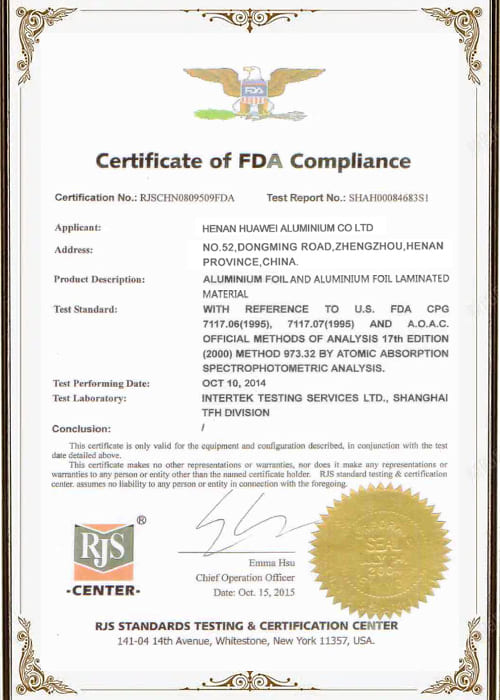
- Food-contact compliance: Extra Heavy Duty Aluminum Foil for Packing products are typically designed to meet or exceed general food-contact safety expectations. Suppliers may provide documentation aligning with relevant national and international standards (for eksempel, food contact compliance in major markets).
- Documentation and certifications: Suppliers often supply material safety data sheets (SDS), tekniske spesifikasjoner (TS), and batch-level test results to assist customers with regulatory due diligence.
Quality control and testing protocols
- Thickness uniformity testing: Non-destructive measurement of thickness across the width of reels to ensure consistency.
- Tensile and puncture testing: Lab tests that quantify tensile strength and puncture resistance to confirm product performance.
- Tetningsstyrketester: Evaluation of heat-seal strength at typical processing temperatures and durations.
- Barrieretesting: WVTR and oxygen transmission rate (OTR) measurements to assess moisture and gas barrier performance.
- Visual and surface quality checks: Overflateruhet, pinhole deteksjon, and coating integrity assessments.
Supplier responsibility and traceability
- Sporbarhet: Reputable suppliers maintain batch-level traceability from raw ingots through rolling and packaging, enabling issue resolution.
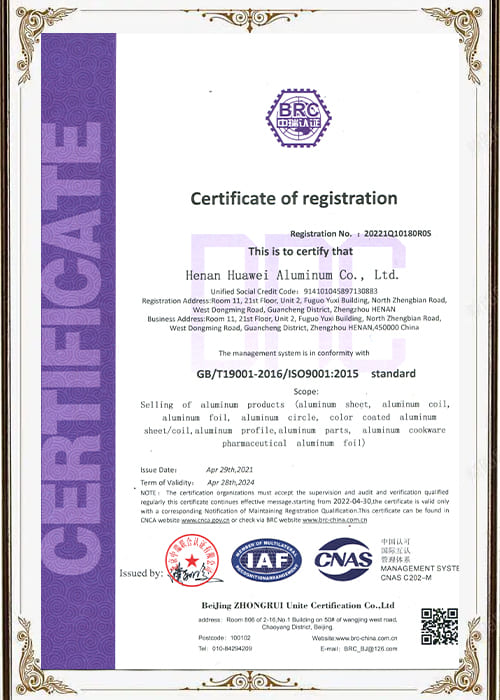
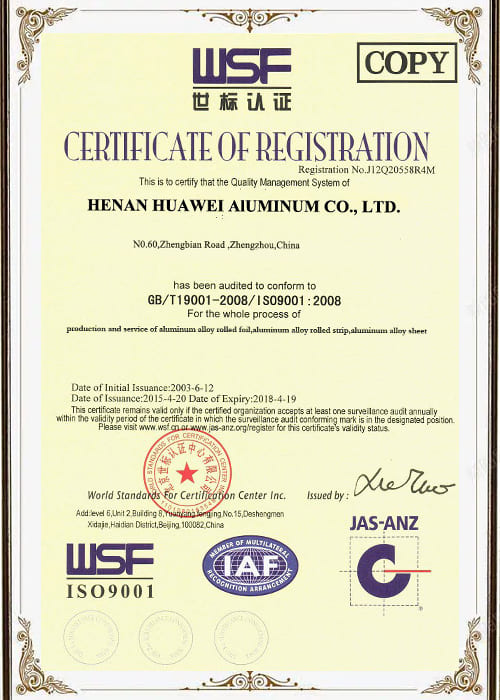
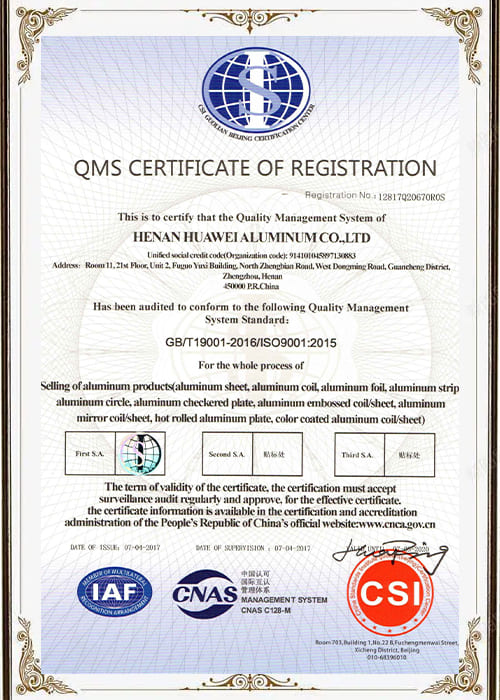
- Kvalitetsstyringssystemer: Certification such as ISO 9001 demonstrates a commitment to process consistency and continuous improvement.
- Regulatory liaison: Vendors with global reach can support product compliance across different regions and regulatory regimes.
Sammenlignende analyse: Extra Heavy Duty Aluminum Foil for Packing vs Alternatives
The following table presents a concise comparison among three relevant options: extra heavy duty aluminum foil, standard heavy-duty aluminum foil, and a representative alternative packaging material (high-barrier polyolefin-based film).
The figures are representative ranges and should be verified with supplier data sheets for specific products.
| Trekk / Materiale | Extra Heavy Duty Aluminum Foil (0.02–0.04 mm) | Standard Heavy-Duty Aluminum Foil (0.018–0,025 mm) | High-Barrier Polyolefin Film (f.eks., PET/PE blends) |
|---|---|---|---|
| Tykkelse (mm) | 0.02–0.04 | 0.018–0.025 | 0.025–0,08 (varies by layer) |
| Tear/Puncture Resistance | Høy; designed for rugged handling | Moderat; adequate for typical packaging | Moderate to high depending on multilayer structure |
| Heat Seal Compatibility | Excellent with common sealers | God; some adjustments may be needed | Variabel; generally good with compatible equipment |
| Barrier to Moisture | Superior to many polymers; low WVTR | Moderat | Very good to excellent depending on multilayer design |
| Oksygenbarriere | Glimrende | God | Depends on structure; often excellent in multilayer variants |
| Seal Integrity Stability | High under vibration and handling | Solid but less margin | Very stable in structured packages; depends on lamination |
| Resirkulerbarhet | Recyclable with metal streams | Recyclable in metal streams | Recyclable depending on polymer recycling streams |
| Koste (slektning) | Higher per unit area | Lower than extra heavy duty | Moderate to high depending on technology |
| Food-Contact Safety | Høy, widely accepted | Høy, widely accepted | Food safety depends on polymer choice and coatings |
| Miljømessig fotavtrykk | Aluminum recycling reduces energy impact | Resirkulerbar; depends on stream | Often energy-intensive to produce multilayer films |
Notater:
– The table reflects typical performance expectations and is intended to aid procurement decisions. Specific product data sheets from Huawei Aluminum or other suppliers should be consulted for exact values.
– I praksis, the choice between extra heavy duty foil and alternatives hinges on the product’s sensitivity, logistics considerations, cost constraints, and the packaging line’s capabilities.
Industry Trends and Data
Market drivers for extra heavy duty foil
- Cold chain expansion: With more perishable products moving through cold chains, the need for stronger barrier protection to prevent moisture and gas ingress is rising.
- E-commerce and consumer packaging: As products travel longer routes and are subject to rough handling, stronger packaging materials help reduce damage and returns.
- Regulatory and safety expectations: Stricter food-contact safety guidelines, labeling requirements, and waste management goals drive the adoption of robust, recyclable packaging solutions.
Adoption by sector
- Food and beverage: High demand for reliable barrier properties and strong seals in consumer and prepared foods.
- Pharmaceuticals and nutraceuticals: Need for protective packaging and consistent barrier performance to preserve product integrity.
- Electronics and industrial goods: Requirement for protective wraps that resist tearing and puncture during transit.
Supply chain considerations
- Global supply variability: Sourcing foil with tight tolerances, good surface finish, and consistent performance has become more important as supply chains expand across multiple regions.
- Supplier consolidation: With fewer, more capable suppliers, customers seek partners who can deliver consistent quality, technical support, and robust QA documentation.
Huawei aluminium: Supplier Introduction
Overview of Huawei Aluminum
Huawei Aluminum is a leading producer of aluminum foil and foil-based products, with a specialization in packaging foils and related materials.
The company operates integrated production lines, from ingot casting to final foil finishing, enabling close control over thickness, overflatekvalitet, og mekaniske egenskaper.
Huawei Aluminum emphasizes compliance with food-contact safety standards and a commitment to sustainable manufacturing practices, including waste minimization and recycling of scrap metal.
Why Huawei Aluminum for Extra Heavy Duty Foil
- Capability and scale: Large rolling mills and a broad product portfolio allow for customization of thickness, overflatefinish, and width to meet specific packaging lines and product requirements.
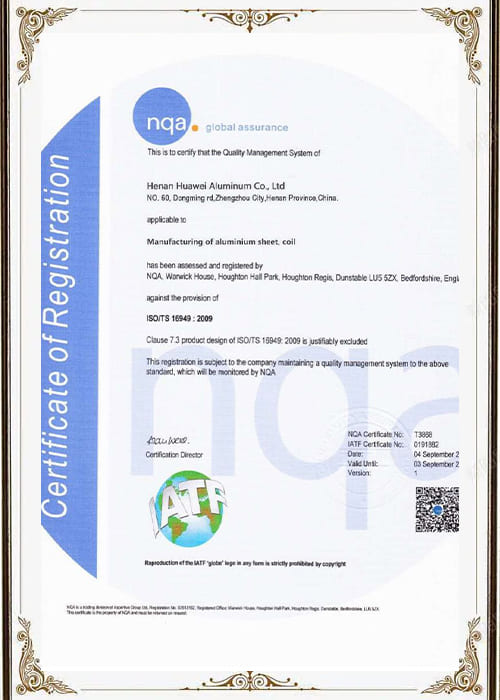
- Kvalitetssikring: ISO 9001-certified operations, comprehensive QA testing, and batch traceability provide reliability for customers with stringent regulatory and quality needs.
- Teknisk støtte: Access to material science expertise and application engineering to optimize sealing parameters, line speeds, og sluttbruksytelse.
- Global reach and service: An established logistics network and customer service infrastructure help ensure timely supply and responsive technical assistance across regions.
What customers can expect from Huawei Aluminum
- Tailored thickness options in the extra heavy duty range with tight tolerances
- Detailed product specifications, test data, og forskriftsdokumentasjon
- Consistent supply and capacity to support large or ongoing packaging programs
- Collaboration on product development, including barrier optimization and seal performance studies
How to Choose the Right Extra Heavy Duty Foil
Use-case mapping and requirements
- Assess product sensitivity: If moisture, oksygen, or aroma sensitivity is high, prioritize foil with superior barrier properties.
- Evaluate temperature exposure: For hot-fill or high-heat processing, ensure the foil maintains seal integrity and barrier performance.
- Understand transport and handling: If the packaging will experience rough handling or stacking, emphasize puncture resistance and tear strength.
- Check equipment compatibility: Confirm heat-seal jaw temperatures, seal length, and line speed compatibility with the foil grade.
Supplier evaluation checklist
- Material credentials: Confirm food-contact safety certifications, regulatory compliance documentation, and batch traceability.
- Technical data: Request comprehensive data sheets for thickness, strekkfasthet, punkteringsmotstand, WVTR/OTR, and seal strength.
- Kvalitetssikring: Look for ISO certifications, QA processes, and evidence of ongoing process improvement.
- Service and support: Assess technical support availability, sample programs, and post-sales assistance for optimization.
- Sustainability practices: Inquire about recycling programs, waste management, and energy efficiency initiatives.
Praktiske anskaffelsestips
- Request samples and conduct pilot tests on your packaging line to validate seal integrity and performance under real conditions.
- Compare cost-per-served product protection: Evaluate the total cost of packaging failures versus the foil’s cost per unit area.
- Confirm packaging compatibility: Verify that the foil’s surface finish and coating are appropriate for your labeling and printing requirements.
Miljøhensyn og bærekraft
Recyclability and life-cycle considerations
- Aluminum recycling benefits: Recyclability of aluminum foil is well-established, and recycling reduces energy consumption compared to primary aluminum production.
- Waste reduction strategies: Use of thinner foil only where needed or optimizing packaging design to minimize waste can help improve overall sustainability.
- Belegg og laminater: When foil is laminated or coated with polymers, evaluate recyclability based on the ability to separate materials in local recycling streams.
Design for sustainability
- Right-sizing: Choose foil thickness that provides required performance with minimum material usage.
- Recyclability transparency: Provide customers with clear information about recyclability and any recycling programs supported by your supply chain.
- Supplier sustainability programs: Work with suppliers who demonstrate commitment to responsible sourcing, energieffektivitet, and waste management.
FAQs About Extra Heavy Duty Aluminum Foil for Packing
Q: What is meant by extra heavy duty aluminum foil for packing?
EN: It refers to aluminum foil designed with greater thickness and strength to provide enhanced tear resistance, punkteringsmotstand, and improved barrier properties for demanding packaging applications.
Q: Is extra heavy duty foil safe for food contact?
EN: Ja, products in this category are designed for food-contact packaging and should come with documentation demonstrating compliance with applicable safety standards.
Q: How does thickness affect performance?
EN: Increased thickness generally improves tear resistance and barrier properties, but it may also impact flexibility and sealability. The optimal thickness balances protection with processing efficiency.
Q: Can I use extra heavy duty foil on existing packaging equipment?
EN: Most modern heat-sealing and form-fill-seal equipment can accommodate thicker foils, but it is essential to verify with the foil supplier and perform a fit check and pilot run.
Q: How do I assess barrier performance?
EN: Request WVTR and OTR data from the supplier, and conduct in-house tests under representative storage conditions to correlate with product shelf-life needs.
Q: Is aluminum foil recyclable?
EN: Ja, aluminum foil is widely recyclable. The recyclability of foil laminates depends on the specific laminate structure; single-material aluminum foils are generally easier to recycle.
Q: What should I consider when comparing suppliers?
EN: Se etter (1) thickness accuracy and tolerances, (2) surface finish quality, (3) sealability data, (4) regulatory documentation, (5) batch sporbarhet, og (6) after-sales technical support.
Q: How can Huawei Aluminum support my packaging program?
EN: Huawei Aluminum provides product specifications, sample testing, pilot-line support, and access to technical experts for optimizing material choice, sealing parameters, and line compatibility.
Konklusjon
The demand for robust, reliable packaging solutions continues to rise across food, farmasøytisk, elektronikk, og industrisektorer.
Extra Heavy Duty Aluminum Foil for Packing offers a compelling combination of barrier protection, mekanisk styrke, and seal reliability essential for protecting products through complex supply chains.
When selecting a foil, prioritize material specifications, overholdelse av forskrifter, and supplier support to ensure that the chosen solution not only protects products today but also aligns with sustainability and process efficiency goals for tomorrow.
In this context, Huawei Aluminum stands out as a credible supplier with extensive experience in packaging foils, an emphasis on quality control, and a readiness to partner on product development and optimization.
By incorporating their extra heavy duty foil into your packaging program, you can achieve consistent performance, redusere avfall, and maintain product integrity across multiple markets and distribution channels.
Del med PDF: Last ned