1. Panimula
When selecting aluminum sheet for engineering, gawa gawa lang, or manufacturing applications, one of the most common questions is: “How thick is 16 gauge aluminum sheet?"
Although gauge sizes are widely used in North America, many buyers and engineers mistakenly assume that gauge values are standardized across metals. In reality, gauge thickness varies by material, and for aluminum, 16 gauge corresponds to a nominal thickness of 0.0508 pulgada (1.29 mm).
This article provides an authoritative and data-backed analysis of 16 gauge aluminum sheet thickness, the science behind gauge systems, nakakaimpluwensya sa mga kadahilanan, mga aplikasyon, benefits, Mga limitasyon, and practical measurement guidance.

How thick is 16 gauge aluminum sheet
2. Understanding Metal Gauge Standards
What is a Metal Gauge?
A “gauge” is a historical measurement system for metal sheet and wire thickness, characterized by an inverse relationship: higher gauge numbers correspond to thinner materials.
Originating from the 19th-century Browne & Sharpe (B&S) gauge system (adopted as the North American standard), it was initially developed for wire but later extended to sheet metals.
Unlike metric units (millimeters/inches), gauge is not linear—thickness decreases logarithmically as gauge increases.
A key caveat: gauge values are material-specific—16 gauge aluminum, bakal na bakal, and galvanized steel have different thicknesses due to variations in density and manufacturing requirements.
Gauge Standards for Aluminum Sheets
The primary authoritative standard for aluminum sheet thickness is ASTM B209 (Standard Specification for Aluminum and Aluminum-Alloy Sheet and Plate), published by ASTM International.
This standard harmonizes gauge-to-thickness conversions for aluminum and specifies tolerance ranges to ensure consistency across manufacturers.
Dagdag pa, global standards such as EN 485 (European) and GB/T 3880 (Chinese) align closely with ASTM B209 for 16 sukatan ng sukat, minimizing regional discrepancies.
16 Gauge Aluminum Sheet Thickness
Per ASTM B209-23 (the latest revision as of 2023), the nominal thickness of 16 gauge aluminum sheet is defined as 0.0508 pulgada (1.29032 milimetro).
This value is derived from the Browne & Sharpe (B&S) gauge system, which was formalized in the late 19th century and adopted as the North American standard for non-ferrous metals (aluminyo, tanso, brass).
For practical industrial use, this thickness is often rounded to two decimal places for millimeters (1.29 mm) or three for inches (0.051 pulgada), but precision matters in critical applications—here’s the full range of unit conversions for accuracy:
- Imperial units: 0.0508 sa (exact) = 50.8 mils (1 mil = 0.001 pulgada; a common industrial unit for thin sheets)
- Metric units: 1.29032 mm (exact) = 1290.32 mga micron (M) = 0.129032 sentimetro (cm)
- Fractional inches: ~1/20 inch (0.05 pulgada) – a rough reference for DIY and non-precision applications, but not recommended for engineering use.
Notably, this standard is globally harmonized:
- Pamantayan ng Europa EN 485-2 (Aluminum and aluminum alloy sheet, strip and plate – Dimensions and tolerances) aligns to within ±0.005 mm of ASTM B209, specifying 16 gauge aluminum as 1.29 mm.
- Chinese standard GB/T 3880.3-2012 (Aluminum and aluminum alloy sheets and plates – Part 3: Tolerances on dimensions and form) also adopts 1.29 mm as the nominal thickness, with tolerance ranges matching ASTM’s Class A (tight tolerance) for commercial-grade sheets.
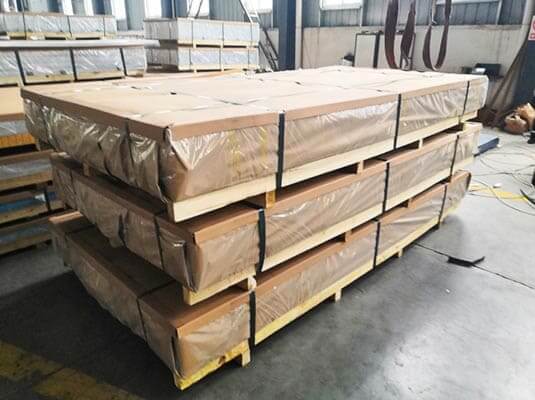
Huawei 16 gauge aluminum sheet
3.Tolerance Ranges of 16 Gauge Aluminum Sheet
ASTM B209 specifies two primary tolerance classes for 16 gauge aluminum sheet, depending on the application’s precision requirements.
These tolerances account for minor variations in rolling, paggamot ng init, and alloy distribution—critical for ensuring compatibility in assembly and performance:
| Tolerance Class (ASTM B209) | Application Scope | Saklaw ng Kapal (mm) | Allowable Deviation (±) | Actual Thickness Range for 16 Sukatan ng sukat |
|---|---|---|---|---|
| Class A (Tight Tolerance) | Precision engineering, aerospace, automotive structural components | 0.10–2.00 mm | 3% of nominal thickness | 1.2516–1.3290 mm (0.0493–0.0523 in) |
| Class B (Commercial Tolerance) | Konstruksyon, consumer goods, DIY projects | 0.10–2.00 mm | 5% of nominal thickness | 1.2258–1.3551 mm (0.0483–0.0533 in) |
For context:
- Purong aluminyo (1000 serye ng mga, hal., 1100-O kahinahunan) typically adheres to Class A tolerance, kasama ang (actual measured) thicknesses averaging 1.28–1.30 mm in bulk production (data from 5 major North American aluminum suppliers: Alcoa, Novelis, Aluminyo ng Kaiser, Konstelyum, and Arconic).
- Alloyed aluminum (3003-H14, 5052-H32, 6061-T6) often falls under Class B, as alloying elements (mangganeso, magnesiyo, Silicon) can cause slight unevenness during rolling. Halimbawa na lang, 6061-T6 16 gauge sheets from Novelis have a measured thickness range of 1.27–1.34 mm, while 5052-H32 sheets from Alcoa average 1.26–1.33 mm.
4. Factors Influencing Gauge Thickness in Aluminum Sheets
While ASTM B209 defines the baseline, three key factors cause nominal variations in 16 gauge aluminum sheet thickness:
Material Type and Purity
- Purong aluminyo (1000 serye ng mga: 1050, 1100): 99%+ aluminyo nilalaman, adheres most closely to the 1.29 mm standard with a tolerance of ±3% (1.25–1.33 mm). Purity minimizes internal structural inconsistencies, ensuring uniform thickness.
- Alloyed aluminum (3003, 5052, 6061): Minor deviations (±4–5%) occur due to alloying elements (mangganeso, magnesiyo, Silicon). Halimbawa na lang:
- 3003 16 sukatan ng sukat: 1.28–1.35 mm (manganese enhances corrosion resistance without significant thickness shift)
- 6061-T6 16 sukatan ng sukat: 1.27–1.34 mm (heat treatment for strength slightly compacts the material)
- High-strength alloys (5083, 7075): Rarely produced in 16 sukatan ng sukat, but if so, thickness may reach 1.30–1.40 mm to compensate for alloy density increases.
Manufacturing Processes
- Malamig na pagulong: The dominant method for 16 gauge aluminum sheets, producing tight thickness tolerances (±0.02 mm). Cold rolling compacts the metal at room temperature, ensuring uniform grain structure and minimal thickness variation.
- Mainit na pagulong: Used for large-format sheets, but results in wider tolerances (±0.05 mm) due to thermal expansion during processing. Hot-rolled 16 gauge sheets often measure 1.25–1.35 mm.
- Annealing: Post-rolling heat treatment (300–400°C) reduces internal stress but causes <1% thickness reduction (hal., 1.29 mm → 1.28 mm), negligible for most applications.
Mga Coatings at Finishes
Coatings add minimal thickness that does not alter the “16 gauge” classification (gauge refers to base metal thickness):
- Pagpapahid ng langis: Creates an oxide layer (2–10 microns = 0.002–0.01 mm), so total thickness becomes 1.292–1.30 mm.
- Patong ng pulbos: Thicker (50–100 microns = 0.05–0.10 mm), total thickness 1.34–1.39 mm, but base metal remains 1.29 mm.
- Paint/laminates: 10–30 microns (0.01–0.03 mm) added thickness, irrelevant to gauge designation.
5. Aluminum Sheets Gauge Chart
| Sukatan ng sukat | Ang kapal (pulgada) | Ang kapal (mm) | Typical Tolerance (mm) |
|---|---|---|---|
| 10 | 0.1019 | 2.588 | ±0.05 |
| 12 | 0.0808 | 2.052 | ±0.05 |
| 14 | 0.0641 | 1.628 | ±0.05 |
| 16 | 0.0508 | 1.290 | ±0.05 |
| 18 | 0.0403 | 1.024 | ±0.04 |
| 20 | 0.0320 | 0.813 | ±0.03 |
| 22 | 0.0253 | 0.643 | ±0.03 |
| 24 | 0.0201 | 0.511 | ±0.02 |
| 26 | 0.0159 | 0.404 | ±0.02 |
| 28 | 0.0126 | 0.321 | ±0.01 |
| 30 | 0.0100 | 0.254 | ±0.01 |
Key Notes
- Gauge vs Thickness: Aluminum gauge values differ from steel or stainless steel; always specify thickness in mm or inches for clarity.
- Pagpaparaya: Thicker sheets generally allow slightly larger tolerances; precision applications may require ±0.03 mm.
6. Mga aplikasyon ng 16 Gauge Aluminum Sheets
16 gauge aluminum sheets, with a nominal thickness of 1.290 mm (0.0508 sa), offer an excellent balance of lakas ng loob, pagiging formable, and lightweight characteristics, making them widely applicable across multiple industries. Below is a detailed analysis of their practical applications:
Konstruksyon at Arkitektura
- Exterior cladding and facades: 16 ga provides enough rigidity for panels while remaining easy to install and form.
- Roofing and soffits: Its corrosion resistance and mid-level thickness make it ideal for exposed areas.
- Window and door frames: Balances structural integrity with lightweight design.
- Partitions and interior panels: Easy to cut and fabricate for decorative or functional purposes.
Bakit nga ba 16 ga: Strong enough to withstand wind load and handling, yet light enough for cost-effective installation.

16 sukatan ng sukat 3003 aluminyo sheet para sa konstruksiyon
Automotive and Aerospace Industries
- Body panels and sub-panels: Used in mid-structural areas where light weight and moderate strength are needed.
- Heat shields and underbody components: Aluminum’s thermal conductivity and corrosion resistance are advantageous.
- Interior trim panels: Allows complex forming for ergonomic and aesthetic designs.
Key point: 16 gauge offers good stiffness-to-weight ratio, reducing vehicle mass and improving fuel efficiency.
Industrial and Manufacturing Applications
- Machine enclosures and guards: Protect machinery and operators while being easy to assemble.
- Electrical cabinets and panels: Provides structural support, paglaban sa kaagnasan, and ease of machining for cutouts.
- HVAC components: Mga Panel, ducting, and housings benefit from mid-thickness for rigidity without excessive weight.
- Conveyor and industrial framework: Adequate load-bearing capacity for moderate industrial loads.
Practical consideration: 16 ga allows welding, riveting, and bending without requiring heavy-duty tooling.
Household and Consumer Goods
- Appliance panels: Refrigerators, ovens, and air conditioners often use 16 ga sheets for mid-structural panels.
- Storage units and shelving: Light but strong enough for household loads.
- Toolboxes and cabinets: Balance between durability and portability.
Bakit nga ba 16 ga: Provides durability and corrosion resistance without unnecessary bulk.
DIY, Crafting, and Small-Scale Fabrication
- Metalworking projects: Custom signage, mga pandekorasyon na panel, and model fabrication.
- Furniture components: Lightweight yet stiff enough for frames or decorative inlays.
- Prototyping and maker projects: Madaling i cut, form, and join using standard workshop tools.
Benefit: Its moderate thickness makes it ideal for hobbyists and small manufacturers needing strength without heavy equipment.
7. Benefits of 16 Gauge Aluminum Sheets
- Superior strength-to-weight ratio: 1.29 mm thickness offers tensile strength (110–276 MPa) while weighing 2.7 g/cm³—70% lighter than 16 gauge steel (7.85 g/cm³).
- Exceptional corrosion resistance: Natural oxide layer (0.0001–0.0002 mm) forms on the surface, eliminating rust; alloyed variants (5052) resist saltwater and chemicals.
- Napakahusay na formability: Minimum bend radius of 1.5× thickness (1.94 mm) allows tight curves without cracking; can be stamped, hinangin, and drilled.
- Thermal/electrical conductivity: 220 W/m·K thermal conductivity (60% ng tanso) at 377 S/m electrical conductivity—ideal for heat sinks and wiring.
- Pagiging epektibo ng gastos: Balances material usage and performance; 16 gauge aluminum costs 30–50% less than thicker gauges (hal., 14 sukatan ng sukat) while meeting most non-structural needs.
- Tibay ng buhay: Resists dents and deformation under moderate stress; lifespan of 20–30 years in outdoor applications.
8. Limitations of 16 Gauge Aluminum Sheets
- Low load-bearing capacity: Unsuitable for structural applications (hal., mga frame ng gusali) due to tensile strength limitations (.max 276 MPa for 6061-T6). Thicker gauges (12–14 gauge) or steel are required for heavy loads.
- Denting risk: Prone to permanent deformation under high impact (hal., Mag-ulan ng yelo, heavy tools)—not ideal for high-traffic areas without protective coatings.
- Welding challenges: Purong aluminyo (1100 serye ng mga) requires specialized techniques (TIG welding) to avoid porosity; alloyed variants (6061) are more weldable but still demand skill.
- Temperature sensitivity: Loses strength at temperatures above 150°C (tensile strength drops by 30% at 200°C)—not suitable for high-heat applications (hal., furnace liners).
- Cost vs. bakal na bakal: 16 gauge aluminum costs 2–3× more than 16 gauge steel, making it less economical for large-scale structural projects.
9. Comparison of 16 Gauge with Other Gauges
To highlight the unique positioning of 16 gauge aluminum, below is a comprehensive comparison with adjacent gauges (14–18 gauge) across key performance and practical metrics, all aligned with ASTM B209:
| Tampok | 14 Gauge Aluminum | 15 Gauge Aluminum | 16 Gauge Aluminum | 17 Gauge Aluminum | 18 Gauge Aluminum |
|---|---|---|---|---|---|
| Ang kapal (mm) | 1.63 | 1.45 | 1.29 | 1.15 | 1.02 |
| Ang kapal (Mga Pulgada) | 0.0641 | 0.0571 | 0.0508 | 0.0453 | 0.0403 |
| Timbang (kg/sq m) | 1.61 | 1.42 | 1.25 | 1.12 | 1.02 |
| Timbang (lb/sq ft) | 0.33 | 0.29 | 0.26 | 0.23 | 0.21 |
| Lakas ng Paghatak (MPa) (6061-T6) | 276 | 276 | 276 | 276 | 276 |
| Lakas ng Paghatak (MPa) (1100-O) | 120 | 115 | 110 | 105 | 100 |
| Minimum Bend Radius (mm) | 2.45 (1.5× thickness) | 2.18 (1.5× thickness) | 1.94 (1.5× thickness) | 1.73 (1.5× thickness) | 1.53 (1.5× thickness) |
| Epekto ng Paglaban (J) (ASTM D2794) | 35 | 28 | 20 | 15 | 12 |
| Thermal kondaktibiti (W/m·K) | 220 | 220 | 220 | 220 | 220 |
| Cost Relative to 16 Sukatan ng sukat | +35% | +18% | Batayan (100%) | -15% | -28% |
| Key Advantages | High load-bearing capacity, tibay ng katawan | Balanced strength/weight ratio | Versatile, cost-effective, optimal formability | Magaan ang timbang, may kakayahang umangkop, low material usage | Ultra-thin, low-cost, easy to cut/form |
| Mga Karaniwang Aplikasyon | Structural brackets, heavy equipment panels, roofing supports | Medium-duty enclosures, automotive chassis components, marine trim | Mga pandekorasyon na panel, body parts, mga enclosure ng kuryente, Mga kagamitan sa pagluluto | Electronics housings, thin signage, HVAC ducts | Crafts, temporary structures, hobby projects, lightweight trim |
| Mga Limitasyon | Less flexible, higher material cost | Marginally more expensive than 16 sukatan ng sukat | Low load-bearing for structural use | Prone to denting, limited durability | High deformation risk, low impact resistance |
10. Measurement and Verification of 16 Gauge Aluminum Sheet Thickness
Tools for Measuring Thickness
- Digital micrometer (best accuracy ±0.001 mm)
- Calipers (±0.02 mm accuracy)
- Ultrasonic thickness gauge (for coated sheets)
- X-ray film thickness gauges (industrial QC)
Importance of Tolerances
ASTM B209 typically allows:
- ±0.003 in (±0.076 mm) variance for this thickness range
Knowing tolerances prevents rejection of acceptable materials.
Impact of Coatings on Perceived Thickness
Halimbawa:
A sheet with 1.29 mm metal thickness + 20 µm anodized layer on each side becomes:
1.29 mm + 0.04 mm = 1.33 mm total apparent thickness
Measurement tools must account for coating type and hardness.
11. Pangwakas na Salita
16 gauge aluminum sheet provides a nominal thickness of 0.0508 pulgada (1.29 mm), offering a strong balance of rigidity, magaan ang timbang, and manufacturability.
Extensive usage across architecture, automotive, aerospace, pang-industriya, and consumer sectors demonstrates its versatility.
By considering alloy type, Mga patong, tolerances, and measurement method, engineers and buyers can ensure material accuracy and optimal performance in real-world applications.
Mga FAQ
1. Is 16 gauge aluminum the same thickness as 16 gauge steel?
Hindi. 16 gauge aluminum is 0.0508 sa (1.29 mm) per ASTM B209, habang ang 16 gauge mild steel is 0.0598 sa (1.52 mm) (ASTM A36) and galvanized steel is 0.0635 sa (1.61 mm) (ASTM A653).
2. Do different aluminum alloys affect 16 gauge thickness?
Oo nga, but minimally. Purong aluminyo (1000 serye ng mga) adheres closest to 1.29 mm (±3% tolerance), while alloyed aluminum (3003/5052/6061) has slight deviations (±4–5%). Halimbawa na lang, 6061-T6 16 gauge sheets measure 1.27–1.34 mm, and 5052-H32 measures 1.26–1.33 mm—all within ASTM B209 Class B tolerance.
3. Does coating thickness count toward 16 gauge classification?
Hindi. Gauge refers exclusively to the base metal thickness. Mga Coatings (pag anod ng, patong ng pulbos) add 0.002–0.10 mm to total thickness but do not change the gauge designation. Always measure base metal thickness (via coating-compensated tools) to verify 16 gauge compliance.
Proseso ng paghahagis ng produksyon at ang pagpapakilala nito
Ang layunin ng pagtunaw at paghahagis ay upang makabuo ng mga haluang metal na may kasiya siyang komposisyon at mataas na kadalisayan ng matunaw, upang lumikha ng mga kanais nais na kondisyon para sa paghahagis ng mga haluang metal ng iba't ibang mga hugis.
Mga hakbang sa proseso ng pagtunaw at paghahagis: mga ka batch --- pagpapakain --- natutunaw na --- pagpapakilos pagkatapos matunaw, pag alis ng slag --- sampling bago ang pagsusuri --- pagdaragdag ng haluang metal upang ayusin ang komposisyon, nakakapukaw ng damdamin --- pagpipino --- static na Setting——Guide furnace casting.
Mainit na proseso ng produksyon ng pagulong at ang pagpapakilala nito
- 1. Mainit na pagulong sa pangkalahatan ay tumutukoy sa paggulong sa itaas ng metal recrystallization temperatura;
- 2. Sa panahon ng mainit na proseso ng pagulong, ang metal ay may parehong mga proseso ng pagpapatigas at paglambot. Dahil sa impluwensya ng bilis ng pagpapapangit, basta huli na ang recovery at recrystallization process, magkakaroon ng tiyak na gawaing pagpapatigas;
- 3. Ang recrystallization ng metal pagkatapos ng mainit na pagulong ay hindi kumpleto, na ang ibig sabihin ay, ang magkakasamang buhay ng recrystallized istraktura at deformed istraktura;
- 4. Ang mainit na pagulong ay maaaring mapabuti ang pagganap ng pagproseso ng mga metal at haluang metal, bawasan o alisin ang mga depekto sa paghahagis.
- 1. Ang temperatura ng paghahagis at pagulong ay karaniwang nasa pagitan ng 680 o C at 700 o C. Ang mas mababa ang mas mahusay na, Ang matatag na paghahagis at rolling line ay karaniwang tumitigil nang isang beses sa isang buwan o higit pa upang muling tumayo. Sa panahon ng proseso ng produksyon, kinakailangang mahigpit na kontrolin ang antas ng likido ng front tank upang maiwasan ang mababang antas ng likido;
- 2. Ang pagpapadulas ay gumagamit ng C powder na may hindi kumpletong pagkasunog ng gas para sa pagpapadulas, na isa rin sa mga dahilan ng maruming ibabaw ng casting at rolling materials;
- 3. Ang bilis ng produksyon ay karaniwang sa pagitan ng 1.5m / min-2.5m / min;
- 4. Ang kalidad ng ibabaw ng mga produkto na ginawa sa pamamagitan ng paghahagis at paggulong ay karaniwang medyo mababa, at sa pangkalahatan ay hindi maaaring matugunan ang mga produkto na may espesyal na pisikal at kemikal na mga kinakailangan sa pagganap.
- 1. Ang malamig na pagulong ay tumutukoy sa paraan ng paggulong ng produksyon sa ibaba ng temperatura ng recrystallization;
- 2. Hindi magkakaroon ng dynamic na recrystallization sa panahon ng proseso ng paggulong, at ang temperatura ay tataas sa temperatura ng pagbawi sa karamihan, at ang malamig na paggulong ay lilitaw sa isang trabaho hardening estado, at ang trabaho hardening rate ay magiging malaki;
- 3. Ang malamig na ginulong sheet at strip ay may mataas na dimensional na katumpakan, magandang kalidad ng ibabaw, unipormeng istraktura at pagganap, at mga produkto sa iba't ibang estado ay maaaring makuha sa heat treatment;
- 4. Malamig na pagulong ay maaaring i roll out manipis na strips, pero sabay sabay, ito ay may mga disadvantages ng mataas na pagkonsumo ng enerhiya para sa pagpapapangit at maraming mga pasa sa pagproseso.
- 1. Ang pagtatapos ay isang paraan ng pagproseso upang matugunan ng malamig na ginulong sheet ang mga kinakailangan ng customer, o upang mapadali ang kasunod na pagproseso ng produkto;
- 2. Ang mga kagamitan sa pagtatapos ay maaaring iwasto ang mga depekto na ginawa sa mainit na pagulong at malamig na proseso ng produksyon, tulad ng basag na gilid, may langis na, mahina ang hugis ng plato, natitirang stress, atbp. Kailangan nitong tiyakin na walang iba pang mga depekto na dinala sa proseso ng produksyon;
- 3. Mayroong iba't ibang mga kagamitan sa pagtatapos, pangunahin kabilang ang cross-cutting, pagputol ng hiwa, pag unat at pagtutuwid, annealing furnace, mga slitter, atbp.
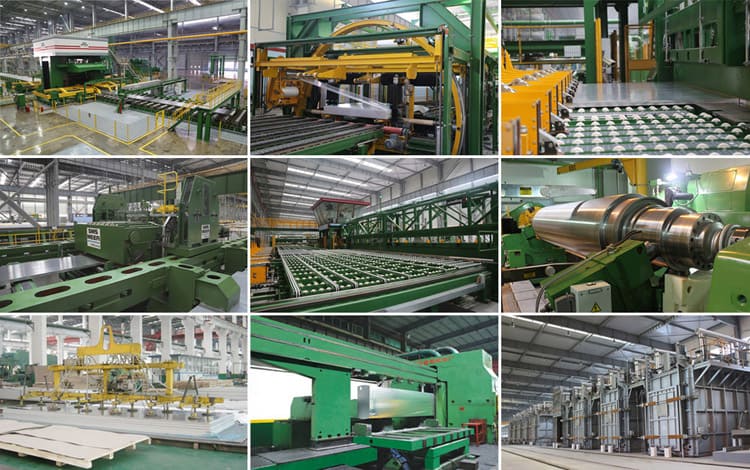
Proseso ng paghahagis at paggulong
Proseso ng paghahagis at paggulong: likidong metal, kahon sa harap (Kontrol sa antas ng likido), paghahagis at rolling machine (sistema ng pagpapadulas, paglamig ng tubig), paggupit ng makina, makina ng pag coiling.
Malamig na proseso ng produksyon ng pagulong
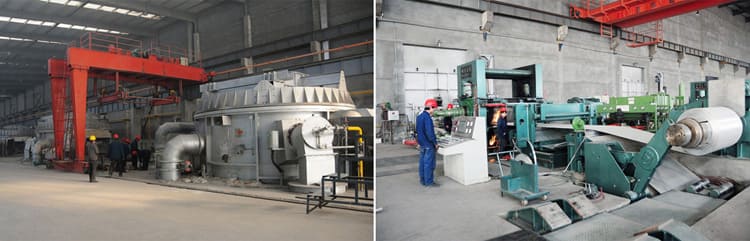
Panimula sa pagtatapos ng proseso ng produksyon
Aluminyo haluang metal ay may mga katangian ng mababang density, magandang mekanikal na katangian, magandang pagganap ng pagproseso, di nakakalason, madaling i recycle, mahusay na electrical kondaktibiti, paglipat ng init at paglaban sa kaagnasan, kaya ito ay may malawak na hanay ng mga application.
Aerospace: ginagamit upang gumawa ng mga balat ng sasakyang panghimpapawid, mga frame ng fuselage, mga girder, mga rotors, mga propeller, mga tangke ng gasolina, mga panel ng pader at mga struts ng landing gear, pati na rin ang rocket forging rings, mga panel ng pader ng spacecraft, atbp.
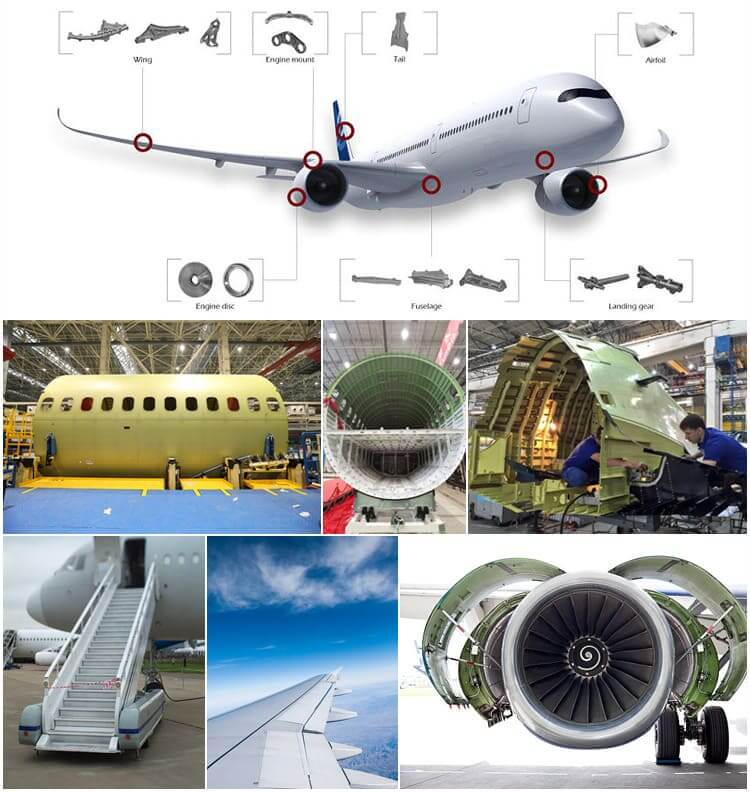
Aluminyo haluang metal na ginagamit para sa aerospace
Transportasyon: ginagamit para sa kotse katawan istraktura materyales ng mga sasakyan, Mga Sasakyan ng Subway, mga kotse ng pasahero ng tren, mabilis na mga kotse ng pasahero, mga pinto at bintana, mga istante, mga bahagi ng automotive engine, mga aircon, mga radiator, mga panel ng katawan, mga gulong at mga materyales ng barko.
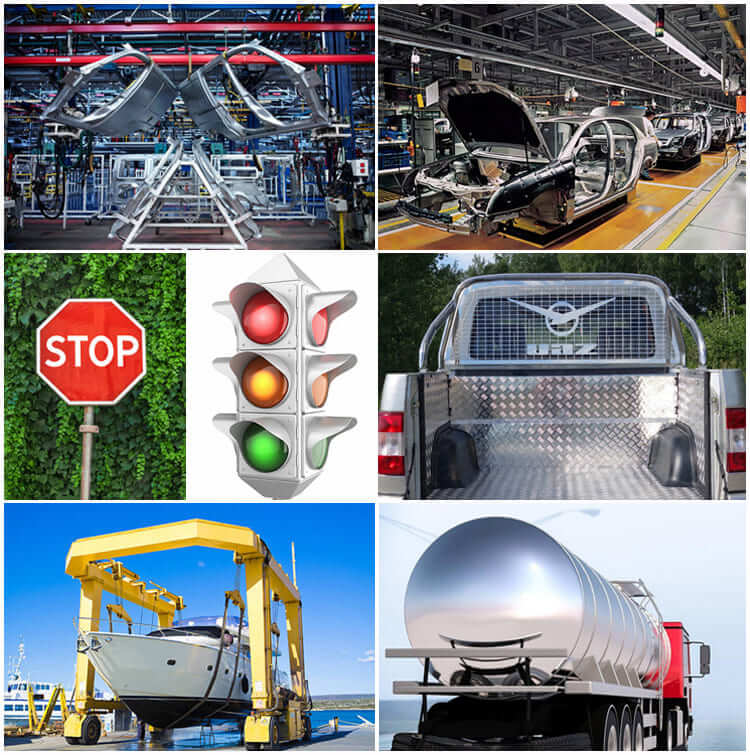
Application ng trapiko
Packaging: Ang lahat ng aluminyo pop lata ay pangunahing ginagamit bilang mga materyales sa packaging ng metal sa anyo ng mga manipis na plato at foils, at ginagawang lata, mga takip, mga bote, mga bariles, at packaging foils. Malawakang ginagamit sa packaging ng mga inumin, pagkain, mga pampaganda, mga gamot, mga sigarilyo, mga produktong pang industriya, mga gamot, atbp.
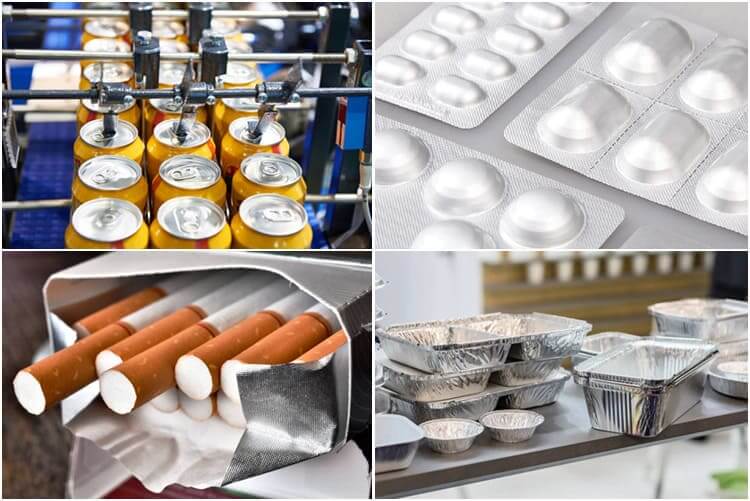
Application ng packaging
Pag-print: Pangunahing ginagamit upang gumawa ng PS plates, ang mga PS plate na nakabase sa aluminyo ay isang bagong uri ng materyal sa industriya ng pag print, ginagamit para sa awtomatikong paggawa ng plato at pag print.
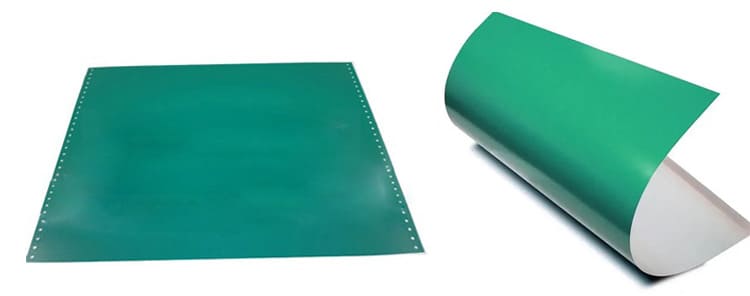
Pag print ng PS
Dekorasyon ng arkitektura: aluminyo haluang metal ay malawakang ginagamit sa mga istraktura ng gusali, mga pinto at bintana, suspendido ang mga kisame, pandekorasyon na ibabaw, atbp. dahil sa magandang kaagnasan nito paglaban, sapat na lakas, mahusay na pagganap ng proseso at pagganap ng hinang.
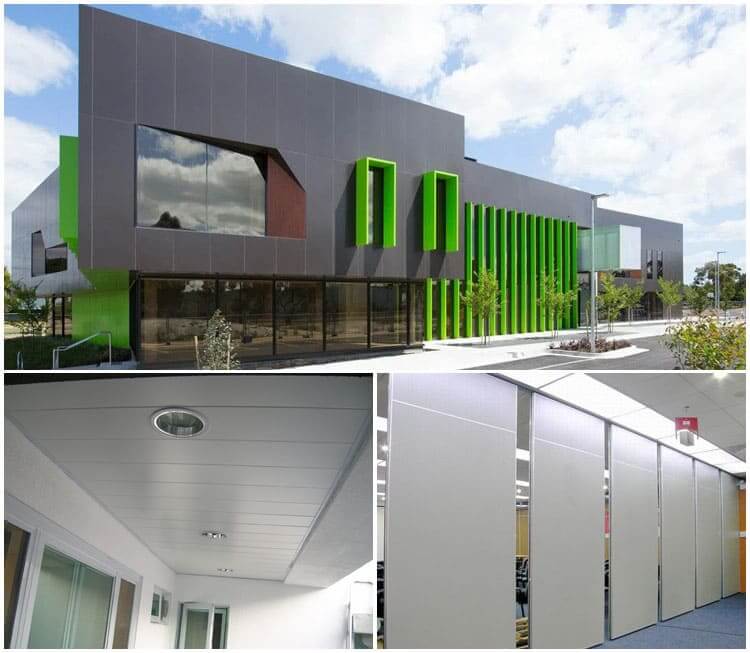
Application ng konstruksiyon ng haluang metal ng aluminyo
Mga produktong elektroniko: mga computer, mga mobile phone, mga shell ng refrigerator, mga radiator, atbp.
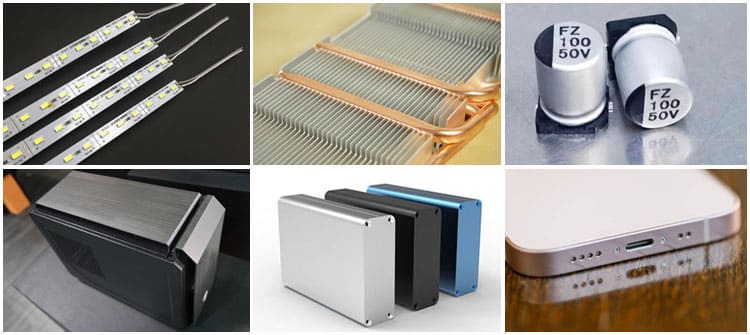
Electronic application ng produkto
Mga gamit sa kusina: mga kaldero ng aluminyo, aluminyo basins, mga liner ng rice cooker, sambahayan aluminyo foil, atbp.
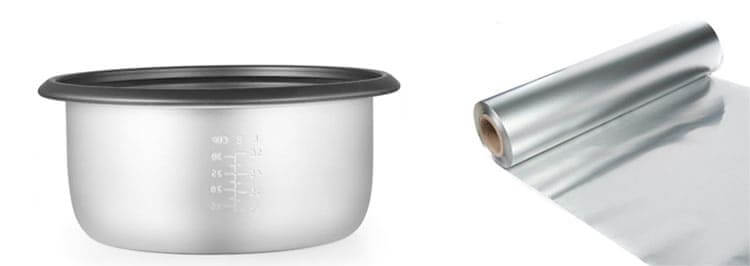
Application ng kusina
Packaging Ng Aluminum Sheet / Coil
Ang bawat detalye ng packaging ay kung saan namin ituloy ang perpektong serbisyo. Ang aming proseso ng packaging sa kabuuan ay ang mga sumusunod:
Paglalamina: malinaw na pelikula, asul na pelikula, mikro-mucosal, mataas na mucosal, laser pagputol ng pelikula (2 mga tatak, Novacell at Polyphem);
Proteksyon: mga tagapagtanggol ng sulok ng papel, mga pads laban sa presyon;
pagpapatayo ng mga: desiccant;
Tray: fumigated hindi nakakapinsala kahoy na tray, magagamit muli ang bakal na tray;
Pag-iimpake: Tik-tik-toe bakal sinturon, o PVC packing belt;
Kalidad ng Materyal: Ganap na libre mula sa mga depekto tulad ng puting kalawang, mga spot ng langis, mga rolling mark, pinsala sa gilid, mga baluktot, mga dent, mga butas, mga break lines, mga gasgas na, atbp., walang coil set.
Port: Qingdao o iba pang mga port sa China.
Lead oras: 15-45 mga araw.
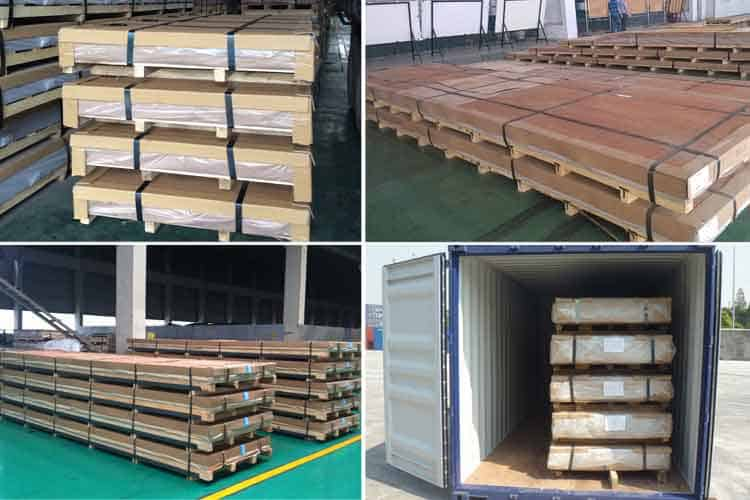
Aluminyo sheet / plate packaging proseso
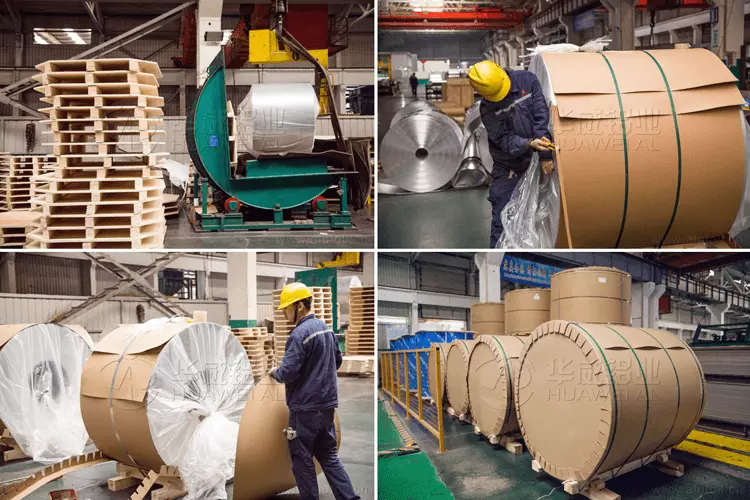
Aluminyo likawin packaging proseso
F: Ikaw ba ay isang tagagawa o isang mangangalakal?
Q: Kami ay isang tagagawa, ang factory namin ay sa No.3 Weier Road, Sonang Pang industriya, Gongyi, Henan, Tsina.
F: Ano ang MOQ para sa pag order ng produkto?
Q: Ang MOQ natin ay 5 tonelada, at ang ilang mga espesyal na produkto ay magkakaroon ng isang minimum na dami ng order ng 1 o 2 tonelada.
F: Gaano katagal ang iyong oras ng lead?
Q: Sa pangkalahatan ang aming lead time ay tungkol sa 30 mga araw.
F: Mayroon bang kalidad ng katiyakan ang iyong mga produkto?
Q: Oo nga, kung may problema sa quality sa products namin, kami ay mabayaran ang customer hanggang sa sila ay nasiyahan.
Mga Kaugnay na Produkto


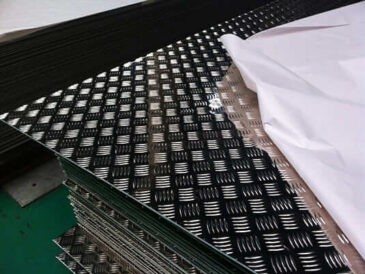
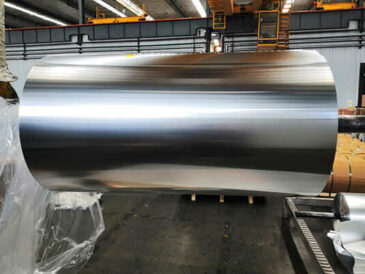
Mga Pinakabagong Blog
Common Alloys of Reefer Truck Used PE Coated Aluminum Coil
Discover common alloys of reefer truck used PE coated aluminum coil, kasama na ang 3003, 3004, at 3105. Designed for excellent corrosion resistance, pagiging formable, and long-lasting outdoor performance.
Is Aluminum Conductive? Mga Katangian, Gumagamit ng mga & Benefits Explained
Is aluminum conductive? Discover aluminum's electrical conductivity, key advantages, and why it is widely used in power transmission and industrial applications.
Unlocking Sustainability: The Truth About Aluminum Foil Recycling
Is Aluminum Foil Recyclable? Learn how aluminum foil can be recycled, how to prepare it properly, and why recycling helps reduce waste and save resources.
Coated Aluminum Foil for Packaging Applications | Strong & Reliable
High-quality coated aluminum foil for packaging applications, offering excellent barrier protection, tibay ng katawan, and consistent performance.