Introduction
When engineers and procurement managers search for a material that balances moderate strength, exceptional corrosion resistance, and ease of fabrication, they often arrive at a single specification: the 1/8 5052 aluminum sheet plate.
This specific alloy and thickness combination has become a staple across marine manufacturing, automotive fabrication, and industrial design.
The 5052 alloy offers one of the highest strengths among non-heat-treatable aluminum grades, and the 1/8-inch thickness provides a sweet spot between structural rigidity and weight savings.
Understanding why this material performs so reliably requires a deep dive into its metallurgy, mechanical properties, and real-world behavior under stress and environmental exposure.
This article examines every critical aspect of the 1/8 5052 aluminum sheet plate, from its chemical makeup to its competitive advantages over other alloys, while also highlighting how manufacturers like Henan Huawei Aluminum Co., Ltd. deliver consistent quality to global markets.
1/8 5052 Aluminum Sheet Plate
What Is 1/8 5052 Aluminum Sheet Plate?
A 1/8 5052 aluminum sheet plate refers to a flat-rolled aluminum product made from the 5052 alloy with a nominal thickness of 0.125 inches (approximately 3.175 millimeters).
The term “sheet” typically applies to material thinner than 0.250 inches, while “plate” describes thicker stock. At 1/8 inch, this product sits at the boundary where both terms apply interchangeably in industry practice.
The 5052 alloy belongs to the 5xxx series of aluminum-magnesium alloys, which derive their strength primarily from cold working rather than heat treatment.
This characteristic shapes how fabricators bend, weld, and finish the material.
The magnesium content creates a stable solid solution that resists deformation and environmental attack, making the alloy particularly valuable in saltwater and chemical exposure scenarios.
Chemical Composition of 5052 Aluminum Alloy
The performance of the 1/8 5052 aluminum sheet plate begins with its carefully controlled chemical makeup.
The Aluminum Association specifies the following composition limits for 5052 alloy:
| Element | Percentage Range |
|---|---|
| Magnesium (Mg) | 2.2 – 2.8% |
| Chromium (Cr) | 0.15 – 0.35% |
| Iron (Fe) | 0.0 – 0.40% |
| Silicon (Si) | 0.0 – 0.25% |
| Copper (Cu) | 0.0 – 0.10% |
| Manganese (Mn) | 0.0 – 0.10% |
| Zinc (Zn) | 0.0 – 0.10% |
| Other elements (each) | 0.0 – 0.05% |
| Other elements (total) | 0.0 – 0.15% |
| Aluminum (Al) | Remainder |
Magnesium serves as the primary strengthening element. At 2.2 to 2.8 percent, it provides a substantial boost in tensile and yield strength without making the alloy brittle.
Chromium plays a supporting role by refining grain structure and enhancing stress corrosion cracking resistance.
The tight limits on copper and zinc prevent galvanic corrosion issues that plague some other aluminum grades when exposed to marine environments.
This precise chemistry explains why a 1/8 5052 aluminum sheet plate resists pitting and intergranular attack even after years of service in harsh conditions.
What Does 1/8 Represent?
The “1/8” designation refers to the fractional inch thickness of the material. In decimal form, this equals 0.125 inches.
Metric-oriented manufacturers often list this as 3.175 mm, though actual mill tolerances may allow slight variations depending on the production standard.
For fabricators, this thickness hits a practical threshold: it is thick enough to carry structural loads in brackets, panels, and tanks, yet thin enough to cut with standard shears, form on press brakes, and weld without excessive heat input.
When specifying a 1/8 5052 aluminum sheet plate, engineers must also consider the temper designation, which dramatically affects mechanical properties and workability.
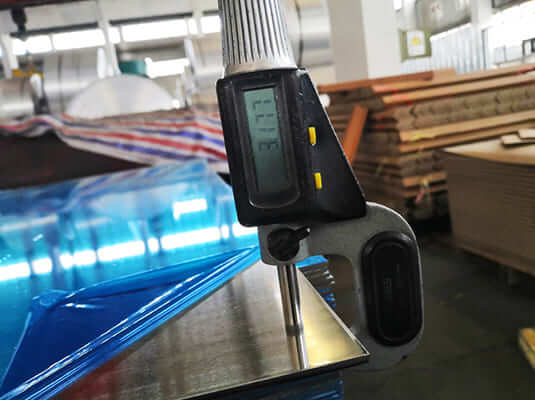
Thickness Measurement of 1/8 5052 Aluminum Sheet Plate
Key Advantages of 1/8 5052 Aluminum Sheet Plate
Selecting the right material for a project involves weighing multiple performance factors.
The 1/8 5052 aluminum sheet plate delivers a combination of attributes that few other materials can match at a comparable cost.
These advantages stem from both the inherent properties of the 5052 alloy and the practical benefits of the 1/8-inch thickness.
Excellent Corrosion Resistance
Corrosion resistance stands as the hallmark advantage of the 5052 alloy. The magnesium-rich composition forms a stable, self-healing oxide layer that protects the underlying metal from attack.
In marine atmospheres, where salt spray rapidly degrades carbon steel and even some stainless grades, the 1/8 5052 aluminum sheet plate maintains its integrity without protective coatings.
Testing per ASTM B117 salt spray standards consistently shows minimal pitting after hundreds of hours of exposure.
This resistance extends to many industrial chemicals, including dilute acids, alkalis, and organic solvents.
For boat hulls, chemical storage tanks, and coastal architectural panels, this property alone justifies the material choice.
High Strength-to-Weight Ratio
Aluminum weighs roughly one-third as much as steel, and the 5052 alloy offers one of the highest strength levels among non-heat-treatable aluminum grades.
A 1/8 5052 aluminum sheet plate in the H32 temper typically provides an ultimate tensile strength around 33,000 psi (228 MPa) while maintaining a density of only 0.097 lb/in³ (2.68 g/cm³).
This ratio allows designers to reduce structural weight without sacrificing load-bearing capacity.
In transportation applications, every pound saved translates directly to fuel efficiency gains.
In portable equipment, lighter weight improves ergonomics and reduces operator fatigue.
Excellent Weldability
Fabricators value the 5052 alloy for its outstanding weldability using conventional techniques.
Gas tungsten arc welding (GTAW/TIG) and gas metal arc welding (GMAW/MIG) both produce sound, ductile welds on 1/8 5052 aluminum sheet plate.
The recommended filler metal is 5356 alloy, which matches or exceeds the base metal strength and maintains corrosion resistance in the weld zone.
Unlike heat-treatable alloys such as 6061, 5052 does not suffer from significant heat-affected zone softening after welding.
This characteristic simplifies post-weld processing and ensures consistent mechanical properties across the fabricated assembly.
Superior Formability
The 5052 alloy in softer tempers exhibits excellent formability, allowing tight bend radii without cracking.
A 1/8 5052 aluminum sheet plate in H32 temper can typically be bent to an inside radius equal to the material thickness, while O-temper material can achieve even tighter bends.
This formability enables the production of complex shapes through stamping, deep drawing, and roll forming.
The alloy work-hardens at a moderate rate, giving operators a wide processing window before the material becomes too stiff for further deformation.
This balance between formability and final strength makes 5052 a preferred choice for parts that require both shaping and structural performance.
Good Surface Finish
Mill-finished 1/8 5052 aluminum sheet plate presents a uniform, matte surface that accepts anodizing, painting, and powder coating readily.
The alloy composition minimizes the streaking and discoloration sometimes seen in other aluminum grades after anodizing.
For architectural and consumer product applications where appearance matters, this consistent finish reduces the need for extensive surface preparation.
Even in the as-rolled condition, the surface resists staining and fingerprint marking better than many competing materials.
Mechanical Properties of 1/8 5052 Aluminum Sheet Plate
Understanding the mechanical properties of the 1/8 5052 aluminum sheet plate allows engineers to design with confidence.
These properties vary significantly depending on the temper, which describes the thermal and mechanical processing history of the material.
Typical Mechanical Properties
The following table summarizes the mechanical properties for common tempers of 5052 alloy at 1/8-inch thickness, based on ASTM B209 specifications:
| Temper | Ultimate Tensile Strength (ksi) | Yield Strength (ksi) | Elongation (% in 2 inches) | Hardness (Brinell) |
|---|---|---|---|---|
| O (Annealed) | 25 – 31 | 9.5 – 13 | 20 – 25 | 47 |
| H32 (Strain-hardened and stabilized) | 31 – 38 | 23 – 28 | 8 – 12 | 60 |
| H34 (Strain-hardened and stabilized) | 34 – 41 | 26 – 31 | 6 – 10 | 68 |
| H36 (Strain-hardened and stabilized) | 37 – 44 | 29 – 34 | 4 – 8 | 73 |
| H38 (Strain-hardened and stabilized) | 39 – 46 | 32 – 37 | 3 – 6 | 77 |
These values represent minimum or typical ranges. Actual properties from a quality-focused supplier like Henan Huawei Aluminum Co., Ltd. often exceed the minimum specifications due to tight process controls and premium raw material selection.
Common Tempers
O Temper (Annealed):
The softest condition, produced by full annealing. This temper offers maximum ductility and formability, making it ideal for deep drawing and complex forming operations.
Fabricators often start with O-temper 1/8 5052 aluminum sheet plate when the final part requires extensive shaping, then rely on work hardening during forming to increase strength.
H32 Temper:
Strain-hardened to a quarter-hard condition and then stabilized through a low-temperature heat treatment.
This temper provides an excellent balance of strength and formability, making it the most commonly specified condition for general fabrication.
The H32 temper resists further age softening and maintains consistent properties over time.
H34 and H36 Tempers:
Progressively harder conditions achieved through increased cold work. These tempers suit applications requiring higher strength with less emphasis on formability.
Flat panels, structural brackets, and mounting plates often use H34 or H36 1/8 5052 aluminum sheet plate.
H38 Temper:
The hardest standard temper for 5052, approaching the maximum strength achievable through cold working alone.
This condition works well for applications where the material remains flat or undergoes only minimal forming.

Huawei Packaged 5052 Aluminum Sheet Plate
Huawei 1/8 5052 Aluminum Sheet Plate Specifications
Henan Huawei Aluminum Co., Ltd. produces 1/8 5052 aluminum sheet plate to exacting standards that meet or exceed international specifications.
The following table outlines the standard product specifications available from the manufacturer:
| Specification Parameter | Details |
|---|---|
| Alloy | 5052 (AlMg2.5) |
| Thickness | 0.125 inches (3.175 mm) |
| Thickness Tolerance | ±0.005 inches (standard), ±0.003 inches (precision) |
| Standard Widths | 48 inches (1219 mm), 60 inches (1524 mm), 72 inches (1829 mm) |
| Standard Lengths | 96 inches (2438 mm), 120 inches (3048 mm), 144 inches (3658 mm) |
| Custom Sizes | Available upon request |
| Tempers Available | O, H32, H34, H36, H38 |
| Surface Finish | Mill finish, bright finish, anodized quality |
| Standards Compliance | ASTM B209, EN 485, GB/T 3880 |
| Certification | Mill test reports (MTR) provided with each shipment |
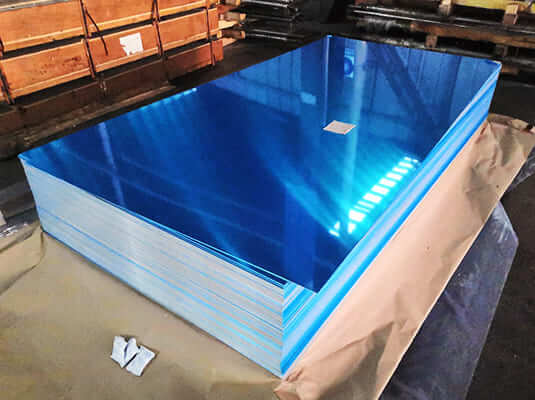
| Packaging | Export-standard wooden pallets with protective interleaving |
| Minimum Order Quantity | Consult factory for current requirements |
| Lead Time | Typically 15-25 days depending on order volume and specifications |
The company maintains a comprehensive inventory of standard sizes while also offering custom cutting and processing services.
Each shipment of 1/8 5052 aluminum sheet plate undergoes rigorous inspection, including dimensional checks, surface quality assessment, and mechanical property verification.
Applications of 1/8 5052 Aluminum Sheet Plate
The versatility of the 1/8 5052 aluminum sheet plate becomes evident when examining its diverse range of applications across multiple industries.
Each sector leverages specific properties of the material to solve engineering challenges.
Marine Industry
Marine environments demand materials that withstand constant moisture, salt spray, and temperature fluctuations.
The 1/8 5052 aluminum sheet plate excels in this arena. Boat builders use it for hull plating on small to medium vessels, deck panels, bulkheads, and superstructures.
The alloy’s corrosion resistance eliminates the need for heavy protective coatings, reducing maintenance burdens for vessel owners.
Dock components, gangways, and marina infrastructure also benefit from the material’s durability.
Unlike steel, which requires cathodic protection systems, 5052 aluminum naturally resists the galvanic corrosion that saltwater accelerates.
Automotive and Transportation
Weight reduction remains a top priority in automotive design, driven by fuel economy standards and electric vehicle range requirements.
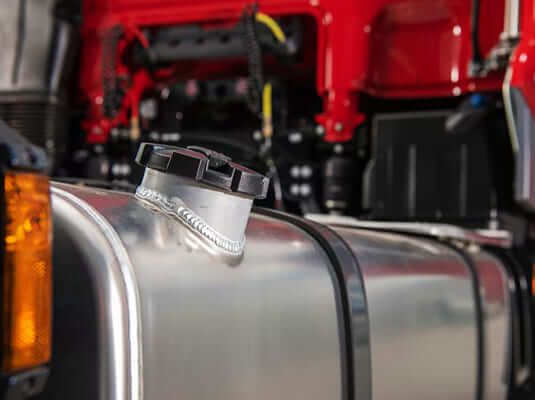
The 1/8 5052 aluminum sheet plate appears in truck bodies, trailer panels, fuel tanks, and structural brackets.
Its weldability allows manufacturers to assemble complex subassemblies without compromising joint integrity.
In rail transport, interior panels and luggage racks made from this material reduce overall car weight while meeting fire safety standards.
The alloy’s ability to absorb energy during deformation also makes it suitable for crash-relevant components.
Industrial Fabrication
General fabrication shops keep 1/8 5052 aluminum sheet plate in stock because it handles such a wide variety of jobs.
Pressure vessels operating at moderate pressures and temperatures use this material for shells and heads.
Chemical processing equipment, including mixing tanks, hoppers, and chutes, relies on the alloy’s corrosion resistance.
Machine guards, safety enclosures, and work platforms fabricated from 5052 provide durability without excessive weight.
The material cuts cleanly on plasma tables, laser cutters, and waterjet machines, streamlining production workflows.
Architecture and Construction
Architects specify 1/8 5052 aluminum sheet plate for exterior cladding, roofing panels, and decorative elements where weather resistance and appearance matter.
The alloy accepts a range of finishes, from bright anodizing to durable powder coatings, allowing designers to achieve specific aesthetic goals.
Curtain wall components, column covers, and soffit panels made from this material resist the fading and chalking that plague lesser materials.
In coastal construction, where salt-laden air accelerates corrosion, 5052 aluminum provides a service life measured in decades rather than years.
Electrical and Enclosure Applications
Electronic enclosures and electrical cabinets benefit from the 1/8 5052 aluminum sheet plate’s combination of shielding effectiveness and thermal conductivity.
The material provides natural EMI/RFI shielding, protecting sensitive electronics from interference.
Its thermal conductivity helps dissipate heat from enclosed components, reducing the need for active cooling in some designs.
Telecommunications equipment housings, server racks, and outdoor electrical boxes all use this alloy for its balance of protection and workability.
1/8 5052 Aluminum Sheet Plate for Fuel Tanks
1/8 5052 Aluminum Sheet Plate vs Other Alloys
Material selection often involves comparing candidate alloys to identify the best fit for specific requirements.
The following table compares the 1/8 5052 aluminum sheet plate against other common aluminum alloys at the same thickness:
| Property | 5052-H32 | 6061-T6 | 3003-H14 | 5083-H116 |
|---|---|---|---|---|
| Ultimate Tensile Strength (ksi) | 33 | 45 | 22 | 46 |
| Yield Strength (ksi) | 28 | 40 | 21 | 33 |
| Elongation (%) | 10 | 12 | 8 | 12 |
| Corrosion Resistance | Excellent | Good | Very Good | Excellent |
| Weldability | Excellent | Good (may require post-weld heat treat) | Excellent | Excellent |
| Formability | Very Good | Good | Excellent | Good |
| Heat Treatable | No | Yes | No | No |
| Typical Cost (relative) | Moderate | Moderate-High | Low | High |
5052 vs 6061: The 6061-T6 alloy offers higher strength but sacrifices corrosion resistance and weldability. Welding 6061 often requires post-weld heat treatment to restore strength in the heat-affected zone, adding cost and complexity. For marine and chemical applications, the 1/8 5052 aluminum sheet plate provides better long-term value despite lower raw strength numbers.
5052 vs 3003: The 3003 alloy costs less and forms more easily, but its strength falls significantly short of 5052. Applications requiring structural load-bearing capacity typically justify the upgrade to 5052. The 1/8 5052 aluminum sheet plate also offers superior corrosion resistance in aggressive environments.
5052 vs 5083: The 5083 alloy provides higher strength and similar corrosion resistance, making it the choice for highly stressed marine structures. However, 5083 costs more and can be harder to source in smaller quantities. For many applications, 5052 offers the optimal balance of performance and cost.
China’s High-Quality 1/8 5052 Aluminum Sheet Supplier – Huawei
Henan Huawei Aluminum Co., Ltd. has established itself as a premier manufacturer of aluminum products, including the widely specified 1/8 5052 aluminum sheet plate.
The company operates advanced production facilities in Henan Province, China, with capabilities spanning continuous casting, hot rolling, cold rolling, and precision finishing.
This vertical integration allows tight control over every production stage, from raw material selection to final inspection.
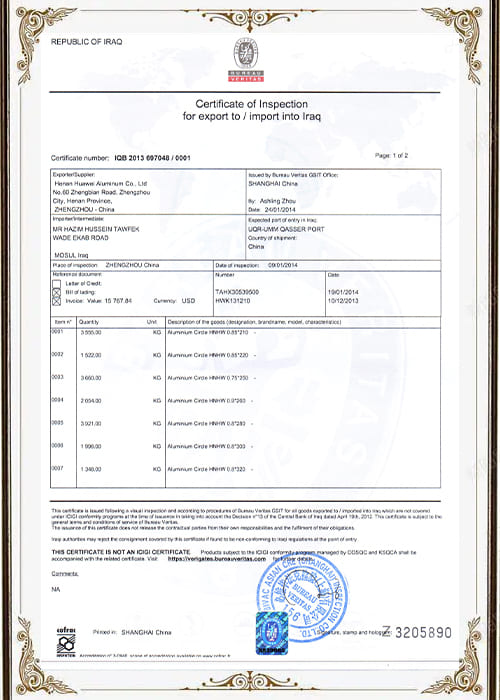
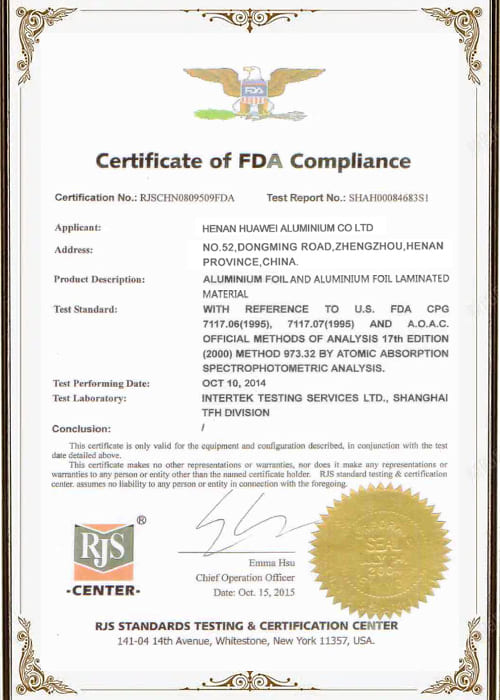
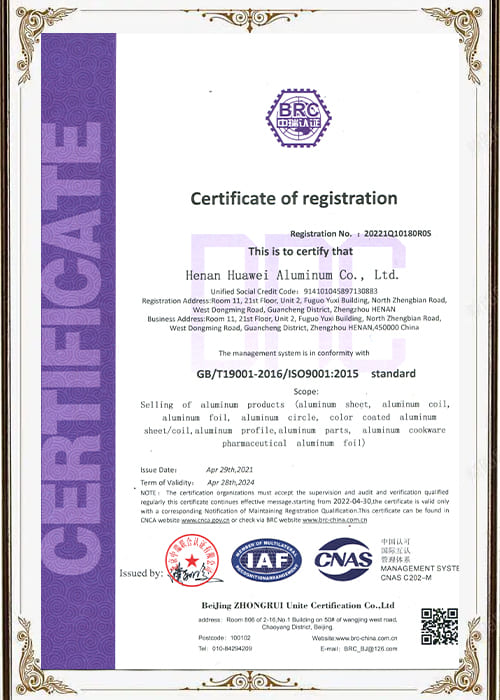
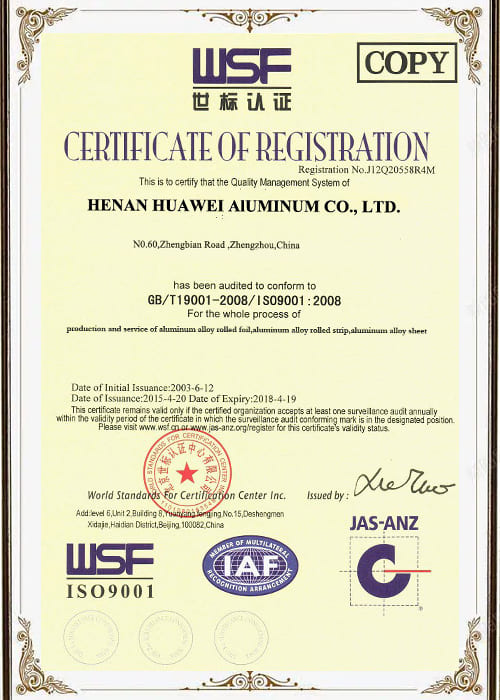
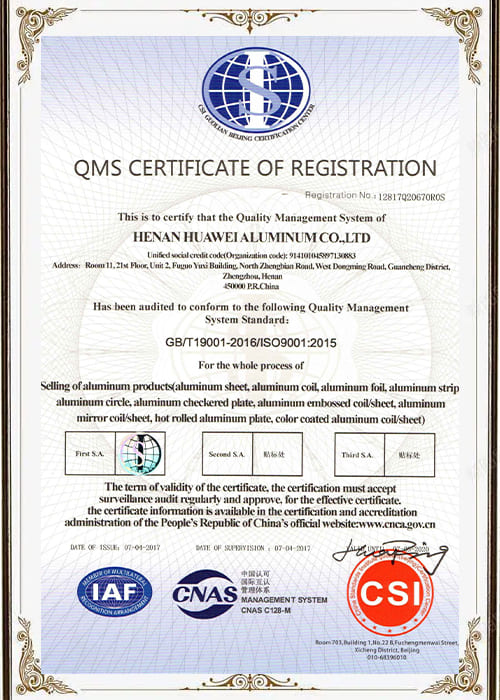
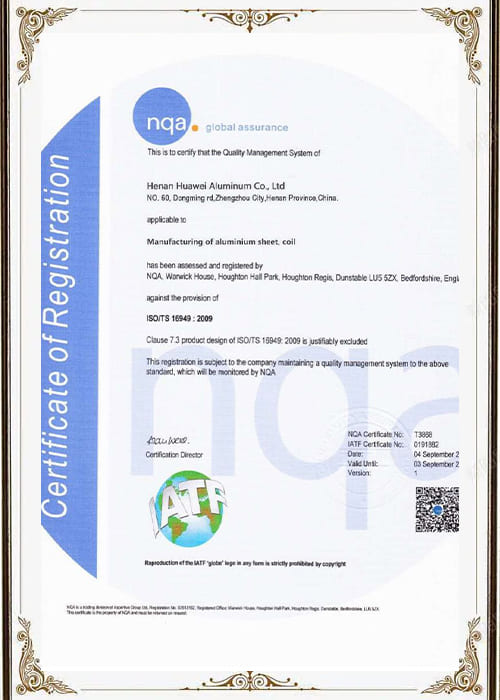
The company’s quality management system adheres to ISO 9001 standards, and its products comply with international specifications including ASTM, EN, and GB standards.
Each production batch of 1/8 5052 aluminum sheet plate undergoes spectroscopic analysis to verify chemical composition, tensile testing to confirm mechanical properties, and dimensional inspection to ensure thickness and flatness tolerances.
Customers receive comprehensive mill test reports documenting these results.
Henan Huawei Aluminum serves a global customer base, with export experience spanning North America, Europe, Southeast Asia, the Middle East, and Africa.
The company’s logistics team manages shipping documentation, customs clearance, and freight coordination to ensure timely delivery.
Technical support staff assist customers with material selection, processing recommendations, and application engineering.
For fabricators seeking a reliable source of 1/8 5052 aluminum sheet plate, the company offers competitive pricing, consistent quality, and responsive service.
Conclusion
The 1/8 5052 aluminum sheet plate represents a proven material solution for applications demanding corrosion resistance, moderate strength, and fabrication versatility.
Its magnesium-rich chemistry provides inherent protection against environmental attack, while the range of available tempers allows engineers to balance strength and formability for specific manufacturing processes.
From boat hulls to architectural panels, from fuel tanks to electronic enclosures, this alloy-thickness combination delivers reliable performance across diverse industries.
Understanding the mechanical properties, temper options, and comparative advantages over other alloys empowers informed material selection decisions.
Manufacturers like Henan Huawei Aluminum Co., Ltd. continue to advance production quality, ensuring that the 1/8 5052 aluminum sheet plate remains a dependable choice for demanding applications worldwide.
FAQs
What does the “H32” temper mean for 1/8 5052 aluminum sheet plate?
H32 indicates that the material has been strain-hardened to a quarter-hard condition and then stabilized through a low-temperature thermal treatment. This temper provides a balance of strength and formability suitable for most general fabrication work.
Can 1/8 5052 aluminum sheet plate be bent without cracking?
Yes, in the H32 temper, the material can typically be bent to an inside radius equal to the material thickness (0.125 inches). Softer tempers like O-temper allow even tighter bends. Always bend perpendicular to the rolling grain direction for best results.
Is 5052 aluminum suitable for saltwater applications?
Absolutely. The 5052 alloy offers excellent resistance to saltwater corrosion, making it one of the most commonly used aluminum grades for marine environments. It outperforms 6061 and other heat-treatable alloys in this regard.
How does 1/8 5052 aluminum sheet plate compare to stainless steel?
Aluminum weighs about one-third as much as stainless steel and offers better thermal conductivity. While stainless steel provides higher strength and hardness, the 1/8 5052 aluminum sheet plate delivers superior corrosion resistance in many chemical environments and costs less per pound, though not always per square foot at equivalent stiffness.
What filler metal should be used when welding 1/8 5052 aluminum sheet plate?
The recommended filler metal is 5356 alloy, which provides matching strength and corrosion resistance in the weld zone. For applications where the welded assembly will be anodized, 5556 filler may produce a better color match.
Does Henan Huawei Aluminum provide custom sizes of 1/8 5052 aluminum sheet plate?
Yes, the company offers custom cutting services to supply specific widths and lengths beyond standard mill sizes. Contact their sales team with your dimensional requirements for a quotation.
Casting production process and its introduction
The purpose of melting and casting is to produce alloys with satisfactory composition and high purity of melt, so as to create favorable conditions for casting alloys of various shapes.
Melting and casting process steps: batching --- feeding --- melting --- stirring after melting, slag removal --- pre-analysis sampling --- adding alloy to adjust the composition, stirring --- refining --- static Setting——Guide furnace casting.
Hot rolling production process and its introduction
- 1. Hot rolling generally refers to rolling above the metal recrystallization temperature;
- 2. During the hot rolling process, the metal has both hardening and softening processes. Due to the influence of deformation speed, as long as the recovery and recrystallization process is too late, there will be a certain work hardening;
- 3. The recrystallization of the metal after hot rolling is incomplete, that is, the coexistence of recrystallized structure and deformed structure;
- 4. Hot rolling can improve the processing performance of metals and alloys, reduce or eliminate casting defects.
- 1. The casting and rolling temperature is generally between 680°C and 700°C. The lower the better, the stable casting and rolling line usually stops once a month or more to re-stand. During the production process, it is necessary to strictly control the liquid level of the front tank to prevent low liquid level;
- 2. Lubrication uses C powder with incomplete combustion of gas for lubrication, which is also one of the reasons for the dirty surface of casting and rolling materials;
- 3. The production speed is generally between 1.5m/min-2.5m/min;
- 4. The surface quality of products produced by casting and rolling is generally relatively low, and generally cannot meet products with special physical and chemical performance requirements.
- 1. Cold rolling refers to the rolling production method below the recrystallization temperature;
- 2. There will be no dynamic recrystallization during the rolling process, and the temperature will rise to the recovery temperature at most, and the cold rolling will appear in a work hardening state, and the work hardening rate will be large;
- 3. The cold-rolled sheet and strip have high dimensional accuracy, good surface quality, uniform structure and performance, and products in various states can be obtained with heat treatment;
- 4. Cold rolling can roll out thin strips, but at the same time, it has the disadvantages of high energy consumption for deformation and many processing passes.
- 1. Finishing is a processing method to make the cold-rolled sheet meet the customer's requirements, or to facilitate the subsequent processing of the product;
- 2. The finishing equipment can correct the defects produced in the hot rolling and cold rolling production process, such as cracked edge, oily, poor plate shape, residual stress, etc. It needs to ensure that no other defects are brought into the production process;
- 3. There are various finishing equipments, mainly including cross-cutting, slitting, stretching and straightening, annealing furnace, slitter, etc.
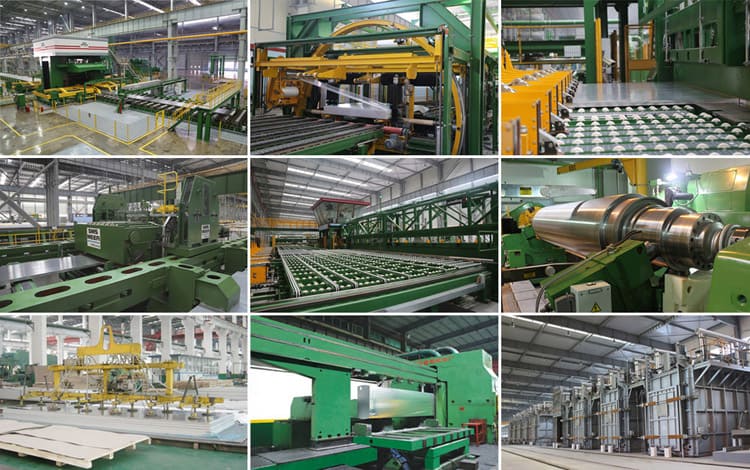
Casting and rolling process
Casting and rolling process: liquid metal, front box (liquid level control), casting and rolling machine (lubrication system, cooling water), shearing machine, coiling machine.
Cold rolling production process
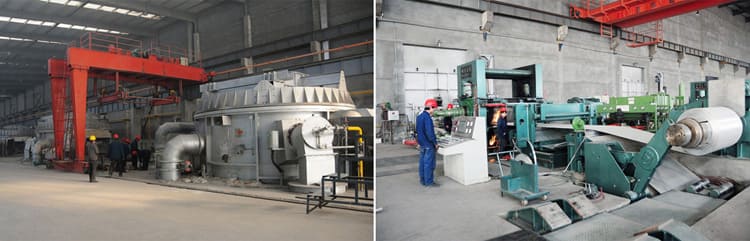
Introduction to finishing production process
Aluminum alloy has the characteristics of low density, good mechanical properties, good processing performance, non-toxic, easy to recycle, excellent electrical conductivity, heat transfer and corrosion resistance, so it has a wide range of applications.
Aerospace: used to make aircraft skins, fuselage frames, girders, rotors, propellers, fuel tanks, wall panels and landing gear struts, as well as rocket forging rings, spacecraft wall panels, etc.
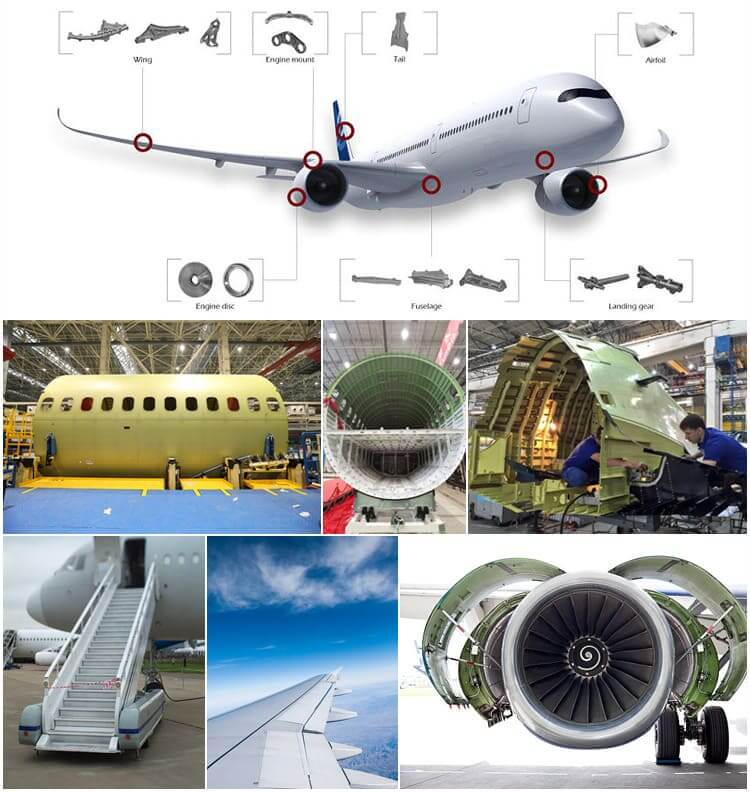
Aluminum alloy used for aerospace
Transportation: used for car body structure materials of automobiles, subway vehicles, railway passenger cars, high-speed passenger cars, doors and windows, shelves, automotive engine parts, air conditioners, radiators, body panels, wheels and ship materials.
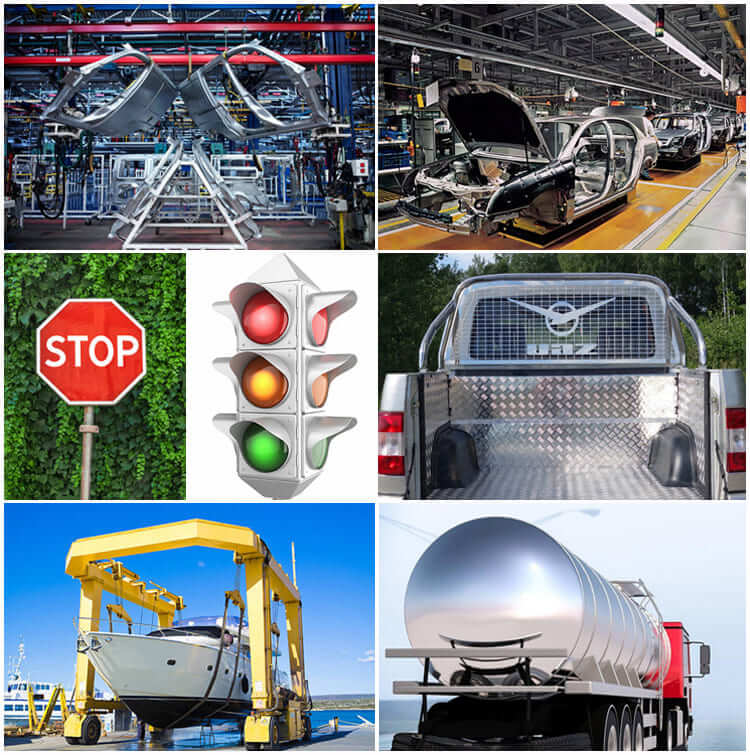
Traffic application
Packaging: All-aluminum pop cans are mainly used as metal packaging materials in the form of thin plates and foils, and are made into cans, lids, bottles, barrels, and packaging foils. Widely used in the packaging of beverages, food, cosmetics, medicines, cigarettes, industrial products, medicines, etc.
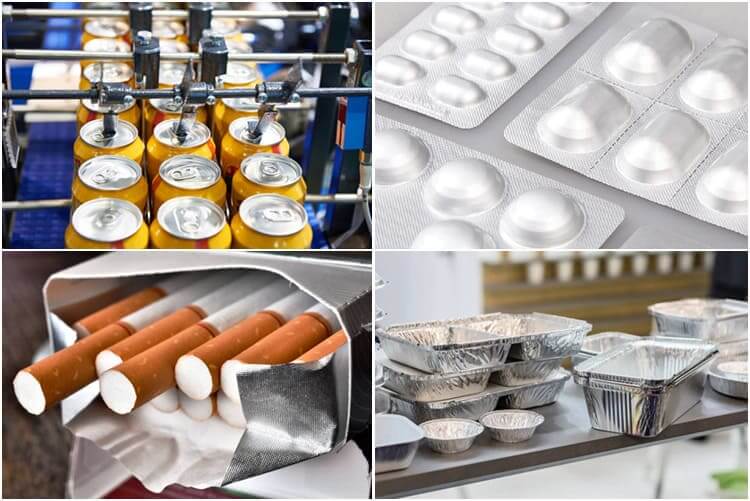
Packaging application
Printing: Mainly used to make PS plates, aluminum-based PS plates are a new type of material in the printing industry, used for automatic plate making and printing.
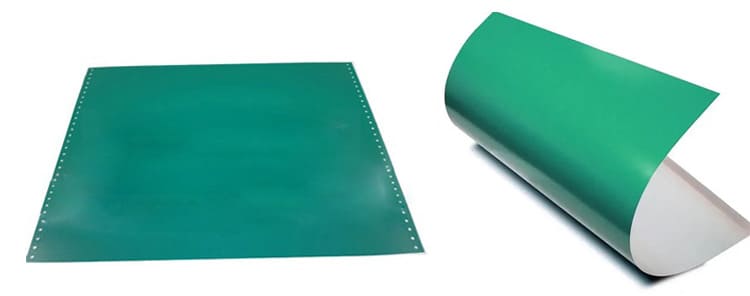
PS printing
Architectural decoration: aluminum alloy is widely used in building structures, doors and windows, suspended ceilings, decorative surfaces, etc. due to its good corrosion resistance, sufficient strength, excellent process performance and welding performance.
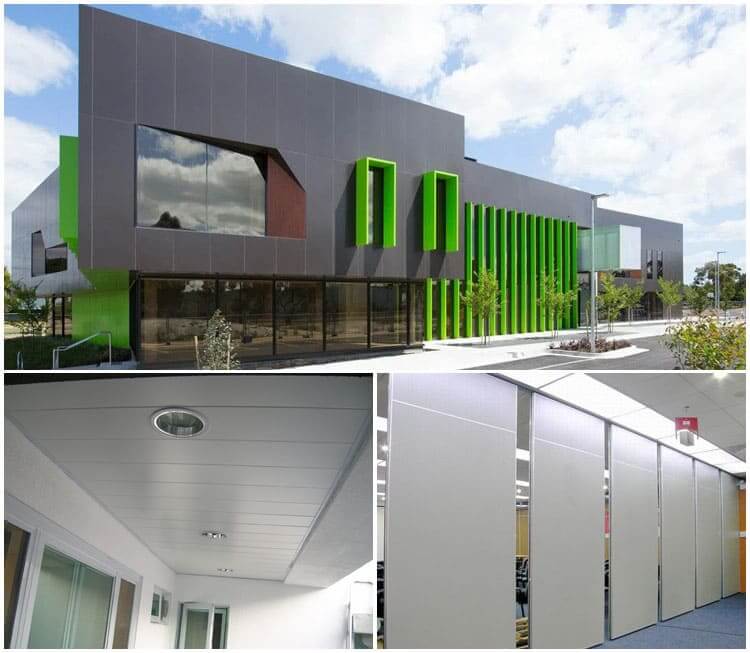
Aluminum alloy construction application
Electronic products: computers, mobile phones, refrigerator shells, radiators, etc.
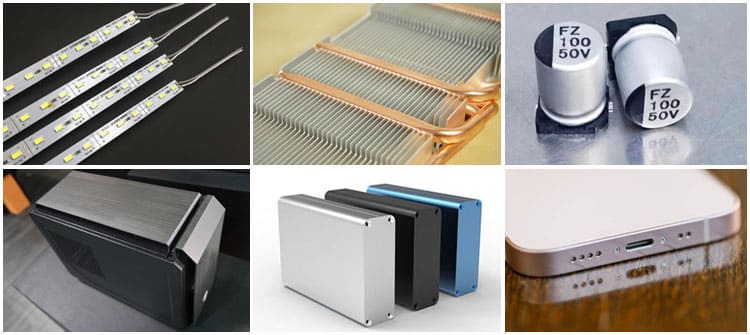
Electronic product application
Kitchen supplies: aluminum pots, aluminum basins, rice cooker liners, household aluminum foil, etc.
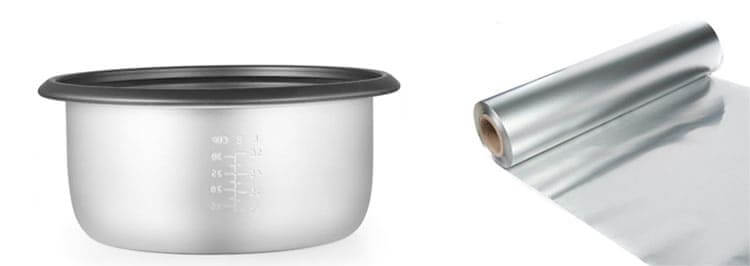
Kitchen application
Packaging Of Aluminum Sheet/Coil
Every detail of packaging is where we pursue perfect service. Our packaging process as a whole is as follows:
Lamination: clear film, blue film, micro-mucosal, high-mucosal, laser cutting film (2 brands, Novacell and Polyphem);
Protection: paper corner protectors, anti-pressure pads;
drying: desiccant;
Tray: fumigated harmless wooden tray, reusable iron tray;
Packing: Tic-tac-toe steel belt, or PVC packing belt;
Material Quality: Completely free from defects such as white rust, oil spots, rolling marks, edge damage, bends, dents, holes, break lines, scratches, etc., no coil set.
Port: Qingdao or other ports in China.
Lead time: 15-45 days.
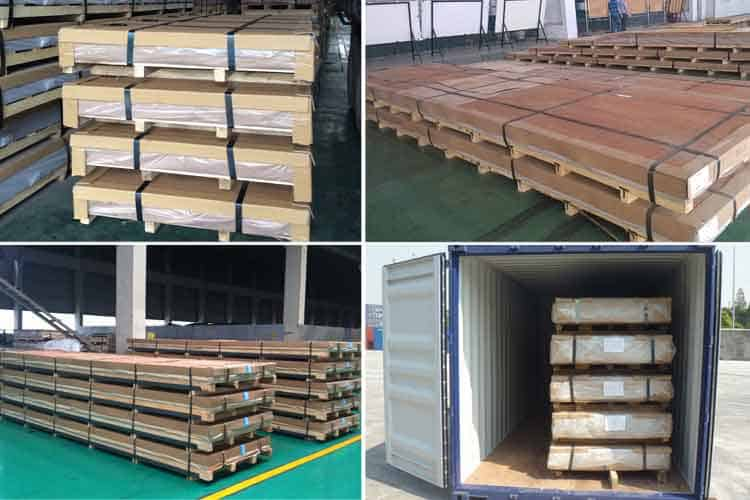
Aluminum sheet/plate packaging process
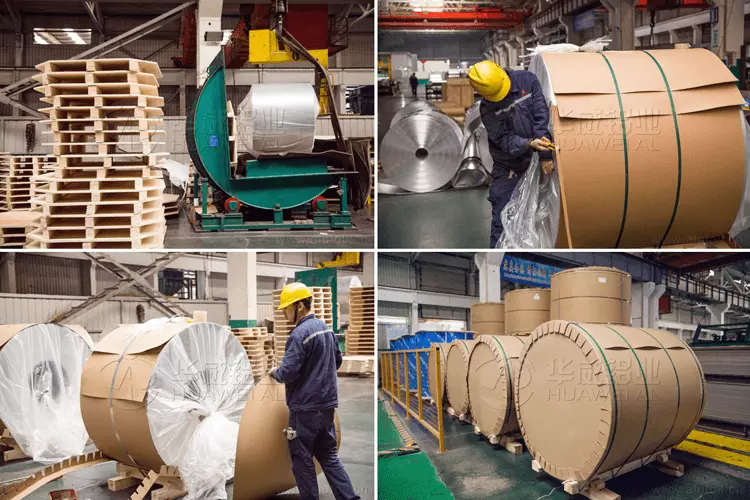
Aluminum coil packaging process
F: Are you a manufacturer or a trader?
Q: We are a manufacturer, our factory is at No.3 Weier Road, Industrial Zone, Gongyi, Henan, China.
F: What is the MOQ for ordering the product?
Q: Our MOQ is 5 tons, and some special products will have a minimum order quantity of 1 or 2 tons.
F: How long is your lead time?
Q: Generally our lead time is about 30 days.
F: Do your products have quality assurance?
Q: Yes, if there is a quality problem with our products, we will compensate the customer until they are satisfied.
Related Products


Latest Blogs
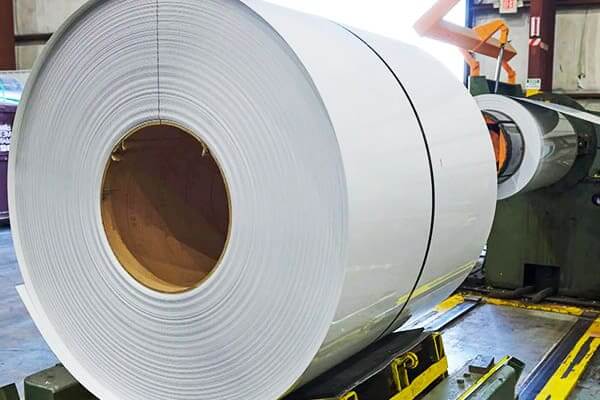
Common Alloys of Reefer Truck Used PE Coated Aluminum Coil
Discover common alloys of reefer truck used PE coated aluminum coil, including 3003, 3004, and 3105. Designed for excellent corrosion resistance, formability, and long-lasting outdoor performance.
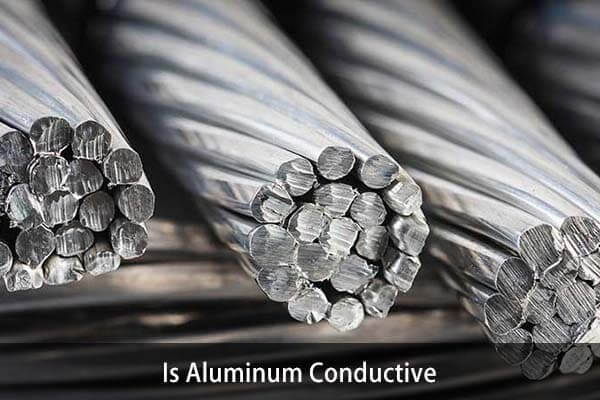
Is Aluminum Conductive? Properties, Uses & Benefits Explained
Is aluminum conductive? Discover aluminum's electrical conductivity, key advantages, and why it is widely used in power transmission and industrial applications.
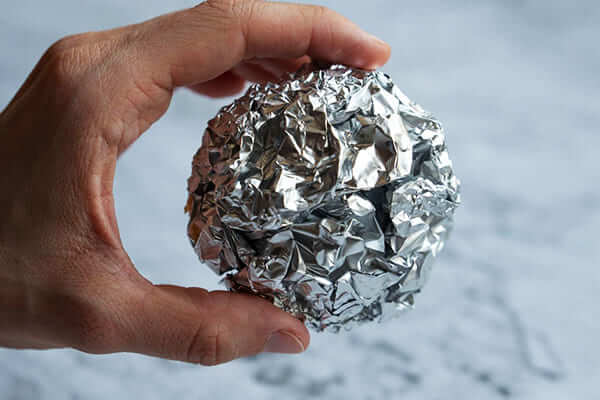
Unlocking Sustainability: The Truth About Aluminum Foil Recycling
Is Aluminum Foil Recyclable? Learn how aluminum foil can be recycled, how to prepare it properly, and why recycling helps reduce waste and save resources.
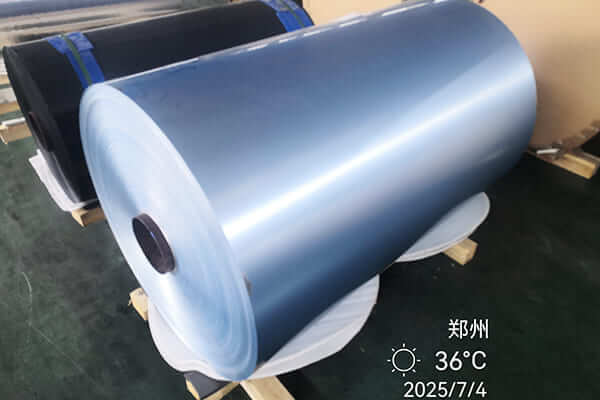
Coated Aluminum Foil for Packaging Applications | Strong & Reliable
High-quality coated aluminum foil for packaging applications, offering excellent barrier protection, durability, and consistent performance.