1. Вступ
Хромована алюмінієва фольга - це стільникова сировина, де алюмінієва фольга (часто серії 1xxx/3xxx/5xxx) отримує а хроматне конверсійне покриття посилювати довговічність клейового склеювання і Корозійна стійкість, особливо під вологим, фізіологічний розчин, і умови термічного циклу.
Покриття ультратонке (типово від десятків до кількох сотень нанометрів, в залежності від процесу) але функціонально потужний, оскільки він змінює хімічний склад поверхні, пасивує катодні ділянки, і покращує змочування.
Ключові драйвери продуктивності включають сплав фольги/темпер/товщина, чистота поверхні (іонні та органічні залишки), вага плівки конверсійного покриття, і обробки після обробки (контроль старіння та забруднення).
Регуляторний тиск підштовхнув до зміни Cr(VI) до Cr(III) і нехромовані альтернативи; проте, високонадійні сектори можуть зберігати Cr(VI) специфікації, де це дозволено через зрілу історію кваліфікації.
Типові фізичні дані алюмінію, які використовуються при проектуванні, включають щільність ~2,70 г/см³ і модуль пружності ~69 ГПа, забезпечення стільникових конструкцій високої жорсткості до ваги.
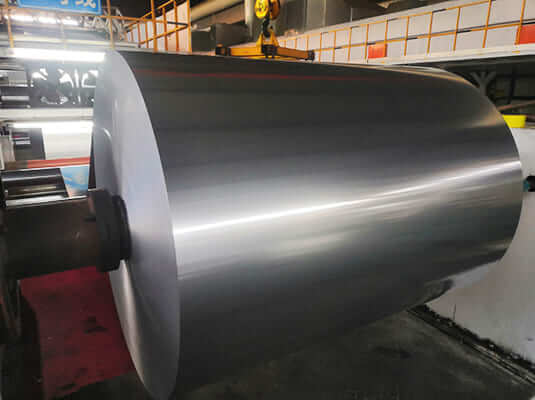
Хромована алюмінієва фольга для сот
2. Що таке хромована алюмінієва фольга для сот?
Хромована алюмінієва фольга для стільників – це тонка алюмінієва фольга, яка пройшла спеціальну хімічну обробку поверхні, яка називається хроматне конверсійне покриття (часто просто «хромування»).
Така обробка створює пасив, інертний шар на поверхні алюмінію.
Ця оброблена фольга потім використовується для побудови шестикутної коміркової структури алюмінієвих стільникових сердечників, які згодом прикріплюються до лицьових сторінок (Напр., алюміній, вуглецеве волокно, склопластик) сформувати легкий, сендвіч панелі високої жорсткості.
Хроматний шар служить двома основними, критичні функції для стільникових програм:
- Покращена адгезія: Він забезпечує ідеальну поверхню для структурних клеїв (як епоксидні або фенольні) сформувати міцну, довговічний, і надійне зчеплення під час виготовлення стільникового сердечника та кінцевої сендвіч-панелі. Без нього, адгезивне з’єднання з сирим алюмінієм було б значно слабшим і більш схильним до погіршення навколишнього середовища.
- Вища резистентність до корозії: Пасивує поверхню алюмінію, забезпечує чудовий захист від окислення та різних форм корозії, має вирішальне значення для довговічності та структурної цілісності дуже тонкої фольги у складних умовах обслуговування.
3. Матеріальна система: Сплав фольги, Вдача, Товщина
Експлуатаційні властивості хромованої алюмінієвої фольги для стільників є прямим наслідком точного вибору її основного матеріалу та подальшої обробки поверхні..
3.1 Вибір сплаву
Вибір алюмінієвого сплаву для підкладки з фольги обумовлений балансом міцності, Формування, і властива стійкість до корозії:
- 3003 (Аль-Мн): Це найпоширеніший сплав використовується. Вміст марганцю забезпечує хорошу міцність (міцність на розрив ~110-140 МПа для О відп, вище для Н темперів) і чудова загальна стійкість до корозії, особливо до атмосферних умов. Він також забезпечує хорошу формувальність, що має вирішальне значення для точного процесу гофрування під час виробництва сот.
- 5052 (Аль-мг): Вибрано для програм, які потребують вища сила (міцність на розрив ~170-220 МПа для температур O до H32) і підвищена стійкість до корозії у морському або солоному середовищі. Його формоздатність трохи менше ніж 3003, але все ще достатньо для формування стільників.
- 5056 (Аль-Мг-Мн): Іноді вибирається для дуже високоміцні стільникові сердечники, пропонуючи ще кращі механічні властивості, ніж 5052, але може бути більш складним для формування на дуже тонких калібрах.
3.2 Вдача & Механічні потреби
Вдача алюмінієва фольга визначає його механічні властивості, особливо його міцність і формувальність. Для сот, зазвичай використовується фольга:
- H19 (Повністю жорсткий): Ця вдача забезпечує максимальна сила через сильну деформаційну зміцнення (Холодне кочення), пропонуючи найвищу стійкість до роздавлювання в готових сотах. Це загальне для високопродуктивних аерокосмічних застосувань.
- H18 (Три чверті жорсткий): Пропонує дещо меншу міцність, ніж H19, але може зберегти незначне підвищення пластичності.
- H14 (Чверть важкий): Іноді використовується, коли для формування стільників потрібна трохи більша пластичність або для більш товстої фольги, де H19 був би надто крихким.
Мета полягає в тому, щоб вибрати температуру, яка забезпечує достатню міцність для остаточного нанесення стільників, одночасно дозволяючи фользі бути точно гофрованою без тріщин під час виробництва.

Стільникова структура листа
3.3 Товщина
Товщина фольги (датчик) є критичним параметром, безпосередньо впливаючи на щільність готових стільників, товщина клітинної стінки, і загальні механічні властивості.
Для алюмінієвих стільників, фольга надзвичайно тонка, зазвичай від 50 до 150 мікрони (0.05 мм до 0.15 мм).
- Більш тонка фольга призводить до меншої щільності стільників із меншою загальною вагою, але також потенційно нижча міцність на зсув і стиск.
- Більш товста фольга виходить більш щільною, міцніші стільникові ядра.
- Точність контролю товщини (допуски часто ±5% або менше) має першочергове значення для стабільних властивостей стільника.
3.4 Хроматне покриття
Це основна обробка поверхні. Це хімічний процес, який перетворює поверхню алюмінієвої фольги на тонку, неорганічна плівка, яка в основному складається з гідратованих оксидів хрому. Цей шар забезпечує пасивний бар'єр проти корозії та, важливіше для сот, створює ідеальну основу для клейового склеювання.
4. Процес виробництва хромованої алюмінієвої фольги
Виробництво хромованої алюмінієвої фольги - це спеціалізований багатоетапний процес, що вимагає високої точності та суворого контролю якості..

Процес виробництва хромованої алюмінієвої фольги
4.1 Лиття алюмінієвих зливків & Прокатка
- Процес починається з лиття алюмінієвих злитків з обраного сплаву (Напр., 3003, 5052).
- Ці злитки піддаються гарячій прокатці до середньої товщини, з подальшим проходженням через спеціалізовані стани холодної прокатки для досягнення надзвичайно тонких розмірів, необхідних для стільників (до 0.05 мм).
- Проміжні та остаточні етапи відпалу точно контролюються для досягнення бажаного H19, H18, або H14 вдача.
4.2 Очищення та підготовка поверхні
Перед хромуванням, поверхня фольги має бути ретельно чистою та активною:
- Знежирення: Ретельне видалення масел і органічних забруднень за допомогою лужних розчинів або розчинів.
- Лужне очищення: Подальше очищення та активація поверхні.
- Потеблення (Де-запалення): Для видалення залишків сажки можна використовувати м’який кислотний або лужний травитель (оксиди або легуючі елементи) і створити мікроскопічно шорстку поверхню, що покращує механічну фіксацію хроматного покриття.
- полоскання: Багаторазові промивання деіонізованою водою гарантують відсутність хімічних залишків.
4.3 Нанесення хроматного конверсійного покриття
Очищене полотно фольги безперервно подається через лінію хімічної обробки:
- Занурення або розпилення: Фольга проходить через резервуари, що містять розчин конверсії хромату, або розпилюється ним.
- Час перебування & Температура: Точний контроль часу контакту та температури розчину має вирішальне значення для формування однорідності, оптимальна товщина покриття. Типові процеси хромування відбуваються за температури навколишнього середовища до помірно підвищених.
- полоскання: множинний, ополіскування водою високої чистоти видаляє хімічні речовини, що не прореагували.
- Сушіння: Контрольована сушка гарячим повітрям забезпечує стабільність, уніформа, і нерозмазний хроматний шар. Пересихання іноді може погіршити характеристики покриття.
4.4 Долікування & поводження
Після хромування, фольга обережно обробляється та перемотується на серцевини.
Спеціальна упаковка захищає делікатне, покриту поверхню від забруднення або пошкодження під час транспортування до виробника стільників.
4.5 Контроль якості
Ретельні перевірки якості проводяться на кожному етапі:
- Датчик фольги & Механічні властивості: Вимірювання онлайн та офлайн підтверджують допуски на товщину та температуру (міцність на розрив, подовження).
- Чистота поверхні: Тест на розрив води або вимірювання поверхневої енергії.
- Вага покриття: Гравіметричні методи (розчинення покриття та зважування фольги до/після) або рентгенівська флуоресценція (XRF) використовуються для вимірювання товщини хроматного покриття (Напр., 0.1-0.5 мг/фут² або 1.1-5.4 мг/м² для хромату типу I класу 1A).
- Тестування на адгезію: Перехресні тести на адгезію або тести на відтягування стрічки гарантують, що покриття добре зчеплено з алюмінієм.
- Випробування на корозійну стійкість: Випробування сольового туману (Напр., ASTM B117) є стандартним методом оцінки здатності покриття протистояти корозії. Наприклад, хороше хроматне покриття не повинно виявляти значної корозії після 168 годин або більше в камері соляного розпилювача.
- Випробування міцності адгезивного з’єднання: Зразки, як правило, приклеюють до стандартного клею та перевіряють на міцність на розрив або зсув, імітація процесу виготовлення стільників.

Тест на значення Dyne з хромованої алюмінієвої фольги
5. Хроматне покриття: Хімія & Механізм
5.1 Основи конверсійного покриття
На відміну від фарб чи покриттів, конверсійне покриття хімічно реагує з підкладкою (алюміній) становити невід’ємну частину його поверхні. Процес включає:
- прибирання: Видалення всіх забруднень.
- Потеблення: Легке травлення для створення сприйнятливої поверхні.
- Хімічна реакція: Занурення в кислий розчин, що містить іони шестивалентного або тривалентного хрому, разом з іншими активаторами (Напр., фториди). Іони хрому реагують з поверхнею алюмінію, утворюючи желатин, плівка гідратованого оксиду/гідроксиду хрому.
- Затвердіння: Плівка зневоднюється і твердне при висиханні, формування стайні, зазвичай аморфний шар 0.0001 мм до 0.0005 мм товщиною.
Ця плівка є відносно м’якою у вологому стані, але значно твердіє після висихання, забезпечення стабільного, відмінна основа для наступних органічних покриттів (клеї).
Він також діє як фізичний та електрохімічний бар'єр проти корозії.
5.2 Cr(VI) проти Кр(III)
Cr(VI) (шестивалентний хром):
- Історично цінувався за високу корозійну ефективність і широко цитовану поведінку інгібітора «самовідновлення».
- Нормативні та гігієнічні обмеження є значними; використання може суворо контролюватися або заборонятися залежно від юрисдикції та застосування.
Cr(III) (тривалентний хром):
- Розроблено для зменшення тягаря відповідності, зберігаючи переваги конверсійного покриття.
- Часто потрібен більш суворий контроль процесів і ретельна кваліфікація, щоб відповідати старій продуктивності в суворих умовах.
Практична реальність: багато програм високої надійності визначають продуктивність за допомогою кваліфікаційних тестів, а не дозволяють заміну процесу без повторної кваліфікації.
5.3 Вага/товщина плівки & зв'язок продуктивності
Хоча характеристики відрізняються, CCC зазвичай управляється через вага плівки (маси на площу) оскільки плівка занадто тонка для простого вимірювання товщини.
Типові інженерні відносини (керівництво на рівні тенденції):
- Занадто мала вага плівки: неповне покриття → рання точкова/щілинна корозія, слабка міцність зв'язку після старіння.
- Занадто велика вага плівки: порошкоподібні/крихкі плівки → знижена когезійна міцність на межі розділу, ризик пошкодження клею, непостійне зволоження.
Для контексту, плівки конверсійного покриття зазвичай субмікронний, і вага плівки зазвичай у низькому діапазоні мг/фут² (або еквівалент мг/м²), залежно від специфікації та типу покриття.

Хромована алюмінієва фольга для стільникового сердечника
6. Властивості та характеристики хромованої алюмінієвої фольги для стільників
6.1 Покращена адгезія для структурних клеїв
Зазвичай покращується хромована алюмінієва фольга:
- початкова адгезія (краще змочування і зчеплення),
- довговічність після гарячого/вологого впливу, де необроблений алюміній може зазнати деградації поверхні.
У сотах, це надзвичайно важливо, оскільки лінії зв’язку численні та тонкі; невелике зниження надійності інтерфейсу може призвести до значної втрати продуктивності на рівні панелі.
6.2 Вища резистентність до корозії
Хромована алюмінієва фольга забезпечує:
- бар'єрний захист,
- інгібування в місцях дефекту,
- покращена продуктивність в щілинах і під клейкими краями порівняно з голою фольгою.
6.3 Високе співвідношення міцності до ваги
Це системна властивість алюмінієвих стільників, підтримується низькою щільністю алюмінію:
- Щільність алюмінію: ~2.70 g/cm³
- Сота досягає жорсткості за рахунок геометрії; фольга дозволяє тонк, стабільні клітинні стінки при малій масі.
6.4 Термостабільність
Алюміній сам по собі є термічно стабільним у типових діапазонах затвердіння клею, що використовується у виробництві стільників, тоді як хромована алюмінієва фольга повинна залишатися сумісною з:
- температури затвердіння (часто ~120–180°C для багатьох структурних клейових систем; Фактично залежить від клею),
- термоциклування без втрати адгезії.

Хромована алюмінієва фольга для стільникового листа
6.5 Електричні властивості
Алюміній є електропровідним; Плівки з хромованої алюмінієвої фольги тонкі й можуть дещо змінювати питомий поверхневий опір.
У практичних сотових застосуваннях, електрична поведінка домінує:
- безперервність клею,
- поверхневі плівки/праймери,
- стратегія спільного проектування та заземлення.
6.6 Формування
Фольга повинна вистояти:
- розрізання (якість краю),
- клейове покриття та укладання,
- розширення і формування.
Хороша хромована алюмінієва фольга не повинна тріскатися або відшаровуватися під час згинання/обробки, типової для виробництва серцевини.
7. Застосування хромованих алюмінієвих сот
Хромована алюмінієва сота є невід’ємною частиною широкого спектру високоефективних легких конструкцій у багатьох галузях промисловості..
7.1 Аерокосмічна промисловість
- Підлога літака та внутрішні панелі: Легкий, жорсткий, і вогнестійкий.
- Вантажні лайнери, Галери, туалети: Конструктивна опора зі зниженою вагою.
- Поверхні керування літаком (Закрилки, Елерони): Забезпечують жорсткість, не додаючи значної маси.
- Лопаті ротора (Вертольоти): Основний матеріал для аеродинамічної ефективності.
- Конструкції космічних апаратів: Супутникові панелі, обтічники, і внутрішні опорні структури, де кожен грам на рахунку.

Хромована алюмінієва фольга для аерокосмічної промисловості
7.2 Морська промисловість
- Корпуси на човні, Колод, і Перегородки: Зменшує загальну вагу судна, що призводить до збільшення швидкості, паливна ефективність, і стабільність. Його стійкість до корозії має вирішальне значення в соляних середовищах.
- Інтер'єри яхт: Легкий, висококласні оздоблювальні панелі.
7.3 Автомобільний & Перевезення
- Панелі шасі та кузова гоночного автомобіля: Забезпечує надзвичайну жорсткість і міцність до ваги для потужних автомобілів.
- Панелі поїздів і автобусів: Покращує структурну жорсткість, знижує вагу, сприяє економії палива, і підвищує безпеку.
- Електромобіль (ЕВ) Корпуси акумуляторів: Легкий, але міцний захист.
7.4 Будівництво & Архітектура
- Легкі стінові панелі та фасади: Використовується в сучасній архітектурі для зовнішнього облицювання і внутрішніх перегородок, пропонуючи рівність, жорсткість, та естетична універсальність.
- Чисті панелі: Стабільність розмірів і легкість очищення.
- Модульні конструкції: Збірні елементи.
7.5 Промисловий & спеціальність
- Робочі платформи та інструменти: Для легких, стабільний, і точні виробничі інструменти або пристосування.
- Компоненти аеродинамічної труби: Аеродинамічне формування.
- Поглиначі енергії: У випадках ударостійкості, де потрібні контрольована деформація та поглинання енергії.
- Випрямлячі потоку / Сітки: Для застосування в динаміці рідин.

Хромована алюмінієва фольга для дверей шаф
8. Контроль якості Huawei & Критерії прийняття
HuaweiПротоколи контролю якості для хромованої алюмінієвої фольги для стільників будуть світового рівня, охоплюючий:
- Кваліфікація постачальника & Аудит: Тільки постачальники з акредитацією NADCAP для хімічної обробки, Сертифікація ISO 9001/AS9100, і підтверджена історія постійного виконання суворих специфікацій аерокосмічного класу буде затверджена. Комплексні перевірки на місці перевірятимуть засоби контролю процесу хромування.
- Вхідна перевірка матеріалів: Кожна партія хромованої фольги проходитиме ретельні випробування, окрім стандартних перевірок:
- Датчик фольги & Механіка: Точні вимірювання товщини (Напр., ±2% толерантності), міцність на розрив, і подовження, щоб підтвердити цілісність основного матеріалу та температуру.
- Вага хромованого покриття: Рентгенівська флуоресценція (XRF) або гравіметричний аналіз, щоб переконатися, що вага покриття знаходиться в жорсткому оптимальному діапазоні (Напр., 0.15-0.35 мг/фут² для Cr(VI) або еквівалент Cr(III)).
- Змочування поверхні & Рівномірність: Випробування на водонепроникність і візуальний контроль на однорідність покриття та відсутність дефектів.
- Тестування на адгезію: Стандартизовані випробування на хромовану поверхню. Більш критично, пробні тести на склеювання за допомогою визначених Huawei структурних клеїв для вимірювання міцність на розрив (Напр., >80 Н/25 мм) і міцність на зсув (Напр., >20 MPA) клейового з’єднання, утвореного хромованою фольгою.
- Прискорене корозійне випробування: ASTM B117 Тест нейтрального соляного спрею щоб уникнути корозії після тривалого впливу (Напр., >336 годинник для дуже вимогливих програм).
- Елементний аналіз (Відповідність RoHS/REACH): Підтвердження відсутності або допустимих рівнів заборонених речовин, особливо для кр(VI), за допомогою таких методів, як ICP-OES.
- Перевірка параметрів процесу: Для виготовлення внутрішніх стільників, нанесення клею, цикли затвердіння, і процеси розширення будуть ретельно перевірятися та контролюватися, щоб гарантувати повне використання властивостей хромованої фольги.
- Довгострокова продуктивність & Екологічні випробування: Зразки стільникових панелей піддадуться термоциклу, вплив вологості, і вібраційні випробування для імітації робочих умов і перевірки довгострокової міцності з’єднання та захисту від корозії.
- Відстеження: Комплексна цифрова система відстеження відстежуватиме кожну котушку хромованої фольги від сировини до її кінцевого застосування в компоненті, надання негайних даних для будь-якого аналізу ефективності.
Здійснюючи такий суворий контроль якості, Huawei гарантує, що хромована алюмінієва фольга, яка використовується в її вдосконалених легких конструкціях, відповідає найвищим стандартам адгезії., Корозійна стійкість, і загальна надійність, безпосередній внесок у продуктивність і довговічність його передових продуктів.

Хромована алюмінієва фольга для стелі
9. Галузеві стандарти та сертифікати
Застосовні вимоги залежать від сектора (аерокосмічна промисловість проти будівництва), область, і замовників. Категорії, на які зазвичай посилаються, включають:
- Характеристики матеріалу алюмінієвої фольги (хімія, вдача, механічні властивості)
- Специфікації конверсійного покриття (хроматного типу, процес, виконання)
- Стандарти випробувань на корозію (соляний спрей / циклічна корозія)
- Сертифікати системи якості (Напр., СУЯ типу ISO), а також схвалення для окремих галузей
Найкраща практика закупівель – цитувати точна стандартна версія + метод випробування + прийнятні значення, оскільки сам по собі «хромований» недостатньо визначений.
10. Висновок
Хромована алюмінієва фольга для вощини найкраще розуміти як фактор надійності для клейового скріплення, щілиноподібні конструкції.
Коли вибір сплаву/гарту/товщини узгоджується з потребами виробництва, і при чищенні, вага плівки конверсійного покриття, і дисципліна поводження суворо контролюється, Фольга, оброблена CCC, значно покращується довговічність склеювання і Корозійна стійкість— два домінуючі фактори відмови в стільникових ядрах.
Тенденції регулювання неухильно штовхають системи до Cr(III) або без хрому рішення, але в критичних додатках вирішальний фактор залишається тим самим: кваліфікований, повторювані характеристики під час відповідних випробувань на старіння та корозію.
Поширені запитання
1) Чому стільникова фольга потребує хроматного конверсійного покриття?
Оскільки стільникові сердечники мають величезну площу склеювання та багато щілин; CCC покращує довговічність клею та запобігає корозії в місцях, де може накопичуватися волога.
2) Є кр(VI) завжди краще, ніж Cr(III)?
Не повсюдно. Cr(VI) має довгу кваліфікаційну історію та сильну стійкість до корозії, але Cr(III) може працювати дуже добре за умови належного керування процесом і кваліфікації системи, при цьому значно зменшуючи тягар відповідності.
3) Які «дані» повинні бути вказані в замовленні?
Як мінімум: сплав/температура/товщина/ширина, тип покриття (Cr(VI)/Cr(III)), діапазон ваги плівки, вимоги до чистоти, термін придатності/умови зберігання, та функціональна перевірка (корозії + випробування на міцність зв'язку).
4) Які найпоширеніші основні причини поганого зчеплення?
Залишки прокатних масел, іонне забруднення від промивної води, неправильна вага плівки, старіння/забруднення після нанесення покриття, і невідповідність між типом покриття та графіком затвердіння клею.
5) Чи можуть нехромовані покриття безпосередньо замінити хромат?
Іноді, але не як доповнення до програм високої надійності. Заміна зазвичай вимагає повторної кваліфікації, оскільки довговічність з’єднання та корозійна поведінка можуть сильно залежати від системи.
6) Наскільки тонким є хроматне конверсійне покриття?
Це типово субмікронний (часто від десятків до сотень нанометрів), Ось чому специфікації часто контролюють його вагою плівки та випробуваннями продуктивності, а не прямим вимірюванням товщини.
Кастинг виробничого процесу та його введення
Мета плавлення та лиття - виробляти сплави із задовільним складом та високою чистотою розплаву, щоб створити сприятливі умови для лиття сплавів різних форм.
Процеси плавлення та лиття: партія --- годування --- плавлення --- Перемішування після танення, Видалення шлаку --- Вибірка попереднього аналізу --- Додавання сплаву для регулювання композиції, перемішування --- переробка --- Статична обстановка - Кастинг печі.
Процес виробництва гарячого кочення та його введення
- 1. Гаряче прокатка, як правило, стосується кочення над температурою перекристалізації металу;
- 2. Під час процесу гарячого прокатки, Метал має як процеси загартовування, так і пом'якшення. Через вплив швидкості деформації, Поки процес відновлення та перекристалізації занадто пізно, буде певне загартовування роботи;
- 3. Ринязація металу після гарячого прокатки є неповною, тобто, Співіснування перекристалізованої структури та деформованої структури;
- 4. Гаряче прокатка може покращити ефективність обробки металів та сплавів, зменшити або усунути дефекти лиття.
- 1. Температура лиття та прокатки, як правило, становить від 680 ° С і 700 ° C. Чим нижче, тим краще, Стабільна лінія кастингу та прокатки зазвичай припиняється раз на місяць або більше, щоб повторно ставити. Під час виробничого процесу, Необхідно суворо контролювати рівень рідини переднього бака, щоб запобігти низькому рівні рідини;
- 2. Змащення використовує порошок C з неповним спалюванням газу для змащення, що також є однією з причин брудної поверхні кастингу та прокатних матеріалів;
- 3. Швидкість виробництва, як правило, становить 1,5 м/хв-2,5 м/хв;
- 4. Якість поверхні продуктів, вироблених за допомогою лиття та прокатки, як правило, відносно низька, і, як правило, не може задовольнити продукти зі спеціальними фізичними та хімічними вимогами.
- 1. Холодне прокатка відноситься до методу виробництва прокатки нижче температури перекристалізації;
- 2. Не буде динамічної перекристалізації під час процесу прокатки, і температура підвищиться до температури відновлення максимум, і холодне прокатка з’явиться у стані загартовування роботи, і швидкість затвердіння роботи буде великою;
- 3. Холодний аркуш і смуга мають високу розмірну точність, Хороша якість поверхні, рівномірна структура та продуктивність, і продукти в різних штатах можна отримати при термічній обробці;
- 4. Холодне кочення може розгорнути тонкі смужки, Але в той же час, Він має недоліки високого споживання енергії для деформації та багато переробних проходів.
- 1. Оздоблення-це метод обробки, щоб змусити холодний аркуш відповідав вимогам клієнта, або полегшити подальшу обробку продукту;
- 2. Оздоблювальне обладнання може виправити дефекти, отримані в процесі гарячого прокатного та холодного прокатного виробництва, наприклад, зламаний край, маслянистий, Погана форма тарілки, залишковий стрес, тощо. Він повинен забезпечити, щоб в виробничому процесі не було введено жодних інших дефектів;
- 3. Існують різні обладнання для завершення, головним чином, включаючи перехресне розрізання, розрізання, розтягування та випрямлення, відпал піч, шліфування, тощо.
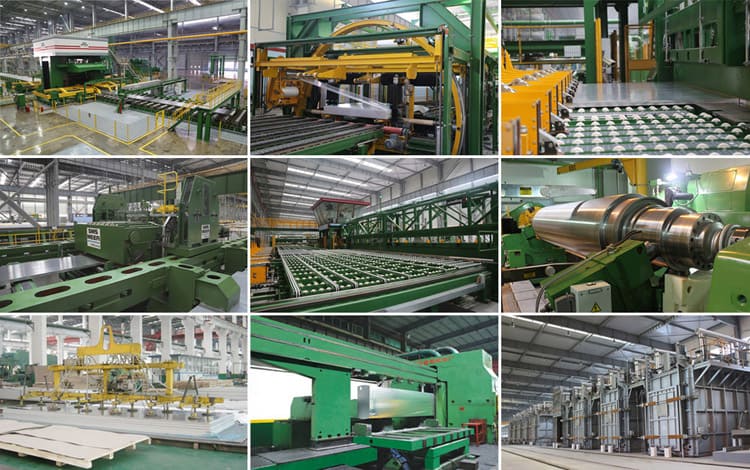
Процес кастингу та прокатки
Процес кастингу та прокатки: рідкий метал, передня коробка (контроль рівня рідини), Кастинг та прокатка машина (Система змащування, охолоджуюча вода), машина для стрижки, згортання.
Процес виробництва холодного кочення
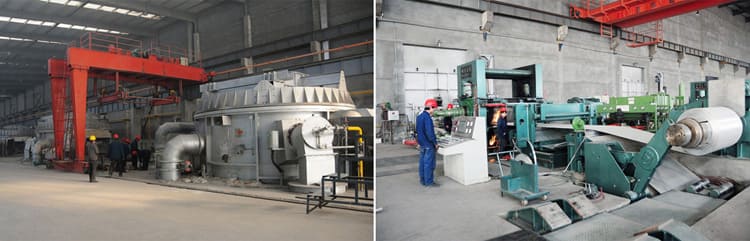
Вступ до обробки виробничого процесу
Алюмінієвий сплав має характеристики низької щільності, Хороші механічні властивості, хороша продуктивність обробки, нетоксичний, легко переробити, Відмінна електропровідність, Передача тепла та корозійна стійкість, Отже, він має широкий спектр додатків.
Аерокосмічний: Використовується для виготовлення шкури літаків, фюзеляжні рамки, балок, ротори, гвинти, паливні резервуари, настінні панелі та підстіски для посадки, а також ракетні кістки, стінові панелі космічних кораблів, тощо.
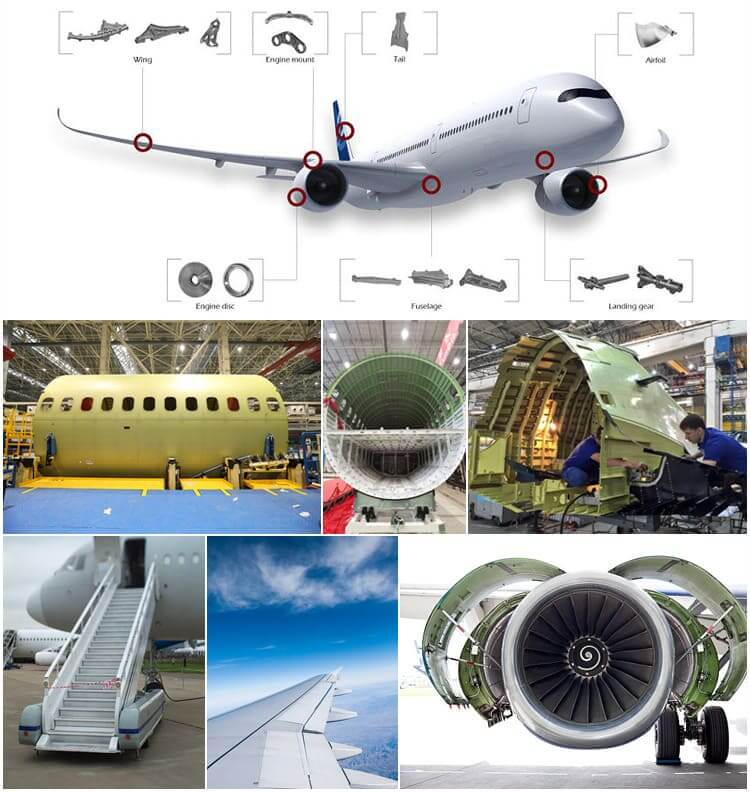
Алюмінієвий сплав, що використовується для аерокосмічного простору
Перевезення: Використовується для структури автомобіля автомобіля з автомобілями, Транспортні засоби метро, Залізничні пасажирські машини, Швидкі пасажирські машини, Двері та вікна, полки, Автомобільні деталі двигуна, кондиціонери, радіатори, кузовні панелі, колеса та корабельні матеріали.
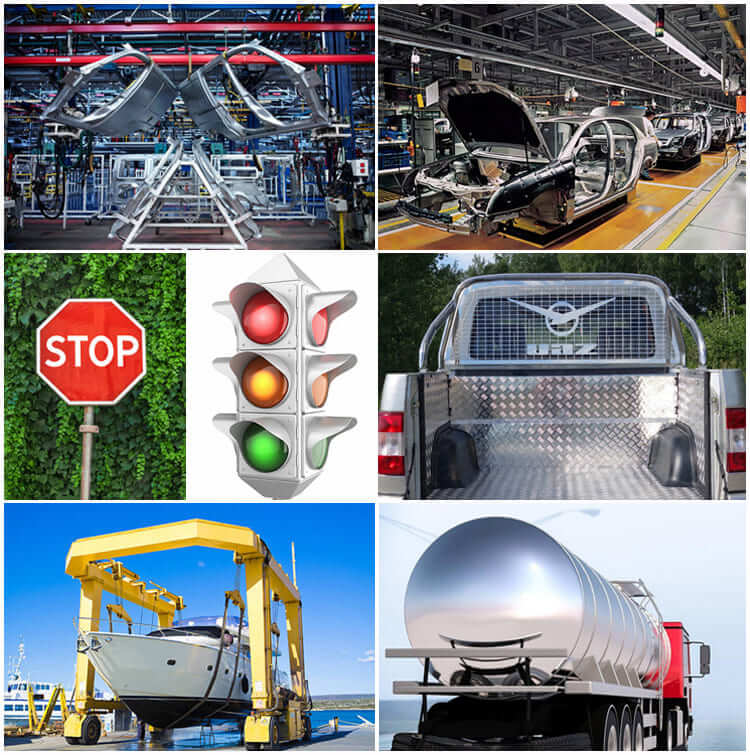
Застосування трафіку
Упаковка: Банки з алюмінієвими поп-банками в основному використовуються як металеві пакувальні матеріали у вигляді тонких пластин та фольг, і зроблені в банки, кришки, пляшки, бочки, і упаковка фольги. Широко використовується в упаковці напоїв, їжа, косметика, препарати, сигарети, промислова продукція, препарати, тощо.
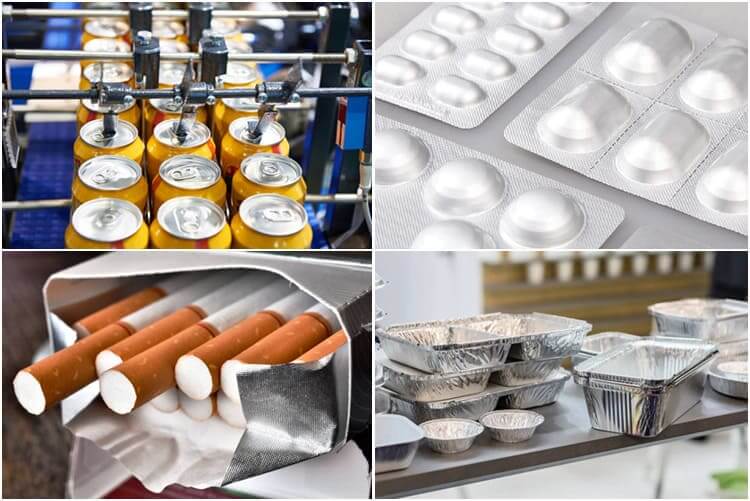
Застосування упаковки
Друк: В основному використовується для виготовлення табличок PS, Алюмінієві таблички PS-це новий тип матеріалу в галузі друку, Використовується для автоматичного виготовлення та друку пластини.
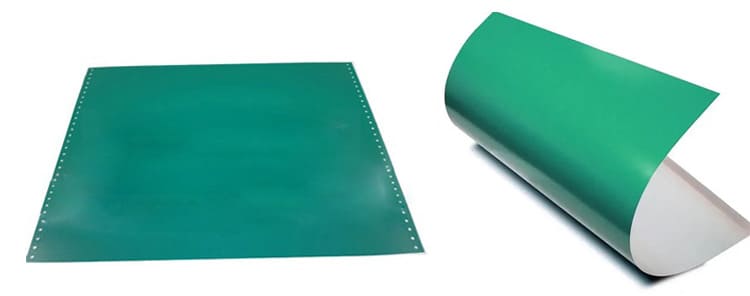
PS Printing
Архітектурне оздоблення: Алюмінієвий сплав широко використовується в будівельних конструкціях, Двері та вікна, призупинені стелі, декоративні поверхні, тощо. завдяки своїй хорошій стійкості до корозії, достатня сила, Відмінна продуктивність процесу та продуктивність зварювання.
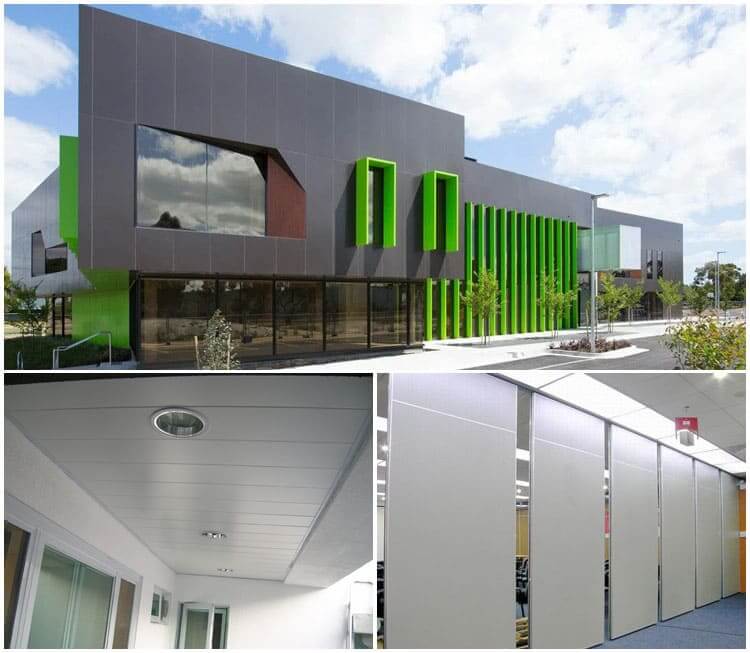
Застосування конструкції алюмінієвого сплаву
Електронна продукція: комп'ютери, мобільні телефони, Холодильні снаряди, радіатори, тощо.
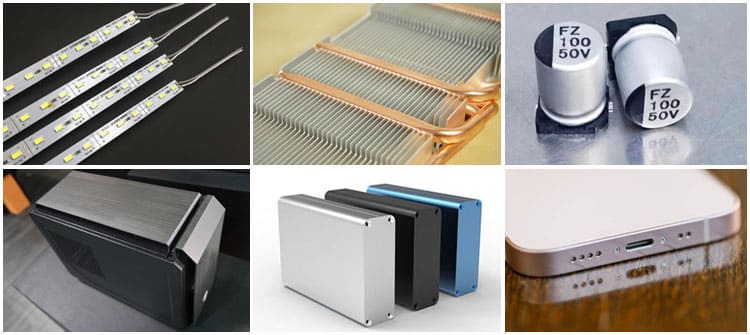
Електронне застосування продуктів
Кухонні приладдя: алюмінієві горщики, Алюмінієві басейни, Рисові вкладиші, побутова алюмінієва фольга, тощо.
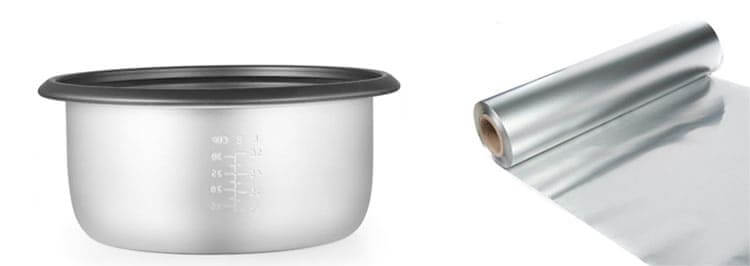
Застосування кухні
Упаковка алюмінієвого листа/котушки
Кожна деталь упаковки - це те, де ми здійснюємо ідеальне обслуговування. Наш процес упаковки в цілому такий:
Ламінування: чіткий фільм, блакитна плівка, мікроміїна, високославна, Лазерний ріжучий фільм (2 бренди, Novacell та Polyphem);
Захист: Паперові куточки захисники, прокладки проти тиску;
сушіння: осушувач;
Лоток: Запалений нешкідливий дерев'яний лоток, Залізний лоток для багаторазового використання;
Упаковка: Сталевий ремінь Tic-Tac-Toe, або ремінь упаковки ПВХ;
Якість матеріалу: Абсолютно вільні від таких дефектів, як біла іржа, масляні плями, колінні позначки, пошкодження краю, вигини, вм'ятини, дірки, Лінії розриву, подряпини, тощо, Немає набору котушки.
Порт: Qingdao або інші порти в Китаї.
Час: 15-45 дні.
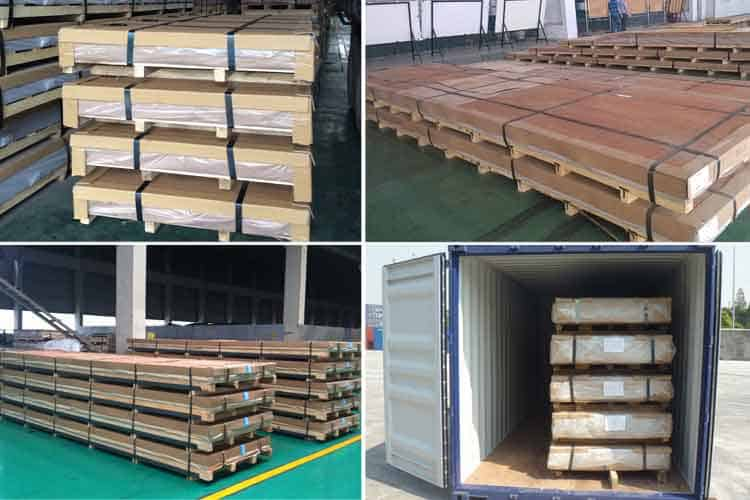
Процес упаковки алюмінієвого листа/тарілки
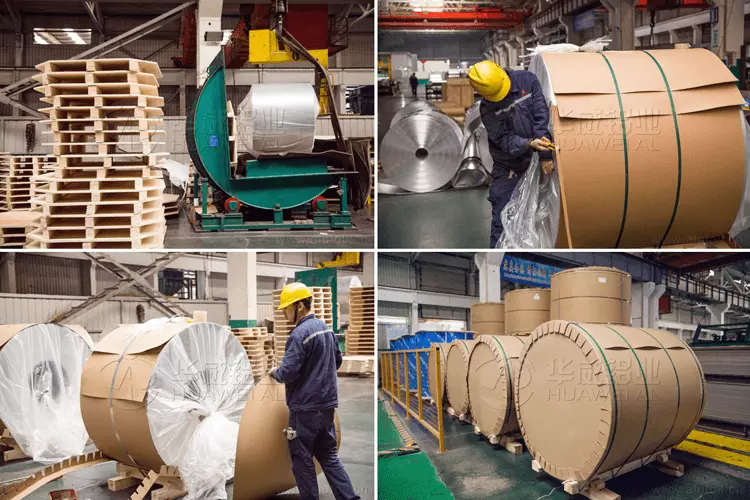
Процес упаковки алюмінієвої котушки
F: Ви виробник або торговець?
Q: Ми виробник, Наша фабрика знаходиться на №3 Weier Road, Промислова зона, Гонджі, Хенан, Китай.
F: Що таке мок для замовлення товару?
Q: Наш MOQ є 5 тонн, а деякі спеціальні продукти матимуть мінімальну кількість замовлення 1 або 2 тонн.
F: Скільки часу?
Q: Як правило, наш час виконання - це приблизно 30 дні.
F: Чи є ваша продукція забезпечення якості?
Q: Так, Якщо з нашими продуктами є проблема з якістю, Ми компенсуємо замовника, поки вони не будуть задоволені.
Супутні продукти


Останні блоги
Звичайні сплави рефрижераторних вантажівок, що використовували алюмінієву котушку з поліетиленовим покриттям
Відкрийте для себе загальні сплави алюмінієвої котушки з покриттям PE, включаючи 3003, 3004, і 3105. Розроблений для чудової стійкості до корозії, Формування, і тривалий зовнішній вигляд.
Алюміній проводить? Властивості, Використання & Пояснення переваг
Алюміній проводить? Визначте електропровідність алюмінію, ключові переваги, і чому він широко використовується для передачі електроенергії та промислових застосувань.
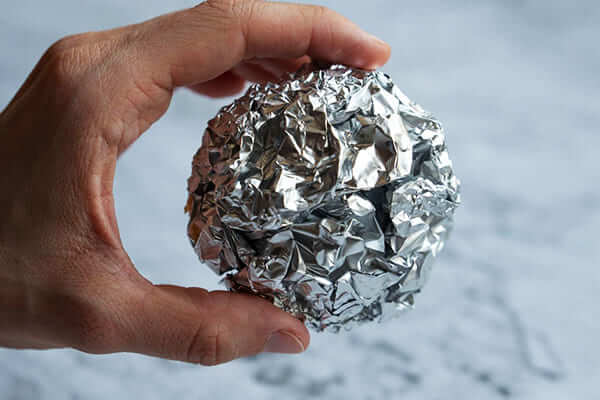
Розблокування стійкості: Правда про переробку алюмінієвої фольги
Чи підлягає переробці алюмінієва фольга? Дізнайтеся, як можна переробити алюмінієву фольгу, як його правильно приготувати, і чому переробка допомагає зменшити відходи та заощадити ресурси.
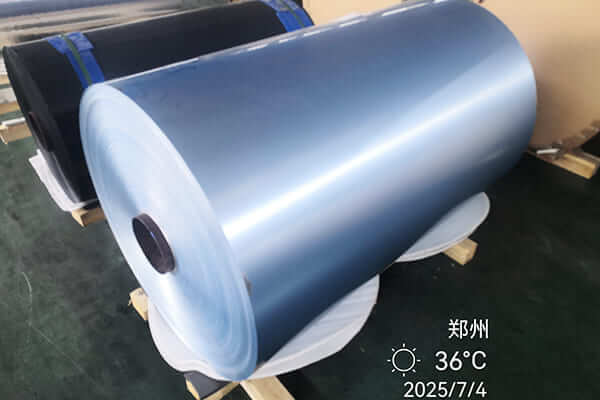
Алюмінієва фольга з покриттям для пакування | Сильний & Надійний
Високоякісна алюмінієва фольга з покриттям для пакування, забезпечуючи відмінний бар'єрний захист, міцність, і послідовна продуктивність.