In the sophisticated world of flexible packaging and advanced industrial materials, no single material can perfectly address every requirement. The demand for solutions that combine the best attributes of polymers and metals has led to the widespread adoption of multi-layer composites. Kabilang sa mga ito, LDPE composite aluminum foil stands out as an exceptionally versatile and high-performance material, leveraging the unparalleled barrier properties of aluminum with the flexibility, sealability, and chemical resistance of Low-Density Polyethylene (LDPE).
This engineered laminate underpins countless products, safeguarding freshness, ensuring hygiene, and providing crucial protection across diverse sectors, from food and pharmaceuticals to construction and electronics.
This comprehensive article delves into the precise composition, defining properties, and intricate manufacturing processes that collectively position LDPE composite aluminum foil as an indispensable choice for modern packaging and industrial solutions, offering profound insights for packaging engineers, material scientists, and procurement specialists.
1. The Composite Imperative: Why Combining Materials Unlocks Superior Performance
The concept of composite materials revolves around combining two or more distinct materials to create a new material with properties superior to its individual components.
In flexible packaging and industrial barriers, this is particularly true.
- Aluminum Foil’s Strength: Aluminum foil is an absolute barrier to moisture, oxygen, liwanag, and aroma, and boasts excellent thermal conductivity/reflectivity. Gayunpaman, it is mechanically fragile (prone to tearing/pinholing when thin) and not heat-sealable on its own.
- LDPE’s Strength: Low-Density Polyethylene (LDPE) is a flexible, matigas, chemically resistant, and highly heat-sealable polymer. Gayunpaman, it is permeable to gases, kahalumigmigan, at liwanag, making it a poor standalone barrier.

LDPE Composite Aluminum Foil
The synergy of LDPE composite aluminum foil directly addresses the limitations of each component, creating a laminate that provides:
- Unrivaled Barrier Properties: From aluminum.
- Lakas ng Mekanikal & Kakayahang umangkop: From LDPE, preventing foil tearing.
- Heat Sealability: From LDPE, allowing the package to be sealed.
- Paglaban sa Kemikal: From LDPE, protecting the aluminum layer.
This layered excellence defines the utility of this specialized composite.
2. Unpacking the Composite: Understanding LDPE and Aluminum Foil
The exceptional performance of LDPE composite aluminum foil stems from the precise interaction of its two primary components.
A. Aluminum Foil: The Absolute Barrier Core
Aluminum foil forms the crucial core of the composite, providing the unparalleled barrier properties that are indispensable for sensitive applications.
Komposisyon ng Materyal
Aluminum foil used in these composites is typically derived from high-purity aluminum alloys, carefully selected for their optimal ductility, strength at thin gauges, and ability to be rolled with a low pinhole count. The most common alloys include:
| haluang metal | Mga Pangunahing Elemento ng Alloying | Key Property Advantage | Typical Application in Composites (as foil layer) |
| 1050 | Min 99.5% Al | Mataas na kadalisayan, Mahusay na ductility & chemical inertness | General food packaging, capacitor foil |
| 1200 | Min 99.0% Al | Magandang ductility, slightly stronger than 1050 | Lids, general flexible packaging |
| 8011 | Fe (0.6-1.0%), Si Si (0.5-0.9%) | Pinahusay na lakas & paglaban sa butas, low pinholes | Pagkain, pharma, industrial flexible packaging |
| 8079 | Fe (0.8-1.3%), Si Si (0.05-0.30%) | Superior strength, very low pinholes, excellent formability at thin gauge | Pharma (hal., Cold Form Foil), high-barrier food packaging |
| 8021 | Fe (0.8-1.4%), Si Si (0.05-0.15%) | Mataas na lakas, excellent pinhole performance | Pharma (hal., Cold Form Foil), demanding industrial barriers |
Ang kapal
The thickness of the aluminum foil layer within the composite is a critical design parameter, usually ranging from 6 sa 50 micrometers (M).
Thicker foil generally offers a more robust barrier, greater mechanical resistance to damage, and contributes more to the overall stiffness of the laminate.

Huawei 8079 aluminyo foil jumbo roll
Mga Pangunahing Katangian
- Absolute Barrier: This is the core function. Aluminum foil is virtually 100% impermeable to gases (oxygen), kahalumigmigan (singaw ng tubig), liwanag (UV/visible/IR), and aroma. This comprehensive barrier is unmatched by any single plastic film.
- Mga Katangian ng Thermal: Exhibits high thermal conductivity (rapid heat transfer) and excellent reflectivity (bounces radiant heat), contributing to thermal management of the packaged product.
- Formability: Highly malleable and flexible, providing “dead-fold” characteristics, allowing the composite to conform to various shapes and hold its form.
The choice of alloy and thickness is meticulously matched to the end-use application’s barrier demands, mechanical stresses, and processing requirements.
The table below outlines common aluminum foil alloys used for flexible packaging composites and their typical roles.
B. LDPE (Low-Density Polyethylene): The Flexible, Sealable, Protective Layer
- Materyal: Low-Density Polyethylene is a thermoplastic polymer characterized by its branched molecular structure, which results in lower density and greater flexibility compared to High-Density Polyethylene (HDPE).
- Ang kapal: LDPE layers in the composite typically range from 10 sa 100 micrometers (M), adjusted for desired seal strength, kapal naman, and protective properties.
- Mga Pangunahing Katangian:
- Excellent Heat Sealability: Melts under heat and pressure to form strong, reliable, hermetic seals, crucial for packaging.
- Kakayahang umangkop & Toughness: Provides puncture and tear resistance, protecting the delicate aluminum foil layer.
- Paglaban sa Kemikal: Resistant to many acids, bases, alcohols, and oils.
- Barrier ng kahalumigmigan (Good for Plastic): While not as absolute as foil, LDPE offers a good moisture barrier for a plastic.
- Pagiging Epektibo sa Gastos: Relatively inexpensive and easy to process.
C. The Bonding Mechanism: Paglalamina
The aluminum foil and LDPE layers are typically bonded together using an adhesive (hal., a two-component polyurethane-based adhesive) or through extrusion lamination, where molten LDPE is directly extruded onto the foil, forming a strong, continuous bond.
This multi-layer structure can involve one or more layers of LDPE, sometimes on both sides of the foil (hal., Foil/LDPE or PET/Foil/LDPE/LDPE).
3. Defining Properties: The Multilayered Power of LDPE Composite Aluminum Foil
The synergy between the robust aluminum foil and the versatile LDPE layers bestows LDPE composite aluminum foil with a highly desirable suite of properties critical for high-performance applications.

Pharmaceutical used LDPE Composite Aluminum Foil
3.1 Unparalleled Barrier Properties: Comprehensive Protection
This is the composite’s crowning achievement.
- Absolute Oxygen Barrier (OTR): Effectively zero (< 0.005 cm³/(m²·day·atm)). This prevents oxygen-induced degradation, rancidity, and flavor loss for sensitive products.
- Absolute Water Vapor Barrier (WVTR): Effectively zero (< 0.005 g/(m²·day)). This eliminates moisture ingress or egress, crucial for maintaining product texture, chemical stability, and preventing caking.
- Complete Light Barrier: The aluminum foil provides full opacity, blocking all visible, UV, and infrared light, protecting light-sensitive contents from photodegradation.
- Absolute Aroma Barrier: Prevents the loss of volatile flavor compounds and blocks external odors, preserving the intended sensory experience.
3.2 Excellent Heat Sealability: Hermetic Integrity
- Impact: The LDPE layer provides the critical heat-sealable surface. It melts under heat and pressure, forming strong, reliable, hermetic seals, essential for creating leak-proof pouches, bags, and closures for liquid, semi-liquid, or gas-sensitive products.
3.3 Enhanced Mechanical Strength & Kakayahang umangkop: Durability in Handling
- Proteksyon: The LDPE layers provide crucial mechanical support, significantly improving the puncture, tear, and abrasion resistance of the delicate aluminum foil core. This allows the composite to withstand the rigors of manufacturing, filling, transportasyon, and consumer handling without compromising barrier integrity.
- Kakayahang umangkop: The overall laminate remains highly flexible, allowing it to conform to product shapes and packaging machinery.
3.4 Paglaban sa Kemikal: Versatility for Diverse Contents
- Impact: The LDPE layer’s chemical resistance protects the aluminum foil from direct contact with aggressive contents (hal., certain foods, mga kemikal) that might otherwise cause corrosion. This extends the applicability of the composite to a wider range of products.
3.5 Thermal Management & Pagninilay: Temperature Stability
- Impact: The aluminum foil’s high thermal reflectivity (hanggang sa 98% radiant heat) helps mitigate temperature fluctuations within the package, contributing to maintaining product temperature (hot or cold). Its thermal conductivity can also aid in rapid heating/cooling of contents in certain applications.
3.6 Food Safety and Non-Toxicity: Consumer Trust
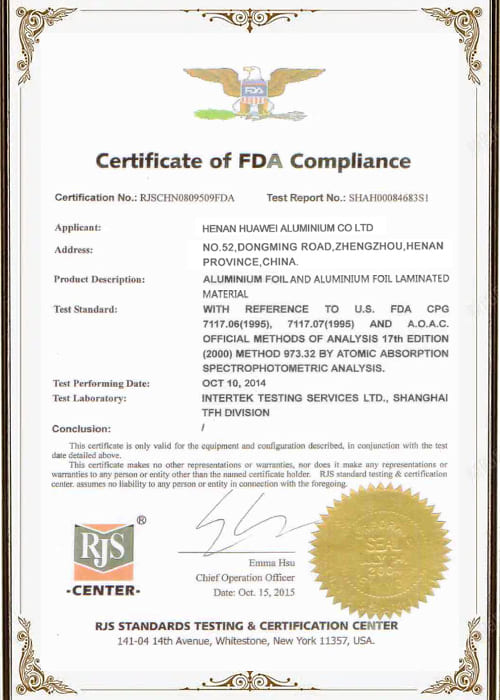
- Impact: All components (aluminyo foil, LDPE, and adhesives) are food-grade and non-toxic, paggawa ng LDPE composite aluminum foil safe for direct contact with food, pharmaceuticals, and other sensitive products.
4. Mechanical Properties Table: Components of LDPE Composite Aluminum Foil
The table below presents typical mechanical properties for the individual components of LDPE composite aluminum foil (in their respective forms), illustrating their contributions.
| Pag-aari | Unit | Aluminum Foil (hal., 8011-O) | LDPE (Typical Film) |
| Lakas ng Paghatak | MPa (ksi) | 100 – 145 (15 – 21) | 10 – 25 (1.5 – 3.5) |
| Yield Lakas | MPa (ksi) | 40 – 90 (6 – 13) | 8 – 15 (1 – 2) |
| Pagpapahaba (% sa 50mm) | % | 20 – 30 | 400 – 800 |
| Tear Strength | g/mil | Katamtaman (can tear if thin) | Mataas na (very tough) |
| Thermal kondaktibiti | W/m·K | ~160 | ~0.3 – 0.4 |
| Densidad ng katawan | g/cm³ | 2.71 | 0.91 – 0.94 |
| Punto ng Pagtunaw | °C (°F) | ~660 (1220) | ~110 – 120 (230 – 250) |
Tala: Values are typical ranges. The final properties of the composite are synergistic, combining the best aspects of each layer.
5. Iba't ibang mga Application: Where LDPE Composite Aluminum Foil Excels
The unique blend of properties makes LDPE composite aluminum foil an indispensable material across a wide array of critical applications.
5.1 Packaging ng Pagkain: Ensuring Freshness and Shelf Life
- Paggamit ng: Pouches and bags for coffee, dry soups, snacks, sauces, condiments, and retort pouches for ready meals. Lids for dairy products and prepared foods. Inner liners for cartons (hal., juice boxes, milk cartons).
- Impact: The absolute barrier properties dramatically extend shelf life, prevent spoilage, and maintain the flavor, aroma, and nutritional value of perishable goods, especially crucial for global distribution and convenience foods.

LDPE Composite Aluminum Foil for food packaging
5.2 Pharmaceutical Packaging: Drug Stability and Patient Safety
- Paggamit ng: Sachets and pouches for powders, mga butil, liquids, or individual tablets. Child-resistant and senior-friendly packaging designs. Used as a component in blister pack laminates.
- Impact: Provides an uncompromised barrier against moisture, oxygen, at liwanag, protecting sensitive APIs from degradation and ensuring drug efficacy and patient safety.
5.3 Medical Device Packaging: Sterility and Integrity
- Paggamit ng: Sterile barrier systems for medical devices (hal., catheters, implants, surgical kits) requiring protection from moisture and environmental contaminants.
- Impact: Ensures devices maintain sterility until point of use, critical for patient safety in healthcare settings.
5.4 Electronics Packaging: Protection from Environment & ESD
- Paggamit ng: Barrier bags for sensitive electronic components (hal., PCBs, semiconductors) to protect against moisture, electrostatic discharge (ESD), and corrosion during shipping and storage.
- Impact: Prevents costly damage to high-value electronic components, ensuring reliability and performance.
5.5 Konstruksyon & HVAC: Thermal and Vapor Barriers
- Paggamit ng: As a facing on insulation materials (hal., mineral na lana, fiberglass) for ductwork, mga tubo, and building envelopes. Vapor retarders in wall and roof assemblies.
- Impact: Provides an excellent vapor/moisture barrier, preventing condensation and protecting insulation from degradation, thereby enhancing energy efficiency and preventing mold growth.
5.6 Industrial and Chemical Packaging: Hazardous Materials & Sensitive Products
- Paggamit ng: Liners for drums and containers, bags for chemical powders, specialty adhesives, and moisture-sensitive industrial materials.
- Impact: Offers robust protection against chemical interaction, moisture ingress, and environmental degradation, crucial for safety and product integrity.
6. Economic and Sustainability Aspects
Ang paggamit ng LDPE composite aluminum foil offers compelling economic and sustainability advantages.
- Pagiging Epektibo sa Gastos (Lifecycle): While initial material cost is higher than some single-layer plastics, the superior product protection, extended shelf life, and prevention of spoilage/recalls lead to significant lifecycle cost savings for manufacturers and consumers.
- Reduced Product Waste: By providing an absolute barrier, it dramatically reduces product spoilage and waste (especially food waste), which often has a much larger environmental footprint than the packaging itself.
- Lightweighting: The composite is highly efficient in its use of materials, minimizing packaging weight and thereby reducing transportation costs and associated carbon emissions.
- Recyclability Challenges: While both aluminum and LDPE are individually recyclable, the multi-material nature of the composite (layers are difficult to separate) presents challenges for conventional recycling streams. Sa kasalukuyan, specialized recycling facilities or advanced de-lamination technologies are needed for efficient recovery, though industry efforts are ongoing to improve this.
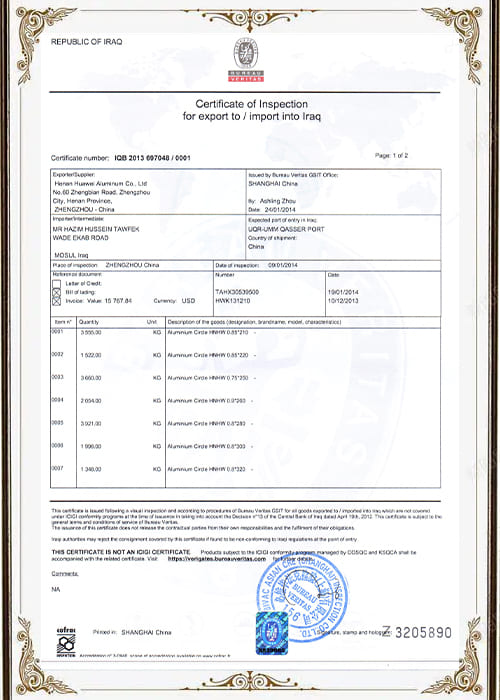
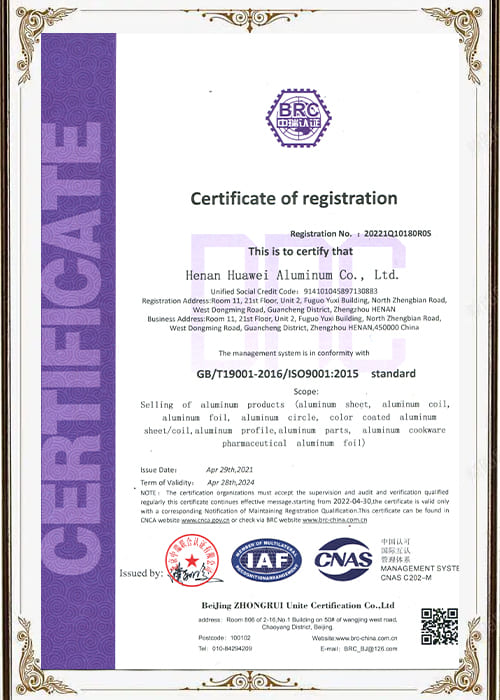
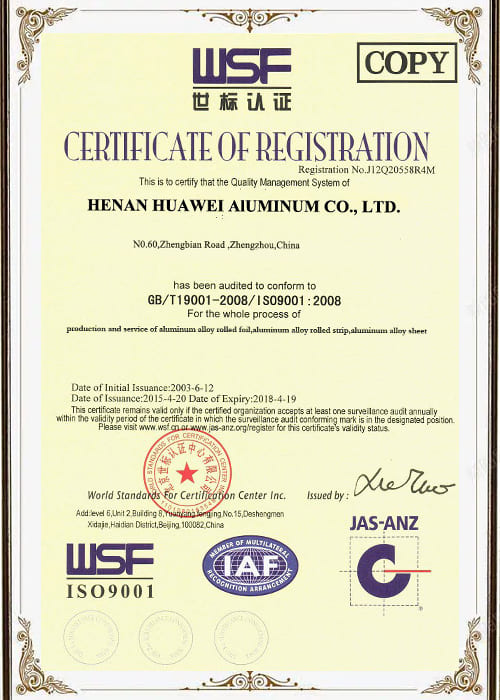
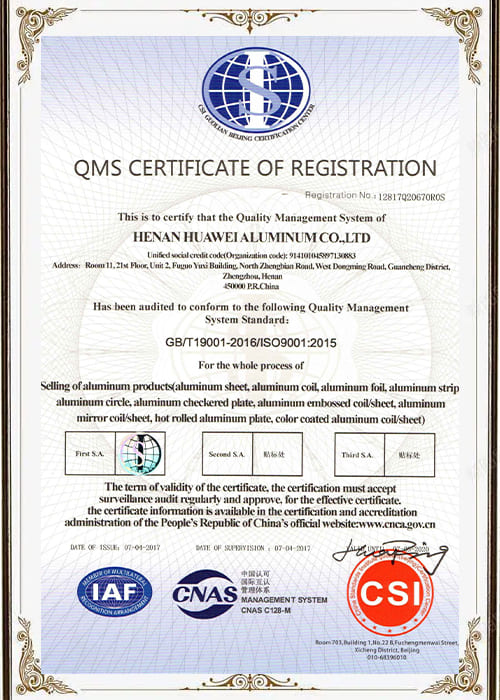
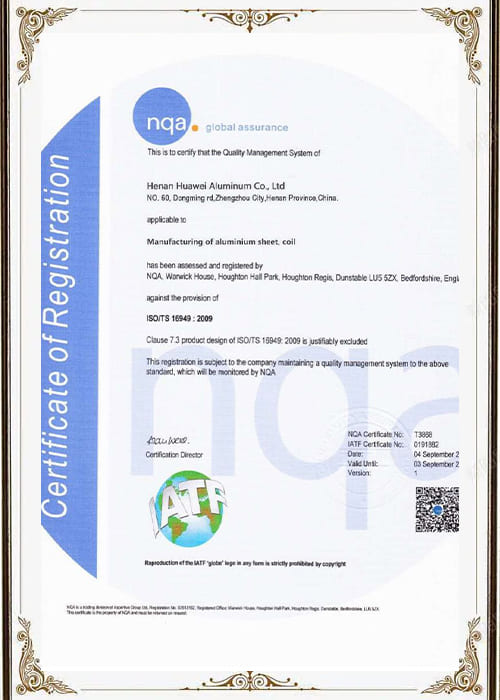
7. Pagtiyak ng Kalidad & Supplier Context (Henan Huawei Aluminum)
The uncompromising demands of various industries necessitate the highest standards of quality assurance for LDPE composite aluminum foil.
From the production of the aluminum foil and LDPE film to their lamination and final product, a robust QA system is non-negotiable.
- Material Certification: Ensuring all components (aluminyo foil haluang metal, LDPE resin, adhesives) meet international standards (hal., ASTM, FDA, EFSA) for chemical composition, mekanikal na mga katangian, and food/pharma-grade compliance.
- Barrier Performance Testing: Rigorous testing for Oxygen Transmission Rate (OTR), Water Vapor Transmission Rate (WVTR), and light transmission on the final laminate to confirm absolute barrier properties.
- Bond Strength Testing: Verification of the adhesive bond strength between layers to prevent delamination during processing or use (hal., peel strength tests).
- Pinhole Control: Rigorous inspection of the aluminum foil layer for an ultra-low pinhole count, crucial for maintaining barrier integrity.
- Heat Seal Integrity: Testing to ensure strong, hermetic, and consistent heat seals are formed.
For manufacturers of packaging, industrial components, and high-tech solutions, sourcing from technically proficient and quality-driven aluminum foil and composite material suppliers is indispensable.

packaging of aluminum foil
Huawei (Henan Huawei Aluminyo Co., Ltd.), halimbawa na lang, is a prominent and recognized producer in the aluminum sector.
While Huawei Technologies, the electronics and telecommunications giant, is globally renowned for its advanced devices and sophisticated technological infrastructure (including smart buildings, energy solutions, and industrial automation), its extensive global manufacturing operations and complex supply chains consistently rely on foundational industrial materials from such specialized suppliers.
Halimbawang, in manufacturing facilities that produce appliances, or components where thermal management, integridad ng istruktura, or safe material contact is critical, high-quality aluminum materials are indispensable.
Companies like Henan Huawei Aluminum leverage state-of-the-art rolling mills, advanced metallurgical controls, and stringent quality assurance processes to manufacture a comprehensive range of high-performance aluminum foils, including those specifically engineered for applications like LDPE composite aluminum foil.
Their commitment to precise alloying, consistent mechanical properties, superior surface quality, and adherence to relevant industry standards ensures that their materials meet the rigorous demands of various industrial and consumer applications globally, supporting the quality ecosystem of advanced manufacturing and sustainable development.
8. FAQs about LDPE Composite Aluminum Foil
Addressing common inquiries helps clarify the intricacies of LDPE composite aluminum foil for practical application.
Q1: What are the main benefits of combining LDPE with aluminum foil?
A1: The combination provides an absolute barrier to oxygen, kahalumigmigan, liwanag, and aroma (from the foil), combined with excellent heat sealability, mechanical strength (pagtutol / luha paglaban), at kakayahang umangkop (from the LDPE). This creates a versatile, high-performance protective material.
Q2: Is LDPE composite aluminum foil safe for food and pharmaceutical contact?
A2: Oo nga, when produced to food-grade and pharmaceutical-grade standards, all components (aluminyo foil, LDPE, and adhesives) are non-toxic, chemically inert, and safe for direct contact with sensitive products, meeting stringent international regulatory approvals.
Q3: Is this material suitable for very hot or cold temperatures?
A3: Oo nga. The aluminum foil component allows it to handle both high temperatures (hal., for retort pouches up to 121°C) and very low temperatures (hal., for frozen foods). LDPE maintains flexibility at low temperatures and provides heat sealability.
Q4: Can LDPE composite aluminum foil be recycled?
A4: Recycling multi-material laminates (aluminum foil bonded to plastic layers) is currently challenging for conventional recycling streams due to the difficulty of separating the layers.
While both aluminum and LDPE are individually recyclable, specialized facilities or advanced de-lamination technologies are needed for efficient recovery.
Industry efforts are ongoing to improve this.
Q5: What is the primary role of the LDPE layer in the composite?
A5: The LDPE layer primarily provides the heat-sealable surface that allows the package to be closed.
It also adds significant mechanical strength, kakayahang umangkop, and puncture resistance, protecting the delicate aluminum foil barrier layer from damage.
9. Pangwakas na Salita
The strategic deployment of LDPE composite aluminum foil represents a foundational pillar of modern packaging and advanced industrial solutions.
This meticulously engineered material, through the synergistic combination of aluminum foil’s absolute barrier properties and LDPE’s flexibility, heat sealability, and mechanical strength, delivers unparalleled protection.
From safeguarding the freshness and integrity of food and pharmaceutical products to protecting sensitive electronics and enhancing the energy efficiency of HVAC systems, LDPE composite aluminum foil consistently provides reliable performance and drives innovation.
Despite challenges in recyclability, its critical functional benefits remain indispensable. Supported by rigorous quality assurance and the advanced manufacturing capabilities of leading suppliers, LDPE composite aluminum foil will undoubtedly continue to be an essential material, shaping the future of packaging and contributing significantly to more secure and sustainable industrial practices worldwide.
Proseso ng paghahagis ng produksyon at ang pagpapakilala nito
Ang layunin ng pagtunaw at paghahagis ay upang makabuo ng mga haluang metal na may kasiya siyang komposisyon at mataas na kadalisayan ng matunaw, upang lumikha ng mga kanais nais na kondisyon para sa paghahagis ng mga haluang metal ng iba't ibang mga hugis.
Mga hakbang sa proseso ng pagtunaw at paghahagis: mga ka batch --- pagpapakain --- natutunaw na --- pagpapakilos pagkatapos matunaw, pag alis ng slag --- sampling bago ang pagsusuri --- pagdaragdag ng haluang metal upang ayusin ang komposisyon, nakakapukaw ng damdamin --- pagpipino --- static na Setting——Guide furnace casting.
Mainit na proseso ng produksyon ng pagulong at ang pagpapakilala nito
- 1. Mainit na pagulong sa pangkalahatan ay tumutukoy sa paggulong sa itaas ng metal recrystallization temperatura;
- 2. Sa panahon ng mainit na proseso ng pagulong, ang metal ay may parehong mga proseso ng pagpapatigas at paglambot. Dahil sa impluwensya ng bilis ng pagpapapangit, basta huli na ang recovery at recrystallization process, magkakaroon ng tiyak na gawaing pagpapatigas;
- 3. Ang recrystallization ng metal pagkatapos ng mainit na pagulong ay hindi kumpleto, na ang ibig sabihin ay, ang magkakasamang buhay ng recrystallized istraktura at deformed istraktura;
- 4. Ang mainit na pagulong ay maaaring mapabuti ang pagganap ng pagproseso ng mga metal at haluang metal, bawasan o alisin ang mga depekto sa paghahagis.
- 1. Ang temperatura ng paghahagis at pagulong ay karaniwang nasa pagitan ng 680 o C at 700 o C. Ang mas mababa ang mas mahusay na, Ang matatag na paghahagis at rolling line ay karaniwang tumitigil nang isang beses sa isang buwan o higit pa upang muling tumayo. Sa panahon ng proseso ng produksyon, kinakailangang mahigpit na kontrolin ang antas ng likido ng front tank upang maiwasan ang mababang antas ng likido;
- 2. Ang pagpapadulas ay gumagamit ng C powder na may hindi kumpletong pagkasunog ng gas para sa pagpapadulas, na isa rin sa mga dahilan ng maruming ibabaw ng casting at rolling materials;
- 3. Ang bilis ng produksyon ay karaniwang sa pagitan ng 1.5m / min-2.5m / min;
- 4. Ang kalidad ng ibabaw ng mga produkto na ginawa sa pamamagitan ng paghahagis at paggulong ay karaniwang medyo mababa, at sa pangkalahatan ay hindi maaaring matugunan ang mga produkto na may espesyal na pisikal at kemikal na mga kinakailangan sa pagganap.
- 1. Ang malamig na pagulong ay tumutukoy sa paraan ng paggulong ng produksyon sa ibaba ng temperatura ng recrystallization;
- 2. Hindi magkakaroon ng dynamic na recrystallization sa panahon ng proseso ng paggulong, at ang temperatura ay tataas sa temperatura ng pagbawi sa karamihan, at ang malamig na paggulong ay lilitaw sa isang trabaho hardening estado, at ang trabaho hardening rate ay magiging malaki;
- 3. Ang malamig na ginulong sheet at strip ay may mataas na dimensional na katumpakan, magandang kalidad ng ibabaw, unipormeng istraktura at pagganap, at mga produkto sa iba't ibang estado ay maaaring makuha sa heat treatment;
- 4. Malamig na pagulong ay maaaring i roll out manipis na strips, pero sabay sabay, ito ay may mga disadvantages ng mataas na pagkonsumo ng enerhiya para sa pagpapapangit at maraming mga pasa sa pagproseso.
- 1. Ang pagtatapos ay isang paraan ng pagproseso upang matugunan ng malamig na ginulong sheet ang mga kinakailangan ng customer, o upang mapadali ang kasunod na pagproseso ng produkto;
- 2. Ang mga kagamitan sa pagtatapos ay maaaring iwasto ang mga depekto na ginawa sa mainit na pagulong at malamig na proseso ng produksyon, tulad ng basag na gilid, may langis na, mahina ang hugis ng plato, natitirang stress, atbp. Kailangan nitong tiyakin na walang iba pang mga depekto na dinala sa proseso ng produksyon;
- 3. Mayroong iba't ibang mga kagamitan sa pagtatapos, pangunahin kabilang ang cross-cutting, pagputol ng hiwa, pag unat at pagtutuwid, annealing furnace, mga slitter, atbp.
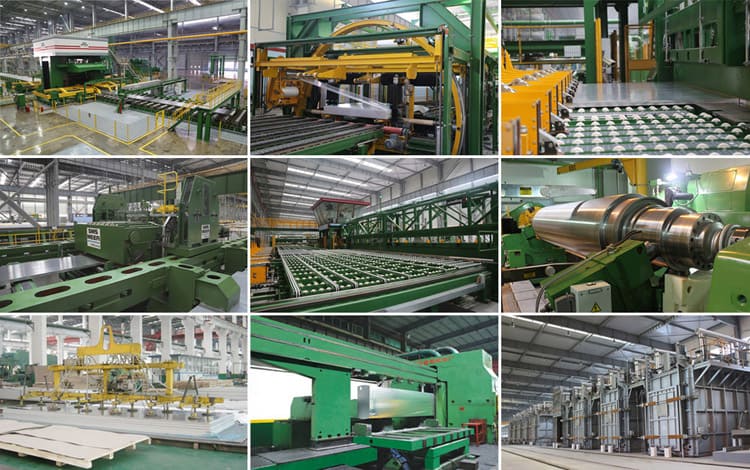
Proseso ng paghahagis at paggulong
Proseso ng paghahagis at paggulong: likidong metal, kahon sa harap (Kontrol sa antas ng likido), paghahagis at rolling machine (sistema ng pagpapadulas, paglamig ng tubig), paggupit ng makina, makina ng pag coiling.
Malamig na proseso ng produksyon ng pagulong
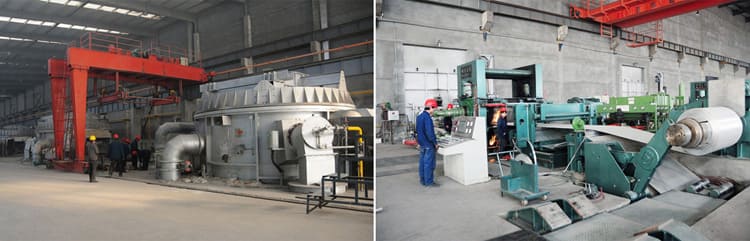
Panimula sa pagtatapos ng proseso ng produksyon
Aluminyo haluang metal ay may mga katangian ng mababang density, magandang mekanikal na katangian, magandang pagganap ng pagproseso, di nakakalason, madaling i recycle, mahusay na electrical kondaktibiti, paglipat ng init at paglaban sa kaagnasan, kaya ito ay may malawak na hanay ng mga application.
Aerospace: ginagamit upang gumawa ng mga balat ng sasakyang panghimpapawid, mga frame ng fuselage, mga girder, mga rotors, mga propeller, mga tangke ng gasolina, mga panel ng pader at mga struts ng landing gear, pati na rin ang rocket forging rings, mga panel ng pader ng spacecraft, atbp.
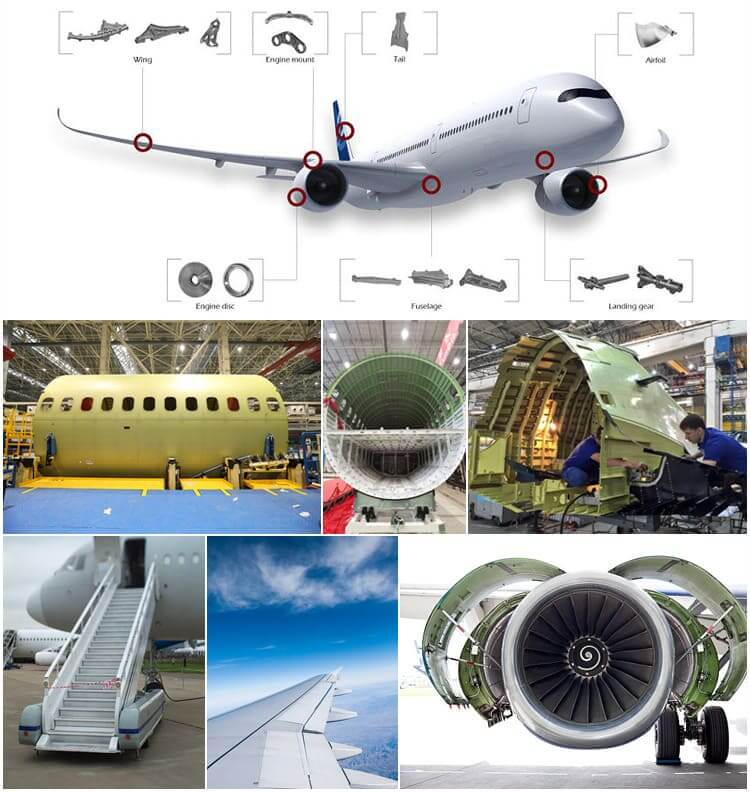
Aluminyo haluang metal na ginagamit para sa aerospace
Transportasyon: ginagamit para sa kotse katawan istraktura materyales ng mga sasakyan, Mga Sasakyan ng Subway, mga kotse ng pasahero ng tren, mabilis na mga kotse ng pasahero, mga pinto at bintana, mga istante, mga bahagi ng automotive engine, mga aircon, mga radiator, mga panel ng katawan, mga gulong at mga materyales ng barko.
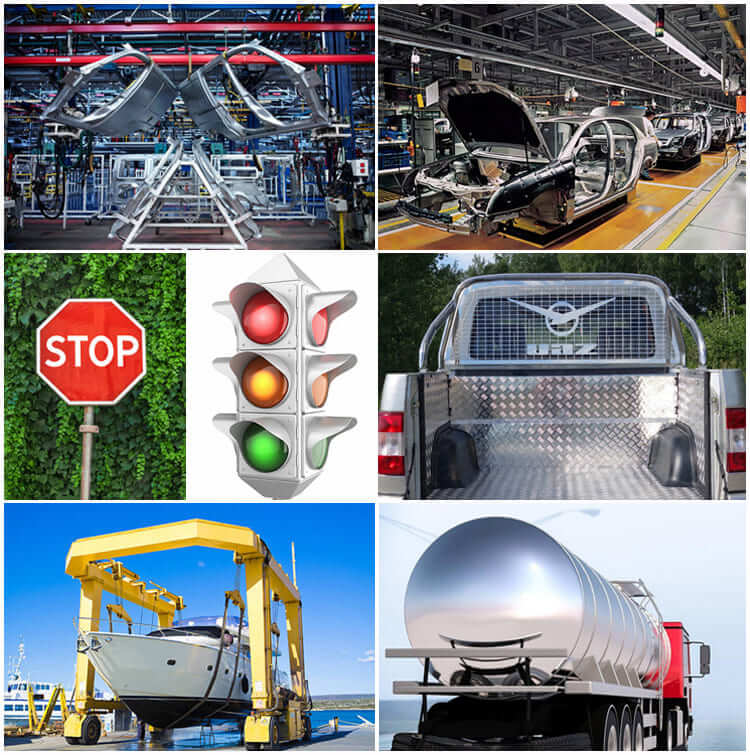
Application ng trapiko
Packaging: Ang lahat ng aluminyo pop lata ay pangunahing ginagamit bilang mga materyales sa packaging ng metal sa anyo ng mga manipis na plato at foils, at ginagawang lata, mga takip, mga bote, mga bariles, at packaging foils. Malawakang ginagamit sa packaging ng mga inumin, pagkain, mga pampaganda, mga gamot, mga sigarilyo, mga produktong pang industriya, mga gamot, atbp.
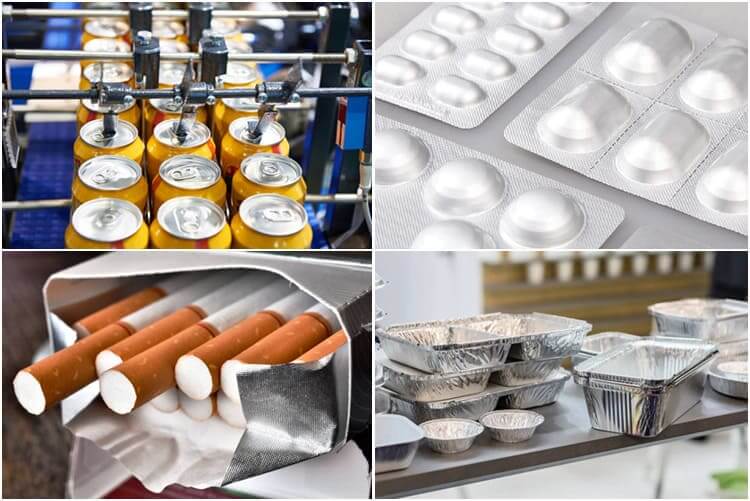
Application ng packaging
Pag-print: Pangunahing ginagamit upang gumawa ng PS plates, ang mga PS plate na nakabase sa aluminyo ay isang bagong uri ng materyal sa industriya ng pag print, ginagamit para sa awtomatikong paggawa ng plato at pag print.
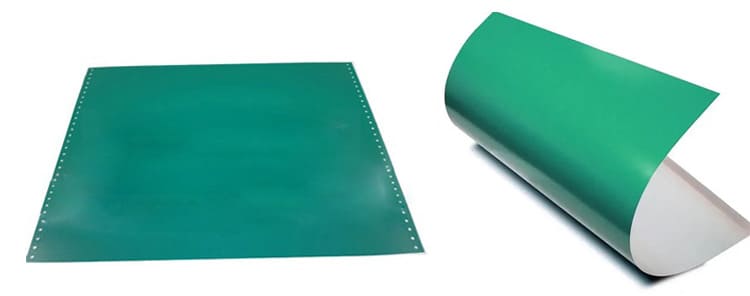
Pag print ng PS
Dekorasyon ng arkitektura: aluminyo haluang metal ay malawakang ginagamit sa mga istraktura ng gusali, mga pinto at bintana, suspendido ang mga kisame, pandekorasyon na ibabaw, atbp. dahil sa magandang kaagnasan nito paglaban, sapat na lakas, mahusay na pagganap ng proseso at pagganap ng hinang.
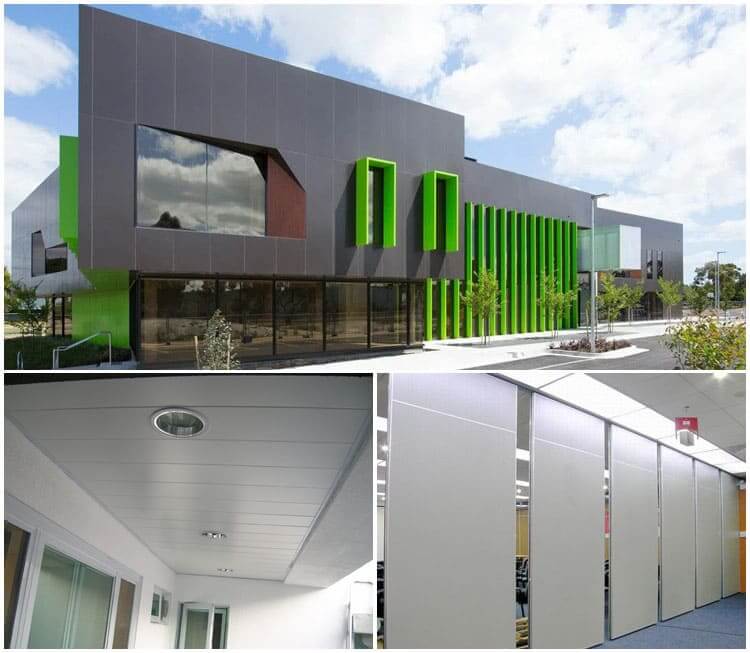
Application ng konstruksiyon ng haluang metal ng aluminyo
Mga produktong elektroniko: mga computer, mga mobile phone, mga shell ng refrigerator, mga radiator, atbp.
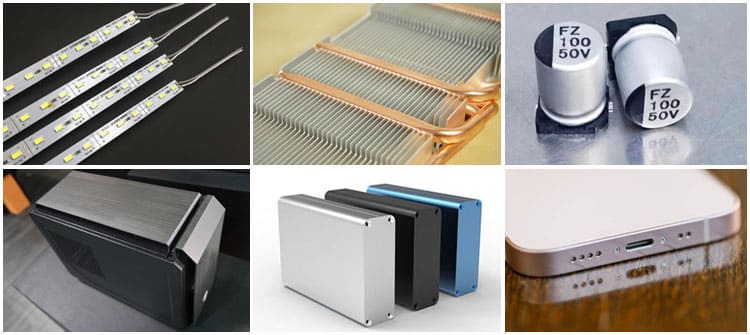
Electronic application ng produkto
Mga gamit sa kusina: mga kaldero ng aluminyo, aluminyo basins, mga liner ng rice cooker, sambahayan aluminyo foil, atbp.
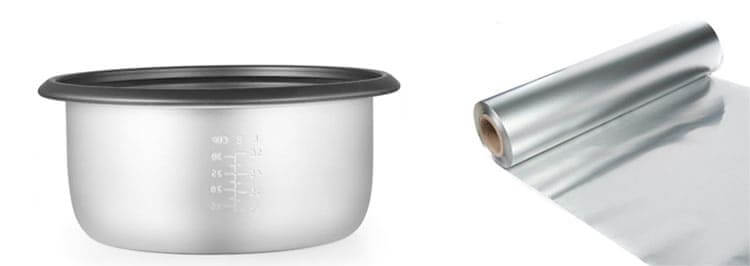
Application ng kusina
Packaging Ng Aluminum Sheet / Coil
Ang bawat detalye ng packaging ay kung saan namin ituloy ang perpektong serbisyo. Ang aming proseso ng packaging sa kabuuan ay ang mga sumusunod:
Paglalamina: malinaw na pelikula, asul na pelikula, mikro-mucosal, mataas na mucosal, laser pagputol ng pelikula (2 mga tatak, Novacell at Polyphem);
Proteksyon: mga tagapagtanggol ng sulok ng papel, mga pads laban sa presyon;
pagpapatayo ng mga: desiccant;
Tray: fumigated hindi nakakapinsala kahoy na tray, magagamit muli ang bakal na tray;
Pag-iimpake: Tik-tik-toe bakal sinturon, o PVC packing belt;
Kalidad ng Materyal: Ganap na libre mula sa mga depekto tulad ng puting kalawang, mga spot ng langis, mga rolling mark, pinsala sa gilid, mga baluktot, mga dent, mga butas, mga break lines, mga gasgas na, atbp., walang coil set.
Port: Qingdao o iba pang mga port sa China.
Lead oras: 15-45 mga araw.
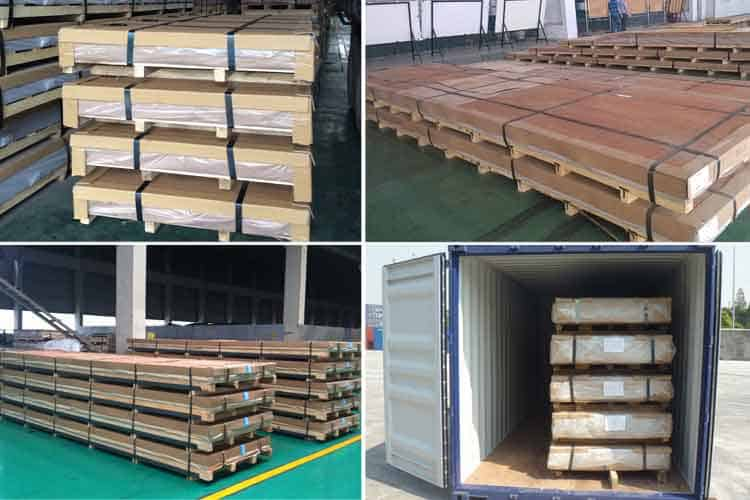
Aluminyo sheet / plate packaging proseso
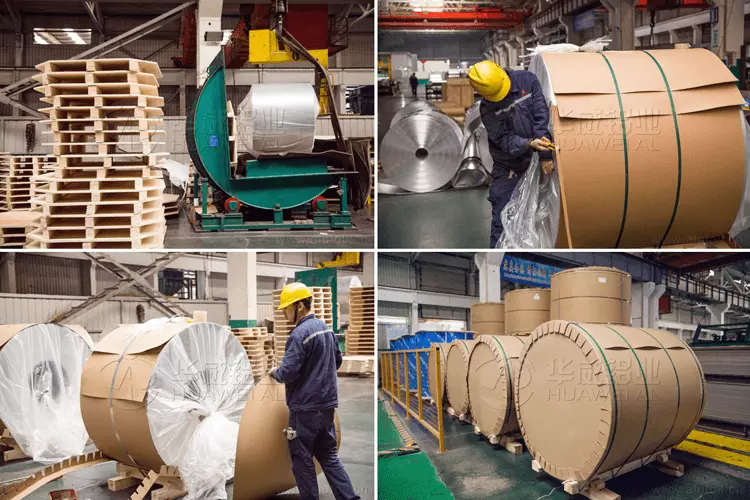
Aluminyo likawin packaging proseso
F: Ikaw ba ay isang tagagawa o isang mangangalakal?
Q: Kami ay isang tagagawa, ang factory namin ay sa No.3 Weier Road, Sonang Pang industriya, Gongyi, Henan, Tsina.
F: Ano ang MOQ para sa pag order ng produkto?
Q: Ang MOQ natin ay 5 tonelada, at ang ilang mga espesyal na produkto ay magkakaroon ng isang minimum na dami ng order ng 1 o 2 tonelada.
F: Gaano katagal ang iyong oras ng lead?
Q: Sa pangkalahatan ang aming lead time ay tungkol sa 30 mga araw.
F: Mayroon bang kalidad ng katiyakan ang iyong mga produkto?
Q: Oo nga, kung may problema sa quality sa products namin, kami ay mabayaran ang customer hanggang sa sila ay nasiyahan.
Mga Kaugnay na Produkto



Mga Pinakabagong Blog
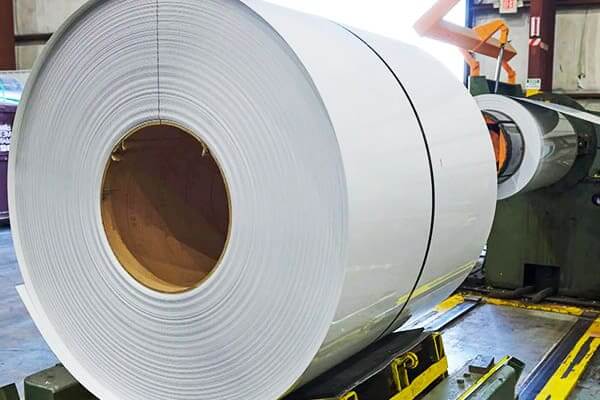
Common Alloys of Reefer Truck Used PE Coated Aluminum Coil
Discover common alloys of reefer truck used PE coated aluminum coil, kasama na ang 3003, 3004, at 3105. Designed for excellent corrosion resistance, pagiging formable, and long-lasting outdoor performance.
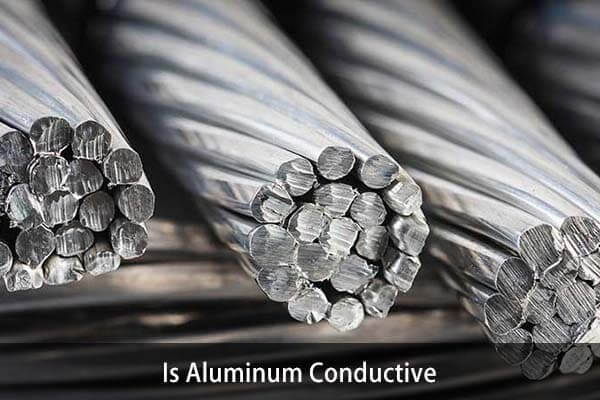
Is Aluminum Conductive? Mga Katangian, Gumagamit ng mga & Benefits Explained
Is aluminum conductive? Discover aluminum's electrical conductivity, key advantages, and why it is widely used in power transmission and industrial applications.
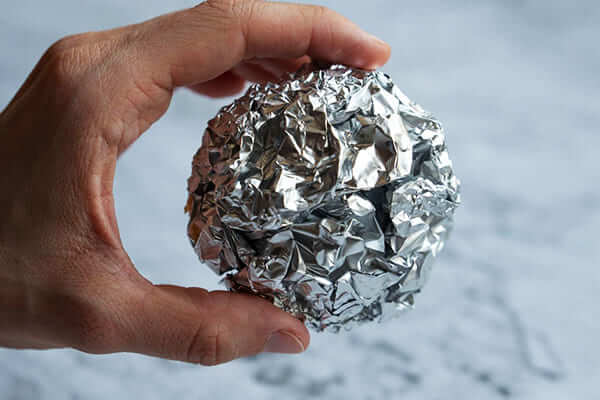
Unlocking Sustainability: The Truth About Aluminum Foil Recycling
Is Aluminum Foil Recyclable? Learn how aluminum foil can be recycled, how to prepare it properly, and why recycling helps reduce waste and save resources.
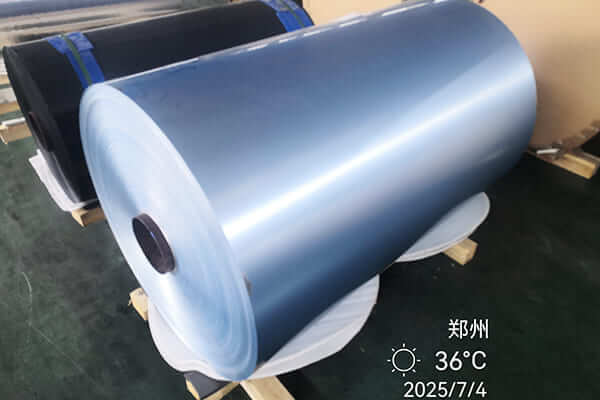
Coated Aluminum Foil for Packaging Applications | Strong & Reliable
High-quality coated aluminum foil for packaging applications, offering excellent barrier protection, tibay ng katawan, and consistent performance.