
Introduction
2mm 1050 H24 Aluminum Mirror Sheet is more than a material; it’s a versatile solution for high-reflectivity surfaces that demand both durability and visual appeal.
In modern architecture, interior design, signage, and solar applications, the combination of a near-pure aluminum alloy (1050) with the H24 temper (strain-hardened) yields a sheet that is easy to work with, highly reflective when finished to a mirror surface, and capable of withstanding daily wear.
The 2mm thickness adds a robust rigidity that simplifies handling and assembly while keeping weight manageable for decorative panels and structural interfaces.
This post introduces 2mm 1050 H24 Aluminum Mirror Sheet in depth, with practical guidance on properties, processing, applications, and supplier considerations.
It also provides objective comparisons, data-driven insights, and actionable recommendations to help engineers, specifiers, fabricators, and designers select the right mirror sheet for their projects.
We will also highlight Huawei Aluminum, a prominent supplier in this field, to illustrate what a reliable supply chain partner looks like, including quality controls, certifications, and service capabilities that backing 2mm 1050 H24 Aluminum Mirror Sheet from a reputable producer.
2mm 1050 H24 Aluminum Mirror Sheet
What is 2mm 1050 H24 Aluminum Mirror Sheet?
Composition and temper
- Alloy: 1050 is part of the commercially pure aluminum family (the 1000 series). It typically contains not less than 99.5% aluminum, with trace elements such as magnesium and silicon kept to very low levels. This high aluminum content gives exceptional corrosion resistance and excellent workability.
- Temper: H24 denotes a specific heat-treat and strain-hardening process. In practical terms, H24 means the metal has been strain-hardened to a defined level and then stabilized, balancing strength and ductility. For 1050-H24, the material becomes more resistant to deformation than annealed grades, while still retaining good formability for bending, stamping, and shaping.
Implications for your project:
– Excellent formability relative to harder alloys, which simplifies shaping into decorative profiles, reflectors, and panels.
– Good resistance to weathering and oxidation, especially critical for outdoor or semi-exposed installations.
– Consistent performance in environments where cleanliness and brightness of the reflective surface matter.
Surface mirror finish process
The defining feature of a mirror aluminum sheet is the surface polish. For 2mm 1050 H24 Aluminum Mirror Sheet, the finishing process typically includes:
– Mechanical and/or chemical-mechanical polishing to achieve a very smooth surface, often with surface roughness Ra in the sub-micron range.
– Cleaning and surface conditioning to remove oils, oxides, and particulates that might mar the mirror finish.
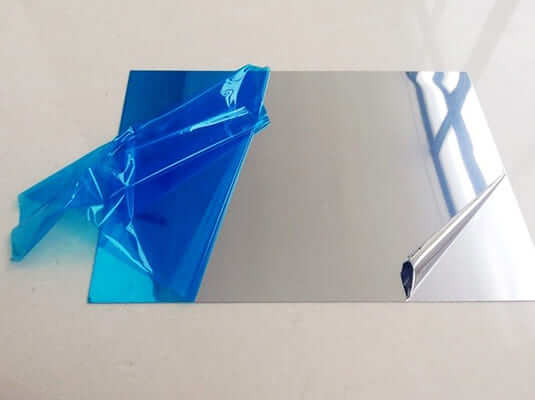
– Optional protective measures such as a clear coat or film to guard against scratches during handling, fabrication, or installation.
– Optional protective backing or liner for transport and storage to preserve the mirror’s brightness before installation.
Key performance outcomes:
– High specular reflectivity on visible light, which makes the sheet ideal for architectural reflectors, interior design accents, and optical applications where light amplification is desired.
– Consistent mirror finish across a wide width, enabling uniform appearance for large panels or continuous surfaces.
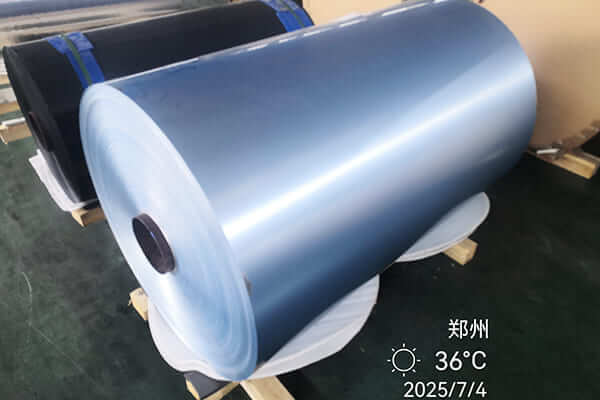
Huawei 1050 Aluminum Mirror Sheet With Bluefilm
Typical specifications and ranges
Because production tolerances vary by rolling mill, finishing line, and customer spec, you’ll commonly see the following ranges for 2mm 1050 H24 Aluminum Mirror Sheet:
– Alloy: 1050 (99.5%+ Al)
– Temper: H24
– Thickness: 2.0 ± 0.05 mm (typical tolerance; some suppliers offer ±0.1 mm depending on processing)
– Width: Up to several thousand millimeters (depending on line capacity; common portable panels range from 1000 to 2000 mm for ease of fabrication)
– Surface finish: Mirror grade with Ra often 0.1–0.4 μm after finishing (varies with polishing technology)
– Density: ~2.70–2.71 g/cm3
– Thermal conductivity (typical for aluminum): ~235–240 W/m·K
– Electrical conductivity: ~62–68% IACS (for pure 1050, near 100%; for alloyed with trace impurities, slightly reduced)
– Yield strength (H24): generally in the lower tens of MPa range (relative to harder alloys), with actual values highly dependent on exact tempering and processing
– Ultimate tensile strength (UTS): commonly in the 90–120 MPa range for 1050-H24 in practice
– Elongation (in 50 mm or similar gauge length): often in the 15–25% range depending on prior work-hardening and thickness
Note: These values are representative of industry practice and can vary by mill, coil batch, and finishing technique. Always verify with the supplier’s certified test data and material test reports (MTRs) for your project.
Why 2mm thickness matters
- Structural and installation practicality: The 2mm thickness provides a sturdy, yet still flexible sheet that can be cut, drilled, and formed with standard metalworking tools. It offers a favorable strength-to-weight ratio for large wall panels, sign faces, or decorative elements.
- Handling and logistics: Mid-thickness sheets like 2mm are easier to transport and install than very thin foils, while still being lighter than thicker, more rigid panels.
- Mirror quality balance: A 2mm sheet supports a durable mirror finish with a consistent brightness, while minimizing deflection that can be seen on very thin panels.
Surface durability and protection
- Scratches and abrasion: Mirror surfaces can be vulnerable to micro-scratches during handling and fabrication. Engaging protective films during cutting and assembly can preserve brightness until final installation.
- Environmental protection: Depending on the environment, applying a clear protective coating or sealant can prolong life in outdoor or harsh indoor settings. Some customers choose to apply scratch-resistant polymer coatings on the backside to improve durability without affecting optical performance.
Applications and industries
Architectural and interior design
- Feature walls, columns, and decorative panels: The bright, reflective surface of 2mm 1050 H24 Aluminum Mirror Sheet can create the illusion of more space, enhance lighting, and add a premium finish to interiors.
- Signage and display panels: Indoor signage, information boards, and display backdrops benefit from the reflector properties and ease of fabrication.
- Lighting fixtures and reflectors: The reflective surface can improve light distribution in fixtures, producing a more uniform glow without requiring complex optics.
2mm 1050 H24 Aluminum Mirror Sheet for Construction
Automotive, transport, and signage interiors
- Interior trim and trim strips: The work-hardening range of H24 helps with form stability in interior components that must resist deformation.
- Display panels in vehicles or transit hubs: Mirror sheets can provide aesthetically pleasing surfaces with good brightness and clarity.
Solar reflectors and energy applications
- Reflective surfaces in solar concentrators or solar ovens: The mirrored surface supports high optical efficiency for concentrating sunlight to a focal point or line, particularly in non-thermally demanding environments.
- Daylighting systems: In architectural daylighting, carefully designed mirror sheets can contribute to indirect lighting strategies, reducing artificial light usage.
Electronics, consumer products, and signage aesthetics
- Decorative faceplates and enclosures: The mirror-like finish creates a premium, high-contrast appearance that enhances consumer perception of quality.
- Display lenses and panels: In limited applications, the mirror surface can help direct light in compact assemblies.

Aluminum Mirror Sheet for Solar Reflectors
Material performance and comparison
Mechanical properties and behavior
- Strength and formability: 1050-H24 is comparatively soft among aluminum alloys, but the H24 temper makes it sufficiently stiff for many thin panel applications while still allowing bending and shaping operations without cracking.
- Ductility and elongation: The strain-hardened state of H24 preserves ductility, enabling forming operations and reducing the risk of cracking in corners and bends.
- Hardness: The material is generally softer than heat-treatable alloys such as 6061 or 7075, but this softness is an advantage for achieving a smooth mirror surface with fewer microstructural defects.
Physical properties and performance data
- Density: ~2.70–2.71 g/cm3
- Thermal conductivity: ~235–240 W/m·K
- Coefficient of thermal expansion: ~22.0–23.0 μm/m·K (approximate)
- Electrical conductivity: high for aluminum, but typical values drop slightly due to trace impurities in commercially pure 1050
- Reflectivity (polished mirror): roughly 85–92% in the visible spectrum depending on surface finish quality and protective coatings
Notes for specifiers:
– If your project requires a specific reflectivity target (for example, a precise luminance distribution for a daylighting plan), coordinate with the supplier on mirror finish grade, polishing method, and any protective coatings.
– In outdoor applications, confirm environmental resistance to humidity, salt spray (if near coastlines), and UV exposure. Some mirror surfaces may require protective films or coatings to preserve brightness in outdoor conditions.
Comparisons: 2mm 1050 H24 Mirror Sheet vs alternatives
| Property / Requirement | 2mm 1050 H24 Mirror Sheet | 3mm 1050 H24 Mirror Sheet | 2mm 6061-T6 Mirror or polished sheet | 2mm 1050 O temper (non-mirrored) |
|---|---|---|---|---|
| Thickness | 2.0 mm | 3.0 mm | 2.0–3.0 mm common | 2.0 mm nominal |
| Alloy family | 1050 (Commercially pure Al) | 1050 (Commercially pure Al) | 6061 (Al-Mg-Si) or similar | 1050 (pure Al) |
| Temper | H24 | H24 | T6 or O/H22 variants | O or H12/H22 variants |
| Mirror finish quality | High (mirror polished) | High (mirror polished) | Similar mirror finish possible on specialist lines | Mirror finish less common in non-mirrored versions |
| Reflectivity (approx.) | 85–92% | 85–92% | 85–92% depending on finish | Generally not optimized for mirror |
| Weight (per m2) | ~5.4 kg (at 2 mm, density 2.7 g/cm3) | ~8.1 kg (at 3 mm) | 5.4 kg for 2 mm, 8.1 kg for 3 mm | 5.4 kg (2 mm) |
| Stiffness / rigidity | Moderate; suitable for panels | Higher stiffness; less deflection | Higher stiffness with T6 temper | Lower stiffness if annealed |
| Formability | Good for bending and forming | Slightly less formable than 2 mm | Good with tolerances; depends on temper | Easiest to bend among tempers |
| Corrosion resistance | Excellent for pure Al; enhanced by protective coatings | Excellent | Excellent with proper coatings or anodizing | Excellent if clean, but prone to oxidation without coating |
| Cost considerations | Generally lower material cost than other alloys | Slightly higher due to thicker sheet and same alloy | Higher due to alloy complexity and processing | Generally similar to 1050 raw material; mirror finish adds cost |
Important notes:
– All values are indicative. Actual performance depends on exact alloy composition, temper, surface finish, coating, and fabrication processes. Always obtain certified test data (MTR) from your supplier for precise comparisons.
Surface treatment options and their impact
- Anodizing: For 1050 series, anodizing can be less common for mirror surfaces, but protective coatings and color anodizing can be used if the aesthetic is acceptable and the corrosion protection beyond the mirror finish is required.
- Clear coat protection: A thin, transparent polymer topcoat can provide abrasion resistance and environmental protection without significantly affecting reflectivity.
- Ion-assisted depositions: In specialized cases, decorative or functional coatings can be added to improve scratch resistance or color effects, with minimal impact on visible reflectivity if designed carefully.
Supplier overview: Huawei Aluminum
About Huawei Aluminum
Huawei Aluminum, a notable supplier in the aluminum sheet and plate market, has established capabilities that align well with the needs of 2mm 1050 H24 Aluminum Mirror Sheet customers.
The company emphasizes full-spectrum processing—from raw material handling and continuous casting to hot rolling, cold rolling, tempering, and surface finishing.
Huawei Aluminum’s emphasis on quality control, supply chain resilience, and global distribution networks makes it a credible option for customers seeking reliable supply chain partnerships for mirror sheet applications.
Key strengths to look for when evaluating Huawei Aluminum as a supplier:
– End-to-end manufacturing capabilities: The ability to produce both the raw material and finished mirror surfaces reduces lead times and improves consistency.
– Surface finishing capacity: In-house mirror polishing lines and finishing processes can shorten the turnaround from order to delivery and allow tighter surface tolerances.
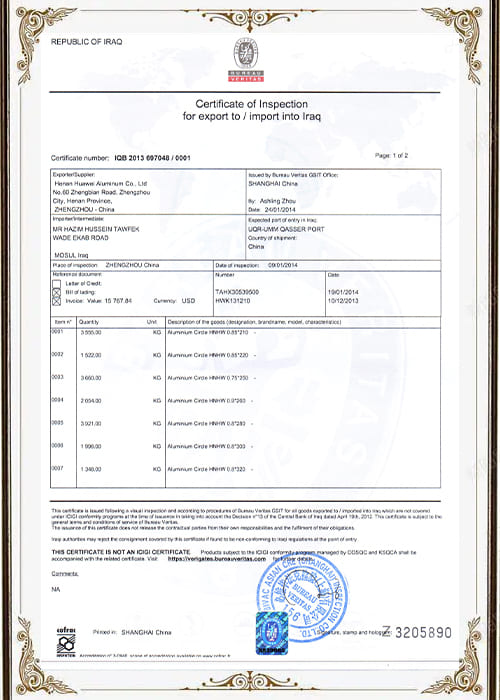
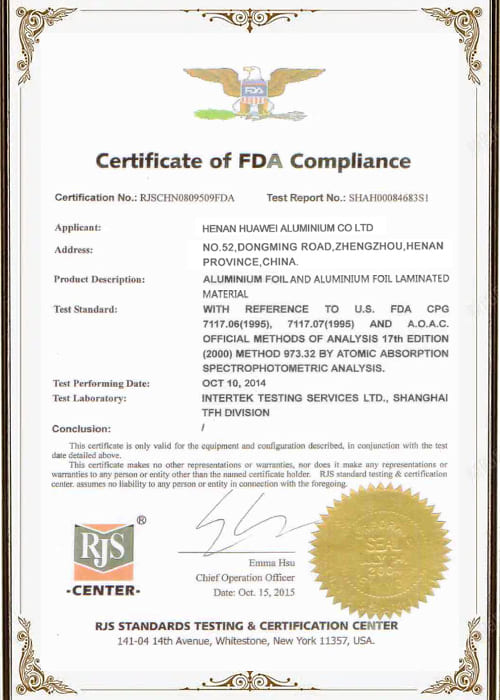
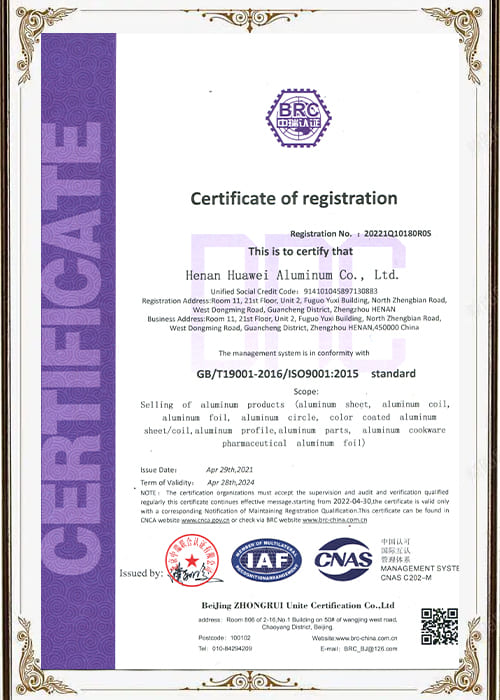
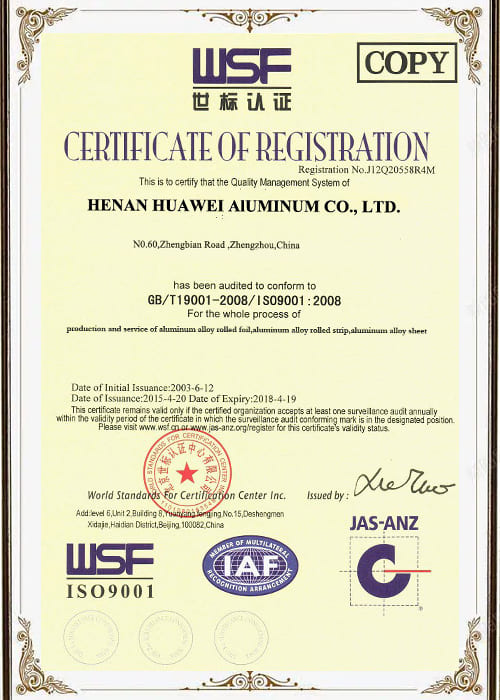
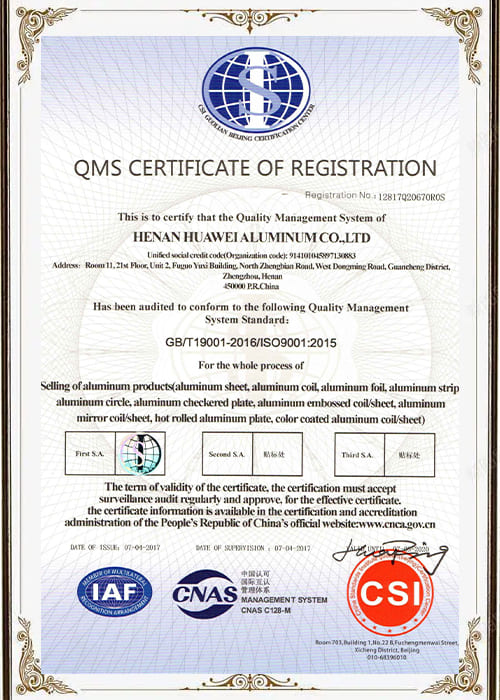
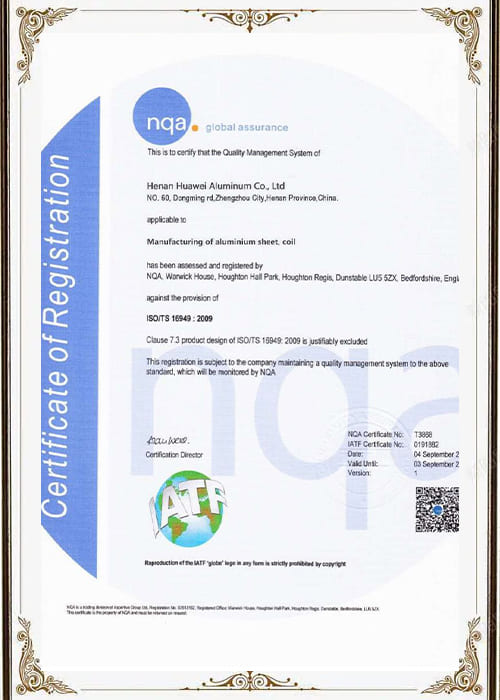
– Certifications and quality controls: ISO 9001, ISO 14001, and relevant aerospace or construction-grade process certifications are typical indicators of quality management maturity.
– Global logistics and after-sales support: Strong after-sales services, on-time delivery, and technical support help project teams stay on schedule.
Why choose Huawei Aluminum for 2mm 1050 H24 Mirror Sheet
- Consistent mirror quality: A robust mirror finish requires precise polishing and careful surface treatment; a supplier with in-house finishing lines minimizes variation across batches.
- Customization options: The ability to tailor thickness tolerances, width, and protective film options to project needs reduces rework and supply chain risk.
- Transparent data: MTRs, coating specifications, and surface finish reports support QA processes, enabling reliable project documentation.
- Service ecosystem: Access to technical advisory, cutting-to-size services, and quick sample provisioning helps with prototyping and design validation.
Quality control and certifications
- Material traceability: Comprehensive lot tracing from incoming raw material to finished mirror sheets.
- Surface quality inspections: Visual and metrology-based checks for surface uniformity, specular reflection, and defect density.
- Mechanical testing: Tensile, hardness, and bend tests where applicable, along with dimensional tolerances checks.
- Non-destructive testing (NDT): Eddy current or other non-destructive methods may be used for quality assurance on large panels or critical applications.
- Environmental and safety compliance: Adherence to environmental management standards and safety regulations in manufacturing environments.
Production and processing considerations
Cutting, shaping, and forming
- Cutting: 2mm 1050 H24 Mirror Sheet can be cut with standard metalworking tools (shears, saws, laser cutting, and waterjet), but care must be taken to avoid marring the mirror surface. Protective films can shield the surface during cutting.
- Bending: The H24 temper provides adequate formability for moderate bends. Tight radii on sharp curves can create surface micro-cracks or distort the mirror if not handled properly. Use proper tooling radii and slow forming speeds.
- Drilling and punching: Use appropriate drill bit types (e.g., high-speed steel or carbide) and pilot holes to minimize micro-cracking on the mirror surface. Deburr after punching to preserve surface quality.
Surface protection during fabrication
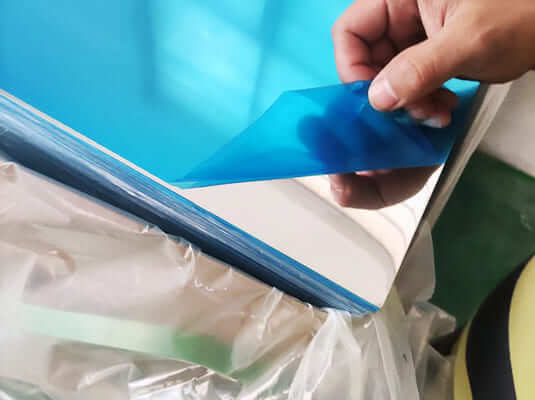
- Protective films: Temporary protective films are commonly used during cutting and assembly to prevent scratching. Ensure films are compatible with aluminum surfaces and do not leave residues after removal.
- Cleanliness: Keep the surface free of grease, dust, and abrasive particles during handling to preserve reflectivity.
Finishing and coatings
- Polishing quality: Mirror finish depends on abrasive sequence, polishing time, and equipment. Consistency is key; plan for QA checks after finishing.
- Coatings: If environmental exposure is anticipated, consider protective coatings that maintain reflectivity while increasing scratch resistance and UV stability. Always verify that coatings do not degrade the optical brightness.
Tolerances and fit
- Dimensional tolerances: For 2mm sheet, typical thickness tolerances ±0.05–0.1 mm are common; width tolerances depend on the processing line.
- Flatness: Large mirror panels require flatness control to avoid bowing or waviness that can distort reflected light. This is often addressed with careful cooling, controlled rolling, and post-processing straightening if needed.
Handling, storage, and installation
- Handling: Use soft, non-marring supports and protective packaging. Avoid stacked loads that could scratch surfaces.
- Storage: Store flat, with protective sheets or in a clean, dry environment to avoid corrosion at any micro-scratched spots.
- Installation: Use non-abrasive fasteners, avoid over-tightening, and consider edge protection to prevent edge damage to the reflective surface.
Quality assurance and testing
Surface quality testing
- Visual inspection: Check for scratches, pits, or milling marks. Uniform brightness is essential for a high-quality mirror.
- Surface roughness: Verify Ra values post-polish, ensuring they meet the agreed mirror grade.
- Gloss finish measurement: A glossometer can quantify surface brightness, which helps ensure consistency across panels.
Mechanical testing
- Tensile testing: Confirm strength in the H24 temper; verify typical 2mm thickness sample ranges.
- Hardness testing: Brinell or microhardness tests can verify that the tempering state aligns with the specifications.
Non-destructive testing (NDT)
- Eddy current and other non-destructive techniques help verify surface integrity and detect sub-surface defects that might affect long-term performance.
- Dimensional stability checks: Thermal cycling tests to verify that the sheet maintains flatness and thickness tolerances under anticipated service conditions.
Documentation and traceability
- Material Test Reports (MTRs) and certificates of conformity: These documents accompany shipments and are essential for QA in regulated or certified installation environments.
- Process documentation: Finishing parameters, polishing equipment calibration, and surface treatment records should be part of the project file.
Comparative table: 2mm 1050 H24 Mirror Sheet vs alternatives
| Comparison factor | 2mm 1050 H24 Mirror Sheet | 2mm 1050 H24 (with protective coating) | 2mm 6061-T6 Mirror Sheet | 1.5–2.0mm aluminum oxide-coated mirror sheet (specialized) |
|---|---|---|---|---|
| Material class | Commercially pure aluminum; easy to form | Same base; coating adds protection | Al-Mg-Si alloy; higher strength; more rigid | Advanced surface treatment; unique reflectivity and durability |
| Mirror quality stability | High with quality finishing | Improved scratch resistance; might slightly reduce reflectivity | Good, depending on finish; may require adhesion layers | High reflectivity with specialized coatings; potential color shifts |
| Weight per m2 | ~5.4 kg at 2 mm | ~5.4 kg plus coating weight | ~5.4 kg (2 mm) but with structural advantages from alloy | Light or heavy depending on coating and substrate |
| Cost trend | Moderate | Moderate-to-higher due to coating | Higher due to alloy and processing | Potentially higher due to advanced coatings |
| Durability under abrasion | Good with proper protective finish | Improved abrasion resistance | Higher hardness, less susceptible to scratching | Superior abrasion resistance, but coating integrity critical |
| Corrosion resistance | Excellent for pure Al; depends on environment | Enhanced with protective coatings | Good-to-very-good, depends on environment | Coatings provide corrosion resistance; base substrate properties still matter |
| Fabrication considerations | Easy to form; mirror finish achievable | Similar; surface finish maintained | Requires different tooling and tempering; more robust | Requires specialized coating processes; compatibility with adhesives and substrates essential |
Notes:
– The table emphasizes practical trade-offs. For most interior and sheltered external applications, 2mm 1050 H24 Mirror Sheet remains a reliable balance of cost, reflectivity, and workability. In harsh outdoor environments or specialized performance scenarios, alternate alloys or coated/multi-layer solutions may be favorable.
FAQ
Q1: What makes 2mm 1050 H24 Aluminum Mirror Sheet suitable for interior design?
A2: Its high reflectivity, good formability, and corrosion resistance make it an ideal surface for interior design elements like feature walls, ceilings, and decorative panels. The 2mm thickness offers a good balance between stiffness and weight, making fabrication and installation straightforward.
Q2: How does the mirror finish impact performance in lighting designs?
A2: A high-quality mirror finish increases brightness and even distribution of light. The reflectivity in the visible spectrum (typically 85–92% for well-polished 1050 mirror surfaces) enhances daylighting and artificial lighting effects, enabling designers to sculpt light with greater control.
Q3: Can 2mm 1050 H24 Mirror Sheet be used outdoors?
A3: Yes, but outdoor performance depends on surface protection and coatings. For prolonged exposure, a protective coating or weather-resistant film can preserve brightness and resist corrosion. It’s essential to confirm environmental ratings with the supplier and to apply protective measures as needed.
Q4: What is the typical lead time for 2mm 1050 H24 Mirror Sheet from a supplier like Huawei Aluminum?
A4: Lead times vary by order size, current production load, and customization requirements (width, coating, film). A reputable supplier will provide a schedule with milestones for material certification, finishing, cutting, and delivery. Expect several weeks for standard stock, longer for custom sizes or protective options.
Q5: What kind of finishing options affect reflectivity?
A5: Polished mirror finishes deliver the highest reflectivity. Coatings and protective films may slightly reduce brightness but can improve scratch resistance and long-term durability. It’s important to discuss the trade-offs with the supplier to maintain the desired optical performance.
Q6: How do I calculate the weight of 2mm 1050 H24 Mirror Sheet per square meter?
A6: Weight per square meter is thickness (in meters) x density (approximately 2.70–2.71 g/cm3). For a 2 mm thickness, this is 0.002 m x 2700 kg/m3 ≈ 5.4 kg/m2.
Q7: Are there alternatives to 2mm 1050 H24 Mirror Sheet if higher strength is required?
A7: Yes. Alternatives include higher-strength aluminum alloys (such as 5000 or 7000 series) or other tempered states (e.g., H18 or T6) that provide greater stiffness and strength. However, these alloys may have different workability and corrosion characteristics and could reduce reflectivity if not finished carefully.
Q8: What kind of quality documentation should I expect with a shipment?
A8: Reputable suppliers provide Material Test Reports (MTRs), processing certificates, surface finish specifications, thickness tolerances, and reflectivity testing data. Ensure you receive these documents with your order to support QA and compliance requirements.
Conclusion
2mm 1050 H24 Aluminum Mirror Sheet represents a pragmatic fusion of reflectivity, formability, and durability. Its commercially pure aluminum composition provides excellent corrosion resistance and easy processing, while the H24 temper delivers the right balance of strength and ductility for forming and assembly.
The mirror finish, when properly produced, yields high reflectivity that can power a range of applications—from decorative architectural panels to functional reflectors in lighting and solar contexts.
Huawei Aluminum stands out as a credible supplier option due to its integrated production flow, finishing capabilities, and emphasis on quality and traceability.
When selecting a supplier for 2mm 1050 H24 Aluminum Mirror Sheet, prioritize certified data, reliable lead times, and after-sales support that can help with on-site fabrication challenges and long-term maintenance planning.
If you plan a project that requires a bright, durable, and workable mirror surface, 2mm 1050 H24 Aluminum Mirror Sheet could be the right choice.
By understanding the material’s properties, processing considerations, and supplier capabilities, you can make informed decisions that optimize aesthetics, functionality, and project lifecycle costs.
Share with PDF: Download
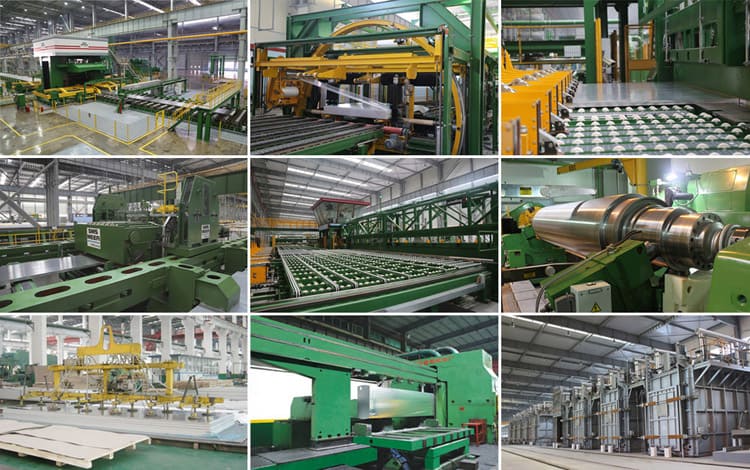
Casting production process and its introduction
The purpose of melting and casting is to produce alloys with satisfactory composition and high purity of melt, so as to create favorable conditions for casting alloys of various shapes.
Melting and casting process steps: batching --- feeding --- melting --- stirring after melting, slag removal --- pre-analysis sampling --- adding alloy to adjust the composition, stirring --- refining --- static Setting——Guide furnace casting.
Hot rolling production process and its introduction
- 1. Hot rolling generally refers to rolling above the metal recrystallization temperature;
- 2. During the hot rolling process, the metal has both hardening and softening processes. Due to the influence of deformation speed, as long as the recovery and recrystallization process is too late, there will be a certain work hardening;
- 3. The recrystallization of the metal after hot rolling is incomplete, that is, the coexistence of recrystallized structure and deformed structure;
- 4. Hot rolling can improve the processing performance of metals and alloys, reduce or eliminate casting defects.
- 1. The casting and rolling temperature is generally between 680°C and 700°C. The lower the better, the stable casting and rolling line usually stops once a month or more to re-stand. During the production process, it is necessary to strictly control the liquid level of the front tank to prevent low liquid level;
- 2. Lubrication uses C powder with incomplete combustion of gas for lubrication, which is also one of the reasons for the dirty surface of casting and rolling materials;
- 3. The production speed is generally between 1.5m/min-2.5m/min;
- 4. The surface quality of products produced by casting and rolling is generally relatively low, and generally cannot meet products with special physical and chemical performance requirements.
- 1. Cold rolling refers to the rolling production method below the recrystallization temperature;
- 2. There will be no dynamic recrystallization during the rolling process, and the temperature will rise to the recovery temperature at most, and the cold rolling will appear in a work hardening state, and the work hardening rate will be large;
- 3. The cold-rolled sheet and strip have high dimensional accuracy, good surface quality, uniform structure and performance, and products in various states can be obtained with heat treatment;
- 4. Cold rolling can roll out thin strips, but at the same time, it has the disadvantages of high energy consumption for deformation and many processing passes.
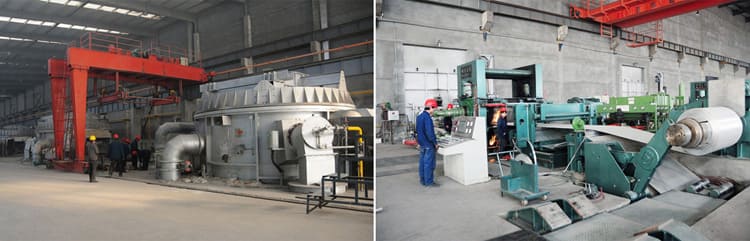
- 1. Finishing is a processing method to make the cold-rolled sheet meet the customer's requirements, or to facilitate the subsequent processing of the product;
- 2. The finishing equipment can correct the defects produced in the hot rolling and cold rolling production process, such as cracked edge, oily, poor plate shape, residual stress, etc. It needs to ensure that no other defects are brought into the production process;
- 3. There are various finishing equipments, mainly including cross-cutting, slitting, stretching and straightening, annealing furnace, slitter, etc.
Casting and rolling process
Casting and rolling process: liquid metal, front box (liquid level control), casting and rolling machine (lubrication system, cooling water), shearing machine, coiling machine.
Cold rolling production process
Introduction to finishing production process
Aluminum alloy has the characteristics of low density, good mechanical properties, good processing performance, non-toxic, easy to recycle, excellent electrical conductivity, heat transfer and corrosion resistance, so it has a wide range of applications.
Aerospace: used to make aircraft skins, fuselage frames, girders, rotors, propellers, fuel tanks, wall panels and landing gear struts, as well as rocket forging rings, spacecraft wall panels, etc.
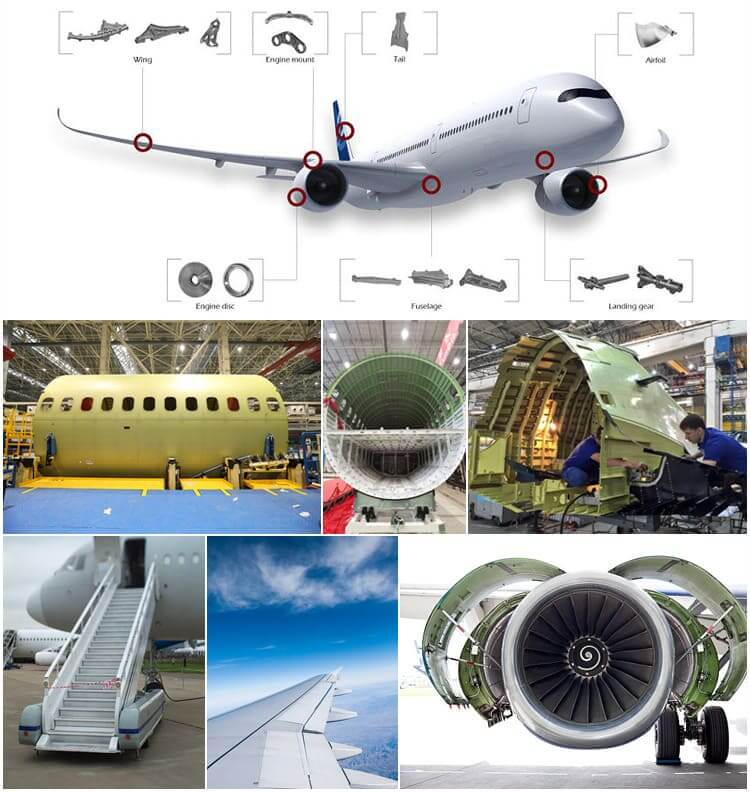
Aluminum alloy used for aerospace
Transportation: used for car body structure materials of automobiles, subway vehicles, railway passenger cars, high-speed passenger cars, doors and windows, shelves, automotive engine parts, air conditioners, radiators, body panels, wheels and ship materials.
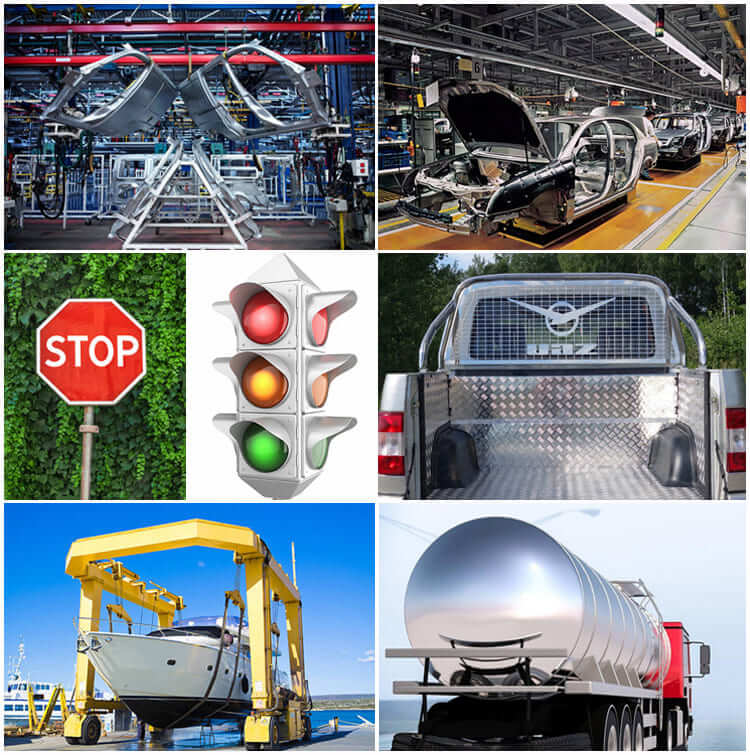
Traffic application
Packaging: All-aluminum pop cans are mainly used as metal packaging materials in the form of thin plates and foils, and are made into cans, lids, bottles, barrels, and packaging foils. Widely used in the packaging of beverages, food, cosmetics, medicines, cigarettes, industrial products, medicines, etc.
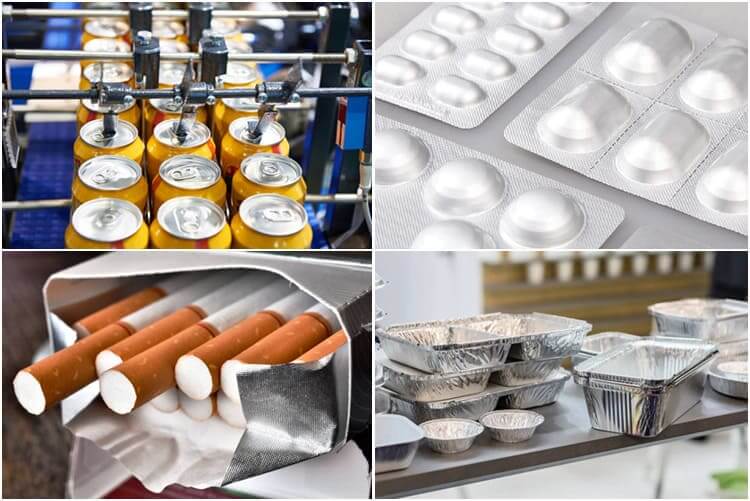
Packaging application
Printing: Mainly used to make PS plates, aluminum-based PS plates are a new type of material in the printing industry, used for automatic plate making and printing.
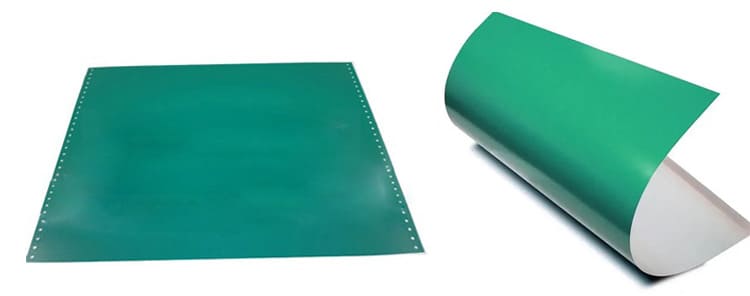
PS printing
Architectural decoration: aluminum alloy is widely used in building structures, doors and windows, suspended ceilings, decorative surfaces, etc. due to its good corrosion resistance, sufficient strength, excellent process performance and welding performance.
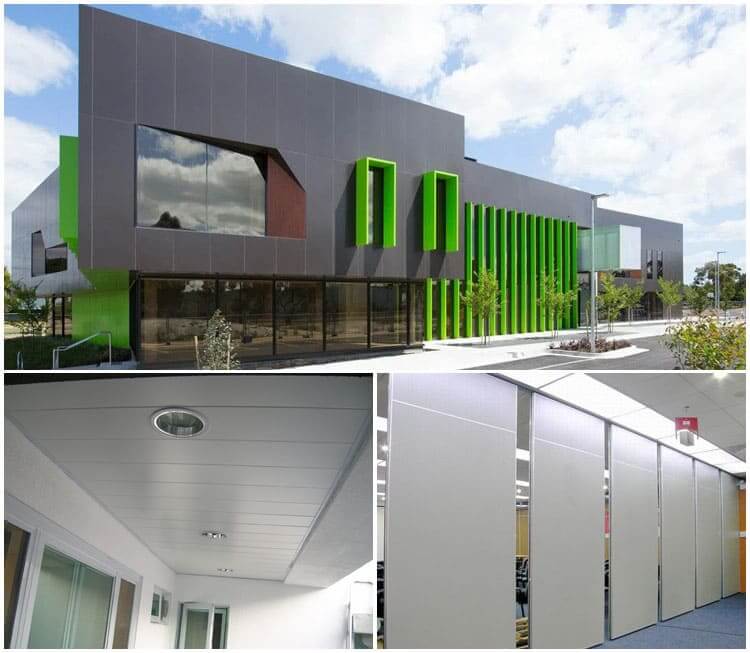
Aluminum alloy construction application
Electronic products: computers, mobile phones, refrigerator shells, radiators, etc.
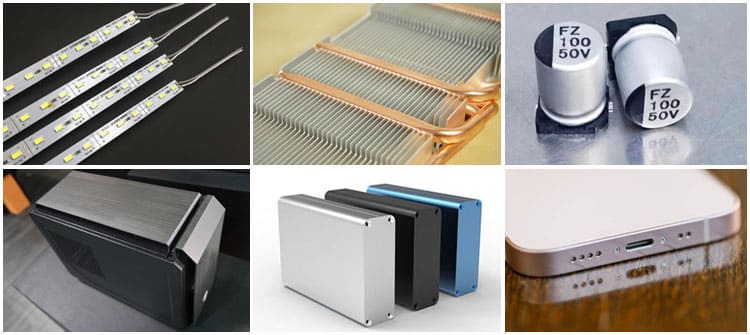
Electronic product application
Kitchen supplies: aluminum pots, aluminum basins, rice cooker liners, household aluminum foil, etc.
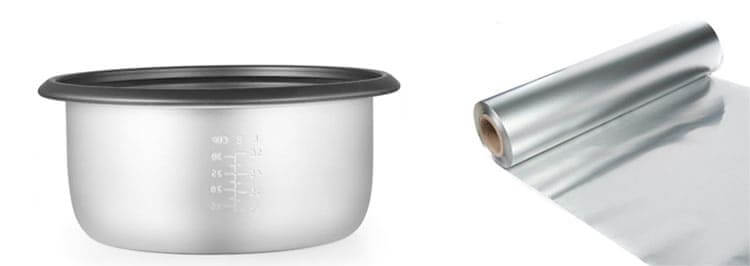
Kitchen application
Packaging Of Aluminum Sheet/Coil
Every detail of packaging is where we pursue perfect service. Our packaging process as a whole is as follows:
Lamination: clear film, blue film, micro-mucosal, high-mucosal, laser cutting film (2 brands, Novacell and Polyphem);
Protection: paper corner protectors, anti-pressure pads;
drying: desiccant;
Tray: fumigated harmless wooden tray, reusable iron tray;
Packing: Tic-tac-toe steel belt, or PVC packing belt;
Material Quality: Completely free from defects such as white rust, oil spots, rolling marks, edge damage, bends, dents, holes, break lines, scratches, etc., no coil set.
Port: Qingdao or other ports in China.
Lead time: 15-45 days.
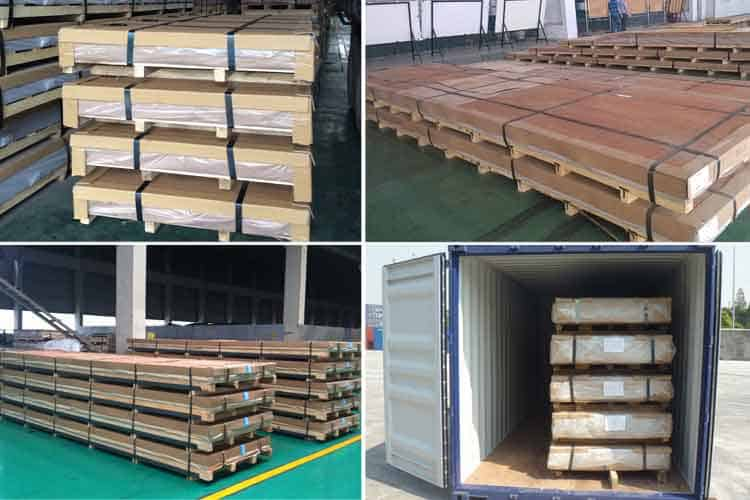
Aluminum sheet/plate packaging process
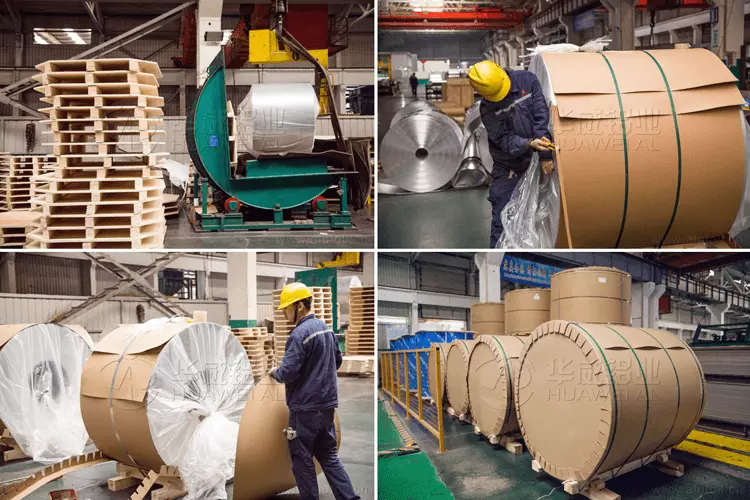
Aluminum coil packaging process
F: Are you a manufacturer or a trader?
Q: We are a manufacturer, our factory is at No.3 Weier Road, Industrial Zone, Gongyi, Henan, China.
F: What is the MOQ for ordering the product?
Q: Our MOQ is 5 tons, and some special products will have a minimum order quantity of 1 or 2 tons.
F: How long is your lead time?
Q: Generally our lead time is about 30 days.
F: Do your products have quality assurance?
Q: Yes, if there is a quality problem with our products, we will compensate the customer until they are satisfied.
Related Products
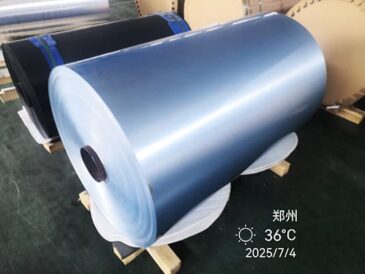
Latest Blogs
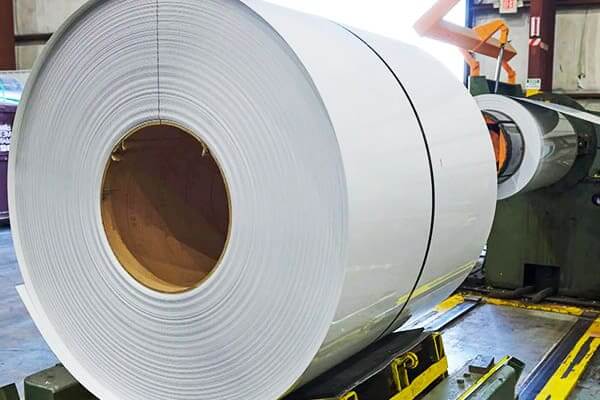
Common Alloys of Reefer Truck Used PE Coated Aluminum Coil
Discover common alloys of reefer truck used PE coated aluminum coil, including 3003, 3004, and 3105. Designed for excellent corrosion resistance, formability, and long-lasting outdoor performance.
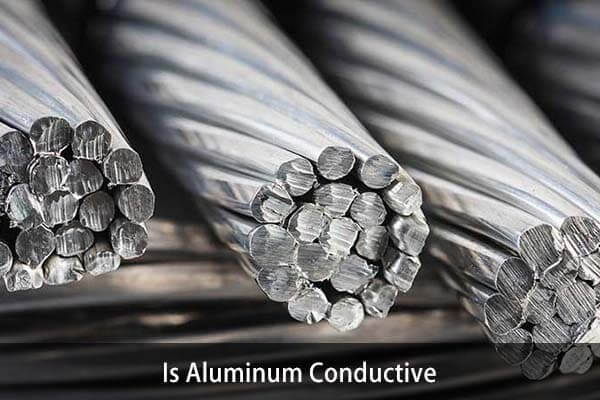
Is Aluminum Conductive? Properties, Uses & Benefits Explained
Is aluminum conductive? Discover aluminum's electrical conductivity, key advantages, and why it is widely used in power transmission and industrial applications.
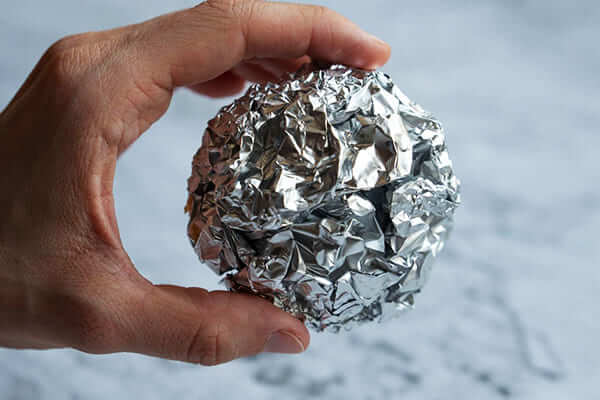
Unlocking Sustainability: The Truth About Aluminum Foil Recycling
Is Aluminum Foil Recyclable? Learn how aluminum foil can be recycled, how to prepare it properly, and why recycling helps reduce waste and save resources.
Coated Aluminum Foil for Packaging Applications | Strong & Reliable
High-quality coated aluminum foil for packaging applications, offering excellent barrier protection, durability, and consistent performance.