6061 T6 vs 7075 Aluminyo: Lakas ng loob, Timbang & Best Uses
14,764 Mga Pananaw 2025-12-23 03:10:00
1. Panimula
6061 T6 vs 7075 is one of the most common and meaningful comparisons in aluminum alloy selection, especially in engineering, pagmamanupaktura, and high-performance design fields. Both alloys are heat-treatable, widely standardized, and proven in decades of industrial use, yet they represent fundamentally different priorities in terms of strength, paglaban sa kaagnasan, manufacturability, at gastos.
Despite their similar appearance and shared aluminum base, the differences between 6061-T6 and 7075 extend far beyond strength values alone. Their chemical compositions, heat-treatment responses, corrosion behaviors, fabrication characteristics, and lifecycle costs vary significantly.

6061 t6 vs 7075
A clear understanding of these differences is essential for engineers and designers to avoid over-engineering, reduce cost, and ensure long-term reliability.
Ang artikulong ito ay nagbibigay ng malalim na, data-supported comparison of 6061 T6 vs 7075, analyzing them from metallurgical, mekanikal, pagmamanupaktura, economic, and application perspectives to support informed and technically sound material selection decisions.
2. Overview of Aluminum Alloys
Aluminum Alloy Families
Aluminum alloys are classified into different families based on their main alloying elements, each with unique performance characteristics and application orientations.
The following table summarizes the common aluminum alloy families, including the categories to which 6061 T6 vs 7075 belong:
| Alloy Family | Main Alloying Elements | Key Performance Characteristics | Typical Grades | Mga Patlang ng Aplikasyon |
|---|---|---|---|---|
| 1xxx Serye (Puro Aluminum) | Al (≥99.0%) | Napakahusay na paglaban sa kaagnasan, high ductility, mababa ang lakas | 1050, 1060,1100 | Mga heat exchanger, decorative materials, electrical conductors |
| 2xxx Serye (Al-Cu) | Cu, Mn | Mataas na lakas, good heat resistance, mahinang paglaban sa kaagnasan | 2024, 2017, 2219 | Aerospace istruktura bahagi, mga balat ng sasakyang panghimpapawid |
| 3xxx Serye (Al Mn) | Mn | Magandang ductility, paglaban sa kaagnasan, katamtamang lakas | 3003, 3004, 3104, 3A21 | Packaging ng pagkain, mga heat exchanger, mga bahagi ng sasakyan |
| 5xxx Serye (Al Mg) | Mg | Napakahusay na paglaban sa kaagnasan, high ductility, weldable | 5052, 5083, 5086, 5454, 5754 | Marine equipment, presyon vessels, automotive fuel tanks |
| 6xxx Serye (Al Mg-Si) | Mg, Si Si | Balanced strength and ductility, mahusay na weldability, cost-effective | 6061, 6063, 6082 | Automotive structural parts, industrial machinery, mga frame ng gusali |
| 7xxx Serye (Al Zn-Mg-Cu) | Zn, Mg, Cu | Ultra-high strength, mahusay na paglaban sa pagkapagod, moderate corrosion resistance | 7075, 7050 | Aerospace landing gear, high-performance sports equipment, mga kagamitang militar |
Heat Treatment and Temper Designations
Heat treatment is a key process to optimize the performance of aluminum alloys, and temper designations are used to identify the specific heat treatment state of the alloy.
The following are the common temper designations and their definitions, focusing on the T6 temper involved in this article:
- F (As-Fabricated): No specific heat treatment or work hardening after fabrication, with performance determined by the fabrication process.
- O (Annealed na ang mga): Fully annealed state, which maximizes ductility and minimizes strength, suitable for subsequent forming processes.
- H (Strain-Hardened): Work-hardened state, with strength improved by cold working. The suffix (hal., H14, H18) indicates the degree of work hardening.
- T (Heat-Treated): Heat-treated state, including solution treatment, pagpapawi ng, and artificial aging. Common sub-tempers include:
- T4: Solution treated and naturally aged to a stable state, with good ductility and toughness.
- T6: Solution treated and artificially aged to the maximum strength state, which is the most widely used temper for high-strength 6xxx series alloys.
- T73: Solution treated and over-aged, which improves corrosion resistance (especially stress corrosion cracking resistance) at the cost of a slight decrease in strength, commonly used for 7xxx series alloys.

6061 t6 aluminum sheet
3. Komposisyon ng Materyal: 6061 t6 vs 7075
Ang mga pagkakaiba sa pagganap sa pagitan ng 6061 T6 vs 7075 are essentially determined by their chemical compositions.
The following table lists the chemical compositions of the two alloys in accordance with the ASTM B209 standard (masa fraction, %):
| Alloy Element | 6061 T6 | 7075 | Function of Key Elements |
|---|---|---|---|
| Al (Aluminyo) | Bal. | Bal. | Matrix element, providing basic structural support. |
| Mg (Magnesium) | 0.8-1.2 | 2.1-2.9 | Forms intermetallic compounds with Si (sa 6061) or Zn/Cu (sa 7075) to achieve precipitation strengthening; improves ductility and corrosion resistance. |
| Si Si (Silicon) | 0.4-0.8 | ≤0.40 | Combines with Mg to form Mg₂Si strengthening phases in 6061; controlled at low content in 7075 to avoid reducing strength. |
| Cu (Tanso) | 0.15-0.40 | 1.2-2.0 | Enhances strength and hardness through solid solution strengthening and precipitation strengthening; improves wear resistance but may reduce corrosion resistance. |
| Zn (Sink) | ≤0.25 | 5.1-6.1 | Key strengthening element in 7075, forming Zn-Mg-Cu intermetallic compounds (hal., MgZn₂) to achieve ultra-high strength. |
| Mn (Mga mangganeso) | ≤0.15 | 0.30-0.90 | Refines grain structure, improves strength and toughness; reduces the tendency of hot cracking during welding. |
| Cr (Chromium) | 0.04-0.35 | 0.18-0.28 | Refines grains, improves corrosion resistance and stress corrosion cracking resistance. |
| Fe (bakal na bakal) | ≤0.7 | ≤0.50 | Impurity element, forms brittle intermetallic compounds, which is controlled at low content to avoid reducing ductility and toughness. |
Core differences in composition:
6061 T6 is based on the Mg-Si alloying system, with a low content of other alloying elements, forming a relatively simple strengthening phase (Mg₂Si).
7075 adopts a more complex Zn-Mg-Cu alloying system, with high contents of Zn and Cu, which can form multiple strengthening phases (hal., MgZn₂, Al₂CuMg), leading to significantly higher strength than 6061 T6.
Gayunpaman, the complex composition also makes 7075 more sensitive to heat treatment processes and corrosion environments.

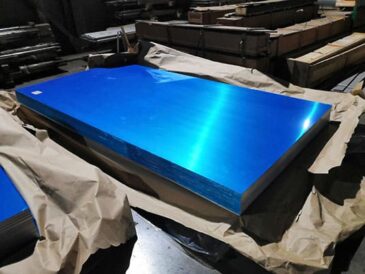
7075 aluminum sheet packaged by huawei
4. Mga Katangian ng Mekanikal: 6061 t6 vs 7075
6061 T6 Properties
| Mechanical Property Indicator | Test Standard | Typical Value | Minimum Value (ASTM B209) |
|---|---|---|---|
| Lakas ng Paghatak (σb) | ASTM E8 | 310 MPa | 290 MPa |
| Yield Lakas (σ0.2) | ASTM E8 | 276 MPa | 240 MPa |
| Pagpapahaba sa Break (δ5) | ASTM E8 | 12% | 8% |
| Brinell tigas na tigas (HB) | ASTM E10 | 95 HB | 85 HB |
| Lakas ng Pagkapagod (10⁷ cycles) | ASTM E466 | 110 MPa | – |
7075 Mga Katangian
| Mechanical Property Indicator | Test Standard | Typical Value | Minimum Value (ASTM B209) |
|---|---|---|---|
| Lakas ng Paghatak (σb) | ASTM E8 | 503 MPa | 480 MPa |
| Yield Lakas (σ0.2) | ASTM E8 | 434 MPa | 400 MPa |
| Pagpapahaba sa Break (δ5) | ASTM E8 | 8% | 5% |
| Brinell tigas na tigas (HB) | ASTM E10 | 150 HB | 140 HB |
| Lakas ng Pagkapagod (10⁷ cycles) | ASTM E466 | 160 MPa | – |
5. Physical and Chemical Properties
| Physical/Chemical Property Indicator | 6061 T6 | 7075 | Tala |
|---|---|---|---|
| Densidad ng katawan (ρ) | 2.70 g/cm³ | 2.81 g/cm³ | Both are lighter than steel (7.85 g/cm³), kasama ang 7075 being slightly denser due to high Zn/Cu content. |
| Melting Range (Tm) | 580-650°C | 570-640°C | Similar melting ranges, requiring strict temperature control during hot processing. |
| Thermal kondaktibiti (k, 25°C) | 180 W/(m·K) | 130 W/(m·K) | 6061 T6 has better thermal conductivity, suitable for heat dissipation components. |
| Koepisyent ng Thermal Expansion (α, 20-100°C) | 23.6 × 10⁻⁶ /°C | 23.2 × 10⁻⁶ /°C | Similar thermal expansion coefficients, with little difference in thermal deformation under temperature changes. |
| Electrical kondaktibiti (σ, 25°C) | 33% IACS | 22% IACS | 6061 T6 has better electrical conductivity, applicable to low-voltage electrical components. |
| Chemical Reactivity | Reacts with strong acids/alkalis; forms a dense oxide film in air | Same as 6061 T6, but more sensitive to chloride ions | The oxide film provides basic corrosion protection; additional surface treatment is required in harsh environments. |
6. Fabrication and Machinability: 6061 t6 vs 7075
Besides mechanical properties, a material’s behavior during manufacturing is equally important.
Weldability:
- 6061-T6: Considered to have magandang weldability. Reliable joints can be achieved using MIG or TIG fusion welding, but the strength in the heat-affected zone (HAZ) will be reduced to near-annealed levels. A post-weld heat treatment can sometimes restore some strength.
- 7075-T6: Generally considered unweldable. It is highly susceptible to hot cracking during fusion welding, and the mechanical and corrosion properties of the weld and HAZ are drastically reduced. Kaya nga, joining 7075 is typically done via riveting, pag-bolting, or adhesive bonding.

6061 aluminum alloy welding
Formability:
- 6061-T6: May mga magandang formability, especially in T4 or O tempers. It can undergo various forming operations like bending, pag-unat, and stamping.
- 7075-T6: May mga poor formability. Due to its high strength and low ductility, it requires a larger bend radius and is not suitable for deep drawing. Complex forming is usually done in the O temper, followed by a full T6 heat treatment, which adds complexity and cost.
Machinability:
- 6061-T6: May mga magandang machinability. Chip formation is easy to control, and a good surface finish can be achieved.
- 7075-T6: May mga even better machinability. Due to its higher hardness, chips are more brittle and shorter, making them easier to break and evacuate. This allows for higher cutting speeds, thus improving machining efficiency.
7. Comparative Analysis of Corrosion Resistance
Corrosion resistance is a critical factor when selecting aluminum alloys, especially for components exposed to marine, humid, or industrial environments.
The corrosion behavior of 6061-T6 vs 7075 differs substantially due to their chemical compositions and microstructural characteristics.
6061-T6 Corrosion Resistance
- Composition Advantage: 6061 contains moderate amounts of magnesium and silicon, which form stable precipitates that do not significantly compromise the protective aluminum oxide layer.
- Pagganap: It exhibits excellent resistance to atmospheric corrosion, mild chemicals, and seawater, making it suitable for marine, automotive, and structural applications.
- Stress Corrosion: 6061-T6 is generally resistant to stress corrosion cracking (SCC) under normal service conditions, even under moderate tensile stresses.
- Maintenance: Components made from 6061-T6 often require minimal protective coatings, though anodizing or painting can further extend service life and improve aesthetics.
7075 Paglaban sa Kaagnasan
- Composition Sensitivity: Ang mataas na sink at tanso nilalaman sa 7075 aluminum promotes the formation of localized galvanic cells, increasing susceptibility to pitting and intergranular corrosion.
- Pagganap: In unprotected environments, 7075-T6 can exhibit significant corrosion, especially in humid or saline conditions.
- Stress Corrosion: 7075-T6 is highly sensitive to stress corrosion cracking, particularly when tensile stresses and corrosive environments coincide. This is a critical consideration in aerospace and high-load applications.
- Protective Measures: To mitigate corrosion, 7075 components often undergo:
- Cladding (alclad layers)
- Anodizing with pre-treatment
- Application of sealants or corrosion-inhibiting coatings

7075 aluminum for Aerospace
8. Cost and Availability
- Gastos: Typically, ang material cost of 7075 ay mas mataas pa sa 6061. This is primarily due to its higher content of alloying elements (especially zinc) and more complex production and heat treatment processes.
- Processing Cost: The non-weldable nature of 7075 means more expensive mechanical joining methods must be used. Gayunpaman, its excellent machinability can offset some of these costs.
- Email Address *: Both alloys are widely available globally in various forms like profiles, mga plato, and bars. As a leading aluminum supplier, Henan Huawei Aluminyo Co., Ltd has advanced production lines and a strict quality control system, enabling us to stably supply 6061 at 7075 aluminyo haluang metal products that meet international standards. We not only provide standard-spec materials but can also customize dimensions and properties according to specific customer needs, ensuring you get the most suitable material support at every stage of your project.
9. Mga Karaniwang Aplikasyon: 6061 t6 vs 7075
The performance differences in 6061 t6 vs 7075 dictate their respective “home turfs” in various fields.
Applications of 6061-T6: The All-Round Performer
- Industriya ng Automotive: Chassis components, suspension arms, wheel hubs, truck frames. Its lightweight, good strength, and weldability make it an ideal choice for vehicle weight reduction.
- Marine and Maritime: Mga hull ng bangka, mga deck, mga mast. Excellent resistance to seawater corrosion is key to its success in this field.
- Architectural Structures: Formwork, mga tulay, mga tubo, mga railings. Balanced properties and relatively economic cost make its application widespread.
- Mga Elektronika ng Consumer: Phone casings, laptop bodies, nalulubog ang init. Magandang thermal kondaktibiti, kakayahang machining, and anodizing effects make it a favorite.

laptop bodies used 6061 t6 aluminum sheet
Applications of 7075-T6/T7: The Extreme Performance Specialist
- Aerospace: This is the core application area for 7075. It is used to manufacture aircraft fuselage frames, pakpak spars, landing gear components, and other high-stress structural parts. Its ultimate strength-to-weight ratio is critical for flight safety and performance.
- Defense Industry: Mga plato ng baluti, mga bahagi ng misayl, high-strength structural parts.
- High-End Sports Equipment: High-performance bicycle frames and parts, trekking poles, rock climbing gear. These applications demand the highest strength and reliability under extreme conditions.
- Precision Molds and Tooling: Used for blow molds, high-strength jigs, atbp., taking advantage of its high hardness and dimensional stability.
10. Mga Pamantayan, Mga pagtutukoy, and Compliance
6061-T6 Standards and Specifications
- ASTM B209 – Standard Specification for Aluminum and Aluminum-Alloy Sheet and Plate
- ASTM B221 – Standard Specification for Aluminum and Aluminum-Alloy Extruded Bars, Rods, Wire, Mga Profile, and Tubes
- AMS 4027 – Aerospace Material Specification for 6061-T6 aluminum in various forms
- .ISO 6361 – International standard for wrought aluminum alloys (kasama na ang 6061)
7075-T6 Standards and Specifications
- ASTM B209 – Aluminum and Aluminum-Alloy Sheet and Plate
- AMS 4045 / AMS 4049 – Aerospace material specifications for 7075-T6 in plates and extrusions
- .ISO 6361 – Includes specifications for 7xxx series aluminum alloys
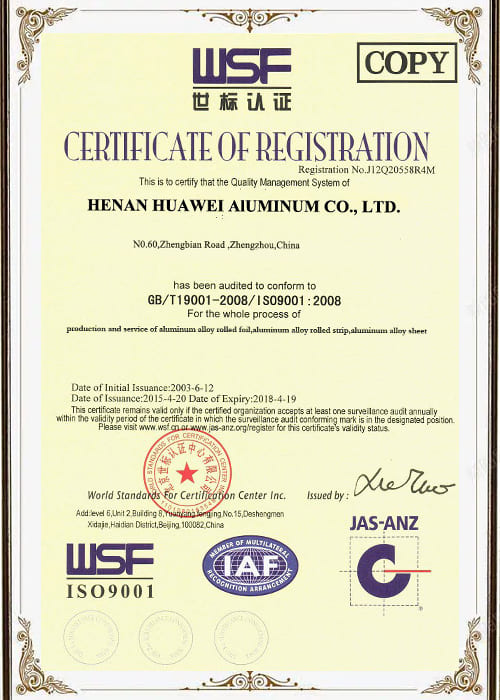
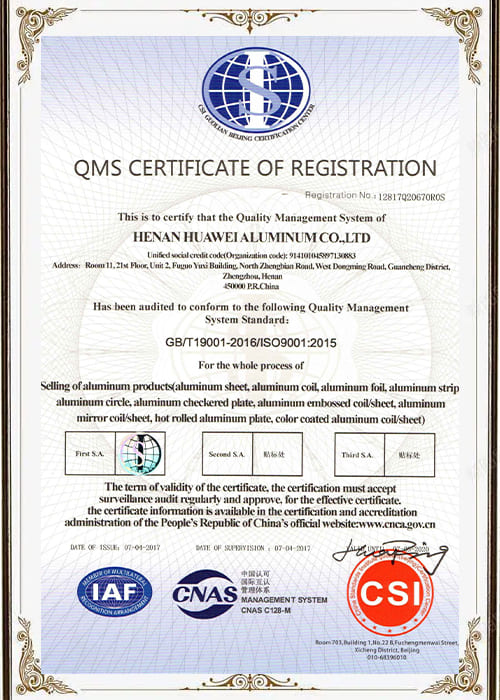
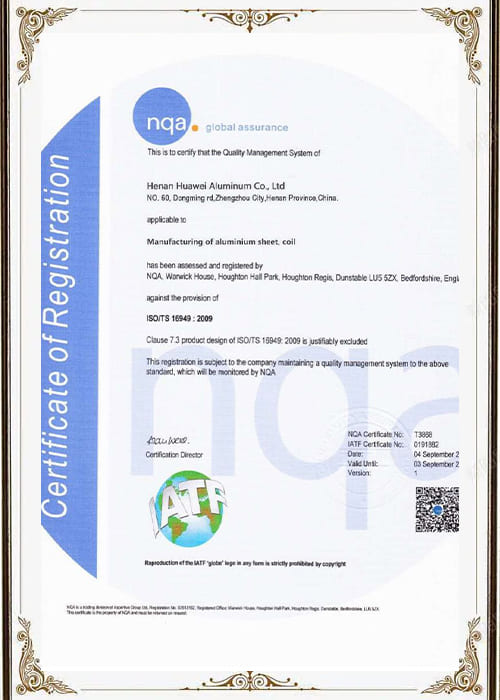
Huawei Quality Assurance
- Both alloys undergo chemical composition verification, tensile and yield testing, hardness measurement, and microstructural inspection.
- For aerospace or critical industrial use, certifications and traceability are mandatory, ensuring alloys meet stringent operational requirements.
- Compliance with standards guarantees consistency in mekanikal na pagganap, corrosion behavior, and fabrication outcomes, allowing designers to rely on published material properties during engineering and manufacturing.
11. Conclusions
6061 T6 vs 7075 serve different engineering priorities. 6061-T6 offers balanced strength, mahusay na paglaban sa kaagnasan, at kadalian ng paggawa, making it ideal for general structural and outdoor applications.
Sa kabilang banda, 7075-T6 provides very high strength and superior fatigue performance but requires protective measures against corrosion and is more challenging to fabricate.
The choice between them depends on application requirements, environmental exposure, and manufacturing constraints.
6061-T6 is best for versatility and durability, while 7075-T6 excels where maximum mechanical performance is critical. Neither alloy is universally superior; the optimal selection balances lakas ng loob, tibay ng katawan, and practicality.
Mga FAQ
Q1: Which is stronger, 6061-T6 vs 7075-T6?
7075-T6 is significantly stronger, with nearly double the yield and tensile strength of 6061-T6, making it ideal for high-load and aerospace applications.
Q2: Which alloy is more corrosion-resistant?
6061-T6 has superior corrosion resistance and performs well in marine, humid, and industrial environments. 7075-T6 requires protective coatings or controlled conditions to prevent corrosion.
Q3: Can 7075-T6 be welded?
7075-T6 is generally not recommended for structural welding due to cracking and strength loss. Mechanical fastening or adhesive bonding is preferred.
Q4: Which alloy is easier to machine and fabricate?
Both alloys machine well, but 7075-T6 offers higher precision in CNC operations. 6061-T6 is easier to form, yumuko ka, and weld, making it more versatile for general fabrication.
Q5: Is 7075-T6 suitable for outdoor or marine use?
Only with protective coatings, as 7075-T6 is more prone to pitting and stress corrosion in humid or salty environments.
Q6: How do the densities compare?
6061-T6 is slightly lighter (~2.70 g/cm³) compared to 7075-T6 (~2.81 g/cm³), which can influence weight-sensitive designs.