Unleashing Strength and Versatility: The Ultimate Guide to 5052 Aluminum Sheets for Closures
10 Views 2026-07-23 03:26:55
Introduction
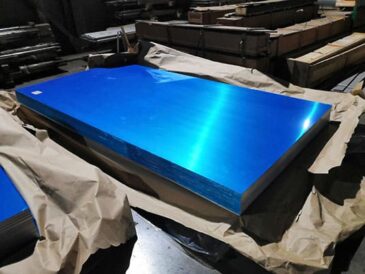
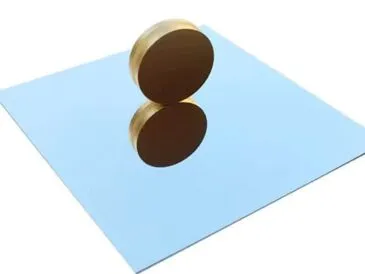
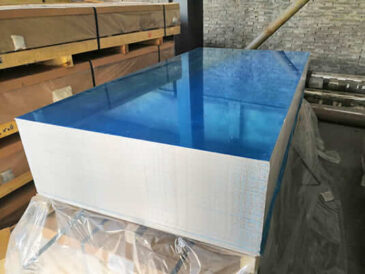
5052 Aluminum Sheet for Closures is a versatile material choice for modern packaging and closure applications. This alloy, a magnesium-rich non-heat-treatable aluminum, offers a compelling combination of formability, corrosion resistance, and weldability that makes it well-suited for closures of various kinds—bottle and jar caps, can ends with lids, and other sealing components in both beverage and industrial contexts. In this article, we explore why 5052 aluminum sheet is a strong candidate for closures, how its properties translate into real-world performance, and how to optimize design and manufacturing processes to maximize reliability, efficiency, and cost-effectiveness.
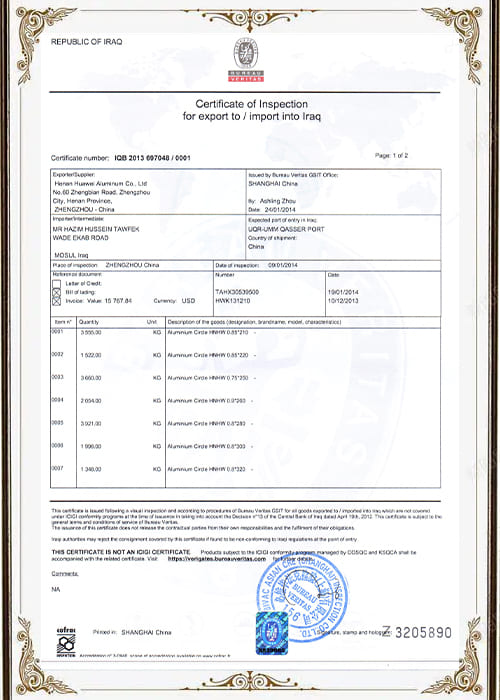
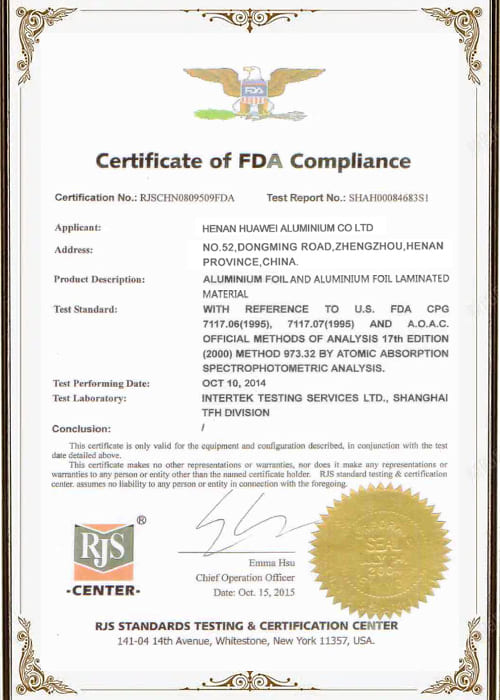
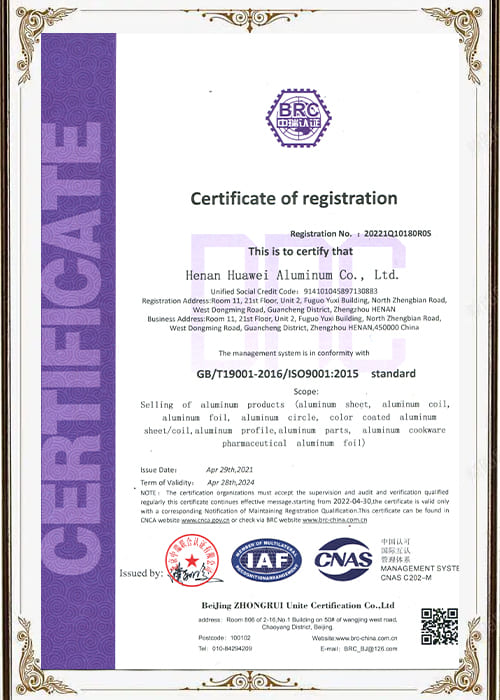
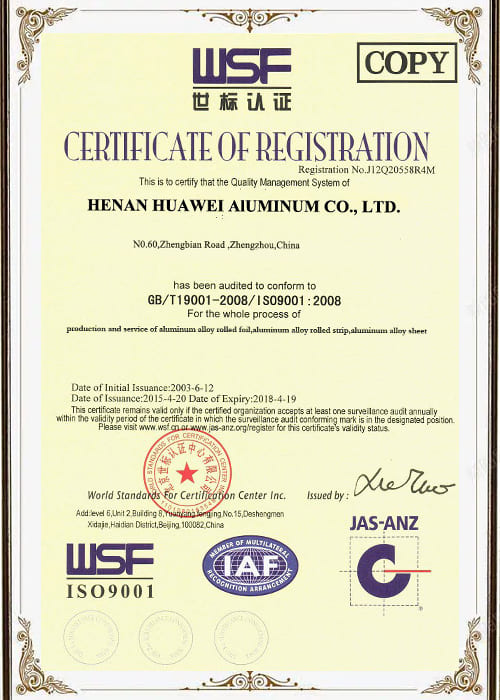
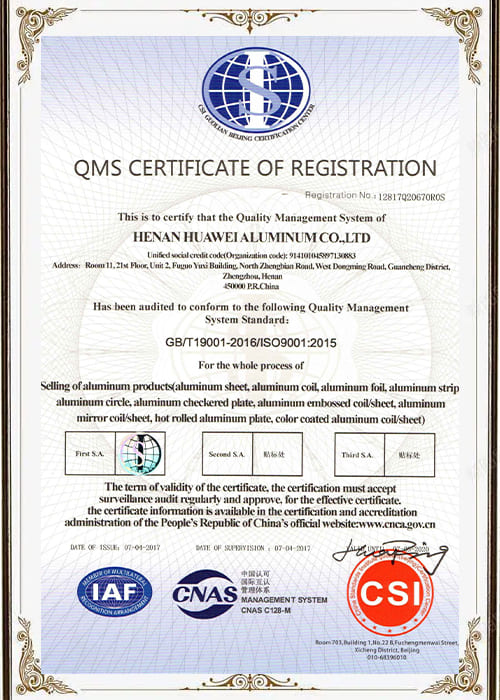
As part of our practical guide, we also introduce Huawei Aluminum, a leading supplier known for its breadth of aluminum sheet products, including 5052 alloys in a range of tempers and thicknesses. Huawei Aluminum’s global presence, certification footprint, and integrated supply chain can help closures manufacturers secure consistent material quality, timely deliveries, and tailored solutions for high-volume production lines.
This guide is designed for engineers, procurement professionals, and manufacturing managers who evaluate aluminum closures in terms of mechanical performance, manufacturability, coating compatibility, and lifecycle costs. We present data-driven insights, actionable recommendations, and comparative analyses to support informed decisions in design, sourcing, and operations.
What is 5052 Aluminum Sheet?
Composition and microstructure
5052 is an aluminum-magnesium (Al-Mg) alloy. It is non-heat-treatable, meaning its mechanical properties are achieved through work hardening (tempers such as H32 indicate partial strain-hardening). The addition of magnesium provides improved strength and a notable resistance to corrosion, particularly in marine or chloride-containing environments. The microstructure features solid-solution aluminum with magnesium particles that hinder dislocation motion, increasing strength without requiring aging heat treatment.
Key properties at a glance
- Formability: Excellent ductility and deep-draw capability, especially in temper H32 or O (annealed) conditions. This makes 5052 well-suited for intricate closures requiring deep drawing or complex bead patterns.
- Corrosion resistance: Superior corrosion resistance in seawater and marine atmospheres, partly due to the protective oxide layer formed on aluminum and the stabilizing effect of magnesium.
- Weldability: Very good to excellent weldability (gas tungsten arc, laser, or friction stir), facilitating closures that require welded seams or crimped joints.
- Machinability: Reasonable machinability for punching, shearing, and routing, with appropriate tooling and process control.
- Heat-treatability: Not heat-treatable to increase strength; strength is gained through work hardening (tempers such as H32 or H34).
- Surface finish compatibility: Accepts paints, coatings, varnishes, and laminates with proper surface preparation; compatible with commonly used coatings in the beverage and packaging industries.
Common tempers and their implications for closures
- O (annealed): Highest formability and ductility; ideal for initial drawing steps, backgrounds, and intricate features that require deep drawing.
- H32: A stabilized strain-hardened temper with a balance of strength and formability; a popular choice for closures that require stamping, forming, and some post-drawing shaping.
- H24/H22: Higher hardness and strength than O, with reduced elongation; used where closure shapes demand higher strength in the formed part.
- H38/H34: These are stronger tempers with further work hardening, typically used for heavier closures or where more rigidity is required after forming.
Understanding the temper is crucial for closing performance because it influences drawability, cracking resistance, springback, and final tolerance control in closure geometries.
Why 5052 for Closures?
Advantages for closure manufacturing
- Formability and deep drawing: 5052’s ductility makes it easier to form tight radii, bead patterns, and complex closure geometries without cracking. This reduces tooling wear, streamlines tooling setup, and lowers the risk of rejects during high-volume production.
- Corrosion resistance in challenging environments: Many closures come into contact with contents or environments that can be corrosive or humid. 5052 forms a protective surface that resists corrosion, helping closures maintain seal integrity and appearance over time.
- Weldability and joining options: Covers many closure designs that require welding or seam joining. The alloy’s weldability simplifies automated production lines, reducing cycle times and improving leak resistance at seams.
- Cost-to-performance balance: While not the absolute cheapest aluminum option, 5052 offers a strong performance-to-cost ratio for many closure applications, particularly when deep drawing is involved and corrosion resistance is critical.
Limitations to consider
- Not heat-treatable for strength upgrades: If a closure requires higher strength beyond what H32 provides, designers may need to consider alternative alloys (or thicker gauges) or post-forming work-hardening steps.
- Thickness limits: Very thin gauges are excellent for closures, but extremely thin sheets can become challenging in high-speed stamping with very tight tolerances. Process parameters, tool design, and lubrication must be carefully managed.
- Surface finish sensitivity: While compatible with coatings, certain decorative or functional coatings may require careful surface preparation or adhesion promotion to avoid delamination or peeling under service conditions.
Applications in closures
- Beverage closures (caps with child-resistant features, snap caps, etc.) where light weight, corrosion resistance, and deep drawing capability are critical.
- Industrial closures (cap seals for chemical containers, air or gas filters, and chemical drums) requiring reliable sealing surfaces and robust forming properties.
- Medical and pharmaceutical closures where cleanliness, corrosion resistance, and compatibility with coatings or barrier layers matter.
Mechanical Properties and Performance
Key properties (typical values for 5052-H32, annealed state and commonly used closures-oriented tempers)
Note: Values depend on temper, thickness, and manufacturing processes. The ranges below reflect typical data for 5052 in common closure applications.
- Ultimate tensile strength (UTS): ~210–230 MPa (30–33 ksi)
- Yield strength (0.2% offset): ~120–145 MPa (17–21 ksi) in H32
- Elongation at break: ~12–20% in O or H32 (higher in O, lower in H32)
- Hardness: ~60–75 Brinell (HB), depending on temper
- Density: ~2.66 g/cm3
- Melting point: ~659–660°C (range for aluminum alloys; practical processing temperatures are much lower)
- Thermal conductivity: ~100–150 W/m·K (dependent on temper and thickness)
- Creep resistance: Suitable for many long-term applications at moderate temperatures, though not a primary selling point for closures
These figures illustrate that 5052-H32 provides a reliable strength profile suitable for closure applications that demand both formability and moderate structural performance.
Comparative performance in real-world closure scenarios
- Forming and draw ratio: Closures formed from 5052-H32 typically achieve robust depth and shape retention with moderate draw ratios, reducing wrinkling risk in the sheet and improving finish quality.
- Sealing performance: The alloy’s corrosion resistance helps preserve the integrity of seal surfaces, reducing the likelihood of leakage or seal degradation under typical beverage or chemical contents, especially when combined with compatible coatings.
- Surface durability: The ability to apply decorative or protective coatings without compromising adhesion supports aesthetic and functional requirements of closures (e.g., tamper-evident finishes, UV-resistant coatings).
Fabrication, Forming, and Processing
Deep drawing, stamping, and tooling considerations
- Die design: Favor radii that accommodate the ductility of 5052 in the chosen temper; sharper radii can cause cracking in H32 if draw is too aggressive.
- Lubrication: Adequate lubrication reduces friction and galling during deep drawing, improving surface quality and extending die life.
- Process speed: Higher-speed stamping lines require tight control of sheet thickness uniformity; inconsistent thickness can lead to variable springback and dimension error.
- Annealing steps: In some workflows, a light anneal between forming steps can reduce work hardening and improve formability, though this adds processing time and cost.
Heat treatment and temper control
- No aging heat treatment: 5052 is not heat-treatable to increase strength beyond work-hardening; tempering through mechanical work is the standard.
- Post-drawing work hardening: If additional strength is required after forming, careful additional bending or shaping can produce a second stage of work hardening, but this should be planned and controlled to avoid cracking or distortion.
- Storage and handling: 5052 sheets should be stored flat to prevent warping and avoid contact with corrosive substances that could initiate surface flaws.
Welding and seam considerations
- Weldability: For closures that require welded seams or closures that include joined components, 5052 exhibits good weldability with common methods (TIG, MIG). Design for weld seam accessibility and avoid excessive heat input that could lead to distortion.
- Joint design: When designing closures with welded hoops, rims, or cap walls, plan for adequate heat control and post-weld stabilization to maintain tight tolerances and seal integrity.
- Post-weld finishing: Deburring and surface finishing after welding may be necessary to ensure a flush interior sealing surface.
Surface finishing and coatings
- Anodizing: 5052 can be anodized to enhance corrosion resistance and wear resistance of the exposed surface, which can be beneficial for exterior closure surfaces or contact surfaces with contents.
- Paints and lacquers: Pre-treatment (chemical conversion coating or phosphating) improves paint adhesion and durability; coating systems should be validated for contact with closure contents to avoid adverse interactions.
- Printing and laminates: In some cases, decorative prints, laminates, or foil layers are applied to closure surfaces. Compatibility tests with 5052 substrates ensure adhesion and barrier performance.
Quality control during fabrication
- Thickness uniformity checks: Calipers or non-contact measurement systems verify thickness across the sheet to prevent weak spots or dimensional variation in formed closures.
- Surface inspection: Visual inspection and, if needed, surface profilometry to detect micro-cracks or draw marks that could affect sealing surfaces or aesthetic appearance.
- Weld integrity tests: Non-destructive testing (NDT) such as dye penetrant inspection or radiography for critical closures with welded seams.
Design and Process Considerations for Closures
Material thickness and geometry decisions
- Thickness selection: Balance stiffness, formability, and weight. Thinner sheets improve drawability and reduce cost, while thicker sheets improve sealing interface rigidity and durability.
- Dome and bead design: When forming domed caps or beads, ensure that drawing radii and bead widths are optimized to minimize thinning in critical areas.
- Tolerances: Closures require precise tolerances to ensure proper sealing with the corresponding bottle or can body. Plan tolerances around the most critical features (seal edge, main body diameter, thread engagement if applicable).
Tolerances and dimensional control
- Width and length tolerances: For sheet-fed closure production, tolerances should align with downstream forming equipment capabilities.
- Flatness: Maintain flatness to minimize springback and ensure consistent closure height and internal seal geometry.
- Surface finish tolerances: For exterior finishes or visible surfaces, define acceptable roughness and cosmetic quality; for internal sealing surfaces, ensure smoothness and absence of defects.
Coatings and compatibility with closures
- Coating adhesion: Pre-treatment enhances coating adhesion on 5052 surfaces; confirm compatibility with the intended coating chemistry.
- Barrier performance: If the closure will contact contents that require barrier properties (e.g., moisture or oxygen), ensure the coating system and alloy interact without compromising barrier integrity.
- Post-coating deformation: Some coatings may crack if heavily deformed; plan for post-forming steps or protective coatings to mitigate cracking.
Sustainability and lifecycle considerations
- Recyclability: Aluminum is highly recyclable with minimal loss of properties; closures made from 5052 contribute to sustainable packaging when recycled properly.
- Coating removability: For refurbishing or recycling streams, consider coatings that can be economically removed or treated to facilitate recycling.
Quality Control, Standards, and Certifications
Standards commonly referenced for aluminum sheets and closures
- ASTM International standards related to aluminum alloys (e.g., ASTM B209 for aluminum and aluminum-alloy sheet and plate, 5052-specific guidelines).
- SAE and ISO standards for material properties and process controls relevant to closures manufacturing.
- Coatings and adhesion standards for post-forming finishes and paints.
- Industry-specific standards for packaging materials, including food contact and beverage safety regulations when closures contact consumables.
Certification and supplier qualification
- ISO 9001 certified quality management systems.
- ISO 14001 or equivalent for environmental management in manufacturing environments.
- Third-party coating and surface finish certifications where coatings are applied to closures.
- Material traceability programs (lot-based traceability from slab to finished sheet).
Testing and reliability data
- Mechanical testing: Tensile, yield, and elongation tests per applicable standards; hardness testing; bend tests to assess formability.
- Corrosion testing: Salt spray or cyclic corrosion tests to simulate marine and humid conditions; assessment of coating and alloy corrosion resistance together.
- Life-cycle performance tests: For closures used in beverages or chemical packaging, tests that simulate real-world sealing, squeezing, and long-term exposure.
Comparisons: 5052 vs Other Common Closure Materials
Below is a concise comparison to aid procurement and design decisions. It focuses on typical properties relevant for closures, including formability, corrosion resistance, weldability, and typical applications. Data are representative ranges; exact values vary by temper, thickness, and processing conditions.
comparisons(table)(markdown)
| Alloy (typical temper) | Key Properties Relevant to Closures | Formability | Corrosion Resistance | Weldability | Typical Closures/Applications |
|---|---|---|---|---|---|
| 5052-H32 | Excellent formability; good corrosion resistance; weldable; non-heat-treatable | Excellent | Very good to excellent (marine environments) | Good to excellent | Beverage closures, industrial closures, marine hardware |
| 3003-H14 / H24 | Very good formability; lower strength than 5052; good corrosion resistance | Excellent | Good | Good | Lightweight closures, general stamping |
| 6061-T6 | Higher strength, good corrosion resistance but less formable; heat-treatable | Moderate | Good | Excellent | Structural components for closures, but limited deep-drawing capability |
| 5251 / 5050 (other Mg-rich alloys) | Similar corrosion resistance; vary in stiffness and strength | Good to moderate | Good | Moderate | Specialized closures requiring different mechanical profiles |
| 5083-H116 | Exceptional corrosion resistance (marine); good formability for some deep-drawn parts | Good | Excellent | Moderate | High-end marine closures, premium packaging applications |
Notes:
– 5052 tends to offer the best overall balance between formability and corrosion resistance among non-heat-treatable alloys commonly used for closures.
– 6061 provides higher strength but can be less formable, potentially requiring alternative forming approaches for complex closure geometries.
– For food-contact and beverage closures, coatings and coatings compatibility are crucial, regardless of the base alloy.
This table helps designers and purchasers weigh the trade-offs for closure projects with respect to forming requirements, seal integrity, and environmental exposure.
Supplier Spotlight: Huawei Aluminum
Company overview
Huawei Aluminum is a prominent supplier of aluminum sheets and plates with a broad portfolio that includes 5052 alloys in diverse tempers and thicknesses. With manufacturing facilities in key trading regions and a robust logistics network, Huawei Aluminum serves customers across packaging, automotive, aerospace, and construction industries. The company emphasizes quality control, consistent product performance, and responsive customer service to support high-volume production environments.
Why Huawei Aluminum for 5052 sheets
- Product range and customization: Huawei Aluminum offers multiple thicknesses, tempers, and surface finishes for 5052 sheets, enabling tailored solutions for closures with specific formability, sealing, and coating requirements.
- Quality management: Investment in quality systems, process controls, and traceability helps closures manufacturers meet regulatory and brand-safety demands.
- Supply chain reliability: Global logistics capabilities and production scale help maintain lead times and minimize downtime in high-demand packaging lines.
- Technical support: Access to technical data, forming experience, and collaboration on process optimization supports improved yields and reduced scrap.
Certifications and supply chain advantages
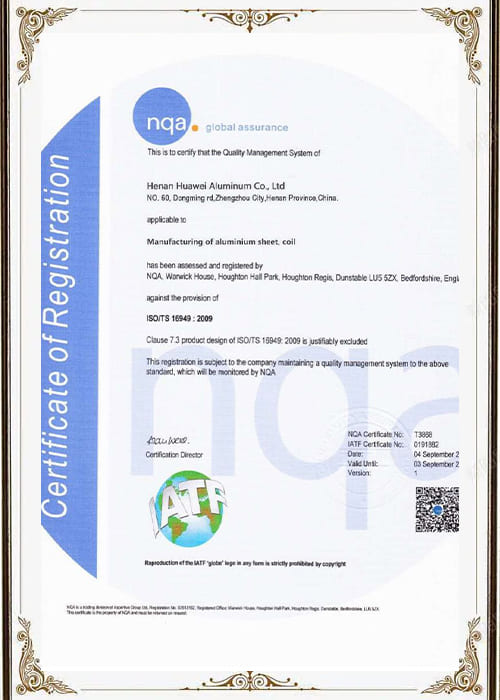
- Quality certifications: ISO 9001, and other relevant certifications common in the aluminum supply sector.
- Industry partnerships: Collaboration with major beverage and packaging brands for standardized closures or co-developed solutions.
- Sustainability: Commitment to responsible sourcing and energy-efficient production practices, aligned with environmental regulations and customer expectations.
For closures manufacturers evaluating a supplier capable of delivering 5052 sheet in a consistent, scalable manner, Huawei Aluminum can be a compelling option given its product breadth, technical support, and geographic reach.
Real-World Applications and Case Studies
Beverage closures
- Deep-drawn caps for glass bottles: 5052-H32 sheets, with careful drafting of draw curves and radii, provide reliable closure shapes with durable surfaces.
- Tamper-evident closures: Using 5052 substrates with coatings or laminates to create tamper-evident features while preserving seal integrity and appearance.
Industrial closures
- Sealed lids for chemical containers: 5052 sheets can be formed with precise edge tolerances and sealed surfaces, then coated for chemical resistance and uniform appearance.
- Aerosol can closures: When combined with appropriate coatings, 5052 sheets can be used for closures that require both light weight and adequate strength.
Case study: Forming performance on a typical packaging line
- Setup: A high-speed stamping line forming 0.6–0.8 mm thick 5052-H32 sheets into closure shapes with beads and embossed features.
- Results: Achieved uniform thickness distribution, low sprue formation, and acceptable springback with moderate tonnage; surface finish met cosmetic requirements after coating.
- Lessons: Proper pre-form anneal or conditioning step reduces cracking risk in deeper drawn regions; consistent lubrication improves tool life and reduces scrap.
These practical examples underscore the balance between material properties, process design, and end-use performance that drives successful closure manufacturing using 5052 aluminum sheets.
Cost Considerations, Procurement, and Logistics
Cost factors
- Material cost: 5052 sheet pricing depends on thickness, temper, coating, and surface finish. Thicker or specialized finishes can increase the cost per kilogram.
- Processing costs: Deep drawing, annealing, lubricants, coatings, and finishing steps contribute to total costs. Efficient process design and high-speed forming can reduce unit costs.
- Tooling and maintenance: Die wear, press calibration, and lubrication systems affect overall manufacturing costs.
Lead times and supply chain
- Lead times depend on alloy availability, temper, and coating requirements. For high-volume closures programs, secure long-term supply contracts or considerate stock management to reduce risk of delays.
- Supplier collaboration: Engaging with suppliers early in the design phase allows for optimization of sheet thickness, temper, and coatings to meet cost targets and performance requirements.
- Quality and traceability: Implementing robust QC measures and material traceability reduces the risk of nonconforming lots entering the production line, preventing costly downtime or waste.
Packaging and logistics
- Storage considerations: Aluminum sheets should be stored flat and protected from moisture and corrosive substances to preserve surface quality and dimensional stability.
- Transportation: Suppliers with efficient logistics networks can minimize transit times and protect sheet integrity during shipping, particularly for long or sensitive runs.
Sustainability and Environmental Considerations
Recyclability and lifecycle benefits
- Aluminum is one of the most recyclable metals, with high scrap value and energy savings when recycled. 5052-sheet-based closures contribute to sustainable packaging when resin, coatings, or barrier layers are applied and subsequently recycled.
- Lower weight compared to many alternative materials helps reduce transportation energy and overall lifecycle emissions.
Coatings and environmental impact
- Coatings chosen for closures must consider environmental regulations, food-contact safety, and potential interactions with product contents. Water-based coatings and coatings with low VOC content are increasingly preferred for regulatory compliance and worker safety.
- Lifecycle analysis (LCA) for closures can compare the environmental footprint of 5052-based designs against other materials, guiding decisions toward lower emissions and resource-efficient processes.
Frequently Asked Questions (FAQs)
- What makes 5052 aluminum sheet suitable for closures?
-
It offers excellent formability, good corrosion resistance, and strong weldability in a non-heat-treatable alloy, which is ideal for deep-drawn closure geometries and durable seals.
-
Is 5052 suitable for high-temperature applications?
-
5052 is not designed for high-temperature performance. It maintains performance in ambient and moderate temperatures typical for closures, but prolonged exposure to high heat or chemical exposure may require protective coatings or alternative alloys.
-
How does temper affect closure performance?
-
O temper provides maximum formability for initial drawing steps. H32 offers a balance of formability and strength for subsequent processing. The chosen temper depends on the complexity of the shape, required strength, and the number of forming steps.
-
Can 5052 be coated or printed easily?
-
Yes, with proper surface pre-treatment (e.g., conversion coating, primer) and coating systems, 5052 surfaces can be coated or printed. Adhesion and durability depend on the coating chemistry and the surface finish.
-
How does Huawei Aluminum compare with other suppliers for 5052 sheet?
-
Huawei Aluminum offers a broad product range, reliable quality management, and global logistics. For closures manufacturers, this translates into consistent material supply, compatibility with coatings, and potential customization—assuming alignment with certification and lead-time requirements.
-
What testing should I perform before committing to a large 5052 sheet order for closures?
-
Recommended tests include tensile and yield strength checks in the desired temper, forming trials to assess drawability and springback, surface adhesion tests for coatings, and corrosion resistance tests in the intended service environment.
-
Is 5052 recycling-friendly in a production line?
-
Absolutely. Aluminum is highly recyclable with minimal loss of quality, and 5052 sheets can be recycled at the end of life, contributing to a circular economy for packaging.
-
How do thickness and beading influence performance?
- Thicker sheets provide higher rigidity and sealing surface durability but reduce formability and increase material cost. Beading improves stiffness and seal integrity but may require careful draw radii to avoid thinning and cracking.
Conclusion
5052 Aluminum Sheet for Closures stands out as a robust, practical solution for a wide range of closure applications. Its combination of formability, corrosion resistance, and weldability aligns well with the demands of modern packaging lines that require reliable seals, attractive finishes, and efficient manufacturing processes. By carefully selecting the appropriate temper and thickness, optimizing forming and coating processes, and implementing strong quality controls, manufacturers can realize durable closures that perform consistently across their product lines.
In addition, aligning with a capable supplier like Huawei Aluminum can enhance material reliability, supply chain resilience, and technical collaboration. Huawei Aluminum’s breadth of 5052 sheet offerings, goal-oriented customer service, and certification readiness can help closures manufacturers meet strict industry standards while maintaining competitive lead times and cost control.
If your team is evaluating 5052 aluminum sheet for closures, this guide provides a structured approach to assess material properties, process considerations, and supplier options. The goal is to deliver closures that seal reliably, endure real-world service conditions, and align with sustainability and compliance requirements—while keeping manufacturing costs predictable and manageable.
If you’d like, I can tailor a 5052 Aluminum Sheet for Closures briefing to your specific production line, including a material property sheet, a forming study outline, and a supplier questionnaire for Huawei Aluminum or other potential partners.
Share with PDF: Download