3mm Thick Aluminium Plate for Walls | Durable & Stylish
17,055 Views 2025-08-21 06:14:11
Architectural Excellence Redefined: The Power of 3mm Thick Aluminium Plate for Wall Applications
In the dynamic landscape of contemporary architecture and construction, the selection of exterior cladding materials plays an instrumental role in defining a building’s identity, safeguarding its integrity, and contributing to its long-term sustainability.
As designers and developers increasingly seek a harmonious blend of aesthetics, durability, and performance, 3mm thick aluminium plate for wall applications has emerged as a preeminent choice, setting new benchmarks for facade engineering.
This comprehensive article delves into the inherent advantages, technical specifications, and strategic considerations that position this specific material and thickness as an optimal solution for modern building envelopes, offering profound insights for architects, builders, and material specifiers alike.

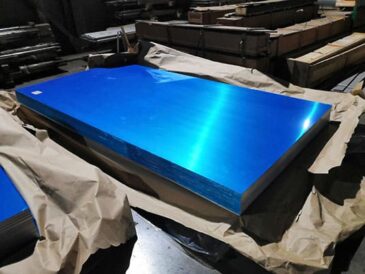
3mm thick aluminium plate for wall
The Inherent Superiority: Why Aluminum for Wall Cladding?
Aluminum, a material celebrated for its remarkable properties, naturally lends itself to architectural applications. Its intrinsic characteristics provide a compelling foundation for high-performance wall systems:
- Exceptional Lightweight Nature: Aluminum boasts a specific gravity of approximately 2.7 g/cm³, which is roughly one-third that of steel (7.85 g/cm³). This inherent lightness significantly reduces the dead load on building structures, potentially lowering foundation and framing costs.
- Outstanding Corrosion Resistance: Aluminum naturally forms a passive, self-healing oxide layer when exposed to air. This invisible layer acts as a formidable barrier against corrosion, even in aggressive environments like coastal areas or industrial zones.
- Excellent Formability and Ductility: Aluminum can be readily cut, bent, welded, and formed into complex shapes without compromising its structural integrity. This design flexibility is crucial for achieving unique architectural visions.
- High Recyclability: Aluminum is infinitely recyclable without degradation of its properties, making it a cornerstone of sustainable construction practices.
- Non-Combustibility: Aluminum itself is non-combustible, an essential safety feature for building materials. It has a relatively high melting point of approximately 660°C (1220°F).
For wall cladding, common aluminum alloys chosen include the 3003, 3004, or 5052 series, known for their excellent formability, moderate strength, and robust corrosion resistance suitable for outdoor exposure.
These alloys provide the necessary structural stability while allowing for intricate fabrication.

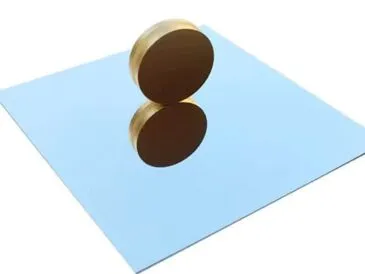
3mm thick aluminium plate for wall display
The Significance of 3mm Thickness: A Balance of Form and Function
While aluminum offers inherent advantages, the specific choice of 3mm thick aluminium plate for wall applications is a deliberate engineering decision that strikes an optimal balance across several critical parameters.
- Structural Rigidity vs. Weight Optimization: A 3mm aluminum plate provides substantial rigidity and flatness without incurring excessive weight. For instance, a 1 square meter panel of 3mm aluminum weighs approximately 8.1 kg, significantly lighter than a 3mm steel panel at 23.55 kg. This thickness effectively resists “oil canning” – the undesirable waviness or distortion that can occur in thinner, unsupported metal panels due to thermal expansion or uneven stresses, ensuring a pristine and visually flat facade.
- Enhanced Impact Resistance: While thinner gauges might be susceptible to minor dents, 3mm offers improved resistance to localized impacts, making the facade more durable against accidental contact or environmental debris.
- Ease of Fabrication and Installation: This thickness is sufficiently robust for structural integrity yet remains manageable for cutting, routing, bending, and fastening using standard machinery and techniques. It allows for precise fabrication of complex geometries, including folded corners, curves, and custom perforations, while simplifying on-site handling and installation.
- Cost-Effectiveness: Opting for 3mm often represents an optimal material use scenario. Thinner plates might require more extensive stiffening (e.g., additional bracing), negating potential material savings, while thicker plates would unnecessarily increase material cost and panel weight without proportionally increasing functional benefits for many wall applications.
-

huawei aluminium plate Thickness measurement

Common Alloys of Aluminum Plate for Wall Applications
Aluminum plates for wall applications are used in construction, architecture, and interior design due to their lightweight, corrosion resistance, durability, and aesthetic appeal.
Depending on the application (e.g., cladding, decorative walls, or structural purposes), different aluminum alloys are selected for their specific properties.
| Alloy | Strength | Corrosion Resistance | Formability | Surface Finish | Common Applications |
|---|---|---|---|---|---|
| 1050 | Low | Very High | Excellent | Good | Decorative wall panels, indoor cladding, and architectural details requiring high corrosion resistance. |
| 1060 | Low | Very High | Excellent | Good | Curtain walls, decorative panels, and lightweight indoor wall applications. |
| 1100 | Low | Very High | Excellent | Good | Indoor wall panels, roofing, and cladding for buildings in humid environments. |
| 3003 | Moderate | Very High | Good | Good | Outdoor wall cladding, roofing panels, and architectural facades exposed to weather. |
| 3105 | Moderate | Very High | Good | Good | Building facades, siding, and rainwater systems (gutters and downpipes). |
| 5005 | Moderate | Excellent | Good | Excellent (Anodized) | Anodized decorative wall panels, curtain walls, and cladding for aesthetic and corrosion-resistant surfaces. |
| 5052 | High | Excellent | Good | Excellent (Anodized) | Structural wall panels, marine environments, and outdoor cladding exposed to harsh conditions (saltwater). |
| 6061 | Very High | Good | Moderate | Excellent (Polished) | Structural applications, load-bearing wall panels, and industrial building facades. |
| 6082 | Very High | Good | Moderate | Excellent (Polished) | Structural wall systems and large building facades requiring strength and durability. |
Unpacking the Advantages: Performance Benefits of 3mm Thick Aluminium Plate for Walls
The deliberate choice of 3mm thick aluminium plate for wall systems delivers a spectrum of tangible benefits, contributing significantly to a building’s performance, longevity, and appeal.
1. Superior Durability and Unmatched Longevity
As previously discussed, aluminum’s innate corrosion resistance is a primary advantage. When coupled with advanced surface treatments, a 3mm aluminum plate forms an incredibly resilient external barrier. It stands up to:
- Weather Extremes: Resistant to rain, snow, ice, and strong winds without degradation.
- UV Radiation: High-quality coatings ensure the color and finish remain vibrant for decades, preventing chalking and fading.
- Pollutants: Resists damage from industrial pollutants and airborne contaminants.
This inherent robustness ensures a lifespan of 50 years or more for the material itself, minimizing replacement and maintenance cycles.

3003 aluminum plate for exterior wall decoration
2. Aesthetic Versatility and Enduring Appeal
The aesthetic potential of 3mm thick aluminium plate for wall is virtually limitless, making it a designer’s dream.
- Broad Color Palette: Advanced coil coating processes (e.g., with PVDF – Polyvinylidene Fluoride or Polyester resins) offer an extensive range of colors, from vibrant solids to metallic, mica, and even custom hues. PVDF coatings, typically containing 70% Kynar 500® or Hylar 5000® resin, provide exceptional fade resistance, often backed by 20-30 year warranties against chalking and color change.
- Diverse Finishes: Beyond color, aluminum plates can feature various finishes, including high-gloss, matte, textured, or even anodized effects. Anodizing, an electrochemical process, creates a durable, integral oxide layer with a natural metallic luster or specific dyed colors, enhancing both aesthetics and surface hardness.
- Design Freedom: The ease of fabrication allows for intricate patterns, perforations, custom folds, and unique panel arrangements, enabling architects to realize complex and distinctive facade designs. The precise flatness of 3mm plate ensures clean lines and seamless transitions.
3. Lightweight Construction and Streamlined Installation
The significant weight advantage of 3mm aluminum plates translates directly into project efficiencies:
- Reduced Structural Costs: Lower facade weight reduces the load on the building’s structural frame and foundation, potentially decreasing the need for heavy, costly supporting elements.
- Faster, Safer Installation: Large, yet manageable, panels can be rapidly installed, reducing labor time and site costs. Lighter materials also enhance worker safety during handling and placement.
- Minimal Site Disruption: Prefabricated aluminum panels minimize on-site cutting and fabrication, leading to cleaner, more efficient construction sites.
4. Enhanced Fire Safety Characteristics
A critical consideration for any building material is its fire performance. Aluminum is inherently non-combustible. Unlike some composite panels that might have combustible cores, a solid 3mm thick aluminium plate for wall provides a robust, fire-safe exterior. This characteristic is increasingly important given evolving building codes and safety standards globally, offering peace of mind and contributing to building safety ratings.
5. Sustainability and Circular Economy Contribution
Leveraging 3mm thick aluminium plate for wall aligns perfectly with modern sustainability goals:
- High Recycled Content: Many aluminum products incorporate a significant percentage of recycled content.
- Energy Efficiency in Recycling: Recycling aluminum requires approximately 95% less energy than primary production, leading to substantial reductions in carbon emissions.
- Long Lifespan, Low Environmental Impact: The material’s durability means less frequent replacement, reducing embodied energy and waste over the building’s lifecycle.
- Valuable End-of-Life: Aluminum retains high scrap value, encouraging its collection and re-entry into the manufacturing stream, fostering a truly circular economy.
Manufacturing & Fabrication Insights
The journey of a 3mm thick aluminium plate for wall from raw coil to finished facade panel involves advanced manufacturing and fabrication techniques.
Modern machinery effortlessly cuts, routes, punches, and bends this thickness with high precision.
Computer Numerical Control (CNC) processes ensure exact dimensions and complex geometries are achieved consistently.
Surface treatment is a critical step. For painted panels, coil coating lines apply uniform layers of primer and topcoat, followed by high-temperature curing.
For anodized panels, an electrochemical process creates a durable, corrosion-resistant oxide layer.
These factory-controlled processes guarantee a superior, long-lasting finish that is far more durable and consistent than post-fabrication spray painting.
Installation typically involves various systems:
- Rivet Systems: Panels are fastened directly to a sub-frame using visible rivets.
- Concealed Fastener Systems: Panels are mounted using clips or interlocks that hide the fasteners, creating a clean, uninterrupted facade.
- Silicone Joint Systems: Panels are installed with a small gap, sealed with weather-resistant silicone, for a sleek, minimalist look.
Comparative Analysis: 3mm Aluminium Plate vs. Alternatives for Wall Cladding
To truly appreciate the value of 3mm thick aluminium plate for wall, a comparison with common alternative cladding materials is essential.
| Feature / Material | 3mm Aluminium Plate (Solid) | Aluminium Composite Panel (ACP) | Pre-painted Steel Panel | Fiber Cement Board |
| Material Composition | Solid aluminum sheet | Two thin aluminum skins (0.3-0.5mm) bonded to a core (PE, FR) | Solid steel sheet (galvanized/pre-painted) | Cement, cellulose fibers, sand |
| Weight per m² (approx.) | ~8.1 kg | ~5.5 kg (for 4mm total thickness) | ~23.55 kg (for 3mm steel) | ~15-20 kg (for 8-10mm thick) |
| Flatness / Oil Canning | Excellent, inherent rigidity limits oil canning | Excellent, due to sandwich structure | Moderate; more prone to oil canning if not stiffened | Excellent; very stable |
| Fire Performance | Non-combustible (inherent) | Varies significantly by core (PE core combustible; FR core better) | Non-combustible | Non-combustible |
| Corrosion Resistance | Excellent; no red rust | Excellent (aluminum skins) | Good; prone to red rust if coating scratched/breached | Excellent; weather resistant |
| Impact Resistance | Good | Moderate (can dent easily with thin skins) | Good | Good (but can chip/crack on sharp impact) |
| Fabrication Complexity | Moderate (requires proper equipment for cutting/bending) | Relatively easy (routing, folding) | Moderate (requires specific equipment for shaping) | Easy (cutting, drilling) |
| Cost (Installed) | Moderate to High | Moderate | Moderate | Low to Moderate |
| Sustainability | Highly Recyclable (monomaterial, high scrap value) | Recyclability complex (composite materials) | Recyclable (lower scrap value) | Low (heavy, energy-intensive to produce, limited recycling) |
This comparison highlights that while ACPs offer lighter weight and ease of fabrication for certain designs, 3mm thick aluminium plate for wall excels in its inherent fire safety as a solid non-combustible material, its robust impact resistance, and its straightforward end-of-life recyclability, making it a highly compelling choice for long-term, high-performance facade systems.
Smart Building Integration and Future Trends
As smart building technologies increasingly intertwine with physical infrastructure, the choice of robust and high-performing materials like 3mm thick aluminium plate for wall becomes even more critical.
The stability, durability, and weather resistance offered by aluminum cladding are essential for protecting the sensitive sensors, connectivity devices, and integrated control systems that characterize smart buildings.
Industry leaders in smart solutions, such as Huawei Aluminum, understand that the reliability of their integrated digital infrastructure often depends on the foundational quality of the building envelope itself.
While Huawei specializes in telecommunications, IoT, and smart city solutions, their extensive portfolio of high-tech facilities and data centers worldwide exemplifies the demand for durable, efficient, and aesthetically pleasing building materials.
Materials like 3mm thick aluminium plate for wall ensure the longevity and environmental protection necessary for critical IT equipment and the advanced systems that Huawei deploys, highlighting the symbiotic relationship between advanced materials and cutting-edge digital infrastructure in creating truly intelligent, resilient urban environments.
This convergence of material science and digital technology paves the way for facades that are not only protective but also interactive and energy-generating.
Quality Assurance & Supplier Considerations
The inherent advantages of 3mm thick aluminium plate for wall are fully realized only when sourced from reputable suppliers committed to stringent quality assurance. Factors to consider when selecting a supplier include:
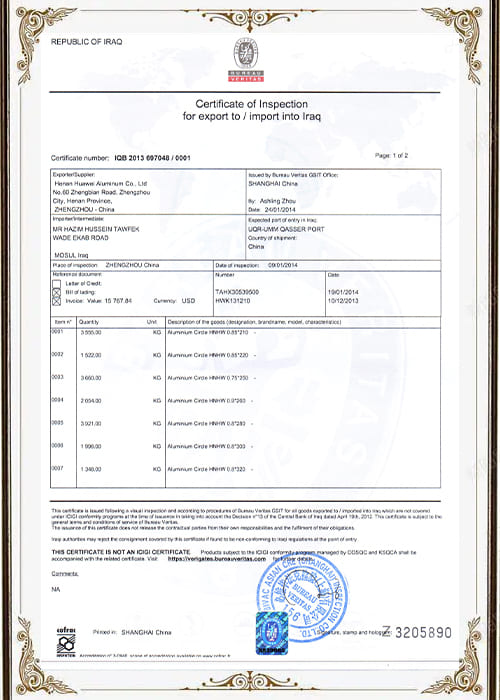
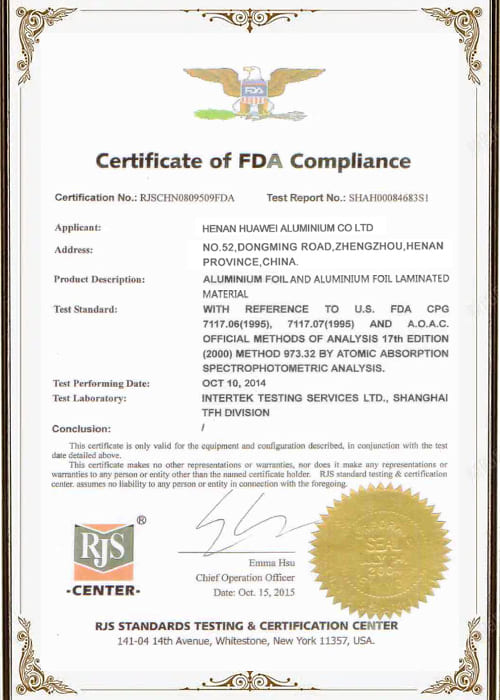
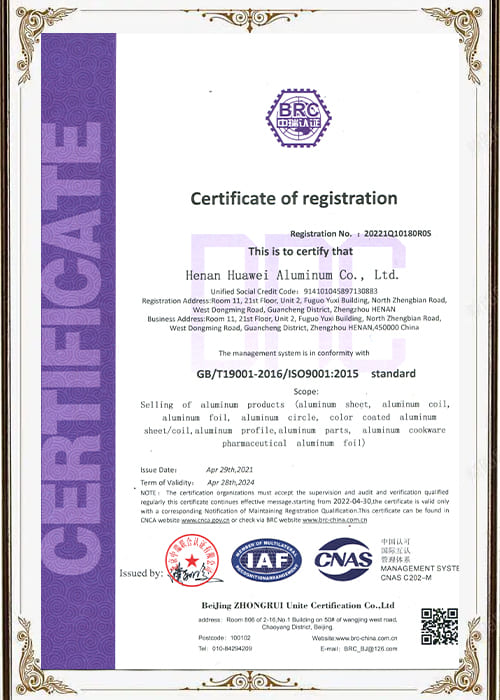
- Material Certification: Ensure compliance with international standards (e.g., ASTM B209 for aluminum sheet and plate, AAMA 2605 for PVDF coatings).
- Manufacturing Capabilities: Assess the supplier’s ability to produce consistent thickness, flatness, and custom sizes.
- Surface Treatment Expertise: Verify the quality of their coil coating or anodizing lines, including adherence to specific coating warranty requirements.
- Traceability: A robust system for tracking raw materials and production batches ensures accountability.
- Technical Support: A supplier offering detailed technical data, installation guidelines, and project support adds significant value.
FAQs about 3mm Thick Aluminium Plate for Walls
Q1: Is 3mm aluminum plate prone to “oil canning” on walls?
A1: No, 3mm thickness is generally considered robust enough to resist oil canning effectively, especially when properly installed with a well-designed sub-framing system that allows for thermal expansion and contraction. Thinner gauges (e.g., 1-2mm) are more susceptible.
Q2: How long will the color/finish last on a 3mm aluminum wall plate?
A2: The longevity depends heavily on the coating type. High-performance PVDF coatings (e.g., 70% Kynar 500®) are designed for extreme outdoor exposure and often come with 20-30 year warranties against significant fading, chalking, or delamination, ensuring excellent long-term color stability. Anodized finishes are also extremely durable.
Q3: How does the fire rating of 3mm aluminum plate compare to ACPs?
A3: A solid 3mm thick aluminium plate for wall is inherently non-combustible. In contrast, standard aluminum composite panels (ACPs) with a polyethylene (PE) core are typically combustible and restricted in many building types. Fire-rated ACPs (FR core) exist, but solid aluminum offers superior inherent fire safety as a single, non-combustible material.
Q4: Is it difficult to install 3mm aluminum wall plates?
A4: While installation requires skilled labor and proper techniques common to metal cladding, the lightweight nature of 3mm aluminum plates actually simplifies handling compared to heavier materials. Panels are often custom-fabricated off-site for precise fit, streamlining on-site assembly and reducing installation time.
Q5: Is 3mm aluminum plate a sustainable choice for building facades?
A5: Absolutely. Aluminum is highly sustainable due to its infinite recyclability (requiring 95% less energy to recycle than to produce new metal), long lifespan, and contribution to building energy efficiency (especially with reflective coatings). Its durability minimizes waste over the building’s lifecycle.
Conclusion
The judicious selection of 3mm thick aluminium plate for wall applications embodies a forward-thinking approach to modern architectural design and construction.
This material provides an exceptional blend of aesthetic versatility, robust mechanical properties, and compelling sustainability credentials.
Its inherent lightness reduces structural burdens, its superior corrosion resistance ensures decades of maintenance-light performance, and its design flexibility empowers architects to realize ambitious visions.
While requiring skilled fabrication and installation, the long-term benefits in terms of durability, energy efficiency, and environmental responsibility significantly outweigh initial considerations.
As the global construction industry continues its trajectory towards creating more resilient, beautiful, and eco-conscious structures, 3mm thick aluminium plate for wall will undoubtedly remain a cornerstone material, shaping the skylines of tomorrow with both integrity and innovation.