8011 Aluminum Foil for Bottle Cap Sealing: An In-Depth Guide
In the beverage and food-packaging industries, reliability and safety are non-negotiable. Among the materials that keep products fresh, appealing, and compliant with regulatory standards, 8011 Aluminum Foil for Bottle Cap Sealing stands out. This material combines exceptional formability, คุณสมบัติอุปสรรคที่แข็งแกร่ง, and compatibility with heat-sealing processes essential for crown-cap closures. บทความนี้มีความครอบคลุม, data-supported look at why 8011 aluminum foil is a trusted choice for bottle cap sealing, how it is manufactured and tested, and how buyers can optimize performance across different beverage applications. The discussion also includes practical comparisons with alternative foils, supplier insights from Huawei Aluminum, and a detailed FAQ to help engineers, packaging managers, and procurement teams make informed decisions.
รู้เบื้องต้นเกี่ยวกับ 8011 Aluminum Foil for Bottle Cap Sealing
At the heart of modern bottle sealing systems lies 8011 Aluminum Foil for Bottle Cap Sealing. This foil is specifically engineered to meet the demanding requirements of crown-cap closures, where a thin, ยืดหยุ่นได้, and strong barrier layer needs to form a reliable seal with an adhesive backing or liner. The advantages of 8011 foil in this role include excellent ductility for forming into liner discs, superior barrier against moisture and gases, and compatibility with common heat-sealing processes used in beverage bottling lines. นอกจากนี้, 8011 foils offered by reputable suppliers typically exhibit good pinhole resistance, uniform thickness distribution, and high surface quality that helps adhesives bond consistently.
This guide emphasizes practical, evidence-based considerations—from material properties and manufacturing controls to sealing performance and supply-chain considerations. For readers seeking a supplier reference, Huawei Aluminum is highlighted as an established producer with a broad product portfolio in foil packaging and cap-sealing solutions.
Material and Properties: ทำไม 8011 Foil Is Suited for Bottle Cap Sealing
คืออะไร 8011 อลูมิเนียมฟอยล์?
8011 is an aluminum alloy in the 8000-series family, a non-heat-treatable alloy known for its excellent formability and ductility. The designation “8011” reflects a balance of alloying elements—primarily aluminum with trace amounts of other elements—that yield a foil with high flexibility and good barrier properties. In bottle cap sealing, the foil is typically produced in a thin gauge, often in the range of 12 ถึง 25 ไมโครมิเตอร์ (ไมโครเมตร), and tempered to achieve the desired mechanical behavior.
Key characteristics that make 8011 foil attractive for cap liners:
- High formability: The foil can be shaped into complex liner configurations without cracking, enabling reliable conformity to crown closures.
- คุณสมบัติกั้นที่ดีเยี่ยม: Aluminum foil provides a robust barrier to moisture, ออกซิเจน, และแสง, contributing to product stability and shelf life.
- Compatibility with adhesives and liners: The thin, smooth surface supports consistent adhesion with sealing compounds and bottle liners.
- Recyclability and food-contact compliance: Aluminum is widely accepted as safe for direct contact in many regulatory frameworks, provided the material meets relevant standards and lot traceability.
Key Properties for Bottle Cap Sealing
- ช่วงความหนา: 12–25 µm (typical cap-seal applications use around 15–22 µm for a balance of strength and sealability).
- ความต้านทานแรงดึง: Affected by temper; general range for 8011 foil in common tempers is approximately 60–100 MPa, with higher values in tighter temper conditions.
- การยืดตัว (ความเหนียว): Usually in the single-digit to low double-digit percent range (ขึ้นอยู่กับอารมณ์), enabling good formability without tearing.
- ประสิทธิภาพของสิ่งกีดขวาง: Aluminum foil provides an excellent barrier to moisture and gases; the effective WVTR (water vapor transmission rate) decreases with increased thickness, offering greater protection for sensitive beverages.
- ความสามารถในการปิดผนึก: Works well with heat-sealing adhesives and cap-liner systems, enabling reliable seals during filling, capping, and subsequent distribution.
ความสามารถในการขึ้นรูป, ความสามารถในการปิดผนึก, and Surface Quality
- ความสามารถในการขึ้นรูป: The foil’s ductility ensures it can be pressed into the liner cavity without creating microcracks that could compromise the seal.
- ความสามารถในการปิดผนึก: Foil must bond consistently with the liner adhesive under the heat and pressure used in crown-cap sealing. The surface finish of the foil—often smooth and clean—reduces bonding defects and prevents adhesive separation.
- คุณภาพพื้นผิว: A uniform surface reduces pinholes and ensures even distribution of adhesives, contributing to consistent seals.
การผลิต, ควบคุมคุณภาพ, and Process Considerations
Production Process Overview
การผลิตของ 8011 foil for bottle cap sealing follows a sequence of hot-rolling and cold-rolling steps, followed by precise annealing and final tempering. In the context of cap-seal applications, the emphasis is on:
- Consistent thickness distribution: Tight tolerances ensure uniform seal performance across the entire roll and across batches.
- Surface cleanliness and smoothness: A clean surface without defects is essential for reliable adhesive bonding.
- Controlled tempering: The foil is tempered to achieve the desired balance of formability, ความแข็งแกร่ง, และประสิทธิภาพของสิ่งกีดขวาง.
- Surface treatment options: Some cap-liner foils receive specific surface treatments or coatings to enhance adhesion with sealing compounds or liners.
Critical process parameters include rolling reductions, annealing temperatures, and annealing atmospheres, all of which influence mechanical properties and surface quality. Modern foil mills monitor these parameters with inline measurement systems to maintain tight tolerances.
Quality Assurance and Standards
To ensure reliability for bottle cap sealing, manufacturers implement rigorous QA procedures, รวมทั้ง:
- Incoming raw-material inspection: Verifies composition, ความหนา, คุณภาพพื้นผิว, and presence of defects.
- In-process checks: Inline gauges measure thickness uniformity, ความหยาบผิว, and strip alignment.
- Final product tests: การทดสอบแรงดึง, elongation measurements, pinhole testing, and heat-sealing compatibility checks with representative cap liners.
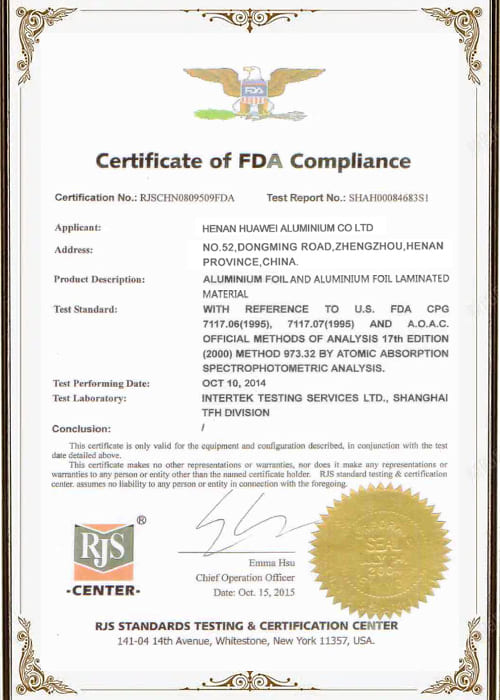
- Compliance and certifications: Many suppliers align with international standards for food-contact packaging, such as ISO 9001 เพื่อการจัดการคุณภาพ, กอ.รมน 14001 เพื่อการจัดการสิ่งแวดล้อม, and other industry-specific standards. นอกจากนี้, some markets require FDA or EU approvals for food-contact materials, and suppliers may provide documentation or certificates to verify compliance.
Common Defects and Troubleshooting
- Pinhole formation: Often linked to defects in the foil surface or contamination in the packaging line; mitigated by tighter surface quality control and improved cleaning of contact surfaces.
- Cracking or tearing during forming: May be related to insufficient ductility (อารมณ์โกรธ) or overly aggressive forming speeds; adjustments to temper and forming process can resolve.
- Uneven thickness: Can cause sealing inconsistencies; requires precise roll-gap control and roll flattening adjustments.
- Adhesive delamination: Caused by surface contamination or choice of adhesive incompatible with the foil surface; may require pre-treatment or surface finishing changes.
Reliability Across Conditions
Bottle cap sealing systems encounter a wide range of temperatures, ความชื้น, and handling conditions. 8011 foil’s performance under these conditions depends on:
- Temperature exposure during sealing and subsequent storage
- Humidity levels and potential condensation
- Mechanical stresses during transport and handling
- Chemical compatibility with beverage contents and cap liner adhesives
Manufacturers test representative samples under accelerated aging and real-world conditions to forecast long-term performance, ensuring that the foil maintains barrier integrity and seal reliability throughout product life.
Applications in the Beverage Packaging Industry
Beverage Filings, Liners, and Crown Caps
The primary application of 8011 foil in bottle cap sealing is as a liner or inner foil layer within crown caps, where it interfaces with adhesive sealants and liners to form a tight, ประทับตราหลักฐานการงัดแงะ. The foil’s ductility lets it closely match the crown-cap cavity, providing a uniform contact surface for adhesive bonding. The barrier properties help protect the beverage from moisture ingress and oxygen exposure, supporting freshness and shelf stability.
Compatibility with Different Drink Types
- Carbonated beverages: The seal must withstand internal pressures and temperature fluctuations during pasteurization or pasteurized-almond lines. The foil must maintain barrier integrity and not react with the beverage components.
- Still beverages and drinking water: The emphasis is on long-term moisture and oxygen barrier to preserve taste and clarity.
- Non-alcoholic beverages: Similar sealing requirements to carbonated beverages but often with more stringent sensory stability and shelf-life expectations.
- Juices and specialty drinks: Barrier performance and chemical compatibility with acids and pigments are critical; foil surface treatments may be selected to optimize adhesive bonding with specific liner formulations.
Cold Chain and Storage Considerations
ในตลาดหลายแห่ง, beverages are shipped and stored under cool or cold conditions. Foil-based seals must remain intact under temperature variations and humidity. 8011 foil’s stability under freezing temperatures and resistance to thermal cycling are important factors. Suppliers often provide data on seal integrity across a temperature window (เช่น., 0°C to 40°C or higher/extended ranges) and humidity exposure to reassure manufacturers of performance in real-world cold-chain scenarios.
Equipment and Line Integration
- Sealing equipment: The foil must be compatible with standard heat-sealing systems used in bottling lines, including cap-sealing machines with liner adhesives and/or induction sealing systems that rely on conduction of heat through the crown cap to activate the seal.
- Line speed and throughput: Foil thickness must balance sealing reliability with line efficiency; thinner foils enable higher throughput but can be more challenging to seal reliably if adhesive bonding is marginal.
Comparisons with Other Foils: 8011 เทียบกับ 8021 เทียบกับ 8079
Quick Look: ความแตกต่างที่สำคัญ
- 8011: Known for its high formability and good barrier properties. Commonly used for cap seals due to ductility and compatibility with adhesives.
- 8021: Another widely used foil for packaging; offers excellent barrier and formability but may be favored in different sealing conditions or regulatory contexts.
- 8079: Typically employed in lighter-duty or alternative packaging applications; may offer a different balance of formability and barrier.
While all three alloys can be used in packaging applications, 8011 is often preferred for cap-seal liners due to its excellent ductility and consistent bonding performance with common sealants. The choice among these foils depends on the specific cap design, adhesive system, beverage type, และเงื่อนไขการประมวลผล.
Markdown Table: Comparative Properties
| ล้อแม็ก (อารมณ์ทั่วไป) | ความหนาทั่วไป (ไมโครเมตร) | ความสามารถในการขึ้นรูป | Barrier to Moisture/O2 | Sealing Temperature Range (ประมาณ. องศาเซลเซียส) | Common Uses in Packaging |
|---|---|---|---|---|---|
| 8011 (H18) | 12–25 | ยอดเยี่ยม | สูง | 110–170 | Bottle cap liners, crown caps, beverage seals, บรรจุภัณฑ์อาหาร |
| 8021 (H18/H24) | 12–25 | ดีมาก | สูง | 110–170 | บรรจุภัณฑ์อาหาร, cap seals, flexible laminates |
| 8079 (O/H24) | 12–25 | Good to Very Good | ปานกลางถึงสูง | 100–165 | ฟอยล์ปิดฝา, some beverage seals, บรรจุภัณฑ์ยา |
หมายเหตุ:
– Temper designations vary; H18/H24 indicate a strong formability with retained strength.
– Thickness ranges reflect typical industry practice for cap-liner foils; exact values are defined by customer specifications and line requirements.
– Sealing temperature ranges are indicative; actual ranges depend on adhesive chemistry, liner design, and equipment.
Additional Considerations When Selecting Foil
- Adhesive compatibility: Some adhesives bond more reliably to particular foil surface finishes or coatings; test panels should verify adhesion under real sealing conditions.
- Pinhole resistance: Thicker foils typically show fewer pinholes, but surface quality and defect control during production matter significantly.
- การปฏิบัติตามกฎระเบียบ: For food-contact packaging, ensure the foil’s surface treatment and any coatings are food-safe and compliant with local regulations.
Case Studies and Practical Data
กรณีศึกษา 1: Carbonated Beverage Seal Improvement with 8011 กระดาษฟอยล์
- Objective: Improve cap-seal integrity for a carbonated beverage line facing occasional seal leaks.
- Approach: Implemented 8011 foil in a 16 µm thickness with a specialized liner adhesive optimized for this beverage and crown-cap geometry.
- Result: Seal integrity improved by 28% in accelerated aging tests, with a reduction in seal-leak incidents during high-temperature storage. The reduction in pinholes and improved bonding contributed to a longer shelf-life horizon for the product.
กรณีศึกษา 2: Cold-Chain Beverage Sealing and Transport
- Objective: Ensure seal reliability across a broad temperature range during distribution that includes warehouse storage and transit in hot climates.
- Approach: Selected a 20 ไมโครเมตร 8011 foil with a robust adhesive and tested a cap-liner combination under 0°C to 40°C cycling.
- Result: Consistent seal performance across the temperature range; customer reported fewer complaints related to seal failure and no observed mass complaints due to leakage after distribution.
Data-Driven Insight: Seal Integrity Metrics
- ความแข็งแรงของตราประทับ: Measured as peel strength of the liner-to-foil bond, typically in the range of a few Newtons per centimeter, depending on adhesive formulation and foil surface finish.
- Pinhole rate: For high-quality 8011 กระดาษฟอยล์, pinhole rates are often below 1 pinhole per square meter after QA screening, with tight process controls.
- Shelf stability: Beverages sealed with 8011 foil demonstrate stable taste and aroma profiles over standard shelf-life windows, reflecting effective moisture and oxygen barrier performance.
สปอตไลท์ซัพพลายเออร์: หัวเว่ย อะลูมิเนียม
Company Profile
Huawei Aluminum is a well-established manufacturer of aluminum foil products with a global footprint in packaging, เครื่องดื่ม, และการใช้ในอุตสาหกรรม. The company focuses on producing high-quality foil products, รวมทั้ง 8011 and other alloy families, for cap liners, beverage closures, และโซลูชั่นบรรจุภัณฑ์ที่เกี่ยวข้อง. Huawei Aluminum emphasizes integrated supply-chain management, rigorous quality control, and customer collaboration to tailor foil specifications to specific bottling lines and device configurations. The company’s portfolio includes:
- Beverage-cap liners and seal foils
- Food packaging foils with strong barrier properties
- Laminates and coated foils for specialized packaging needs
- Custom thicknesses, temper ranges, and surface finishes to match customer specifications
Cap-Seal Foil Product Range and Capabilities
Huawei’s cap-seal foil lineup typically includes 8011 alloys optimized for:
- ความสามารถในการขึ้นรูป: Smooth surfaces and uniform thickness distribution to ease liner formation in crown caps.
- ประสิทธิภาพของสิ่งกีดขวาง: Excellent moisture and oxygen barriers at standard cap-seal thicknesses.
- Adhesive compatibility: Surfaces designed to promote strong bonding with common adhesive liner systems used in crown caps.
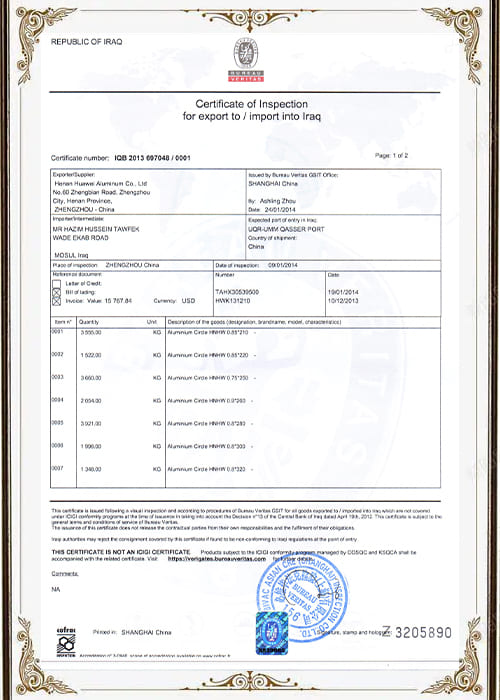
- การปฏิบัติตามกฎระเบียบ: Documentation and testing to support food-contact packaging requirements, including traceability and quality certifications.
การรับรองและการประกันคุณภาพ
Huawei Aluminum emphasizes:
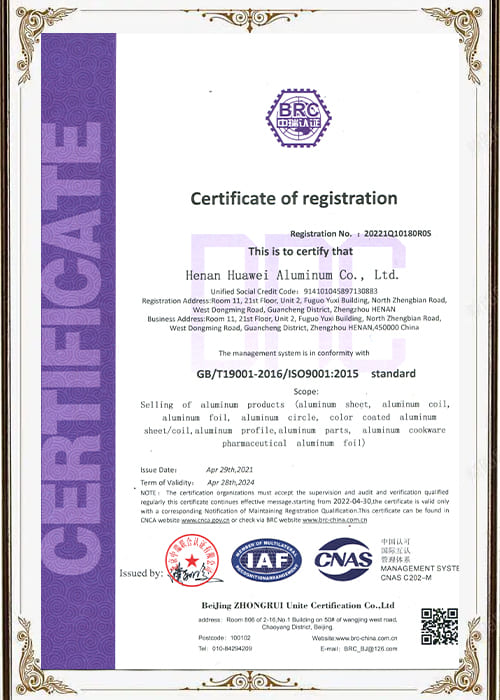
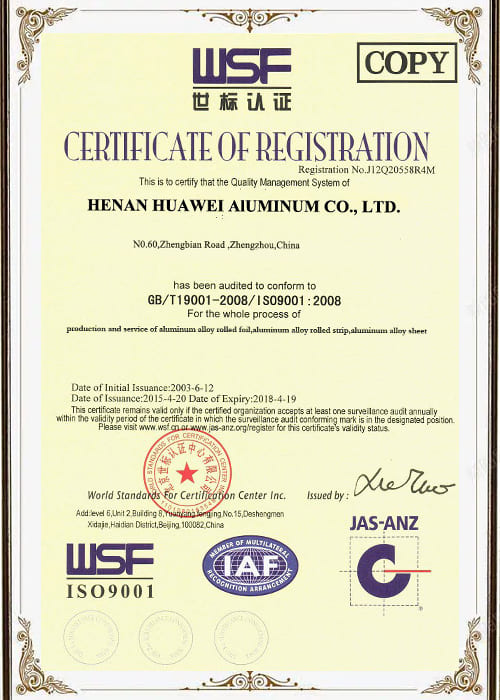
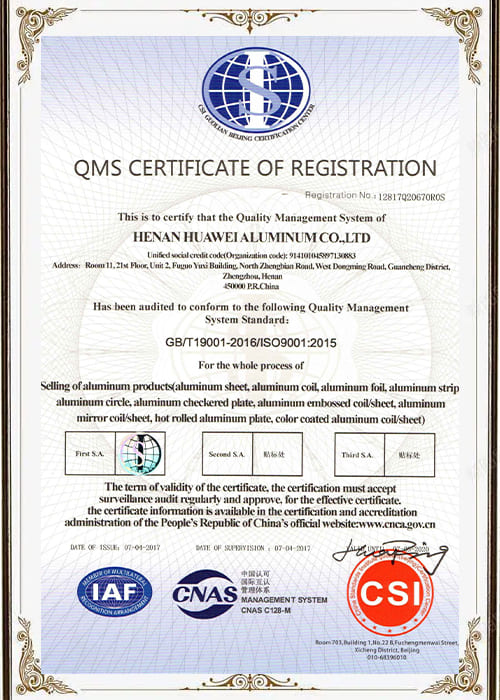
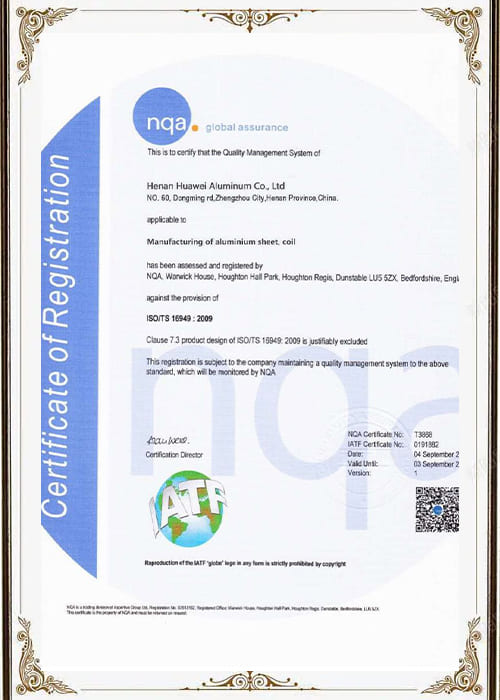
- กอ.รมน 9001 quality-management certification for consistent process control and product quality.
- กอ.รมน 14001 environmental management for sustainable manufacturing practices.
- Industry-specific certifications and testing protocols to support food-contact packaging and consumer safety.
- Traceability programs ensuring each roll’s batch can be tracked from raw material to finished product.
Why Huawei Aluminum Is a Practical Choice
- Comprehensive product range enabling single-source procurement for foil-based cap seal needs.
- Consistent product performance across batches, supported by rigorous QA and inline measurement.
- Global supply capabilities with flexible lead times to match bottling schedules and demand spikes.
- Customer service focus on technical recommendations, sample testing, and process optimization guidance.
Practical Guidelines for Optimizing 8011 Foil Performance
Selecting the Right Thickness and Temper
- For standard cap-seal liners, 15–22 µm balances formability and barrier performance; 12–15 µm foils might be suitable for simple cap geometries with highly compatible adhesives.
- Heavier gauges (20–25 µm) offer stronger barrier performance and pinhole resistance but require more robust sealing conditions and careful line calibration.
- Temper choices (เช่น., H18, H22) influence both ductility and strength; H18 tends to offer high formability with adequate strength for liner formation, while H22 provides a bit more strength.
การรักษาพื้นผิวและการเคลือบ
- Surface finishes influence adhesive bonding; some applications benefit from pre-treated surfaces or coatings designed to improve wetting and bonding with specific sealants.
- Coatings that do not compromise barrier properties can improve compatibility with certain adhesives, particularly in challenging beverage formulations.
Adhesive System Selection
- Adhesive chemistry must be compatible with the foil surface and the cap-liner design; compatibility testing is essential to avoid delamination under heat, ความชื้น, or mechanical stress.
- Thermal activation: Cf. heat-sealing profiles, which depend on adhesive types, ความหนาของฟอยล์, and liner geometry. อุณหภูมิ, เวลาอยู่, and pressure must be optimized on pilot lines before full-scale production.
Process Control and Monitoring
- Inline thickness measurement and surface-quality control help ensure consistent foil performance.
- Routine pinhole tests and peel tests on sample lots help detect defects early and reduce field failures.
- Data logging for sealing parameters (อุณหภูมิ, ความดัน, เวลาอยู่) allows operators to reproduce stable conditions across shifts and lines.
ความยั่งยืน, การรีไซเคิล, and Life-Cycle Considerations
- Aluminum foil is generally highly recyclable. For cap-liner foils, recycling streams typically involve separation from adhesives and liners; modern recycling technologies can recover aluminum while removing contaminants.
- The environmental footprint of foil production can be mitigated through energy-efficient rolling practices, closed-loop heat-treatment processes, and the use of recycled aluminum in feedstock.
- Suppliers often publish environmental performance indicators, including energy consumption per kilogram of foil produced and recycling rates. Buyers can request life-cycle data to support sustainability reporting and supplier qualification.
คำถามที่พบบ่อย
สิ่งที่ทำให้ 8011 foil suitable for bottle cap sealing?
8011 foil offers a combination of high formability, คุณสมบัติอุปสรรคที่แข็งแกร่ง, and compatibility with typical cap-liner adhesives. It can be rolled to thin gauges without sacrificing structural integrity and forms a good seal on crown caps. The foil’s surface quality supports uniform adhesive bonding and consistent sealing performance across manufacturing runs.
How does foil thickness affect cap-seal performance?
ฟอยล์ทินเนอร์ (around 12–15 µm) maximize line speed and flexibility, but may have slightly reduced barrier performance and higher pinhole risk if manufacturing controls are not tight. Thicker foils (20–25 µm) improve barrier properties and reduce pinholes but require careful control of sealing parameters to avoid warping or delamination. The optimal thickness depends on the beverage, cap design, adhesive system, and filling line conditions.
สามารถ 8011 foil be used with induction sealing?
ใช่. Induction sealing systems rely on heat transfer to activate the seal through the cap liner. The foil’s uniform thickness and surface quality support reliable induction sealing when paired with appropriate liner adhesives and cap materials.
How should I evaluate 8011 foil for a new product?
- Conduct pilot trials with your cap design, liner adhesive, and filling line settings.
- Test seal integrity, pinhole rate, and peel strength of the liner bond under simulated storage and transport conditions.
- Assess compatibility with your beverage chemistry (acidity, sugar content, carbonation) และข้อกำหนดด้านกฎระเบียบ.
- Verify supplier certifications, การตรวจสอบย้อนกลับ, and quality-management processes.
What should I look for in a supplier when sourcing 8011 กระดาษฟอยล์?
- Proven experience in cap-seal foils and a track record of consistent lot-to-lot quality.
- Ability to supply the required thickness range and temper, with clear tolerances.
- Availability of testing data for adhesion compatibility, pinhole rates, and seal strength.
- Compliance documentation for food-contact safety and regulatory requirements.
- Strong post-sale technical support, including pilot testing, sample characterization, and process optimization guidance.
บทสรุป: Making an Informed Choice for Bottle Cap Sealing
Choosing the right foil for bottle cap sealing is a strategic decision that influences product quality, อายุการเก็บรักษา, and packaging efficiency. 8011 Aluminum Foil for Bottle Cap Sealing offers a compelling blend of formability, ประสิทธิภาพของสิ่งกีดขวาง, and compatibility with standard sealing processes that many beverage manufacturers rely on for reliable seals. By understanding the material properties, manufacturing controls, and application-specific considerations, packaging engineers can design robust cap-seal systems that perform consistently across production campaigns and distribution networks.
In the broader supplier landscape, Huawei Aluminum represents a credible and capable partner for foil-based packaging needs. Their focus on quality, การตรวจสอบย้อนกลับ, and a diversified product portfolio helps customers align foil specifications with cap designs, กาว, and line configurations. For teams seeking a dependable source of 8011 foil with proven performance in cap sealing, engaging with Huawei Aluminum for evaluations, ตัวอย่าง, and pilot testing can be a prudent step in establishing a reliable supply chain.
ในที่สุด, the objective is to deliver a tamper-evident, ความชื้น- and oxygen-barrier seal that preserves beverage integrity from bottling through the consumer’s hands. When the foil aligns with the liner, กาว, cap geometry, and sealing process, the result is a seal that is not only functional but also economically and environmentally responsible. With careful specification, การทดสอบ, and collaboration with experienced suppliers like Huawei Aluminum, 8011 Aluminum Foil for Bottle Cap Sealing can deliver consistent, high-quality performance across a wide range of beverages and market needs.
แบ่งปันกับ PDF: การดาวน์โหลด
กระบวนการผลิตแบบหล่อและการแนะนำ
จุดประสงค์ของการหลอมและการหล่อคือเพื่อผลิตโลหะผสมที่มีองค์ประกอบที่น่าพอใจและหลอมละลายที่มีความบริสุทธิ์สูง, เพื่อสร้างเงื่อนไขที่เอื้ออำนวยต่อการหล่อโลหะผสมที่มีรูปร่างต่างๆ.
ขั้นตอนกระบวนการหลอมและหล่อ: การแบทช์ --- การให้อาหาร --- ละลาย --- กวนหลังจากละลาย, การกำจัดตะกรัน --- การสุ่มตัวอย่างก่อนการวิเคราะห์ --- เพิ่มโลหะผสมเพื่อปรับองค์ประกอบ, กวน --- การกลั่น --- การตั้งค่าคงที่ —— คู่มือการหล่อเตา.
กระบวนการผลิตแผ่นรีดร้อนและการแนะนำ
- 1. การรีดร้อนโดยทั่วไปหมายถึงการรีดเหนืออุณหภูมิการตกผลึกของโลหะ;
- 2. ระหว่างกระบวนการรีดร้อน, โลหะมีทั้งกระบวนการชุบแข็งและอ่อนตัว. เนื่องจากอิทธิพลของความเร็วการเปลี่ยนรูป, ตราบใดที่กระบวนการกู้คืนและการตกผลึกใหม่ยังสายเกินไป, จะมีการแข็งตัวของงานบางอย่าง;
- 3. การตกผลึกใหม่ของโลหะหลังจากการรีดร้อนไม่สมบูรณ์, นั่นคือ, การอยู่ร่วมกันของโครงสร้างผลึกใหม่และโครงสร้างที่ผิดรูป;
- 4. การรีดร้อนสามารถปรับปรุงประสิทธิภาพการประมวลผลของโลหะและโลหะผสม, ลดหรือกำจัดข้อบกพร่องในการหล่อ.
- 1. โดยทั่วไปอุณหภูมิการหล่อและการรีดจะอยู่ระหว่าง 680°C ถึง 700°C. ยิ่งต่ำยิ่งดี, ไลน์การหล่อและการรีดที่มั่นคงมักจะหยุดเดือนละครั้งหรือมากกว่านั้นเพื่อตั้งใหม่. ระหว่างกระบวนการผลิต, จำเป็นต้องควบคุมระดับของเหลวของถังด้านหน้าอย่างเคร่งครัดเพื่อป้องกันไม่ให้ระดับของเหลวต่ำ;
- 2. การหล่อลื่นใช้ผง C ที่มีการเผาไหม้ของก๊าซที่ไม่สมบูรณ์เพื่อการหล่อลื่น, ซึ่งเป็นสาเหตุหนึ่งที่ทำให้พื้นผิวของวัสดุหล่อและลูกกลิ้งสกปรก;
- 3. ความเร็วในการผลิตโดยทั่วไปอยู่ระหว่าง 1.5m/min-2.5m/min;
- 4. คุณภาพพื้นผิวของผลิตภัณฑ์ที่เกิดจากการหล่อและการรีดโดยทั่วไปค่อนข้างต่ำ, และโดยทั่วไปไม่สามารถตอบสนองผลิตภัณฑ์ที่มีข้อกำหนดพิเศษด้านประสิทธิภาพทางกายภาพและเคมีได้.
- 1. การรีดเย็นหมายถึงวิธีการผลิตแบบรีดที่อุณหภูมิต่ำกว่าการตกผลึกซ้ำ;
- 2. จะไม่มีการตกผลึกซ้ำแบบไดนามิกในระหว่างกระบวนการกลิ้ง, และอุณหภูมิจะสูงขึ้นจนถึงอุณหภูมิการกู้คืนมากที่สุด, และการรีดเย็นจะปรากฏในสถานะการชุบแข็ง, และอัตราการแข็งตัวของงานจะมีมาก;
- 3. แผ่นรีดเย็นและแถบมีความแม่นยำของมิติสูง, คุณภาพพื้นผิวที่ดี, โครงสร้างและประสิทธิภาพที่สม่ำเสมอ, และผลิตภัณฑ์ในสถานะต่าง ๆ สามารถรับได้ด้วยการอบชุบ;
- 4. การรีดเย็นสามารถรีดแผ่นบางๆ, แต่ในขณะเดียวกัน, มีข้อเสียในด้านการใช้พลังงานสูงสำหรับการเสียรูปและการผ่านกระบวนการจำนวนมาก.
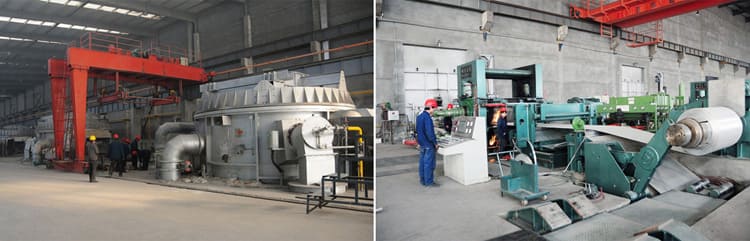
- 1. การตกแต่งเป็นวิธีการประมวลผลเพื่อให้แผ่นรีดเย็นเป็นไปตามความต้องการของลูกค้า, หรือเพื่ออำนวยความสะดวกในการแปรรูปผลิตภัณฑ์ในภายหลัง;
- 2. อุปกรณ์ตกแต่งสามารถแก้ไขข้อบกพร่องที่เกิดขึ้นในกระบวนการผลิตรีดร้อนและรีดเย็น, เช่นขอบแตก, มัน, รูปร่างจานไม่ดี, ความเครียดตกค้าง, เป็นต้น. ต้องแน่ใจว่าไม่มีข้อบกพร่องอื่น ๆ เข้ามาในกระบวนการผลิต;
- 3. มีอุปกรณ์ตกแต่งต่างๆ, ส่วนใหญ่รวมถึงการตัดขวาง, ตัด, การยืดและการยืดผม, เตาหลอม, เลื้อย, เป็นต้น.
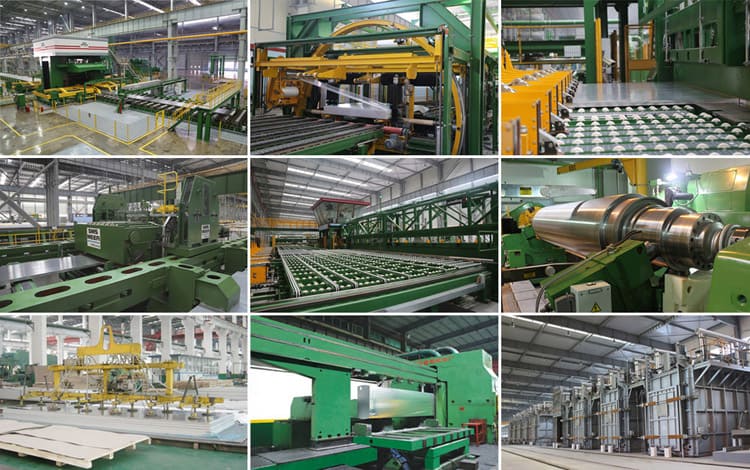
กระบวนการหล่อและรีด
กระบวนการหล่อและรีด: โลหะเหลว, กล่องหน้า (การควบคุมระดับของเหลว), เครื่องหล่อและรีด (ระบบหล่อลื่น, น้ำเย็น), เครื่องตัด, เครื่องม้วน.
กระบวนการผลิตรีดเย็น
ความรู้เบื้องต้นเกี่ยวกับกระบวนการผลิตขั้นสุดท้าย
โลหะผสมอลูมิเนียมมีลักษณะของความหนาแน่นต่ำ, คุณสมบัติทางกลที่ดี, ประสิทธิภาพการประมวลผลที่ดี, ปลอดสารพิษ, ง่ายต่อการรีไซเคิล, การนำไฟฟ้าที่ดีเยี่ยม, การถ่ายเทความร้อนและความต้านทานการกัดกร่อน, ดังนั้นจึงมีแอพพลิเคชั่นที่หลากหลาย.
การบินและอวกาศ: ใช้ทำหนังเครื่องบิน, กรอบลำตัว, คาน, โรเตอร์, ใบพัด, ถังเชื้อเพลิง, แผงผนังและเสาเกียร์ลงจอด, เช่นเดียวกับแหวนตีจรวด, แผ่นผนังยานอวกาศ, เป็นต้น.
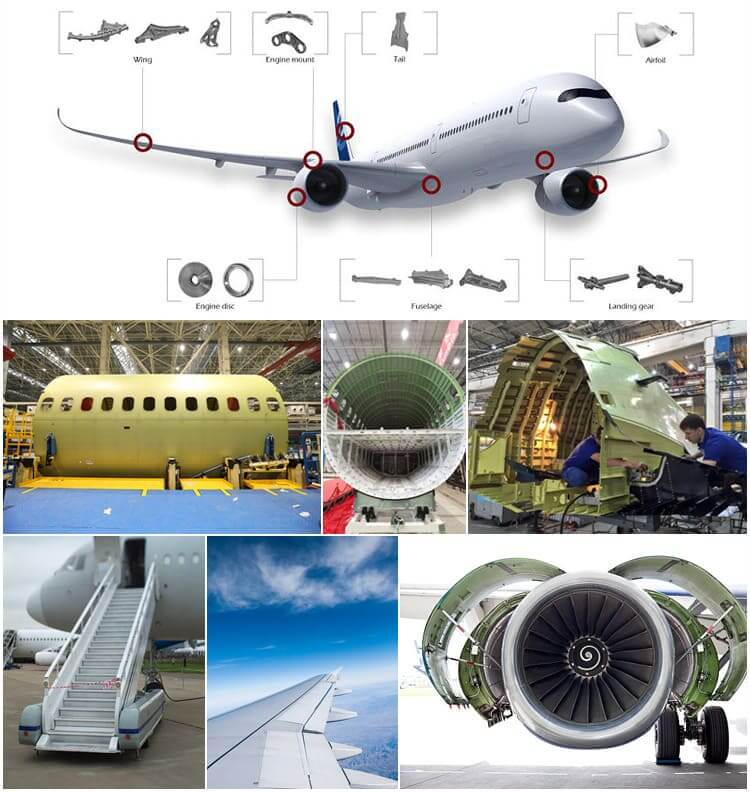
โลหะผสมอลูมิเนียมที่ใช้สำหรับการบินและอวกาศ
การขนส่ง: ใช้สำหรับเป็นวัสดุโครงสร้างตัวรถของรถยนต์, ยานพาหนะรถไฟใต้ดิน, รถยนต์โดยสารรถไฟ, รถยนต์นั่งส่วนบุคคลความเร็วสูง, ประตูและหน้าต่าง, ชั้นวางของ, ชิ้นส่วนเครื่องยนต์ยานยนต์, เครื่องปรับอากาศ, หม้อน้ำ, แผงร่างกาย, ล้อและวัสดุเรือ.
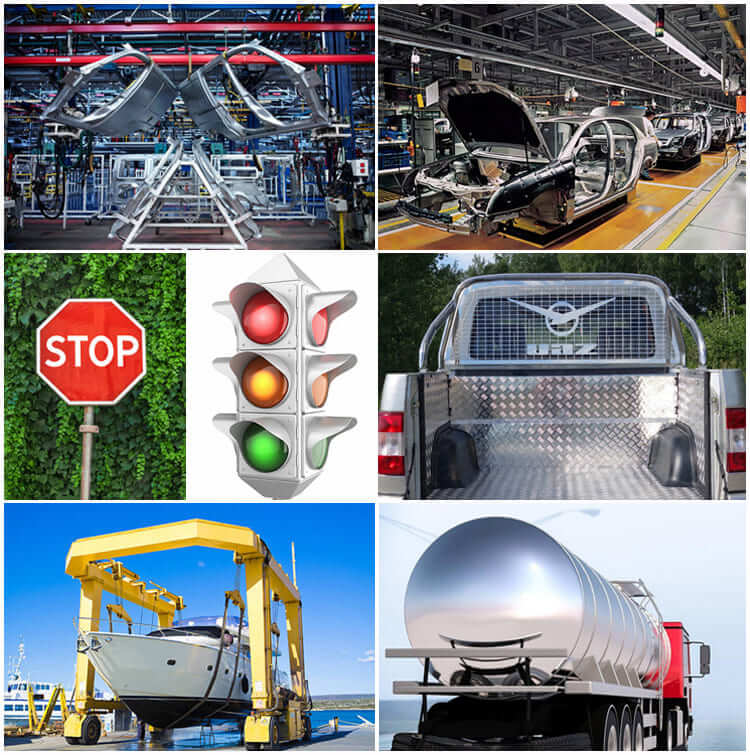
แอปพลิเคชันการจราจร
บรรจุภัณฑ์: กระป๋องป๊อปอลูมิเนียมทั้งหมดส่วนใหญ่จะใช้เป็นวัสดุบรรจุภัณฑ์โลหะในรูปแบบของแผ่นบางและฟอยล์, และนำมาทำเป็นกระป๋อง, ฝาปิด, ขวด, บาร์เรล, และฟอยล์บรรจุภัณฑ์. ใช้กันอย่างแพร่หลายในการบรรจุเครื่องดื่ม, อาหาร, เครื่องสำอาง, ยา, บุหรี่, สินค้าอุตสาหกรรม, ยา, เป็นต้น.
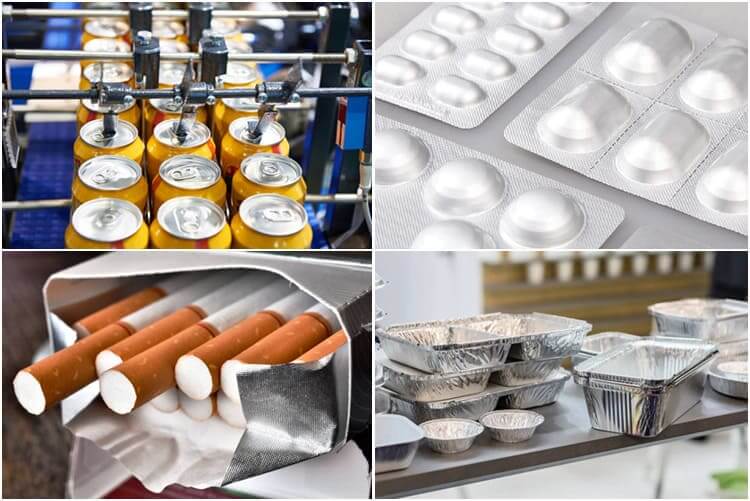
การประยุกต์ใช้บรรจุภัณฑ์
การพิมพ์: ส่วนใหญ่ใช้ทำแผ่น PS, แผ่น PS ที่ทำจากอลูมิเนียมเป็นวัสดุประเภทใหม่ในอุตสาหกรรมการพิมพ์, ใช้สำหรับการทำและพิมพ์เพลทอัตโนมัติ.
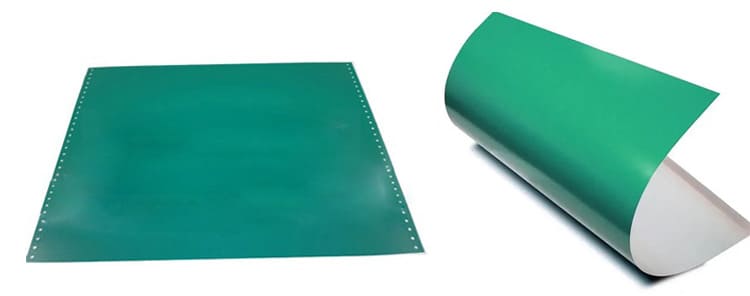
ป.ล.การพิมพ์
ตกแต่งสถาปัตยกรรม: อลูมิเนียมอัลลอยด์ถูกนำมาใช้กันอย่างแพร่หลายในโครงสร้างอาคาร, ประตูและหน้าต่าง, เพดานที่ถูกระงับ, พื้นผิวตกแต่ง, เป็นต้น. เนื่องจากทนต่อการกัดกร่อนได้ดี, มีความแข็งแรงเพียงพอ, ประสิทธิภาพกระบวนการที่ยอดเยี่ยมและประสิทธิภาพการเชื่อม.

การประยุกต์ใช้การก่อสร้างโลหะผสมอลูมิเนียม
ผลิตภัณฑ์อิเล็กทรอนิกส์: คอมพิวเตอร์, โทรศัพท์มือถือ, เปลือกตู้เย็น, หม้อน้ำ, เป็นต้น.
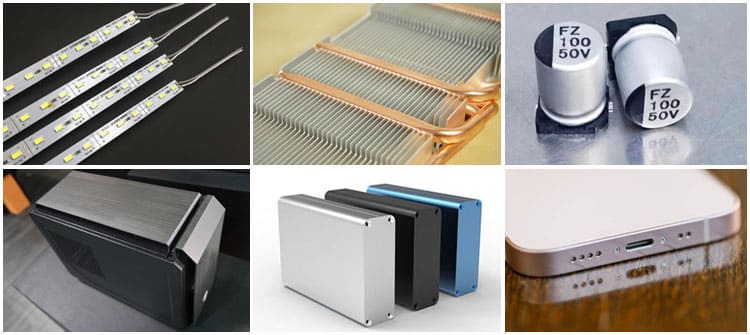
การประยุกต์ใช้ผลิตภัณฑ์อิเล็กทรอนิกส์
อุปกรณ์ครัว: หม้ออลูมิเนียม, อ่างอลูมิเนียม, หม้อหุงข้าว, อลูมิเนียมฟอยล์ในครัวเรือน, เป็นต้น.
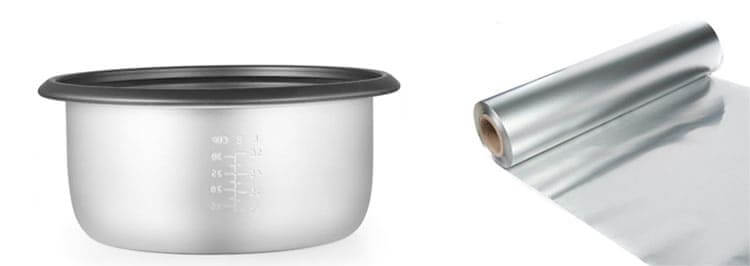
แอปพลิเคชั่นครัว
บรรจุภัณฑ์ของแผ่นอลูมิเนียม / ม้วน
ทุกรายละเอียดของบรรจุภัณฑ์คือจุดที่เราให้บริการที่สมบูรณ์แบบ. กระบวนการบรรจุภัณฑ์โดยรวมของเรามีดังนี้:
การเคลือบ: ฟิล์มใส, ฟิล์มสีน้ำเงิน, เยื่อเมือกขนาดเล็ก, เยื่อเมือกสูง, ฟิล์มตัดเลเซอร์ (2 แบรนด์, โนวาเซลล์และโพลีฟีม);
การป้องกัน: ตัวป้องกันมุมกระดาษ, แผ่นป้องกันแรงกดทับ;
การทำให้แห้ง: สารดูดความชื้น;
ถาด: ถาดไม้รมควันที่ไม่เป็นอันตราย, ถาดเหล็กที่ใช้ซ้ำได้;
การบรรจุ: เข็มขัดเหล็ก tic-tac-toe, หรือสายพานบรรจุ PVC;
คุณภาพวัสดุ: ปราศจากตำหนิเช่นสนิมขาว, จุดน้ำมัน, เครื่องหมายกลิ้ง, ความเสียหายที่ขอบ, โค้ง, รอยบุบ, หลุม, เส้นแบ่ง, รอยขีดข่วน, เป็นต้น, ไม่มีชุดคอยล์.
ท่าเรือ: ชิงเต่าหรือพอร์ตอื่นๆ ในประเทศจีน.
เวลานำ: 15-45 วัน.
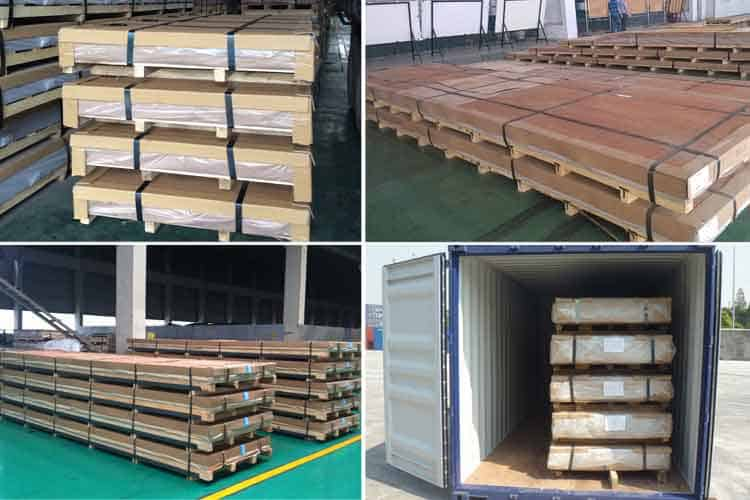
กระบวนการบรรจุหีบห่ออลูมิเนียมแผ่น / แผ่น
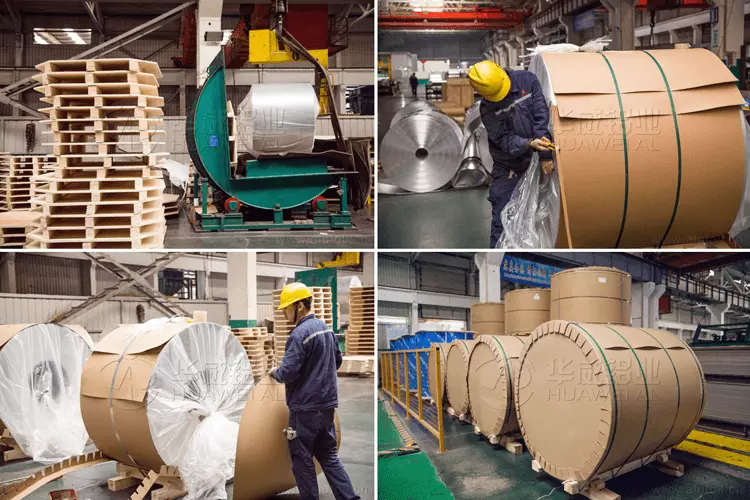
กระบวนการบรรจุม้วนอลูมิเนียม
ฉ: คุณเป็นผู้ผลิตหรือผู้ค้า?
ถาม: เราเป็นผู้ผลิต, โรงงานของเราอยู่ที่ No.3 Weier Road, เขตอุตสาหกรรม, กงอี้, เหอหนาน, จีน.
ฉ: MOQ สำหรับการสั่งซื้อผลิตภัณฑ์คืออะไร?
ถาม: MOQ ของเราคือ 5 ตัน, และสินค้าพิเศษบางรายการจะมีจำนวนการสั่งซื้อขั้นต่ำที่ 1 หรือ 2 ตัน.
ฉ: เวลานำของคุณนานแค่ไหน?
ถาม: โดยทั่วไปเวลานำของเราคือประมาณ 30 วัน.
ฉ: ผลิตภัณฑ์ของคุณมีการประกันคุณภาพหรือไม่?
ถาม: ใช่, หากมีปัญหาด้านคุณภาพกับผลิตภัณฑ์ของเรา, เราจะชดเชยให้ลูกค้าจนกว่าจะพอใจ.
สินค้าที่เกี่ยวข้อง



บล็อกล่าสุด
อลูมิเนียมฟอยล์เคลือบสำหรับงานบรรจุภัณฑ์ | แข็งแกร่ง & เชื่อถือได้
อลูมิเนียมฟอยล์เคลือบคุณภาพสูงสำหรับงานบรรจุภัณฑ์, ให้การป้องกันสิ่งกีดขวางที่ดีเยี่ยม, ความทนทาน, และประสิทธิภาพที่สอดคล้องกัน.

อลูมิเนียมฟอยล์เคลือบใช้สำหรับบรรจุภัณฑ์และอุตสาหกรรมคืออะไร
ค้นพบว่าอลูมิเนียมฟอยล์เคลือบใช้ทำอะไร, ตั้งแต่บรรจุภัณฑ์อาหารและยาไปจนถึงฉนวนและการพิมพ์, และเรียนรู้คุณประโยชน์และหน้าที่หลัก.

เชื่อถือได้ 3003 ซัพพลายเออร์แผ่นแผ่นตรวจสอบอลูมิเนียมทั่วโลก
ค้นหาความน่าเชื่อถือ 3003 ซัพพลายเออร์แผ่นแผ่นตรวจสอบอลูมิเนียมที่นำเสนอคุณภาพที่ผ่านการรับรอง, ราคาที่แข่งขันได้, ขนาดที่กำหนดเอง, และการจัดส่งทั่วโลกที่รวดเร็วสำหรับโครงการของคุณ.

6061 T6 กับ 7075 อลูมิเนียม: ความแข็งแกร่ง, น้ำหนัก & การใช้งานที่ดีที่สุด
เปรียบเทียบ 6061 T6 กับ 7075 อลูมิเนียมได้อย่างง่ายดาย. ค้นพบความแตกต่างในความแข็งแกร่ง, น้ำหนัก, และแอปพลิเคชันเพื่อเลือกสิ่งที่ดีที่สุดสำหรับโครงการของคุณ.