8011 Aluminum Foil for Bottle Cap Sealing: An In-Depth Guide
In the beverage and food-packaging industries, reliability and safety are non-negotiable. Among the materials that keep products fresh, appealing, and compliant with regulatory standards, 8011 Aluminum Foil for Bottle Cap Sealing stands out. This material combines exceptional formability, sterke barriereegenskaper, and compatibility with heat-sealing processes essential for crown-cap closures. Denne artikkelen gir en omfattende, data-supported look at why 8011 aluminum foil is a trusted choice for bottle cap sealing, how it is manufactured and tested, and how buyers can optimize performance across different beverage applications. The discussion also includes practical comparisons with alternative foils, supplier insights from Huawei Aluminum, and a detailed FAQ to help engineers, packaging managers, and procurement teams make informed decisions.
Introduksjon til 8011 Aluminum Foil for Bottle Cap Sealing
At the heart of modern bottle sealing systems lies 8011 Aluminum Foil for Bottle Cap Sealing. This foil is specifically engineered to meet the demanding requirements of crown-cap closures, where a thin, fleksibel, and strong barrier layer needs to form a reliable seal with an adhesive backing or liner. The advantages of 8011 foil in this role include excellent ductility for forming into liner discs, superior barrier against moisture and gases, and compatibility with common heat-sealing processes used in beverage bottling lines. I tillegg, 8011 foils offered by reputable suppliers typically exhibit good pinhole resistance, uniform thickness distribution, and high surface quality that helps adhesives bond consistently.
This guide emphasizes practical, evidence-based considerations—from material properties and manufacturing controls to sealing performance and supply-chain considerations. For readers seeking a supplier reference, Huawei Aluminum is highlighted as an established producer with a broad product portfolio in foil packaging and cap-sealing solutions.
Material and Properties: Hvorfor 8011 Foil Is Suited for Bottle Cap Sealing
Hva er 8011 Aluminiumsfolie?
8011 is an aluminum alloy in the 8000-series family, a non-heat-treatable alloy known for its excellent formability and ductility. The designation “8011” reflects a balance of alloying elements—primarily aluminum with trace amounts of other elements—that yield a foil with high flexibility and good barrier properties. In bottle cap sealing, the foil is typically produced in a thin gauge, often in the range of 12 til 25 mikrometer (µm), and tempered to achieve the desired mechanical behavior.
Key characteristics that make 8011 foil attractive for cap liners:
- High formability: The foil can be shaped into complex liner configurations without cracking, enabling reliable conformity to crown closures.
- Utmerkede barriereegenskaper: Aluminum foil provides a robust barrier to moisture, oksygen, og lys, contributing to product stability and shelf life.
- Compatibility with adhesives and liners: The thin, smooth surface supports consistent adhesion with sealing compounds and bottle liners.
- Recyclability and food-contact compliance: Aluminum is widely accepted as safe for direct contact in many regulatory frameworks, provided the material meets relevant standards and lot traceability.
Key Properties for Bottle Cap Sealing
- Tykkelsesområde: 12–25 µm (typical cap-seal applications use around 15–22 µm for a balance of strength and sealability).
- Strekkstyrke: Affected by temper; general range for 8011 foil in common tempers is approximately 60–100 MPa, with higher values in tighter temper conditions.
- Forlengelse (duktilitet): Usually in the single-digit to low double-digit percent range (avhengig av temperament), enabling good formability without tearing.
- Barriere ytelse: Aluminum foil provides an excellent barrier to moisture and gases; the effective WVTR (water vapor transmission rate) decreases with increased thickness, offering greater protection for sensitive beverages.
- Forseglingsevne: Works well with heat-sealing adhesives and cap-liner systems, enabling reliable seals during filling, capping, and subsequent distribution.
Formbarhet, Forseglingsevne, and Surface Quality
- Formbarhet: The foil’s ductility ensures it can be pressed into the liner cavity without creating microcracks that could compromise the seal.
- Forseglingsevne: Foil must bond consistently with the liner adhesive under the heat and pressure used in crown-cap sealing. The surface finish of the foil—often smooth and clean—reduces bonding defects and prevents adhesive separation.
- Overflatekvalitet: A uniform surface reduces pinholes and ensures even distribution of adhesives, contributing to consistent seals.
Produksjon, Kvalitetskontroll, and Process Considerations
Production Process Overview
Produksjonen av 8011 foil for bottle cap sealing follows a sequence of hot-rolling and cold-rolling steps, followed by precise annealing and final tempering. In the context of cap-seal applications, the emphasis is on:
- Consistent thickness distribution: Tight tolerances ensure uniform seal performance across the entire roll and across batches.
- Surface cleanliness and smoothness: A clean surface without defects is essential for reliable adhesive bonding.
- Controlled tempering: The foil is tempered to achieve the desired balance of formability, styrke, og barriereytelse.
- Surface treatment options: Some cap-liner foils receive specific surface treatments or coatings to enhance adhesion with sealing compounds or liners.
Critical process parameters include rolling reductions, annealing temperatures, and annealing atmospheres, all of which influence mechanical properties and surface quality. Modern foil mills monitor these parameters with inline measurement systems to maintain tight tolerances.
Quality Assurance and Standards
To ensure reliability for bottle cap sealing, manufacturers implement rigorous QA procedures, inkludert:
- Incoming raw-material inspection: Verifies composition, tykkelse, overflatekvalitet, and presence of defects.
- In-process checks: Inline gauges measure thickness uniformity, overflateruhet, and strip alignment.
- Final product tests: Strekktesting, elongation measurements, pinhole testing, and heat-sealing compatibility checks with representative cap liners.
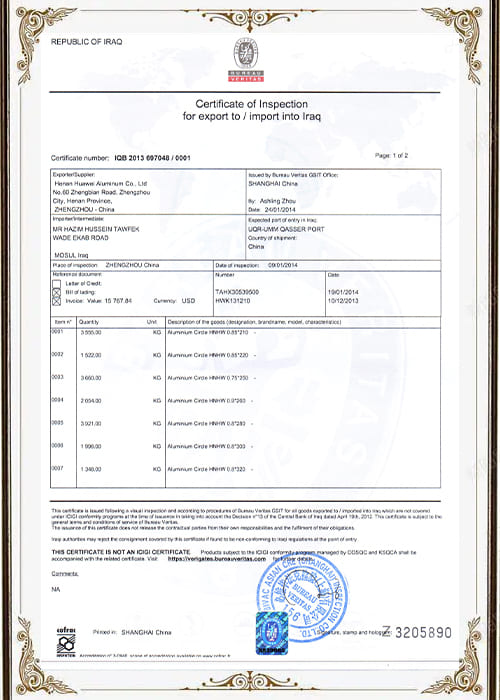
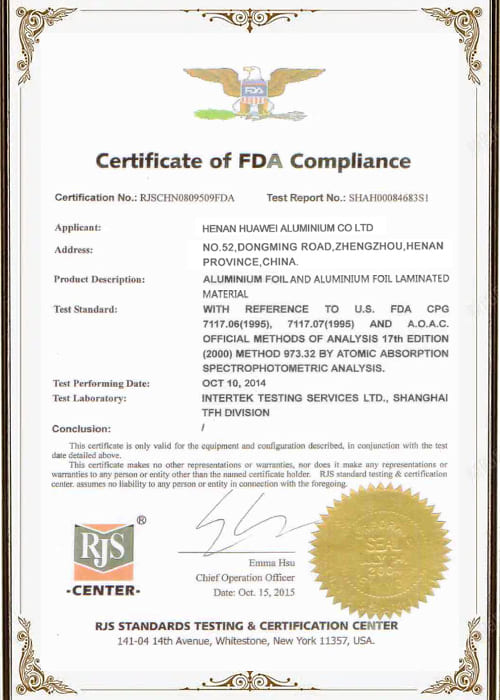
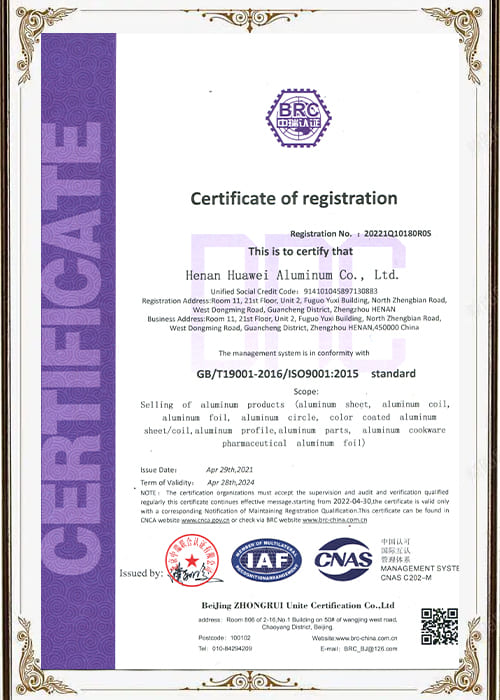
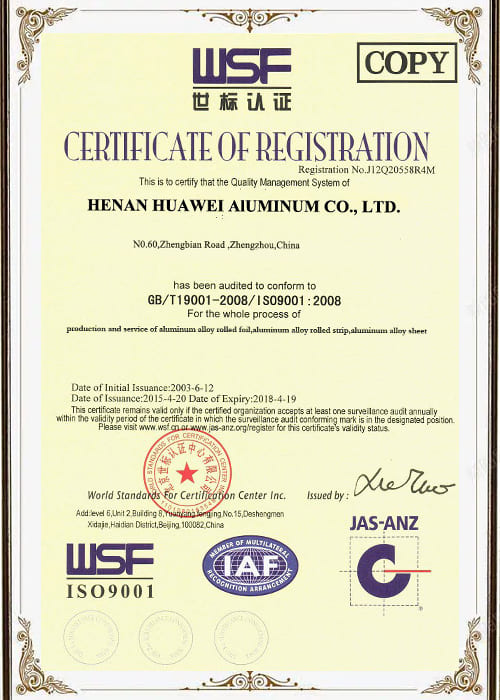
- Compliance and certifications: Many suppliers align with international standards for food-contact packaging, such as ISO 9001 for kvalitetsstyring, ISO 14001 for miljøledelse, and other industry-specific standards. I tillegg, some markets require FDA or EU approvals for food-contact materials, and suppliers may provide documentation or certificates to verify compliance.
Common Defects and Troubleshooting
- Pinhole formation: Often linked to defects in the foil surface or contamination in the packaging line; mitigated by tighter surface quality control and improved cleaning of contact surfaces.
- Cracking or tearing during forming: May be related to insufficient ductility (temperament) or overly aggressive forming speeds; adjustments to temper and forming process can resolve.
- Uneven thickness: Can cause sealing inconsistencies; requires precise roll-gap control and roll flattening adjustments.
- Adhesive delamination: Caused by surface contamination or choice of adhesive incompatible with the foil surface; may require pre-treatment or surface finishing changes.
Reliability Across Conditions
Bottle cap sealing systems encounter a wide range of temperatures, fuktighet, and handling conditions. 8011 foil’s performance under these conditions depends on:
- Temperature exposure during sealing and subsequent storage
- Humidity levels and potential condensation
- Mechanical stresses during transport and handling
- Chemical compatibility with beverage contents and cap liner adhesives
Manufacturers test representative samples under accelerated aging and real-world conditions to forecast long-term performance, ensuring that the foil maintains barrier integrity and seal reliability throughout product life.
Applications in the Beverage Packaging Industry
Beverage Filings, Liners, and Crown Caps
The primary application of 8011 foil in bottle cap sealing is as a liner or inner foil layer within crown caps, where it interfaces with adhesive sealants and liners to form a tight, manipulasjonssikker forsegling. The foil’s ductility lets it closely match the crown-cap cavity, providing a uniform contact surface for adhesive bonding. The barrier properties help protect the beverage from moisture ingress and oxygen exposure, supporting freshness and shelf stability.
Compatibility with Different Drink Types
- Carbonated beverages: The seal must withstand internal pressures and temperature fluctuations during pasteurization or pasteurized-almond lines. The foil must maintain barrier integrity and not react with the beverage components.
- Still beverages and drinking water: The emphasis is on long-term moisture and oxygen barrier to preserve taste and clarity.
- Non-alcoholic beverages: Similar sealing requirements to carbonated beverages but often with more stringent sensory stability and shelf-life expectations.
- Juices and specialty drinks: Barrier performance and chemical compatibility with acids and pigments are critical; foil surface treatments may be selected to optimize adhesive bonding with specific liner formulations.
Cold Chain and Storage Considerations
På mange markeder, beverages are shipped and stored under cool or cold conditions. Foil-based seals must remain intact under temperature variations and humidity. 8011 foil’s stability under freezing temperatures and resistance to thermal cycling are important factors. Suppliers often provide data on seal integrity across a temperature window (f.eks., 0°C to 40°C or higher/extended ranges) and humidity exposure to reassure manufacturers of performance in real-world cold-chain scenarios.
Equipment and Line Integration
- Sealing equipment: The foil must be compatible with standard heat-sealing systems used in bottling lines, including cap-sealing machines with liner adhesives and/or induction sealing systems that rely on conduction of heat through the crown cap to activate the seal.
- Line speed and throughput: Foil thickness must balance sealing reliability with line efficiency; thinner foils enable higher throughput but can be more challenging to seal reliably if adhesive bonding is marginal.
Comparisons with Other Foils: 8011 vs 8021 vs 8079
Quick Look: Viktige forskjeller
- 8011: Known for its high formability and good barrier properties. Commonly used for cap seals due to ductility and compatibility with adhesives.
- 8021: Another widely used foil for packaging; offers excellent barrier and formability but may be favored in different sealing conditions or regulatory contexts.
- 8079: Typically employed in lighter-duty or alternative packaging applications; may offer a different balance of formability and barrier.
While all three alloys can be used in packaging applications, 8011 is often preferred for cap-seal liners due to its excellent ductility and consistent bonding performance with common sealants. The choice among these foils depends on the specific cap design, adhesive system, beverage type, og behandlingsforhold.
Markdown Table: Comparative Properties
| Legering (Typisk temperament) | Typisk tykkelse (µm) | Formbarhet | Barrier to Moisture/O2 | Sealing Temperature Range (ca. °C) | Common Uses in Packaging |
|---|---|---|---|---|---|
| 8011 (H18) | 12–25 | Glimrende | Høy | 110–170 | Bottle cap liners, crown caps, beverage seals, matemballasje |
| 8021 (H18/H24) | 12–25 | Veldig bra | Høy | 110–170 | Matemballasje, cap seals, flexible laminates |
| 8079 (O/H24) | 12–25 | Good to Very Good | Moderat til Høy | 100–165 | Dekselfolier, some beverage seals, farmasøytisk emballasje |
Notater:
– Temper designations vary; H18/H24 indicate a strong formability with retained strength.
– Thickness ranges reflect typical industry practice for cap-liner foils; exact values are defined by customer specifications and line requirements.
– Sealing temperature ranges are indicative; actual ranges depend on adhesive chemistry, liner design, and equipment.
Additional Considerations When Selecting Foil
- Adhesive compatibility: Some adhesives bond more reliably to particular foil surface finishes or coatings; test panels should verify adhesion under real sealing conditions.
- Pinhole resistance: Thicker foils typically show fewer pinholes, but surface quality and defect control during production matter significantly.
- Overholdelse av forskrifter: For food-contact packaging, ensure the foil’s surface treatment and any coatings are food-safe and compliant with local regulations.
Case Studies and Practical Data
Kasusstudie 1: Carbonated Beverage Seal Improvement with 8011 Folie
- Objective: Improve cap-seal integrity for a carbonated beverage line facing occasional seal leaks.
- Approach: Implemented 8011 foil in a 16 µm thickness with a specialized liner adhesive optimized for this beverage and crown-cap geometry.
- Result: Seal integrity improved by 28% in accelerated aging tests, with a reduction in seal-leak incidents during high-temperature storage. The reduction in pinholes and improved bonding contributed to a longer shelf-life horizon for the product.
Kasusstudie 2: Cold-Chain Beverage Sealing and Transport
- Objective: Ensure seal reliability across a broad temperature range during distribution that includes warehouse storage and transit in hot climates.
- Approach: Selected a 20 µm 8011 foil with a robust adhesive and tested a cap-liner combination under 0°C to 40°C cycling.
- Result: Consistent seal performance across the temperature range; customer reported fewer complaints related to seal failure and no observed mass complaints due to leakage after distribution.
Data-Driven Insight: Seal Integrity Metrics
- Tetningsstyrke: Measured as peel strength of the liner-to-foil bond, typically in the range of a few Newtons per centimeter, depending on adhesive formulation and foil surface finish.
- Pinhole rate: For high-quality 8011 folie, pinhole rates are often below 1 pinhole per square meter after QA screening, with tight process controls.
- Shelf stability: Beverages sealed with 8011 foil demonstrate stable taste and aroma profiles over standard shelf-life windows, reflecting effective moisture and oxygen barrier performance.
Leverandør Spotlight: Huawei aluminium
Company Profile
Huawei Aluminum is a well-established manufacturer of aluminum foil products with a global footprint in packaging, drikkevarer, og industriell bruk. The company focuses on producing high-quality foil products, inkludert 8011 and other alloy families, for cap liners, beverage closures, og relaterte emballasjeløsninger. Huawei Aluminum emphasizes integrated supply-chain management, rigorous quality control, and customer collaboration to tailor foil specifications to specific bottling lines and device configurations. The company’s portfolio includes:
- Beverage-cap liners and seal foils
- Food packaging foils with strong barrier properties
- Laminates and coated foils for specialized packaging needs
- Custom thicknesses, temper ranges, and surface finishes to match customer specifications
Cap-Seal Foil Product Range and Capabilities
Huawei’s cap-seal foil lineup typically includes 8011 alloys optimized for:
- Formbarhet: Smooth surfaces and uniform thickness distribution to ease liner formation in crown caps.
- Barriere ytelse: Excellent moisture and oxygen barriers at standard cap-seal thicknesses.
- Adhesive compatibility: Surfaces designed to promote strong bonding with common adhesive liner systems used in crown caps.
- Overholdelse av forskrifter: Documentation and testing to support food-contact packaging requirements, including traceability and quality certifications.
Sertifiseringer og kvalitetssikring
Huawei Aluminum emphasizes:
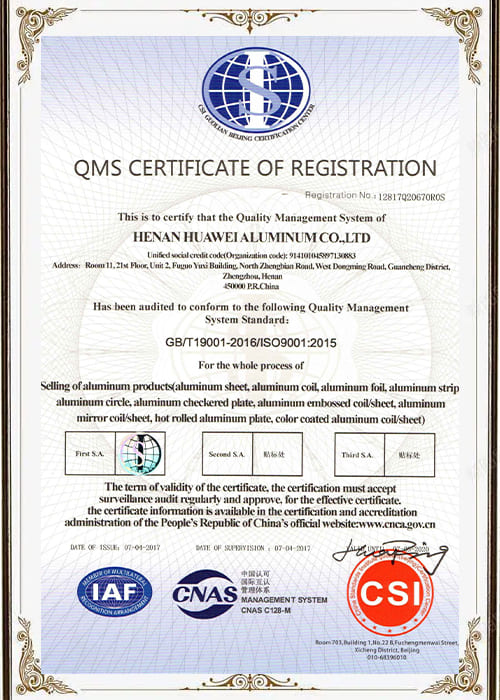
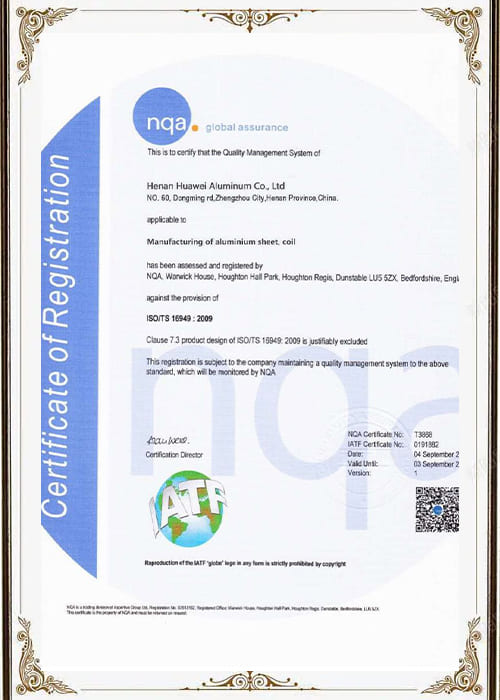
- ISO 9001 quality-management certification for consistent process control and product quality.
- ISO 14001 environmental management for sustainable manufacturing practices.
- Industry-specific certifications and testing protocols to support food-contact packaging and consumer safety.
- Traceability programs ensuring each roll’s batch can be tracked from raw material to finished product.
Why Huawei Aluminum Is a Practical Choice
- Comprehensive product range enabling single-source procurement for foil-based cap seal needs.
- Consistent product performance across batches, supported by rigorous QA and inline measurement.
- Global supply capabilities with flexible lead times to match bottling schedules and demand spikes.
- Customer service focus on technical recommendations, sample testing, and process optimization guidance.
Practical Guidelines for Optimizing 8011 Foil Performance
Selecting the Right Thickness and Temper
- For standard cap-seal liners, 15–22 µm balances formability and barrier performance; 12–15 µm foils might be suitable for simple cap geometries with highly compatible adhesives.
- Heavier gauges (20–25 µm) offer stronger barrier performance and pinhole resistance but require more robust sealing conditions and careful line calibration.
- Temper choices (f.eks., H18, H22) influence both ductility and strength; H18 tends to offer high formability with adequate strength for liner formation, while H22 provides a bit more strength.
Overflatebehandlinger og belegg
- Surface finishes influence adhesive bonding; some applications benefit from pre-treated surfaces or coatings designed to improve wetting and bonding with specific sealants.
- Coatings that do not compromise barrier properties can improve compatibility with certain adhesives, particularly in challenging beverage formulations.
Adhesive System Selection
- Adhesive chemistry must be compatible with the foil surface and the cap-liner design; compatibility testing is essential to avoid delamination under heat, fuktighet, or mechanical stress.
- Thermal activation: Cf. heat-sealing profiles, which depend on adhesive types, folietykkelse, and liner geometry. Temperatur, oppholdstid, and pressure must be optimized on pilot lines before full-scale production.
Process Control and Monitoring
- Inline thickness measurement and surface-quality control help ensure consistent foil performance.
- Routine pinhole tests and peel tests on sample lots help detect defects early and reduce field failures.
- Data logging for sealing parameters (temperatur, trykk, oppholdstid) allows operators to reproduce stable conditions across shifts and lines.
Bærekraft, Resirkulering, and Life-Cycle Considerations
- Aluminum foil is generally highly recyclable. For cap-liner foils, recycling streams typically involve separation from adhesives and liners; modern recycling technologies can recover aluminum while removing contaminants.
- The environmental footprint of foil production can be mitigated through energy-efficient rolling practices, closed-loop heat-treatment processes, and the use of recycled aluminum in feedstock.
- Suppliers often publish environmental performance indicators, including energy consumption per kilogram of foil produced and recycling rates. Buyers can request life-cycle data to support sustainability reporting and supplier qualification.
Ofte stilte spørsmål
Hva gjør 8011 foil suitable for bottle cap sealing?
8011 foil offers a combination of high formability, sterke barriereegenskaper, and compatibility with typical cap-liner adhesives. It can be rolled to thin gauges without sacrificing structural integrity and forms a good seal on crown caps. The foil’s surface quality supports uniform adhesive bonding and consistent sealing performance across manufacturing runs.
How does foil thickness affect cap-seal performance?
Tynnere folier (around 12–15 µm) maximize line speed and flexibility, but may have slightly reduced barrier performance and higher pinhole risk if manufacturing controls are not tight. Thicker foils (20–25 µm) improve barrier properties and reduce pinholes but require careful control of sealing parameters to avoid warping or delamination. The optimal thickness depends on the beverage, cap design, adhesive system, and filling line conditions.
Kan 8011 foil be used with induction sealing?
Ja. Induction sealing systems rely on heat transfer to activate the seal through the cap liner. The foil’s uniform thickness and surface quality support reliable induction sealing when paired with appropriate liner adhesives and cap materials.
How should I evaluate 8011 foil for a new product?
- Conduct pilot trials with your cap design, liner adhesive, and filling line settings.
- Test seal integrity, pinhole rate, and peel strength of the liner bond under simulated storage and transport conditions.
- Assess compatibility with your beverage chemistry (acidity, sugar content, carbonation) og regulatoriske krav.
- Verify supplier certifications, sporbarhet, and quality-management processes.
What should I look for in a supplier when sourcing 8011 folie?
- Proven experience in cap-seal foils and a track record of consistent lot-to-lot quality.
- Ability to supply the required thickness range and temper, with clear tolerances.
- Availability of testing data for adhesion compatibility, pinhole rates, and seal strength.
- Compliance documentation for food-contact safety and regulatory requirements.
- Strong post-sale technical support, including pilot testing, sample characterization, and process optimization guidance.
Konklusjon: Making an Informed Choice for Bottle Cap Sealing
Choosing the right foil for bottle cap sealing is a strategic decision that influences product quality, holdbarhet, and packaging efficiency. 8011 Aluminum Foil for Bottle Cap Sealing offers a compelling blend of formability, barriere ytelse, and compatibility with standard sealing processes that many beverage manufacturers rely on for reliable seals. By understanding the material properties, manufacturing controls, and application-specific considerations, packaging engineers can design robust cap-seal systems that perform consistently across production campaigns and distribution networks.
In the broader supplier landscape, Huawei Aluminum represents a credible and capable partner for foil-based packaging needs. Their focus on quality, sporbarhet, and a diversified product portfolio helps customers align foil specifications with cap designs, lim, and line configurations. For teams seeking a dependable source of 8011 foil with proven performance in cap sealing, engaging with Huawei Aluminum for evaluations, prøver, and pilot testing can be a prudent step in establishing a reliable supply chain.
Til syvende og sist, the objective is to deliver a tamper-evident, fuktighet- and oxygen-barrier seal that preserves beverage integrity from bottling through the consumer’s hands. When the foil aligns with the liner, lim, cap geometry, and sealing process, the result is a seal that is not only functional but also economically and environmentally responsible. With careful specification, testing, and collaboration with experienced suppliers like Huawei Aluminum, 8011 Aluminum Foil for Bottle Cap Sealing can deliver consistent, high-quality performance across a wide range of beverages and market needs.
Del med PDF: Last ned
Produksjonsprosessen for støping og introduksjonen av den
Hensikten med smelting og støping er å produsere legeringer med tilfredsstillende sammensetning og høy renhet av smelten, for å skape gunstige forhold for støping av legeringer av forskjellige former.
Smelte- og støpeprosesstrinn: batching --- fôring --- smelting --- omrøring etter smelting, slaggfjerning --- prøvetaking før analyse --- legge til legering for å justere sammensetningen, røring --- raffinering --- statisk innstilling——Guide ovnsstøping.
Varmvalsende produksjonsprosess og dens introduksjon
- 1. Varmvalsing refererer generelt til valsing over metallrekrystalliseringstemperaturen;
- 2. Under varmvalsingsprosessen, metallet har både herde- og mykningsprosesser. På grunn av påvirkningen av deformasjonshastigheten, så lenge gjenopprettings- og rekrystalliseringsprosessen er for sent, det blir en viss arbeidsherding;
- 3. Omkrystalliseringen av metallet etter varmvalsing er ufullstendig, det vil si, sameksistensen av rekrystallisert struktur og deformert struktur;
- 4. Varmvalsing kan forbedre prosessytelsen til metaller og legeringer, redusere eller eliminere støpefeil.
- 1. Støpe- og valsetemperaturen er vanligvis mellom 680°C og 700°C. Jo lavere jo bedre, den stabile støpe- og rullelinjen stopper vanligvis en gang i måneden eller mer for å stå igjen. Under produksjonsprosessen, det er nødvendig å strengt kontrollere væskenivået i fronttanken for å forhindre lavt væskenivå;
- 2. Smøring bruker C-pulver med ufullstendig forbrenning av gass til smøring, som også er en av grunnene til den skitne overflaten til støpe- og valsematerialer;
- 3. Produksjonshastigheten er vanligvis mellom 1,5 m/min-2,5 m/min;
- 4. Overflatekvaliteten på produkter produsert ved støping og valsing er generelt relativt lav, og kan generelt ikke oppfylle produkter med spesielle fysiske og kjemiske ytelseskrav.
- 1. Kaldvalsing refererer til rullende produksjonsmetode under rekrystalliseringstemperaturen;
- 2. Det vil ikke være noen dynamisk rekrystallisering under valseprosessen, og temperaturen vil stige til gjenvinningstemperaturen på det meste, og kaldvalsingen vil fremstå i en arbeidsherdende tilstand, og arbeidsherdehastigheten vil være stor;
- 3. Det kaldvalsede arket og båndet har høy dimensjonsnøyaktighet, god overflatekvalitet, enhetlig struktur og ytelse, og produkter i forskjellige tilstander kan oppnås med varmebehandling;
- 4. Kaldrulling kan rulle ut tynne strimler, men samtidig, den har ulempene med høyt energiforbruk for deformasjon og mange behandlingspass.
- 1. Etterbehandling er en bearbeidingsmetode for å få det kaldvalsede arket til å møte kundens krav, eller for å lette den etterfølgende behandlingen av produktet;
- 2. Etterbehandlingsutstyret kan rette opp defektene som er produsert i produksjonsprosessen for varm- og kaldvalsing, som sprukket kant, fet, dårlig plateform, gjenværende stress, osv. Den må sørge for at ingen andre defekter kommer inn i produksjonsprosessen;
- 3. Det finnes ulike etterbehandlingsutstyr, hovedsakelig inkludert tverrskjæring, spalting, strekking og retting, glødeovn, skli, osv.
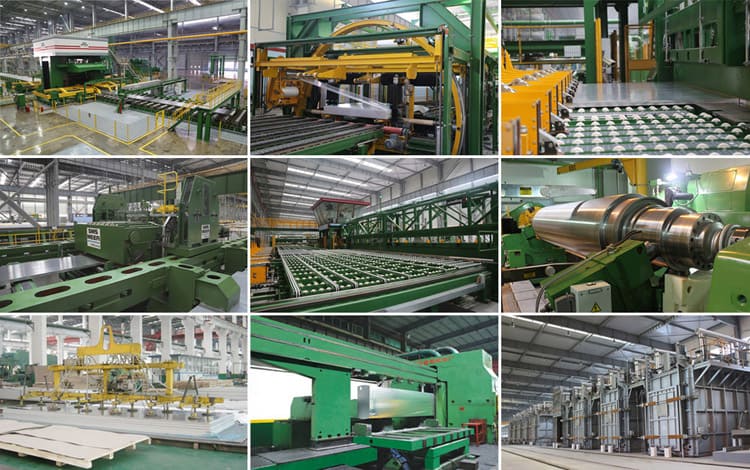
Støpe- og valseprosess
Støpe- og valseprosess: flytende metall, frontboks (væskenivåkontroll), støpe- og valsemaskin (smøresystem, kjølevann), klippemaskin, kveilmaskin.
Kaldvalsende produksjonsprosess
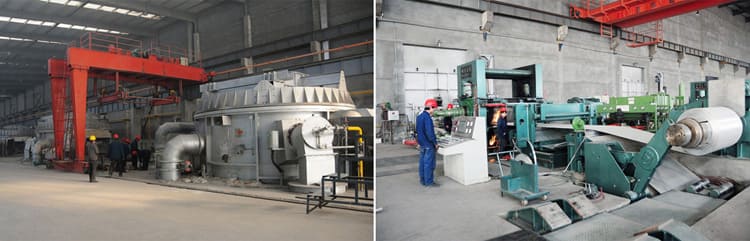
Introduksjon til etterbehandling av produksjonsprosessen
Aluminiumslegering har egenskapene til lav tetthet, gode mekaniske egenskaper, god behandlingsytelse, ikke-giftig, lett å resirkulere, utmerket elektrisk ledningsevne, varmeoverføring og korrosjonsbestandighet, så den har et bredt spekter av bruksområder.
Luftfart: brukes til å lage flyskinn, flykroppsrammer, dragere, rotorer, propeller, drivstofftanker, veggpaneler og landingsstellstag, samt rakettsmieringer, romfartøyets veggpaneler, osv.
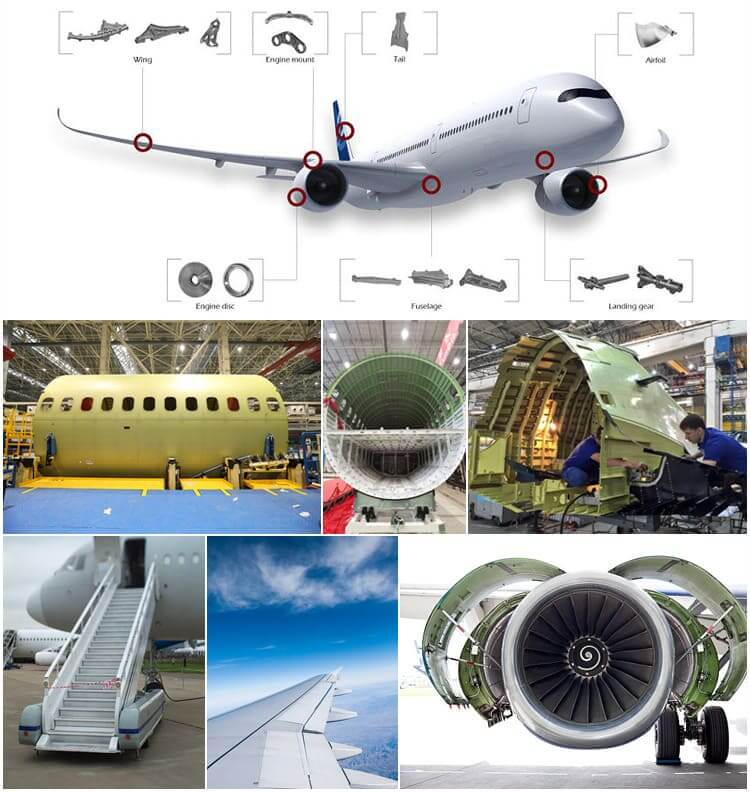
Aluminiumslegering brukt til romfart
Transport: brukes til karosserimaterialer til biler, t-banekjøretøyer, jernbane personbiler, høyhastighets personbiler, dører og vinduer, hyller, deler til bilmotorer, klimaanlegg, radiatorer, kroppspaneler, hjul og skipsmateriell.
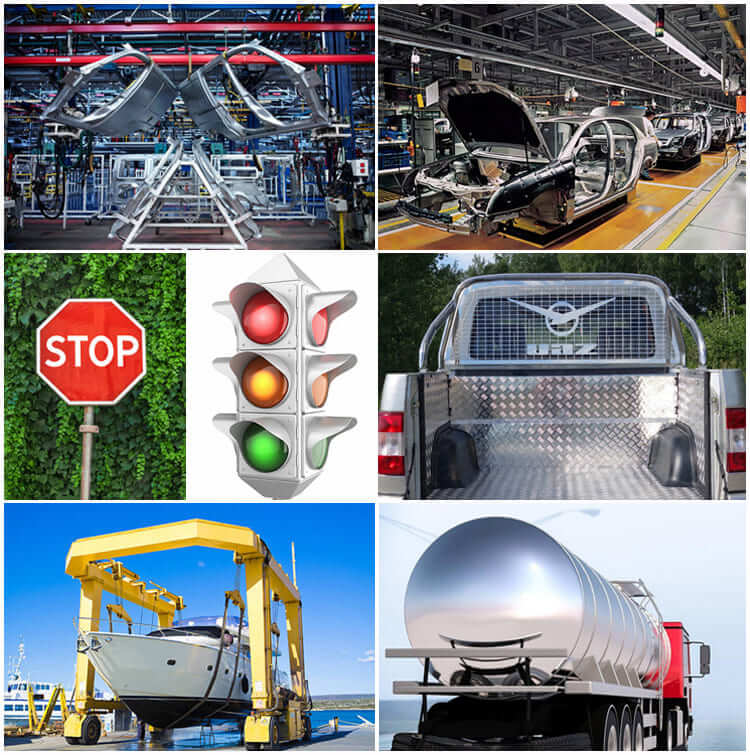
Trafikksøknad
Emballasje: Popbokser i aluminium brukes hovedsakelig som metallemballasjematerialer i form av tynne plater og folier, og lages til bokser, lokk, flasker, fat, og emballasjefolier. Mye brukt i emballasje av drikkevarer, mat, kosmetikk, medisiner, sigaretter, industrielle produkter, medisiner, osv.
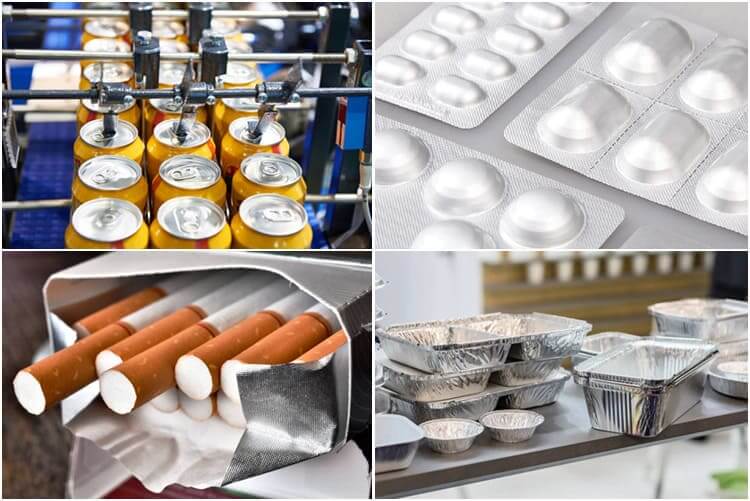
Emballasjeapplikasjon
Printing: Brukes hovedsakelig til å lage PS-plater, aluminiumsbaserte PS-plater er en ny type materiale i trykkeribransjen, brukes til automatisk platefremstilling og utskrift.
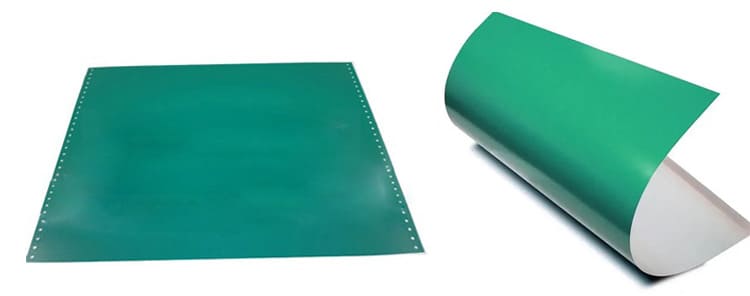
PS utskrift
Arkitektonisk dekorasjon: aluminiumslegering er mye brukt i bygningskonstruksjoner, dører og vinduer, undertak, dekorative overflater, osv. på grunn av sin gode korrosjonsbestandighet, tilstrekkelig styrke, utmerket prosessytelse og sveiseytelse.

Konstruksjonsapplikasjon i aluminiumslegering
Elektroniske produkter: datamaskiner, mobiltelefoner, kjøleskapsskall, radiatorer, osv.
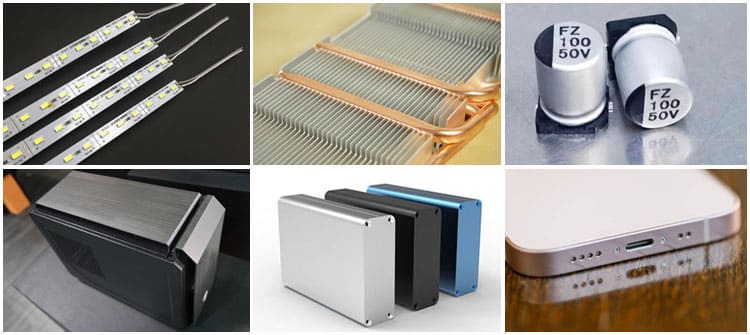
Elektronisk produktapplikasjon
Kjøkkenutstyr: aluminiums gryter, kummer i aluminium, riskokerforinger, husholdnings aluminiumsfolie, osv.
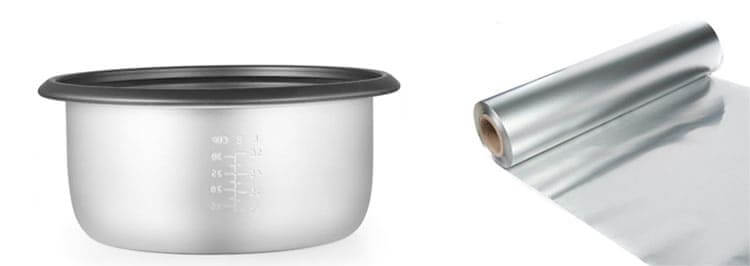
Kjøkkenapplikasjon
Emballasje av aluminiumsplate/coil
Hver detalj av emballasjen er der vi streber etter perfekt service. Vår pakkeprosess som helhet er som følger:
Laminering: klar film, blå film, mikro-slimhinnen, høy slimhinne, laserskjærende film (2 merkevarer, Novacell og Polyfem);
Beskyttelse: papirhjørnebeskyttere, anti-trykk pads;
tørking: tørkemiddel;
Brett: fumigert ufarlig trebrett, gjenbrukbart jernbrett;
Pakking: Tic-tac-toe stålbelte, eller PVC-pakkebelte;
Materialkvalitet: Helt fri for defekter som hvitrust, oljeflekker, rullende merker, kantskade, bøyer, bulker, hull, bryte linjer, riper, osv., ingen spole satt.
Havn: Qingdao eller andre havner i Kina.
Ledetid: 15-45 dager.
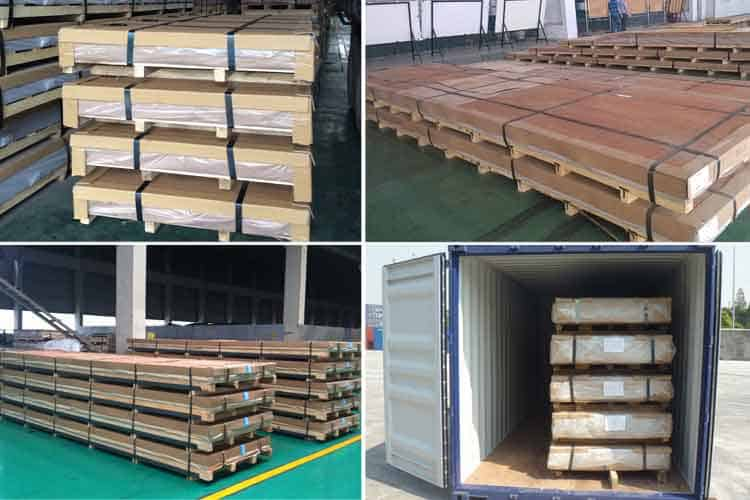
Emballasjeprosess for aluminiumsplater/plater
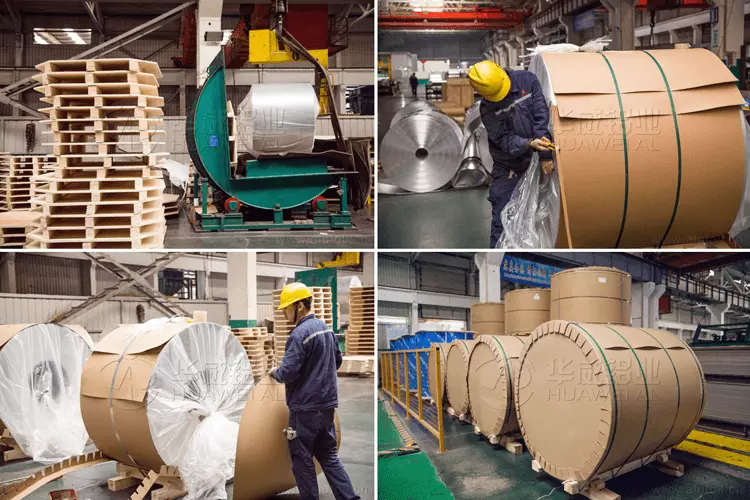
Emballasjeprosess for aluminiumsspole
F: Er du produsent eller handelsmann?
Q: Vi er en produsent, fabrikken vår er på No.3 Weier Road, Industrisone, Gongyi, Henan, Kina.
F: Hva er MOQ for å bestille produktet?
Q: Vår MOQ er 5 tonn, og noen spesialprodukter vil ha et minimumsbestillingsantall på 1 eller 2 tonn.
F: Hvor lang er ledetiden din?
Q: Vanligvis er ledetiden vår ca 30 dager.
F: Har produktene dine kvalitetssikring?
Q: Ja, hvis det er et kvalitetsproblem med produktene våre, vi vil kompensere kunden til de er fornøyd.
Relaterte produkter



Siste blogger
Belagt aluminiumsfolie for emballasjeapplikasjoner | Sterk & Pålitelig
Høykvalitets belagt aluminiumsfolie for emballasjeapplikasjoner, gir utmerket barrierebeskyttelse, varighet, og jevn ytelse.

Hva brukes belagt aluminiumsfolie til i emballasje og industri
Oppdag hva belagt aluminiumsfolie brukes til, fra mat- og farmaemballasje til isolasjon og trykk, og lære kjernefordelene og funksjonene.

Klarert 3003 Leverandører av plater av aluminium over hele verden
Finn pålitelig 3003 Aluminium Checker Plate Sheet Leverandører som tilbyr sertifisert kvalitet, konkurransedyktige priser, tilpassede størrelser, og rask global levering for dine prosjekter.

6061 T6 vs 7075 Aluminium: Styrke, Vekt & Beste bruksområder
Sammenligne 6061 T6 vs 7075 aluminium lett. Oppdag forskjeller i styrke, vekt, og applikasjoner for å velge det beste for dine prosjekter.