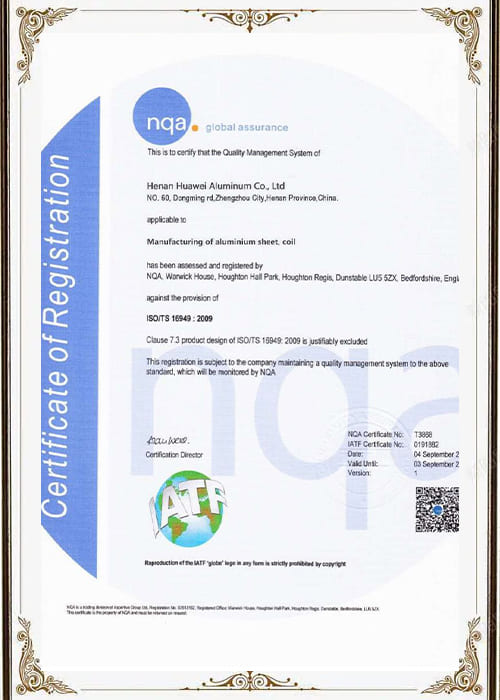
Carbon Coated Aluminum Foil for Battery
1883 Mga Pananaw 2026-03-26 05:24:54
Carbon Coated Aluminum Foil for Battery: An In-Depth Guide for Engineers, Buyers, and Innovators
The term Carbon Coated Aluminum Foil for Battery has emerged as a key topic in advanced energy storage, where researchers and manufacturers seek materials that deliver higher energy density, improved cycle life, and safer operation.
Carbon coated aluminum foil is a specialized current collector material used primarily in lithium-ion and related battery chemistries.
The carbon coating on the aluminum substrate serves multiple roles: it enhances electrical conductivity at the electrode/current-collector interface, improves adhesion between the active material and the current collector, and helps form a more uniform, robust electrode layer during slurry casting and drying.
In practice, this coating can reduce contact resistance, promote uniform slurry distribution, and mitigate micro-scale delamination that can occur during cycling.
When used in cathode current collectors, carbon coatings can contribute to higher rate capability, better impedance characteristics, and improved thermal stability under high current operation.
In many modern battery manufacturing lines, carbon coated aluminum foil is a key enabler of high-performance cathode electrodes, especially for lithium nickel manganese cobalt oxides (NMC), lithium iron phosphate (LFP), and related systems.
It is also relevant in emerging chemistries where fast charge, high capacity, and long cycle life are required. For buyers and engineers, understanding the balance between coating composition, kapal naman, mechanical durability, and process compatibility is essential for achieving consistent electrode quality and reproducible cell performance.
What follows is a structured, practice-oriented examination of carbon coated aluminum foil for batteries, anchored by industry examples, data trends, and supplier capabilities, including a spotlight on Huawei Aluminum, a prominent producer in this field.
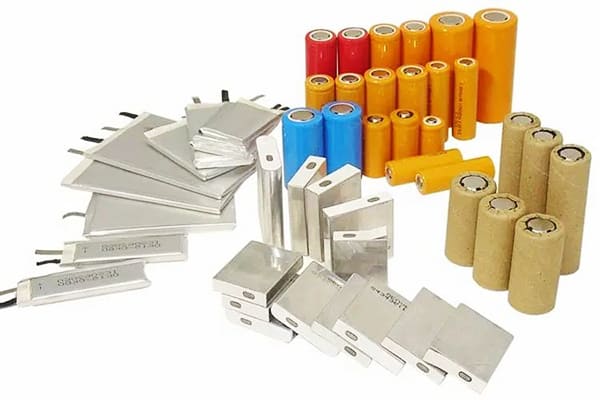
Carbon Coated Aluminum Foil for Battery
Material science fundamentals: carbon-coated aluminum foil for battery
Composition and structure
- Substrate: Aluminyo foil, typically in thickness ranges from 6 sa 20 micrometers for current-collector use in cathodes, chosen to balance stiffness, bigat ng katawan, and mechanical integrity during electrode processing.
- Carbon coating: A thin carbon-based layer, often in the tens of nanometers to low hundreds of nanometers, applied uniformly on the foil surface. The coating may be carbon black, graphite-like carbon, amorphous carbon, or graphene-enhanced formulations, sometimes with a small amount of polymer binder (hal., PVDF) and solvent to facilitate adhesion during coating and subsequent drying.
- Interfacial chemistry: The carbon layer improves electronic contact with the cathode active material and can modulate the SEI-like behavior at interfaces, reducing resistive build-up during cycling and improving rate performance.
- Mechanical behavior: The coating must tolerate rolling, pagputol ng hiwa, lamination, and packing processes without cracking, pag-flaking, or delamination under temperature cycling and mechanical stress.
Why carbon coating?
- Conductivity enhancement: The carbon layer provides a continuous, conductive network that lowers the contact resistance between the active material and the aluminum current collector.
- Adhesion and slurry uniformity: A coated surface often improves wetting and bonding between the slurry and current collector, reducing loose particles and non-uniform coating thickness.
- Impedance reduction: Reduced interfacial impedance leads to improved high-rate performance and better low-temperature performance.
- Thermal management: Carbon coatings can assist in distributing current density more evenly, reducing hot spots and aiding thermal stability during fast charging.
Typical performance indicators
- Sheet resistance: Carbon coatings aim for very low surface resistivity to minimize ohmic losses at the electrode interface.
- Thickness uniformity: Sub-micron to low-micron uniformity is often targeted to ensure uniform coating thickness across large rolls.
- Pagdikit: Coatings should pass industrial adhesion tests (peel or cross-cut tests) to ensure long-term durability during manufacturing and cell operation.
- Electrochemical stability: Carbon-coated foils should maintain performance under the full range of cell operating temperatures and cycling conditions.
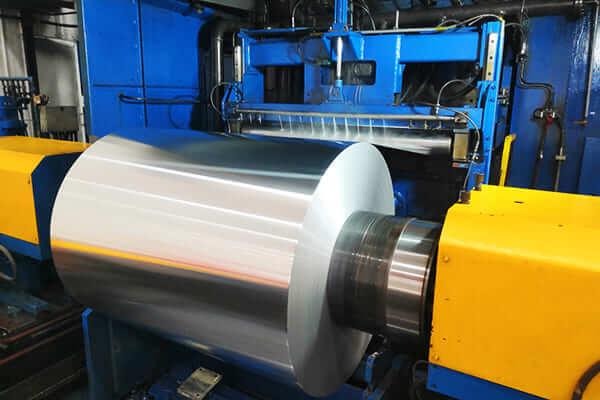
Huawei Carbon Coated Aluminum Foil Production
Materials and Manufacturing Process
Raw materials
- Aluminum foil substrate: Sourced from primary aluminum ingots or recycled secondary material, with strict control over thickness uniformity, pagkamagaspang ng ibabaw, and oxide layer quality.
- Carbon source: Carbon black or graphite-like materials, sometimes in combination with carbon nanotubes (CNTs) or graphene derivatives to enhance conductivity and mechanical properties.
- Binder and solvents: Conductive binders and solvents may be used in some coating recipes to improve adhesion and processing, though many modern processes aim for solventless or water-based formulations to minimize environmental impact.
Coating technologies
- Roll-to-roll (R2R) patong na patong: The most common industrial method for applying carbon coatings onto aluminum foils. The process involves unwinding foil, coating application, drying/curing, and winding. R2R enables high throughput and tight thickness control across meters of material.
- Chemical vapor deposition (CVD): Used for advanced graphene-like coatings, where carbon layers are grown directly on the foil surface. While providing exceptional surface properties, CVD processes can be more expensive and slower than standard R2R approaches.
- Spray coating and slot-die coating: Alternative methods to apply carbon formulations with precise thickness control. These methods can be integrated into pilot lines for rapid testing of new formulations.
- Heat treatment and annealing: Post-deposition thermal processes can enhance coating adhesion and conductivity, adjust carbon structure, and relieve internal stresses.
Post-processing and quality control
- Thickness measurement: Precision instruments such as ellipsometers, mga profilometer, or beta backscatter gauges provide non-destructive thickness data across the roll.
- Surface roughness and morphology: Optical microscopy, scanning electron microscopy (SEM), and atomic force microscopy (AFM) assess the coating’s uniformity and surface features.
- Adhesion testing: Peel tests or scratch tests quantify coating adhesion to the aluminum substrate, a critical predictor of long-term electrode integrity.
- Electrical performance testing: Four-point probe or contact resistance measurements verify the coating’s conductive performance.
- In-line inspection: Modern production lines deploy camera-based and sensor-based QA to catch coating defects early, preventing defective rolls from entering mainstream manufacturing.
Process optimization and scale-up considerations
- Coating thickness vs. pagganap: Thicker carbon coatings may reduce interfacial resistance but can raise stress and peeling risk; manufacturers optimize thickness to balance conductivity and mechanical durability.
- Coating dispersion: Uniform dispersion of carbon materials within the coating matrix is crucial. Agglomerates can cause local resistivity hotspots, leading to non-uniform electrode performance.
- Substrate surface treatment: Pre-treatment of aluminum foil (hal., roughening, oxide layer management) can improve coating adhesion and slurry interaction.
- Environmental considerations: Solvent-based coatings raise VOC concerns; many producers are transitioning to water-based or solventless formulations to meet environmental and regulatory standards.
Performance and Testing
Electrical performance
- Conductivity improvement: Carbon coatings typically reduce interfacial resistance by providing a conductive bridge between the active material and the aluminum foil. This is especially important when the cathode contains high-loading active material or when electrode compressibility reduces nanoscale contact area.
- High-rate capability: Batteries employing carbon-coated aluminum foil often show improved rate performance due to lower impedance growth during fast charging/discharging.
- Thermal behavior: Carbon coatings can help distribute current density more evenly, mitigating localized heating and enabling safer high-current operation.
Mechanical durability
- Delamination risk: The coating must withstand roll-to-roll processing, electrode calendering, and pouching without delaminating from the foil.
- Cracking resistance: Fine, adherent carbon coatings with appropriate toughness absorb mechanical stress and help maintain electrical pathways during cycling and temperature variation.
- Slitting and winding: Coated foils are produced in wide rolls and slit into narrower widths; coating integrity must be maintained through this mechanical processing.
Electrochemical stability and compatibility
- Cathode compatibility: The coating must be chemically inert or at least non-reactive with common cathode materials and electrolytes to avoid unwanted side reactions.
- SEI management: While the current collector is not the electrolyte interface itself, improvements in interfacial stability can contribute to more stable SEI formation on the cathode side, particularly in high-energy-density chemistries.
- Temperature tolerance: Coatings should maintain performance across a broad range of operating temperatures typical of EV battery packs and stationary storage systems.
Data-driven evaluation examples
To illustrate typical performance expectations, consider these representative benchmark figures (illustrative values; exact numbers depend on formulation and process):
- Cathode coating adhesion: Peel strength in the 2–6 N/cm range for robust bonding.
- Interfacial resistance reduction: 5–20% decrease in initial impedance compared with uncoated aluminum foils, depending on coating thickness and formulation.
- Rate capability improvement: Cells with carbon-coated aluminum foil can show 10–30% higher capacity retention at 3C to 5C rates compared with uncoated foils, particularly for high-nickel NMC cathodes.
- Cycling stability: No significant degradation in capacity retention due to the foil coating after 500–1000 cycles under standard test conditions, with improvements noted in impedance growth trends.
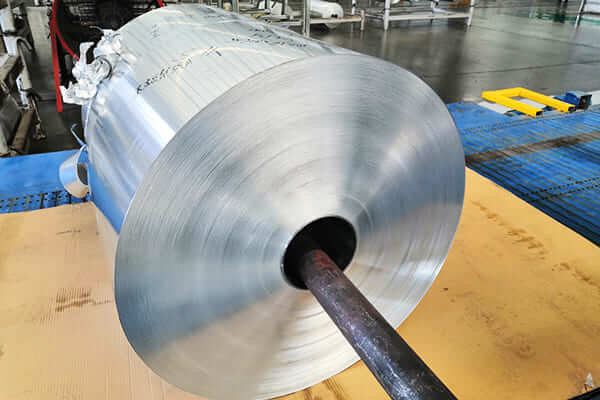
Why Carbon Coated Aluminum Foil for Battery
Applications in Battery Technologies
Lithium-ion Batteries (Li-ion)
- Cathode current collectors: The primary application in Li-ion cells is to serve as current collectors for NMC, LCO, LFP, and related cathode materials. The carbon coating improves electron transport at the cathode/collector interface and enhances electrode manufacturability.
- High-energy density cells: In high-nickel chemistries (hal., NMC811 or similar), the interfacial resistance at the cathode/current collector interface becomes more critical; carbon coated foils help mitigate this issue.
Sodium-ion Batteries
- Emerging potential: Sodium-ion batteries are exploring alternatives and may benefit from carbon-coated aluminum foils in cathodes that require effective current collection and robust adhesion, though compatibility must be evaluated for the specific anode/cathode chemistry and electrolyte.
Solid-state and hybrid systems
- Interface engineering: In some solid-state configurations, carbon-coated foils may play a role in hybrid designs where liquid electrolytes are limited or where interfacial contact with solid electrolytes needs enhancement. The coating can provide a stable, conductive interfacial pathway.
Other energy storage formats
- Supercapacitors and hybrid devices: While less common, carbon-coated aluminum foils could be considered in certain high-rate applications where a conductive, flexible current collector is beneficial.
Advantages and Trade-offs
Benefits
- Enhanced conductivity and reduced resistive losses at the cathode/current collector interface.
- Improved slurry spreadability and electrode uniformity, leading to more consistent electrochemical performance.
- Potential improvement in rate capability and high-temperature stability due to lower impedance.
Trade-offs and challenges
- Gastos: Carbon coating adds material and processing costs. The value proposition depends on the target performance, price ceilings, and scale.
- Process integration: Implementing carbon coating on a large scale requires reliable supply chains, consistent quality, and compatibility with existing electrode manufacturing lines.
- Coating durability: Poor adhesion or overly thick coatings can crack or delaminate, undermining the intended performance gains.
- Environmental and regulatory considerations: Coating chemistry and solvent usage must align with environmental standards and corporate sustainability goals.
Market Trends and Standards
Global demand dynamics
- The market for carbon coated aluminum foil is influenced by cathode material developments, battery pack designs, and the push for higher energy density and safety. As fast-charging EVs become more common, the benefits of improved interfacial conductivity become more valuable.
- Pricing pressure: With the expansion of Asia-based manufacturing and the entry of new players, the cost of carbon-coated foil is under scrutiny. Suppliers emphasize process efficiency, waste reduction, and material formulations that minimize total cost of ownership.
Industry standards and testing protocols
- Pagtiyak ng kalidad: International standards for aluminum foil used in batteries focus on thickness tolerances, kalidad ng ibabaw, and packaging integrity. Coatings add another dimension, with specific tests for adhesion, conductivity, and long-term stability.
- Safety and regulatory compliance: Suppliers must comply with RoHS, MAABOT, and other environmental and product safety standards. Companies may also pursue automotive-grade certification for aerospace or EV applications, including stringent QA processes and traceability.
Comparative Analysis: Carbon Coated Aluminum Foil vs Alternatives
The table below contrasts carbon coated aluminum foil with relevant alternatives, emphasizing the most important performance and process attributes for cathode current collectors.
| Pamantayan | Carbon Coated Aluminum Foil | Uncoated Aluminum Foil | Copper Foil (as current collector in anodes) | Graphene/Graphite-coated Foil (advanced) |
|---|---|---|---|---|
| Primary use | Cathode current collector in Li-ion and related chemistries | Baseline current collector; lower cost, but higher interfacial resistance | Anode current collector (Cu); not directly comparable for cathodes | Advanced coatings aiming at ultra-high conductivity and mechanical properties |
| Conductivity effect | Reduces interfacial resistance; improves rate capability | Higher interfacial resistance, especially at high loadings | Magandang kondaktibiti, but incompatible with cathode slurry interfaces | Potentially lower resistance; may require complex processing |
| Adhesion to slurry | Improved wetting and adhesion due to coating | Wetting depends on foil surface; may require primers | N/A for cathodes, not directly applicable | Superior adhesion in some formulations; depends on coating composition |
| Mechanical durability | Requires robust adhesion; designed for roll-to-roll processing | Simpler substrate; potentially more prone to delamination in high-stress cycles | Not used for cathodes; used in anodes; mechanical properties differ | Advanced coatings may offer enhanced mechanical resilience |
| Cost considerations | Mas mataas na paunang gastos, but potential life-cycle savings | Lower cost per unit | Lower material cost but requires different processing | Higher cost; value depends on performance gains |
| Environmental impact | Coating formulations may reduce waste via better yield; solventless variants exist | Simpler manufacturing; potential solvent usage | Lower cost, but different recycling implications | Environmental impact depends on coating materials and synthesis methods |
| Typical application note | Cathode current collectors for high-energy Li-ion cells | General current collectors; baseline foil | Anode current collectors (Cu) | Next-gen cathode current collectors with enhanced interfacial properties |
Supplier Spotlight: Huawei Aluminum
Company overview
Huawei Aluminum Co., Ltd. is a prominent Chinese supplier specializing in aluminum foil products, including packaging foils, industrial foils, and specialty foils for energy storage applications.
The company has built a robust ecosystem around foil production, ibabaw ng paggamot, and coating technologies to meet the demanding needs of modern battery manufacturers.
Huawei Aluminum emphasizes quality management, skala ng scale, and consistent supply, with a focus on serving electric vehicle (EV) battery and consumer electronics markets.
Key strengths include:
– Large-scale roll-to-roll coating capabilities for high-throughput production.
– Expertise in surface modification and carbon-based coatings tailored for cathode current collectors.
– Strong supply chain integration, enabling reliable deliveries to major battery producers and module manufacturers.
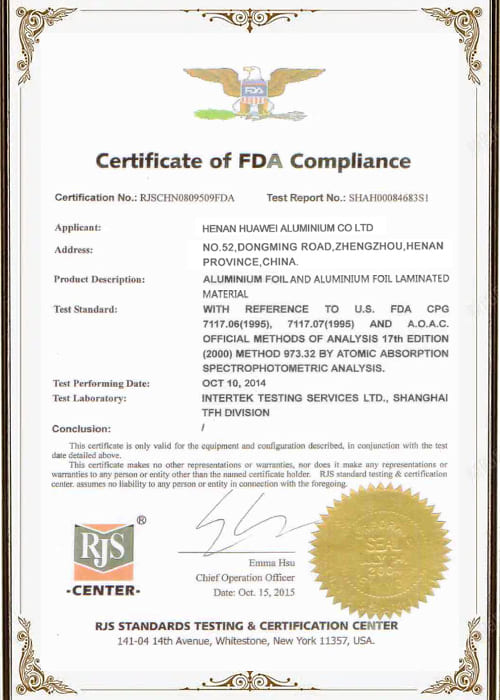
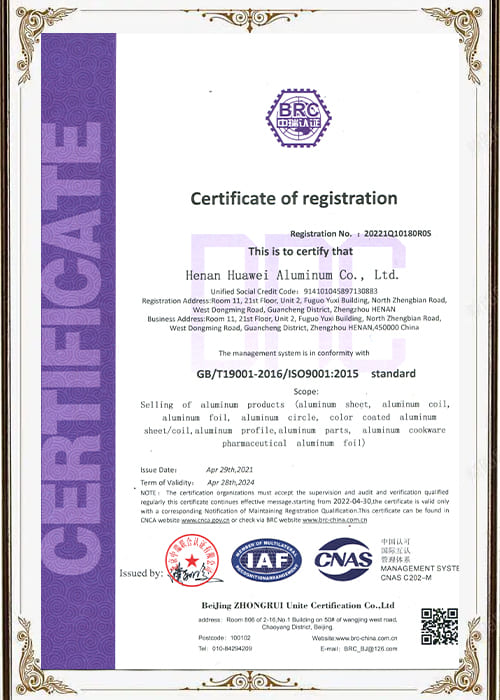
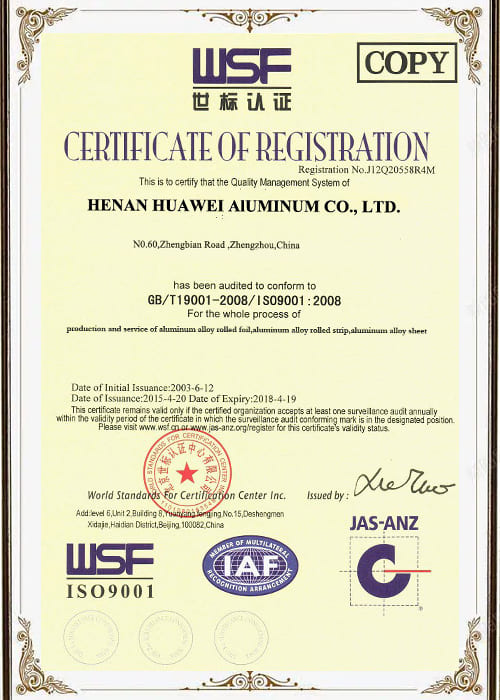
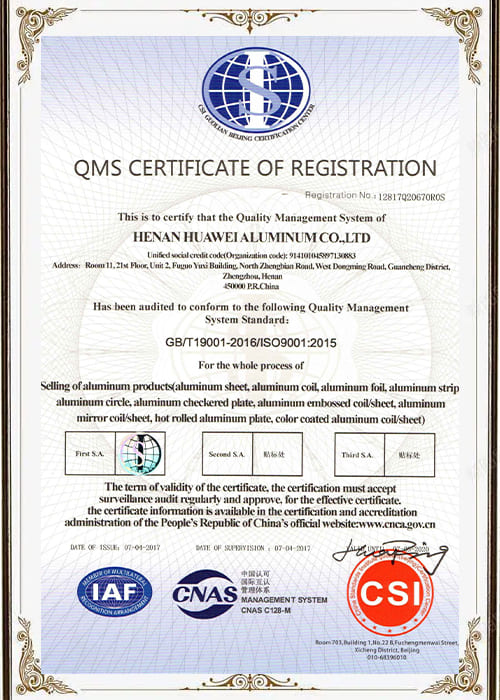
– Compliance with international quality standards and traceability across production lots.
Capabilities for carbon coated aluminum foil
- Coating technologies: Huawei Aluminum employs roll-to-roll coating lines that can apply carbon-based formulations with precise thickness control. They may offer multiple coating variants (carbon black, graphite-like, CNT-enhanced, graphene-enhanced) to suit different cathode chemistries and electrode formulations.
- Thickness and uniformity: The company targets sub-micron to low-micron coating thickness with uniformity across wide foils, essential for consistent electrode performance and high-volume manufacturing.
- Pagtiyak ng kalidad: In-line inspection systems, adhesion testing, and post-process quality checks are standard practice to guarantee consistency and minimize yield loss.
- Pagpapasadya: Huawei Aluminum collaborates with customers on formulation customization, processing parameters, and testing protocols to optimize performance for specific battery designs.
- Sustainability: The company invests in environmental controls, solvent management, and recycling-oriented practices as part of modern, responsible manufacturing.
Why Huawei Aluminum for Carbon Coated Aluminum Foil for Battery?
- Scale and reliability: For large-scale battery production, consistent supply and tight quality control are essential. Huawei Aluminum’s scale supports long, stable supply chains and lower risk of interruptions.
- Process compatibility: Their coating lines are designed to integrate with existing electrode manufacturing processes, reducing integration risk for customers transitioning to carbon-coated foil.
- Technical collaboration: Huawei Aluminum’s engineering teams work with customers on coating formulations, adhesion tests, and performance validation to meet device-level requirements.
- Global reach: With a broad distribution network and established compliance with international standards, Huawei Aluminum can serve multinational battery manufacturers with regulatory clarity and documentation.
This supplier profile highlights how a well-established aluminum foil producer can support the growing demand for carbon-coated foils in modern battery systems.
Buyers should perform due diligence, request samples, and validate with manufacturer-provided test data before committing to large-scale procurement.
Innovation and Future Directions
Next-gen carbon coatings
- Graphene-enhanced coatings: Incorporating graphene sheets or graphene-like structures to improve conductivity, mechanical toughness, and thermal spreading.
- CNT-reinforced networks: Carbon nanotubes can form continuous conductive pathways, potentially reducing sheet resistance further and promoting durable interfaces.
- Hybrid coatings: Combinations of carbon black, graphite, CNTs, and ultrathin graphene layers may deliver synergy—improved conductivity, higher mechanical resilience, and better compatibility with diverse cathode chemistries.
- Functional coatings: Doping carbon layers with heteroatoms (hal., nitrogen, sulfur) or incorporating protective polymers can tailor interfacial chemistry and stability.
Process innovations
- Solventless and water-based formulations: Environmental considerations push the industry toward safer, greener coating chemistries with minimized VOC emissions.
- In-line real-time analytics: Process control using spectroscopy, ultrasonic thickness gauging, and surface imaging to detect defects early and reduce waste.
- AI-enabled quality control: Data-driven optimization of coating thickness, pagdikit, and uniformity using machine learning models built on in-line sensor data.
Sustainability and circular economy
- Recyclability: Understanding how carbon-coated foils behave in end-of-life recycling streams and developing methods to reclaim aluminum while safely handling coating residues.
- Localized production: Near-shore manufacturing strategies to reduce transportation emissions and improve lead times for battery manufacturers.
- Life-cycle assessment: Quantifying the environmental footprint of coating formulations and processes to inform sustainable procurement decisions.
Testing Protocols: How to Validate Carbon Coated Aluminum Foil for Battery
- Sample selection: Use representative foils from production batches, including coated and uncoated reference samples for comparison.
- Physical tests: Thickness uniformity, pagkamagaspang ng ibabaw, and adhesion tests (hal., peel tests) to evaluate mechanical durability.
- Electrical tests: Sheet resistance and interfacial resistance via four-point probe measurements or electrochemical impedance spectroscopy (EIS) on test cells.
- Electrochemical testing: Assemble test cells with the foil as a cathode current collector, evaluate cycling stability, rate capability, and impedance growth over 100–1000 cycles.
- Environmental testing: Temperature cycling, humidity exposure, and accelerated aging to simulate real-world operating conditions.
- Traceability and documentation: Maintain lot-level traceability, material certificates, coating thickness maps, and QA test results for supplier audits and internal QC.
Mga FAQ
Q: What is the main advantage of carbon coated aluminum foil over plain aluminum foil in cathodes?
A: The carbon coating reduces interfacial resistance with the cathode, improves adhesion with the active material slurry, and can enhance high-rate performance and thermal management.
Q: Which cathode chemistries benefit most from carbon-coated foil?
A: High-energy-density cathodes such as NMC (nickel-rich variants), LCO, and certain high-loading LFP formulations tend to benefit, especially at high C-rates and elevated temperatures.
Q: Are there environmental or regulatory concerns with carbon-coated foils?
A: Oo nga, considerations include solvent use, VOC emissions, and ensuring compliance with RoHS and REACH standards. Many manufacturers are moving toward solventless or water-based formulations.
Q: How do I verify coating quality for a new supplier?
A: Request complete test data, sample foils, and a process validation plan. Perform independent tests for thickness uniformity, pagdikit, resistance, and cell-level performance with your cathode system.
Q: Can carbon coated foil be recycled easily at end of life?
A: Recycling processes for aluminum foils are well established, but the presence of carbon coatings adds complexity. Proper sorting and processing methods should be defined with recyclers to maximize aluminum recovery and minimize coating-related waste.
Q: What role does Huawei Aluminum play in this market?
A: Huawei Aluminum is a major producer of aluminum foils, including carbon-coated variants, offering roll-to-roll coating capabilities, quality assurance programs, and global supply capabilities. They serve as a practical example of a supplier with scale, technical depth, and a track record in battery-related foil applications.
Pangwakas na Salita: Carbon Coated Aluminum Foil for Battery
Carbon coated aluminum foil for battery applications represents a meaningful advancement in current collection technology, offering tangible gains in electrical performance, electrode processing, and overall cell reliability.
The coating transforms a simple metal substrate into a more active, robust interface that supports higher energy density with safer, more predictable operation.
As the battery industry continues to push toward faster charging, higher capacities, and broader temperature tolerance, the role of well-engineered coating chemistries and precisely controlled manufacturing processes becomes increasingly central.
Huawei Aluminum provides a strong industry example of how large-scale foil producers can deliver carbon-coated solutions with consistent quality, traceability, and supply assurance.
For battery developers and manufacturing teams, partnering with a capable supplier that can meet stringent specifications and provide end-to-end support—from material data sheets and pilot samples to full-scale production—is essential for achieving reliable performance and scalable production.
As a practical takeaway, if you are evaluating carbon coated aluminum foil for battery applications, start with a clear set of performance goals, request transparent data from potential suppliers (including Huawei Aluminum and others), and conduct an end-to-end pilot program that ties foil properties directly to cell-level outcomes.
With thoughtful selection, precise process control, and close collaboration with experienced suppliers, carbon coated aluminum foil can be a strategic enabler of higher-performance batteries and safer, more reliable energy storage systems.
Share with PDF: Download