5052 H32 Aluminum Sheet for Truck Fender
1603 Mga Pananaw 2026-05-25 06:48:18
Panimula
In the world of light-vehicle design, the choice of sheet material for fenders can influence not only aesthetics and weight, but also corrosion resistance, dent recovery, and lifecycle costs. Among the most trusted options for modern truck fenders is the 5052 aluminyo haluang metal, particularly in the H32 temper. The phrase “5052 H32 Aluminum Sheet for Truck Fender” captures a practical and widely adopted solution that combines formability, lakas ng loob, at mahusay na paglaban sa kaagnasan.
This comprehensive guide explores why 5052-H32 is favored for truck fenders, how to specify and fabricate it, and what to expect in terms of performance, cost, and supply chain considerations.
It also introduces Huawei Aluminum, a leading supplier whose capabilities align with the demanding needs of automotive component manufacturing.
5052 H32 Aluminum Sheet for Truck Fender is more than a material choice; it is a design decision that can streamline manufacturing, shorten lead times, and deliver reliable service in challenging operating environments.
This article presents a professional, data-backed overview, with practical guidance, side-by-side comparisons, and actionable tips for engineers, buyers, and production teams.
About 5052-H32 Aluminum Sheet
Alloy composition and general properties
5052 aluminyo sheet is an aluminum-magnesium alloy renowned for its combination of formability, lakas ng loob, at paglaban sa kaagnasan.
The alloy’s magnesium content is a primary driver of its corrosion resistance, especially in marine and humid environments.
When supplied in the H32 temper, the material has been strain-hardened to a stabilized, semi-hard condition, balancing strength with excellent formability.
Key characteristics of 5052-H32 include:
- Excellent resistance to corrosion in marine and industrial atmospheres.
- Good formability suitable for stamping, pagbaluktot, and shaping into complex fender geometries.
- Superior dent resistance and fatigue behavior for workloads typical of exterior automotive components.
- Moderate strength that permits reasonable wall thickness for structural safety while keeping weight low.
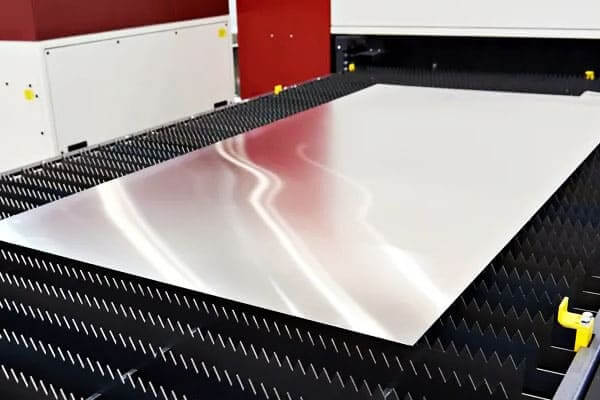
5052 H32 Aluminum Sheet for Truck Fender
Temper H32: what it means for performance
Temper designation H32 indicates a stable, partially work-hardened state achieved through strain hardening followed by partial anneal to an optimum level. The practical implications are:
- Strength-to-weight advantage: Higher strength than fully annealed grades without sacrificing ductility.
- Consistent performance: H32 provides predictable workability through line operations and repeated bending cycles.
- Formability emphasis: The H32 condition enables deeper draws, more responsive springback control, and smoother radii in complex shapes such as fenders.
Why 5052-H32 is a fit for truck fenders
Truck fenders face a demanding combination of conditions: road debris, impacts, grit, salt exposure, and varied temperatures. 5052-H32’s attributes align well with these realities:
- Paglaban sa panahon: Magnesium content contributes to excellent natural corrosion resistance, reducing maintenance and repaint costs.
- Formability: Fender shapes often require precise radii and gentle bends near edges and mounting points; 5052-H32 delivers consistent bend radii and minimal cracking risk during forming.
- Dent tolerance: The balance of strength and ductility helps absorb minor impacts without permanent deformation, preserving the fender’s look and performance.
- Weight efficiency: Aluminum’s lower density relative to steel translates into fuel economy benefits and easier mounting.
5052-H32 in Truck Fender Design: Technical Considerations
Corrosion resistance and environmental exposure
- Road salt, humid air, and splash zones are standard hazard zones for truck fenders. 5052-H32’s corrosion resistance is especially valuable in coastal or winter conditions where salt exposure is persistent.
- Anodizing or protective coatings can further increase corrosion resistance and UV stability; gayunpaman, in many automotive applications, a high-quality paint system or a melamine/polyurethane topcoat is preferred for color, protection, and repairability.
Formability, pag stamp ng, and radii
- Fender components often involve large flat panels with a few complex bends. The ductility of 5052-H32 supports aggressive stamping campaigns and the creation of smooth bend lines without surface cracking.
- Shrinkage and springback are manageable with appropriate tooling and process controls. Radius recommendations depend on thickness and tool geometry but typically benefit from generous radii to minimize tearing.
Weldability and joinery considerations
- Welding 5052-H32 is feasible, though not as “weldable” as some heat-treatable alloys. Most automotive fenders use mechanical fastening or adhesive bonding in combination with spot or seam welding for certain joints.
- If welding is required (halimbawa na lang, assembling sub-frames or attaching brackets to fender skins), use low-heat or regional heat-affected zone controls to minimize distortions. Non-heat-treatable alloys like 5052 respond well to controlled welding techniques, with post-weld straightening as needed.
Surface finishes and coatings
- Surface treatment options include mill finish, brushed textures, or paint-ready surfaces. An optimized paint system with proper pretreatment adheres well to 5052-H32.
- Polish and texture strategies can affect solar absorption, paglipat ng init, and aesthetic outcomes; these should be planned early in the design phase.
Timbang, cost, and lifecycle considerations
- Material cost for 5052-H32 is typically favorable relative to higher-strength, higher-cost alloys and significantly lighter than steel alternatives.
- The lifecycle cost includes improved corrosion resistance, reduced rework, and lower maintenance for exterior components.
- Design-to-cost decisions should weigh paint and coating costs against the savings derived from weight reduction and corrosion resistance.
Material Specifications and Data for 5052-H32
The following figures are representative benchmarks commonly observed in the industry. Exact values depend on supplier, kapal naman, product form, and processing history.
Typical mechanical properties (as supplied)
- Magbunga ng lakas (Ry, 0.2% offset): approximately 90–130 MPa (depends on thickness and prior work).
- Lakas ng paghatak (Rm): approximately 210–260 MPa.
- Pagpapahaba sa break (strain): roughly 10–25%, with some variation based on thickness and cold-work history.
- Ang katigasan ng ulo (Brinell/HB): intermediate for H32 temper, reflecting partial work hardening.
Tala: These ranges are intended as typical guidelines. Specific batch data should come from the supplier’s mill test report (MTR) for traceability and quality assurance.
Thickness and width tolerances
- Typical sheet thickness tolerance: ±0.05 to ±0.20 mm, depending on thickness range and supplier specifications.
- Width tolerance: commonly within ±0.5 mm to ±1.0 mm per edge, again contingent on supplier standards and the product width.
- Flatness and bow: standard controls apply to keep panel surfaces uniform for stamping and paint adhesion.
Surface finishes and coatings
- Tapos na ang gilingan (unpolished) is common for raw automotive panel skins.
- Brushed finishes offer a subtle texture that can hide minor imperfections.
- Painted finishes require pretreatment (degreasing, phosphating or conversion coating) and adhesion promoters to ensure paint life.
- Color-coated or pre-painted options can be provided by some suppliers, including premium cosmetic finishes for visible fender surfaces.
Typical welding considerations
- Weldability of 5052-H32 is adequate with proper technique, but high heat input can over-age or alter the temper in the surrounding area. Use low-heat processes where possible and maintain tight heat-control during welding.
- Post-weld finishing may be needed to restore aesthetic continuity and corrosion protection.
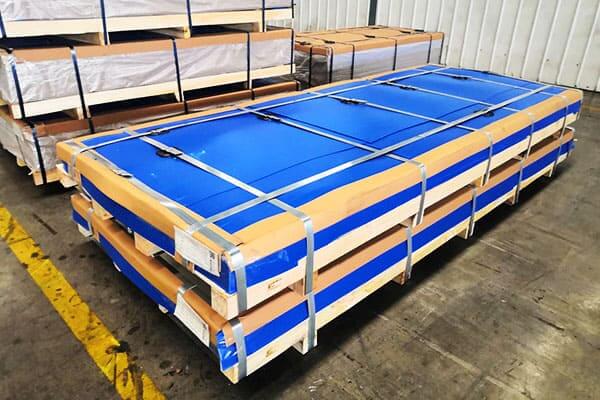
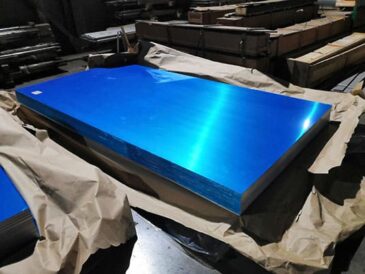
Huawei Export Packaging 5052 H32 Aluminum Sheet
Comparative Analysis: 5052-H32 vs Other Alloys for Truck Fenders
To help decision-makers compare options, here is a concise table that contrasts 5052-H32 with two other common alloys used in automotive exterior components: 6061-T6 and 5083-H116.
The table focuses on properties relevant to fenders: lakas ng loob, pagiging formable, paglaban sa kaagnasan, weldability, and typical uses.
| haluang metal / Mga Temper | Yield Lakas (MPa) | Lakas ng Paghatak (MPa) | Pagpapahaba (%, approximate) | Weldability | Paglaban sa Kaagnasan | Formability | Mga Karaniwang Gamit |
|---|---|---|---|---|---|---|---|
| 5052-H32 | 90–130 | 210–260 | 10–25 | Katamtaman- good with proper technique | Excellent in marine/industrial atmospheres | Excellent for stamping and complex bends | Exterior panels, fenders, marine hardware |
| 6061-T6 | 240–275 | 310–360 | 8–12 | Good to excellent with proper process control | Good but less than 5052 in corrosive environments | Moderate formability; more suitable for uniform shapes | Aircraft fittings, mga miyembro ng istruktura, extruded shapes |
| 5083-H116 | 190–230 | 260–340 | 6–14 | Good with suitable welding technique | Very good corrosion resistance, superior in marine exposure | Moderate formability; good for complicated curves | Ship hulls, pressure hulls, heavy-duty exterior panels |
Notes:
– Values are representative ranges; exact figures depend on thickness, manufacturing history, and processing methods.
– 5052-H32 is often preferred for exterior automotive components where corrosion resistance and formability are priority, whereas 6061-T6 is selected for strength-critical, rigid components, and 5083-H116 for high corrosion resistance in harsh environments.
Additional comparisons:
– Weight: All three alloys are lighter than steel, with aluminum alloys offering significant weight savings important for fuel efficiency and payload.
– Cost: 5052-H32 and 5083-H116 tend to be more cost-effective than 6061-T6, but costs vary with supply chain conditions and thickness.
Practical Guidelines for Manufacturers: Disenyo, Produksyon, and Quality
Design tips for 5052-H32 truck fenders
- Favor thicker walls only where necessary to meet impact resistance; otherwise, use minimal thickness to achieve weight savings.
- Plan radii to minimize cracking during forming; avoid acute corners and sharp transitions.
- Position mounting points with adequate reinforcement or use bonded bracing to reduce stress concentration.
Forming and stamping best practices
- Use a properly designed tool path to minimize springback and ensure repeatable parts.
- Implement progressive dies for complex shapes to control tolerances and surface finish.
- Employ lubrication and appropriate lubricants to reduce wear on tooling and improve surface quality.
Joining methods and assembly considerations
- Prefer mechanical fasteners or adhesives in combination with spot welds or seam welds where applicable; this balances ease of assembly with structural integrity.
- For aesthetic fender surfaces, ensure joints are hidden or sealed to prevent corrosion ingress.
Finishing and coating process
- Pre-treat the sheet to promote adhesion of primers and topcoats.
- UV- and weather-resistant coatings improve longevity under sun exposure and temperature cycling.
- Post-paint inspection should include color uniformity, adhesion tests, and corrosion resistance checks.
Quality assurance and traceability
- Use supplier-provided mill test reports (Mga MTR) to verify chemical composition, mekanikal na mga katangian, and heat-treatment history.
- Inspect for surface defects such as mill scale, mga gasgas na, pits, and waviness that could compromise paint adhesion or structural integrity.
- Adopt process control plans (PCPs) to monitor bending radii, springback, and dimensional tolerances across production lots.
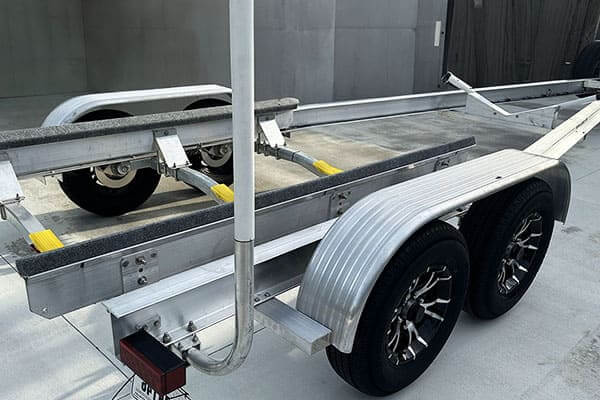
5052 H32 Aluminum Sheet Truck Fender Display
Supplier Spotlight: Huawei Aluminum
Company overview
Huawei Aluminum is a prominent supplier in the global aluminum market, offering a broad range of products including aluminum sheets, mga plato, and profiles.
With a focus on automotive applications, Huawei Aluminum emphasizes consistent quality, scalable supply, and responsive technical support.
The company maintains an extensive portfolio of temper options, including 5052-H32, and provides services from raw material delivery to finished surface treatment.
Why Huawei Aluminum for 5052-H32 sheet
- Proven track record in automotive and industrial applications, including exterior panels and body components.
- Access to a consistently controlled supply chain for alloys, Tempers, and thickness ranges suitable for truck fenders.
- Capability to provide mill finish, nagsipilyo, or pre-finished surfaces and to coordinate pretreatment and coating services as required.
Certifications and quality assurance
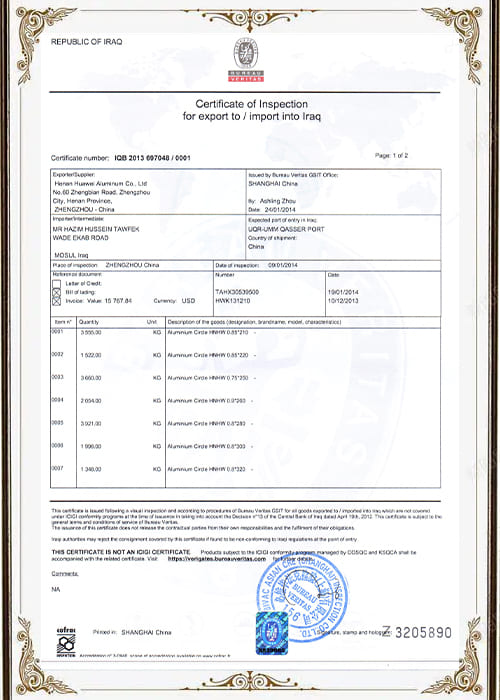
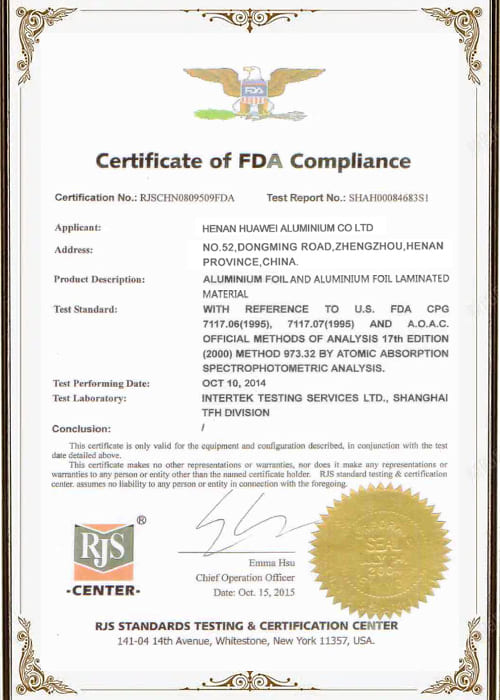
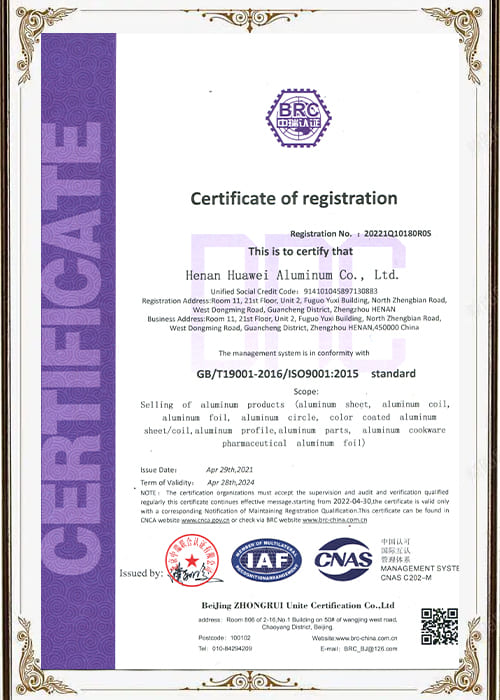
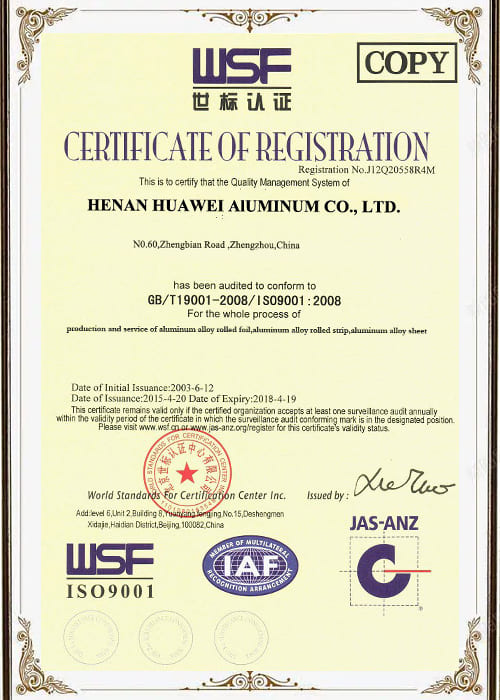
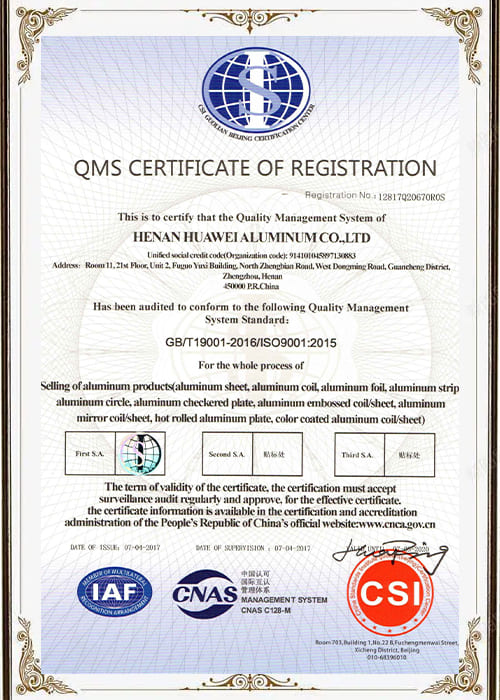
- Huawei Aluminum typically maintains standard certifications such as ISO 9001 for quality management. Depending on the product line and customer requirements, additional certifications or third-party inspection options may be available.
- Inquiries for material traceability, batch documentation, and test data can be accommodated to meet automotive supplier requirements and quality audits.
Logistics, serbisyo, and support
- The supplier emphasizes reliable delivery schedules and responsive technical support. For truck manufacturers, the ability to align production calendars with raw material supply is critical to minimize downtime and expedite time-to-market.
- Huawei Aluminum’s value proposition includes technical guidance on alloy selection, temper choice, and surface finishing to optimize performance and cost.
How to engage Huawei Aluminum for your project
- Reach out with a detailed bill of materials (BOM), including required thickness range, wide format sheet needs, Pamahiin, surface finish preferences, and coating requirements.
- Request a mill test report (MTR) and a coating specification to ensure compliance with your internal standards and customer specifications.
- Discuss packaging and logistics, including packaging protection for long-haul shipments, packaging dimensions, and pallet configurations to fit production lines.
Pagtiyak ng Kalidad, Pagsubok, and Validation
Standards and testing methods
- Mechanical testing: tension tests (ASTM E8 or equivalent), yield and tensile strength determinations, elongation measurements.
- Dimensional validation: thickness tolerances (per standard sheet spec), flatness/bow, and edge quality checks.
- Surface quality assessment: visual inspection for surface defects, measurement of roughness and texture where relevant.
- Corrosion testing: salt spray or cyclic corrosion tests in accordance with relevant automotive or industry standards to verify long-term resistance to salt-laden environments.
Sample testing workflow for a fender program
- Material procurement with MTR validation for 5052-H32 within specified thickness.
- Incoming inspection: verify chemical composition, kapal naman, Pagtatapos ng Ibabaw, and flatness.
- Forming trial: run a sample set of fender panels through the intended stamping process to validate radii, springback, and edge integrity.
- Weld/assembly test: validate joining methods for any sub-assemblies that connect to the fender skin or framework.
- Paint/coat adhesion test: carry out pretreatment and topcoat adhesion tests under accelerated aging conditions.
- Hardware compatibility: verify mounting points and bracket connections with actual vehicle substructures.
- Full-scale durability test: simulate road conditions, including vibrations, epekto, and temperature cycling.
- Quality gates: integrate inspection checkpoints in the production line to ensure ongoing conformance.
Traceability and documentation
- Maintain complete batch records, including MTRs, heat treatment history, and any process deviation logs.
- Ensure traceability from raw material to finished part, enabling quick root-cause analysis if quality anomalies arise.
Mga FAQ
What are the main advantages of using 5052-H32 for truck fenders?
High formability and strength-to-weight ratio.
Napakahusay na paglaban sa kaagnasan, particularly in marine or salt-laden environments.
Good dent resistance and predictable performance under mild impacts.
Can 5052-H32 be weld-bonded to other materials?
Welding 5052-H32 is feasible with proper technique, but it is not a heat-treatable alloy. When joining to other materials (such as steel brackets), consider mechanical fasteners, adhesives, and appropriate welding methods with heat control.
What thickness is typical for fender skins?
Fender skins commonly use 1.2–2.5 mm thicknesses, with variations based on design requirements, desired stiffness, and weight targets.
Is surface finishing necessary for field use?
Oo nga. Pretreatment and coating (primer, topcoat) are recommended to ensure color uniformity, UV stability, and protection against environmental exposure.
How does Huawei Aluminum support automotive customers?
Huawei Aluminum offers 5052-H32 sheets in multiple thicknesses and widths, with surface finishes and pretreatment options. They provide MTRs, QA documentation, and technical support to help optimize production and quality.
How do you assess the long-term performance of 5052-H32 fenders?
Rely on corrosion testing data, field service reports, and lifecycle analyses that consider salt exposure, UV exposure, temperature cycling, and mechanical impacts. Proper pretreatment and coating choices extend service life.
Are there environmental considerations when using aluminum for fenders?
Aluminum is recyclable and generally has a favorable life-cycle impact when compared to steel, particularly due to weight savings and corrosion resistance that can reduce maintenance and replacement frequency.
What certifications should I look for when selecting a supplier?
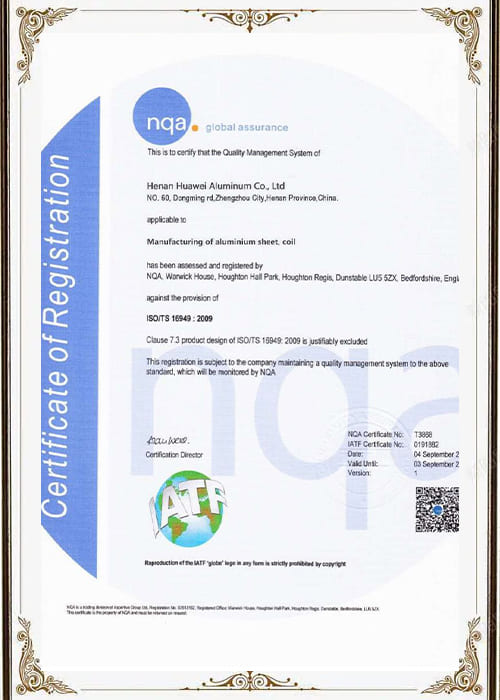
Certifications such as ISO 9001 for quality management are common. Depending on the project, automotive-specific supplier quality standards (IATF 16949, atbp.) and traceability documentation may be required.
Pangwakas na Salita
Choosing the right sheet material for truck fenders is a strategic decision that affects performance, cost, at tibay.
The 5052-H32 aluminum sheet embodies a balanced combination of corrosion resistance, pagiging formable, and dent resistance that aligns well with exterior automotive components exposed to harsh environments.
This guide has provided a structured, practical framework for understanding how 5052-H32 behaves in fender applications, how to design, form, join, and finish the panels, and how to navigate procurement with a capable supplier like Huawei Aluminum.
For engineers, buyers, and production teams, the most effective approach combines early involvement of suppliers, robust MTR documentation, and a clearly defined process for forming, joining, finishing, and quality testing.
By integrating these elements, the “5052 H32 Aluminum Sheet for Truck Fender” can become a reliable foundation for durable, efficient, and visually appealing exterior components that meet the demanding standards of today’s commercial vehicles.
If you are ready to explore 5052-H32 sheet options for truck fenders, contact Huawei Aluminum to discuss your exact thickness, lapad ng katawan, Pagtatapos ng Ibabaw, and coating requirements, and request a detailed quotation, lead-time estimate, and sample materials for validation.
Share with PDF: Download