Anodized Aluminum
112,967 Views 2025-02-21 08:12:08
What is Anodized Aluminum?
Anodized aluminum is aluminum that has undergone an electrochemical process to create a protective oxide layer on its surface. This oxide layer enhances the material’s durability, corrosion resistance, and aesthetic appeal. Unlike paint or coatings, anodization integrates with the metal itself, making it highly resistant to wear and environmental factors.

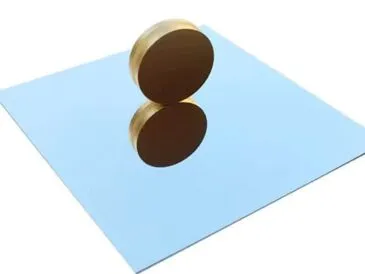
Gold anodized aluminum plate
How is Anodized Aluminum Made?
The anodization process involves several critical steps:
- Cleaning & Pre-Treatment: The aluminum surface is cleaned to remove dirt, grease, and impurities.
- Electrolytic Bath: The aluminum is submerged in an electrolytic solution, typically sulfuric acid, and an electric current is applied.
- Formation of Oxide Layer: Oxygen ions react with the aluminum surface, forming a controlled and uniform aluminum oxide layer.
- Coloring (Optional): Dyes or metallic salts may be introduced to add color to the anodized layer.
- Sealing: The pores in the oxide layer are sealed to enhance corrosion resistance and durability.

Anodizing process
Advantages of Anodized Aluminum
- Corrosion Resistance: The anodized layer acts as a barrier against moisture and chemicals.
- Enhanced Durability: Hard anodized coatings provide superior wear resistance.
- Aesthetic Appeal: Available in a variety of colors and finishes without peeling or chipping.
- Low Maintenance: Does not require frequent painting or coating applications.
- Eco-Friendly: Produces no hazardous waste and is 100% recyclable.
Applications of Anodized Aluminum
1. Anodized Aluminum in the Automotive Industry
Anodized aluminum is widely used in automotive components, such as:
- Trim and decorative parts
- Engine components
- Wheels and fuel system parts Its corrosion resistance and lightweight properties make it an ideal material for high-performance vehicles.
2. Anodized Aluminum in Architecture and Design
In construction and architecture, anodized aluminum is used for:
- Window frames and doors
- Roofing panels and curtain walls
- Decorative interior and exterior panels Anodized aluminum provides an elegant, modern appearance while ensuring longevity and minimal maintenance.

Anodized aluminum plate for building
3. Anodized Aluminum in Consumer Electronics Industry
Electronics manufacturers utilize anodized aluminum for:
- Smartphone and laptop casings
- Camera bodies
- Audio equipment This material offers a sleek and durable surface resistant to scratches and fingerprints.

Electronic products used anodized aluminum
Anodized Aluminum vs. Other Finishes
| Feature | Anodized Aluminum | Painted Aluminum | Powder-Coated Aluminum |
|---|---|---|---|
| Durability | High | Medium | High |
| Corrosion Resistance | Excellent | Moderate | High |
| Scratch Resistance | Excellent | Poor | Good |
| Color Retention | Excellent | Fades Over Time | Good |
| Environmental Impact | Low | High VOCs | Medium |
RFQ (Request for Quotation) of Anodized Aluminum
When requesting a quotation for anodized aluminum, consider the following specifications:
- Alloy Type: 6061, 5052, or 1100 aluminum, depending on the application.
- Thickness of Anodized Layer: Standard (10-25 microns) or hard anodized (up to 50 microns).
- Color and Finish: Natural, black, bronze, gold, or custom colors.
- Sealing Method: Hot water sealing, nickel acetate, or cold sealing for enhanced durability.
- Quantity and Lead Time: Specify volume requirements and delivery schedule.
Conclusion
Anodized aluminum is a versatile and high-performance material with applications across various industries. Its durability, corrosion resistance, and aesthetic options make it a preferred choice over traditional coatings and finishes. Understanding its production process, advantages, and available options can help businesses and consumers make informed decisions for their projects.