أنا. مقدمة
الصف البحري 5086 تحتل لوحة الألومنيوم H116 موقعًا قيمًا فريدًا في نطاق مواد بناء السفن المصنوعة من الألومنيوم - وهو موقع لا يتم تقديره كثيرًا على وجه التحديد لأنه يقع بين سبيكتين محددتين بشكل بارز.
أكثر مقاومة للتآكل وقابلة للتشكيل من 6061 مسلسل, ومع ذلك فهي أكثر عملية وقابلة للحام من القوة العالية 5083, 5086 يقدم H116 مجموعة من الخصائص التي تجعله لا يمكن استبداله عبر مجموعة واسعة من التطبيقات البحرية: قوارب صيد ترفيهية ذات أشكال بدن معقدة, تتطلب هياكل المراكب الشراعية جوانب علوية متوهجة, هيكل ثانوي لقارب العمل التجاري, ممرات المنصة البحرية, والهياكل الفوقية للسفن العسكرية.
هذه المقالة تقدم شاملة, الفحص الرسمي للرتبة البحرية 5086 لوحة الألومنيوم H116 عبر ثمانية عشر بعدًا تحليليًا - علم المعادن, علم المزاج, تصنيع, ملكيات, أداء التآكل, المقارنة الحاسمة 5086 مقابل 5083, التصميم الهيكلي, تطبيقات السفن, تلفيق, الحماية من التآكل, معايير الجودة, الأطر التنظيمية, اقتصاديات سلسلة التوريد, الاستدامة, والابتكار.
ثانيا. مؤسسة المعادن: ال 5086 سبائك الألومنيوم
2.1 سلسلة 5xxx: الكيمياء البحرية المغنيسيوم
تحقق سبائك الألومنيوم في سلسلة 5xxx قوتها وأداء التآكل من خلال المغنيسيوم المذاب في محلول صلب داخل مصفوفة الألومنيوم.
ذرات المغنيسيوم, أكبر قليلا من ذرات الألومنيوم, تشويه الشبكة البلورية, إعاقة حركة الخلع وبالتالي زيادة القوة - وهي آلية تسمى تقوية المحلول الصلب والتي لا تتطلب معالجة حرارية لتنشيطها ولا تتضاءل أبدًا من خلال التعرض الحراري (تحت نطاق الحساسيه).
تحدد هذه الشخصية غير القابلة للمعالجة بالحرارة منطق الأداء البحري لسبائك 5xxx: تظل خصائصها مستقرة طوال فترة خدمة السفينة, على عكس السبائك المعالجة بالحرارة والتي يمكن عكس تصلبها جزئيًا عن طريق الدورات الحرارية لللحام والنار.
الهدية البحرية الثانية للمغنيسيوم هي الكهروكيميائية: إنه يحول إمكانية التآكل الطبيعي للسبائك في مياه البحر نحو أكثر سلبية (انوديك) قيم, تحسين مقاومة التآكل عن طريق جعل الفيلم السلبي أكثر استقرارًا وتقليل الفرق بين مصفوفة السبائك والجسيمات المعدنية الكاثودية التي تعمل كمواقع بدء الحفر.
إن ارتفاع محتوى المغنيسيوم يعني عمومًا مقاومة أفضل للتآكل في مياه البحر، وهذا هو السبب 5083 (4.0-4.9% ملغم) يتفوق 5052 (2.2-2.8% ملغم) في الخدمة البحرية طويلة المدى.
5086 يجلس بين هذين: يوفر نطاق المغنيسيوم 3.5-4.5% مقاومة للتآكل بمياه البحر بشكل واضح 5052 ويقترب 5083, مع الحفاظ على محتوى المغنيسيوم منخفضًا بدرجة كافية لتقليل مخاطر التحسس التي تصبح مصدر قلق هندسي أساسي في السبائك التي تحتوي على نسبة عالية من المغنيسيوم.
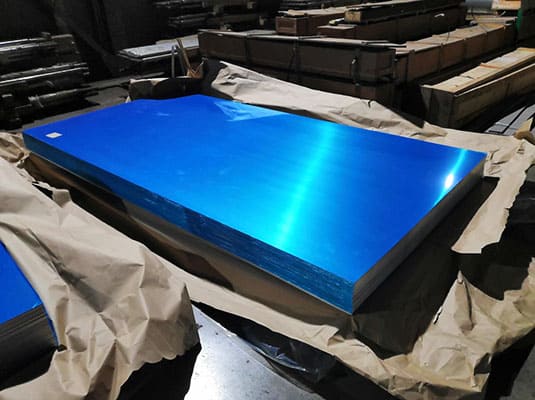
الصف البحري 5086 لوحة الألومنيوم H116
2.2 التركيب الكيميائي: كل عنصر مصمم خصيصًا للبحر
تكوين 5086 الألومنيوم, محددة بواسطة ASTM B209, في 573-3, جيجابايت/ت 3880, و جيس H4000, يعكس الهندسة البحرية المتعمدة في كل عنصر:
| عنصر | نطاق التكوين (%) | وظيفة الهندسة البحرية |
|---|---|---|
| الألومنيوم (ال) | بقية (~94.2–95.7) | المصفوفة الأولية; تشكيل وإصلاح فيلم الأكسيد السلبي |
| المغنيسيوم (ملغ) | 3.5 - 4.5 | حل الصلبة تعزيز; مقاومة التآكل بمياه البحر |
| المنغنيز (مينيسوتا) | 0.20 - 0.70 | السيطرة على بنية الحبوب; تشكيل Al₆Mn المشتت |
| الكروم (سجل تجاري) | 0.05 - 0.25 | يمنع إعادة التبلور; يستقر حدود الحبوب |
| حديد (Fe) | ≤ 0.50 | النجاسة; يشكل جسيمات Al₃Fe الكاثودية - يتم التحكم فيها بإحكام |
| السيليكون (و) | ≤ 0.40 | النجاسة; يتفاعل مع Mg في تكوين Mg₂Si |
| نحاس (النحاس) | ≤ 0.10 | تم تصغيرها بدقة - يرفع خطر التنقر والتآكل الجلفاني |
| الزنك (Zn) | ≤ 0.25 | سقف النجاسة; الزائد يحط من مقاومة SCC |
| التيتانيوم (ل) | ≤ 0.15 | صب مصفاة الحبوب; تسيطر على اتساق الممتلكات |
| آحرون (كل / المجموع) | .050.05 / .150.15 | الحد الكلي للشوائب |
2.3 تحليل السبائك المقارن للتطبيقات البحرية
يتطلب اختيار سبائك الألومنيوم البحرية المناسبة فهم موقع كل منها ضمن طيف التحسس للأداء وقابلية التشكيل:
| سبيكة | ملغ (%) | مين UTS (ح116, الآلام والكروب الذهنية) | مين نعم (ح116, الآلام والكروب الذهنية) | خطر التحسس | القابلية للتشكيل | أفضل تطبيق البحرية |
|---|---|---|---|---|---|---|
| 5052-H32 | 2.2-2.8 | 228 | 193 | منخفض جدًا | ممتاز | هيكل خفيف; غير بدن |
| 5086-ح116 | 3.5-4.5 | 270 | 193 | منخفضة-متوسطة | جيد جدًا | الجوانب العلوية من الهيكل; أشكال معقدة; هيكل ثانوي |
| 5083-ح116 | 4.0-4.9 | 303 | 214 | معتدل | جيد | هيكل البدن الأساسي; تصفيح القاع |
| 5456-ح116 | 4.7-5.5 | 317 | 228 | معتدلة عالية | عدل | بدن عالي القوة; مراقبة دقيقة |
| 5059-ح116 | 5.0-6.0 | 330 | 240 | قليل (الأمثل) | عدل | البحرية المتميزة; أعلى قوة بحرية |
| 6061-T6 | 0.8-1.2 ملغ | 310 | 276 | لا يوجد | معتدل | الهيكلية غير البحرية; تجنب غمر مياه البحر |
5086 يحتل القابلية للتشكيل الأمثل لعائلة السبائك البحرية. ينحني بسهولة أكبر من 5083, اللحامات مع تقليل قوة HAZ أقل قليلاً, ويحمل حماية تحسسية مكافئة في مزاج H116 - مما يجعله الاختيار المنطقي عندما تكون الهندسة معقدة, أشكال بدن منحنية, أو أن قابلية التشغيل على البارد الفائقة لها أهمية أكبر من قوة القوة البالغة 10-12% 5083 يوفر.
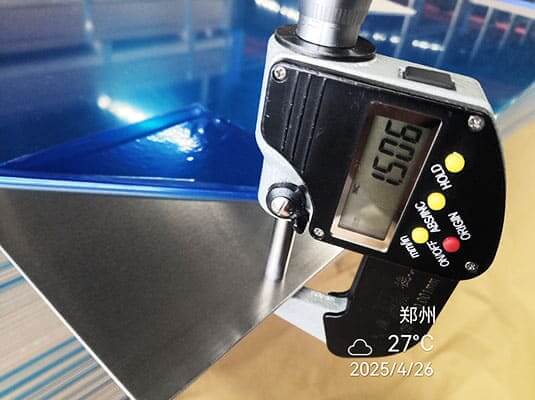
5086 قياس سماكة لوحة الألومنيوم H116
ثالثا. المزاج H116: الهندسة البحرية الخاصة 5086
3.1 مزاج ولد من الخبرة العملياتية
لم تنشأ مواصفات درجة حرارة H116 لسبائك الألومنيوم البحرية من علم المواد النظري - بل ظهرت من تاريخ موثق لحالات فشل التآكل المبكرة في السفن المصنوعة من سبائك 5xxx في درجات حرارة اجتازت مواصفات الخواص الميكانيكية ولكنها افتقرت إلى التحكم في البنية الدقيقة اللازمة لمقاومة آليات التآكل الخاصة بمياه البحر..
تقشير طلاء بدن, تكسير التآكل الإجهادي في المفاصل الملحومة, والهجوم بين الحبيبات في اللوحة التي تم حساسيتها بشكل طفيف أثناء التصنيع، ساهمت جميعها في إدراك الصناعة أن الألومنيوم البحري يحتاج إلى تصنيف مزاجي مصمم خصيصًا لمقاومة التآكل, وليس فقط حول القوة.
النتيجة — مقننة في ASTM B928 (نشرت لأول مرة 2004, تنقيحها بانتظام) - يُعرّف H116 بأنه حالة تصلب الإجهاد لسبائك سلسلة 5xxx مع ≥3% مغنيسيوم مصمم خصيصًا لتوفير مقاومة للتآكل الناتج عن التقشر والتشقق الناتج عن التآكل الإجهادي.
يتطلب المعيار إجراء اختبار التوعية على كل دفعة إنتاج, جعل H116 مزاج الألومنيوم الوحيد في الإنتاج التجاري الروتيني حيث يكون اختبار التآكل متطلبًا إلزاميًا لقبول الدفعة بدلاً من اختبار تكميلي اختياري.
3.2 مسار الإنتاج H116: العمل البارد الخاضع للرقابة
إنتاج 5086 يتطلب H116 تحكمًا دقيقًا في تقليل التبريد المطبق بعد الدرفلة على الساخن - وهي نسبة تحقق ثلاثة أهداف في الوقت نفسه والتي عادةً ما تكون في حالة توتر: قوة الشد الكافية (UTS ≥270 ميجا باسكال), ليونة كافية (استطالة ≥10%), وبنية الخلع المحددة التي تعطل التغطية المستمرة لحدود الحبوب في مرحلة بيتا.
يحافظ الانضباط الحراري الحرج أثناء الدرفلة على البارد H116 على درجة حرارة اللوحة أقل من 65 درجة مئوية طوال ممرات التخفيض البارد.
الدرفلة على البارد تولد الحرارة من خلال تشوه البلاستيك, وبدون تطبيق سائل التبريد المناسب والتبريد بين الممرات, يمكن للحرارة المتدحرجة وحدها أن تدفع اللوحة إلى نطاق التحسس - وهي عملية من شأنها أن تنتج خواص ميكانيكية مخففة بـ H116 في المواد التي بدأت بالفعل ترسيب حدود الحبوب الذي تم تصميم H116 لمنعه.
3.3 مقارنة 5086 المزاج: الفروق البحرية الحرجة
| حِدّة | تعريف | NAMLT مطلوبة | مقاومة التقشير | مقاومة SCC | الاستخدام البحري |
|---|---|---|---|---|---|
| ا | صلب بالكامل | لا | فقير | فقير | تشكيل عميق فقط; ليس لغمر مياه البحر |
| H32 | تصلب سلالة + يصلب جزئي | لا | معتدل | معتدل | ليست من الدرجة البحرية - الهيكلية العامة فقط |
| H34 | تصلب سلالة + يصلب جزئي (أعلى) | لا | معتدل | معتدل | ليست من الدرجة البحرية |
| ح116 | تصلب سلالة; تسيطر عليها البحرية | نعم (≥15 مجم/سم²) | ممتاز | ممتاز | المواصفات الهيكلية البحرية الأولية |
| ح321 | تصلب سلالة + استقر | نعم (≥15 مجم/سم²) | ممتاز | ممتاز | بديل لH116; طبق >38 مم |
| H112 | كما ملفقة; خصائص تسيطر عليها | لا | لم يتم اختباره | لم يتم اختباره | التطبيقات الهيكلية غير البحرية |
3.4 الخاصية الميكانيكية للصف البحري 5086 لوحة الألومنيوم H116
| ملكية | قيمة | معيار الاختبار | تطبيق التصميم |
|---|---|---|---|
| UTS (الحد الأدنى) | 270 الآلام والكروب الذهنية (39 ksi) | أستم E8 | قوة لوحة الهيكل; تصميم الأعضاء الهيكلية |
| قوة الغلة (0.2%) (دقيقة) | 193 الآلام والكروب الذهنية (28 ksi) | أستم E8 | حد التصميم المرن; تقييم التواء |
| استطالة (دقيقة) | 10% | أستم E8 | احتياطي ليونة لتشكيل وتحمل التأثير |
| قوة القص (عادي) | ~165 ميجا باسكال | — | تصميم القص بالبرشام واللحام |
| صلابة برينل (عادي) | 60-75 حصان | أستم E10 | التحقق من المزاج; التفتيش الوارد |
| قوة التعب (غير ملحومة, 5×10⁸) | ~117 ميجا باسكال | أستم E466 | تقييم التعب المعدني الوالدين |
| قوة التعب (وصلة ملحومة) | ~45-62 ميجا باسكال | الكود الأوروبي 9/DNV | معايير التصميم الحاكمة للهياكل البحرية |
| تأثير شاربي (-40 درجة مئوية) | >15 ج | أستم E23 | مؤهل خدمة المناخ البارد |
| معامل المرونة | 70.3 المعدل التراكمي | — | حسابات الانحراف والصلابة |
رابعا. عملية التصنيع من الدرجة البحرية 5086 لوحة الألومنيوم H116
4.1 من الذوبان إلى الشهادة البحرية: تسلسل الإنتاج
معتمد 5086 تتطلب اللوحة البحرية H116 تحكمًا منضبطًا في العملية عبر ست مراحل تصنيع, لأن الوظيفة الأساسية لمزاج H116 - وهي مقاومة التآكل من خلال البنية المجهرية الخاضعة للرقابة - يمكن تدميرها عن طريق رحلة حرارية واحدة أو تقليل البرودة غير الكافي في أي نقطة في التسلسل.
يتتبع ما يلي عملية الإنتاج بدءًا من إعداد السبائك وحتى إصدار الشهادات.
4.2 تحضير السبائك وصب التيار المستمر
ال 5086 يتم تحضير الذوبان من خلال الجمع بين الألومنيوم الأولي (≥99.7% آل) مع إضافات موزونة بدقة من معدن المغنيسيوم (تحقيق هدف 3.5-4.5% ملغم) وسبائك المنغنيز الرئيسية (0.20-0.70% هدف من المليون).
إضافة الكروم (0.05-0.25% كروم) يتطلب تحكمًا دقيقًا - فالقليل جدًا من التضحيات بوظيفة تثبيت حدود الحبوب; الكثير من المخاطر قد يؤدي إلى تكوين راسب حامل للكروم يمكن أن يؤدي إلى هشاشة السبيكة. قياس طيف الانبعاث البصري (OES) يتحقق من كيمياء الذوبان من عينات المغرفة قبل كل صب.
البرد المباشر (العاصمة) ينتج الصب شبه المستمر ألواحًا متدحرجة يبلغ سمكها عادة 400-550 مم وعرضها 1000-2000 مم.
ينتج عن معدل التصلب الذي يتم التحكم فيه في عملية DC غرامة, بنية مجهرية موحدة نسبيًا مع تدرجات تركيبية يمكن التحكم فيها - متفوقة على الخشنة, هيكل أكثر فصلًا يتم إنتاجه بواسطة طرق الصب المستمر.
لإنتاج الألواح البحرية, يعتبر صب التيار المستمر هو طريق الإنتاج المطلوب; يحاول المنتجون الصب المستمر 5086 للتطبيقات البحرية لا يمكنها تحقيق التوحيد الهيكلي المجهري المطلوب لأداء التآكل H116 المتسق.
4.3 التجانس: بناء الأساس المجهري
يؤدي التجانس عند درجة حرارة 460-510 درجة مئوية لمدة 8-18 ساعة إلى إنجاز ثلاث وظائف في وقت واحد 5086 ألواح:
القضاء على الفصل: التصلب ينتج تدرجات التكوين عبر المباعدة التغصنات (عادة 50-200 ميكرومتر). يسمح الاحتفاظ بدرجة حرارة مرتفعة بالانتشار لإعادة توزيع المغنيسيوم, المنغنيز, والكروم في توزيع أكثر اتساقا, ضمان خصائص متسقة في جميع أنحاء سمك اللوحة.
هطول الأمطار المشتتة: أثناء التبريد البطيء من درجة حرارة التجانس, جزيئات Al₆Mn وAl₁₂Mg₂Cr المشتتة (0.05-0.5 ميكرومتر) النواة والنمو. هذه الجسيمات هي عوامل البنية المجهرية المسؤولة عن تثبيط إعادة التبلور أثناء الدرفلة على الساخن ونمو الحبوب أثناء التلدين - وهي تتحكم بشكل مباشر في بنية الحبوب النهائية للوحة H116.
مرحلة عدم التوازن الذوبان: كما يلقي 5086 يحتوي على مراحل معدنية غنية بالمغنيسيوم شبه مستقرة عند حدود التغصنات. التجانس يذوب هذه في محلول صلب, تحضير بنية مجهرية موحدة للدرفلة على الساخن.
4.4 الدرفلة على الساخن: تقليل سماكة المبنى من خلال التحكم في البنية الدقيقة
بعد التجانس, ألواح مسلوخة (يتم تشكيله على السطح لإزالة الجزء الخارجي المنفصل 10-20 مم) يتم تسخينها إلى 430-500 درجة مئوية وتدحرجت على الساخن.
يعمل جدول تمرير الدرفلة على الساخن على تقليل البلاطة من حوالي 400 إلى 550 مم إلى مقياس النطاق الساخن الذي يتراوح عادة من 3 إلى 20 مم من خلال سلسلة من تمريرات الانهيار (تخفيض كبير لكل تمريرة, درجة حرارة عالية) وتمريرات التشطيب (تخفيض أصغر, درجة حرارة الخروج التي تسيطر عليها).
تعتبر درجة حرارة الخروج من الدرفلة على الساخن - درجة الحرارة التي يترك عندها الشريط منصة الدرفلة النهائية - ذات أهمية خاصة بالنسبة 5086 إنتاج H116.
إذا كانت درجة حرارة الخروج مرتفعة للغاية (أعلى من 320 درجة مئوية تقريبًا), تتم إعادة تبلور الشريط على نطاق واسع إلى بنية الحبوب الخشنة التي تنتج سطحًا رديئًا في المنتج النهائي.
إذا كانت درجة حرارة الخروج منخفضة جدًا (أقل من 220 درجة مئوية تقريبًا), إعادة البلورة غير الكاملة تترك بنية عاملة جزئيًا تسبب خصائص متغيرة بعد التلدين اللاحق.
للتناسق 5086 خصائص H116, يستهدف معظم المنتجين درجات حرارة الخروج من 250 إلى 310 درجة مئوية مع التحكم في ± 20 درجة مئوية عبر عرض الشريط.
4.5 الدرفلة على البارد إلى حالة H116
بعد تبريد الشريط الساخن إلى أقل من 100 درجة مئوية (ضمان عدم وجود توعية أثناء الفترة الانتقالية), يطبق الدرفلة على البارد التخفيض المتحكم فيه الذي يحدد H116.
يشتمل نظام الإنتاج أثناء الدرفلة على البارد على ثلاثة متطلبات متزامنة:
- التحكم في التخفيض: تحقيق نسبة التخفيض المحددة (مملوكة لكل منتج, عادة 5-20٪ ل 5086 ح116) التي تنتج UTS ≥270 ميجا باسكال, نعم ≥193 ميجا باسكال, استطالة ≥10%, وكثافة خلع كافية لـ NAMLT ≥15 مجم / سم ²
- التحكم في درجة الحرارة: حافظ على درجة حرارة اللوحة أقل من 65 درجة مئوية في جميع الأوقات - يتم التحقق منها بواسطة موازين الحرارة التلامسية الموجودة على جانب الخروج من كل ممر دحرجة على البارد
- إدارة مواد التشحيم: ضع الزيت المتداول بشكل موحد للتحكم في الاحتكاك, توليد الحرارة, ونظافة السطح - تساهم مواد التشحيم الزائدة في تلوث السطح بالهيدروكربونات مما يؤثر على التصاق الطلاء اللاحق
4.6 تكامل مراقبة الجودة: اختبار التحسس في مرحلة الإنتاج
يتطلب ASTM B928 أن تكون كل دفعة إنتاج 5086 يخضع H116 لاختبار NAMLT قبل إطلاقه. يتم تعريف "الدفعة" على أنها كل لوحة من نفس السبيكة, حِدّة, والسمك المنتج من نفس الزهر (حرارة) في نفس التسلسل المتداول.
إن التأثير العملي لمصانع الدرفلة الكبيرة التي تنتج قطعًا متعددة في وقت واحد هو أن اختبار NAMLT يمكن أن يمثل وقتًا ذا مغزى لدورة الاعتماد - عادةً ما يضيف 2-3 أيام عمل إلى جداول التسليم.
يجب على فرق المشتريات بناء هذا الجدول الزمني في جداول تسليم المواد في حوض بناء السفن بدلاً من الضغط على الموردين لإصدار الشهادة المسبقة.
تسلسل اختبار مراقبة جودة الإنتاج قبل إصدار اللوحة:
- التركيب الكيميائي (بواسطة OES): كل حرارة → قبول/رفض مقابل ASTM B209 / في 573-3 حدود
- اختبار الشد (أستم E8): كل الكثير → UTS, نعم, استطالة مقابل الحد الأدنى H116
- نملت (أستم G67): كل الكثير → فقدان الكتلة 15 مجم / سم 2
- صلابة (برينل): كل الكثير (فحص البقعة) → تأكيد نطاق 60–75 HB
- فحص الأبعاد: كل لوحة → سمك, عرض, طول, التسطيح, احدودب
- اختبار بالموجات فوق الصوتية (أستم B594): كما هو محدد → التصفيح الداخلي والكشف عن التضمين
الخامس. الخصائص الفيزيائية والميكانيكية: الملف الشخصي الكامل
5.1 مقارنة الخصائص الهيكلية: 5086 H116 مقابل. البدائل الرئيسية
فهم الصف البحري 5086 تعتبر لوحة الألومنيوم H116 بمعزل عن بعضها البعض أقل فائدة من فهمها في السياق.
مواقف المقارنة التالية 5086 H116 ضد البدائل البحرية الأكثر شيوعًا عبر الخصائص التي تحكم قرارات التصميم الهيكلي:
| ملكية | 5086-ح116 | 5083-ح116 | 5052-H32 | 6061-T6 |
|---|---|---|---|---|
| دقيقة UTS (الآلام والكروب الذهنية) | 270 | 303 | 228 | 310 |
| نعم دقيقة (الآلام والكروب الذهنية) | 193 | 214 | 193 | 276 |
| استطالة دقيقة (%) | 10 | 10 | 12 | 8 |
| كثافة (ز / سم³) | 2.66 | 2.66 | 2.68 | 2.70 |
| ه (المعدل التراكمي) | 70.3 | 70.3 | 70.3 | 68.9 |
| هاز نعم (اكتب., الآلام والكروب الذهنية) | ~105 | ~115 | ~90 | ~ 160 (مكافئ T4.) |
| دقيقة نصف قطر الانحناء (3لوحة مم) | ~1.5 طن | ~2t | ~1t | ~2.5 طن |
| تآكل مياه البحر | ممتاز | ممتاز | جيد جدًا | معتدل |
| خطر التحسس | منخفضة-متوسطة | معتدل | منخفض جدًا | لا يوجد |
| مطلوب ASTM B928 | نعم | نعم | لا | لا |
يكشف صف قوة الخضوع HAZ عن إحدى مزايا 5086 التي لا تحظى بالتقدير: خصائص HAZ المشتركة الملحومة, بينما أقل من اللوحة الأم, قارن بشكل إيجابي مع قيم HAZ الخاصة بـ 5083 لأن قوة إنتاجية البداية المنخفضة تترجم إلى نسبة كفاءة مشتركة HAZ أكثر ملائمة.
للوحة الهيكلية حيث يتم لحام كفاءة المفاصل (هاز نعم / الوالد نعم) يحكم التصميم, 5086 يحقق تقريبا 54% الكفاءة المشتركة مقابل تقريبا 54% ل 5083 - يعادل في الأساس.
لكن, مستوى التوتر المطلق في 5086 هاز (~105 ميجا باسكال) أقل, مما يعني أنه بالنسبة لحمل هيكلي معين, 5086 تتطلب وصلات HAZ لوحة أكثر سمكًا قليلًا أو مسافة تقوية أقرب من المكافئة 5083 اتصالات.
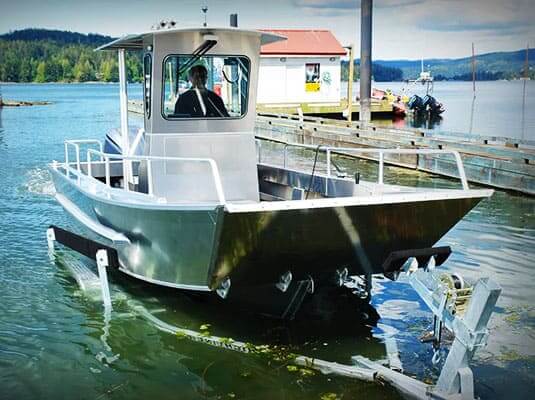
5086 لوحة الألومنيوم H116 لهياكل المراكب الشراعية
5.2 الخصائص الفيزيائية للتصميم البحري
| ملكية | قيمة | وحدة | آثار التصميم البحري |
|---|---|---|---|
| كثافة | 2.66 | ز / سم³ | 34% من الفولاذ; تمكن بناء بدن خفيف الوزن |
| معامل المرونة | 70.3 | المعدل التراكمي | أقل من الفولاذ; يحكم الانحراف في الألواح الكبيرة |
| معامل القص | 26.4 | المعدل التراكمي | صلابة الالتوائية; تصميم لوحة القص التواء |
| معامل التمدد الحراري | 23.8 | ميكرومتر / م · درجة مئوية | متطلبات تصميم المفاصل الحرارية الاستوائية إلى القطب الشمالي |
| توصيل حراري | 127 | W / م · ك | توزيع الحرارة; تحليل هندسة الحرائق |
| التوصيل الكهربائي | 31 | % IACS | تصميم التوزيع الحالي للحماية الكاثودية |
| نطاق الانصهار | 585-641 | درجة مئوية | السلامة من الحرائق: أقل من الفولاذ; هناك حاجة إلى الحماية السلبية |
| السعة الحرارية محددة | 900 | ي/كغ · ك | الكتلة الحرارية لحساب مدة الحريق |
كثافة 2.66 g/cm³ هو الرقم الذي يحرك في نهاية المطاف حالة الأعمال بالنسبة للألمنيوم بدلاً من الفولاذ في معظم التطبيقات البحرية.
ترجمة هذا إلى مقارنة الوزن الهيكلي للبدن: أ 5086 تزن لوحة الهيكل H116 ذات صلابة الانحناء المكافئة للوحة الفولاذ البحرية ما يقرب من 45-55٪ من وزن اللوحة الفولاذية.
على متن سفينة ترفيهية طولها 15 مترًا, يؤدي هذا التوفير في الوزن بمقدار 600-900 كجم في هيكل الهيكل إلى تقليل استهلاك الوقود بشكل مباشر بنسبة 15-22% تقريبًا عند سرعة الإبحار - وهو اقتصاد تشغيلي كبير على مدار عمر خدمة السفينة الذي يتراوح بين 20 إلى 30 عامًا.
5.3 القابلية للتشكيل: 5086المفاضلة التنافسية
5086 انتهت ميزة قابلية التشكيل لـ H116 5083 H116 ليس دقيقًا، بل هو السبب الهندسي الأساسي الذي يجب تحديده 5086 عندما تكون هندسة الهيكل المعقدة مطلوبة.
الآلية الكامنة وراء الميزة واضحة ومباشرة: 5086انخفاض محتوى المغنيسيوم (3.5-4.5% مقابل. 4.0-4.9% ل 5083) تنتج قوة إنتاجية أقل, وتترجم قوة الخضوع المنخفضة بشكل مباشر إلى قابلية تشكيل باردة أفضل لأن الضغط المطلوب لتشويه المادة من الناحية اللدنة يكون أقل بالنسبة إلى إجهاد الكسر.
مقارنة الحد الأدنى لنصف قطر الانحناء (سمك المادة 4 مم):
| اتجاه الانحناء | 5086-ح116 | 5083-ح116 | ميزة |
|---|---|---|---|
| عرضية لاتجاه المتداول | 1.5ر (6 مم) | 2ر (8 مم) | 5086: 25% نصف قطر أضيق |
| بالتوازي مع اتجاه المتداول | 2ر (8 مم) | 2.5ر (10 مم) | 5086: 20% نصف قطر أضيق |
لبناء الهيكل الذي يتضمن زوايا ارتفاع مميتة واضحة, الجوانب العلوية المشتعلة, أقسام القوس المنحنية المركبة, ومنعطفات الآسن ذات نصف القطر الضيق, تعتبر ميزة القابلية للتشكيل هذه حاسمة من الناحية التشغيلية.
المصنعين الذين يعملون مع 5086 أبلغ H116 عن حوادث تشقق أقل بنسبة 30-40٪ أثناء الانحناء البارد لإطارات الهيكل وألواح هيكل الهيكل مقارنةً بما يعادلها 5083 عمليات H116 - تحسين الجودة والإنتاجية الذي يعوض الفرق المتواضع في تكلفة المواد بين السبيكتين.
5.4 خصائص تصميم التعب للهياكل البحرية
خصائص التعب المشترك الملحومة 5086 H116 يتبع نفس الكود الأوروبي 9 / إطار منحنى DNV S-N كما 5083 ح116, نظرًا لأن كلاهما عبارة عن سبائك ألومنيوم ملحومة ويعتمد أداء الكلال للمفاصل الملحومة بشكل أساسي على هندسة اللحام وجودته بدلاً من اعتماده على السبيكة المحددة:
| التفاصيل الهيكلية | فئة التفاصيل Δσ_C (الآلام والكروب الذهنية) | موقع الممثل هال |
|---|---|---|
| لوحة الوالدين, بعيد عن اللحامات | 70 | منتصف اللوحة, بعيدا عن التقوية |
| اختراق كامل بعقب اللحام (الجودة أ) | 40-50 | بدن سترايك المفاصل الطولية |
| اختراق كامل بعقب اللحام (الجودة ب) | 35-45 | الإطار والمفاصل العرضية |
| إنهاء المصلب - مع قوس | 28-35 | اتصالات نهاية الإطار |
| إنهاء المصلب - بدون قوس | 20-28 | نهايات تقوية قصيرة |
| لحام فيليه, مفصل صليبي | 25-32 | مرفق الأجهزة سطح السفينة |
حاسمة, 5086 و 5083 توفر الوصلات الملحومة في نفس فئة التفاصيل عمر إجهاد مكافئًا عند نطاقات إجهاد مكافئة.
لا يؤثر الاختيار بين السبيكتين بشكل كبير على نتيجة تصميم الكلال, بشرط أن تكون جودة اللحام وهندسة التفاصيل متكافئة.
ويعني هذا التكافؤ أن المصممين يمكنهم الاستبدال بحرية 5086 ل 5083 في التطبيقات الهيكلية التي يحكمها التعب دون إعادة تصميم تفاصيل اللحام - وهو تبسيط عملي مهم.
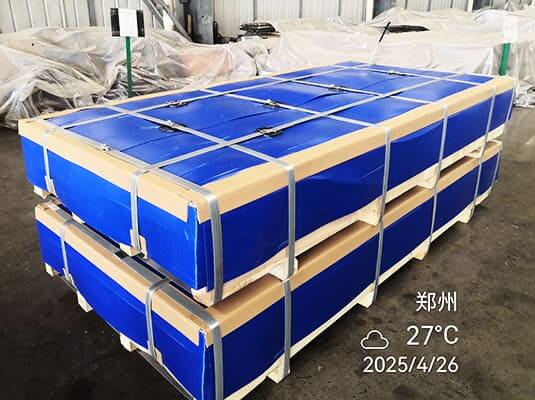
تغليف الصادرات من الدرجة البحرية 5086 لوحة الألومنيوم H116
سادسا. أداء التآكل البحري: التحليل العلمي
6.1 5086الموقع الكهروكيميائي في مياه البحر
الصف البحري 5086 تعمل لوحة الألومنيوم H116 في مياه البحر على تطوير إمكانات الدائرة المفتوحة الطبيعية (OCP) ما يقرب من .80.85 فولت مقابل قطب الكالوميل المشبع (لجنة الخبراء الدائمة) - أكثر نبلا قليلا (إيجابي) من 5083 (حوالي −0.87 فولت), مما يعكس محتوى المغنيسيوم أقل قليلاً.
هذا الاختلاف البسيط غير مهم عمليًا بالنسبة لمعظم أغراض التصميم البحري, حيث أن كلا السبيكتين تحتلان نفس الموقع العام في السلسلة الجلفانية وتستجيبان بشكل مماثل لنفس أنظمة الحماية الكاثودية.
الفيلم السلبي على 5086 في مياه البحر رقيقة (2-8 نانومتر), طبقة أكسيد الألومنيوم غير المتبلورة التي تتشكل تلقائيًا عند التعرض لبيئات تحتوي على الأكسجين وتحافظ على نفسها من خلال توازن ديناميكي بين الذوبان وإعادة التنشيط.
مقياس الأداء الرئيسي هو تأليب المحتملة - الإمكانات الكهروكيميائية التي تتبلور فوقها الحفر - وإمكانية تأليب 5086 في مياه البحر عند 25 درجة مئوية تقع عند حوالي -0.65 إلى .70.75 فولت مقابل SCE.
منذ OCP الطبيعي (-0.85 فولت) هو أكثر سلبية بكثير من تأليب المحتملة, 5086 في خدمة مياه البحر العادية تعمل بحوالي 100-200 مللي فولت من الحماية الكاثودية من إمكاناتها الكبيرة - وهي منطقة عازلة ذاتية الحماية توفر مقاومة أساسية لنواة الحفرة.
6.2 أوضاع التآكل الثلاثة الحرجة وآليات الدفاع 5086
التآكل التقشيري: الدفاع الأساسي H116
يهاجم التقشير سبائك 5xxx من خلال الممدود, حدود الحبوب على شكل فطيرة تنتج عن طريق التدحرج - يؤدي اختراق مياه البحر بين الحبيبات إلى رفع طبقات الصفائح المتعاقبة تدريجيًا على طول المستويات المتدحرجة, خلق مميزة متقرح, المظهر التصفيحي الذي يعطي التقشير اسمه.
تتطلب الآلية ثلاثة شروط في وقت واحد: شبكة حدود الحبوب الحساسة (تغطية مستمرة لمرحلة بيتا); المنحل بالكهرباء (مياه البحر) قادرة على اختراق حدود الحبوب; والقيود الهندسية للحبيبات المطولة التي تجبر توسع منتج التآكل على التعبير عن التصفيح بين الطبقات بدلاً من الهجوم العام المشتت.
5086 يهاجم H116 هذه الآلية في أول شرط مسبق لها. من خلال التحكم في تقليل البرد لإنتاج توقف, توزيع طور بيتا لحدود الحبوب المتقطعة, يزيل مزاج H116 المسار الحبيبي المستمر الذي تتطلبه مياه البحر للتقشير التدريجي.
بالإضافة إلى ذلك, 5086انخفاض محتوى المغنيسيوم (عكس 5083) يعني أنه حتى بدون التحكم في المزاج H116, تميل مرحلة بيتا لحدود الحبوب إلى التشكل بشكل أبطأ وبنمط أكثر انقطاعًا - مما يوفر هامشًا إضافيًا من الأمان يفسر السبب 5086 في المزاج H32 يُظهر مقاومة تقشير أفضل من 5083 في المزاج H32, على الرغم من عدم تلبية متطلبات شهادة ASTM B928.
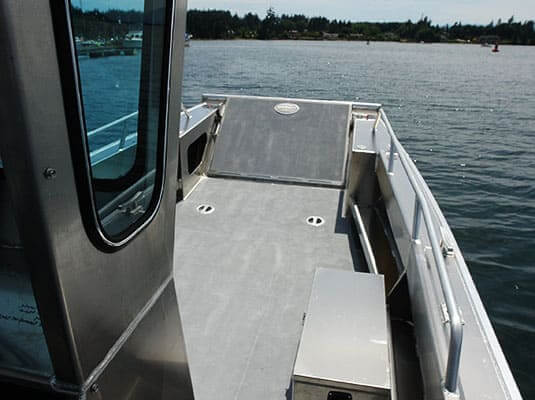
سطح السفينة المستخدمة 5086 لوحة الألومنيوم H116
تصدع الإجهاد (SCC): أين 5086 يتفوق 5083
تجمع SCC بين إجهاد الشد المستدام وبيئة تآكل نشطة لنشر الشقوق عند شدة إجهاد أقل بكثير من صلابة الكسر للمواد غير المضغوطة.
في سبائك 5xxx الحساسة, يمكّن فيلم الطور بيتا المستمر لحدود الحبوب من انتشار صدع الأنوديك. 5086 تستفيد مقاومة SCC الخاصة بـ H116 من آليتين معززتين: اضطراب المزاج H116 في المرحلة بيتا المستمرة لحدود الحبوب (نفس الشيء بالنسبة للتقشير), وحركية التحسس الأبطأ بطبيعتها لمحتوى المغنيسيوم المنخفض.
البيانات المنشورة من اختبار SCC طويل المدى لـ 5086 يُظهر H116 مقاومة للتشقق عند مستويات ضغط مستمرة تصل إلى 60% قوة الخضوع في اختبار الغمر البديل (أستم G44) - متفوق على 5083 ح116 (عادة ما تكون مقاومة لما يقرب من 50% من قوة الخضوع) ويتفوق بشكل كبير على مادة H32 الحساسة (والتي يمكن أن تتشقق عند 20-25٪ من قوة الخضوع).
لهياكل الهيكل التي تحمل ضغوط لحام متبقية تبلغ 30-50 ميجا باسكال, هامش مقاومة SCC هذا كافٍ للخدمة البحرية العادية - ولكنه ليس غير محدود. إن أي إجهاد شد مستدام مقترنًا ببيئة حرارية معززة للحساسية يستحق الاهتمام الهندسي.
تآكل التآكل: الهجوم الأساسي بمياه البحر
يبدأ التنقر في المواقع التي يكون فيها الفيلم السلبي أضعف: واجهات مصفوفة الجسيمات المعدنية, نقاط ظهور حدود الحبوب, والخدوش السطحية التي تكشف الألومنيوم الطازج.
للصف البحري 5086 لوحة الألومنيوم H116, مواقع بدء الحفرة السائدة هي الجسيمات المعدنية Al₃Fe وAl₆Mn, وهي كاثودية لمصفوفة الألومنيوم وتنتج خلايا كلفانية محلية تعمل على إذابة الألومنيوم المحيط.
الحد الأقصى لشوائب الحديد هو .50.50% 5086 (مقابل .40.40% ل 5083) يعني ذلك 5086 يمكن أن يحتوي من حيث المبدأ على المزيد من جزيئات Al₃Fe - وهو عيب بسيط في مقاومة التآكل مقارنة بـ 5083. في الممارسة العملية, معظم الصف البحري 5086 المنتجون يحتفظون بالحديد بالأسفل 0.30%, مما يجعل هذا الاختلاف النظري لا يكاد يذكر.
بيانات اختبار الغمر على المدى الطويل ل 5086 في مياه البحر الاصطناعية (أستم D1141) يوضح متوسط أعماق الحفرة من 0.10 إلى 0.25 ملم بعد ذلك 5 سنوات - معدل تآكل يتراوح بين 0.02-0.05 مم/سنة يستوعب بشكل مريح احتياطي سمك اللوحة المتوفر في طلاء الهيكل البحري.
سابعا. التطبيقات البحرية وأنواع السفن
7.1 القوارب الترفيهية والرياضية: مجال التطبيق المهيمن
يمثل سوق القوارب الترفيهية النسبة الأكبر من 5086 استهلاك H116 على مستوى العالم, مدفوعًا بمزيج استثنائي من القابلية للتشكيل, مقاومة التآكل بمياه البحر, وكفاءة الوزن لأنواع وأحجام السفن التي تهيمن على البناء الترفيهي (6–18 م).
قوارب صيد الألمنيوم البحرية في نطاق 6-12 مترًا يمثل النموذج الأصلي 5086 تطبيق H116. تحتاج هذه السفن إلى هياكل منحنية مركبة ذات ارتفاع واضح (عادة 18-24 درجة) والأقواس المتوهجة لحفظ البحر بعيدًا عن الشاطئ, مقاومة التآكل بمياه البحر للجوانب العلوية التي قد لا يتم طلاؤها لسنوات بين عمليات التجديد, وقوة هيكلية كافية للخدمة البحرية دون الوزن الزائد الذي من شأنه أن يؤثر على الأداء مع محطات توليد الطاقة الخارجية أو محركات المؤخرة الأصغر حجمًا. الصف البحري 5086 تلبي لوحة الألومنيوم H116 بمقياس 3.0-5.0 مم جميع المتطلبات الثلاثة في وقت واحد.
هياكل المراكب الشراعية تقديم بعض التحديات الأكثر تعقيدًا من الناحية الهندسية في بناء القوارب المصنوعة من الألومنيوم - العارضة المنجرفة, أقسام رافدة منحنية, الجوانب العلوية المشتعلة, وtumblehome الواضحة كلها تتطلب انحناءًا بنصف قطر محكم 5086 يتعامل بشكل أكثر موثوقية من 5083. بالإضافة إلى ذلك, تكون الأحمال الهيكلية للمراكب الشراعية عمومًا أقل من أحمال القوارب السريعة ذات الطول المكافئ (لا الصفع; سرعة أقل), صنع 10% فرق قوة الخضوع بين 5086 و 5083 غير ذي صلة من الناحية الهيكلية لمعظم تطبيقات السفن الشراعية. يقوم صانعو المراكب الشراعية المصنوعة من الألومنيوم ذوي الخبرة - بما في ذلك المتخصصين في أوروبا ونيوزيلندا - بتحديد ذلك باستمرار 5086 H116 للجوانب العلوية والهيكل فوق خط الماء, الحجز 5083 H116 لمناطق ربط العارضة وطلاء خط الماء/القاع حيث تبرر المتطلبات الهيكلية القوة الإضافية.
الكونسول الوسطي والقوارب المتجولة (7-10 م) الاستفادة من قابلية تشكيل 5086 عند إنتاج هياكل وحدة التحكم ذات الجوانب العميقة, يحيط بصندوق السمك, وأقسام لوح الطفو التي تحدد أنواع الهياكل هذه. أبلغ عمال البناء عن عدد أقل بكثير من إصلاحات اللحام الناتجة عن التشقق أثناء تشكيل هذه التشكيلات المعقدة عند الاستخدام 5086 H116 مقابل 5083 H116 — توفير مباشر في تكلفة الإنتاج يعوض أي علاوة طفيفة في تكلفة المواد.
7.2 قوارب العمل التجارية: الجمع بين الأداء الهيكلي وقابلية التشكيل
قوارب العمل التجارية – العملية, السفن النفعية التي تخدم المنصات البحرية, طاقم النقل, إجراء المسوحات, ودعم عمليات الموانئ - يمثل مجال الاستهلاك الرئيسي الثاني لـ 5086 ح116.
سفن نقل الطاقم (CTVs) لصيانة مزرعة الرياح البحرية، يوضح استراتيجية تحسين اختيار السبائك بشكل أكثر وضوحًا. نموذجي 24 غالبًا ما يستخدم تصميم بدن CTV 5083 ح116 (6-8 ملم) بالنسبة للطلاء السفلي - حيث تفرض أحمال الضرب الناتجة عن الوصول المتكرر للتوربينات في حالات البحر المنخفض ضغوطًا دورية عالية - و 5086 ح116 (5-6 ملم) للجوانب العلوية وألواح البنية الفوقية, حيث يسمح الطلب الهيكلي المنخفض باستخدام سبيكة أكثر قابلية للتشكيل وحيث تستفيد هندسة أماكن إقامة الطاقم المعقدة من قدرة نصف قطر الانحناء الأكثر إحكامًا في 5086.
قوارب الإرشاد ومراكب خدمة الميناء (12-22 م) تقديم ظروف مواتية بشكل خاص ل 5086 ح116: الأحمال الهيكلية المعتدلة (النزوح بدلا من تخطيط العملية في معظم الحالات), أشكال الهيكل المعقدة نموذجية لتصميم الإزاحة المستديرة, وخراطيم المياه العذبة المنتظمة للجوانب العلوية التي تميز صيانة سفن الميناء. انخفاض خطر التحسس 5086 H116 مقابل 5083 هي ميزة ثانوية في سفن الموانئ التي تخضع للتنظيف بالبخار على سطح السفينة - وهو تعرض محتمل لدرجة حرارة التحسس وهو غائب تمامًا عن مواصفات سبائك بناء الهيكل في معظم أحواض بناء السفن.
7.3 الهياكل البحرية والتطبيقات البحرية
ما وراء هياكل القوارب نفسها, 5086 تعمل لوحة H116 على نطاق واسع في التطبيقات الهيكلية البحرية حيث يتم تقدير مقاومة الألومنيوم للتآكل وخفة الوزن ولكن الأداء الهيكلي الأقصى يكون ثانويًا:
أرصفة أصابع المارينا العائمة والطوافات يستخدم 5086 H116 لمقاومتها الاستثنائية للتآكل في البيئة العدوانية لمياه المارينا (ارتفاع مستويات الملوثات الناجمة عن انسكابات الوقود, جريان الطلاء المضاد للحشف, والتلوث العضوي من السفن الراسية). إن المتطلبات الهيكلية المنخفضة لبناء الرصيف العائم تجعل القوة الإضافية لـ 5083 غير ضرورية, بينما تعمل قابلية التشكيل 5086 على تبسيط تصنيع الأشكال العائمة وأقواس التوصيل التي تميز أنظمة رصيف المرسى.
ممرات المنصات البحرية, الدرابزين, وشبكات — حيث تكون الوظيفة الأساسية هي مقاومة التآكل وسلامة الأفراد بدلاً من استخدام حمل الأحمال الهيكلية 5086 H116 لمزيجها من القوة الكافية (كافية لتحميل الممشى وفقًا للرموز المعمول بها), مقاومة ممتازة للتآكل بدون طلاء (تقليل الصيانة في المواقع البحرية النائية), وخفيفة الوزن (تقليل الوزن الساكن المفروض على هيكل الجانب العلوي للمنصة).
الممرات ومنحدرات الوصول بالنسبة للنقل من السفينة إلى المنصة ومن السفينة إلى الشاطئ، تتطلب قابلية التشكيل الحالية هذا التفضيل 5086: الأقسام المفصلية, قضبان توجيه منحنية, تتطلب منصات الهبوط الزاوية لأنظمة الممرات الحديثة عمليات ثني حيث يتيح نصف قطر الانحناء الأدنى الأكثر إحكامًا لـ 5086 تصميمات تتطلب التلدين المسبق 5083.
بينما 5083 يهيمن H116 على التطبيقات الهيكلية الأساسية للهيكل في بناء السفن البحرية, 5086 يجد H116 استخدامًا كبيرًا في الهيكل الثانوي والبنية الفوقية للسفن البحرية:
لوحات البنية الفوقية والمرفقات تستفيد زوارق الدوريات السريعة وسفن الدعم من قابلية تشكيل 5086 عند إنتاج السفن غير المستوية, الأسطح المركبة المنحنية التي تميز جماليات البنية الفوقية للسفن البحرية الحديثة (مصممة لتقليل المقطع العرضي للرادار). يحدد المهندسون البحريون المصممون وفقًا لمعايير التخفي المنحنية, ألواح البنية الفوقية ذات الزوايا التي تتحدى المصنعين الذين يعملون بها 5083; الانتقال الى 5086 لهذه العناصر تحسن بشكل كبير معدلات نجاح تصنيع التمريرة الأولى.
سفينة مكافحة الألغام (إم سي إم في) هيكل مساعد - الألواح غير الهيكلية, فواصل السكن الداخلية, أغلفة آلات سطح السفينة - الاستخدامات المتكررة 5086 H116 حيث يكون تخفيض الوزن ومقاومة التآكل أمرًا مهمًا ولكن الأداء الهيكلي الأقصى لا يهم. المتطلبات غير المغناطيسية التي تدفع اختيار مادة هيكل MCMV إلى الألومنيوم (أو جي آر بي) ينطبق أيضًا على البنية الثانوية, تحضير 5086 نوبة طبيعية.
حرفة برمائية مجتمعة البناء تستخدم الاستراتيجيات بشكل متزايد 5086 H116 للجوانب العلوية, الألواح الجانبية المنحدرة, وهيكل مقصورة الطاقم, الحجز 5083 H116 للهيكل السفلي والإطارات الهيكلية التي تحمل الأحمال المركزة لتحميل المركبات أثناء عمليات الهبوط على الشاطئ.
الثالث عشر. معايير الجودة, اختبارات, والشهادة
درجة بحرية معتمدة 5086 تقع لوحة الألومنيوم H116 ضمن إطار المعايير التكميلية التي تتناول التركيب, ملكيات, التوعية, والتوثيق:
| معيار | هيئة الإصدار | نِطَاق | المتطلبات الحاسمة ل 5086 |
|---|---|---|---|
| أستم B928 | ASTM الدولية | 5سبائك xxx للخدمة البحرية | NAMLT ≥15 ملغم/سم² في كل دفعة |
| ASTM B209 | ASTM الدولية | آل ورقة ولوحة: الأبعاد والخصائص | التركيب الكيميائي; الخواص الميكانيكية |
| أستم G67 | ASTM الدولية | اختبار التحسس NAMLT | إجراءات الاختبار للامتثال B928 |
| أستم G66 | ASTM الدولية | اختبار تقشير الأصول | التقييم البصري لمقاومة التقشير |
| في 485 | سين | ورقة/لوحة أوروبية: الأبعاد والتسامح | إطار التسامح الأبعاد |
| في 573-3 | سين | معايير تكوين السبائك الأوروبية | 5086 حدود التكوين |
| ميل-DTL-24093 | وزارة الدفاع الأمريكية | الألومنيوم البحري العسكري | التأهيل المادي للسفن البحرية |
| في 10204 | سين | أنواع شهادات المواد | 3.1 / 3.2 وثائق الشهادة |
تاسعا. خاتمة
الاستنتاج الأكثر أهمية لهذا الفحص الشامل هو إعادة صياغة كيفية استخدام الصف البحري 5086 يُنظر إلى لوحة الألومنيوم H116. كثيرا ما يوصف بأنه "البديل الأقل قوة ل 5083 للتطبيقات التي تكون فيها القوة المنخفضة مقبولة,"الدرجة البحرية 5086 يتم فهم لوحة الألومنيوم H116 بشكل أكثر دقة على أنها اختيار المواد الدقيقة للتطبيقات التي تتميز بقابلية تشكيل فائقة, مقاومة مكافئة للتآكل البحري على المدى الطويل في درجة حرارة H116 المعتمدة, وتتحد قوة التوعية الأفضل بشكل هامشي لتقديم نتائج هندسية أفضل من 5083 سوف يحقق H116.
التطبيقات التي تستفيد منها تحديدا 5086 H116 عديدة وذات أهمية تجارية: قوارب ترفيهية مصنوعة من الألومنيوم ذات أشكال بدن معقدة (القطاع الأكبر حجمًا في استهلاك الألمنيوم البحري), هياكل المراكب الشراعية والجوانب العلوية, هيكل ثانوي لقارب العمل التجاري, هياكل الألومنيوم منصة البحرية, استراتيجيات بناء هيكل سبائك مختلطة, وسوق السفن الكهربائية التي تعمل بالبطاريات والتي تشهد توسعًا سريعًا. في كل هذه التطبيقات, 5086 H116 ليس حلاً احتياطيًا، بل هو الحل الهندسي الصحيح.
عملية إنتاج الصب وإدخالها
الغرض من الصهر والصب هو إنتاج سبائك ذات تركيبة مرضية ونقاوة عالية للذوبان, وذلك لخلق ظروف مواتية لصب السبائك ذات الأشكال المختلفة.
خطوات عملية الصهر والصب: التجميع --- تغذية --- ذوبان --- التقليب بعد الذوبان, إزالة الخبث --- أخذ العينات قبل التحليل --- مضيفا سبيكة لضبط التكوين, التقليب --- تكرير --- إعداد ثابت —— توجيه صب الفرن.
عملية إنتاج الدرفلة على الساخن وتقديمها
- 1. يشير الدرفلة على الساخن عمومًا إلى التدحرج فوق درجة حرارة إعادة التبلور المعدني;
- 2. أثناء عملية الدرفلة على الساخن, يحتوي المعدن على عمليات تصلب وتليين. بسبب تأثير سرعة التشوه, طالما أن عملية الاسترداد وإعادة التبلور قد فات الأوان, سيكون هناك بعض تصلب العمل;
- 3. إعادة بلورة المعدن بعد الدرفلة الساخنة غير مكتملة, إنه, التعايش بين الهيكل المعاد بلوره والهيكل المشوه;
- 4. يمكن للدرفلة على الساخن تحسين أداء معالجة المعادن والسبائك, تقليل أو إزالة عيوب الصب.
- 1. تتراوح درجة حرارة الصب والدرفلة بشكل عام بين 680 درجة مئوية و 700 درجة مئوية. كلما انخفض كلما كان ذلك أفضل, عادة ما يتوقف خط الصب والدرفلة المستقر مرة واحدة في الشهر أو أكثر لإعادة الوقوف. أثناء عملية الإنتاج, من الضروري التحكم الصارم في مستوى السائل في الخزان الأمامي لمنع انخفاض مستوى السائل;
- 2. يستخدم التزييت مسحوق C مع احتراق غير كامل للغاز للتزييت, وهو أيضًا أحد أسباب اتساخ سطح مواد الصب والدرفلة;
- 3. سرعة الإنتاج بشكل عام ما بين 1.5m / min-2.5m / min;
- 4. جودة سطح المنتجات التي يتم إنتاجها عن طريق الصب والدرفلة منخفضة نسبيًا بشكل عام, وعمومًا لا يمكنها تلبية المنتجات ذات متطلبات الأداء الفيزيائية والكيميائية الخاصة.
- 1. يشير الدرفلة على البارد إلى طريقة إنتاج الدرفلة تحت درجة حرارة إعادة التبلور;
- 2. لن يكون هناك إعادة بلورة ديناميكية أثناء عملية الدرفلة, وسترتفع درجة الحرارة إلى درجة حرارة الاسترداد على الأكثر, وستظهر الدرفلة على البارد في حالة تصلب العمل, وسيكون معدل تصلب العمل كبيرًا;
- 3. تتميز الصفيحة والشريط المدلفن على البارد بدقة أبعاد عالية, جودة سطح جيدة, هيكل وأداء موحد, والمنتجات في مختلف الحالات يمكن الحصول عليها بالمعالجة الحرارية;
- 4. يمكن أن تتدحرج الدرفلة على البارد شرائح رقيقة, و لكن في نفس الوقت, لها عيوب الاستهلاك العالي للطاقة للتشوه والعديد من ممرات المعالجة.
- 1. التشطيب هو طريقة معالجة لجعل الصفيحة المدرفلة على البارد تلبي متطلبات العميل, أو لتسهيل المعالجة اللاحقة للمنتج;
- 2. يمكن لمعدات التشطيب تصحيح العيوب الناتجة في عملية إنتاج الدرفلة على الساخن والدرفلة على البارد, مثل حافة متصدع, زيتي, شكل لوحة رديئة, الإجهاد المتبقي, إلخ. يحتاج إلى التأكد من عدم ظهور أي عيوب أخرى في عملية الإنتاج;
- 3. هناك العديد من معدات التشطيب, بما في ذلك بشكل رئيسي عرضية, الشق, التمدد والاستقامة, فرن التلدين, انزلق, إلخ.
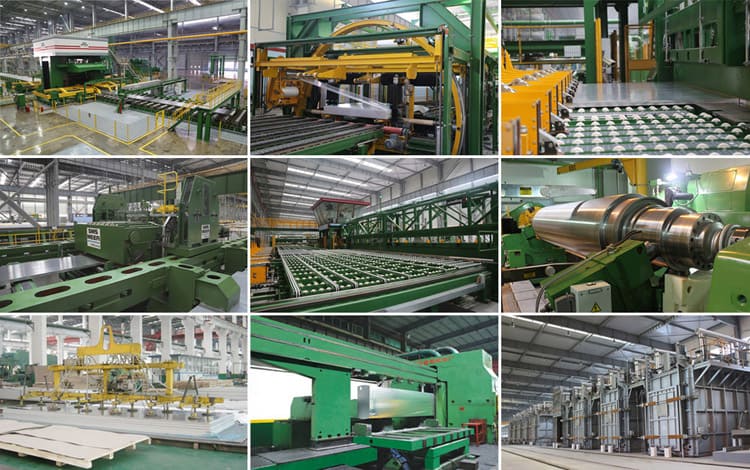
عملية الصب والدرفلة
عملية الصب والدرفلة: المعدن السائل, الصندوق الأمامي (التحكم في مستوى السائل), آلة الصب والدرفلة (نظام تشحيم, مياه التبريد), آلة قص, آلة اللف.
عملية إنتاج الدرفلة على البارد
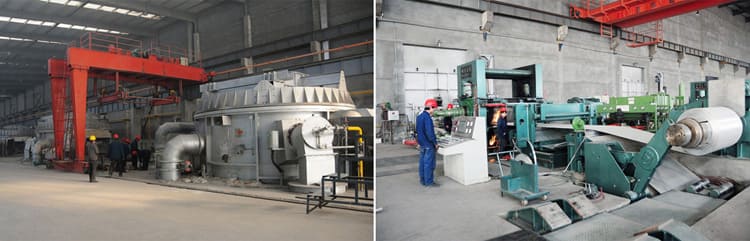
مقدمة في إنهاء عملية الإنتاج
سبائك الألومنيوم لها خصائص الكثافة المنخفضة, خصائص ميكانيكية جيدة, أداء معالجة جيد, غير سام, سهل إعادة التدوير, الموصلية الكهربائية ممتازة, مقاومة انتقال الحرارة والتآكل, لذلك لديها مجموعة واسعة من التطبيقات.
الفضاء: تستخدم في صناعة جلود الطائرات, إطارات جسم الطائرة, العوارض, الدوارات, مراوح, خزانات الوقود, لوحات الحائط ودعامات الهبوط, وكذلك حلقات تزوير الصواريخ, لوحات الحائط المركبة الفضائية, إلخ.
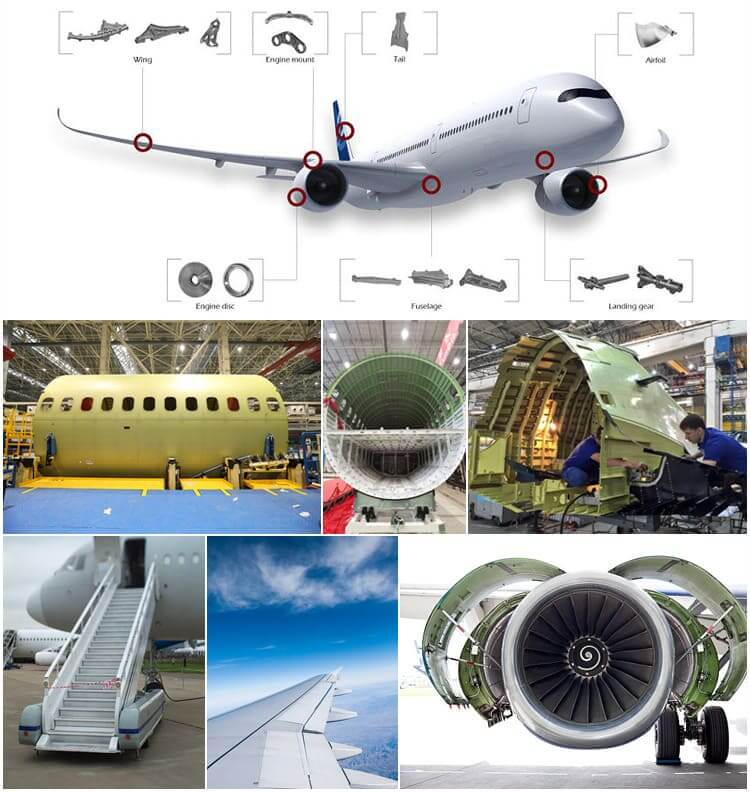
سبائك الألومنيوم المستخدمة في صناعة الطيران
مواصلات: تستخدم لمواد هيكل السيارة من السيارات, مركبات مترو الانفاق, سيارات ركاب السكك الحديدية, سيارات ركاب عالية السرعة, الأبواب والنوافذ, الرفوف, أجزاء محرك السيارات, مكيفات الهواء, مشعات, ألواح الجسم, عجلات ومواد السفن.
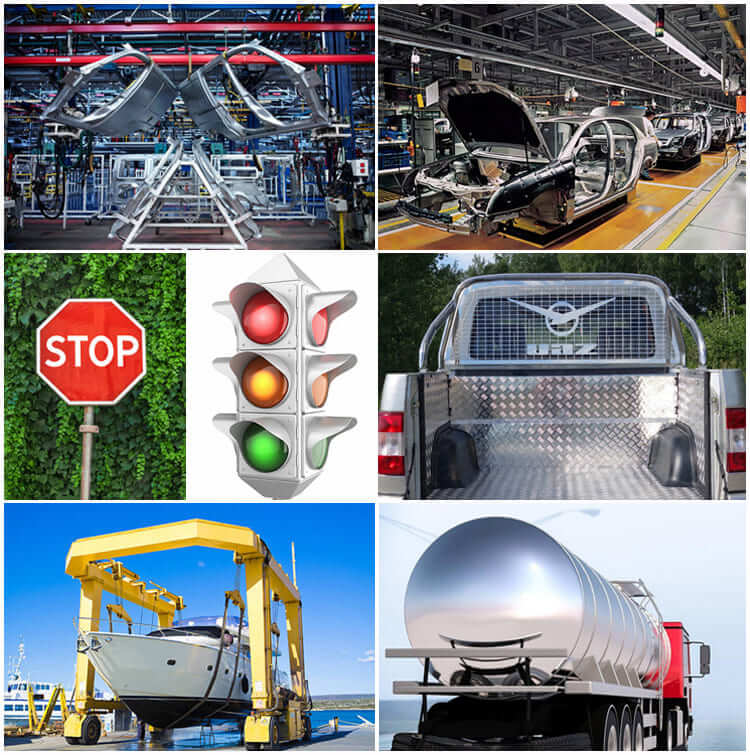
تطبيق المرور
التعبئة والتغليف: تُستخدم علب البوب المصنوعة من الألمنيوم بشكل أساسي كمواد تعبئة معدنية على شكل ألواح رقيقة ورقائق, وتصنع في علب, اغطية, زجاجات, براميل, ورقائق التغليف. تستخدم على نطاق واسع في تعبئة المشروبات, طعام, مستحضرات التجميل, الأدوية, السجائر, منتجات صناعية, الأدوية, إلخ.
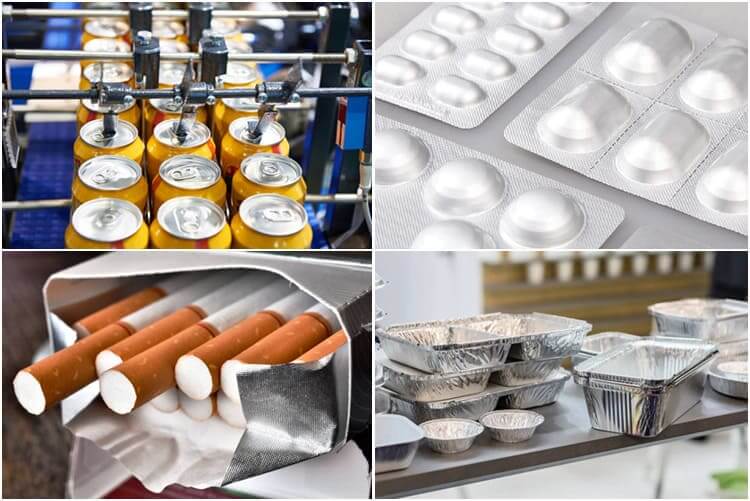
تطبيق التغليف
طباعة: تستخدم أساسا لصنع لوحات PS, تعتبر لوحات PS المصنوعة من الألومنيوم نوعًا جديدًا من المواد في صناعة الطباعة, تستخدم في صنع وطباعة الألواح الأوتوماتيكية.
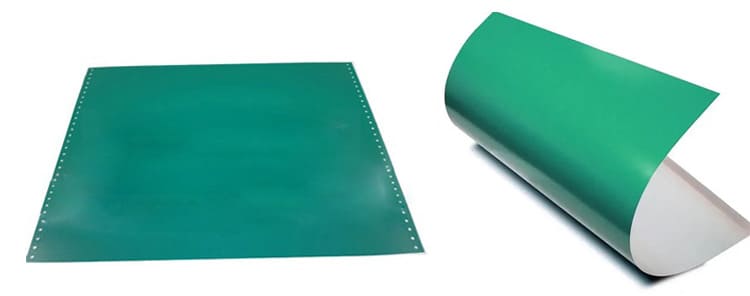
طباعة PS
الزخرفة المعمارية: سبائك الألومنيوم تستخدم على نطاق واسع في هياكل البناء, الأبواب والنوافذ, الأسقف المعلقة, الأسطح الزخرفية, إلخ. بسبب مقاومته الجيدة للتآكل, قوة كافية, أداء عملية ممتاز وأداء لحام.
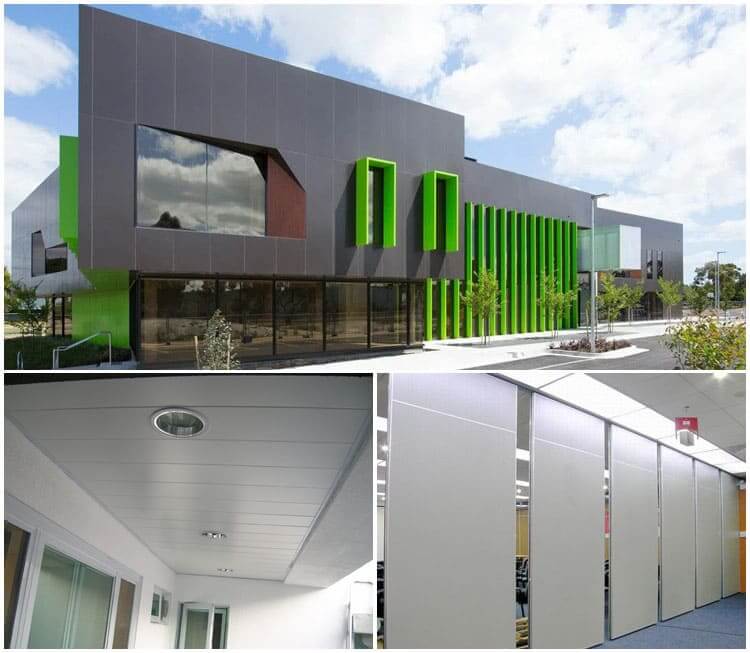
تطبيق بناء سبائك الألومنيوم
المنتجات الالكترونية: أجهزة الكمبيوتر, الهواتف المحمولة, قذائف الثلاجة, مشعات, إلخ.
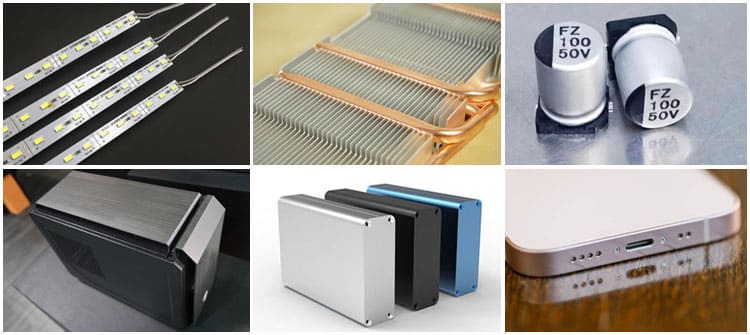
تطبيق المنتج الإلكتروني
لوازم المطبخ: أواني الألمنيوم, أحواض الألمنيوم, بطانات طباخ الأرز, رقائق الألومنيوم المنزلية, إلخ.
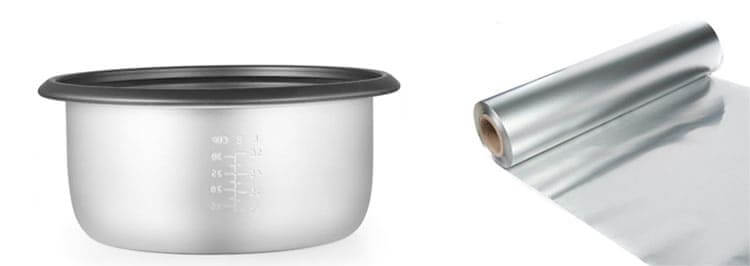
تطبيق المطبخ
تغليف صفائح / لفائف الالومنيوم
كل تفاصيل التغليف هي المكان الذي نسعى فيه للحصول على خدمة مثالية. عملية التعبئة والتغليف لدينا ككل كما يلي:
التصفيح: فيلم واضح, فيلم أزرق, الغشاء المخاطي الدقيق, الغشاء المخاطي العالي, فيلم القطع بالليزر (2 العلامات التجارية, نوفاسيل وبوليفيم);
حماية: واقيات ركن الورق, وسادات مضادة للضغط;
تجفيف: مادة مجففة;
صينية: مدخنة صينية خشبية غير مؤذية, علبة حديد قابلة لإعادة الاستخدام;
التعبئة: حزام من الصلب Tic-tac-toe, أو حزام التعبئة البلاستيكية;
جودة المواد: خالية تماما من العيوب مثل الصدأ الأبيض, بقع الزيت, علامات الدحرجة, تلف الحواف, الانحناءات, الخدوش, ثقوب, خطوط الانقطاع, خدوش, إلخ., لا يوجد ملف مجموعة.
ميناء: تشينغداو أو موانئ أخرى في الصين.
مهلة: 15-45 أيام.
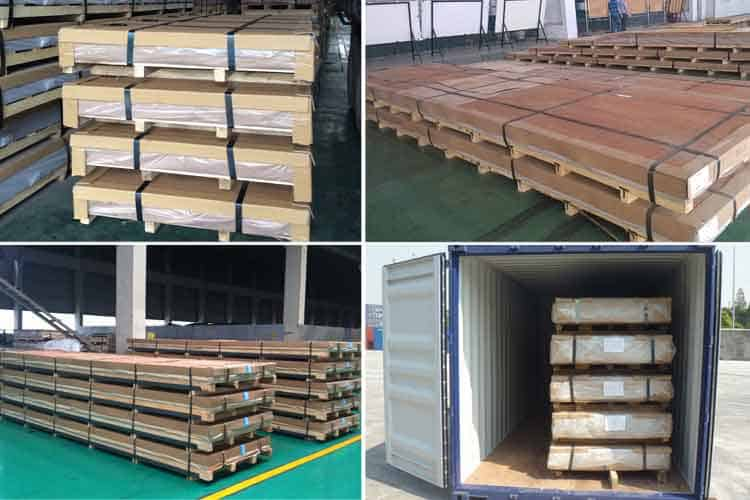
عملية تغليف صفائح / ألواح الألمنيوم
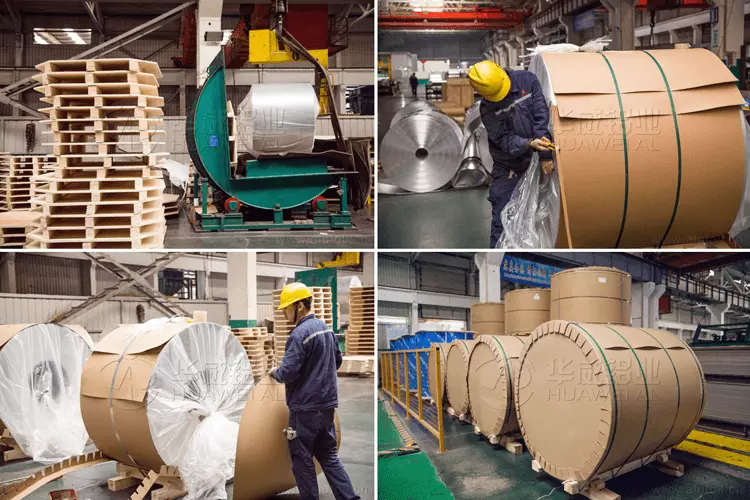
عملية تغليف لفائف الألمنيوم
F: هل أنت منتج أم تاجر?
س: نحن شركة مصنعة, يقع مصنعنا في رقم 3 Weier Road, منطقة صناعية, Gongyi, حنان, الصين.
F: ما هو موك لطلب المنتج?
س: موك لدينا هو 5 طن, وبعض المنتجات الخاصة سيكون لها حد أدنى لكمية الطلب يبلغ 1 أو 2 طن.
F: كم من الوقت هو وقتك الرصاص?
س: عموما لدينا مهلة حوالي 30 أيام.
F: هل تتمتع منتجاتك بضمان الجودة?
س: نعم, إذا كانت هناك مشكلة في جودة منتجاتنا, سنقوم بتعويض العميل حتى يرضي.
منتجات ذات صله


أحدث المدونات
السبائك الشائعة للشاحنة المبردة تستخدم لفائف الألمنيوم المطلية بـ PE
اكتشف السبائك الشائعة للشاحنة المبردة المستخدمة في لفائف الألمنيوم المطلية بـ PE, مشتمل 3003, 3004, و 3105. مصممة لمقاومة ممتازة للتآكل, القابلية للتشكيل, وأداء طويل الأمد في الهواء الطلق.
هو الألومنيوم موصل? ملكيات, الاستخدامات & وأوضح الفوائد
هل الألومنيوم موصل? اكتشف الموصلية الكهربائية للألمنيوم, المزايا الرئيسية, ولماذا يستخدم على نطاق واسع في نقل الطاقة والتطبيقات الصناعية.
إطلاق العنان للاستدامة: الحقيقة حول إعادة تدوير رقائق الألومنيوم
هل رقائق الألومنيوم قابلة لإعادة التدوير؟? تعرف على كيفية إعادة تدوير رقائق الألومنيوم, كيفية تحضيرها بشكل صحيح, ولماذا تساعد إعادة التدوير على تقليل النفايات وتوفير الموارد.
رقائق الألومنيوم المطلية لتطبيقات التعبئة والتغليف | قوي & موثوق
رقائق ألومنيوم مطلية عالية الجودة لتطبيقات التعبئة والتغليف, تقديم حماية حاجز ممتازة, متانة, والأداء المتسق.