إطلاق العنان للاستدامة: الحقيقة حول إعادة تدوير رقائق الألومنيوم
1730 الآراء 2026-06-10 02:28:28
مقدمة
هل رقائق الألومنيوم قابلة لإعادة التدوير؟? يقع هذا السؤال عند تقاطع العادات المنزلية, البرامج البلدية, وسلاسل توريد التغليف العالمية.
في هذا الدليل الشامل, نستكشف ما الذي يجعل رقائق الألومنيوم قابلة لإعادة التدوير, كيف تعمل إعادة التدوير للرقائق, وما يمكنك القيام به في المنزل لتحسين نتائج إعادة التدوير.
إذا كنت تقوم بتوريد مواد التعبئة والتغليف أو تقييم تدفقات النفايات الخاصة بك, ستساعدك هذه المقالة على فهم دور رقائق الألومنيوم في الاقتصاد الدائري وسبب أهمية القرارات المتعلقة بإعادة التدوير لكل من مجتمعك والكوكب..
طَوَال, سوف تواجه البيانات, مقارنات, ونصائح قابلة للتنفيذ مصممة لتكون عملية, موثوق, وتتمحور حول المستخدم.
سنقدم أيضًا شركة Huawei Aluminium كمورد بارز في سلسلة توريد رقائق الألومنيوم ونناقش كيفية تأثير اختيارات الموردين على استدامة التعبئة والتغليف.
هل رقائق الألومنيوم قابلة لإعادة التدوير؟
هواوي المنيوم: مورد رئيسي في سلسلة توريد رقائق الألومنيوم
نظرة عامة على الشركة
هواوي المنيوم هي مورد معترف به في سوق الألمنيوم العالمي, توفير مجموعة واسعة من منتجات الألومنيوم, بما في ذلك احباط, ملزمة, طبق, وملامح مقذوف.
مع خطوط إنتاج متكاملة تمتد للدرفلة, يصب, والتشطيب, تخدم شركة Huawei Aluminium العملاء في مجال التغليف, إلكترونيات, بناء, وقطاعات السيارات.
تؤكد الشركة على إدارة الجودة, ضوابط العملية, وموثوقية سلسلة التوريد لتلبية مواصفات العملاء.
في سياق رقائق الألومنيوم للتغليف, قدرات شركة Huawei Aluminium في لف الرقائق, إنتاج مقياس رقيقة, وتضعها تقنيات الطلاء كخيار موثوق به للعلامات التجارية التي تسعى إلى الحصول على أداء ثابت للرقائق, توافق الطلاء, وأمن الإمدادات.
لماذا تعتبر شركة Huawei Aluminium أمرًا مهمًا لرقائق التغليف
- قدرات نهاية إلى نهاية: من إدخال السبائك الأولية إلى تشطيب الرقائق النهائية ومعالجة الأسطح, يمكن للموردين مثل Huawei Aluminium تقديم رقابة فنية مشددة على السُمك, قياس التسامح, والانتهاء من السطح - وهو أمر بالغ الأهمية لأداء التعبئة والتغليف والتوافق مع إعادة التدوير.
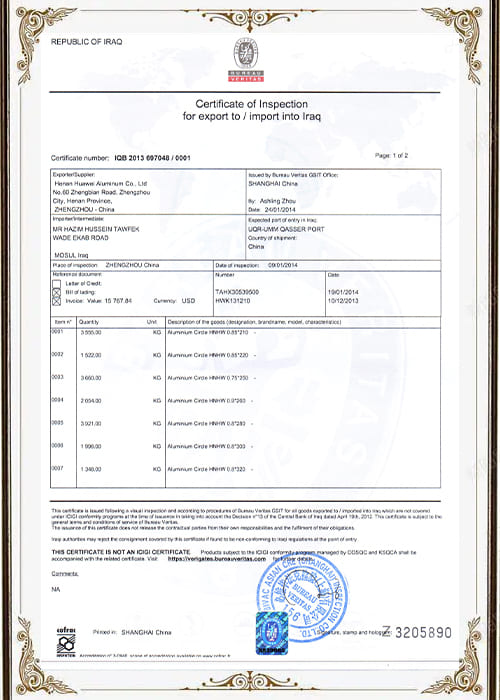
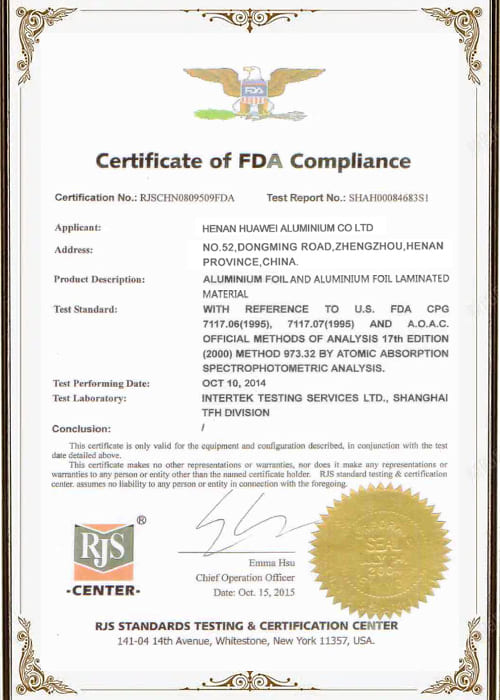
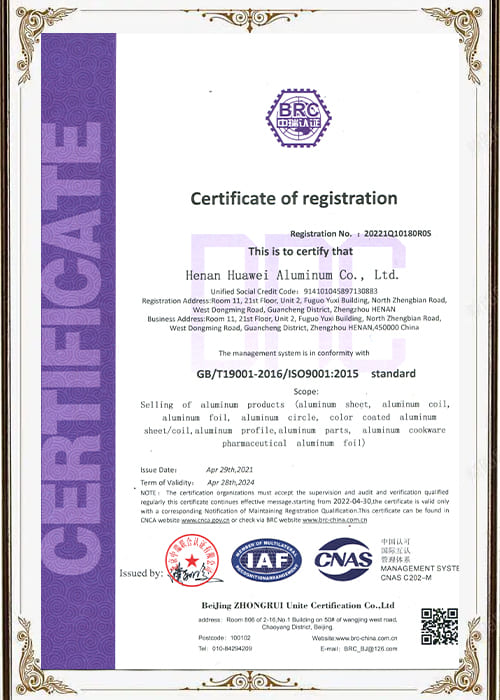
- الشهادات وأنظمة الجودة: عادةً ما يحافظ موردو رقائق الألومنيوم ذوو السمعة الطيبة على أنظمة الجودة والإدارة البيئية القائمة على ISO, إمكانية التتبع, واختبار المنتج, مما يساعد الشركات المصنعة للتغليف على تلبية المعايير التنظيمية ومعايير العلامة التجارية.
- الوصول العالمي: تدعم شبكة الموردين الراسخة التوريد المتسق, يساعد على تقليل مخاطر العرض, ويقدم الدعم الفني لتصميم التعبئة والتغليف, ومحاذاة برنامج إعادة التدوير.
القدرات والشهادات
- احباط المتداول والتشطيب: التحكم في القياس بدقة عالية, نطاقات سمك واسعة (بدءًا من الرقائق الرقيقة جدًا المستخدمة في التغليف وحتى مخزون الرقائق السميكة للتطبيقات المتخصصة).
- المعالجات السطحية: الطلاء والتوافق مع التصفيح لخصائص الحاجز, قابلية للطباعة, وسلامة المستهلك.
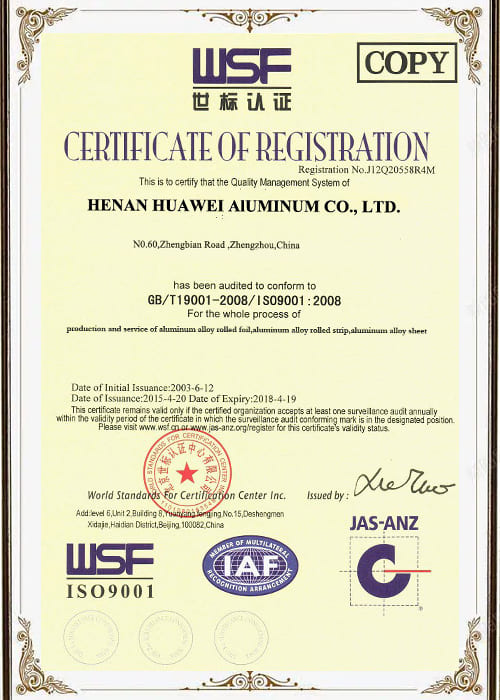
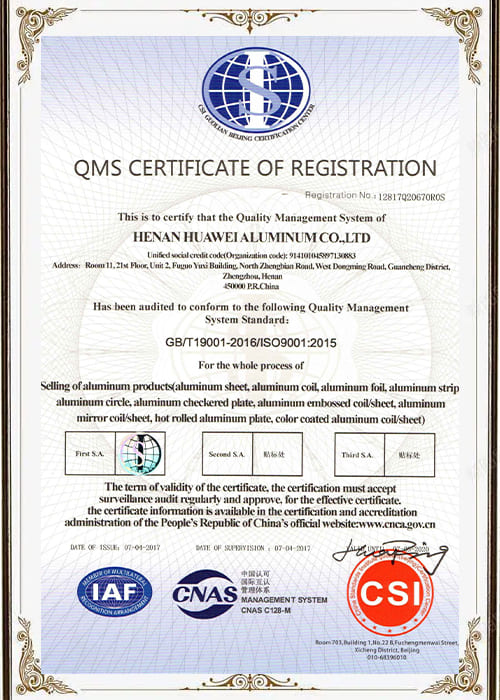
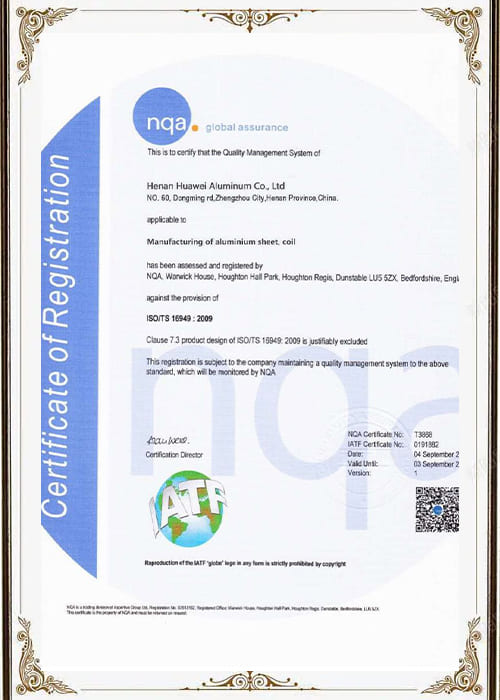
- الشهادات: تشمل معايير الصناعة المشتركة ISO 9001 (إدارة الجودة) و ايزو 14001 (الإدارة البيئية). غالبًا ما يسعى الموردون إلى الحصول على شهادات إضافية أو شهادات خاصة بالعملاء لتلبية متطلبات الاتصال الغذائي, التعبئة والتغليف, أو معايير السيارات.
ملحوظة: إن إدراج شركة Huawei Aluminium هنا هو توضيح مثال المورد الموثوق به في سوق رقائق الألومنيوم العالمية.
إذا كنت تقوم بتقييم المورد, التحقق من الشهادات الحالية, مواصفات المواد, ضمانات المنتج, والتزامات سلسلة التوريد مباشرة مع المورد أو من خلال قنوات الوساطة المعتمدة.
فهم رقائق الألومنيوم: ملكيات, الأنواع, والاستخدامات
ما هو ورق الألمنيوم?
ورق ألومنيوم عبارة عن ورقة رقيقة من الألومنيوم النقي تقريبًا (عادة حوالي 92-99٪ ألومنيوم, اعتمادا على الصف والاستخدام المقصود).
إنه طيع, لديه خصائص حاجز ممتازة ضد الضوء والرطوبة, ويمكن تصنيعها بسماكة دقيقة للغاية.
عادةً ما يتراوح سعر الرقائق المنزلية المستخدمة في الطهي والتخزين من حوالي 9 ل 30 ميكرومتر في السماكة.
يستخدم احباط على نطاق واسع في تغليف المواد الغذائية, عبوات صيدلانية, تطبيقات العزل, واللفائف الصناعية.
المتغيرات: احباط المنزلية, الأفلام المعدنية, والطلاءات
- رقائق الألمنيوم المنزلية: شائع للطبخ, التفاف, والتجميد. غالبًا ما يكون مشرقًا وعاكسًا, وأحيانًا تكون مغلفة ببوليمرات أخرى أو مطبوعة بأنماط.
- رقائق مغلفة أو مغلفة: يمكن تغليف الرقائق بالبلاستيك أو الورق لتعزيز خصائص الحاجز أو تشكيل هياكل تعبئة مرنة.
- الأفلام المعدنية: ليس رقائق الألومنيوم بالمعنى الدقيق للكلمة; هذه الأفلام مغلفة بطبقة رقيقة من الألومنيوم على ركيزة بوليمر. يعتمدون على الطبقة المعدنية لخصائص الحاجز, لكنها غالبًا ما تكون غير قابلة لإعادة التدوير بنفس طريقة إعادة تدوير رقائق الألومنيوم بسبب الهيكل الصفائحي.
- رقائق ملامسة للطعام: تم تصنيعه خصيصًا لتلبية المعايير التنظيمية الخاصة بالتلامس مع الطعام, بما في ذلك متطلبات النقاء والانتهاء من السطح.
أهمية إعادة التدوير
- نقي, يمكن إعادة تدوير رقائق الألومنيوم النظيفة إلى منتجات ألومنيوم جديدة ذات مدخلات طاقة منخفضة نسبيًا مقارنة بالإنتاج الأولي.
- الرقائق المصفحة والمغلفة التي تحتوي على مواد بلاستيكية أو طبقات أخرى غير الألومنيوم غير قابلة لإعادة التدوير بشكل عام من خلال برامج الرصيف القياسية وقد تتطلب مسارات إعادة تدوير متخصصة أو التخلص منها.
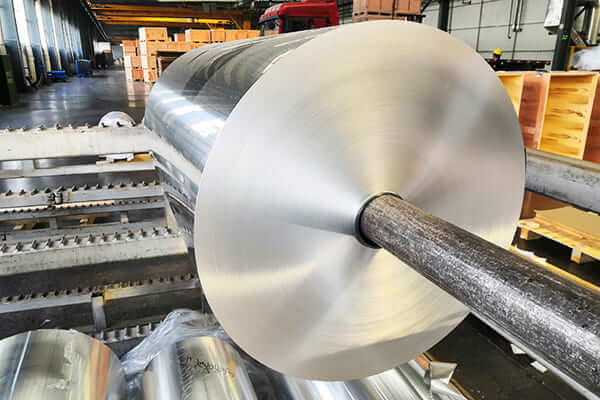
هواوي رقائق الألومنيوم جامبو رول
هل رقائق الألومنيوم قابلة لإعادة التدوير؟?
ما الذي يجعل الرقائق قابلة لإعادة التدوير
- الهوية المادية: الألومنيوم معدن يمكن صهره وإعادة تشكيله إلى أجل غير مسمى دون فقدان خصائصه, وهذا هو السبب الأساسي وراء فعالية إعادة التدوير وقيمتها.
- الاحتواء ونظافة السطح: ينظف, غير مطلي, كما أن رقائق الألومنيوم غير المصقولة أكثر سهولة في إعادة التدوير في العديد من البرامج البلدية. وجود الطلاءات, شرائح, أو بقايا الطعام الثقيلة يمكن أن تعقد عملية إعادة التدوير أو تعيقها.
الملوثات, الطلاء, والهياكل مغلفة
- بقايا الطعام: يمكن أن تؤدي الرقائق شديدة الاتساخ إلى تعقيد عملية إعادة التدوير; وتختلف البرامج على مستويات التلوث المقبولة. عادةً ما تكون بقايا الطعام الخفيفة مقبولة إذا كانت الرقاقة نظيفة.
- الطلاءات والشرائح: احباط التي تم مغلفة بالبلاستيك, ورق, أو غيرها من المواد غير الألومنيوم يمكن أن يكون من الصعب إعادة تدويرها من خلال العمليات القياسية وقد تتطلب مرافق متخصصة أو التخلص منها.
- المواد اللاصقة والملصقات: يمكن أن تسبب الأشرطة أو المواد اللاصقة الموجودة على الرقائق مشكلات في المعالجة, تفضل العديد من البرامج ورقًا خاليًا من البقايا اللزجة.
نظيفة مقابل احباط القذرة: الفرز والتعامل العملي
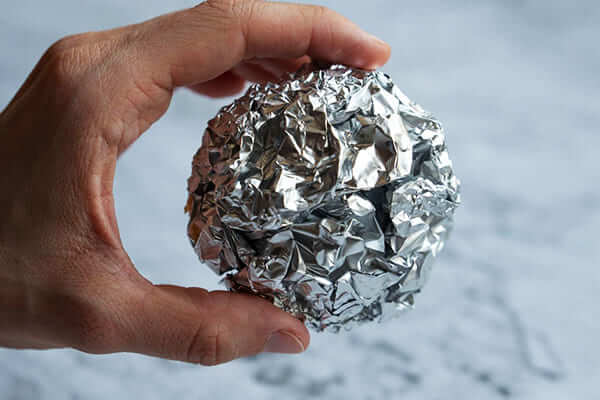
- رقائق نظيفة: في العديد من المناطق, مشطفة وجافة, رقائق الألومنيوم النظيفة مؤهلة لإعادة التدوير في برامج الرصيف التي تقبل الرقائق. يساعد "اختبار الطحن" - وهو تفتيت القطعة على شكل كرة - في إجراء تقييم بصري سريع: إذا ظل متجعدًا ويشبه المعدن في الغالب وليس لزجًا, غالبًا ما يكون أكثر قبولًا.
- احباط القذرة: عادة ما تعتبر الرقائق المعدنية التي تحتوي على بقايا طعام كبيرة أو بقايا لزجة غير قابلة لإعادة التدوير في العديد من البلديات, أو ينبغي التخلص منها في سلة المهملات لتجنب تلوث مجرى إعادة التدوير.
- قطع صغيرة: يمكن أن تتسلل كميات كبيرة من شظايا الرقائق الصغيرة عبر أنظمة الفرز وقد يتم رفضها. إذا كان ذلك ممكنا, الجمع بين رقائق صغيرة في أكبر, قطعة أكثر سمكًا أو لفها على شكل كرة, والتأكد من أنها نظيفة بشكل معقول.
التباين الإقليمي في القبول
- الولايات المتحدة: يختلف القبول حسب البلدية ومنشأة إعادة التدوير. تقبل بعض برامج الرصيف صراحة رقائق الألومنيوم النظيفة; البعض الآخر لا. ينبغي استشارة الإرشادات المحلية لتجنب التلوث في مجرى إعادة التدوير.
- أوروبا: تتمتع بعض الدول بقبول أوسع لرقائق الألومنيوم النظيفة, خاصة إذا كانت من عبوات منزلية وخالية من الشرائح. يحذر آخرون من التلوث من الطعام أو الطلاء.
- آسيا والمحيط الهادئ: تختلف قواعد البرنامج بشكل كبير حسب المدينة والبلد. في بعض المناطق, يتم قبول الرقائق إذا كانت نظيفة; في الآخرين, لا يتم قبوله بشكل روتيني في برامج الرصيف.
عملية إعادة التدوير: من النفايات إلى الألومنيوم المعاد تدويره
الجمع والفرز
- جمع الرصيف: يتم جمع رقائق الألومنيوم مع المواد الأخرى القابلة لإعادة التدوير في العديد من البرامج. وتعتمد كفاءة الفرز على تكنولوجيا المنشأة, طاقم عمل, ومستويات التلوث المحلية.
- مرافق الفرز: في مرافق استعادة المواد (MRFs), يتم فصل رقائق الألومنيوم عن المواد الأخرى باستخدام مصنفات الهواء, شاشات, مغناطيس, والفرز البصري. الرقائق النظيفة أسهل في المعالجة, في حين أن الرقائق الملوثة يمكن أن تسبب توقفًا عن العمل وتلوث المعدات.
- التكور والتوحيد: للحد من مخاطر القمامة وتحسين كفاءة النقل, قد يتم رزم قطع الرقائق السائبة أو ضغطها بمعادن أخرى.
الذوبان والتكرير
- ذوبان: يتم صهر الألومنيوم المستعاد في أفران مخصصة مصممة لاستعادة المعدن بأقل قدر من الخسارة. تتم إزالة الشوائب مثل الطلاءات أو الشرائح أثناء عملية التكرير أو من خلال خطوات فصل ما قبل الذوبان.
- طهارة: بعد ذوبان, تعمل إزالة الخبث وخطوات التنقية الأخرى على إزالة المواد غير الألومنيوم وتنقية المصهور إلى ألومنيوم عالي النقاء مناسب للتصنيع.
إعادة التصنيع إلى منتجات جديدة
- الصب أو المتداول: يتم صب الألمنيوم المنقى في سبائك أو يتم بثقه مباشرة إلى منتجات جديدة, بما في ذلك احباط, مخزون التعبئة والتغليف, أو مكونات الألومنيوم الأخرى.
- المنتجات النهائية: يمكن أن يصبح الألومنيوم المعاد تدويره مخزونًا جديدًا من الرقائق, أجسام علب المشروبات, قطع غيار السيارات, أو مواد البناء, اعتمادًا على تكوين السبائك واحتياجات المصب.
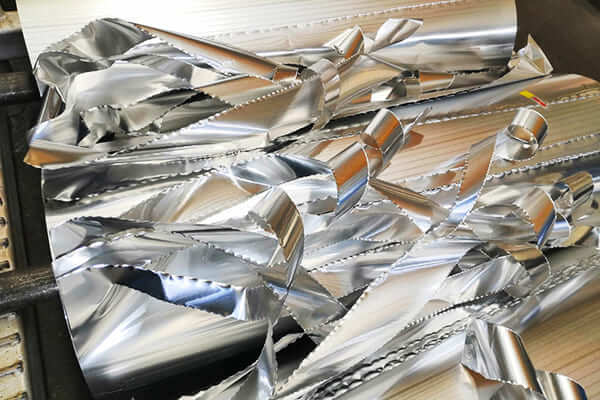
نفايات رقائق الألومنيوم
المبادئ التوجيهية الإقليمية والأساطير
الولايات المتحدة
- خرافة: جميع رقائق الألومنيوم قابلة لإعادة التدوير من خلال برامج الرصيف.
- الواقع: تقبل العديد من البرامج الرقائق النظيفة, بينما لا يفعل الآخرون ذلك. من الضروري التحقق من الإرشادات المحلية. غالبًا ما يمكن إضافة الرقائق النظيفة إلى مسار إعادة التدوير إذا قبلها برنامجك صراحةً; خلاف ذلك, يجب التخلص منها في سلة المهملات أو إضافتها إلى مكان مخصص لإعادة التدوير إذا كان ذلك متاحًا.
- نصيحة عملية: شطف لفترة وجيزة, جاف, والحفاظ على احباط سليمة قدر الإمكان (تجنب تمزيق إلى قطع صغيرة) قبل وضعه في إعادة التدوير إذا كان برنامجك المحلي يقبل الرقائق. إذا كنت في شك, اتصل بهيئة إدارة النفايات المحلية لديك.
أوروبا
- خرافة: لا يمكن إعادة تدوير الرقائق أبدًا.
- الواقع: في بعض البرامج الأوروبية, يتم قبول الرقائق المنزلية النظيفة كجزء من التيار المعدني, خاصة إذا كانت خالية من التلوث الشديد والشرائح. لكن, بشكل عام، لا يمكن إعادة تدوير الصفائح والرقائق المطلية من خلال تيارات الرصيف القياسية.
- نصيحة عملية: ابحث عن الإرشادات المحلية بشأن قبول الرقائق, أو استخدم مركز إعادة التدوير الذي يدرج المواد المقبولة.
آسيا والمحيط الهادئ
- خرافة: الرقائق قابلة لإعادة التدوير دائمًا من خلال إعادة التدوير القياسية.
- الواقع: تختلف السياسات بشكل كبير حسب المدينة والبلد. تقبل بعض البرامج الرقائق; ويتطلب البعض الآخر وضعها في سلة المهملات أو التعامل معها من خلال تيارات إعادة التدوير المتخصصة.
- نصيحة عملية: عند السفر أو الانتقال, تحقق من إرشادات إعادة التدوير المحلية لتجنب التلوث أو سوء فرز المواد.
المبادئ التوجيهية الإقليمية لإعادة تدوير رقائق الألومنيوم
| منطقة | يقبل رقائق الألومنيوم النظيفة في إعادة التدوير على جانب الرصيف? | المتطلبات أو الملاحظات | الطلاءات/الشرائح الشائعة التي يجب مراقبتها |
|---|---|---|---|
| الولايات المتحدة | يختلف حسب البلدية | تحقق من البرنامج المحلي; غالبًا ما يتم قبول الرقائق النظيفة في بعض البرامج | تجنب الرقائق المغلفة أو المغلفة بشكل كبير; ضمان الحد الأدنى من البقايا |
| أوروبا | تقبل بعض البرامج الرقائق النظيفة | تحقق من إرشادات الدولة والمدينة | عادة لا يتم قبول الرقائق والبلاستيك; تيارات احباط منفصلة حيثما كان ذلك متاحا |
| آسيا والمحيط الهادئ | متغير للغاية | التحقق من قواعد البرنامج المحلية | غالبًا ما يتم استبعاد الرقائق المصفحة أو المطلية; ابحث عن مراكز إعادة التدوير المخصصة |
استخدام الطاقة والأثر البيئي لإعادة تدوير الألومنيوم
| مرحلة العملية | إنتاج الألمنيوم الأولي (تقريبا. kWh/kg) | إنتاج الألمنيوم المعاد تدويره (تقريبا. kWh/kg) | وفورات الطاقة النسبية |
|---|---|---|---|
| ذوبان والصب | 13–16 kWh/kg | 0.5–1.0 kWh/kg | توفير الطاقة بنسبة 90-95% تقريبًا |
| التصنيع المصب | يختلف مع المنتج النهائي | مماثلة أو أقل إذا كانت عمليات إعادة التصنيع فعالة | يحسن كفاءة الطاقة بشكل عام عبر دورة الحياة |
| فائدة إعادة التدوير الشاملة | ارتفاع الطلب على الطاقة | انخفاض الطلب على الطاقة بشكل ملحوظ | ~ توفير الطاقة بنسبة 95% (الرقم النموذجي الذي استشهدت به مجموعات الصناعة) |
ملحوظة: تختلف أرقام الطاقة حسب التكنولوجيا, تصميم النبات, والموقع. القيم المذكورة أعلاه هي نطاقات تمثيلية تستخدمها تحليلات الصناعة والمواد التعليمية لتوضيح حجم التوفير الناتج عن إعادة تدوير الألومنيوم.
المبادئ التوجيهية العملية: كيفية إعادة تدوير ورق الألمنيوم
التنظيف والتحضير
- شطف بخفة: إذا كان برنامجك المحلي يقبل الرقائق, اشطفيه سريعًا لإزالة بقايا الطعام الثقيلة. وهذا يقلل من التلوث في مجرى إعادة التدوير.
- يجف تماما: تأكد من أن الرقائق جافة تمامًا قبل وضعها في إعادة التدوير.
- تحتوي على قطع صغيرة: إذا كانت احباطك في العديد من القطع الصغيرة, فكر في طيها على شكل ورقة أو كرة أكبر لمساعدة معدات الفرز في التعرف عليها على أنها ألومنيوم.
- شرائح منفصلة: إذا كانت مغلفة احباط بالبلاستيك أو الورق, تعامل معها على أنها غير قابلة لإعادة التدوير في العديد من البرامج وضعها في سلة المهملات إلا إذا كنت تعلم أن هناك منشأة محلية تقبل التغليف المصفح.
متى يجب التخلص من ورق الألمنيوم
- إذا كانت الرقائق متسخة بشدة بالدهون, زيوت, أو الصلصات التي لا يمكن شطفها بدرجة معقولة, غالبًا ما يكون من الأفضل التخلص منه في سلة المهملات لحماية مسار إعادة التدوير.
- إذا كانت الرقاقة مغلفة أو مغلفة بمواد أخرى غير الألومنيوم, لا يمكن إعادة تدويره بشكل عام من خلال برامج الرصيف القياسية.
اعتبارات خاصة للتغليف الملامس للأغذية
- يتم استخدام الرقائق الملامسة للأغذية على نطاق واسع ويمكن إعادة تدويرها حيثما تقبلها البرامج, بشرط أن تكون نظيفة وخالية من الملوثات الكبيرة.
- تؤكد المخاوف المتعلقة بسلامة الأغذية على التنظيف وتقليل المخلفات, لكن العامل الأساسي في قابلية إعادة التدوير يظل هو تكوين المادة وما إذا كانت هناك طبقات طلاء أو دعامات.
مقارنات: بيانات, الجداول, والرؤى العملية
الاختلافات الرئيسية بين رقائق الألومنيوم القابلة لإعادة التدوير وغير القابلة لإعادة التدوير (موجه نحو الممارسة)
| معيار | احباط قابلة لإعادة التدوير (الرصيف النموذجي) | رقائق غير قابلة لإعادة التدوير (الحالات الشائعة) | الوجبات الجاهزة العملية |
|---|---|---|---|
| مادة | الألومنيوم; نقية أو شبه نقية | مغلفة بالبلاستيك/الورق; بقايا ثقيلة | تحقق من التصفيح; تجنب القطع المغلفة بشدة |
| نظافة | نظيفة أو مشطفة بخفة | متسخة بشدة بالزيوت, صلصات, أو بقايا الجبن | شطف وتجفيف عندما يكون ذلك ممكنا; إذا كانت ملوثة جدا, ينبذ |
| الاحتواء | أوراق سليمة أو قطع أكبر | شظايا صغيرة أو قطع ممزقة | إبقاء القطع موحدة; تجنب التشتت |
| الطلاء | الحد الأدنى أو الطلاء الألومنيوم فقط | وجود مواد بلاستيكية أو مواد لاصقة | عادة ما تقلل الشرائح من إمكانية إعادة التدوير |
| المبادئ التوجيهية المحلية | تختلف حسب البرنامج | تختلف حسب البرنامج | تحقق دائمًا مع السلطة المحلية |
مقارنة عملية بين الطاقة والمنفعة المادية (إعادة التدوير مقابل. طمر النفايات)
| سيناريو | رقائق الألومنيوم المعاد تدويرها (كلغ) | تم توفير استخدام الطاقة (تقريبا, كيلووات ساعة) | تخفيض ثاني أكسيد الكربون (تقريبا, كلغ) | ملحوظات |
|---|---|---|---|---|
| إعادة التدوير المنزلية (مخزون منزلي نموذجي) | 0.5-2 كجم أسبوعيًا لكل أسرة حسب الاستخدام | 25-100 كيلووات ساعة توفير الطاقة أسبوعيًا (إجمالي) | 0.5-2 كجم من مكافئ ثاني أكسيد الكربون لكل كجم معاد تدويره | يفترض نظيفة, احباط مقبول; تختلف الأرقام حسب البرامج المحلية |
| القطع الصناعية في مصانع التعبئة والتغليف | كميات أكبر, تيارات مركزة | 50– 1000 كيلووات ساعة أسبوعيًا لكل منشأة | عدة عشرات إلى مئات الكيلوجرامات من ثاني أكسيد الكربون | كفاءة أعلى بسبب أكبر, تيارات أنظف |
| سيناريو تحويل النفايات إلى مكب النفايات | احباط غير المعاد تدويرها | 0 تم حفظ كيلوواط ساعة; الطاقة المستخدمة في التخلص | ارتفاع ثاني أكسيد الكربون بسبب عمليات دفن النفايات | يسلط الضوء على أهمية تدفقات إعادة التدوير |
الأسئلة الشائعة
هل رقائق الألومنيوم قابلة لإعادة التدوير؟?
نعم, يمكن إعادة تدوير رقائق الألومنيوم في العديد من البرامج, خاصة عندما تكون نظيفة, جاف, وخالية من الصفائح أو الطلاءات الثقيلة. يختلف القبول حسب البلدية, لذا تحقق من إرشاداتك المحلية. إذا كان برنامجك يقبل الرقائق, يؤدي الشطف الخفيف والتأكد من أن الرقاقة إلى قطع أكبر بدلاً من القطع الصغيرة إلى تحسين كفاءة الفرز.
هل يمكنني إعادة استخدام ورق الألمنيوم؟?
قطعاً. إعادة الاستخدام هي ممارسة مستدامة, وخاصة لأغراض الطهي أو تخزين المواد الغذائية. يجب أن تكون الرقائق المُعاد استخدامها نظيفة وخالية من المخلفات الثقيلة إذا كنت تنوي إعادة تدويرها لاحقًا. تساعد إعادة الاستخدام على تقليل الهدر الإجمالي وإطالة عمر الرقاقة في مسار التغليف.
هل المقالي المصنوعة من رقائق الألومنيوم قابلة لإعادة التدوير؟?
تعتبر مقالي رقائق الألومنيوم قابلة لإعادة التدوير بشكل عام حيث تقبل البرامج رقائق الألومنيوم, بشرط أن تكون نظيفة وخالية من الطلاءات غير الألومنيوم. إذا كانت المقلاة مغطاة بطبقة بلاستيكية أو كانت جزءًا من صينية مركبة, قد لا يتم قبوله في تيارات الرصيف القياسية.
ماذا عن رقائق مغلفة أو مغلفة?
رقائق مغلفة أو مغلفة (احباط المستعبدين مع طبقات من البلاستيك أو الورق) عادةً لا يكون قابلاً لإعادة التدوير من خلال برامج الرصيف القياسية. قد تقوم بعض المرافق المتخصصة بمعالجة المواد المصفحة, ولكن يجب على معظم الأسر وضع رقائق مغلفة في سلة المهملات ما لم يكن هناك برنامج محلي يقبلها صراحة.
خاتمة
هل رقائق الألومنيوم قابلة لإعادة التدوير؟? الجواب القصير هو: يمكن أن يكون, في كثير من الحالات, ولكنها ليست مضمونة في كل مكان.
يكمن مفتاح إعادة التدوير الناجح في الهوية المادية, نظافة, الاحتواء, ومواصفات البرنامج المحلي.
رقائق الألومنيوم هي مادة قادرة على إعادة التدوير إلى أجل غير مسمى, وإعادة التدوير توفر الطاقة وتقلل من التأثير البيئي بشكل كبير.
لكن, القواعد تعتمد على بلديتك, وجود شرائح أو الطلاء, ومستوى التلوث.
من خلال فهم المبادئ التوجيهية العملية, يمكنك اتخاذ خيارات مستنيرة تتماشى مع السياسات المحلية وأهداف الاستدامة الأوسع.
للمؤسسات التي تقوم بتقييم سلاسل توريد التعبئة والتغليف, إن دمج مورد موثوق به مثل Huawei Aluminium يمكن أن يدعم نتائج إعادة التدوير الشفافة والمسؤولة.
عند اختيار منتجات احباط, النظر في جودة الخيط, توافق الطلاء, وخيارات نهاية العمر التي تدعمها منشآتك.
من خلال الجمع بين اجتهاد المورد, وعي المستهلك, والبرامج البلدية القوية, يمكن أن تساهم دورة حياة رقائق الألومنيوم بشكل مفيد في الاقتصاد الدائري.
إذا كنت مهتمًا بتنفيذ برنامج إعادة تدوير الرقائق المعدنية في المبنى الخاص بك, مكان العمل, أو المجتمع, ابدأ بإحاطة هيئة النفايات المحلية, ثم قم بإجراء تدقيق سريع لتدفقات الرقائق الخاصة بك.
تتبع مصادر التلوث, قياس نتائج إعادة التدوير, وضبط ممارسات الشراء والفرز وفقًا لذلك.
كلما كان نهجك أكثر دقة, كلما زادت احتمالية استعادة رقائق الألومنيوم الخاصة بك, معاد تدويره, وأعيد تصورها كمنتجات جديدة، مما أدى إلى إغلاق الحلقة في مادة أثبتت قيمتها منذ فترة طويلة في مجال التغليف وخارجه.
مشاركة مع PDF: تحميل