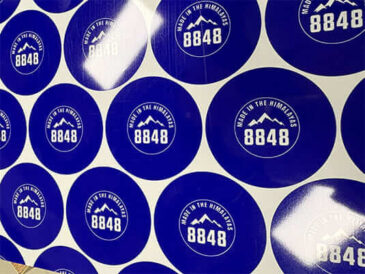
Printed aluminum foil for yogurt cup sealing
1765 Views 2026-04-24 06:56:55
1. Introduction
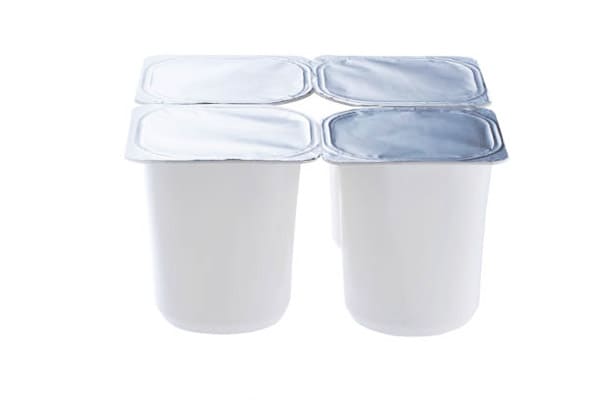
Printed aluminum foil for yogurt cup sealing is a high-performance, multi-functional packaging material that integrates barrier protection, heat-sealing capability, and brand communication into a single structure.
Widely used across the global dairy industry, it ensures product safety, extends shelf life, and enhances consumer experience.
Industry data suggests that over 70% of single-serve yogurt cups worldwide use aluminum-based lidding solutions, primarily due to their superior oxygen and moisture barrier properties.
Typical foil thickness ranges from 20–40 μm, with multi-layer laminates engineered to meet specific sealing and performance requirements.
As sustainability and efficiency pressures increase, the sector is evolving toward thinner gauges, recyclable structures, and advanced printing technologies.
2. What Is Printed Aluminum Foil for Yogurt Cup Sealing?
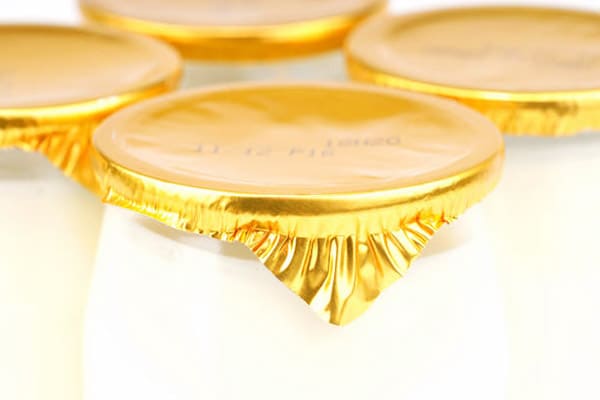
Printed aluminum foil for yogurt cup sealing is a flexible, multi-layered packaging substrate utilized to hermetically seal thermoformed or injection-molded plastic cups.
Manufacturers predominantly utilize high-purity 8011 or 8079 aluminum alloys. Crucially, metallurgists process this aluminum into an “O-temper” (dead-soft, fully annealed) state.
This specific temper ensures the foil possesses zero “spring-back” or mechanical memory. Consequently, when the packaging machine presses the foil onto the cup lip, it lies perfectly flat, preventing the micro-creases that lead to catastrophic vacuum leaks.
3. Material Composition & Technical Specifications
At first glance, a printed yogurt lid looks deceptively simple — a thin, shiny disc with some artwork on top. In reality, it is a precision-engineered multilayer laminate where each micron-thin layer performs a distinct mechanical, chemical, or visual function.
Understanding this architecture is essential for specifying the right foil, troubleshooting seal failures, and meeting increasingly strict food-safety and sustainability standards.
The Base Aluminum Foil
The aluminum foil itself is the functional heart of the lid. It provides the barrier, the formability, and the dimensional stability that no polymer film can match at comparable thickness.
Common Alloys Used in Yogurt Lidding
Three alloys dominate the lidding foil market, each chosen for a specific balance of strength, formability, and cost.
| Alloy | Typical Composition | Key Characteristics | Best-Fit Application |
|---|---|---|---|
| 8011 | Al + ~0.7% Fe + ~0.7% Si | Excellent formability, good strength, smooth surface, superior printability | Mainstream yogurt lidding — the global default |
| 8079 | Al + ~1.0% Fe + ~0.2% Si | Higher purity surface, fewer pinholes, slightly better barrier | Premium dairy, long shelf-life SKUs |
| 1235 | ≥99.35% Al | High purity, softer temper, excellent barrier | Thin-gauge lidding, pharmaceutical-grade dairy |
Why 8011 wins most tenders: it offers the most forgiving window for gravure printing, heat-seal coating, and die-cutting — the three converting steps where foil quality makes or breaks the finished product.
Thickness & Gauge Selection
Yogurt lidding foil typically ranges from 0.030 mm to 0.050 mm (30–50 μm), with a clear downgauging trend driven by cost and sustainability pressures.
| Gauge | Typical Use Case | Trade-offs |
|---|---|---|
| 0.050 mm | Heavy-duty lids, large family-size cups, drinking yogurt bottles | Higher cost, robust handling |
| 0.038–0.040 mm | Industry standard for single-serve yogurt cups | Balanced cost, strength, and barrier |
| 0.030–0.035 mm | Downgauged premium lines, sustainability-driven brands | Requires tighter pinhole and tensile control |
| < 0.030 mm | Emerging ultra-thin formats | Demands advanced laminate reinforcement |
A 5-micron reduction in foil thickness can cut raw-material cost by 10–15% and reduce the carbon footprint proportionally — but only if the converter can maintain pinhole density below industry thresholds (typically < 1 pinhole per m² for lids ≥ 0.038 mm).
Temper Designations
Temper defines the mechanical state of the aluminum after rolling and annealing.
- O temper (fully annealed) — soft, highly formable, the standard for yogurt lidding because it die-cuts cleanly and peels predictably.
- H18 (fully hard) — stiff, used rarely in lidding, mostly for structural applications.
- H22 / H24 (partially annealed) — occasional use for stiffer peel-off lids on drinking-style containers.
The Multi-Layer Laminate Structure
A finished printed lidding foil is rarely just “foil.” It is a coated and printed composite, engineered layer by layer.
Typical Cross-Section (Top to Bottom)
Here is the canonical structure, viewed from the consumer-facing side down to the cup-contact side:
| Layer | Layer | Typical Thickness | Primary Function |
|---|---|---|---|
| 1 | Overprint varnish (OPV) | 1–3 μm | Scuff, heat, and chemical resistance |
| 2 | Printed inks (2–8 colors) | 1–4 μm total | Branding, information, decoration |
| 3 | Primer / wash coat | 0.5–1 μm | Promotes ink adhesion to aluminum |
| 4 | Aluminum foil core | 30–50 μm | Barrier, stiffness, formability |
| 5 | Heat-seal lacquer (HSL) | 4–10 g/m² (≈ 4–10 μm dry) | Bonds to cup flange on the filling line |
Some premium or export-oriented structures add a sixth layer
— a thin PET or paper reinforcement laminated above the foil
— to improve tear resistance and peel consistency, especially for lids sold in tropical climates or long export chains.
Heat-Seal Lacquer (HSL) — The Most Underrated Layer
If the aluminum is the lid’s skeleton, the heat-seal lacquer is its handshake with the cup.
It determines whether the seal holds, how cleanly it peels, and whether the consumer gets a splash of yogurt on their shirt.
Matching the HSL to the Cup Material
Yogurt cups are made from a variety of polymers, each requiring a chemistry-matched lacquer.
| Cup Material | Compatible HSL Chemistry | Typical Seal Temp. | Notes |
|---|---|---|---|
| Polystyrene (PS) | Acrylic-based, vinyl-acrylic | 170–200 °C | Traditional European yogurt cup |
| Polypropylene (PP) | Modified acrylic, EVA blends | 180–220 °C | Growing share due to recyclability |
| PET / APET | Specialty acrylic | 160–190 °C | Drinking yogurt, premium formats |
| PLA (bio-based) | Bio-compatible acrylic | 140–170 °C | Compostable / bio-plastic lines |
| Paper with barrier coating | Water-based acrylic | 150–180 °C | Sustainable lidding trials |
A mismatch between HSL chemistry and cup polymer is the single most common root cause of seal failures in dairy plants.
Printed aluminum foil for yogurt cup sealing
4. Core Functional Requirements of Yogurt Cup Lidding Foil
Seal Integrity and Burst Strength
The foil must fuse instantaneously with the cup lip to create a hermetic seal.
Furthermore, it must withstand internal pressure fluctuations caused by fermentation and extreme external pressure differentials encountered during high-altitude trucking, without rupturing.
Absolute Elemental Barrier
At gauges exceeding 30 μm, high-quality aluminum foil delivers an absolute barrier.
It achieves a Water Vapor Transmission Rate (WVTR) of 0.00 g/m²/day and an Oxygen Transmission Rate (OTR) of 0.00 cc/m²/day. Moreover, its 100% opacity prevents photon-induced degradation of light-sensitive vitamins and dairy fats.
The “Goldilocks” Peelability
Engineers consider peelability the most critical consumer-facing metric.
The seal must survive harsh distribution networks, yet peel off smoothly with minimal consumer effort.
The industry demands a clean “adhesive failure” (where the lacquer detaches cleanly from the cup) rather than a “cohesive failure” (where the aluminum tears into jagged, dangerous shards).
Aseptic Filling-Line Compatibility
Modern dairy plants utilize aseptic (sterile) filling lines to extend shelf life without chemical preservatives.
Consequently, the printed foil must endure aggressive sterilization protocols—such as exposure to intense UV-C irradiation or 60°C Hydrogen Peroxide (H2O2) vapor baths—without the inks degrading or the foil delaminating.
5. Advanced Manufacturing: How We Engineer the Foil
Precision Rolling and Cleaning
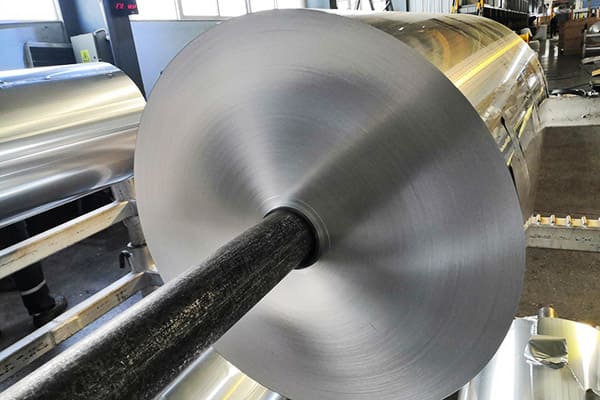
Advanced cold-rolling mills compress the aluminum master coils down to the target 38 μm or 30 μm gauge.
Subsequently, aggressive alkaline baths strip away all microscopic rolling oils.
This cleaning elevates the surface wetting tension above 32 dynes/cm, preparing the metal to accept coatings perfectly.
Rotogravure Printing
To achieve vibrant, shelf-dominating aesthetics, manufacturers utilize high-speed rotogravure presses.
These machines can lay down up to 8–10 distinct colors with microscopic dot precision, ensuring perfect brand color reproduction while curing the inks instantly via inline convection ovens.
Heat-Seal Lacquer (HSL) Application
Inside a highly controlled, solvent-extraction environment, precision gravure cylinders apply the HSL to the underside of the foil.
Because different plastics possess different surface energies, manufacturers utilize specific polymer blends:
- Acrylic-based HSL bonds optimally with Polyethylene Terephthalate (PET).
- Vinyl-based HSL forms the perfect peelable bond with Polystyrene (PS) and Polyvinyl Chloride (PVC).
Functional Embossing and Conversion
Before slitting, steel rollers often emboss the foil with a pin-dot or worm pattern.
Embossing serves a critical mechanical function: it drastically increases the structural rigidity of the thin foil and prevents pre-cut lids from creating a vacuum and sticking together (denesting issues) in the magazines of the yogurt filling machines.
6. Quantitative Quality Standards and Testing Metrics
| Testing Parameter | Industry Standard / Test Method | Optimal Data Range | Engineering Purpose |
| Peel Strength | ASTM F88 (Sealed at 200°C, 0.3 MPa, 1 sec) | 4.0 N to 8.0 N / 15mm | Ensures the seal survives transit but peels easily without tearing the foil. |
| Solvent Residue | Gas Chromatography (GC) | < 5.0 mg/m² | Prevents volatile organic compounds (VOCs) from migrating into the yogurt and tainting the flavor. |
| Heat Resistance (OPV) | Heated Jaw Press (220°C for 2 sec) | No ink transfer or sticking | Guarantees the top layer will not melt onto the packaging machine’s sealing heads. |
| Coating Weight (HSL) | Gravimetric Analysis | 3.0 – 6.0 g/m² (± 0.5) | Ensures uniform adhesive distribution, preventing micro-leaks along the cup rim. |
7. The Strategic Advantages of Aluminum Lidding Foil
In the hyper-competitive dairy industry, packaging decisions directly impact operational profitability, product safety, and brand loyalty.
Dairy executives and packaging engineers do not choose printed aluminum foil for yogurt cup sealing merely out of tradition; they specify it because it delivers a quantifiable, multi-dimensional Return on Investment (ROI).
Below, we analyze the strategic advantages of aluminum lidding foil across operational, biochemical, and consumer-centric metrics.
Thermodynamic Efficiency: The Operational Edge
The most significant industrial advantage of aluminum foil lies in its inherent metallurgical properties—specifically, its thermal conductivity.
High-speed yogurt packaging relies on heat-sealing, where a hot metal jaw presses the foil against the plastic cup to melt the adhesive lacquer.
- The Data: Pure aluminum boasts a thermal conductivity of approximately 235 W/(m·K). In stark contrast, alternative plastic lidding films like PET or PP possess a thermal conductivity of merely ~0.2 W/(m·K).
- The Result: Aluminum transfers heat almost instantaneously. This allows the sealing heads on Form-Fill-Seal (FFS) machines to operate with microsecond dwell times. Dairy manufacturers can push their filling lines to maximum capacity—frequently exceeding 40,000 to 50,000 cups per hour—without risking weak seals. Plastic alternatives require longer heat dwell times, forcing facilities to slow down production lines to ensure the seal sets properly.
Absolute Elemental Barrier: The Shelf-Life Edge
Yogurt is a living product. Live active cultures, milk fats, and water content react aggressively to external elements.
Extending shelf life is the ultimate strategy for reducing supermarket spoilage and supply chain waste.
- Zero-Transmission Metrics: At a standard gauge of 30 μm to 38 μm, printed aluminum foil delivers an absolute barrier. It guarantees a Water Vapor Transmission Rate (WVTR) of 0.00 g/m²/day and an Oxygen Transmission Rate (OTR) of 0.00 cc/m²/day.
- Photo-Oxidation Prevention: Supermarket dairy cases utilize intense fluorescent or LED lighting. UV and visible light rapidly degrade Riboflavin (Vitamin B2) in dairy and trigger lipid oxidation, causing the yogurt to taste rancid or metallic. Aluminum provides 100% opacity, acting as a total blackout shield that transparent or semi-opaque plastic lids simply cannot replicate.
Dead-Fold Mechanics: The Consumer Experience (UX) Edge
Brand equity heavily depends on how the consumer interacts with the packaging. Engineers refer to this as the “opening experience.”
- Eliminating the “Snap-Back” Effect: Plastic lidding films possess physical memory; when a consumer peels a plastic lid, the tension builds until the seal breaks, causing the plastic to snap back and splash yogurt onto the consumer’s hands or clothing. Aluminum possesses a “dead-fold” characteristic. It stays exactly where you pull it.
- The “Lickable Lid” Standard: Premium aluminum lidding foil tears predictably and cleanly along the adhesive seal. By utilizing precise Heat Seal Lacquers (HSL), manufacturers ensure the foil leaves a smooth, clean rim on the cup. This enables the widespread consumer habit of safely licking the yogurt off the lid without the risk of cutting their tongue on jagged, tearing metal.
High-Fidelity Brand Canvas: The Marketing Edge
The supermarket dairy aisle represents one of the most visually cluttered retail environments. Yogurt lidding foil serves as the primary visual billboard for the product.
- Rotogravure Compatibility: The hyper-smooth surface of primed aluminum readily accepts high-speed rotogravure printing. Brands can achieve photorealistic fruit imagery and microscopic text clarity.
- Aesthetic Versatility: Marketing teams strategically use the natural silver sheen of the bare aluminum, contrasting it with opaque inks and matte Overprint Varnishes (OPV) to create premium, eye-catching metallic highlights that plastic lids cannot imitate.
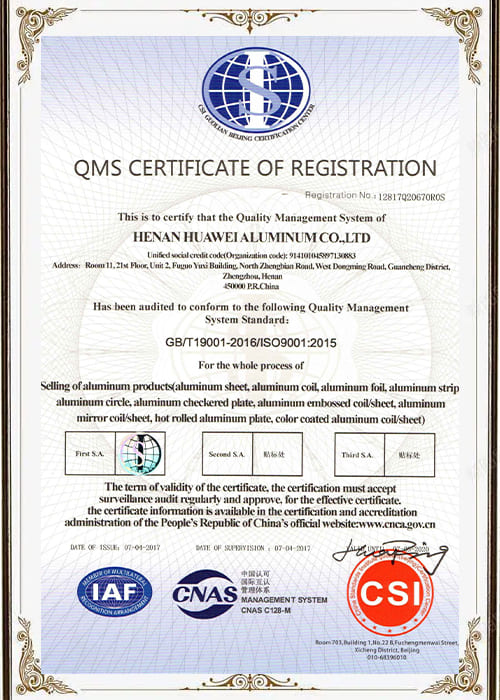
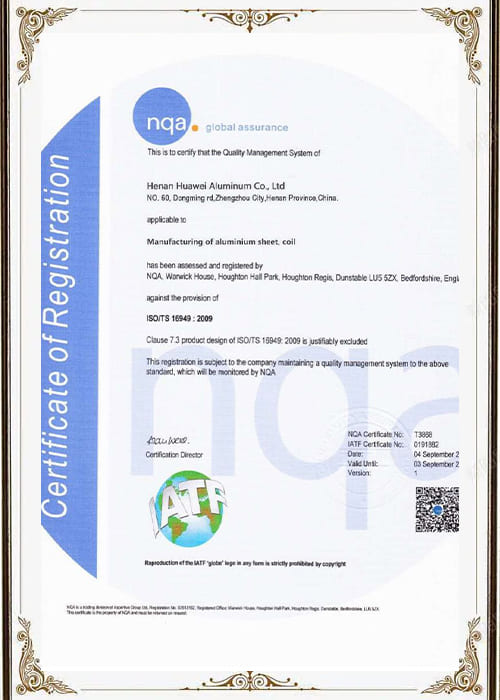
8. Supplier Spotlight: Henan Huawei Aluminum Co., Ltd
When your brand reputation and product safety rely on microscopic precision, partnering with an elite manufacturer is non-negotiable.
Henan Huawei Aluminum Co., Ltd stands as a premier global producer of high-grade printed aluminum foil for yogurt cup sealing.
Operating out of China, we merge advanced metallurgy with food-grade polymer chemistry.
Henan Huawei Aluminum Co., Ltd utilizes state-of-the-art European rolling mills equipped with Automatic Gauge Control (AGC) to ensure zero thickness deviation.
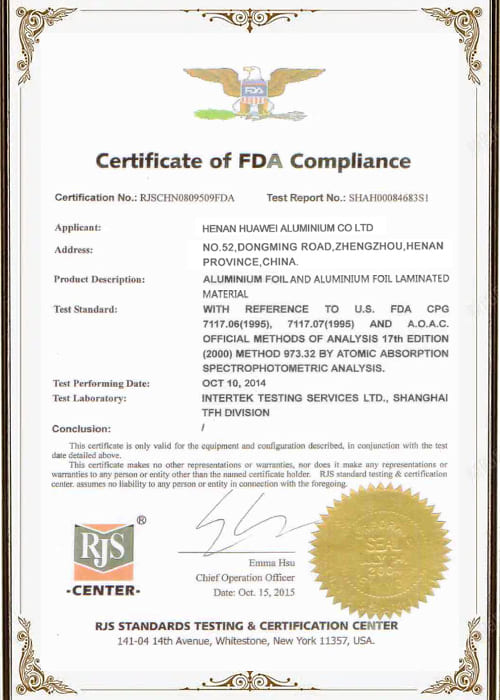
We custom-formulate our FDA and EU-compliant Heat Seal Lacquers to perfectly match your PS, PP, or PET cups, guaranteeing a flawless, smooth-peel experience every time.
By choosing our customized, photorealistic printed foil, you secure an ultra-reliable supply chain tailored to maximize your filling-line efficiency.
9. Compared with Alternative Materials
| Property | Aluminum Foil Lids | Plastic Films | Paper-Based Lids | Composite Laminates |
|---|---|---|---|---|
| Oxygen Barrier | Excellent (~0 OTR) | Moderate–Low | Low | High |
| Moisture Barrier | Excellent | Moderate | Low | High |
| Light Protection | Complete | Limited | Limited | Moderate |
| Seal Reliability | Excellent | Good | Variable | Good |
| Peelability Control | Precise | Moderate | Variable | Good |
| Cost | Medium | Low | Low–Medium | Medium |
| Sustainability | Recyclable (metal) | Improving | Strong perception | Challenging |
10. Conclusion
Printed aluminum foil for yogurt cup sealing is an engineering marvel hidden in plain sight. It perfectly bridges the gap between industrial-grade food preservation, stringent biological safety, and effortless consumer convenience.
By providing an absolute elemental barrier, accommodating high-speed aseptic filling, and delivering vibrant brand aesthetics, it ensures dairy products remain safe, fresh, and highly marketable.
For dairy producers seeking to optimize their packaging performance, sourcing custom-engineered foil from authoritative industry leaders like Henan Huawei Aluminum Co., Ltd remains the most strategic and profitable decision.
FAQs
Q1: Why do some yogurt lids tear into jagged pieces instead of peeling off cleanly?
Answer: This frustrating consumer experience usually stems from two issues: either the packaging machine’s sealing temperature was set too high, or the foil manufacturer applied an incorrect Heat Seal Lacquer (HSL). If the chemical bond between the lacquer and the cup becomes stronger than the tensile strength of the aluminum foil itself, the metal will inevitably tear before the seal releases.
Q2: Are the inks and lacquers on the foil safe if they accidentally touch the yogurt?
Answer: Yes. Reputable manufacturers like Henan Huawei Aluminum Co., Ltd strictly utilize food-grade, non-migratory inks and lacquers. These materials undergo rigorous Extractables and Leachables (E&L) testing to ensure they fully comply with FDA (21 CFR) and European Union (EC 10/2011) directives for direct and indirect food contact.
Q3: Can consumers safely put yogurt cups with aluminum foil lids into the microwave?
Answer: No. Because the lid is made of pure metallic aluminum, placing it in a microwave will cause electrical arcing (sparking), which can damage the microwave and pose a severe fire hazard.
Q4: Is yogurt lidding foil environmentally sustainable and recyclable?
Answer: The core aluminum substrate is infinitely recyclable. However, because yogurt lids are coated with polymer lacquers, printed inks, and often contain organic dairy residue, standard municipal recycling facilities struggle to process them. Fortunately, modern advanced aluminum smelters operate at temperatures high enough to instantly vaporize these coatings and safely recover the pure metallic aluminum.