Aluminum Tearing Blister Foil
110,465 Views 2025-01-16 03:23:53
What is Aluminum Tearing Blister Foil?
Aluminum tearing blister foil is a specialized packaging material designed primarily for the pharmaceutical and healthcare industries.
It consists of thin aluminum sheets engineered for high barrier properties, durability, and ease of tearing.
This material is crucial for protecting sensitive products such as tablets, capsules, and other pharmaceuticals from environmental factors like moisture, oxygen, and light.
Typical alloys used for its production include 8011, 8021, and 8079, which are known for their excellent strength and corrosion resistance.
The material’s thickness usually ranges between 20 µm to 50 µm, ensuring a balance between functionality and cost-effectiveness.

Aluminum tearing blister foil
Common feathers of aluminum tearing blister foil
Aluminum tearing blister foil requires alloys with good strength, ductility, and corrosion resistance to meet the demands of tearing, sealing, and protecting pharmaceutical products.
Below are the commonly used alloys and their characteristics:
Common Aluminum Alloys
- 8011 Alloy
- Characteristics: The most widely used aluminum foil alloy with excellent corrosion resistance, formability, and sealing properties.
- Applications: Commonly used in pharmaceutical and food packaging.
- Temper: H18 (hard temper) or O (soft temper).
- 8021 Alloy
- Characteristics: Offers higher ductility and puncture resistance, suitable for applications requiring high barrier properties.
- Applications: Used for high-end pharmaceutical blister packaging, especially for products requiring excellent protection against moisture and oxygen.
- Temper: O temper.
- 8079 Alloy
- Characteristics: Known for its excellent corrosion resistance and ductility, ideal for ultra-thin aluminum foil processing.
- Applications: Suitable for blister packaging with high sealing requirements for pharmaceuticals or food.
- Temper: O temper.

8011 aluminum foil jumbo roll

Temper Explanations
- H18: Hard aluminum foil with high strength but relatively lower ductility, suitable for packaging with high tearing requirements.
- O (Annealed): Soft aluminum foil with good ductility, suitable for processing into complex shapes.
Typical Thickness Range
- Thickness: 0.02 mm – 0.05 mm (20 µm – 50 µm)
- Width: Customized according to customer requirements.
Additional Considerations
- Coatings on blister aluminum foil (e.g., adhesive and printing coatings) are crucial to ensure compatibility with heat sealing and printing needs.
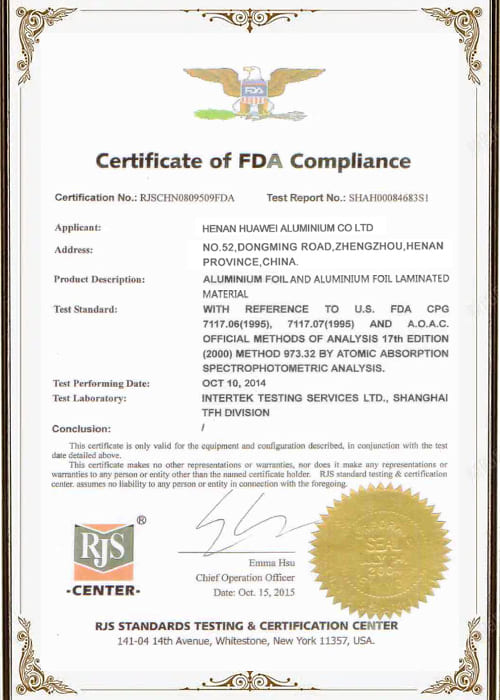
- Aluminum foil used for pharmaceutical packaging must comply with FDA or EU food-grade safety standards.
Advantages of Using Aluminum Tearing Blister Foil
- Superior Barrier Properties:
- Blocks moisture, oxygen, and UV light, preserving the product’s efficacy.
- Extends the shelf life of sensitive products.
- Lightweight and Durable:
- Aluminum is lightweight, reducing overall packaging weight while maintaining structural integrity.
- Tamper-Evident:
- Provides visible evidence of tampering, ensuring consumer safety.
- Ease of Processing and Printing:
- Supports high-quality printing for branding and product information.
- Eco-Friendly:
- Aluminum is 100% recyclable, aligning with sustainability goals.
Comparison Table: Aluminum vs. Alternative Materials
| Material | Barrier Properties | Recyclability | Cost | Durability |
|---|---|---|---|---|
| Aluminum Blister Foil | Excellent | High | Moderate | High |
| Plastic Foil | Moderate | Low | Low | Moderate |
| Paper Packaging | Low | High | Low | Low |
Packaging Secrets of Aluminum Tearing Blister Foil
To ensure optimal performance, aluminum tearing blister foil undergoes several critical processing steps:
- Surface Coating:
- Special coatings enhance the foil’s compatibility with heat-sealing processes, ensuring secure packaging.
- Lamination:
- Multi-layer laminations with polymers or adhesives improve flexibility and tear resistance.
- Embossing and Perforation:
- These techniques are used to facilitate controlled tearing, making it user-friendly.
- Printing:
- High-quality printing technology allows manufacturers to include essential details such as dosage information and batch numbers.
Applications of Aluminum Tearing Blister Foil in the Pharmaceutical Industry
- Tablet and Capsule Packaging:
- Ensures long-term stability and protection against environmental factors.
- Powdered and Granulated Products:
- Prevents contamination and moisture absorption.
- Effervescent Tablets:
- Preserves the integrity of the product by blocking humidity.
- Blister Packs for Diagnostic Devices:
- Used to secure and protect small, sensitive diagnostic components.
Example Statistics:
- Over 70% of blister packaging in the pharmaceutical industry relies on aluminum foils due to their unmatched barrier properties.
- The global aluminum blister foil market was valued at approximately $2.5 billion in 2023, with a projected CAGR of 4.5% through 2030.
Golden aluminum tearing blister foil

Innovations and Advancements in Aluminum Tearing Blister Foil Technology
- Ultra-Thin Foils:
- Development of thinner aluminum foils (below 20 µm) without compromising performance, reducing material usage and cost.
- Smart Packaging:
- Integration of RFID tags and QR codes on the foil surface for tracking and authentication.
- Enhanced Sustainability:
- Use of eco-friendly coatings and recyclable adhesives to improve the overall environmental impact.
- High-Speed Production Lines:
- Advanced machinery enables precise embossing, laminating, and printing, enhancing manufacturing efficiency.
Conclusion: Harnessing the Power of Aluminum Tearing Blister Foil in Packaging
Aluminum tearing blister foil has proven to be an indispensable material in modern pharmaceutical packaging.
Its unmatched barrier properties, user-friendly design, and recyclability make it a sustainable and reliable choice for protecting sensitive products.
As innovations continue to refine its production and applications, aluminum blister foil remains at the forefront of packaging solutions, ensuring safety, quality, and convenience for consumers worldwide.
More Aluminum foil for pharmaceutical packaging: https://www.hwpfp.com/