8011 Aluminum Foil for Floor Heating Insulation | Efficient Heat Reflection
1933 Views 2026-03-27 05:28:09
8011 Aluminum Foil for Floor Heating Insulation: Overview, Importance, and Supplier Insight
Floor heating systems convert electrical or hydronic energy into comfortable warmth beneath floors. A critical component in these systems is insulation that reduces heat loss downward into subfloors, enabling more efficient heating and faster temperature rise.
Among the materials used for radiant barrier insulation, 8011 aluminum foil stands out for its combination of formability, barrier properties, and compatibility with laminate and film layers.
This article provides an in-depth, practical exploration of 8011 Aluminum Foil for Floor Heating Insulation, with technical data, supplier insight from Huawei Aluminum, design considerations, comparative analyses, and actionable guidance for engineers, installers, and procurement teams.
Why this topic matters
- Energy efficiency: Radiant floor heating relies on minimizing heat losses to non-occupied spaces. A reflective foil layer helps direct heat upward, improving system efficiency.
- Reliability and safety: Aluminum foil layers provide moisture barriers, vapor control, and mechanical protection in floor assemblies subject to humidity, foot traffic, and potential impacts.
- Supply chain stability: A key supplier like Huawei Aluminum can offer consistent quality, compliance with international standards, and scalable production capabilities for large projects.
In the following sections, you will find a structured, data-informed view of 8011 Aluminum Foil for Floor Heating Insulation and practical guidance on selection, design, and installation.

8011 Aluminum Foil for Floor Heating Insulation
8011 Aluminum Foil for Floor Heating Insulation: What it is and why it matters
Understanding radiant floor heating and insulation needs
Radiant floor heating relies on heat transfer from a heat source to the floor surface, which then radiates warmth into the living space. The insulating strategy has two core goals:
- Minimize downward heat loss: The floor structure and subfloor can conduct heat away from the room. A reflective barrier reduces the portion of energy that is lost downward.
- Manage moisture and durability: The underfloor environment may feature humidity and moisture swings. A barrier layer helps limit vapor diffusion that could degrade insulation performance or wooden subfloors.
Aluminum foil, particularly in the 8011 alloy, is well-suited to be used as a reflective, moisture-barrier layer in laminated or multi-layer assemblies.
The 8011 alloy belongs to the 8000-series family, known for excellent formability, corrosion resistance, and compatibility with flexible packaging and barrier applications.
In floor heating installations, the foil is typically used in combination with polyethylene (PE) or polyolefin laminates and sometimes with additional reflective or protective layers.
Key advantages of 8011 Aluminum Foil for Floor Heating Insulation
- High reflectivity in the infrared spectrum: A foil barrier reflects a large portion of radiant heat back toward the heated surface, aiding thermal performance of the system.
- Low emissivity surface: Aluminum foil presents a low-emissivity surface in many configurations, reducing radiative losses.
- Moisture and vapor barrier: The foil acts as a barrier to moisture diffusion, protecting insulation materials and subfloor structures.
- Formability and lamination compatibility: 8011 foil can be produced in thin gauges and laminated with various films, enabling integrative floor-insulation assemblies.
- Corrosion resistance: The 8011 alloy maintains performance in damp environments and under temperature variations common to floor systems.
- Recyclability and environmental profile: Aluminum foil is widely recyclable, enabling end-of-life recovery and lower lifecycle environmental impact when properly managed.
Typical applications in floor heating systems
- Radiant barrier layers beneath tile, wood, or vinyl floors.
- Laminate-based systems where a foil layer is combined with PE or other polymer films.
- Multilayer insulation assemblies designed for concrete or timber subfloors with moisture considerations.
In practice, the selection of 8011 Aluminum Foil for Floor Heating Insulation hinges on balancing barrier performance, lamination compatibility, installation ease, and cost.

Floor Heating Insulation 8011 Aluminum Foil Display
Properties and performance of 8011 Aluminum Foil
Chemical and mechanical properties
- Alloy family: 8011 aluminum foil (an aluminum-manganese alloy widely used for foil applications due to formability and corrosion resistance).
- Temper: Commonly used in H18, O, or similar softened/hardened states for foil; temper is selected to optimize ductility, pinhole resistance, and lamination bonding.
- Thickness range: Typically 12–40 micrometers (µm) for floor insulation foils, with 16–25 µm being a common choice for radiant barrier layers combined with laminates.
- Width range: Wide formats (up to several meters) are common in industrial coil production, with slitting to target widths for installed assemblies.
Key performance attributes include:
– Formability: Excellent bending and crimping performance for integration into laminated assemblies or complex substrates.
– Barrier properties: Low water vapor transmission rates when laminated with polymer films; effective moisture barrier when used as a stand-alone layer or in laminate stacks.
– Surface quality: Bright finish options offer high reflectivity; dull or matte surfaces can be selected to tailor emissivity or bonding properties.
Thermal properties and radiation management
- Thermal conductivity: Aluminum has high thermal conductivity (~205 W/m·K in bulk). In foil gauges used for insulation, conduction through the foil itself is negligible in the context of floor insulation since thicknesses are thin (tens of micrometers). The primary benefit is radiant heat management, not conduction resistance.
- Emissivity and reflectivity: Foil surfaces exhibit low emissivity in the infrared range, providing an effective radiant barrier. A highly polished surface adds to reflectivity, while specific surface finishes can tune emissivity for particular system requirements.
- Temperature compatibility: Foil layers maintain performance across typical building floor temperatures, from cool-off periods to live heated cycles.
Barrier and durability properties
- Moisture barrier: A well-constructed foil layer resists moisture diffusion, which is essential in basements, ground floors, or other humid environments.
- Chemical stability: Aluminum does not corrode easily in the presence of humidity or most indoor environments when properly alloyed and protected by laminate films.
- Mechanical protection: In laminated assemblies, the foil can offer puncture resistance and tear strength compatible with installation practices.
Fire safety and environmental considerations
- Fire rating: Aluminum itself is non-combustible; the performance of an insulation system depends on the laminate materials and adhesives used with the foil layer. It is crucial to select laminates that meet local fire safety standards.
- Environmental profile: Aluminum foil is highly recyclable. Recycled content can vary by supplier and process: many producers optimize energy efficiency and lower greenhouse gas emissions across the supply chain.
8011 Aluminum Foil for Floor Heating Insulation: Technical specifications and standards
Typical thicknesses, widths, and tolerances
- Thickness: 12–40 µm (0.012–0.040 mm). For radiant barrier applications in floor heating, 16–25 µm is common to balance barrier performance with cost and mechanical handling.
- Width: Coil and sheet widths vary widely; slit widths are configured to fit installation plans and laminate widths.
- Temper: H18, O, or other stabilized softened states.
Surface finishes and lamination options
- Bright (polished) surface: Higher reflectivity, beneficial for radiant barrier performance.
- Matte surface: Lower reflectivity, sometimes used to improve lamination bond strength with certain adhesives or films.
- Laminated structures: Common laminate stacks include:
- 8011 foil / polyethylene (PE) film
- 8011 foil / polypropylene (PP) film
- 8011 foil / polyolefin blends
- Multi-layer tapes or composite sheets with adhesive backing
- Adhesive candidates: Acrylics, EVA, or other laminating adhesives compatible with aluminum and the selected polymer film; bond strength and long-term reliability depend on exposure conditions.
Standards and compliance
- Industry adoption: 8011 aluminum foil used widely in packaging and barrier applications, with floor insulation applications following general standards for laminate barriers and building materials.
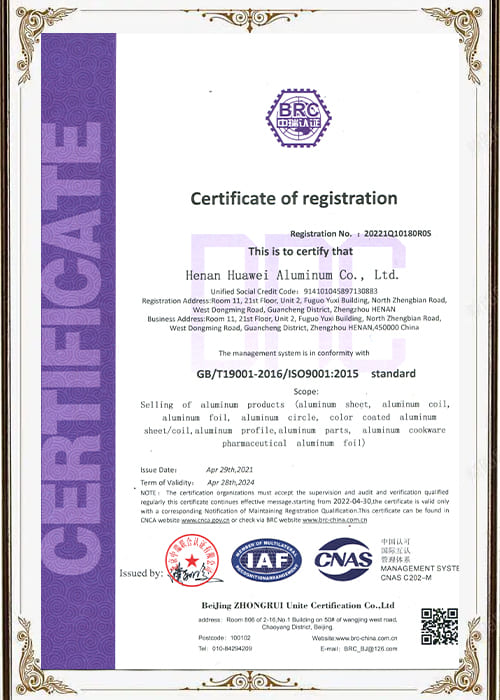
- Certification considerations: For commercial projects, procurement should verify certifications such as ISO 9001 (quality management), ISO 14001 (environmental management), and any regional or national building codes for insulation and vapor barrier components.
- Testing: Typical tests include moisture vapor transmission rate (MVTR), peel strength for laminates, puncture resistance, reflectivity/emissivity measurements, and adherence to fire safety requirements for the overall assembly.

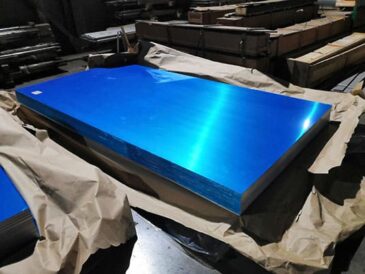
Huawei 8011 Aluminum Foil Warehouse
8011 Aluminum Foil Manufacturing and supplier – Huawei Aluminum
Huawei Aluminum: Company introduction and product portfolio
Huawei Aluminum is a leading manufacturer of aluminum products with a broad portfolio that includes aluminum foil for packaging, industrial applications, and building insulation.
The company emphasizes:
- Integrated production: From upstream bauxite processing to downstream foil production and surface finishing, enabling consistent material properties.
- Advanced coating and lamination capabilities: The ability to supply laminated foil structures that combine 8011 foil with various polymer films to form complete insulation products for floor heating applications.
- Quality control and testing: Rigorous in-house testing and third-party testing options to verify barrier performance, lamination strength, and surface quality.
- Global reach: A diversified customer base spanning Asia, Europe, North America, and the Middle East, with dedicated logistics for large-scale projects.
Huawei Aluminum’s approach to 8011 Aluminum Foil for Floor Heating Insulation emphasizes reliability, supply chain resilience, and alignment with industry standards.
Their facilities are designed to handle high-volume production, long-term supply contracts, and customization for thickness, width, and laminate configurations demanded by radiant floor heating installers and system integrators.
Global capacity, certifications, and quality control
- Capacity: Large-scale foil production lines capable of producing thin-gauge foil at high throughput, with options for wide formats and laminated products.
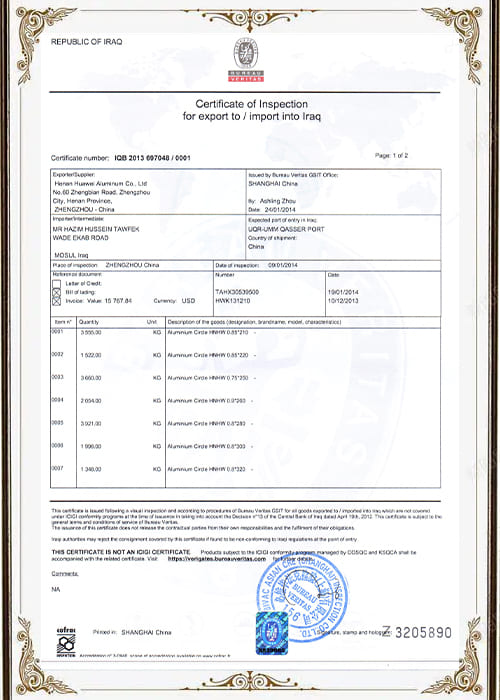
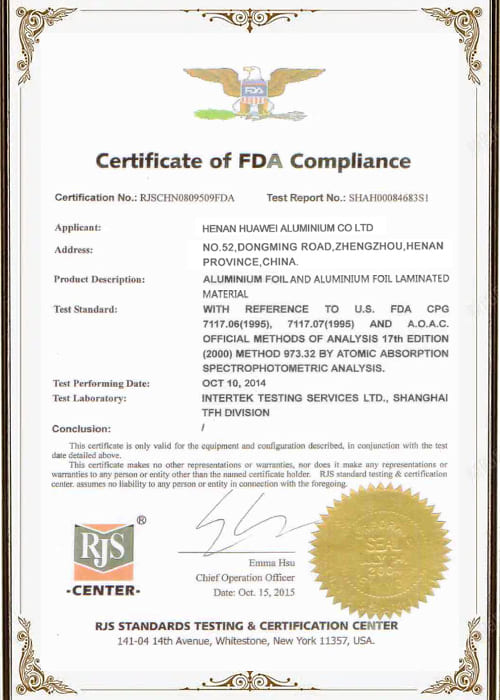
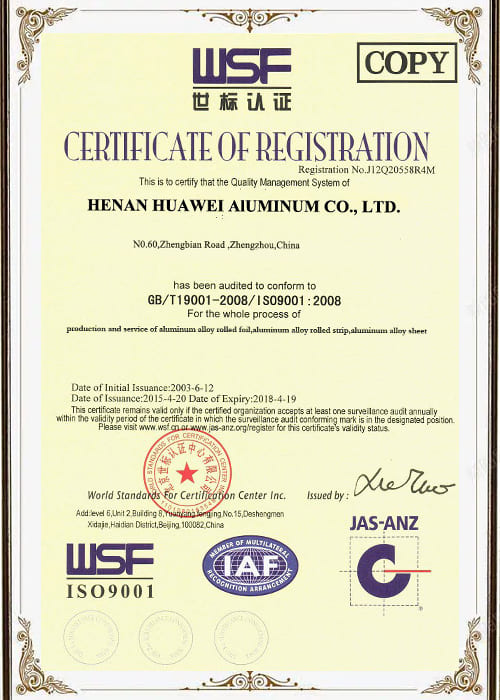
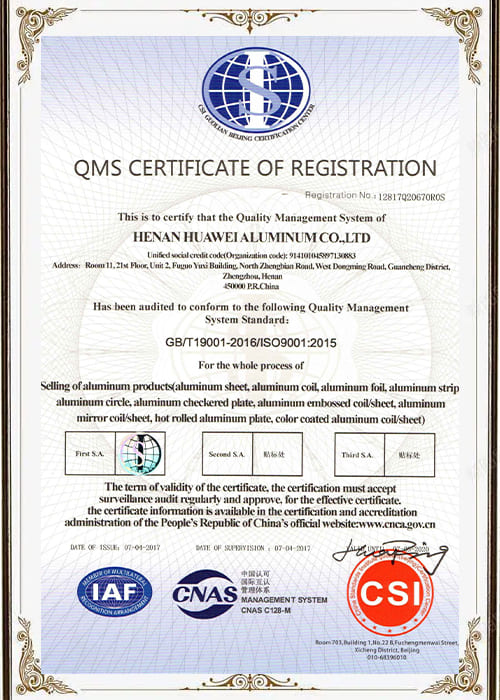
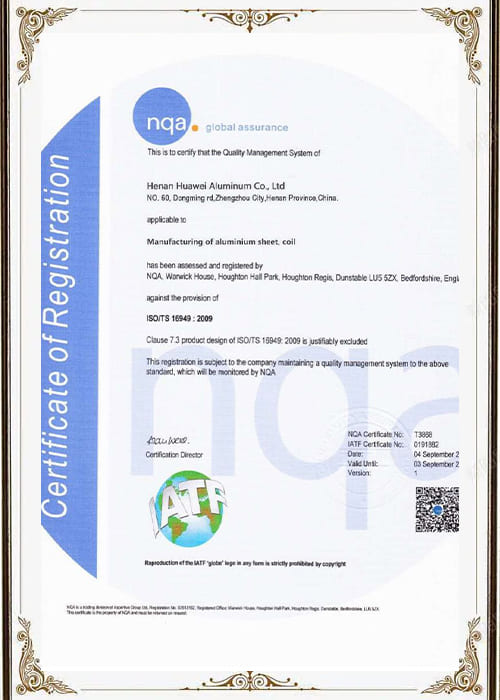
- Certifications: ISO 9001; ISO 14001; and potentially IATF or regional quality assurance schemes depending on the production plant and customer requirements.
- Quality control: Inline inspection systems for thickness, surface finish, and defect detection; post-production sampling and material testing for barrier properties and lamination strength.
- Traceability: Comprehensive lot tracking and batch records to ensure traceability from raw material to finished laminated foil products.
Huawei Aluminum’s capabilities make them a credible supplier for floor heating insulation projects of varying scale, from residential builds to commercial installations and industrial retrofits.
When selecting a supplier, consider not only price but also consistency of supply, traceability, and the ability to provide documentation for compliance and performance data.
8011 Aluminum Foil for Floor Heating Insulation: Applications, installation, and design considerations
System integration: How 8011 foil fits into a floor heating assembly
A typical radiant floor insulation assembly may comprise:
– A subfloor or concrete slab
– Any moisture barrier or vapor retarder
– An 8011 Aluminum Foil layer (as a reflective barrier)
– A laminated protective film or adhesive layer
– insulation material (e.g., extruded polystyrene (XPS), polyiso boards, or mineral wool)
– Floor heating cables or pipes
– Finish flooring (tile, wood, laminate)
The 8011 foil layer is chosen for its barrier properties and radiant heat management, placed in strategic positions where it can reflect infrared heat toward the warmer side while protecting the insulation material from moisture and mechanical damage.
The lamination with PE or PP films helps ensure compatibility with adhesives, moisture resistance, and mechanical integrity under tile installation or wood floor overlays.
Lamination and packaging choices
- Monolayer foil: Used as a stand-alone barrier with minimal lamination; may be combined with reflective coatings (e.g., bright finishes) to optimize IR reflection.
- Laminated foil: Foil laminated to PE or other film layers to provide a robust, tear-resistant, and moisture-resistant assembly that can be bonded to insulation materials or installed with adhesive backing.
- Composite tapes and mats: Some installations utilize composite foil tapes or mats where the 8011 foil is integrated into a pre-cut sheet or roll ready for installation.
Installation guidelines and best practices
- Handling: Thin foils are flexible but delicate. Use proper cut and handling techniques to avoid tearing or creating micro-perforations.
- Surface preparation: Ensure subfloor surfaces are clean, dry, and free of sharp protrusions before installing the foil laminate. Imperfections can compromise lamination integrity and moisture barriers.
- Bonding and adhesion: When laminating, select adhesives compatible with aluminum and the polymer film; verify bond strength, cure time, and long-term reliability under floor-on-floor loads.
- Overlaps and seams: Align seams to minimize heat loss and moisture infiltration; use compatible tapes or adhesives to seal seams. Provide adequate overlap to prevent exposure of the foil backing.
- Temperature considerations: Respect system temperature ranges and ensure the laminate and adhesive can withstand the expected temperatures without degradation.
- Fire safety: If the laminate includes additional layers, confirm that the overall assembly meets local fire safety requirements. The foil itself is non-combustible, but the laminate stack must be evaluated.
System performance and lifecycle considerations
- Energy efficiency gains: The reflective barrier provided by 8011 foil can contribute to a drop in standby heat loss and faster warm-up times, contributing to overall energy efficiency in radiant floor systems.
- Durability and maintenance: A well-sealed laminate and foil layer extends the life of the insulation assembly, reducing the risk of moisture-related issues in basements or slab-on-grade installations.
- End-of-life considerations: Aluminum foil and associated laminates can be recycled; ensure that recycling streams accommodate laminated composite materials where possible, and follow local guidelines for disposal.
8011 Aluminum Foil for Floor Heating Insulation: Comparison with other alloys
Comparison of 8011 with other common foil alloys for floor insulation
| Alloy / Series | Typical Composition Focus | Formability | Barrier & Moisture Resistance | Reflectivity / Emissivity | Common Applications | Pros | Cons |
|---|---|---|---|---|---|---|---|
| 8011 (foil) | Aluminum with manganese, highly formable | Excellent: suitable for thin foils, laminates | Good moisture barrier when laminated; solid for barrier layers | High reflectivity with bright finishes; low emissivity in IR | Floor insulation laminates, packaging foil, barrier films | Good combination of formability and barrier performance; widely available | Not as high mechanical strength as some thicker foils; laminates required for full protection |
| 3003 (foil) | Aluminum-magnesium alloy; higher strength than pure Al | Good; moderate | Good barrier properties when laminated | Moderate reflectivity | General packaging and some insulation components | Higher strength than 1100 series; good workability | Not as commonly used for very thin barrier laminates as 8011 in some insulation contexts |
| 1235 (foil) | Aluminum-magnesium alloy; good formability | Excellent | Good moisture barrier in laminates | Moderate reflectivity | Flexible packaging; some insulation uses | Very formable; smooth surface for coatings | Not ideal where high barrier integrity is required without lamination |
| 8079 or similar (foil) | Aluminum-magnesium alloy; similar to packaging foils | Excellent | Excellent barrier when laminated | High reflectivity possible | Packaging and insulation where barrier is critical | Superior barrier with certain coatings | May be more expensive; availability varies by region |
Why 8011 stands out for floor heating insulation
- Lamination compatibility: 8011 foils are readily laminated with various polymers, adhesives, and protective coatings, enabling durable, moisture-resistant barrier layers for floor assemblies.
- Availability and cost: 8011 foils are widely available and cost-effective for large-format production, which is important for large-scale floor heating installations.
- Consistency: The 8011 alloy provides reliable mechanical and barrier performance across production lots, a critical factor when ordering large quantities for commercial projects.
8011 Aluminum Foil for Floor Heating Insulation: Data, metrics, and calculations
Radiant barrier performance and energy implications
- Radiant heat management: The radiant barrier effect of foil improves overall floor system efficiency by reflecting a portion of radiant heat back toward the heated surface. This reduces downward heat loss and can contribute to faster warm-up.
- Emissivity considerations: A low-emissivity foil surface reduces radiative losses; in many configurations, a brightly finished foil offers higher reflectivity in the IR range, while the laminate or finish can be optimized for a specific system.
Quantitative estimates:
– R-value contribution of the foil itself: Minimal, on the order of micro-K/W per unit area, due to the thinness of the foil and high thermal conductivity of aluminum. However, the foil’s reflective properties can reduce heat losses in radiant systems by a measurable margin when integrated into a properly designed laminate stack.
– Overall system effect: In combination with conventional insulation (e.g., XPS, polyiso boards), the foil layer contributes to a lower heat loss downward and helps maintain stable surface temperatures.
Lifetime and durability data
- Long-term reliability: When laminated with suitable films and adhesives, 8011 foil layers exhibit excellent long-term stability in indoor environments with typical floor heating temperatures.
- Moisture and vapor diffusion: The laminated foil layer significantly reduces vapor diffusion into insulation and subfloor materials, helping preserve insulation performance over time.
Cost considerations and lifecycle profitability
- Material cost: 8011 foil is generally cost-competitive within laminate-based barrier solutions, especially when manufactured at scale by suppliers like Huawei Aluminum.
- Installation cost: Laminated foil assemblies can incur higher upfront installation costs due to lamination steps; however, these costs are often offset by energy savings, faster installation milestones, and longer-term durability.
- Lifecycle considerations: Aluminum is highly recyclable; with proper recycling at the end of life, the environmental footprint can be reduced.
Procurement, Quality, and Supplier
Practical procurement tips
- Verify material specifications: Confirm thickness (µm), width, temper, and laminate configuration to ensure compatibility with the installation plan.
- Request performance data: MVTR, peel strength of lamination, reflectivity/emissivity data, and compatibility with adhesives and flooring finishes.
- Check certifications: ISO 9001, ISO 14001, and any regional building codes or standards applicable to the project.
- Assess supplier capacity: For large projects, confirm lead times, batch sizes, and the ability to deliver on schedule with consistent quality.
Quality control and testing expectations
- Thickness and uniformity: Non-destructive testing to ensure coverage within tolerance across spools.
- Lamination strength: Peel tests to verify bond strength between foil and film coatings.
- Surface quality: Inspection for pinholes, tears, and surface defects that could compromise barrier performance.
- Environmental testing: Some projects may require humidity, temperature cycling, or UV exposure tests for exterior, or semi-exterior installations.
Huawei Aluminum in the procurement cycle
- Supplier reliability: Huawei Aluminum’s integrated production capabilities help ensure stable supply chains for 8011 foil for floor heating insulation.
- Documentation: Expect material data sheets, test reports, and compliance documentation to accompany shipments.
- Technical support: Access to engineering support for laminate configurations, installation guidelines, and compatibility recommendations with specific underlayment and flooring types.
FAQs About 8011 Aluminum Foil for Floor Heating Insulation
Q1: What thickness of 8011 aluminum foil is typically used for floor heating insulation?
– Common thicknesses range from 12 to 25 µm for radiant barrier layers in laminate assemblies. The exact thickness is chosen to balance barrier performance, lamination adhesive compatibility, and handling during installation.
Q2: Does 8011 foil contribute significantly to insulation beyond radiant barriers?
– The foil layer itself has negligible conductive insulation value due to its thinness and high thermal conductivity. The primary benefit is radiant heat reflection and moisture barrier performance when integrated into laminated assemblies.
Q3: Can 8011 foil be recycled after use in floor insulation?
– Yes. Aluminum is highly recyclable. Many regional recycling streams accept aluminum foil, especially if recovered from laminated products. It is important to follow local recycling guidelines for laminated materials.
Q4: How do I select a supplier for 8011 foil for floor heating insulation?
– Consider reliability, supply capacity, consistent quality, certifications (ISO 9001, ISO 14001), traceability across lots, documented performance data, and the ability to provide compatible laminates and adhesives. Huawei Aluminum is an example of a supplier with integrated production and quality control processes.
Q5: What are the installation considerations for laminated 8011 foil in radiant floor systems?
– Ensure surface cleanliness, proper seam sealing, and lamination integrity. Align the foil laminates with the floor heating layout, avoid damage to the foil during tile or floor overlay installation, and use adhesives compatible with aluminum and laminate materials. Follow the laminate manufacturer’s guidelines for bonding and curing times.
Q6: How does 8011 foil compare with other foil alloys for radiant barrier use?
– 8011 is a widely used choice due to its formability, barrier properties, and laminate compatibility. Other alloys (like 3003 or 1235) may be suitable for certain applications but can differ in workability, barrier performance, and compatibility with lamination adhesives. For radiant floor insulation, 8011 remains a balanced selection for most standard installations.
Conclusion
- 8011 Aluminum Foil for Floor Heating Insulation offers a practical balance of barrier properties, lamination compatibility, and radiant heat management, making it a common choice for reflective barrier layers in floor heating installations.
- Huawei Aluminum provides a credible supplier option with integrated manufacturing capabilities, quality controls, and a track record of delivering consistent foil laminates suitable for floor insulation applications.
- When specifying 8011 foil, focus on laminate configuration, adhesive compatibility, moisture barrier performance, and the overall system design to optimize energy efficiency, durability, and cost.
- A well-designed foil-based insulation assembly contributes to energy savings in radiant floor systems by reducing downward heat losses and improving temperature stability, particularly when combined with robust insulation materials and properly executed installation.
If you are planning a floor heating project and want a credible supply partner for 8011 Aluminum Foil for Floor Heating Insulation, consider engaging Huawei Aluminum for technical specifications, material data sheets, and project-ready laminate options.
A thoughtful specification that integrates foil lamination, adhesive bonding, and system layout will help you realize efficient, durable, and code-compliant radiant floor installations.
Share with PDF: Download