8011 Foglio di alluminio per imballaggio farmaceutico
1232 Viste 2026-07-16 01:15:06
8011 Foglio di alluminio per imballaggio farmaceutico: Una guida completa
L'introduzione ha posto le basi per un'esplorazione dettagliata del ruolo di 8011 Foglio di alluminio per l'imballaggio farmaceutico nella moderna distribuzione dei farmaci.
Questa guida è progettata per gli ingegneri del packaging, specialisti degli appalti, responsabili della qualità, ricercatori, e dirigenti che desiderano un approccio pratico, comprensione del perché basata sui dati 8011 il foglio di alluminio è un materiale affidabile nell'imballaggio farmaceutico, come si comporta nelle diverse applicazioni, e come selezionare, qualificarsi, e lavorare con i fornitori per ottenere risultati affidabili, risultati conformi.
La frase 8011 Il foglio di alluminio per l'imballaggio farmaceutico incapsula un caso d'uso specifico che è diventato uno standard nel settore: un materiale in lamina che combina formabilità, prestazioni di barriera, e compatibilità con le moderne tecnologie di laminazione e sigillatura.
In questa guida, imparerai a conoscere le proprietà che rendono 8011 foglio di alluminio adatto per l'imballaggio farmaceutico, le considerazioni normative che ne regolano l’utilizzo, i formati di imballaggio e le strutture di laminazione più comuni, e misure pratiche per ottimizzare l’offerta, prestazione, e qualità.
Presenteremo anche Huawei Aluminium, un fornitore leader con una comprovata esperienza nella produzione di alta qualità 8011 lamina per applicazioni farmaceutiche, e discutere come le partnership con fornitori affidabili possano ridurre i rischi e migliorare la resilienza della catena di approvvigionamento.

8011 Foglio di alluminio per imballaggio farmaceutico
Perché 8011 Foglio di alluminio per imballaggio farmaceutico?
Perché il 8011 il grado è preferito per l'imballaggio farmaceutico
IL 8011 foglio di alluminio fa parte della famiglia della serie 8000, caratterizzato da composizioni di alluminio-magnesio-manganese che offrono un'ottima formabilità, Buone proprietà meccaniche, e prestazioni barriera affidabili se incorporati in strutture laminate.
Nella confezione farmaceutica, dove i prodotti spaziano dalle compresse alle capsule, dalle polveri secche alle creme, il materiale di imballaggio deve soddisfare requisiti rigorosi:
- Eccellente barriera all'umidità e ai gas se utilizzato come parte di laminati multistrato
- Elevata formabilità per creare geometrie di blister complesse e aree di tenuta
- Compatibilità con processi di termosaldatura e strati di rivestimento
- Inerzia e compatibilità chimica con un'ampia gamma di medicinali
- Stampabilità per il branding del prodotto, codici lotto, e informazioni normative
- Forti caratteristiche anti-manomissione se utilizzato in fogli laminati, bustine, o blister
IL 8011 Il grado offre una combinazione equilibrata di questi attributi, rendendolo una scelta ampiamente adottata per l’imballaggio farmaceutico in tutto il mondo.
La naturale resistenza alla corrosione e stabilità del materiale in condizioni tipiche di sterilizzazione (come l'ossido di etilene, irradiazione gamma, o fascio di elettroni) aumenta la sua attrattiva per i prodotti che richiedono una solida protezione durante tutta la durata di conservazione e la distribuzione.
Come 8011 rispetto ad altre leghe utilizzate negli imballaggi farmaceutici
- Nella famiglia della serie 8000, 8011 generalmente fornisce una migliore formabilità e stampabilità rispetto alle varianti con resistenza più elevata. È meno soggetto a fessurazioni durante l'imbutitura profonda o la formatura a freddo, indispensabile per le linee di confezionamento blister e di laminazione con materiali sottili, rivestimenti compatibili.
- Rispetto al puro 1100 O 1050 lamine (formabilità molto elevata ma prestazioni barriera inferiori), 8011 offre una migliore barriera quando laminato con film polimerici senza sacrificare troppo la formabilità.
- Rispetto ad alcuni più sottili, film polimerici ad alta barriera, il foglio di alluminio fornisce una barriera inorganica senza precedenti all'umidità e ai gas quando viene utilizzato in strutture laminate, spesso riducendo la velocità complessiva di trasmissione dell’ossigeno (Otr) e velocità di trasmissione del vapore acqueo (Wvtr) del pacchetto finale.
Questo equilibrio di proprietà fa 8011 un valore predefinito pratico per molti formati di confezionamento farmaceutici, in particolare se combinato con rivestimenti barriera, laminati polimerici, e strati termosaldati che adattano le prestazioni a prodotti specifici e ambienti normativi.
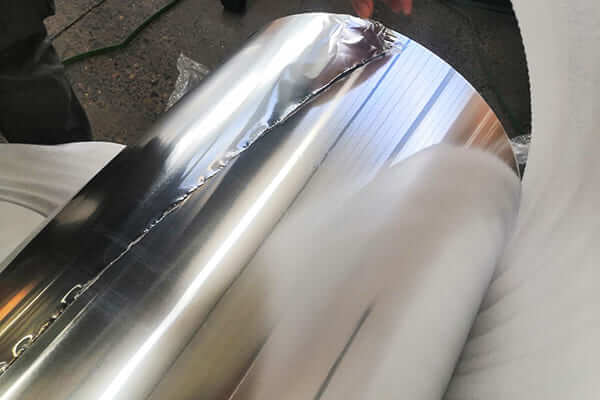
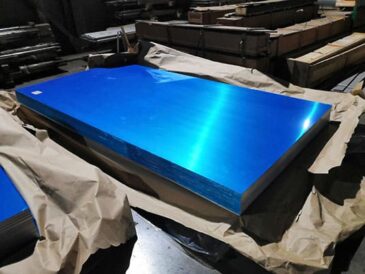
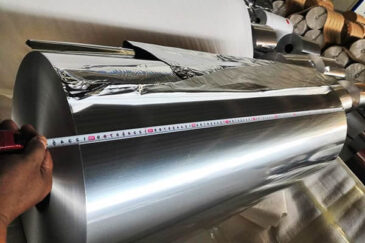
Huawei 8011 Espositore in foglio di alluminio
Proprietà chiave e prestazioni di 8011 Foglio di alluminio
Proprietà dei materiali nel contesto del packaging farmaceutico
- Formabilità: 8011 il foglio dimostra un'eccellente formabilità, consentendo una produzione ad alta velocità e una sigillatura affidabile in una vasta gamma di design di blister, formati di buste, e strutture laminate.
- Prestazioni barriera: Nei sistemi laminati, lo strato di alluminio funge da robusta barriera inorganica all'umidità, ossigeno, e odori. Se combinato con rivestimenti polimerici e strati sigillanti, la barriera laminata complessiva può essere adattata ai requisiti di stabilità del prodotto.
- Compatibilità con rivestimenti: I fogli di alluminio possono essere trattati in superficie o rivestiti per migliorare l'adesione con polimeri come il PET, PE, polipropilene (PP), e strati di PVDC. I rivestimenti aiutano anche a ottenere una migliore resistenza della tenuta ed energia superficiale per la stampa.
- Saldabilità termica: La superficie del foglio può essere compatibile con i polimeri termosaldanti standard utilizzati negli imballaggi farmaceutici, consentendo tenute affidabili alle temperature di processo tipiche per le linee blister.
- Stampabilità: La superficie della lamina accetta inchiostri e rivestimenti per fotografie di alta qualità, testo, codici a barre, ed etichettatura normativa, che è fondamentale per la tracciabilità e la conformità.
- Resilienza alla sterilizzazione: Il foglio di alluminio in forme laminate resiste ai comuni metodi di sterilizzazione (PER ESEMPIO., ALLINEAMENTO, radiazione gamma) senza un significativo degrado delle proprietà barriera o dell'integrità del sigillo.
- Sicurezza e compatibilità normativa: Il foglio di alluminio utilizzato negli imballaggi farmaceutici è generalmente riconosciuto come sicuro per le applicazioni di imballaggio se utilizzato in conformità con le normative pertinenti. L'alluminio stesso è inerte a contatto con la maggior parte delle formulazioni farmaceutiche, e il laminato è progettato per prevenire la lisciviazione o l'interazione con i prodotti.
Intervalli di spessore tipici e loro implicazioni
- Gli spessori dei fogli comunemente usati nei laminati farmaceutici vanno da circa 6 micrometri a 40 micrometri, con 12–25 μm che è uno spessore particolarmente comune per i laminati in blister standard. Le lamine più sottili contribuiscono a ridurre i costi dei materiali e a una maggiore flessibilità nella formatura, ma potrebbe richiedere ulteriori strati di barriera o rivestimento per ottenere la protezione richiesta. Le lamine più spesse forniscono una maggiore rigidità e una migliore resistenza alla perforazione, che può essere auspicabile per determinati prodotti o lavorazioni a valle, ma con un costo del materiale più elevato e un potenziale impatto sulla velocità della linea.
- La scelta dello spessore dipende dalle caratteristiche del prodotto (fragilità, sensibilità all'umidità, controllo degli odori), il formato di imballaggio previsto (confezioni blister, bustine, bottiglie con tappi in lamina laminata), il metodo di sterilizzazione, e considerazioni sui costi.
Trattamenti superficiali e considerazioni sulla laminazione
- Energia superficiale e adesione: Per creare laminati robusti, il foglio di alluminio può essere trattato con modificatori superficiali o rivestimenti che migliorano l'adesione ai film polimerici come il PET, PP, PE, o PVDC. Un trattamento superficiale adeguato riduce il rischio di delaminazione durante la formatura, sigillatura, e manipolazione.
- Rivestimenti barriera: PVDC, Rivestimenti PVD, oppure è possibile applicare altri strati barriera ai laminati di fogli di alluminio per migliorare ulteriormente le barriere contro l'umidità e l'ossigeno. Questi rivestimenti aiutano ad adattare WVTR e OTR alle esigenze del prodotto.
- Compatibilità con inchiostri e vernici: La stampa su foglio di alluminio o sulla superficie polimerica dei laminati richiede inchiostri e vernici di sovrastampa compatibili, con attenzione alla potenziale migrazione e ai vincoli normativi.
- Validità e stabilità: La struttura laminata scelta deve essere testata in condizioni di invecchiamento accelerato per garantire l'integrità delle guarnizioni, Proprietà barriera, e informazioni stampate per tutta la durata di conservazione del medicinale.
Considerazioni sulle normative e sulla sicurezza per 8011 Lamina nei prodotti farmaceutici
Standard normativi e linee guida
- aspettative della FDA: Negli Stati Uniti, i materiali di imballaggio a contatto con i farmaci devono essere conformi alle sezioni pertinenti del Codice dei regolamenti federali (Cfr) e le linee guida FDA per i materiali di imballaggio, sottolineando la biocompatibilità, stabilità, e non tossicità. Il foglio di alluminio utilizzato nell'imballaggio farmaceutico è generalmente considerato inerte se utilizzato come parte di una struttura adeguatamente laminata.
- Standard europei e globali: La Farmacopea europea e altre farmacopee globali richiedono che i materiali di imballaggio soddisfino la purezza, compatibilità, e standard di prestazione per l'imballaggio e lo stoccaggio dei medicinali. Laminati contenenti 8011 i fogli sono progettati per soddisfare questi requisiti se fabbricati correttamente, rivestito, e sigillato.
- Anti-manomissione e tracciabilità: Il foglio di alluminio negli imballaggi spesso partecipa a progetti a prova di manomissione o è integrato in soluzioni di imballaggio che forniscono sigilli sicuri e chiara leggibilità dei numeri di lotto, Date di scadenza, e informazioni sul lotto.
- Sicurezza materiale: L'alluminio stesso non è tossico nelle tipiche condizioni di imballaggio. La principale preoccupazione normativa è la struttura laminata: garantire che i rivestimenti e gli strati sigillanti non migrino nel prodotto, e che tutti gli adesivi e gli inchiostri stampati soddisfano gli standard normativi di sicurezza.
- REACH e altre normative chimiche: I fornitori devono garantire che i rivestimenti, adesivi, e inchiostri da stampa utilizzati insieme a 8011 la pellicola è conforme a REACH (Registrazione, Valutazione, Autorizzazione, e restrizione delle sostanze chimiche) o norme nazionali equivalenti.
Test e garanzia di qualità per la preparazione farmaceutica
- Test WVTR e OTR: Per ogni struttura in laminato, valvole e test quantificano la quantità di umidità e gas che possono attraversare il laminato nel tempo. Queste misurazioni sono fondamentali per garantire la stabilità del prodotto, soprattutto per l'umidità- e formulazioni sensibili all'ossigeno.
- Resistenza alla termosaldatura: La zona di tenuta deve essere resistente alla manipolazione, magazzinaggio, e le condizioni di utilizzo finale (variazioni di temperatura e stress meccanici). I test sulla resistenza della tenuta contribuiscono a confermare che il laminato garantisce resistenza alla manomissione e protezione del prodotto.
- Resistenza alla perforazione: I test meccanici garantiscono che il componente in lamina fornisca un'adeguata resistenza alla perforazione in condizioni tipiche di movimentazione e trasporto.
- Test di migrazione e lisciviazione: Per proteggere la sicurezza del prodotto, i test di migrazione ed estraibili garantiscono che eventuali rivestimenti, adesivi, o gli inchiostri a contatto con il prodotto non rilasciano sostanze nocive nel medicinale.
- Pulizia della superficie e convalida della pulizia: Una superficie pulita è fondamentale per ottenere risultati di laminazione e stampa costanti, e molte linee di confezionamento farmaceutico richiedono una convalida documentata della pulizia come parte della convalida del processo.

Foglio di alluminio utilizzato per l'imballaggio farmaceutico
Applicazioni nel packaging farmaceutico
Sistemi di confezionamento in blister
I blister sono uno dei formati di confezionamento farmaceutici più comuni, combinando le cavità del blister con un materiale di copertura.
Il foglio di alluminio svolge il ruolo fondamentale nella formazione del coperchio del blister, fornendo umidità- e strato barriera all'ossigeno.
8011 la pellicola viene spesso utilizzata nel componente del coperchio, tipicamente in una struttura laminata con pellicole rivestite in PET o PVDC per fornire stabilità dimensionale, Sigillabilità, e prestazioni di barriera.
La flessibilità del foglio aiuta a formare linee di blister ad alta velocità, mentre la sua compatibilità con i polimeri termosaldabili garantisce una tenuta sicura attorno alle cavità del blister.
Bustine e laminati in bustine
Per prodotti come le polveri, granuli, o capsule confezionate in bustine, il foglio di alluminio viene spesso utilizzato come strato barriera interno, laminato con film come PE o PET e talvolta rivestito con PVDC per migliorare le prestazioni barriera.
La lamina fornisce una barriera robusta mentre gli strati polimerici esterni garantiscono l'integrità strutturale, stampabilità, e funzionalità rivolte al consumatore come i meccanismi di apertura.
8011 la lamina nei laminati delle buste è selezionata per il suo equilibrio tra formabilità e proprietà barriera, consentendo strutture a film sottile adatte per il confezionamento in dose unitaria.
Laminazione con film barriera
Nella confezione farmaceutica, una strategia importante è laminare 8011 foil con polimeri barriera per creare film multistrato che soddisfano i requisiti di stabilità del prodotto. Gli stack laminati comuni includono:
– Foglio di alluminio / ANIMALE DOMESTICO / PE o PP
– Foglio di alluminio / ANIMALE DOMESTICO / PVDC / strato sigillante
– Foglio di alluminio / PA (poliammide) o EVOH (copolimero di alcol vinilico) strati per una migliore barriera ai gas
– Foglio di alluminio con rivestimenti speciali per una migliore adesione dell'inchiostro ed energia superficiale
La struttura esatta dipende dalla sensibilità del prodotto, durata di conservazione richiesta, e vincoli normativi.
La laminazione viene spesso eseguita con temperature di laminazione controllate per prevenire la delaminazione, fori di spillo, o delaminazione del rivestimento che potrebbe compromettere le prestazioni della barriera.
Considerazioni sulla sterilizzazione e sulla compatibilità
- Ossido di etilene (ALLINEAMENTO) sterilizzazione: I laminati a base di lamina spesso resistono alla sterilizzazione con ETO senza un degrado significativo e un impatto minimo sulle proprietà barriera.
- Irradiazione gamma e sterilizzazione con fascio di elettroni: Il laminato deve mantenere l'integrità meccanica e la resistenza della tenuta dopo la sterilizzazione. 8011 il foglio è generalmente compatibile con questi metodi, a condizione che i sistemi di rivestimento e gli adesivi siano formulati per resistere all'irradiazione ambientale.
- Stoccaggio e distribuzione: Per prodotti che richiedono conservazione a catena del freddo o a temperatura ambiente, il laminato deve mantenere le proprietà barriera nonostante gli sbalzi di temperatura e l'esposizione all'umidità. IL 8011 la natura inerte del foglio e la barriera laminata garantiscono la protezione del prodotto durante la distribuzione.
Profilo del fornitore: Huawei Aluminium
Presentazione dell'alluminio Huawei
Huawei Aluminium è un produttore leader di alluminio cinese con una forte presenza globale nella fornitura di fogli di alluminio e relativi materiali di imballaggio.
L'azienda ha investito nella laminazione moderna, ricottura, e impianti di finitura, consentendo la produzione di alta qualità 8011 foglio di alluminio per applicazioni farmaceutiche e altre applicazioni impegnative.
Huawei Aluminium enfatizza un rigoroso controllo di qualità, una solida catena di fornitura, e la possibilità di personalizzare le proprietà del foglio per le esigenze specifiche del cliente. L'azienda è nota per:
– Un ampio portafoglio di prodotti in lamina, tra cui 8011 leghe adatte al packaging farmaceutico
– Capacità di produrre gradi e spessori di rinvenimento multiplo
– Opzioni avanzate di trattamento superficiale e rivestimento per la compatibilità con la laminazione
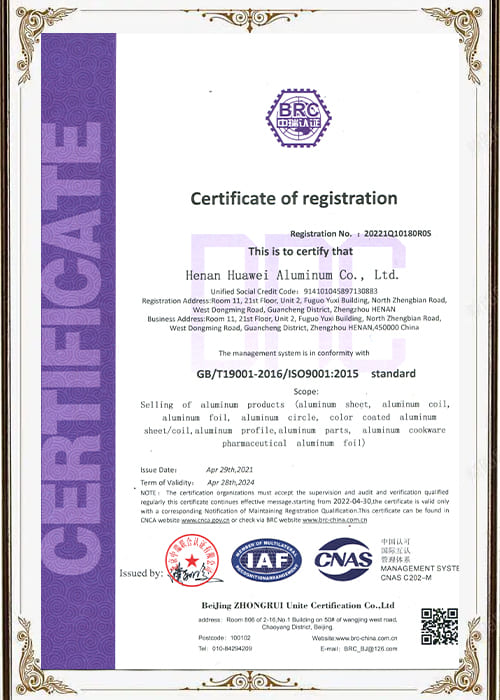
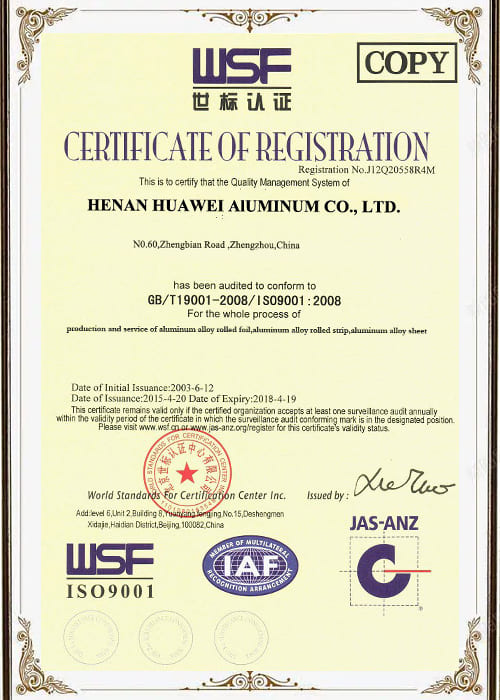
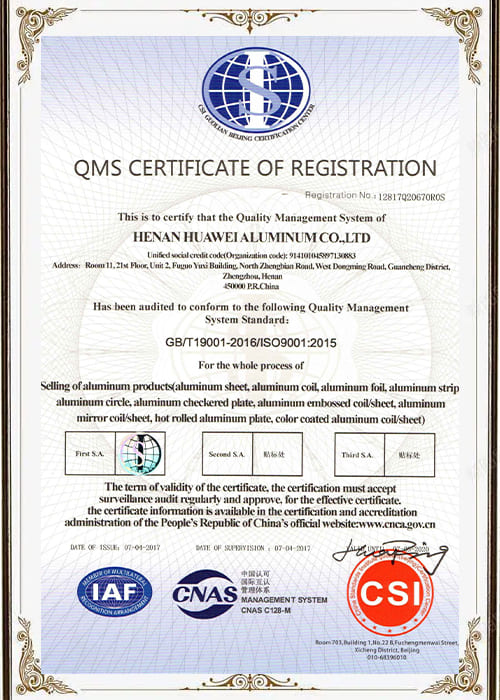
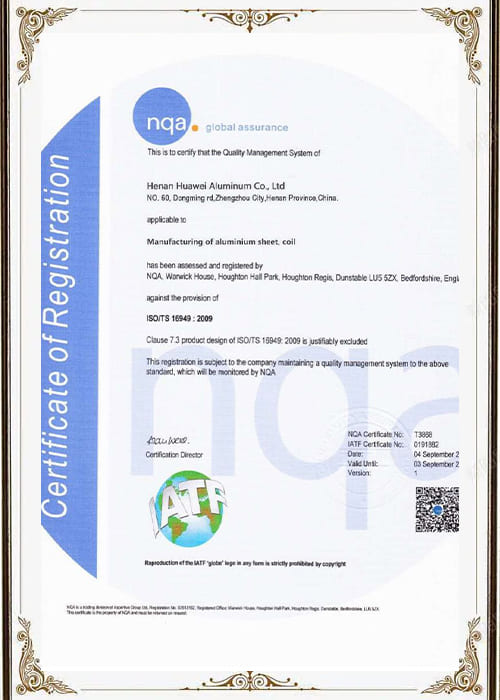
– Solidi sistemi di gestione della qualità e certificazioni (Iso 9001 e relativi standard di qualità)
– Logistica globale e servizio clienti con supporto tecnico per l’ottimizzazione della linea di confezionamento
Capacità dentro 8011 produzione di fogli
Huawei Alluminio fornisce 8011 prodotti in foglio in una gamma di spessori e condizioni di temperatura per soddisfare i requisiti di imballaggio farmaceutico. Le loro capacità includono:
– Spessore: 6–40 µm (tipico dei laminati farmaceutici)
– Temperamento: Variazioni da O a H18 come richiesto dall'elaborazione a valle
– Trattamenti superficiali: Pronto per la laminazione con PET, PVDC, PA, PVDC, e altri film barriera
– Rivestimenti e stampe: Superfici preparate per l'adesione dell'inchiostro o rivestimenti barriera opzionali
– Materiali pronti per il confezionamento: Fogli progettati per il confezionamento in blister, bustine, e laminati speciali
Controllo qualità e certificazioni
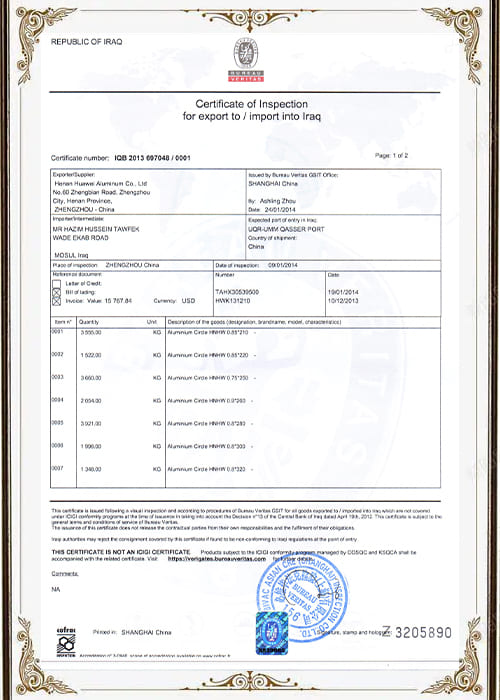
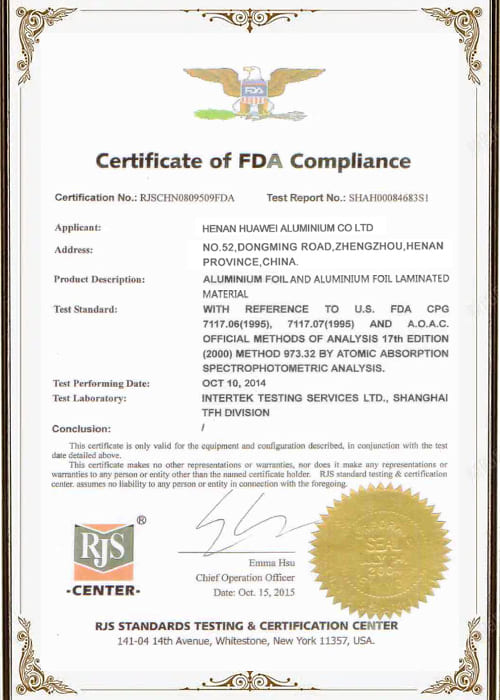
Huawei Aluminium pone l'accento sulla gestione della qualità e sulla tracciabilità. Le certificazioni tipiche includono:
–ISO 9001: Sistema di gestione della qualità
– MSDS e conformità alla sicurezza per i rivestimenti chimici utilizzati nei laminati
– Documentazione per la sicurezza dei materiali, tracciabilità del lotto, e rispetto delle specifiche del cliente
Considerazioni sulla sostenibilità e sulla catena di fornitura
Come un importante fornitore, Huawei Aluminium cerca di mantenere pratiche di produzione responsabili, minimizzare l’impatto ambientale, e garantire la resilienza della catena di approvvigionamento.
Ciò include iniziative di efficienza energetica, gestione dei rifiuti, e l'adesione agli standard internazionali per la qualità e l'affidabilità dei fornitori.
Per gli acquirenti di imballaggi farmaceutici, questo si traduce in una qualità costante del prodotto, consegne puntuali, e supporto tecnico reattivo: una combinazione importante per ridurre i rischi nei programmi di imballaggio critici.
Analisi comparativa: 8011 Lamina e altre lamine per l'imballaggio farmaceutico
| Caratteristica / Criterio | 8011 Foglio di alluminio (Uso farmaceutico standard) | 8021 Foglio di alluminio (Comunemente utilizzato in ambito farmaceutico) | 1235 Foglio di alluminio (Elevata purezza, Spesso in qualità alimentare) | 1100 Foglio di alluminio (Elevata formabilità) |
|---|---|---|---|---|
| Gruppo di leghe tipico | 8serie XXX (Leghe al-mn) | 8serie xxx con composizione leggermente diversa | 1serie XXX (alluminio quasi puro) | 1serie XXX (alluminio quasi puro) |
| Formabilità | Eccellente; buono per progetti di blister complessi | Molto bene; buona formabilità per molti laminati | Ottima formabilità; migliore per laminati semplici | Massima formabilità; ampiamente utilizzato per gli imballaggi flessibili |
| Contributo barriera (nei laminati) | Ottimo se abbinato a strati barriera; il foglio stesso non costituisce una barriera ai gas | Simile a 8011 quando laminato; dipende dai rivestimenti | Barriera eccellente con laminato adeguato; l'elevata purezza aiuta a ridurre le interazioni | Barriera moderata; fa molto affidamento sulla struttura laminata |
| Saldabilità termica | Compatibile con i comuni sigillanti polimerici nei laminati farmaceutici | Compatibile con i polimeri termosaldabili standard | Elevata compatibilità con i polimeri sigillanti | Ottima saldabilità con polimeri standard |
| Stampabilità / Finitura superficiale | Buona superficie per la stampa e il rivestimento; rivestimenti disponibili | Stampabilità da buona a eccellente; adatto per etichette di alta qualità | Buona stampabilità con rivestimenti adeguati | Buona stampabilità; ampiamente utilizzato per gli imballaggi di consumo |
| Percezione normativa | Affidabile al settore farmaceutico; ampiamente accettato nei mercati globali | Anche fidato; talvolta utilizzato in laminati specializzati | Ampiamente usato nel settore alimentare e farmaceutico; l’accettazione normativa dipende dalla struttura | Ampiamente usato in vari imballaggi, compresi alcuni casi farmaceutici |
| Usi tipici nel settore farmaceutico | Fogli del coperchio del blister, fogli di copertura laminati, lamine interne della bustina | Fogli laminati alternativi; utilizzati in strutture specifiche | Superfici in alluminio puro utilizzate in alcuni laminati e strati tampone | Applicazioni ad alta formabilità dove è richiesta una flessione estrema |
| Considerazioni sui costi | Moderare; prestazioni e costi equilibrati | Leggermente più alto o simile a 8011 a seconda della miscela di leghe | Solitamente costo inferiore a causa dell'elevata purezza, ma necessita di controlli di compatibilità | Costo generalmente inferiore; la formabilità è un vantaggio chiave |
Nota: Questa tabella presenta caratteristiche tipiche e generalizzazioni. Le prestazioni nel mondo reale dipendono dall’umore, spessore, Trattamento superficiale, rivestimento, e architettura laminata. Quando si seleziona un foglio per un progetto di imballaggio farmaceutico, consultare il produttore del foglio e i fornitori del materiale di imballaggio per verificare le proprietà esatte per il formato previsto e i requisiti normativi.
Domande frequenti su 8011 Foglio di alluminio per imballaggio farmaceutico
Q: Cosa fa 8011 foglio adatto al confezionamento farmaceutico?
UN: 8011 il foglio offre un equilibrio di formabilità, capacità barriera quando laminato, compatibilità termica per la sigillatura, e inerzia chimica, rendendolo una scelta affidabile per il confezionamento farmaceutico in blister, bustine, e film laminati.
Q: Potere 8011 il foglio può essere utilizzato con tutti i metodi di sterilizzazione?
UN: È compatibile con i comuni metodi di sterilizzazione (ALLINEAMENTO, gamma, fascio di elettroni) quando la struttura del laminato e i rivestimenti sono progettati per resistere al processo. Convalidare sempre l'intero laminato con il metodo di sterilizzazione scelto.
Q: Come posso determinare la giusta struttura laminata per un prodotto farmaceutico?
UN: Considera la sensibilità all'umidità del prodotto, sensibilità all'ossigeno, formato di imballaggio (blister o bustina), requisiti normativi, e ambiente di distribuzione. Collabora con il tuo fornitore di fogli e laminatore per progettare una struttura che soddisfi gli obiettivi WVTR/OTR e l'affidabilità della termosaldatura.
Q: Qual è l'impatto dello spessore della lamina su costi e prestazioni??
UN: Le lamine più spesse spesso forniscono una maggiore resistenza alla perforazione e possono migliorare l'affidabilità della tenuta, ma aumentano il costo del materiale e i potenziali requisiti di carico della linea. La progettazione della laminazione e gli obiettivi di stabilità del prodotto dovrebbero guidare la scelta dello spessore.
Q: Quanto è importante il trattamento superficiale per la stampa e l'incollaggio?
UN: Molto importante. Il trattamento superficiale influenza l'adesione dell'inchiostro, qualità di stampa, e adesione della laminazione. Un trattamento adeguato riduce il rischio di delaminazione e migliora l'estetica e la leggibilità complessive dell'imballaggio.
Q: Cosa devo cercare quando scelgo un fornitore?
UN: Cerca un fornitore con comprovata esperienza nel confezionamento farmaceutico, robusti sistemi di gestione della qualità (PER ESEMPIO., Iso 9001), tracciabilità delle materie prime e dei prodotti finiti, e la capacità di supportare il rivestimento, laminazione, e integrazione della linea di confezionamento. Certificazioni dei fornitori, supporto tecnico, e l’affidabilità della catena di fornitura sono fondamentali.
Q: In che modo Huawei Aluminium può supportare i programmi di imballaggio farmaceutico??
UN: Huawei Alluminio fornisce 8011 prodotti in lamina in una vasta gamma di spessori e condizioni di temperatura, con capacità di trattamento superficiale, rivestimenti, e compatibilità con la laminazione. I loro controlli di qualità, certificazioni, e le capacità di consegna globale possono aiutare gli acquirenti a ottenere prestazioni costanti e conformità normativa.
Conclusione
8011 Il foglio di alluminio per l'imballaggio farmaceutico rappresenta un'opzione consolidata che garantisce affidabilità, imballaggi ad alte prestazioni per un'ampia gamma di prodotti farmaceutici.
La sua formabilità intrinseca, compatibilità con rivestimenti barriera, e la solida compatibilità con i processi di termosaldatura lo rendono la scelta preferita per i blister, bustine, e film laminati nei mercati globali.
La capacità di personalizzare strutture laminate con PVDC, EVOH, ANIMALE DOMESTICO, e altri strati barriera consentono agli ingegneri del confezionamento di soddisfare specifici requisiti normativi e di stabilità del prodotto, fornire farmaci sicuri ed efficaci ai pazienti.
In questo paesaggio, Huawei Aluminium emerge come fornitore credibile focalizzato sulla fornitura di alta qualità 8011 foglio su misura per l'imballaggio farmaceutico.
La loro capacità di fornire materiali coerenti, supportato da controlli di qualità, certificazioni, e una rete di fornitura globale, può aiutare i produttori a ridurre i rischi e a mantenere l’affidabilità nei programmi di confezionamento complessi.
Unendo le conoscenze del settore, test rigorosi, e partnership con fornitori strategici, i team possono progettare soluzioni di imballaggio che ottimizzano la protezione del prodotto, conformità normativa, e la resilienza della catena di fornitura.
Se stai valutando un aggiornamento al tuo programma di confezionamento farmaceutico o avviando una nuova linea che richiede 8011 foglio di alluminio, questa guida serve come riferimento pratico.
Utilizza gli insight per favorire un migliore processo decisionale, allinearsi alle aspettative normative, e collaborare con fornitori fidati per garantire consegne sicure, farmaci efficaci verso sedi di mercato in tutto il mondo.
Condividi con PDF: Scaricamento