Is Aluminum Foil Toxic? | Safety Facts You Need to Know
110,218 Mga Pananaw 2025-09-18 03:01:53
Dispelling the Doubts: Is Aluminum Foil Toxic? An Evidence-Based Examination of Safety in Your Kitchen
Aluminum foil has been an indispensable part of kitchens globally for decades, valued for its sheer convenience in cooking, pagbe bake, and food storage.
Subalit, beneath its gleaming surface, a persistent question frequently surfaces in public discourse: “Is aluminum foil toxic?"
This concern, often fueled by sensationalized reports or lingering historical myths, necessitates a thorough, evidence-based investigation.
While the answer for the vast majority of consumers and applications is reassuringly “no,” a deeper understanding of aluminum’s interaction with food and the human body reveals critical nuances for truly informed and responsible use.
This comprehensive article delves into the precise science of aluminum migration, clarifies its biological impact, meticulously debunks common health myths, and provides clear, actionable guidelines for the safe and effective deployment of aluminum foil in cooking, offering authoritative insights for home cooks, culinary professionals, and health-conscious individuals alike.

is aluminum foil toxic
Aluminyo: A Natural Element in Our Daily Lives
Before evaluating is aluminum foil toxic, it’s crucial to acknowledge aluminum’s omnipresence in our environment.
As the third most abundant element and the most abundant metal in the Earth’s crust, aluminum is a natural component of our world.
- Ubiquitous Exposure: We encounter aluminum daily through various natural sources:
- Pagkain: Naturally present in many unprocessed foods, including fruits, gulay, grains, and tea (hal., spinach can contain up to 200 ppm of aluminum).
- Water: Trace amounts are found in drinking water.
- Air: Inhaled from airborne dust particles.
- Pharmaceuticals & Cosmetics: Found in some antacids (hal., aluminum hydroxide), buffered aspirin, antiperspirants, and cosmetics.
- Biological Processing: The human body has evolved sophisticated mechanisms to manage aluminum. When ingested, Karaniwan mas mababa sa 1% of aluminum is absorbed from the digestive tract; the vast majority passes through and is excreted. For healthy individuals with normal kidney function, the absorbed aluminum is efficiently filtered out and eliminated, preventing harmful accumulation from typical environmental and dietary exposures.
This constant, low-level interaction with aluminum forms the essential context for assessing any additional contribution from cooking with aluminum foil.
Aluminum Foil: The Material and Its Purpose
Aluminum foil is simply a very thin sheet of commercially pure aluminum, Karaniwan 98.5% sa 99.5% pure, with minor additions of elements like iron and silicon to enhance its rolling characteristics. It serves critical functions:
- Absolute Barrier: It provides an unparalleled barrier against moisture, oxygen, liwanag, and aroma, safeguarding food freshness.
- Mga Katangian ng Thermal: Excellent conductor of heat (for cooking) and highly reflective (for shielding or insulation).
- Formability: Highly flexible and retains its “dead-fold” shape, allowing tight seals.
The question of is aluminum foil toxic primarily revolves around the potential for aluminum to “leach” or migrate from the foil surface into food during cooking or storage.

Huawei food grade aluminum foil
The Scientific Consensus: Aluminum Foil is Generally Safe
The overwhelming consensus from leading global health organizations and regulatory bodies is that aluminyo foil is generally safe for food contact and cooking under typical conditions.
Concerns about is aluminum foil toxic from normal dietary exposure have been thoroughly investigated and largely dismissed.
Understanding Aluminum Migration (Leaching): Data and Factors
Aluminum migration from foil into food can occur, but the amount is usually very small. The rate of migration is influenced by:
- Acidity of Food: Highly acidic foods (hal., mga kamatis, lemon juice, vinegar, alak na alak) significantly accelerate aluminum leaching.
- Salt Content: High concentrations of salt can also promote migration.
- Temperatura: Higher cooking temperatures (hal., oven roasting vs. room temperature storage) increase the rate of migration.
- Cooking/Storage Time: Longer periods of direct contact between food and foil lead to greater migration.
- Direct Contact: Migration only happens when food is in direct contact with the foil.
Key Data & Regulatory Standpoints:
- Tolerable Weekly Intake (PTWI): The World Health Organization (WHO) and the European Food Safety Authority (EFSA) set a Provisional Tolerable Weekly Intake (PTWI) for aluminum, which currently stands at 1 milligram of aluminum per kilogram of body weight per week (1 mg/kg bw/week).
- Average Dietary Intake: Studies estimate that the average person’s daily dietary intake of aluminum from all sources (natural food, tubig, Mga kagamitan sa pagluluto, pag iimpake) is typically around 0.2 mg/kg bw/day, or about 1.4 mg/kg bw/week. This means that average intake is well below the established PTWI limit.
- Food Safety Authority Consensus: Both the U.S. Pangangasiwa ng Pagkain at Gamot (FDA) and EFSA consider aluminum foil and aluminum cookware safe for general use. They conclude that the small amounts of aluminum migrating into food from foil are negligible and do not pose a health risk for the vast majority of people with healthy kidney function.
Even in scenarios where migration is elevated (hal., acidic foods cooked in foil), the total aluminum ingested from such occasional meals generally remains within safe limits.
Halimbawa na lang, a study in the International Journal of Electrochemical Science (2012) showed increased aluminum levels in chicken cooked with lemon juice in foil, but these levels often remained below acute toxicity thresholds for typical portion sizes.
Prudent Practices: When to Exercise Caution with Aluminum Foil
While generally safe, exercising a few common-sense precautions can further minimize aluminum exposure for the truly health-conscious.
1. Avoid High Heat with Highly Acidic or Salty Foods:
- The Scenario: Cooking or storing foods rich in acids (hal., mga kamatis, sitrus, vinegar-based marinades) or very high in salt (hal., heavily brined meats) in direct contact with aluminum foil at high oven temperatures (above 200°C / 400°F) for prolonged periods can significantly increase aluminum migration.
- Recommendation: For such dishes, opt for alternatives like glass, ceramic, or parchment paper to line baking dishes or for wrapping.
2. Oven Safety First: Avoid Direct Contact with Heating Elements or Oven Surfaces
- Not a Toxicity Issue, but a Safety Hazard: Never line the bottom of your oven with aluminum foil, or place it directly on oven racks. This can trap heat, damage heating elements, impede airflow (especially in gas ovens), or even melt onto oven surfaces, creating permanent damage or a fire risk. It can also cause electrical arcing in electric ovens.
- Recommendation: Always place foil on a baking sheet or oven-safe dish to catch drips.
3. Microwave Oven Use: Physical Hazard, Not Chemical Toxicity
- The Hazard: Using aluminum foil in a microwave oven can cause arko (sparking), which can damage the appliance or ignite a fire. This is a physical safety issue, not a direct toxicity concern related to aluminum leaching.
- Recommendation: Avoid using aluminum foil in microwaves unless explicitly approved by the microwave manufacturer for specific uses (hal., shielding small areas, in specific designs).
4. Magagamit muli: Discard Damaged or Heavily Soiled Foil
- Recommendation: For hygiene and optimal performance, avoid reusing heavily soiled, discolored, or corroded aluminum foil. Damage to the foil’s surface can compromise its protective layer.
Debunking Persistent Health Myths: Scientific Clarity
Several widespread health concerns regarding aluminum exposure have been thoroughly investigated by the scientific community, with clear conclusions:
- Aluminum and Alzheimer’s Disease: Decades of extensive research, including large-scale epidemiological studies, have not established a causal link between typical dietary or environmental aluminum exposure (including from aluminum foil) and the development or progression of Alzheimer’s disease. While aluminum is found in amyloid plaques in Alzheimer’s patients, this is widely considered a consequence rather than a cause.
- Aluminum and Cancer: There is no conclusive scientific evidence linking aluminum exposure from diet or consumer products (like antiperspirants or foil) to an increased risk of cancer.
- Aluminum and Kidney/Bone Disease: For individuals with healthy kidney function, the body efficiently eliminates aluminum, preventing harmful accumulation. Aluminum toxicity leading to kidney or bone problems is primarily a concern for individuals with severely impaired kidney function (hal., on dialysis) or from very high-dose medical aluminum exposures, not from typical dietary sources.
Best Practices for Confident Cooking with Aluminum Foil
To confidently and responsibly use aluminum foil in cooking, embrace these clear guidelines:
- DO use for wrapping sandwiches, baking potatoes, covering dishes for short-term refrigeration.
- DO use for lining baking sheets for most baked goods and roasted vegetables (non-acidic/non-salty).
- DO use for creating cooking packets (hal., for grilling fish or vegetables) with non-acidic ingredients.
- DO use for tenting roasts or casseroles to prevent over-browning.
- DON’T use for prolonged cooking or storage of highly acidic foods (hal., heavy tomato sauces, lemon marinades) or very salty foods, especially at high oven temperatures.
- DON’T line the bottom of your oven or oven racks with foil.
- DON’T use in a microwave oven due to arcing risk.
- DON’T reuse heavily soiled or corroded foil.
Reliable Alternatives for Specific Cooking Needs
Habang ang aluminyo foil ay sa pangkalahatan ay ligtas, having alternatives on hand addresses specific concerns:
| Alternative | Best For | Benefits |
| Papel ng Pergamino | Baking, Email Address *, wrapping delicate foods | Hindi stick, oven-safe, biodegradable, no aluminum migration. |
| Silicone Baking Mats | Baking, roasting, non-stick surface | Reusable, di na stick, oven-safe, easy clean-up. |
| Glass/Ceramic Dishes | Roasting, mga kaserola, storage, acidic foods | Hindi reaktibo, oven/microwave safe, excellent heat retention. |
| Stainless Steel Pans | Roasting, pagbe bake, high-heat cooking | Matibay na matibay, non-reactive, oven-safe. |
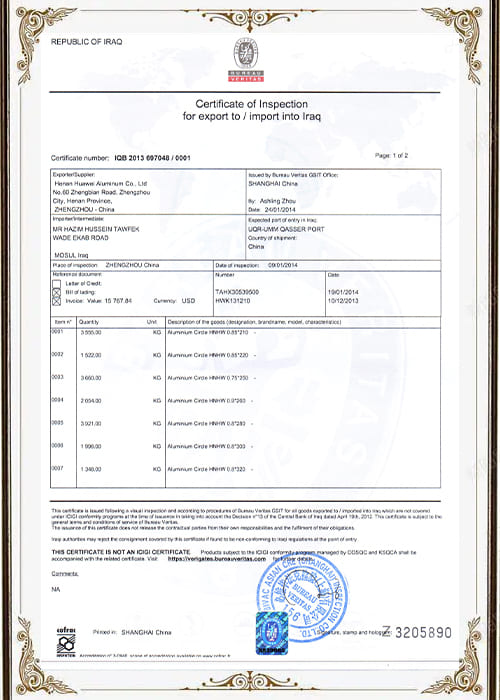
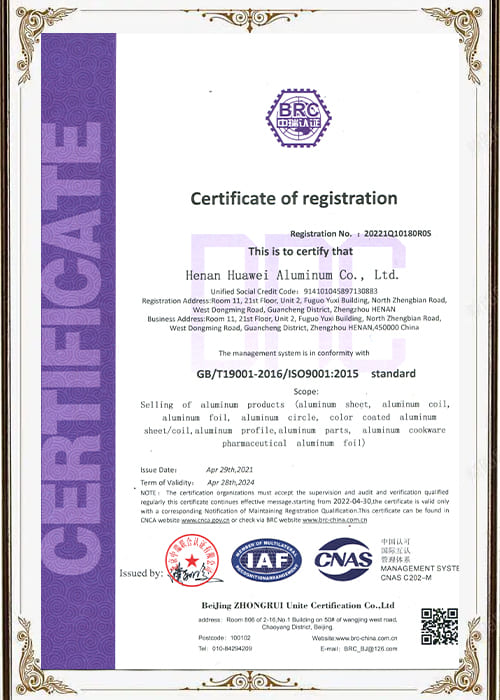
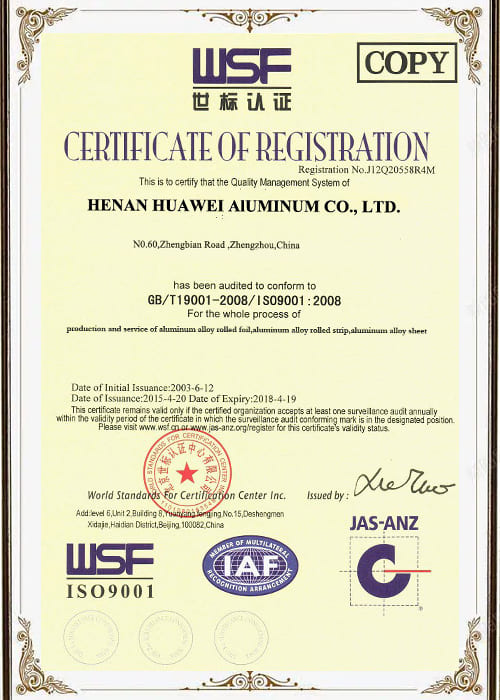
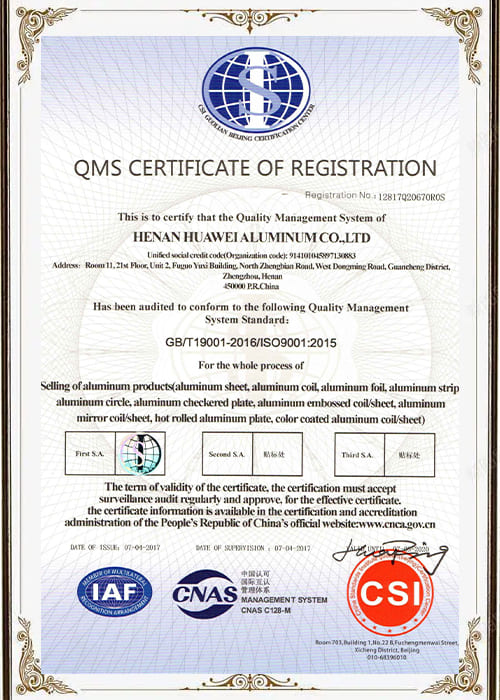
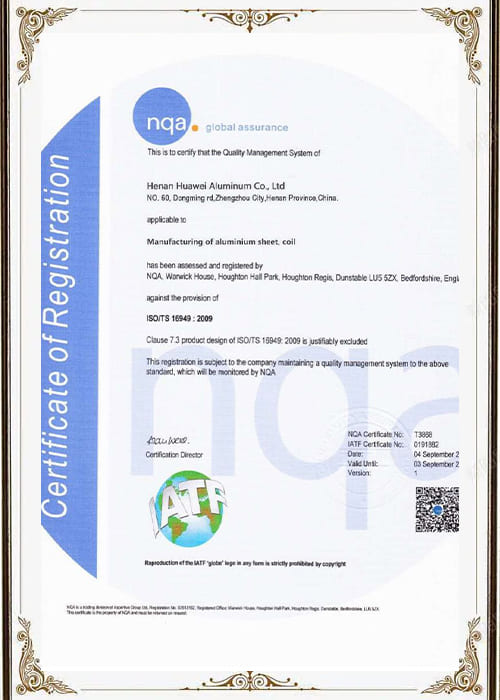
Supplier Context and Material Integrity (Henan Huawei Aluminum)
The integrity and safety of materials, even those as seemingly simple as aluminum foil, are paramount across various industries, underpinning consumer trust and product reliability.
Habang Huawei is globally recognized for its advancements in telecommunications, consumer electronics, and smart technologies, it is crucial to clarify that Henan Huawei Aluminyo Co., Ltd. is a distinct and independent entity, prominent in the aluminum manufacturing sector.
Companies like Henan Huawei Aluminyo Co., Ltd. play a vital role as leading suppliers of high-quality aluminum foil for various applications, including household use. Their commitment to:
- Precise Alloying (hal., 8011): Ensuring the correct composition of aluminum alloys for optimal properties, such as food-grade suitability.
- Consistent Mechanical Properties: Delivering foil with the right temper and thickness for optimal flexibility, lakas ng loob, and tear resistance, essential for aluminum foil in cooking.
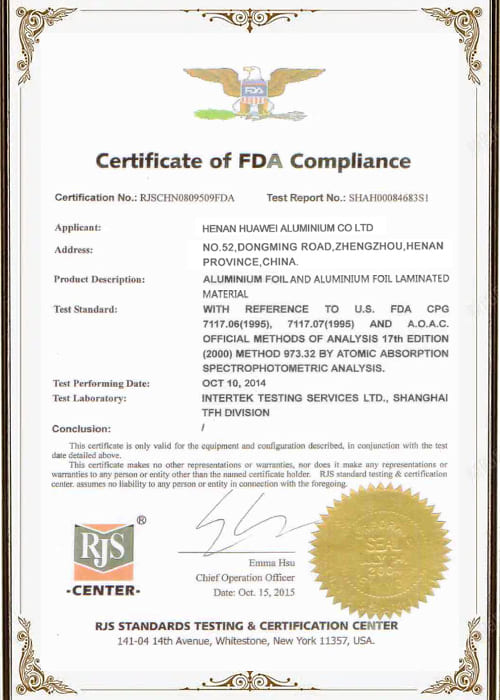
- Food Grade Compliance: Adhering rigorously to national (hal., MFDS, FDA) and international (hal., EFSA) food contact material regulations, which is critical for household use.
- Pinhole Control: Producing foil with minimal pinholes to ensure superior barrier properties for food preservation.
This dedication from specialized aluminum suppliers, such as Henan Huawei Aluminum, ensures that the aluminyo foil consumers use in their kitchens is produced to exacting standards. It provides consumers with confidence in the material’s inherent safety, reliability, and consistent performance, thereby supporting the broader ecosystem of safe and efficient household products. This unwavering focus on material excellence at the foundational level is what ultimately benefits diverse industries and end-users worldwide.
Mga Madalas Itanong (Mga FAQ) About Aluminum Foil Toxicity
Addressing common inquiries helps clarify the intricacies of is aluminum foil toxic for practical application.
Q1: Is aluminum foil really toxic or dangerous for my health?
A1: Hindi, generally it is not. The overwhelming scientific consensus is that aluminum foil is safe for cooking and food storage under normal conditions. Aluminum migration levels are typically negligible and well within safe limits established by global health authorities for healthy individuals.
Q2: Does cooking with aluminum foil cause Alzheimer’s disease?
A2: Hindi. Decades of extensive scientific research have found no conclusive evidence linking typical dietary or environmental aluminum exposure (including from aluminum foil) to the development of Alzheimer’s disease. This is a common but largely debunked myth.
Q3: When should I be cautious about using aluminum foil for cooking?
A3: Exercise caution when cooking or storing highly acidic foods (hal., heavy tomato sauces, lemon marinades, vinegar-based dishes) or very salty foods in direct, prolonged contact with aluminum foil, especially at high oven temperatures. These conditions can increase minor aluminum migration.
Q4: Can aluminum foil cause a fire in the oven or microwave?
A4: In the oven, it’s unlikely to cause a fire if used correctly (not on the bottom or racks). In a microwave, yes, it can cause arko (sparking) leading to fire or appliance damage. Always avoid foil in the microwave unless specifically directed by the manufacturer.
Q5: What are some good non-aluminum alternatives for oven cooking?
A5: Excellent alternatives include parchment paper (for lining), silicone baking mats (reusable non-stick), and glass or ceramic baking dishes (non-reactive and great for acidic foods).
Pangwakas na Salita
Sa pagtatapos, the scientific consensus firmly states that aluminum foil is generally safe for everyday cooking and food storage, provided simple precautions are observed.
While negligible amounts of aluminum can migrate into food, especially under specific conditions (high heat with acidic or salty foods), these levels are typically well within the safe limits established by global health authorities for healthy individuals.
Concerns regarding aluminum foil toxicity and its purported links to serious diseases have not been substantiated by robust scientific evidence.
By understanding the material’s properties, respecting oven-specific safety guidelines, and making informed choices about when to use it versus suitable alternatives, consumers can confidently leverage the convenience and effectiveness of aluminum foil in cooking, ensuring both culinary success and peace of mind in their kitchen endeavors.