Anodisoidusta alumiinista valmistetut keittiövälineet
15,482 Näkymät 2025-11-06 07:29:00
1. Mitä ovat anodisoidut alumiiniset keittiövälineet?
Anodisoidut alumiiniset keittoastiat ovat alumiinisia keittoastioita, jotka on tehty läpikotaisin kontrolloitu sähkökemiallinen hapetus. Prosessi muuttaa alumiinin ulommat mikronit anna Al2O3, luoda pinta, joka on kovaa, inertti, ja korroosionkestävä. Verrattuna maalattuun tai vain PTFE:tä sisältävään tarttumattomaan, anodinen kerros on kiinteä substraattiin (ei elokuva), niin se ei kuori tai hilseile normaalissa käytössä.

Anodisoidusta alumiinista valmistetut keittiövälineet
2. Keittoastioiden metalliseoksen valinta (Runko & Kahva)
| Komponentti | Suositeltavat metalliseokset | Miksi nämä metalliseokset | Huomautuksia anodisoinnista |
|---|---|---|---|
| Pan/Pot runko (syväveto / kehrätty) | 3003, 3004, 5052 alumiinipiiri | Hyvä vedettävyys; vakaa vilja kehruua varten; tasapainoinen voima | 3xxx/5xxx anodisoi tasaisesti; suosittuja kovaanodisoidut keittiövälineet kehot |
| Taotut/paksut pohjat & premium-astiat | 6061, 6082 | Suurempi lujuus ja jäykkyys paksummille osille | Kova-anodisoituu hyvin; ihanteellinen 2.5-5,0 mm premium-paistinpannut |
| Kansi (rengas/nupin pidikkeet) | 3003/5052 | Valaistus, muotoiltava | Anodisoi tai kirkaslakka |
| Kahvat / Niitit | 3003/5052 (valettu/muodostettu Al) tai 304/430 SS | Lämpöviritetty ote | Ruostumattomat kahvat estävät käsien kuumuutta; ferriittistä 430 auttaa induktiolevyjä |
Kärki: Korkeapiipitoiset painevaletut metalliseokset anodisoituvat tummempiin/hakkuisiin sävyihin; palkkio taottu tai taottu elimet antavat yhtenäisin kova-anodisoitu viimeistely.
3. Tyypilliset tekniset parametrit
| Parametri | Koristeellinen anodisointi | Kova anodisointi | Yksiköt / Huomautuksia |
|---|---|---|---|
| Pinnoitteen paksuus | 5 - 25 | 25 - 100 | µm |
| Pinnan kovuus | 150 - 300 | 350 - 700 | HV (Vickers) |
| Huokoisuus (sinetöimätön) | 5 - 15% | 1 - 6% | Pienempi huokoisuus = korkeampi korroosionkestävyys |
| Lämpövaikutus | < 3–5 % | Minimaalinen | Lämmönsiirron väheneminen mitätön |
| Kulutuskestävyys | 2–4× vs. paljas Al | 5–10× vs. paljas Al | Taberin hankaustesti |
| Suolasumutuskestävyys | 24 - 96 h | 96 - 500 h | Riippuu tiivisteen laadusta |
| Tiivistysmenetelmä | Kuuma vesi / kemiallinen | Kemiallinen / kylmätiivistys | Parantaa korroosionkestävyyttä |
| Elintarviketurvallisuus | Yhteensopiva sulkemisen jälkeen | Täysin yhteensopiva | Muuttoliike & raskasmetalli testattu |
Tiedot perustuvat standardilaboratoriotestialueisiin ja teollisiin tuloksiin; tietyt arvot riippuvat käsittelymenetelmästä ja testausprotokollasta.

5052 Anodisoitu alumiinirengas
4. Suorituskykyanalyysi & Data Insights
4.1 Käyttää & Naarmuuntumiskestävyys
Anodinen oksidikerros on keramiikkamainen, kovuus kasvaa dramaattisesti.
Kova-anodisoidut pinnoitteet ulottuvat tyypillisesti 350-700 HV, mikä vähentää pinnan kulumista 5-8 kertaa verrattuna paljaaseen alumiiniin.
Taber-hankaus- ja kenttätestit vahvistavat, että kova-anodisoidut astiat säilyttävät ulkonäön ja tarttumattoman suorituskyvyn myös pitkän käytön jälkeen.
4.2 Lämmönjohtavuus
Perusalumiinin lämmönjohtavuus on noin 237 W/m · k, kun taas oksidikerroksen arvo on paljon pienempi.
Kuitenkin, koska anodinen kerros on erittäin ohut (yleensä <50 µm), sen kokonaisvaikutus lämmönsiirtoon on vähemmän kuin 5%.
Siten, anodisoidut keittiövälineet säilyttävät alumiinin tunnusmerkit nopea ja tasainen lämmönjako.
4.3 Korroosionkestävyys & Tiivistys
Suljettamattomat anodihuokoset voivat vangita epäpuhtauksia ja heikentää korroosionkestävyyttä.
Kautta kuuma vesi tai kemiallinen tiivistys, huokoskoko ja läpäisevyys pienenevät, lisäämällä suolasuihkun suorituskykyä 24 tuntia aina asti 500 tuntia.
Ohut elintarvikelaatuinen pinnoite voidaan soveltaa anodisoinnin jälkeen tehostetun hapon saamiseksi, alkali, ja puhdistuskestävyys.
4.4 Elintarvikkeiden kosketusturvallisuus
Alumiinioksidi (Alkari) on kemiallisesti inertti ja ei-reaktiivinen.
Turvallisuuden takaamiseksi:
-
- Huokoset on suljettava kunnolla;
- Elektrolyyttijäämät on poistettava;
- Väri- tai pinnoitusmateriaalien on täytettävä siirtymärajat.
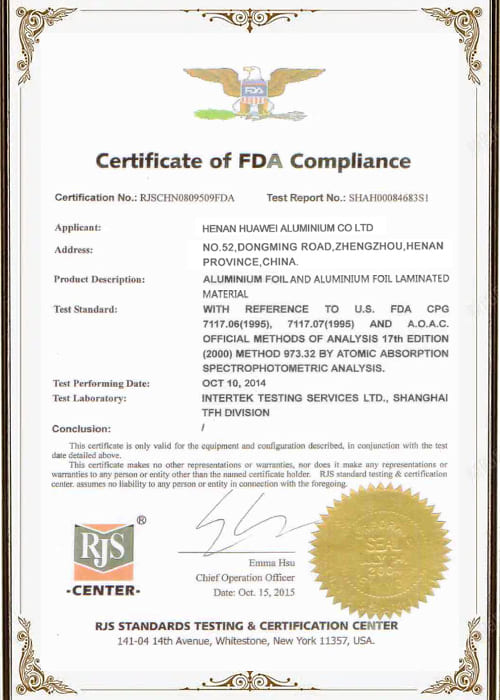
Sertifioidut keittiövälineet yleensä läpäisevät yleiset ja erityiset migraatiotestit vaatimalla tavalla FDA / EU:n elintarvikekosketusstandardit.

Pakattu 1100 Alumiinipiiri
5. Design & Tuotantonäkökohdat
5.1 Seoksen valinta
Seoksen koostumus vaikuttaa anodisoinnin tasaisuuteen ja ulkonäköön.
Yleisiä valintoja: 3003, 5052, 6061 —
- 3003: Erinomainen muotoilu, ihanteellinen syvävedettyihin kattiloihin ja pannuihin.
- 5052 / 6061: suurempi lujuus ja muovauksen jälkeinen vakaus.
Henan Huawei Aluminum Co., Oy. osaa suositella metalliseostyyppejä muotoilun ja anodisoinnin yhteensopivuuden perusteella.
5.2 Filmin paksuus vs. Soveltaminen
| Soveltaminen | Tyyppi | Suositeltu paksuus |
|---|---|---|
| Päivittäiset keittiövälineet | Koristeellinen anodisointi | 5-20 µm |
| Ammattilainen / raskaat keittiövälineet | Kova anodisointi | 30-80 µm |
Paksummat pinnoitteet parantavat kestävyyttä, mutta lisäävät hieman kustannuksia ja sisäistä rasitusta; optimaalinen suunnittelu tasapaino kovuus, maksaa, ja lämpövaste.
5.3 Tiivistys & Jälkihoito
Korroosionkestävyyden ja hygienian maksimoimiseksi:
- Kemiallinen tiivistys suositellaan kuumavesitiivistyksen päälle;
- Valinnainen nanopiidioksidi- tai elintarvikelaatuiset fluoripinnoitteet voi parantaa puhdistettavuutta ja vähentää tahroja.
5.4 Laadunvalvonta (QC / IQ)
Kriittisiä tarkastuspisteitä ovat mm:
- Kalvon paksuuden tasaisuus (toleranssi ±2–5 µm);
- Kovuustestaus (HV-arvot);
- Huokosten tiivistyksen tarkastus (kupla- tai väriainetestit);
- Suolasumutus- ja hankaussyklinäytteiden otto;
- Migraatio- ja raskasmetallitestaus (FDA / EU:n noudattaminen).

Alumiiniympyrän paksuustesti
6. Anodisoidun alumiinin keittoastioiden valmistusreitit
- Syvä piirustus + kehruu (yleisin): alumiiniset ympyrät → syvävedetyt kupit → kehrätty profiiliin → trimmaus → kova anodisointi → sinetti.
- Taottu raskas raita: levy/suola lämmitetty ja taottu → CNC-verhoilu → kova anodisointi → sinetti. Parasta varten tasaista lämmitystä ja vääntymiskestävyys.
- Iskusiimattu pohja: Alumiininen runko + ferriittinen ruostumaton levy iskuliimattu varten induktio yhteensopivuus.
- Niittaus/kahvat: Ruostumattomat kahvat/niitit minimoivat lämmön johtumisen otteeseen; anodisoidut alumiinikahvat ovat kevyempiä, mutta tarvitsevat lämpökatkoja.
7. Huawei laadunvalvonta & Testisuunnitelma
- Anodinen paksuus: Pyörrevirtakartoitus (≥12 pistettä per astia).
- Kovuus: HV-testi vanteella/tasaisella; hyväksyminen ≥ 350 HV premium-linjoille.
- Tiivisteen laatu: Väritahrat tai johtavuuden lasku menetelmä.
- Korroosio: Neutraali suolasuihke tai etikkasuolasuihke (asiakkaan määrittelemät aukioloajat); keittiösimulantteja (tomaatti/sitruuna).
- Tarttuminen: Ristikuvioitu värjätty/anodisoitu + pintamaalausjärjestelmät.
- Lämpöshokki: 10× sykliä (200 °C vesisammutukseen).
- Vääntymä/tasaisuus: Edeltävä- ja jälkilämpösyklit lasikattoisissa kalusteissa.
- Induktiopohja: Sidosleikkaus / kuori pyöräilyn jälkeen.

Huawei anodisoitu alumiinirengas
8. Anodisoidut alumiiniset keittoastiat Vertaa muihin materiaaleihin
| Attribuutti | Kova-anodisoitu alumiini | Ruostumaton (304/316) | Valurauta | Kupari (verhottu) |
|---|---|---|---|---|
| Lämmönjohtavuus | Korkea (≈205) | Matala (≈16) | Keskikokoinen (≈50) | Erittäin korkea (≈385) |
| Lämpenemisaika | Nopeasti | Hidas | Keskikokoinen | Nopeasti |
| Paino (suhteellinen) | Kevyin | Raskas | Raskas | Raskain |
| Pinnan kovuus | Korkea (300-500 HV) | Keskikokoinen | Keskikokoinen (kokenut) | Pehmeä (verhottu kasvo on SS) |
| Induktiovalmis | Vaatii levyn/verhouksen | Kyllä | Kyllä | Jos ferriittipäällysteinen |
| Ylläpito | Matala | Matala | Mausteita tarvitaan | Kohtuullinen |
| Kustannustaso | $$ (arvolisä) | $$–$$$ | $-$$ | $$$$ |
9. Johtopäätös
Anodisointi muuttaa alumiiniset keittiövälineet a kestävä, korroosiokestävä, ja visuaalisesti houkutteleva tuotetta säilyttäen samalla sen kevyt ja lämpötehokkuus.
Menestys riippuu sopivan valinnasta seokset, pinnoitteen paksuus, ja tiivistysprosessit, yhdistettynä tiukkaan laadun ja vaatimustenmukaisuuden valvonta.
Täyden prosessin valmistus- ja testausominaisuudet, Henan Huawei Aluminum Co., Oy. tarjoaa keittiövälineiden valmistajille a täydellinen materiaali- ja pintatekniikan ratkaisu, tasaisen laadun ja maailmanlaajuisen kilpailukyvyn varmistaminen.
10. Usein kysytyt kysymykset – Anodisoidusta alumiinista valmistetut keittiövälineet
Onko kova-anodisoitu alumiininen keittiövälineet tarttumaton?
Ei luonnostaan. Se on vähän tarttuvaa esilämmitettynä/maustettuna; monet merkit lisäävät PTFE:tä/keraamia helpon irrotuksen takaamiseksi.
Hyökkäävätkö hapot pintaan?
Oikein suljettu tyyppi III sietää keittiöhappoja; vältä pitkäaikaista imeytymistä vahva alkali pesuaineet.
Metalliset astiat?
Satunnainen kontakti on hyvä; vältä teräviä raapimista viimeistelyn esteettisen ulkonäön säilyttämiseksi.
Astianpesukoneen kestävä?
Jotkut tuotteet on luokiteltu niin, mutta käsinpesu pidentää ulkonäköä ja tiivisteen käyttöikää.
Induktiokäyttö?
Vaatii ferriittinen levy tai verhottu rakennus.
Onko alumiinille altistuminen riski?
Se anodinen kerros on inertti; se eristää perusalumiinin ruoasta.
Miksi premium-pannut ovat raskaampia?
Paksummat pohjat (≥3 mm) parantaa tasaisuutta ja vääntymiskestävyyttä.
Voiko väri haalistua?
Väriaineet voivat haalistua UV/alkalin vaikutuksesta; luonnollinen kova-anodisoitu harmaa/musta on vakain.