What is Coated Aluminum Foil Used For in Packaging and Industry
1131 Views 2026-03-16 06:20:24
Introduction
What is Coated Aluminum Foil Used For? This question opens the door to a world where metal meets materials science to create packaging and insulation that protects products, preserves freshness, and supports efficient logistics.
Coated aluminum foil is more than a simple foil layered with color or glue. It is a versatile, engineered material designed to address specific performance needs—barrier to moisture, oxygen, and aromas; heat sealability; printability; non-stick properties; and compatibility with various laminates and coatings.
The result is a family of products that supports food safety, pharmaceutical integrity, consumer convenience, and industrial efficiency.
In today’s post, we explore the fundamentals of coated aluminum foil, its most common applications, and the practical considerations for choosing the right coating for a given use case.
We will also introduce Huawei Aluminum, a prominent supplier in this space, and discuss how partnerships with experienced manufacturers can influence product quality, supply reliability, and regulatory compliance.
Whether you are designing a new snack bag, a blister pack for medicines, or a high-performance insulation layer, understanding coated aluminum foil’s capabilities helps you make informed, data-driven decisions.
This article uses an organized, practical approach to the topic, with clear h2 and h3 headings that reflect the logical relationships between topics.
It also incorporates data-backed considerations, real-world guidance, and consumer-focused insights to support engineers, packaging professionals, procurement teams, and business leaders.

What is Coated Aluminum Foil Used For
Understanding coated aluminum foil
What is coated aluminum foil?
Coated aluminum foil is aluminum foil that has one or more layers of a coating applied to either one or both sides, or that has a coating system laminated to it.
The coating can be a polymer, a lacquer, or a combination of polymers and laminates.
The primary purpose of the coating is to tailor the foil’s performance for specific applications, including barrier properties, heat sealability, printability, non-stick behavior, and resistance to oils, fats, or solvents.
Key distinctions:
– Directly coated foil: A polymer or lacquer layer is applied directly to the foil surface, typically to improve heat sealing, barrier performance, or surface properties.
– Laminated foil: Foil is combined with other films (such as PET, nylon, or paper) and sometimes with additional coatings to form a multilayer structure with enhanced properties.
– Single-side vs. double-side coatings: Depending on the application, coatings may be applied to one or both sides, which affects sealing, adhesion, printing, and barrier behavior.
Common coating materials
Coating materials for aluminum foil span several chemical families, each chosen for specific performance characteristics. Common options include:
- Polyethylene types (HDPE, LDPE, LLDPE): Often used for moisture barrier and heat sealing. They provide good seal strength and are widely compatible with food-contact regulations, depending on the grade.
- Ethylene vinyl acetate (EVA) and polyolefin blends: Used for heat sealing and adhesion in lamination processes.
- Acrylic and polyurethane coatings: Used as lacquer layers to improve printability, surface finish, and chemical resistance. They can also serve as a protective topcoat in some laminates.
- Ethylene vinyl alcohol (EVOH): A high-performance gas barrier when laminated with other films; often used to protect oxygen-sensitive foods and pharmaceuticals. EVOH’s barrier performance is excellent, but it can be moisture sensitive unless stabilized or protected by outer layers.
- Polyvinylidene chloride (PVDC, commonly as Saran): Offers exceptional barrier properties against moisture and gases and is used for high-barrier lidding foils and specialty packaging. Environmental and recyclability considerations influence its selection.
- Fluoropolymer coatings (e.g., PTFE): Used for non-stick applications such as baking foils, where ease of release and heat resistance matter.
- Silicone, fluorosilicone, and other specialty coatings: Selected for low-surface energy, high-temperature release, or chemical inertness in niche applications.

Coated Aluminum Foil Production
Common alloy grades used as coated foil substrates
| Alloy / Trade | Typical composition & role | Typical gauges used for coated foil | Typical tempers | Common coated applications |
|---|---|---|---|---|
| 8011 | Packaging workhorse: Al alloy optimized for foil production; good strength/puncture resistance vs very thin pure Al. | 6–60 µm (often 16–30 µm for lidding). | O (soft) most common; some H-tempers. | Food lidding, household foil with PE coating, heat-seal applications. |
| 1235 / A1235 (commercially pure) | Very high purity Al; extremely ductile and ideal for ultra-thin foil and laminates. | 6–40 µm (ultra-thin uses) | O | Flexible packaging, high-barrier laminates, cosmetic or specialty lidding. |
| 1100 / 1050 / 1060 | Commercially-pure Al family (good corrosion resistance & ductility). | 6–40 µm | O | Specialty food contact foil, flexible laminate inner layers. |
| 1145 | High-purity foil similar to 1235; used where surface finish and ductility matter. | 6–40 µm | O | Specialty laminates and high-quality lidding. |
| 3003 | Al–Mn alloy: higher strength than pure Al while remaining formable. | 30–200 µm for thicker parts; thin gauges for some lidding 20–80 µm | O (or H tempers) | Cookware parts, foil for heavy-duty laminated structures, non-lidding coated applications. |
| 3004 / 3105 | Variants of 3xxx series; tradeoff differences (strength vs formability). | 20–100 µm | O / H | Some cookware, containers, thicker flexible packaging foils. |
| 8079 / pharma-grade (packaging) | Packaging-optimized 8xxx alloys tuned to reduce pinholes and optimize push-through behavior for blisters and lidding. | 20–40 µm (blister lidding common) | O | Pharmaceutical blister lidding (often PVdC-lacquered or coated), high-barrier lidding. |
| 8079 / 8011 blends | Converters sometimes specify proprietary blends or trade grades to tune properties. | varies | O / H | Specialized packaging where supplier-specific specs needed. |
How coatings interact with aluminum foil properties
Aluminum foil itself is an excellent barrier to light and many gases and provides a robust mechanical base. The coating layer adds:
– Barrier customization: Moisture, gas, and aroma migration control beyond what foil alone can offer.
– Heat-sealing performance: Coatings can improve or tailor seal strength for pouching, tray sealing, or laminate structures.
– Surface energy and printability: Coatings can enhance adhesion for inks and adhesives or provide a smoother surface for printing.
– Food-contact compliance and safety: Coatings are selected to meet regulatory requirements for direct or indirect contact with food or medicines.
– Mechanical compatibility: The coating’s flexibility, abrasion resistance, and thermal stability influence handling during converting and end-use conditions.
How coated foil is used across industries
Food packaging and consumer goods
Coated aluminum foil is widely used in the food packaging industry because it combines the inherent barrier properties of metal with the tailored performance of coatings.
Common formats include:
– Stand-up pouches and sachets
– Rigid and semi-rigid trays
– Lidding foils for tubs and cups
– Baking and roasting wraps
– Snack wrappers and confectionery packaging
Coatings enable moisture control, oxygen reduction, aroma retention, and heat-sealing compatibility with PET, PP, or paper-based laminates.
For perishable products, high-barrier coatings such as EVOH or PVDC-coated laminates can dramatically extend shelf life by limiting gas exchange and moisture migration.
Additionally, printed barrier foils support brand communication while maintaining product protection.
Pharmaceuticals and medical packaging
Pharmaceutical packaging demands high barrier integrity, product safety, and regulatory compliance. Coated foils are used in:
– Blister packs: Aluminum foil with lacquer coatings on the surface is used to seal blister packs and maintain product integrity throughout the supply chain.
– Cold-chain packaging: Foil laminates with heat-seal properties help maintain stable temperatures during transport.
– Oral solids packaging: Foil-based packaging often combines a barrier coating to protect against moisture and oxygen, with a sealant layer for secure closing.
– Medical device packaging: Sterilizable and robust barrier foils ensure product sterility and integrity.
Regulatory compliance is crucial, including adherence to FDA or EU food-contact standards where applicable, as well as material safety data and migration controls for pharmaceutical use.
Industrial and household applications
Outside of food and pharma, coated foil supports a range of applications:
– Insulation and reflective surfaces: Aluminum foil with coatings can serve as reflective and protective layers in insulation blankets, HVAC ducts, and radiant barriers.
– Electronics and shielding: Foils with metalized or coated surfaces contribute to shielding against electromagnetic interference (EMI) and static discharge in specialized products.
– Non-stick baking foils: PTFE or PTFE-like coatings enable easy release for baking and cooking, reducing food residue on baking pans.
– Decorative and labeling uses: Coatings can enable printing, branding, and specific surface finishes in consumer goods packaging.
Specialty and high-demand markets
In niche markets, coatings are chosen for specific properties:
– Ultralow extractables for sensitive products
– High-temperature resistance for gourmet cooking or industrial processes
– Recyclability-focused laminates that align with circular economy goals
– Food-grade coatings with clean-label formulations and minimal additives

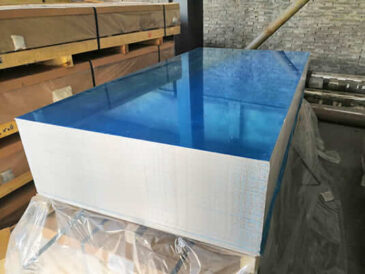
Huawei Coated Aluminum Foil Packaged
Advantages and limitations of coated aluminum foil
Advantages
- Enhanced barrier properties: The coating augments the natural barrier of aluminum to deliver tailored moisture, oxygen, and aroma control.
- Customizable sealability: Coatings support reliable heat sealing with compatible laminates and packaging equipment.
- Improved surface properties: Coatings improve printability, adhesion, and surface energy for downstream processes.
- Versatility in end-use formats: From stand-up pouches to lidding foils and baking wraps, coated foil supports a wide range of package designs.
- Regulatory adaptability: A well-chosen coating system can meet multiple global regulatory frameworks for food contact and medical packaging.
Limitations
- Moisture sensitivity of certain high-barrier coatings: EVOH and PVDC can lose barrier efficiency in humid environments if not properly protected by outer layers.
- Recycling and environmental considerations: Some coatings complicate recycling streams; foils might require separate collection or specialized processing to maximize recyclability.
- Cost and processing complexity: High-performance coatings (for example, PVDC or EVOH laminates) can add process steps and material costs.
- Compatibility with printing and adhesives: Not all coatings are equally compatible with all inks, laminates, or adhesives; selecting the right combination matters for performance and aesthetics.
Manufacturing and supply chain considerations
Coating processes and lamination
Coated foil can be produced through different manufacturing routes:
– Direct coating: A polymer or lacquer layer is applied directly to the foil surface in a coating line, followed by curing and, if needed, lamination with other films.
– Lamination: Foil is combined with other films (PET, PE, paper) and may be coated as part of the lamination stack. This approach often yields multifunctional structures with optimized barrier and seal properties.
– Multilayer coatings: Some products feature several coating sublayers to balance adhesion, barrier performance, and surface energy.
Key process controls include coating thickness, curing temperature, substrate temperature, adhesion testing, and film integrity checks under simulated end-use conditions.
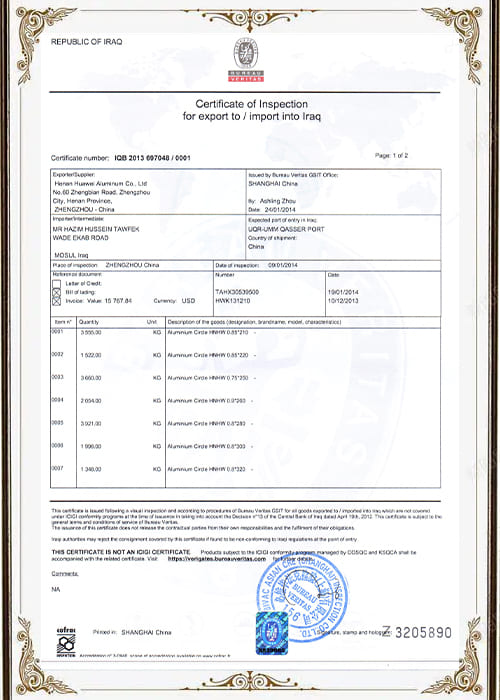
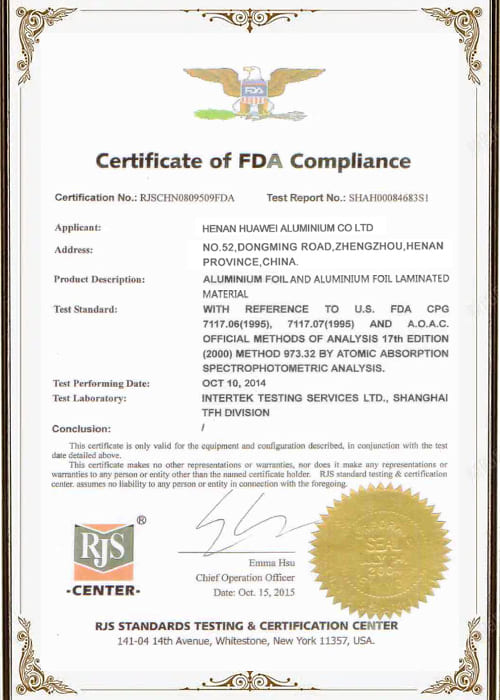
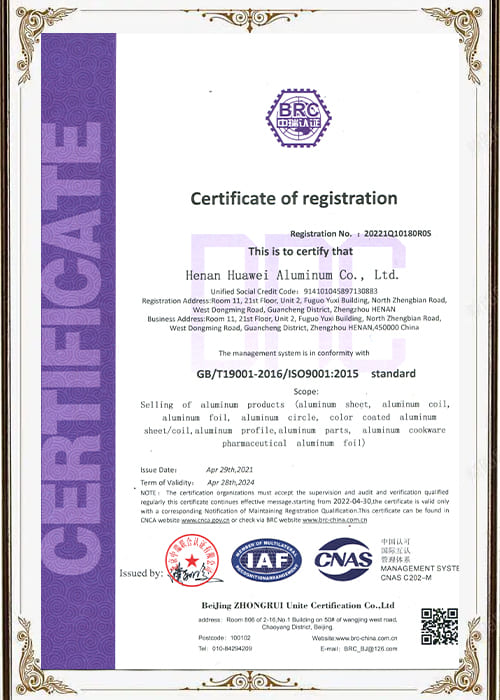
Quality assurance and certifications
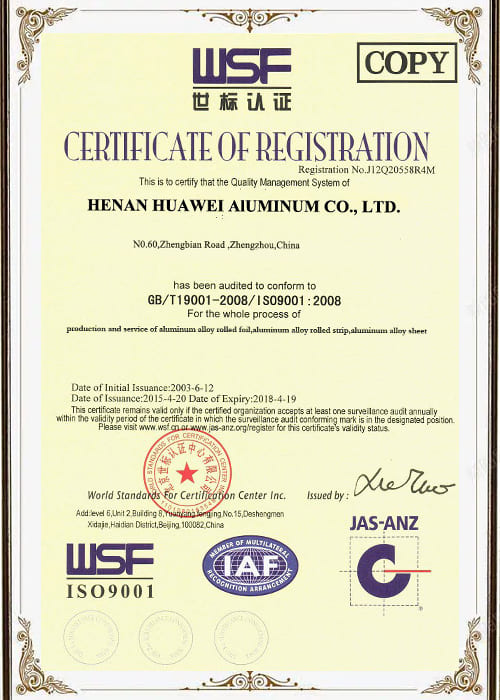
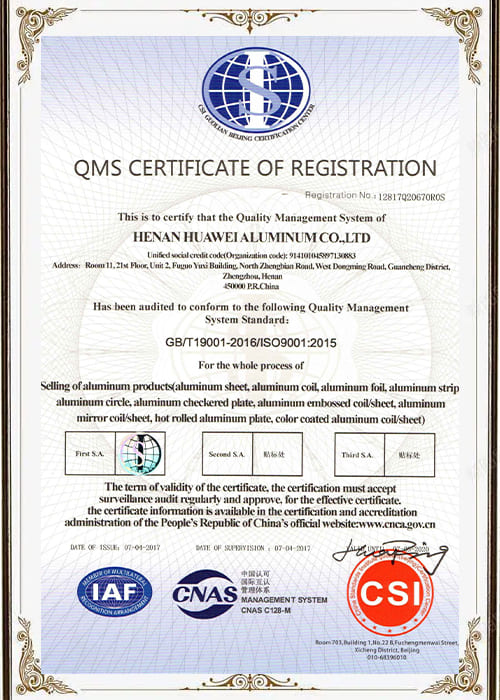
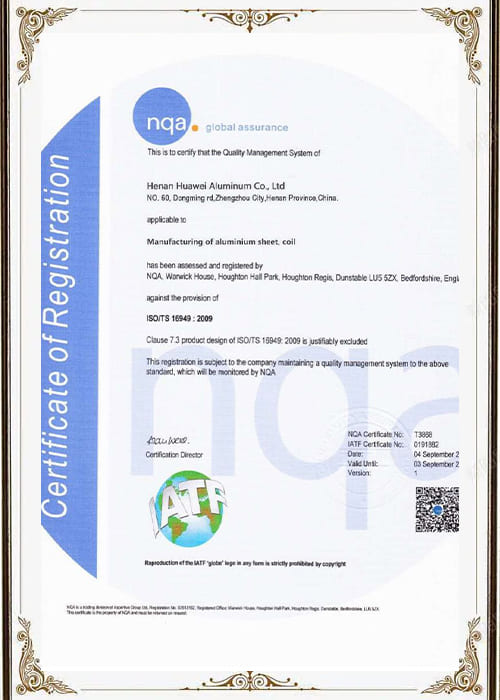
Reliable suppliers maintain robust quality management and regulatory compliance. Typical certifications you might encounter include:
– ISO 9001 for quality management systems
– ISO 14001 for environmental management
– Food safety certifications such as FSSC 22000 or ISO 22000
– GMP-like practices for pharmaceutical packaging in some markets
– Compliance with EU and FDA regulations for food contact materials (FCMs), including migration testing and material declarations
– Occupational safety certifications and process control standards in manufacturing facilities
Investing in a supplier with strong QA practices reduces risk in supply continuity and product performance.
Global supply chain and sustainability
Coated foil suppliers often operate multi-site manufacturing networks, with regional warehouses to support fast delivery and demand variability. A modern supplier strategy includes:
– Raw material traceability and supplier audits
– Transparent labeling, batch traceability, and material safety data
– Sustainable packaging and waste management practices
– Responsible sourcing of polymers and resins used in coatings
– Logistics optimization to minimize lead times and transit costs
Sustainability considerations increasingly influence packaging decisions, including how coating formulations affect recyclability, energy consumption in production, and end-of-life scenarios.
Huawei Aluminum: a supplier introduction
About Huawei Aluminum
Huawei Aluminum is a recognized player in the aluminum products sector, with a focus on coated aluminum foil, aluminum foil laminations, and related packaging solutions.
The company emphasizes product quality, process reliability, and strong supply chain integration.
Huawei Aluminum positions itself as a partner for brands and manufacturers seeking consistent performance, scalability, and regulatory compliance across diverse packaging formats.
Coated foil capabilities
Key capabilities commonly emphasized by established aluminum suppliers include:
– A range of foil thicknesses and alloys suitable for consumer packaging and industrial applications
– Access to multiple coating chemistries and lamination options to meet barrier, seal, and surface-energy requirements
– In-house testing and qualification processes to verify barrier performance, seal strength, adhesion, and heat resistance
– Co-development and customization support for brand-specific packaging needs, including color, texture, and print compatibility
– Global logistics support, enabling consistent supply for international product lines
Huawei Aluminum’s strengths typically lie in film-to-foil compatibility, coatings expertise, and a track record of delivering consistent product quality at scale.
Their offerings may cover food-grade foils, pharmaceutical lidding foils, and laminates used in consumer packaging, with an emphasis on reliability and regulatory compliance.
Why partner with Huawei Aluminum
- Reliability and scale: For brands with large-volume packaging needs, a producer with substantial production capacity can minimize stockouts and support global launches.
- Customization and R&D support: In-house coating development and collaboration with customers can yield optimized barrier performance, heat-seal profiles, and printability.
- Regulatory alignment: A supplier with established QA systems can help ensure compliance with food-contact and pharmaceutical standards across markets.
- End-to-end supply chain: A vendor that can handle foil, coatings, laminates, and related packaging materials can simplify procurement and reduce risk.
When evaluating Huawei Aluminum or any supplier, consider factors such as certification status, sample testing capabilities, lead times, price stability, and post-sales support.
A supplier’s ability to provide technical data, migration testing results, and performance benchmarks will help you make informed decisions.
Coating types comparison (table)
Below is a concise comparison of common coating types used with aluminum foil.
The table presents typical application areas, barrier properties, heat-seal behavior, regulatory considerations, pros, and cons.
Note that exact performance depends on the specific coating formulation, foil thickness, and laminate structure in use.
| Coating Type | Typical Applications | Barrier Properties | Heat Sealability | Food Contact Compliance | Pros | Cons |
|---|---|---|---|---|---|---|
| LDPE aluminum foil | Snack bags, bakery wraps, flexible pouches | Moderate moisture barrier; good barrier when laminated with other films | Excellent with compatible laminates; strong seals | Typically compliant when using food-grade grades | Cost-effective; easy to process; good seal strength | Limited gas barrier; not ideal for long shelf life without additional layers |
| EVA/PE blends | Flexible laminates for dairy, meat, and general packaging | Balanced moisture and aroma barrier; enhanced laminate cohesion | Good seal properties with appropriate adhesives | Generally suitable with approved grades | Flexible compatibility with various layers; good sealing | Gas barrier not as high as EVOH/PVDC |
| EVOH-coated foil | High-barrier packaging for snacks, Meats, coffee | Excellent oxygen barrier; improved shelf life | Good seal compatibility with compatible laminates | Regulated; needs proper migration testing and compliance | Superior gas barrier; reduces oxidation | Moisture sensitivity; expensive; requires outer barrier to protect in high humidity |
| PVDC-coated foil | Lidding foils, high-barrier snacks, ready meals | Very high barrier to moisture and gases | Strong seals with compatible laminates | Suitable with regulatory compliance; migration considerations | Long shelf life; robust barrier | Environmental concerns; processing complexity; cost |
| Acrylic/varnish topcoats | Printing and surface protection on foils | Moderate barrier; supports printability | Variable; depends on adhesive systems | Dependent on formulation and regulatory approvals | Excellent print surface; protects foil | Not primarily a barrier layer; needs combination with barrier film |
| PTFE/non-stick coatings | Baking foil and cooking applications | Moderate barrier; designed for food release | Excellent non-stick properties; heat resistant | Food-contact compliant when using approved PTFE grades | Easy food release; high-temperature stability | Non-stick layers can wear; cleaning and reuse considerations |
| Silicone coatings | Heat-sealable packaging and specialized releases | Moderate barrier depending on formulation | Good release properties; compatible with certain seals | Regulatory depends on formulation | Durable non-stick and heat-resistant | Higher cost; potential issues with migration for some products |
FAQs
Q: What is the difference between coated foil and laminated foil?
A: Coated foil has a coating layer applied directly to the foil or combined with a laminate structure. Laminated foil refers to the foil being bonded to other films to form a multilayer structure. In practice, many coated foils are used within laminated assemblies to achieve the desired combination of properties.
Q: Is coated aluminum foil safe for direct contact with food?
A: Food-contact safety depends on the specific coating material and grade used. Reputable suppliers provide coatings that meet relevant food-contact regulations (such as FDA or EU standards) and provide migration data and declarations. Always verify the coating’s compliance for your market and product.
Q: Can I print on coated aluminum foil?
A: Yes, many coatings are designed to support printing or can be laminated to print-compatible films. Surface energy and coating formulation determine printability. If printing is essential, consult with your supplier for compatible coatings and printing processes.
Q: What coatings are best for high humidity environments?
A: High-moisture or humidity environments favor coatings with moisture barrier properties and laminates that protect barrier performance. EVOH and PVDC-based systems are common high-barrier choices, but the system must be designed to mitigate moisture-related degradation.
Q: How does coating affect recyclability?
A: Coatings can complicate recyclability depending on the polymer and laminate structure. Some coated foils are designed to be compatible with recycling streams, while others require dedicated processing. It is important to discuss end-of-life goals with your supplier to select coatings that align with sustainability targets.
Q: How do I verify coating performance before scale-up?
A: Request material safety data, barrier data, seal strength results, and migration tests. Run pilot packaging trials in your production line to evaluate performance under real conditions, including storage, transport, and consumer use.
Q: What should I consider when sourcing from Huawei Aluminum or similar suppliers?
A: Look for certifications (ISO 9001, ISO 14001, food-safety standards), test capabilities, sample availability, lead times, price stability, and post-sales support. A supplier’s capacity to provide technical data, failure analyses, and customization options is essential for reducing risk.
Conclusion
Coated aluminum foil represents a pragmatic fusion of metal’s barrier properties with sophisticated surface science.
It enables precise control over moisture, oxygen, heat sealing, and surface interactions, making it indispensable across food packaging, pharmaceuticals, and industrial applications.
The choice of coating—whether LDPE for cost-effective moisture control, EVOH for superior gas barrier, PVDC for maximum shelf life, or PTFE for non-stick releases—depends on the product’s needs, target markets, and end-to-end packaging structure.
A reliable supplier partner, such as Huawei Aluminum, can play a crucial role in achieving consistent quality, supply security, and regulatory compliance.
By blending technical expertise with a clear understanding of real-world packaging challenges, manufacturers can deliver products that protect consumer health, extend shelf life, and support sustainable packaging goals.
If you are designing a new packaging concept or evaluating existing lines, use the practical framework outlined in this guide: define your barriers and seal requirements, align with regulatory standards, evaluate recyclability and sustainability, and test with your own packaging equipment.
Coated aluminum foil, thoughtfully selected and properly manufactured, can be a decisive factor in delivering safe, high-quality products to consumers while optimizing cost and supply chain resilience.
Share with PDF: Download