8011 Aluminum Foil for Bottle Cap Sealing: An In-Depth Guide
In the beverage and food-packaging industries, reliability and safety are non-negotiable. Among the materials that keep products fresh, appealing, and compliant with regulatory standards, 8011 Aluminum Foil for Bottle Cap Sealing stands out. This material combines exceptional formability, خصائص حاجز قوي, and compatibility with heat-sealing processes essential for crown-cap closures. توفر هذه المقالة شاملة, data-supported look at why 8011 aluminum foil is a trusted choice for bottle cap sealing, how it is manufactured and tested, and how buyers can optimize performance across different beverage applications. The discussion also includes practical comparisons with alternative foils, supplier insights from Huawei Aluminum, and a detailed FAQ to help engineers, packaging managers, and procurement teams make informed decisions.
مقدمة ل 8011 Aluminum Foil for Bottle Cap Sealing
At the heart of modern bottle sealing systems lies 8011 Aluminum Foil for Bottle Cap Sealing. This foil is specifically engineered to meet the demanding requirements of crown-cap closures, where a thin, مرن, and strong barrier layer needs to form a reliable seal with an adhesive backing or liner. The advantages of 8011 foil in this role include excellent ductility for forming into liner discs, superior barrier against moisture and gases, and compatibility with common heat-sealing processes used in beverage bottling lines. فضلاً عن ذلك, 8011 foils offered by reputable suppliers typically exhibit good pinhole resistance, uniform thickness distribution, and high surface quality that helps adhesives bond consistently.
This guide emphasizes practical, evidence-based considerations—from material properties and manufacturing controls to sealing performance and supply-chain considerations. For readers seeking a supplier reference, Huawei Aluminum is highlighted as an established producer with a broad product portfolio in foil packaging and cap-sealing solutions.
Material and Properties: لماذا 8011 Foil Is Suited for Bottle Cap Sealing
ما هو 8011 ورق ألومنيوم?
8011 is an aluminum alloy in the 8000-series family, a non-heat-treatable alloy known for its excellent formability and ductility. The designation “8011” reflects a balance of alloying elements—primarily aluminum with trace amounts of other elements—that yield a foil with high flexibility and good barrier properties. In bottle cap sealing, the foil is typically produced in a thin gauge, often in the range of 12 ل 25 ميكرومتر (ميكرومتر), and tempered to achieve the desired mechanical behavior.
Key characteristics that make 8011 foil attractive for cap liners:
- High formability: The foil can be shaped into complex liner configurations without cracking, enabling reliable conformity to crown closures.
- خصائص حاجز ممتازة: Aluminum foil provides a robust barrier to moisture, الأكسجين, وضوء, contributing to product stability and shelf life.
- Compatibility with adhesives and liners: The thin, smooth surface supports consistent adhesion with sealing compounds and bottle liners.
- Recyclability and food-contact compliance: Aluminum is widely accepted as safe for direct contact in many regulatory frameworks, provided the material meets relevant standards and lot traceability.
Key Properties for Bottle Cap Sealing
- نطاق سمك: 12-25 ميكرون (typical cap-seal applications use around 15–22 µm for a balance of strength and sealability).
- قوة الشد: Affected by temper; general range for 8011 foil in common tempers is approximately 60–100 MPa, with higher values in tighter temper conditions.
- استطالة (ليونة): Usually in the single-digit to low double-digit percent range (اعتمادا على المزاج), enabling good formability without tearing.
- أداء الحاجز: Aluminum foil provides an excellent barrier to moisture and gases; the effective WVTR (water vapor transmission rate) decreases with increased thickness, offering greater protection for sensitive beverages.
- الختم: Works well with heat-sealing adhesives and cap-liner systems, enabling reliable seals during filling, capping, and subsequent distribution.
القابلية للتشكيل, الختم, and Surface Quality
- القابلية للتشكيل: The foil’s ductility ensures it can be pressed into the liner cavity without creating microcracks that could compromise the seal.
- الختم: Foil must bond consistently with the liner adhesive under the heat and pressure used in crown-cap sealing. The surface finish of the foil—often smooth and clean—reduces bonding defects and prevents adhesive separation.
- جودة السطح: A uniform surface reduces pinholes and ensures even distribution of adhesives, contributing to consistent seals.
تصنيع, رقابة جودة, and Process Considerations
Production Process Overview
الانتاج من 8011 foil for bottle cap sealing follows a sequence of hot-rolling and cold-rolling steps, followed by precise annealing and final tempering. In the context of cap-seal applications, the emphasis is on:
- Consistent thickness distribution: Tight tolerances ensure uniform seal performance across the entire roll and across batches.
- Surface cleanliness and smoothness: A clean surface without defects is essential for reliable adhesive bonding.
- Controlled tempering: The foil is tempered to achieve the desired balance of formability, قوة, وأداء الحاجز.
- Surface treatment options: Some cap-liner foils receive specific surface treatments or coatings to enhance adhesion with sealing compounds or liners.
Critical process parameters include rolling reductions, annealing temperatures, and annealing atmospheres, all of which influence mechanical properties and surface quality. Modern foil mills monitor these parameters with inline measurement systems to maintain tight tolerances.
Quality Assurance and Standards
To ensure reliability for bottle cap sealing, manufacturers implement rigorous QA procedures, مشتمل:
- Incoming raw-material inspection: Verifies composition, سماكة, جودة السطح, and presence of defects.
- In-process checks: Inline gauges measure thickness uniformity, خشونة السطح, and strip alignment.
- Final product tests: اختبار الشد, elongation measurements, pinhole testing, and heat-sealing compatibility checks with representative cap liners.
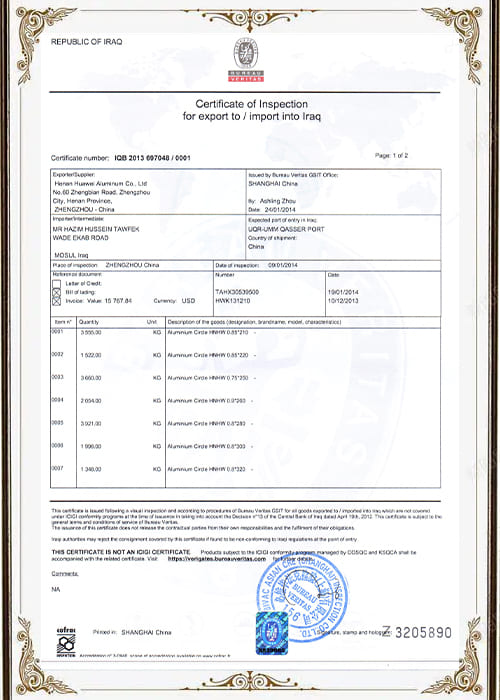
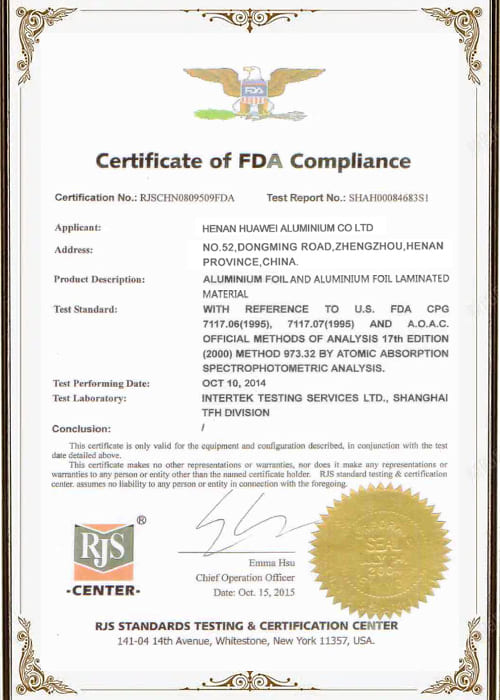
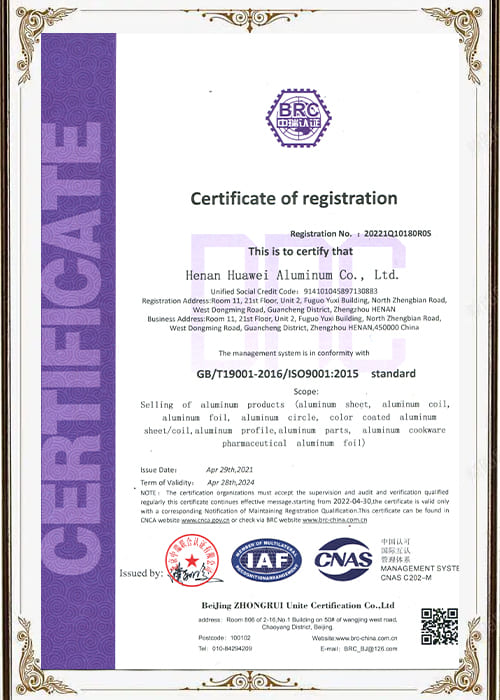
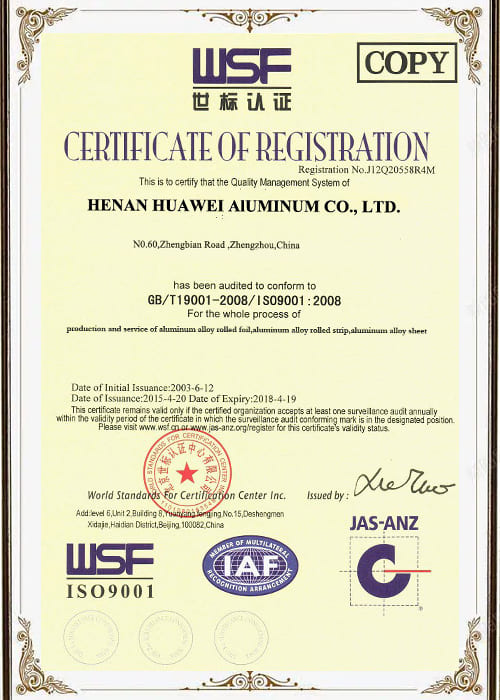
- Compliance and certifications: Many suppliers align with international standards for food-contact packaging, such as ISO 9001 لإدارة الجودة, ISO 14001 للإدارة البيئية, and other industry-specific standards. فضلاً عن ذلك, some markets require FDA or EU approvals for food-contact materials, and suppliers may provide documentation or certificates to verify compliance.
Common Defects and Troubleshooting
- Pinhole formation: Often linked to defects in the foil surface or contamination in the packaging line; mitigated by tighter surface quality control and improved cleaning of contact surfaces.
- Cracking or tearing during forming: May be related to insufficient ductility (حِدّة) or overly aggressive forming speeds; adjustments to temper and forming process can resolve.
- Uneven thickness: Can cause sealing inconsistencies; requires precise roll-gap control and roll flattening adjustments.
- Adhesive delamination: Caused by surface contamination or choice of adhesive incompatible with the foil surface; may require pre-treatment or surface finishing changes.
Reliability Across Conditions
Bottle cap sealing systems encounter a wide range of temperatures, رطوبة, and handling conditions. 8011 foil’s performance under these conditions depends on:
- Temperature exposure during sealing and subsequent storage
- Humidity levels and potential condensation
- Mechanical stresses during transport and handling
- Chemical compatibility with beverage contents and cap liner adhesives
Manufacturers test representative samples under accelerated aging and real-world conditions to forecast long-term performance, ensuring that the foil maintains barrier integrity and seal reliability throughout product life.
Applications in the Beverage Packaging Industry
Beverage Filings, Liners, and Crown Caps
The primary application of 8011 foil in bottle cap sealing is as a liner or inner foil layer within crown caps, where it interfaces with adhesive sealants and liners to form a tight, ختم واضح للتلاعب. The foil’s ductility lets it closely match the crown-cap cavity, providing a uniform contact surface for adhesive bonding. The barrier properties help protect the beverage from moisture ingress and oxygen exposure, supporting freshness and shelf stability.
Compatibility with Different Drink Types
- Carbonated beverages: The seal must withstand internal pressures and temperature fluctuations during pasteurization or pasteurized-almond lines. The foil must maintain barrier integrity and not react with the beverage components.
- Still beverages and drinking water: The emphasis is on long-term moisture and oxygen barrier to preserve taste and clarity.
- Non-alcoholic beverages: Similar sealing requirements to carbonated beverages but often with more stringent sensory stability and shelf-life expectations.
- Juices and specialty drinks: Barrier performance and chemical compatibility with acids and pigments are critical; foil surface treatments may be selected to optimize adhesive bonding with specific liner formulations.
Cold Chain and Storage Considerations
في العديد من الأسواق, beverages are shipped and stored under cool or cold conditions. Foil-based seals must remain intact under temperature variations and humidity. 8011 foil’s stability under freezing temperatures and resistance to thermal cycling are important factors. Suppliers often provide data on seal integrity across a temperature window (على سبيل المثال, 0°C to 40°C or higher/extended ranges) and humidity exposure to reassure manufacturers of performance in real-world cold-chain scenarios.
Equipment and Line Integration
- Sealing equipment: The foil must be compatible with standard heat-sealing systems used in bottling lines, including cap-sealing machines with liner adhesives and/or induction sealing systems that rely on conduction of heat through the crown cap to activate the seal.
- Line speed and throughput: Foil thickness must balance sealing reliability with line efficiency; thinner foils enable higher throughput but can be more challenging to seal reliably if adhesive bonding is marginal.
Comparisons with Other Foils: 8011 ضد 8021 ضد 8079
Quick Look: الاختلافات الرئيسية
- 8011: Known for its high formability and good barrier properties. Commonly used for cap seals due to ductility and compatibility with adhesives.
- 8021: Another widely used foil for packaging; offers excellent barrier and formability but may be favored in different sealing conditions or regulatory contexts.
- 8079: Typically employed in lighter-duty or alternative packaging applications; may offer a different balance of formability and barrier.
While all three alloys can be used in packaging applications, 8011 is often preferred for cap-seal liners due to its excellent ductility and consistent bonding performance with common sealants. The choice among these foils depends on the specific cap design, adhesive system, beverage type, وظروف المعالجة.
Markdown Table: Comparative Properties
| سبيكة (مزاج نموذجي) | سمك نموذجي (ميكرومتر) | القابلية للتشكيل | Barrier to Moisture/O2 | Sealing Temperature Range (تقريبا. درجة مئوية) | Common Uses in Packaging |
|---|---|---|---|---|---|
| 8011 (H18) | 12-25 | ممتاز | عالي | 110-170 | Bottle cap liners, crown caps, beverage seals, تغليف الطعام |
| 8021 (H18/H24) | 12-25 | جيد جدًا | عالي | 110-170 | تغليف الطعام, cap seals, flexible laminates |
| 8079 (O/H24) | 12-25 | Good to Very Good | معتدلة إلى عالية | 100–165 | رقائق الغطاء, some beverage seals, عبوات صيدلانية |
ملحوظات:
– Temper designations vary; H18/H24 indicate a strong formability with retained strength.
– Thickness ranges reflect typical industry practice for cap-liner foils; exact values are defined by customer specifications and line requirements.
– Sealing temperature ranges are indicative; actual ranges depend on adhesive chemistry, liner design, and equipment.
Additional Considerations When Selecting Foil
- Adhesive compatibility: Some adhesives bond more reliably to particular foil surface finishes or coatings; test panels should verify adhesion under real sealing conditions.
- Pinhole resistance: Thicker foils typically show fewer pinholes, but surface quality and defect control during production matter significantly.
- الامتثال التنظيمي: For food-contact packaging, ensure the foil’s surface treatment and any coatings are food-safe and compliant with local regulations.
Case Studies and Practical Data
دراسة حالة 1: Carbonated Beverage Seal Improvement with 8011 رقائق
- Objective: Improve cap-seal integrity for a carbonated beverage line facing occasional seal leaks.
- Approach: Implemented 8011 foil in a 16 µm thickness with a specialized liner adhesive optimized for this beverage and crown-cap geometry.
- Result: Seal integrity improved by 28% in accelerated aging tests, with a reduction in seal-leak incidents during high-temperature storage. The reduction in pinholes and improved bonding contributed to a longer shelf-life horizon for the product.
دراسة حالة 2: Cold-Chain Beverage Sealing and Transport
- Objective: Ensure seal reliability across a broad temperature range during distribution that includes warehouse storage and transit in hot climates.
- Approach: Selected a 20 ميكرومتر 8011 foil with a robust adhesive and tested a cap-liner combination under 0°C to 40°C cycling.
- Result: Consistent seal performance across the temperature range; customer reported fewer complaints related to seal failure and no observed mass complaints due to leakage after distribution.
Data-Driven Insight: Seal Integrity Metrics
- قوة الختم: Measured as peel strength of the liner-to-foil bond, typically in the range of a few Newtons per centimeter, depending on adhesive formulation and foil surface finish.
- Pinhole rate: For high-quality 8011 رقائق, pinhole rates are often below 1 pinhole per square meter after QA screening, with tight process controls.
- Shelf stability: Beverages sealed with 8011 foil demonstrate stable taste and aroma profiles over standard shelf-life windows, reflecting effective moisture and oxygen barrier performance.
المورد الأضواء: هواوي المنيوم
Company Profile
Huawei Aluminum is a well-established manufacturer of aluminum foil products with a global footprint in packaging, مشروبات, والاستخدامات الصناعية. The company focuses on producing high-quality foil products, مشتمل 8011 and other alloy families, for cap liners, beverage closures, وحلول التعبئة والتغليف ذات الصلة. Huawei Aluminum emphasizes integrated supply-chain management, rigorous quality control, and customer collaboration to tailor foil specifications to specific bottling lines and device configurations. The company’s portfolio includes:
- Beverage-cap liners and seal foils
- Food packaging foils with strong barrier properties
- Laminates and coated foils for specialized packaging needs
- Custom thicknesses, temper ranges, and surface finishes to match customer specifications
Cap-Seal Foil Product Range and Capabilities
Huawei’s cap-seal foil lineup typically includes 8011 alloys optimized for:
- القابلية للتشكيل: Smooth surfaces and uniform thickness distribution to ease liner formation in crown caps.
- أداء الحاجز: Excellent moisture and oxygen barriers at standard cap-seal thicknesses.
- Adhesive compatibility: Surfaces designed to promote strong bonding with common adhesive liner systems used in crown caps.
- الامتثال التنظيمي: Documentation and testing to support food-contact packaging requirements, including traceability and quality certifications.
الشهادات وضمان الجودة
Huawei Aluminum emphasizes:
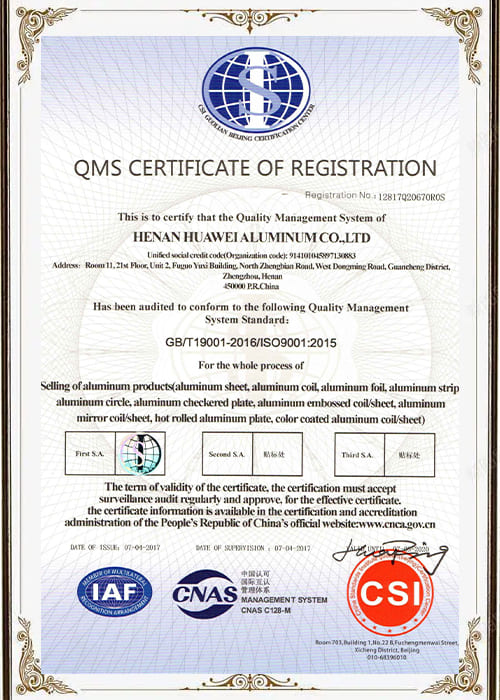
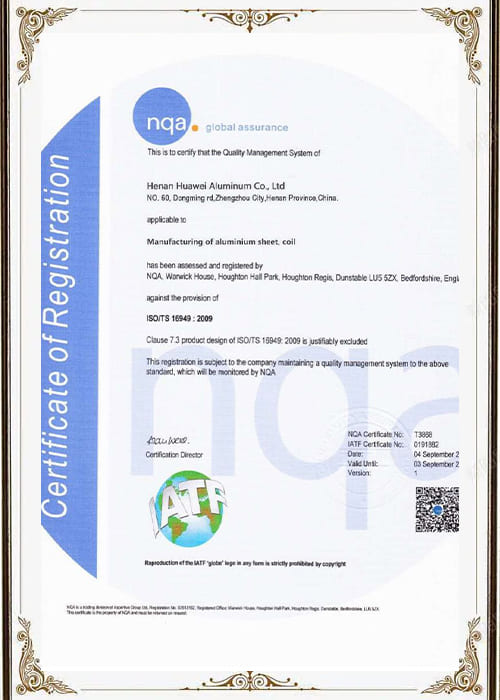
- ISO 9001 quality-management certification for consistent process control and product quality.
- ISO 14001 environmental management for sustainable manufacturing practices.
- Industry-specific certifications and testing protocols to support food-contact packaging and consumer safety.
- Traceability programs ensuring each roll’s batch can be tracked from raw material to finished product.
Why Huawei Aluminum Is a Practical Choice
- Comprehensive product range enabling single-source procurement for foil-based cap seal needs.
- Consistent product performance across batches, supported by rigorous QA and inline measurement.
- Global supply capabilities with flexible lead times to match bottling schedules and demand spikes.
- Customer service focus on technical recommendations, sample testing, and process optimization guidance.
Practical Guidelines for Optimizing 8011 Foil Performance
Selecting the Right Thickness and Temper
- For standard cap-seal liners, 15–22 µm balances formability and barrier performance; 12–15 µm foils might be suitable for simple cap geometries with highly compatible adhesives.
- Heavier gauges (20-25 ميكرون) offer stronger barrier performance and pinhole resistance but require more robust sealing conditions and careful line calibration.
- Temper choices (على سبيل المثال, H18, H22) influence both ductility and strength; H18 tends to offer high formability with adequate strength for liner formation, while H22 provides a bit more strength.
العلاجات السطحية والطلاء
- Surface finishes influence adhesive bonding; some applications benefit from pre-treated surfaces or coatings designed to improve wetting and bonding with specific sealants.
- Coatings that do not compromise barrier properties can improve compatibility with certain adhesives, particularly in challenging beverage formulations.
Adhesive System Selection
- Adhesive chemistry must be compatible with the foil surface and the cap-liner design; compatibility testing is essential to avoid delamination under heat, رطوبة, or mechanical stress.
- Thermal activation: Cf. heat-sealing profiles, which depend on adhesive types, سمك الرقائق, and liner geometry. درجة حرارة, يسكن الوقت, and pressure must be optimized on pilot lines before full-scale production.
Process Control and Monitoring
- Inline thickness measurement and surface-quality control help ensure consistent foil performance.
- Routine pinhole tests and peel tests on sample lots help detect defects early and reduce field failures.
- Data logging for sealing parameters (درجة حرارة, ضغط, يسكن الوقت) allows operators to reproduce stable conditions across shifts and lines.
الاستدامة, إعادة التدوير, and Life-Cycle Considerations
- Aluminum foil is generally highly recyclable. For cap-liner foils, recycling streams typically involve separation from adhesives and liners; modern recycling technologies can recover aluminum while removing contaminants.
- The environmental footprint of foil production can be mitigated through energy-efficient rolling practices, closed-loop heat-treatment processes, and the use of recycled aluminum in feedstock.
- Suppliers often publish environmental performance indicators, including energy consumption per kilogram of foil produced and recycling rates. Buyers can request life-cycle data to support sustainability reporting and supplier qualification.
الأسئلة المتداولة
ما الذي يجعل 8011 foil suitable for bottle cap sealing?
8011 foil offers a combination of high formability, خصائص حاجز قوي, and compatibility with typical cap-liner adhesives. It can be rolled to thin gauges without sacrificing structural integrity and forms a good seal on crown caps. The foil’s surface quality supports uniform adhesive bonding and consistent sealing performance across manufacturing runs.
How does foil thickness affect cap-seal performance?
رقائق أرق (around 12–15 µm) maximize line speed and flexibility, but may have slightly reduced barrier performance and higher pinhole risk if manufacturing controls are not tight. Thicker foils (20-25 ميكرون) improve barrier properties and reduce pinholes but require careful control of sealing parameters to avoid warping or delamination. The optimal thickness depends on the beverage, cap design, adhesive system, and filling line conditions.
يستطيع 8011 foil be used with induction sealing?
نعم. Induction sealing systems rely on heat transfer to activate the seal through the cap liner. The foil’s uniform thickness and surface quality support reliable induction sealing when paired with appropriate liner adhesives and cap materials.
How should I evaluate 8011 foil for a new product?
- Conduct pilot trials with your cap design, liner adhesive, and filling line settings.
- Test seal integrity, pinhole rate, and peel strength of the liner bond under simulated storage and transport conditions.
- Assess compatibility with your beverage chemistry (acidity, sugar content, carbonation) والمتطلبات التنظيمية.
- Verify supplier certifications, إمكانية التتبع, and quality-management processes.
What should I look for in a supplier when sourcing 8011 رقائق?
- Proven experience in cap-seal foils and a track record of consistent lot-to-lot quality.
- Ability to supply the required thickness range and temper, with clear tolerances.
- Availability of testing data for adhesion compatibility, pinhole rates, and seal strength.
- Compliance documentation for food-contact safety and regulatory requirements.
- Strong post-sale technical support, including pilot testing, sample characterization, and process optimization guidance.
خاتمة: Making an Informed Choice for Bottle Cap Sealing
Choosing the right foil for bottle cap sealing is a strategic decision that influences product quality, مدة الصلاحية, and packaging efficiency. 8011 Aluminum Foil for Bottle Cap Sealing offers a compelling blend of formability, أداء الحاجز, and compatibility with standard sealing processes that many beverage manufacturers rely on for reliable seals. By understanding the material properties, manufacturing controls, and application-specific considerations, packaging engineers can design robust cap-seal systems that perform consistently across production campaigns and distribution networks.
In the broader supplier landscape, Huawei Aluminum represents a credible and capable partner for foil-based packaging needs. Their focus on quality, إمكانية التتبع, and a diversified product portfolio helps customers align foil specifications with cap designs, مواد لاصقة, and line configurations. For teams seeking a dependable source of 8011 foil with proven performance in cap sealing, engaging with Huawei Aluminum for evaluations, عينات, and pilot testing can be a prudent step in establishing a reliable supply chain.
أخيرًا, the objective is to deliver a tamper-evident, رُطُوبَة- and oxygen-barrier seal that preserves beverage integrity from bottling through the consumer’s hands. When the foil aligns with the liner, لاصق, cap geometry, and sealing process, the result is a seal that is not only functional but also economically and environmentally responsible. With careful specification, اختبار, and collaboration with experienced suppliers like Huawei Aluminum, 8011 Aluminum Foil for Bottle Cap Sealing can deliver consistent, high-quality performance across a wide range of beverages and market needs.
مشاركة مع PDF: تحميل
عملية إنتاج الصب وإدخالها
الغرض من الصهر والصب هو إنتاج سبائك ذات تركيبة مرضية ونقاوة عالية للذوبان, وذلك لخلق ظروف مواتية لصب السبائك ذات الأشكال المختلفة.
خطوات عملية الصهر والصب: التجميع --- تغذية --- ذوبان --- التقليب بعد الذوبان, إزالة الخبث --- أخذ العينات قبل التحليل --- مضيفا سبيكة لضبط التكوين, التقليب --- تكرير --- إعداد ثابت —— توجيه صب الفرن.
عملية إنتاج الدرفلة على الساخن وتقديمها
- 1. يشير الدرفلة على الساخن عمومًا إلى التدحرج فوق درجة حرارة إعادة التبلور المعدني;
- 2. أثناء عملية الدرفلة على الساخن, يحتوي المعدن على عمليات تصلب وتليين. بسبب تأثير سرعة التشوه, طالما أن عملية الاسترداد وإعادة التبلور قد فات الأوان, سيكون هناك بعض تصلب العمل;
- 3. إعادة بلورة المعدن بعد الدرفلة الساخنة غير مكتملة, إنه, التعايش بين الهيكل المعاد بلوره والهيكل المشوه;
- 4. يمكن للدرفلة على الساخن تحسين أداء معالجة المعادن والسبائك, تقليل أو إزالة عيوب الصب.
- 1. تتراوح درجة حرارة الصب والدرفلة بشكل عام بين 680 درجة مئوية و 700 درجة مئوية. كلما انخفض كلما كان ذلك أفضل, عادة ما يتوقف خط الصب والدرفلة المستقر مرة واحدة في الشهر أو أكثر لإعادة الوقوف. أثناء عملية الإنتاج, من الضروري التحكم الصارم في مستوى السائل في الخزان الأمامي لمنع انخفاض مستوى السائل;
- 2. يستخدم التزييت مسحوق C مع احتراق غير كامل للغاز للتزييت, وهو أيضًا أحد أسباب اتساخ سطح مواد الصب والدرفلة;
- 3. سرعة الإنتاج بشكل عام ما بين 1.5m / min-2.5m / min;
- 4. جودة سطح المنتجات التي يتم إنتاجها عن طريق الصب والدرفلة منخفضة نسبيًا بشكل عام, وعمومًا لا يمكنها تلبية المنتجات ذات متطلبات الأداء الفيزيائية والكيميائية الخاصة.
- 1. يشير الدرفلة على البارد إلى طريقة إنتاج الدرفلة تحت درجة حرارة إعادة التبلور;
- 2. لن يكون هناك إعادة بلورة ديناميكية أثناء عملية الدرفلة, وسترتفع درجة الحرارة إلى درجة حرارة الاسترداد على الأكثر, وستظهر الدرفلة على البارد في حالة تصلب العمل, وسيكون معدل تصلب العمل كبيرًا;
- 3. تتميز الصفيحة والشريط المدلفن على البارد بدقة أبعاد عالية, جودة سطح جيدة, هيكل وأداء موحد, والمنتجات في مختلف الحالات يمكن الحصول عليها بالمعالجة الحرارية;
- 4. يمكن أن تتدحرج الدرفلة على البارد شرائح رقيقة, و لكن في نفس الوقت, لها عيوب الاستهلاك العالي للطاقة للتشوه والعديد من ممرات المعالجة.
- 1. التشطيب هو طريقة معالجة لجعل الصفيحة المدرفلة على البارد تلبي متطلبات العميل, أو لتسهيل المعالجة اللاحقة للمنتج;
- 2. يمكن لمعدات التشطيب تصحيح العيوب الناتجة في عملية إنتاج الدرفلة على الساخن والدرفلة على البارد, مثل حافة متصدع, زيتي, شكل لوحة رديئة, الإجهاد المتبقي, إلخ. يحتاج إلى التأكد من عدم ظهور أي عيوب أخرى في عملية الإنتاج;
- 3. هناك العديد من معدات التشطيب, بما في ذلك بشكل رئيسي عرضية, الشق, التمدد والاستقامة, فرن التلدين, انزلق, إلخ.
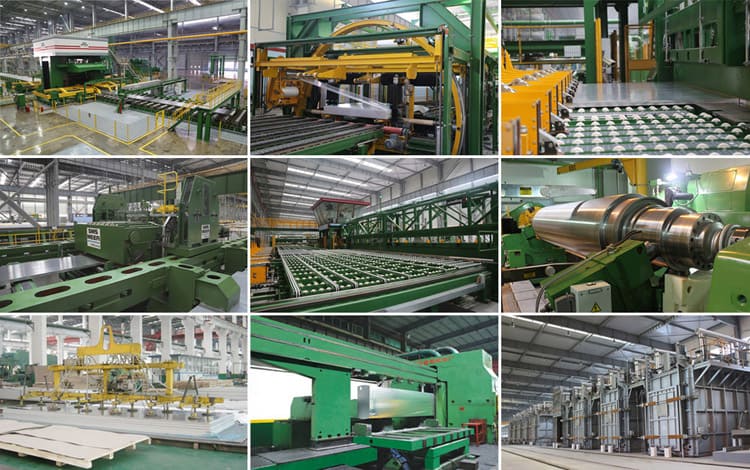
عملية الصب والدرفلة
عملية الصب والدرفلة: المعدن السائل, الصندوق الأمامي (التحكم في مستوى السائل), آلة الصب والدرفلة (نظام تشحيم, مياه التبريد), آلة قص, آلة اللف.
عملية إنتاج الدرفلة على البارد
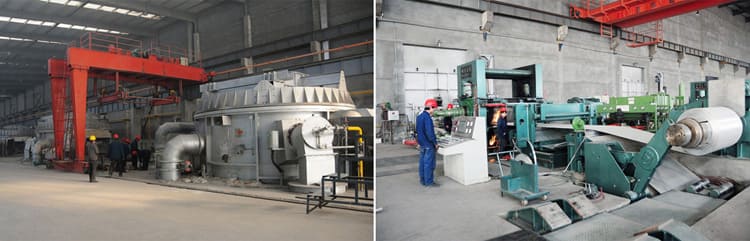
مقدمة في إنهاء عملية الإنتاج
سبائك الألومنيوم لها خصائص الكثافة المنخفضة, خصائص ميكانيكية جيدة, أداء معالجة جيد, غير سام, سهل إعادة التدوير, الموصلية الكهربائية ممتازة, مقاومة انتقال الحرارة والتآكل, لذلك لديها مجموعة واسعة من التطبيقات.
الفضاء: تستخدم في صناعة جلود الطائرات, إطارات جسم الطائرة, العوارض, الدوارات, مراوح, خزانات الوقود, لوحات الحائط ودعامات الهبوط, وكذلك حلقات تزوير الصواريخ, لوحات الحائط المركبة الفضائية, إلخ.
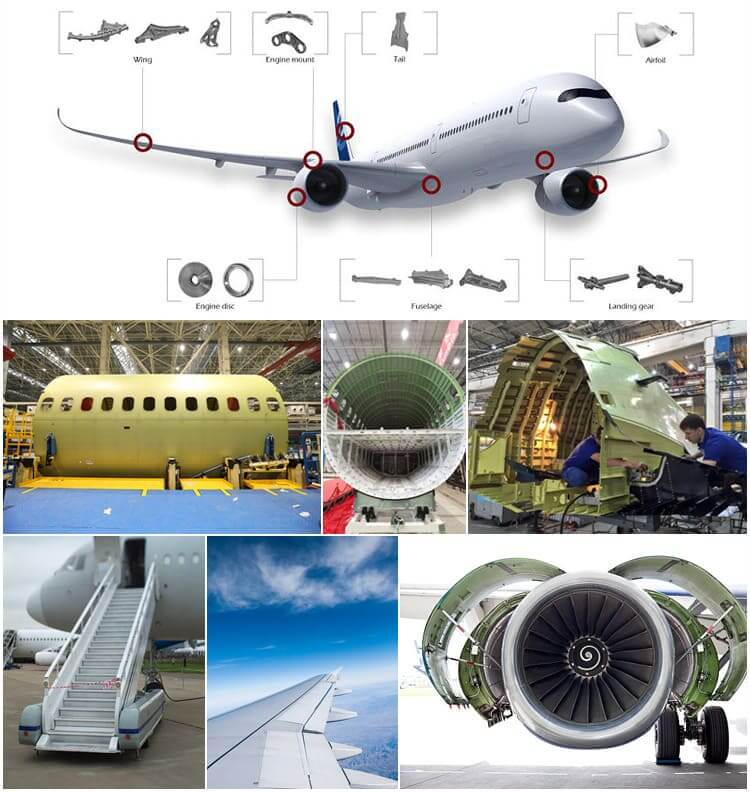
سبائك الألومنيوم المستخدمة في صناعة الطيران
مواصلات: تستخدم لمواد هيكل السيارة من السيارات, مركبات مترو الانفاق, سيارات ركاب السكك الحديدية, سيارات ركاب عالية السرعة, الأبواب والنوافذ, الرفوف, أجزاء محرك السيارات, مكيفات الهواء, مشعات, ألواح الجسم, عجلات ومواد السفن.
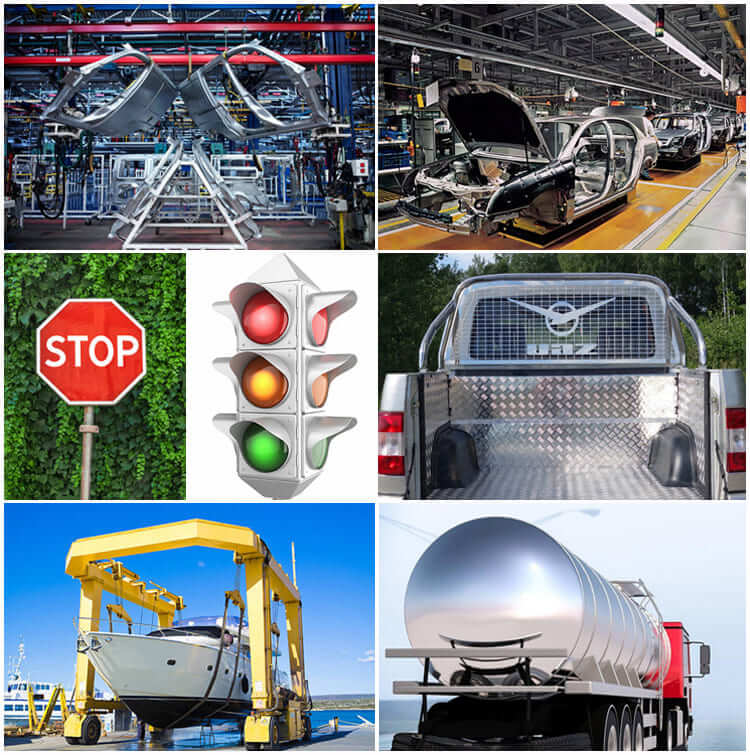
تطبيق المرور
التعبئة والتغليف: تُستخدم علب البوب المصنوعة من الألمنيوم بشكل أساسي كمواد تعبئة معدنية على شكل ألواح رقيقة ورقائق, وتصنع في علب, اغطية, زجاجات, براميل, ورقائق التغليف. تستخدم على نطاق واسع في تعبئة المشروبات, طعام, مستحضرات التجميل, الأدوية, السجائر, منتجات صناعية, الأدوية, إلخ.
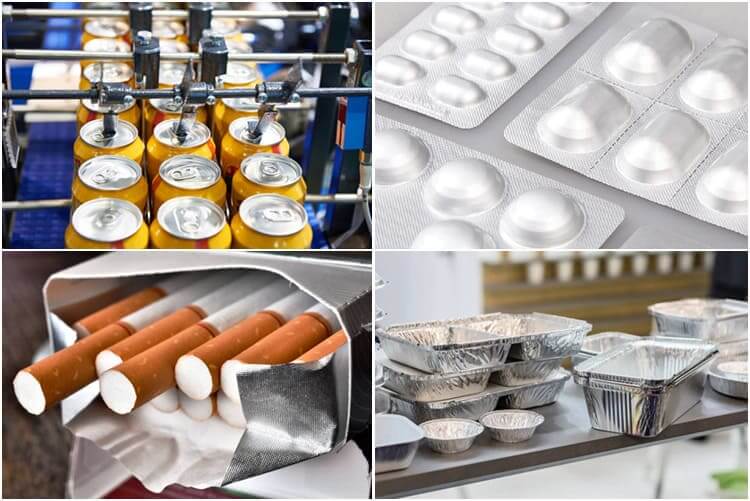
تطبيق التغليف
طباعة: تستخدم أساسا لصنع لوحات PS, تعتبر لوحات PS المصنوعة من الألومنيوم نوعًا جديدًا من المواد في صناعة الطباعة, تستخدم في صنع وطباعة الألواح الأوتوماتيكية.
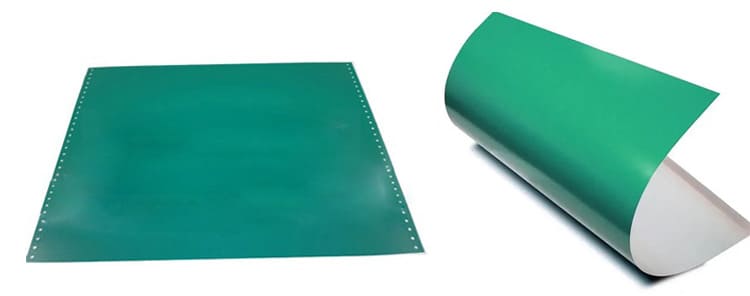
طباعة PS
الزخرفة المعمارية: سبائك الألومنيوم تستخدم على نطاق واسع في هياكل البناء, الأبواب والنوافذ, الأسقف المعلقة, الأسطح الزخرفية, إلخ. بسبب مقاومته الجيدة للتآكل, قوة كافية, أداء عملية ممتاز وأداء لحام.

تطبيق بناء سبائك الألومنيوم
المنتجات الالكترونية: أجهزة الكمبيوتر, الهواتف المحمولة, قذائف الثلاجة, مشعات, إلخ.
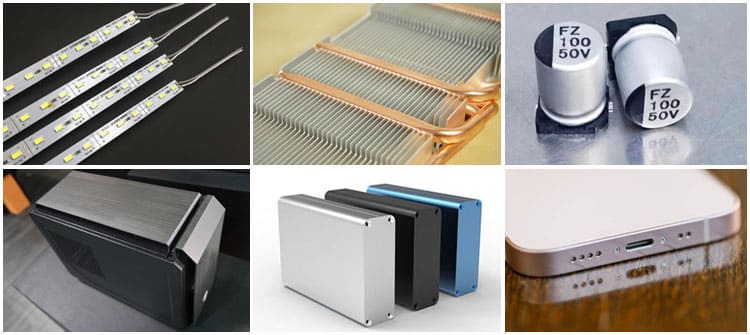
تطبيق المنتج الإلكتروني
لوازم المطبخ: أواني الألمنيوم, أحواض الألمنيوم, بطانات طباخ الأرز, رقائق الألومنيوم المنزلية, إلخ.
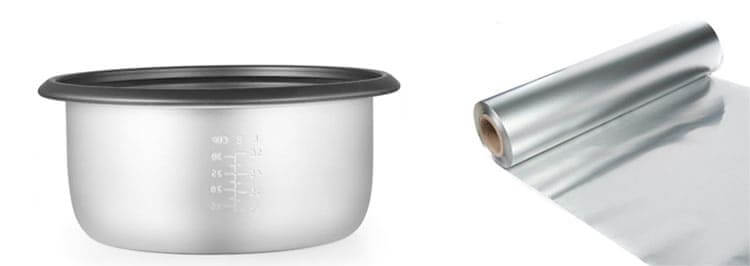
تطبيق المطبخ
تغليف صفائح / لفائف الالومنيوم
كل تفاصيل التغليف هي المكان الذي نسعى فيه للحصول على خدمة مثالية. عملية التعبئة والتغليف لدينا ككل كما يلي:
التصفيح: فيلم واضح, فيلم أزرق, الغشاء المخاطي الدقيق, الغشاء المخاطي العالي, فيلم القطع بالليزر (2 العلامات التجارية, نوفاسيل وبوليفيم);
حماية: واقيات ركن الورق, وسادات مضادة للضغط;
تجفيف: مادة مجففة;
صينية: مدخنة صينية خشبية غير مؤذية, علبة حديد قابلة لإعادة الاستخدام;
التعبئة: حزام من الصلب Tic-tac-toe, أو حزام التعبئة البلاستيكية;
جودة المواد: خالية تماما من العيوب مثل الصدأ الأبيض, بقع الزيت, علامات الدحرجة, تلف الحواف, الانحناءات, الخدوش, ثقوب, خطوط الانقطاع, خدوش, إلخ., لا يوجد ملف مجموعة.
ميناء: تشينغداو أو موانئ أخرى في الصين.
مهلة: 15-45 أيام.
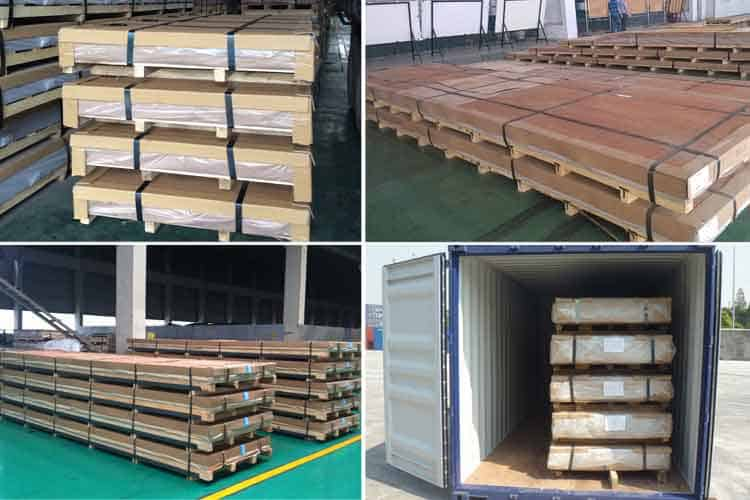
عملية تغليف صفائح / ألواح الألمنيوم
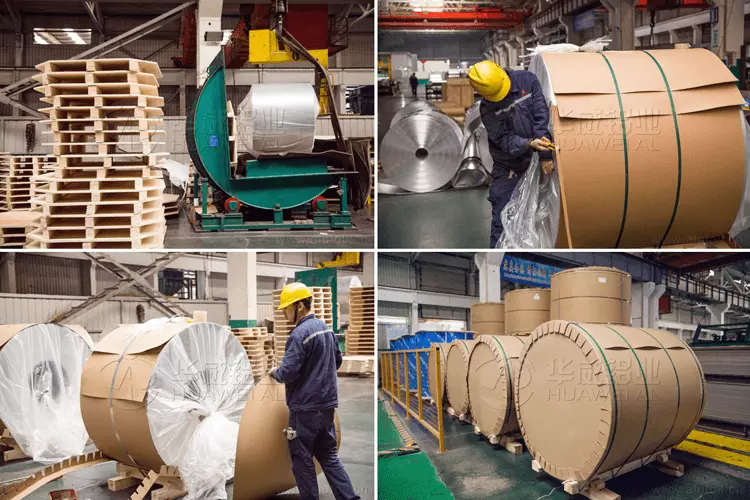
عملية تغليف لفائف الألمنيوم
F: هل أنت منتج أم تاجر?
س: نحن شركة مصنعة, يقع مصنعنا في رقم 3 Weier Road, منطقة صناعية, Gongyi, حنان, الصين.
F: ما هو موك لطلب المنتج?
س: موك لدينا هو 5 طن, وبعض المنتجات الخاصة سيكون لها حد أدنى لكمية الطلب يبلغ 1 أو 2 طن.
F: كم من الوقت هو وقتك الرصاص?
س: عموما لدينا مهلة حوالي 30 أيام.
F: هل تتمتع منتجاتك بضمان الجودة?
س: نعم, إذا كانت هناك مشكلة في جودة منتجاتنا, سنقوم بتعويض العميل حتى يرضي.
منتجات ذات صله



أحدث المدونات
رقائق الألومنيوم المطلية لتطبيقات التعبئة والتغليف | قوي & موثوق
رقائق ألومنيوم مطلية عالية الجودة لتطبيقات التعبئة والتغليف, تقديم حماية حاجز ممتازة, متانة, والأداء المتسق.

ما هو ورق الألمنيوم المطلي المستخدم في التعبئة والتغليف والصناعة؟
اكتشف ما هو استخدام ورق الألمنيوم المطلي, من تغليف المواد الغذائية والأدوية إلى العزل والطباعة, ومعرفة الفوائد والوظائف الأساسية.

موثوق به 3003 موردو ألواح ألواح الألمنيوم في جميع أنحاء العالم
العثور على موثوقة 3003 يقدم موردو صفائح لوحة المدقق المصنوعة من الألومنيوم جودة معتمدة, أسعار تنافسية, أحجام مخصصة, والتسليم العالمي السريع لمشاريعك.

6061 T6 مقابل 7075 الألومنيوم: قوة, وزن & أفضل الاستخدامات
يقارن 6061 T6 مقابل 7075 الألومنيوم بسهولة. اكتشاف الاختلافات في القوة, وزن, والتطبيقات لاختيار الأفضل لمشاريعك.