تجهيزات المطابخ الألومنيوم بأكسيد
15,483 الآراء 2025-11-06 07:29:00
1. ما هي تجهيزات المطابخ المصنوعة من الألومنيوم المؤكسد؟?
تجهيزات المطابخ المصنوعة من الألومنيوم المؤكسد هي تجهيزات المطابخ المصنوعة من الألومنيوم التي خضعت الأكسدة الكهروكيميائية الخاضعة للرقابة. تقوم هذه العملية بتحويل الميكرونات الخارجية للألمنيوم إلى أعط Al₂O₃, خلق السطح الذي هو صعب, خامل, ومقاومة للتآكل. بالمقارنة مع الطلاء غير اللاصق أو المصنوع من مادة PTFE فقط, الطبقة الأنودية هي أساسي إلى الركيزة (ليس فيلما), لذلك لن تقشر أو تتقشر تحت الاستخدام العادي.

تجهيزات المطابخ الألومنيوم بأكسيد
2. اختيار سبائك تجهيزات المطابخ (جسم & مقبض)
| عنصر | سبائك الموصى بها | لماذا هذه السبائك | ملاحظات لأكسيد |
|---|---|---|---|
| جسم المقلاة/الوعاء (رسم عميق / نسج) | 3003, 3004, 5052 دائرة الألومنيوم | قابلية سحب جيدة; حبوب مستقرة للغزل; قوة متوازنة | 3xxx/5xxx أنودة بشكل موحد; شعبية ل تجهيزات المطابخ الصلبة بأكسيد الهيئات |
| قواعد مزورة / سميكة & المقالي المتميزة | 6061, 6082 | قوة وصلابة أعلى للأقسام الأكثر سمكًا | من الصعب أنودة جيدا; مثالية ل 2.5-5.0 ملم مقالي متميزة |
| الأغطية (حاملات الحلقة/المقبض) | 3003/5052 | ضوء, قابل للتشكيل | أنودة أو معطف واضح |
| مقابض / المسامير | 3003/5052 (يلقي / شكلت آل) أو 304/430 سس | قبضة مضبوطة حرارياً | مقابض مقاومة للصدأ تتجنب حرارة اليد; الحديدي 430 تساعد الأقراص الحثية |
نصيحة: سبائك مصبوبة عالية السيليكون تتأكسد إلى درجات ألوان داكنة/غير مكتملة; غالي مزورة أو المطاوع الهيئات تسفر عن الأكثر اتساقا الانتهاء من بأكسيد الثابت.
3. المعلمات التقنية النموذجية
| معامل | أنودة الديكور | أنودة الثابت | الوحدات / ملحوظات |
|---|---|---|---|
| سمك الطلاء | 5 - 25 | 25 - 100 | ميكرومتر |
| صلابة السطح | 150 - 300 | 350 - 700 | الجهد العالي (فيكرز) |
| المسامية (غير مختومة) | 5 - 15% | 1 - 6% | مسامية أقل = مقاومة أعلى للتآكل |
| التأثير الحراري | < 3-5% | الحد الأدنى | الحد من نقل الحرارة لا يكاد يذكر |
| ارتداء المقاومة | 2-4× مقابل. العارية آل | 5-10× مقابل. العارية آل | اختبار تآكل تابر |
| مقاومة رذاذ الملح | 24 - 96 ح | 96 - 500 ح | يعتمد على جودة الختم |
| طريقة الختم | الماء الساخن / المواد الكيميائية | المواد الكيميائية / الختم البارد | يحسن مقاومة التآكل |
| سلامة الغذاء | متوافقة بعد الختم | متوافقة تماما | الهجرة & تم اختبار المعادن الثقيلة |
تعتمد البيانات على نطاقات الاختبارات المعملية القياسية والنتائج الصناعية; تعتمد القيم المحددة على طريقة المعالجة وبروتوكول الاختبار.

5052 دائرة الألمنيوم المؤكسد
4. تحليل الأداء & رؤى البيانات
4.1 يرتدي & مقاومة الخدش
طبقة أكسيد الأنوديك تشبه السيراميك, زيادة صلابة بشكل كبير.
تصل عادة الطلاءات الصلبة المؤكسدة 350-700 جهد عالي, مما يقلل من تآكل السطح 5– 8 مرات مقارنة بالألمنيوم العاري.
تؤكد اختبارات تابر للتآكل والاختبارات الميدانية أن أواني الطبخ الصلبة المؤكسدة تحافظ على المظهر والأداء غير اللاصق حتى بعد الاستخدام الطويل.
4.2 توصيل حراري
الألومنيوم الأساسي لديه موصلية حرارية تبلغ حوالي 237 W / م · ك, في حين أن طبقة الأكسيد لها قيمة أقل بكثير.
لكن, لأن طبقة انوديك رقيقة للغاية (عادة <50 ميكرومتر), تأثيره العام على انتقال الحرارة هو أقل من 5%.
هكذا, تحافظ تجهيزات المطابخ المؤكسدة على السمة المميزة للألمنيوم توزيع سريع ومتساوي للحرارة.
4.3 المقاومة للتآكل & ختم
قد تؤدي المسام الأنودية غير المغلقة إلى احتجاز الملوثات وتقليل مقاومة التآكل.
خلال الماء الساخن أو الختم الكيميائي, حجم المسام وانخفاض النفاذية, زيادة أداء رش الملح من 24 ساعات حتى 500 ساعات.
رقيقة طلاء صالح للطعام يمكن تطبيقه بعد الأنودة للحمض المعزز, قلوي, ومقاومة التنظيف.
4.4 سلامة الاتصال بالأغذية
أكسيد الألومنيوم (al₂o₃) يكون خامل كيميائيا وغير رد الفعل.
لضمان السلامة:
-
- يجب أن تكون المسام مختومة بشكل صحيح;
- يجب إزالة بقايا المنحل بالكهرباء;
- يجب أن تستوفي مواد التلوين أو الطلاء حدود الترحيل.
عادةً ما تمر أدوات الطهي المعتمدة اختبارات الهجرة الشاملة والمحددة كما هو مطلوب من قبل ادارة الاغذية والعقاقير / معايير الاتصال الغذائي في الاتحاد الأوروبي.

معبئ 1100 دائرة الألمنيوم
5. تصميم & اعتبارات التصنيع
5.1 اختيار السبائك
يؤثر تكوين السبائك على تجانس الأنودة والمظهر.
الخيارات المشتركة: 3003, 5052, 6061 —
- 3003: قابلية تشكيل ممتازة, مثالية للأواني والمقالي العميقة.
- 5052 / 6061: قوة أعلى واستقرار ما بعد التشكيل.
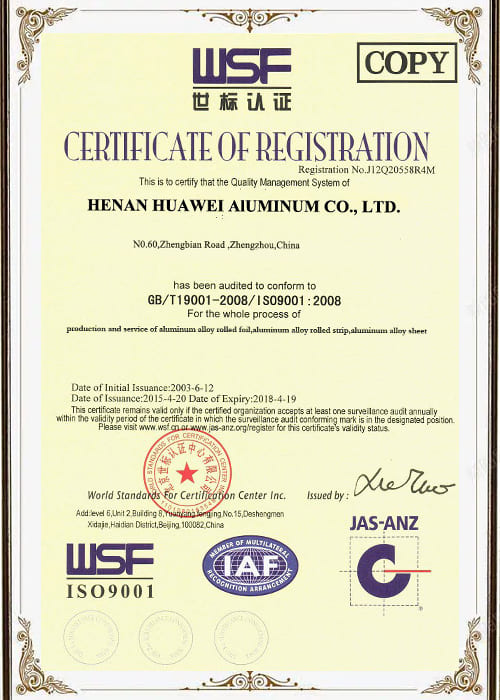
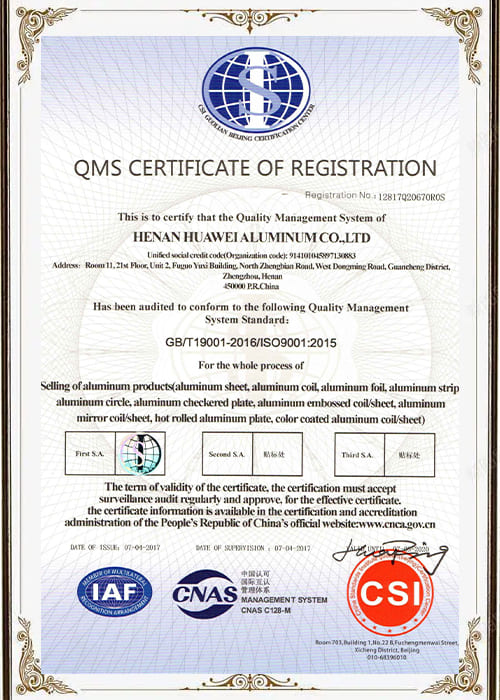
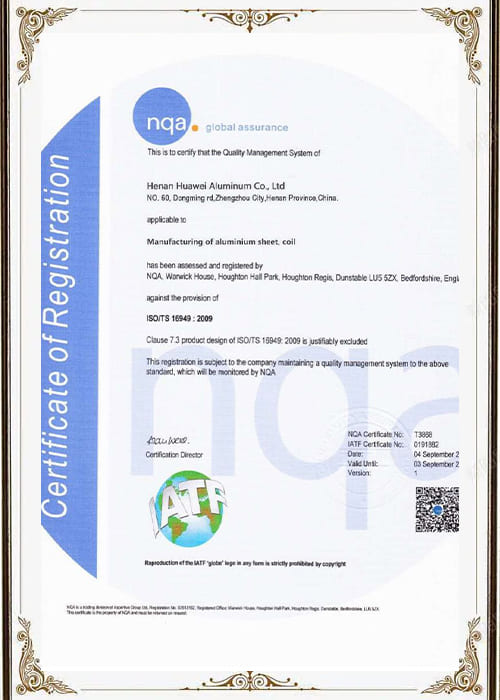
شركة Henan Huawei Aluminium Co., المحدودة. يمكن أن يوصي بأنواع السبائك بناءً على توافق التشكيل والأكسدة.
5.2 سمك الفيلم مقابل. طلب
| طلب | يكتب | سمك الموصى بها |
|---|---|---|
| تجهيزات المطابخ اليومية | أنودة الديكور | 5-20 ميكرومتر |
| احترافي / تجهيزات المطابخ الثقيلة | أنودة صعبة | 30-80 ميكرومتر |
تعمل الطلاءات السميكة على تحسين المتانة ولكنها تزيد التكلفة والضغط الداخلي قليلاً; توازنات التصميم الأمثل صلابه, يكلف, والاستجابة الحرارية.
5.3 ختم & بعد العلاج
لتحقيق أقصى قدر من المقاومة للتآكل والنظافة:
- الختم الكيميائي يوصى به على ختم الماء الساخن;
- خياري نانو السيليكا أو طلاءات الفلور الغذائية يمكن تحسين قابلية التنظيف وتقليل البقع.
5.4 رقابة جودة (مراقبة الجودة / معدل الذكاء)
وتشمل نقاط التفتيش الحرجة:
- توحيد سماكة الفيلم (التسامح ± 2-5 ميكرومتر);
- اختبار الصلابة (قيم الجهد العالي);
- التحقق من ختم المسام (اختبارات الفقاعات أو الصبغة);
- أخذ عينات دورة رش الملح والتآكل;
- الهجرة واختبار المعادن الثقيلة (ادارة الاغذية والعقاقير / امتثال الاتحاد الأوروبي).

اختبار سمك دائرة الألومنيوم
6. طرق تصنيع أواني الطبخ المصنوعة من الألومنيوم المؤكسد
- الرسم العميق + الدوران (الأكثر شيوعا): دوائر الألمنيوم ← أكواب مرسومة بعمق ← نسج إلى الملف الشخصي ← تقليم ← أنودة صعبة → الختم.
- مزورة من العيار الثقيل: لوحة / سبيكة ساخنة ومزورة → تقليم CNC → أنودة صعبة → الختم. الأفضل ل حتى التدفئة ومقاومة الاعوجاج.
- قاعدة مرتبطة بالتأثير: جسم من الألومنيوم + قرص حديدي غير قابل للصدأ تأثير المستعبدين ل التوافق التعريفي.
- التثبيت/مقابض: مقابض/مسامير غير قابلة للصدأ تقلل من توصيل الحرارة للقبضة; مقابض الألمنيوم المؤكسدة أخف وزنًا ولكنها تحتاج إلى فواصل حرارية.
7. مراقبة الجودة في هواوي & خطة الاختبار
- سمك انوديك: رسم خرائط التيار الدوامي (≥12 نقطة لكل مقلاة).
- صلابة: اختبار الجهد العالي على الحافة/المسطحة; قبول ≥ 350 الجهد العالي للخطوط المتميزة.
- جودة الختم: صبغة الصبغة أو انخفاض الموصلية طريقة.
- تآكل: رذاذ الملح المحايد أو رذاذ ملح الخليك (ساعات يحددها العميل); محاكيات المطبخ (طماطم / ليمون).
- التصاق: فتحة متقاطعة على مصبوغ/مؤكسد + أنظمة الطبقة العليا.
- الصدمة الحرارية: 10× دورات (200 درجة مئوية لإرواء الماء).
- الاعوجاج / التسطيح: قبل- والدورات ما بعد الحرارية على التركيبات ذات الأسطح الزجاجية.
- قاعدة الحث: قص السندات / قشر بعد ركوب الدراجات.

هواوي دائرة الألومنيوم المؤكسد
8. تجهيزات المطابخ المصنوعة من الألومنيوم المؤكسد مقارنة بالمواد الأخرى
| يصف | الألومنيوم بأكسيد الصلب | غير القابل للصدأ (304/316) | الحديد الزهر | نحاس (يرتدون ملابس) |
|---|---|---|---|---|
| الموصلية الحرارية | عالي (≈205) | قليل (≈16) | واسطة (≈50) | عالية جدا (≈385) |
| وقت التسخين | سريع | بطيء | واسطة | سريع |
| وزن (نسبي) | الأخف وزنا | ثقيل | ثقيل | أثقل |
| صلابة السطح | عالي (300-500 جهد عالي) | واسطة | واسطة (محنك) | ناعم (الوجه المغطى هو SS) |
| جاهز للتحريض | يحتاج القرص / يرتدون | نعم | نعم | إذا يرتدون الحديدي |
| صيانة | قليل | قليل | التوابل اللازمة | معتدل |
| طبقة التكلفة | $$ (قيمة متميزة) | $$–$$$ | $–$$ | $$$$ |
9. خاتمة
الأنودة تحول تجهيزات المطابخ المصنوعة من الألومنيوم إلى أ متين, مقاومة للتآكل, وجذابة بصريا المنتج مع الحفاظ عليه خفيفة الوزن والكفاءة الحرارية.
النجاح يعتمد على اختيار المناسب سبائك, سمك التغليف, وعمليات الختم, جنبا إلى جنب مع صارمة مراقبة الجودة والامتثال.
مع قدرات التصنيع والاختبار كاملة العملية, شركة Henan Huawei Aluminium Co., المحدودة. يقدم منتجي تجهيزات المطابخ أ حل كامل لهندسة المواد والأسطح, ضمان الجودة المتسقة والقدرة التنافسية العالمية.
10. الأسئلة الشائعة - أواني الطبخ المصنوعة من الألومنيوم المؤكسد
هي أواني طهي مصنوعة من الألومنيوم الصلب المؤكسد وغير لاصقة?
ليس بطبيعته. إنها منخفضة الالتصاق عند تسخينها/تتبيلها; تضيف العديد من العلامات التجارية PTFE/السيراميك لسهولة التحرير.
سوف تهاجم الأحماض السطح?
النوع الثالث المحكم الغلق يتحمل أحماض المطبخ; تجنب النقع لفترة طويلة قلوي قوي المنظفات.
أواني معدنية?
الاتصال في بعض الأحيان على ما يرام; تجنب الكشط الحاد للحفاظ على جماليات النهاية.
آمنة للاستخدام في غسالة الأطباق?
تم تصنيف بعض المنتجات على هذا النحو, لكن غسيل يدوي يمتد المظهر وختم الحياة.
استخدام الحث?
يتطلب القرص الحديدي أو يرتدون ملابس بناء.
هل التعرض للألمنيوم يشكل خطرا؟?
ال طبقة انوديك خاملة; فهو يعزل الألمنيوم القاعدي عن الطعام.
لماذا المقالي المتميزة أثقل?
قواعد أكثر سمكا (≥3 ملم) تحسين المساواة ومقاومة الاعوجاج.
يمكن أن يتلاشى اللون?
يمكن أن تتلاشى الأصباغ تحت الأشعة فوق البنفسجية/القلويات; طبيعي بأكسيد رمادي/أسود هو الأكثر استقرارا.