PE Coated Aluminum Foil Roll: A Comprehensive Guide for 2026
PE coated aluminum foil rolls sit at the intersection of performance, kaligtasan, and convenience. These materials combine the unbeatable barrier properties of metal with the versatility of a polyethylene (PE) patong na patong, enabling high-quality packaging, pagkakabukod, and specialty applications across food, pharma, mga electronics, and industrial sectors.
This article provides an authoritative, data-driven overview of PE coated aluminum foil rolls, with practical guidance for buyers, engineers, and procurement teams.
We also introduce Huawei Aluminum as a leading supplier in this space, outlining how such manufacturers meet global standards and customer needs.
About Huawei Aluminum: A Trusted Supplier of PE Coated Aluminum Foil Roll
Huawei Aluminum is a prominent, vertically integrated aluminum producer with a broad product portfolio that includes aluminum sheets, mga coils, and specialty foils.
In the segment of PE coated aluminum foil rolls, Huawei Aluminum leverages advanced rolling mills, precision coating lines, and rigorous quality control protocols to deliver consistent performance across industries. Key capabilities include:
- Integrated production lines from aluminum billet to finished foil and coated products
- PE coating options tailored for food contact, moisture barriers, and peel strength requirements
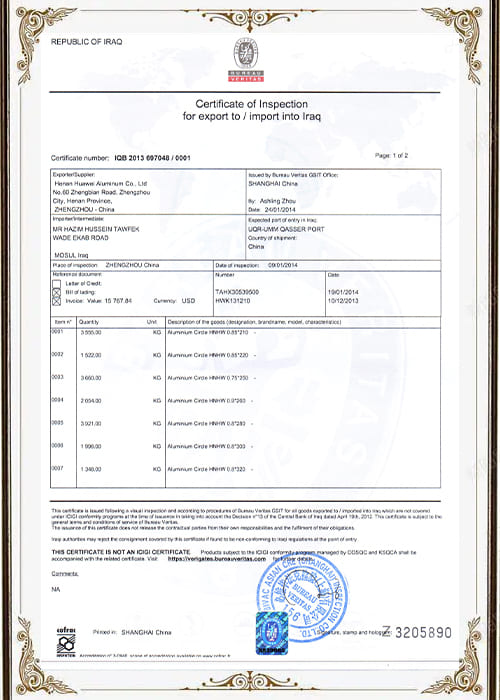
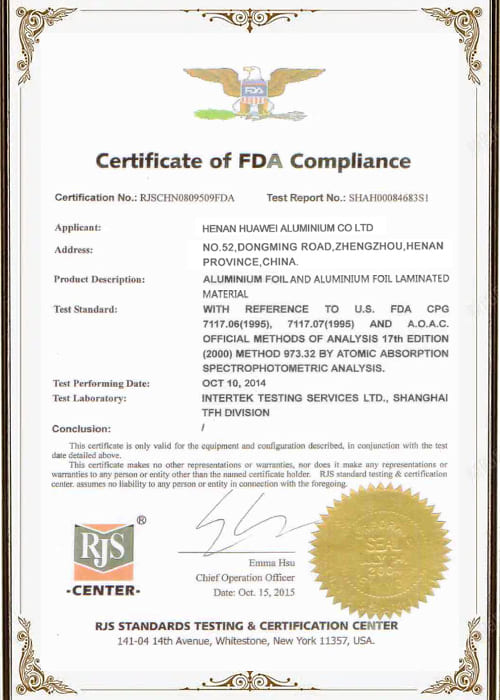
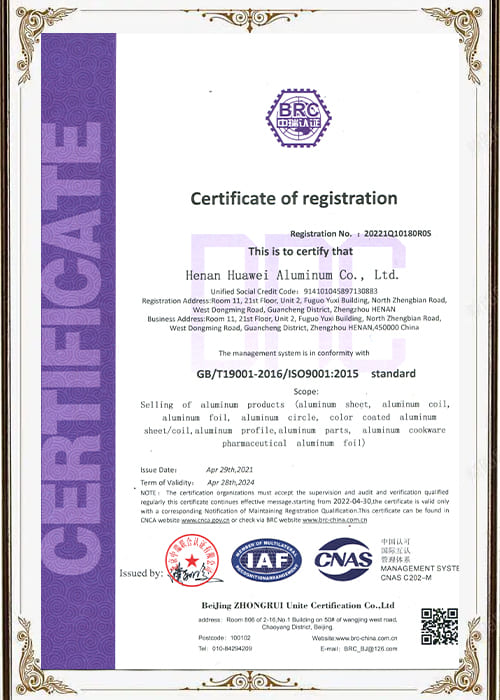
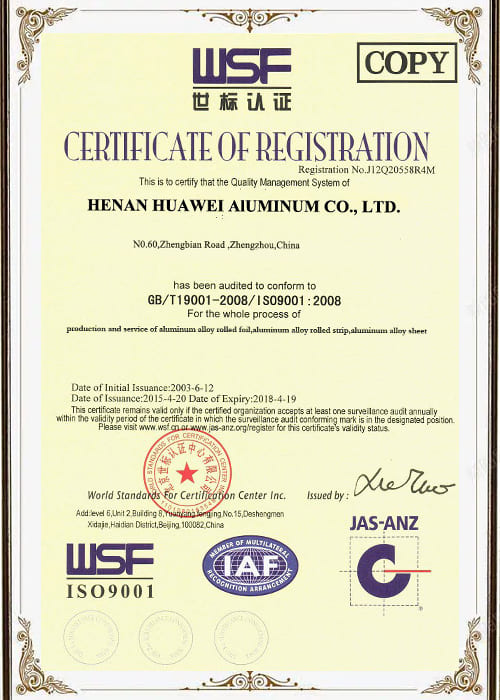
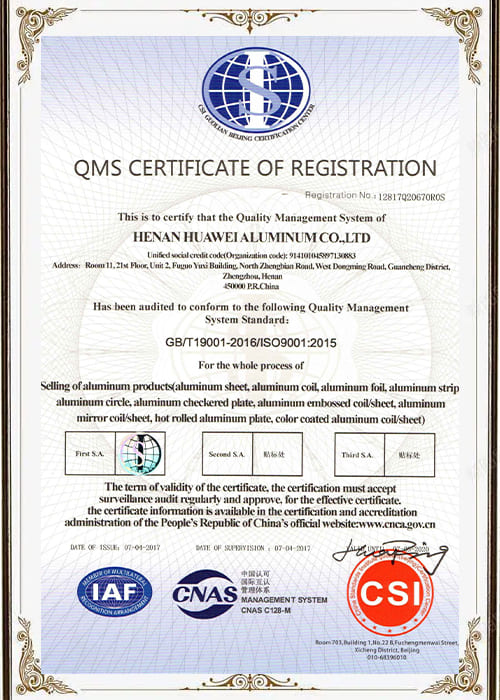
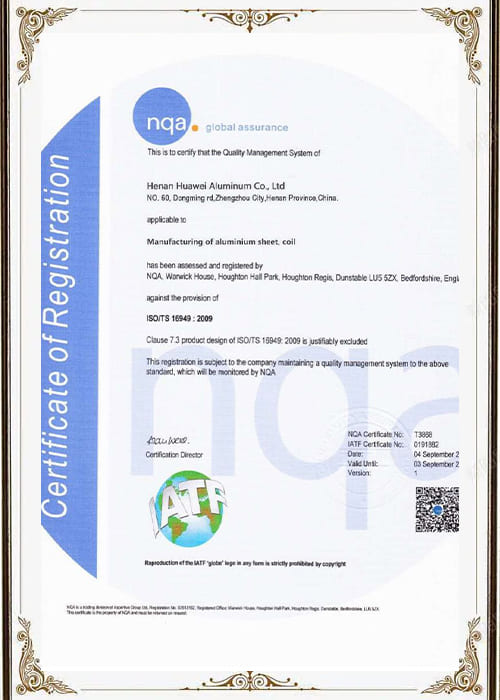
- Certifications and quality systems aligned with international standards (.ISO 9001, .ISO 14001, and relevant food-contact and medical-device standards)
- A global logistics and service network designed to support large-volume orders, just-in-time delivery, and technical support
Huawei Aluminum emphasizes value-driven partnerships, technical collaboration, and transparency in testing, documentation, and compliance.
For buyers, this means clear product specifications, traceable supply chains, and reliable performance under real-world conditions.
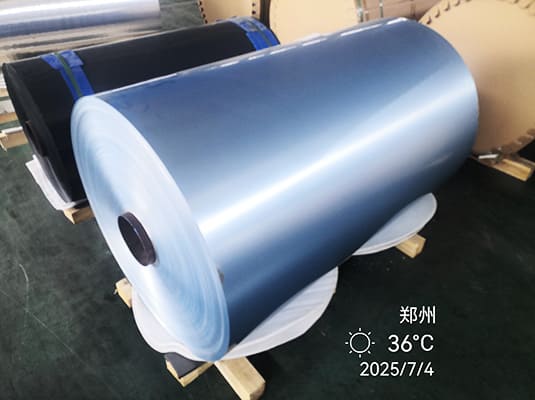
PE Coated Aluminum Foil Roll
What Is a PE Coated Aluminum Foil Roll?
PE coated aluminum foil roll refers to a rolled aluminum foil product that has a polyethylene layer applied to one or both surfaces.
The coating modifies surface energy, pagdikit, heat-sealability, and chemical compatibility, expanding the range of applications beyond bare aluminum foil.
The PE layer can serve as a primary food-contact surface, a cushioning or peel-layer in packaging laminates, or a protective coating in insulation and electronics packaging.
Key characteristics at a glance:
– Core material: Aluminyo foil (typically 6–25 microns thick, depending on application)
– Surface coating: Polyethylene (PE), thickness commonly in the sub-micron to a few micrometers range per surface, depending on the coating process and target performance
– Form factor: Flat, flexible roll suitable for converting into bags, pouches, Mga Laminate, or direct use in sealing equipment
– Primary benefits: Excellent barrier to moisture and gases (when laminated or used as a barrier layer), good heat-seal performance, high printability on coated surfaces, and broad chemical compatibility
Why PE coating? The PE coating makes the foil more versatile for direct-contact packaging, improved heat-sealing behavior, and easier lamination with other polymers (such as LDPE, EVA, or PP). It also provides a defined surface for adhesion to inks, Mga patong, and laminates, enabling robust multi-layer structures.
Manufacturing Process Overview
Understanding the manufacturing process helps explain performance characteristics and quality control. A PE coated aluminum foil roll typically follows these steps:
- Aluminum foil production
- Casting and rolling: Aluminum billets are cast into sheet ingots and rolled into thin foils through multiple pass reductions.
- Surface finish and reconsolidation: The foil surface is smoothed, annealed to achieve target ductility, and inspected for uniform thickness.
- PE coating application
- Surface preparation: Foil surfaces are cleaned and treated to improve coating adhesion (hal., corona or primer treatment in some processes).
- Coating methods: PE coating can be applied via extrusion coating, lamination, or co-extrusion with protective release layers. The choice depends on the target end-use, required seal strength, and lamination compatibility.
- Coating thickness control: PE layer thickness is controlled to achieve the desired mechanical and barrier properties without compromising heat-seal performance.
- Lamination and finishing
- Multi-layer structures: For many applications, the PE coated foil is laminated with additional layers (hal., Mga Alagang Hayop, CPP, or LDPE) to form a complete packaging film.
- Winding and inspection: Coated foils are wound into rolls, with inline and offline inspection for thickness uniformity, surface defects, and coating adhesion.
- Pagtiyak ng kalidad
- Mechanical tests, seal strength tests, and barrier property measurements are conducted to validate that the PE coated aluminum foil roll meets specifications.
This integrated approach ensures traceability, consistent performance, and compatibility with downstream converting equipment.
Properties and Performance: What to Expect from a PE Coated Aluminum Foil Roll
Physical and Mechanical Properties
- Saklaw ng kapal
- Aluminyo foil: typically 6–25 microns (0.006–0.025 mm)
- PE coating: a few micrometers per surface (often 1–8 µm; sometimes thicker for demanding heat-seal or chemical resistance)
- final flexibility: mataas na, enabling easy forming and sealing in pouch-making and tray-lidding processes
- seal strength: dependent on PE composition, kapal ng patong, and the mating material; typical values span 3–10 N/15 mm (with optimized formulations achieving higher strengths)
- tear resistance: high for the aluminum core, with coating designed to avoid premature delamination during converting and handling
- surface energy: optimized to ensure good adhesion of inks, primers, and laminates
Mga Katangian ng Barrier
- Moisture barrier: aluminum inherently blocks most moisture; PE coating adds surface compatibility for packaging laminates without compromising the barrier
- Gas barrier: aluminum foil provides an excellent barrier to oxygen and aromas in many configurations; when laminated with polymer layers, gas barrier can be tailored for shelf life
- Light barrier: metal foil is opaque, providing robust protection against light-induced degradation
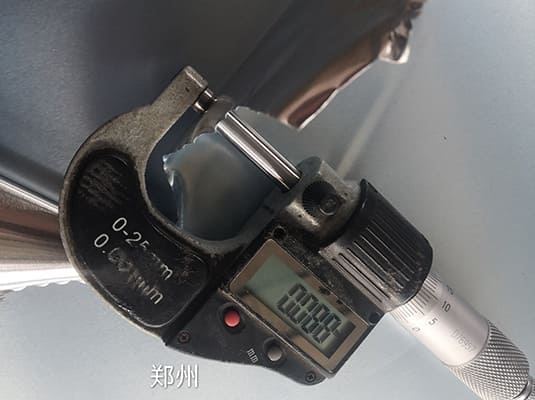
Thickness measurement of PE Coated Aluminum Foil Roll
Thermal and Chemical Compatibility
- Paglaban sa init: suitable for retort and pasteurization processes; PE coated foils can withstand brief exposure to elevated temperatures typical of steaming or hot-fill operations (often up to 120–135°C, depending on formulation)
- Chemical resistance: coating is selected to resist common food-grade solvents, taba, and cleaning agents used in packaging lines
- Food contact safety: PE coatings used with food-grade polymers comply with applicable regulations (halimbawa na lang, EU 10/2011 directives, FDA guidelines in the United States, or equivalent local standards)
Pagdikit, Coating Integrity, and Bonding
- Adhesion to the foil: strong adhesion ensures the coating remains intact under mechanical stress and during lamination
- Coating delamination risk: controlled by surface treatment and coating process; high-quality PE coated foils are designed to minimize such risk during sealing and forming
- Lamination compatibility: optimized for bonding with common laminates (LDPE, LLDPE, Mga Alagang Hayop, PLA, EVOH) used in rigid and semi-rigid packaging
Sustainability and End-of-Life Considerations
- Recyclability: bare aluminum foil is highly recyclable; PE-coated foil presents challenges because the polymer layer complicates aluminum recovery. In some systems, composite materials are recycled via specialized industrial processes, while other systems treat them as a composite that is diverted from recycling streams. Buyers should consult local recycling guidelines and supplier sustainability statements.
- Weight considerations: foil-based packaging enables lightweight solutions, reducing transport emissions and material usage in per-unit packaging
- Life-cycle insights: selecting the right thickness, patong na patong, and laminate structure can optimize both cost and environmental impact
Applications and Market Segments
Packaging ng Pagkain
- Primary uses: snack wraps, bakery packaging, ready meals, and single-serve packaging
- Mga kalamangan: excellent moisture and aroma barriers, heat-sealability, compatibility with automated packaging lines
- Formats: roll-fed films for vertical/horizontal form-fill-seal equipment, pre-formed trays with lidding foil, laminated pouches
Pharmaceutical Packaging
- Mga Aplikasyon: Mga Pack ng Paltos, mga sachet, and sterile barrier closures
- Pagsunod sa mga: materials designed to meet pharmacopeial requirements and regulatory constraints, with traceability and documentation to support validation
- Benefits: robust barrier against contamination and environmental factors, stable mechanical properties during storage
Electronics and Industrial Uses
- EMI shielding enclosures, protective wraps, and insulation wraps
- The combination of aluminum’s conductivity and a polymer coat enables specific surface characteristics necessary for assembly lines and thermal management
Other Specialized Markets
- Insulation barriers for building materials
- Label backing and heat-applied tapes
- Medical device packaging and sterile barrier systems
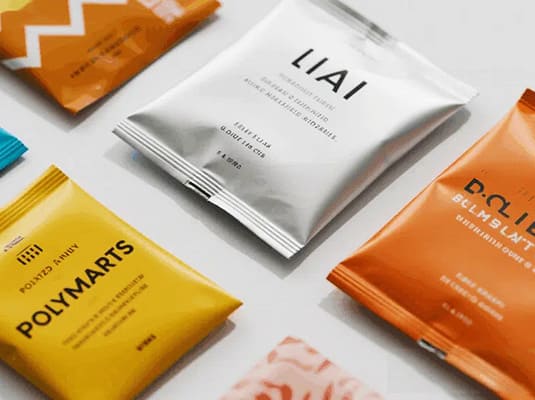
Flexible packaging used Coated Aluminum Foil
Comparative Analysis: PE Coated Aluminum Foil Roll vs Alternatives
The following table compares key characteristics of PE coated aluminum foil rolls against common alternatives used in packaging and insulation.
The table emphasizes practical performance, Mga Pagsasaalang alang sa Gastos, and suitability for typical converting processes.
| Comparison Dimension | PE Coated Aluminum Foil Roll | LDPE coated Aluminum Foil | Plain Aluminum Foil (uncoated) | Laminated Aluminum Foil |
|---|---|---|---|---|
| Core material | Aluminyo foil (6-25 μm) | Aluminum foil with polymer coating (coated externally) | Aluminyo foil (6-25 μm) | Aluminyo foil + polymer layers (PET/PE/CPP) |
| Primary benefit | Heat sealability, barrier, direct food contact surface | Enhanced seal interface, improved lamination compatibility | Maximum barrier, metal integrity | Tuned barrier and mechanical properties for specific end-use |
| Surface energy | Katamtaman hanggang mataas (with PE) | High where coating improves adhesion; can be tuned | Mababa hanggang katamtaman | Varied; depends on outer and inner layers |
| Heat sealing compatibility | Excellent with proper mating polymer | Excellent with targeted seals; depends on coating thickness | Not optimized for sealing | Napakahusay, but require compatible sealer and lamination mill settings |
| Barrier performance | Excellent moisture/gas barrier when laminated | Dependent on laminate; often good moisture barrier | Excellent moisture barrier; gas barrier depends on lamination | Hammond’s a balance: barrier tuned by layer stack |
| Recyclability | Composite with PE complicates recycling; often non-separable | Also composite; similar recycling challenges | Easiest to recycle, minimal polymer contamination | Nag-iiba; typically more complex due to multi-materials |
| Typical applications | Food pouches, ready meals, snack wraps | Laminate laminates, flexible packaging requiring good adhesion | Basic barrier packaging; some rerun can be laminated | High-performance packaging with multiple functions |
| Cost considerations | Katamtaman hanggang mataas, depending on coating thickness and width | Often lower per layer but requires lamination | Lowest cost per unit for basic foil | Highest cost due to multiple materials and processing steps |
Notes:
– The table provides a high-level view. Specific product formulations, processing equipment, and regional standards significantly influence performance and cost.
– Buyers should request material safety data sheets (MSDS), technical datasheets, and third-party test results to verify compliance and suitability for their line.
Pagtiyak ng Kalidad: Pagsubok, Mga Pamantayan, and Validation
Rigorous quality assurance supports performance claims and reduces risk for downstream converters and end-users. Common QA activities for PE coated aluminum foil roll include:
- Thickness measurement
- Accurate measurement of aluminum foil thickness and coating thickness using calibrated micrometers and X-ray fluorescence (XRF) methods
- Heat-seal and peel testing
- Seal strength testing across the intended sealing temperature range
- Peel strength testing against the relevant laminates to ensure reliable opening/closing performance
- Barrier testing
- WVTR (Water Vapor Transmission Rate) and OTR (Oxygen Transmission Rate) tests to quantify barrier performance within the laminate system
- Surface and adhesion tests
- Coating adhesion tests (hal., tape test) to confirm coating durability under converting and usage
- Chemical compatibility
- Exposure tests with fats, solvents, and cleaning agents relevant to the packaging line and product category
- Regulatory and safety compliance
- Verification of food-contact compliance, labeling, and documentation
- Traceability and lot documentation
- Lot-specific data including production date, line, batch, and coating parameters for full traceability
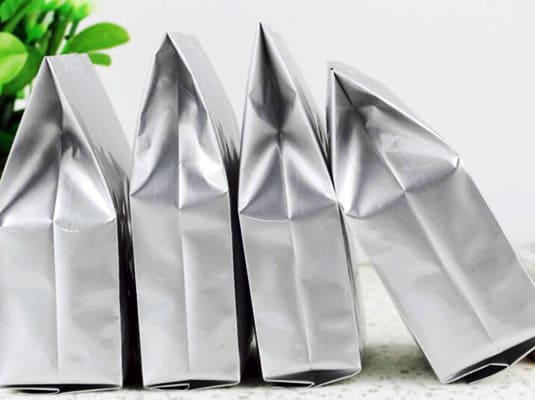
PE Coated Aluminum Foil Roll for Food Packaging
Supplier Spotlight: Huawei Aluminum’s Capabilities and Commitments
Huawei Aluminum’s approach to PE coated aluminum foil roll emphasizes reliability, technical rigor, and industry leadership. Key attributes include:
- Global reach with localized support: Huawei Aluminum supports international customers through regional offices and distributors, enabling turnkey procurement and responsive technical assistance.
- Innovation in surface engineering: The company invests in surface treatment technologies to optimize adhesion, kakayahang i-print, and lamination compatibility.
- Strong quality culture: Quality management systems are embedded across design, produksyon ng, at logistik, with inline and offline testing to ensure specification conformance.
- Sustainability and resource efficiency: Energy-efficient rolling and coating lines, waste minimization programs, and ongoing assessments of environmental impact align with modern ESG expectations.
- Comprehensive documentation: Certificates of conformity, MSDS, and material test reports accompany shipments, helping customers maintain compliance and traceability.
For buyers, Huawei Aluminum’s credibility rests on demonstrable performance data, transparent processes, and a robust technical support ecosystem.
Engaging with Huawei Aluminum often involves collaborative product development, pilot testing, and custom coating configurations to meet specific packaging or insulation requirements.
Mga FAQ: PE Coated Aluminum Foil Roll
What is a PE coated aluminum foil roll used for?
It is used for heat-sealable packaging, laminated films, pastry and dairy packaging, parmasyutiko packaging, and insulation applications where a polymer-coated surface improves lamination, pagdikit, and sealing.
How does PE coating affect recyclability?
The PE coating complicates recycling because the polymer layer is difficult to separate from aluminum. In many systems, these foil laminates are treated as composite materials. Gayunpaman, some recycling streams are capable of separating the layers, while others design end-of-life handling to recover aluminum where possible and manage polymer fractions appropriately.
What thickness ranges are typical?
Aluminyo foil: 6-25 μm
PE coating: 1–8 µm per surface, depending on the required seal strength and lamination compatibility
Is PE coated aluminum foil safe for food contact?
Oo nga, provided the coating formulation is approved for food contact and the product meets applicable regulatory standards (hal., FDA, EU directives). Always verify the coating composition and regulatory documentation with the supplier.
How do I select a supplier for PE coated aluminum foil roll?
Look for a supplier with a robust quality management system, traceability, regulatory compliance (food contact, medical devices if applicable), sample testing support, and clear documentation. A supplier like Huawei Aluminum offers integrated production, technical assistance, and a track record of supply to multinational brands.
What testing should I request in qualification?
Seal strength tests, WVTR/OTR tests, adhesion tests, material compliance certificates, and supplier declarations. Also request pilot-run data for your specific laminates and sealing equipment.
How should I store PE coated aluminum foil rolls?
Store in a dry, cool environment away from direct sunlight, in original packaging or protective cases to minimize surface damage. Avoid exposure to oils, solvents, and chemicals that might affect the coating or surface energy.
Pangwakas na Salita
PE coated aluminum foil rolls offer a versatile solution for modern packaging and industrial needs. They provide a reliable barrier, predictable heat-sealing characteristics, and compatibility with a range of laminates and converting processes.
When paired with a reputable supplier—such as Huawei Aluminum—the result is a supply chain that emphasizes quality, traceability, and service.
For buyers, the critical steps are to define end-use requirements precisely, verify regulatory compliance and safety documentation, and conduct pilot testing to ensure compatibility with converting equipment and downstream packaging structures.
As markets continue to demand safer packaging, longer shelf life, and sustainable design, PE coated aluminum foil rolls will remain a foundational material in advanced packaging and industrial applications.
Whether your priority is barrier performance, seal reliability, or laminate compatibility, a PE coated aluminum foil roll from a trusted supplier can deliver consistent performance and value across product lines and geographic markets.
If you would like to connect with Huawei Aluminum for product specifications, samples, or technical assistance related to PE coated aluminum foil rolls, consider requesting a datasheet package, including material composition, coating thickness ranges, mekanikal na mga katangian, and conformity documents.
A qualified technical representative can guide you through thickness selection, coating formulations, and lamination strategies to optimize your packaging performance and total cost of ownership.
Share with PDF: Download
Proseso ng paghahagis ng produksyon at ang pagpapakilala nito
Ang layunin ng pagtunaw at paghahagis ay upang makabuo ng mga haluang metal na may kasiya siyang komposisyon at mataas na kadalisayan ng matunaw, upang lumikha ng mga kanais nais na kondisyon para sa paghahagis ng mga haluang metal ng iba't ibang mga hugis.
Mga hakbang sa proseso ng pagtunaw at paghahagis: mga ka batch --- pagpapakain --- natutunaw na --- pagpapakilos pagkatapos matunaw, pag alis ng slag --- sampling bago ang pagsusuri --- pagdaragdag ng haluang metal upang ayusin ang komposisyon, nakakapukaw ng damdamin --- pagpipino --- static na Setting——Guide furnace casting.
Mainit na proseso ng produksyon ng pagulong at ang pagpapakilala nito
- 1. Mainit na pagulong sa pangkalahatan ay tumutukoy sa paggulong sa itaas ng metal recrystallization temperatura;
- 2. Sa panahon ng mainit na proseso ng pagulong, ang metal ay may parehong mga proseso ng pagpapatigas at paglambot. Dahil sa impluwensya ng bilis ng pagpapapangit, basta huli na ang recovery at recrystallization process, magkakaroon ng tiyak na gawaing pagpapatigas;
- 3. Ang recrystallization ng metal pagkatapos ng mainit na pagulong ay hindi kumpleto, na ang ibig sabihin ay, ang magkakasamang buhay ng recrystallized istraktura at deformed istraktura;
- 4. Ang mainit na pagulong ay maaaring mapabuti ang pagganap ng pagproseso ng mga metal at haluang metal, bawasan o alisin ang mga depekto sa paghahagis.
- 1. Ang temperatura ng paghahagis at pagulong ay karaniwang nasa pagitan ng 680 o C at 700 o C. Ang mas mababa ang mas mahusay na, Ang matatag na paghahagis at rolling line ay karaniwang tumitigil nang isang beses sa isang buwan o higit pa upang muling tumayo. Sa panahon ng proseso ng produksyon, kinakailangang mahigpit na kontrolin ang antas ng likido ng front tank upang maiwasan ang mababang antas ng likido;
- 2. Ang pagpapadulas ay gumagamit ng C powder na may hindi kumpletong pagkasunog ng gas para sa pagpapadulas, na isa rin sa mga dahilan ng maruming ibabaw ng casting at rolling materials;
- 3. Ang bilis ng produksyon ay karaniwang sa pagitan ng 1.5m / min-2.5m / min;
- 4. Ang kalidad ng ibabaw ng mga produkto na ginawa sa pamamagitan ng paghahagis at paggulong ay karaniwang medyo mababa, at sa pangkalahatan ay hindi maaaring matugunan ang mga produkto na may espesyal na pisikal at kemikal na mga kinakailangan sa pagganap.
- 1. Ang malamig na pagulong ay tumutukoy sa paraan ng paggulong ng produksyon sa ibaba ng temperatura ng recrystallization;
- 2. Hindi magkakaroon ng dynamic na recrystallization sa panahon ng proseso ng paggulong, at ang temperatura ay tataas sa temperatura ng pagbawi sa karamihan, at ang malamig na paggulong ay lilitaw sa isang trabaho hardening estado, at ang trabaho hardening rate ay magiging malaki;
- 3. Ang malamig na ginulong sheet at strip ay may mataas na dimensional na katumpakan, magandang kalidad ng ibabaw, unipormeng istraktura at pagganap, at mga produkto sa iba't ibang estado ay maaaring makuha sa heat treatment;
- 4. Malamig na pagulong ay maaaring i roll out manipis na strips, pero sabay sabay, ito ay may mga disadvantages ng mataas na pagkonsumo ng enerhiya para sa pagpapapangit at maraming mga pasa sa pagproseso.
- 1. Ang pagtatapos ay isang paraan ng pagproseso upang matugunan ng malamig na ginulong sheet ang mga kinakailangan ng customer, o upang mapadali ang kasunod na pagproseso ng produkto;
- 2. Ang mga kagamitan sa pagtatapos ay maaaring iwasto ang mga depekto na ginawa sa mainit na pagulong at malamig na proseso ng produksyon, tulad ng basag na gilid, may langis na, mahina ang hugis ng plato, natitirang stress, atbp. Kailangan nitong tiyakin na walang iba pang mga depekto na dinala sa proseso ng produksyon;
- 3. Mayroong iba't ibang mga kagamitan sa pagtatapos, pangunahin kabilang ang cross-cutting, pagputol ng hiwa, pag unat at pagtutuwid, annealing furnace, mga slitter, atbp.
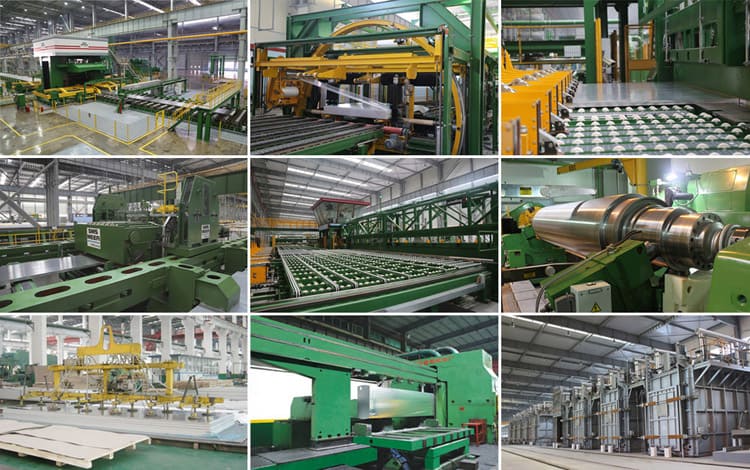
Proseso ng paghahagis at paggulong
Proseso ng paghahagis at paggulong: likidong metal, kahon sa harap (Kontrol sa antas ng likido), paghahagis at rolling machine (sistema ng pagpapadulas, paglamig ng tubig), paggupit ng makina, makina ng pag coiling.
Malamig na proseso ng produksyon ng pagulong
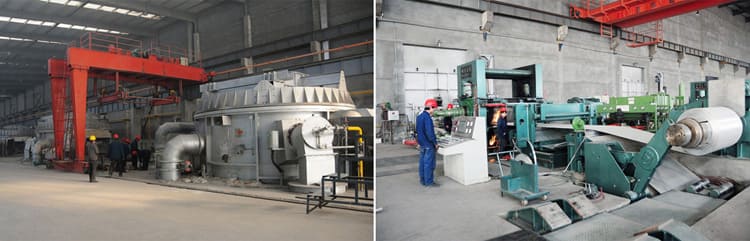
Panimula sa pagtatapos ng proseso ng produksyon
Aluminyo haluang metal ay may mga katangian ng mababang density, magandang mekanikal na katangian, magandang pagganap ng pagproseso, di nakakalason, madaling i recycle, mahusay na electrical kondaktibiti, paglipat ng init at paglaban sa kaagnasan, kaya ito ay may malawak na hanay ng mga application.
Aerospace: ginagamit upang gumawa ng mga balat ng sasakyang panghimpapawid, mga frame ng fuselage, mga girder, mga rotors, mga propeller, mga tangke ng gasolina, mga panel ng pader at mga struts ng landing gear, pati na rin ang rocket forging rings, mga panel ng pader ng spacecraft, atbp.
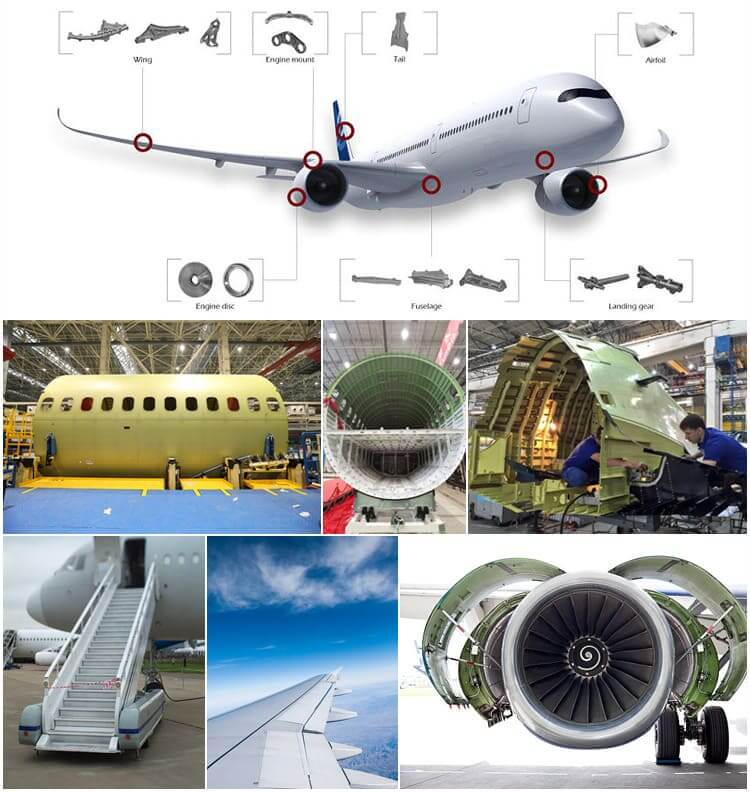
Aluminyo haluang metal na ginagamit para sa aerospace
Transportasyon: ginagamit para sa kotse katawan istraktura materyales ng mga sasakyan, Mga Sasakyan ng Subway, mga kotse ng pasahero ng tren, mabilis na mga kotse ng pasahero, mga pinto at bintana, mga istante, mga bahagi ng automotive engine, mga aircon, mga radiator, mga panel ng katawan, mga gulong at mga materyales ng barko.
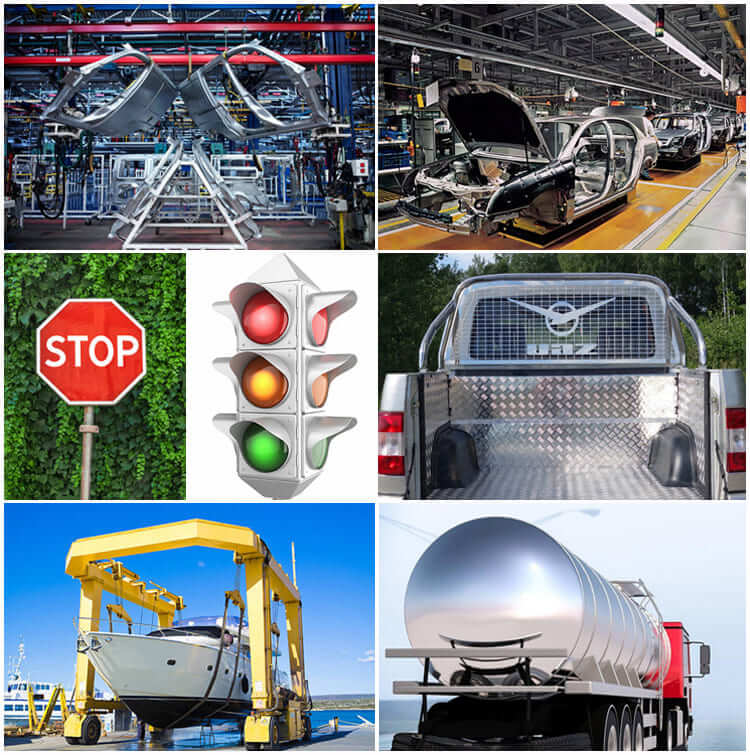
Application ng trapiko
Packaging: Ang lahat ng aluminyo pop lata ay pangunahing ginagamit bilang mga materyales sa packaging ng metal sa anyo ng mga manipis na plato at foils, at ginagawang lata, mga takip, mga bote, mga bariles, at packaging foils. Malawakang ginagamit sa packaging ng mga inumin, pagkain, mga pampaganda, mga gamot, mga sigarilyo, mga produktong pang industriya, mga gamot, atbp.
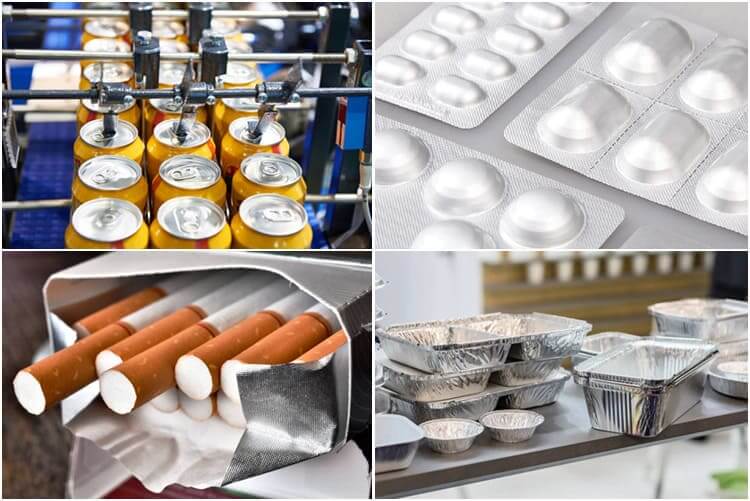
Application ng packaging
Pag-print: Pangunahing ginagamit upang gumawa ng PS plates, ang mga PS plate na nakabase sa aluminyo ay isang bagong uri ng materyal sa industriya ng pag print, ginagamit para sa awtomatikong paggawa ng plato at pag print.
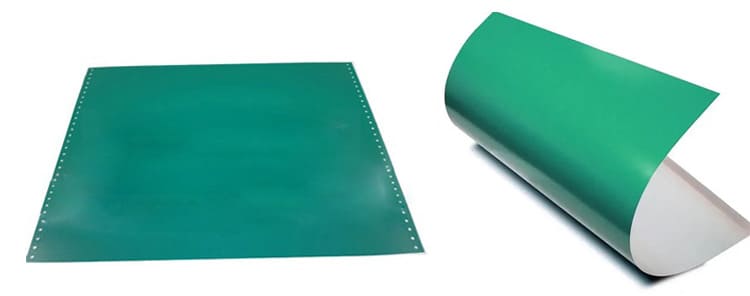
Pag print ng PS
Dekorasyon ng arkitektura: aluminyo haluang metal ay malawakang ginagamit sa mga istraktura ng gusali, mga pinto at bintana, suspendido ang mga kisame, pandekorasyon na ibabaw, atbp. dahil sa magandang kaagnasan nito paglaban, sapat na lakas, mahusay na pagganap ng proseso at pagganap ng hinang.

Application ng konstruksiyon ng haluang metal ng aluminyo
Mga produktong elektroniko: mga computer, mga mobile phone, mga shell ng refrigerator, mga radiator, atbp.
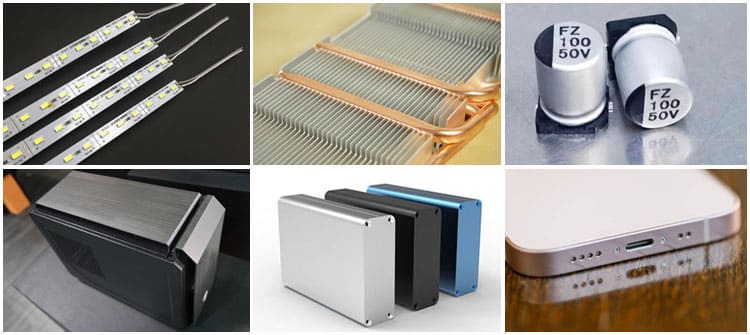
Electronic application ng produkto
Mga gamit sa kusina: mga kaldero ng aluminyo, aluminyo basins, mga liner ng rice cooker, sambahayan aluminyo foil, atbp.
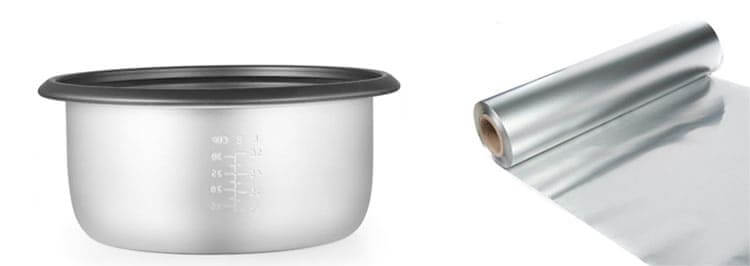
Application ng kusina
Packaging Ng Aluminum Sheet / Coil
Ang bawat detalye ng packaging ay kung saan namin ituloy ang perpektong serbisyo. Ang aming proseso ng packaging sa kabuuan ay ang mga sumusunod:
Paglalamina: malinaw na pelikula, asul na pelikula, mikro-mucosal, mataas na mucosal, laser pagputol ng pelikula (2 mga tatak, Novacell at Polyphem);
Proteksyon: mga tagapagtanggol ng sulok ng papel, mga pads laban sa presyon;
pagpapatayo ng mga: desiccant;
Tray: fumigated hindi nakakapinsala kahoy na tray, magagamit muli ang bakal na tray;
Pag-iimpake: Tik-tik-toe bakal sinturon, o PVC packing belt;
Kalidad ng Materyal: Ganap na libre mula sa mga depekto tulad ng puting kalawang, mga spot ng langis, mga rolling mark, pinsala sa gilid, mga baluktot, mga dent, mga butas, mga break lines, mga gasgas na, atbp., walang coil set.
Port: Qingdao o iba pang mga port sa China.
Lead oras: 15-45 mga araw.
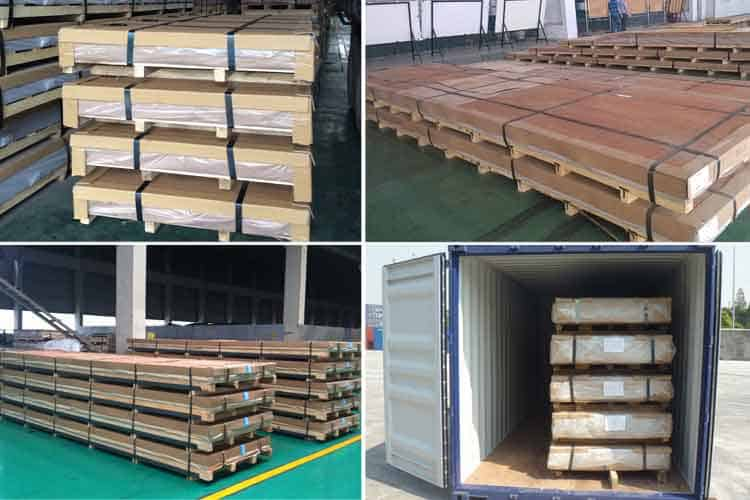
Aluminyo sheet / plate packaging proseso
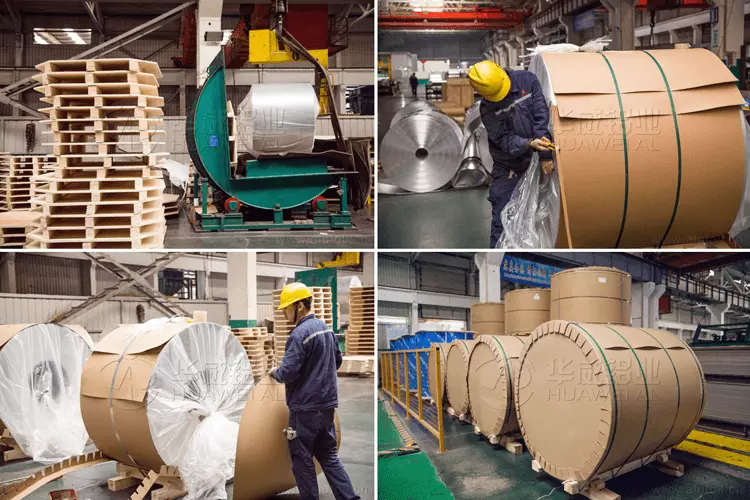
Aluminyo likawin packaging proseso
F: Ikaw ba ay isang tagagawa o isang mangangalakal?
Q: Kami ay isang tagagawa, ang factory namin ay sa No.3 Weier Road, Sonang Pang industriya, Gongyi, Henan, Tsina.
F: Ano ang MOQ para sa pag order ng produkto?
Q: Ang MOQ natin ay 5 tonelada, at ang ilang mga espesyal na produkto ay magkakaroon ng isang minimum na dami ng order ng 1 o 2 tonelada.
F: Gaano katagal ang iyong oras ng lead?
Q: Sa pangkalahatan ang aming lead time ay tungkol sa 30 mga araw.
F: Mayroon bang kalidad ng katiyakan ang iyong mga produkto?
Q: Oo nga, kung may problema sa quality sa products namin, kami ay mabayaran ang customer hanggang sa sila ay nasiyahan.
Mga Kaugnay na Produkto



Mga Pinakabagong Blog
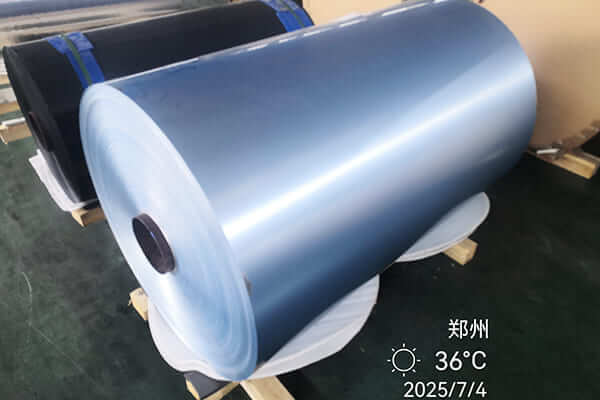
Coated Aluminum Foil for Packaging Applications | Strong & Reliable
High-quality coated aluminum foil for packaging applications, offering excellent barrier protection, tibay ng katawan, and consistent performance.

What is Coated Aluminum Foil Used For in Packaging and Industry
Discover what is coated aluminum foil used for, from food and pharma packaging to insulation and printing, and learn the core benefits and functions.

Trusted 3003 Aluminium Checker Plate Sheet Suppliers Worldwide
Find reliable 3003 Aluminium Checker Plate Sheet Suppliers offering certified quality, competitive pricing, custom sizes, and fast global delivery for your projects.

6061 T6 vs 7075 Aluminyo: Lakas ng loob, Timbang & Best Uses
Compare 6061 T6 vs 7075 aluminum easily. Discover differences in strength, bigat ng katawan, and applications to choose the best for your projects.