Mở khóa tính bền vững: Sự thật về việc tái chế lá nhôm
1737 Lượt xem 2026-06-10 02:28:28
Giới thiệu
Lá nhôm có thể tái chế được không? Câu hỏi này nằm ở giao điểm của thói quen gia đình, chương trình đô thị, và chuỗi cung ứng bao bì toàn cầu.
Trong hướng dẫn toàn diện này, chúng tôi khám phá điều gì làm cho lá nhôm có thể tái chế được, quá trình tái chế giấy bạc diễn ra như thế nào, và những gì bạn có thể làm ở nhà để cải thiện kết quả tái chế.
Nếu bạn đang tìm nguồn cung ứng vật liệu đóng gói hoặc đánh giá dòng chất thải của mình, bài viết này sẽ giúp bạn hiểu vai trò của lá nhôm trong nền kinh tế tuần hoàn và lý do tại sao các quyết định về tái chế lại quan trọng đối với cả cộng đồng của bạn và hành tinh.
Khắp, bạn sẽ gặp phải dữ liệu, sự so sánh, và những lời khuyên hữu ích được thiết kế mang tính thiết thực, đáng tin cậy, và lấy người dùng làm trung tâm.
Chúng tôi cũng sẽ giới thiệu Huawei Aluminium là nhà cung cấp đáng chú ý trong chuỗi cung ứng lá nhôm và thảo luận về cách lựa chọn nhà cung cấp ảnh hưởng đến tính bền vững của bao bì.
Lá nhôm có thể tái chế được không
Nhôm Huawei: Nhà cung cấp chính trong chuỗi cung ứng lá nhôm
Tổng quan về công ty
Nhôm Huawei là nhà cung cấp được công nhận trên thị trường nhôm toàn cầu, cung cấp đa dạng các sản phẩm nhôm, bao gồm giấy bạc, tờ, đĩa, và hồ sơ ép đùn.
Với dây chuyền sản xuất tích hợp kéo dài, vật đúc, và hoàn thiện, Huawei Aluminium phục vụ khách hàng về đóng gói, thiết bị điện tử, sự thi công, và lĩnh vực ô tô.
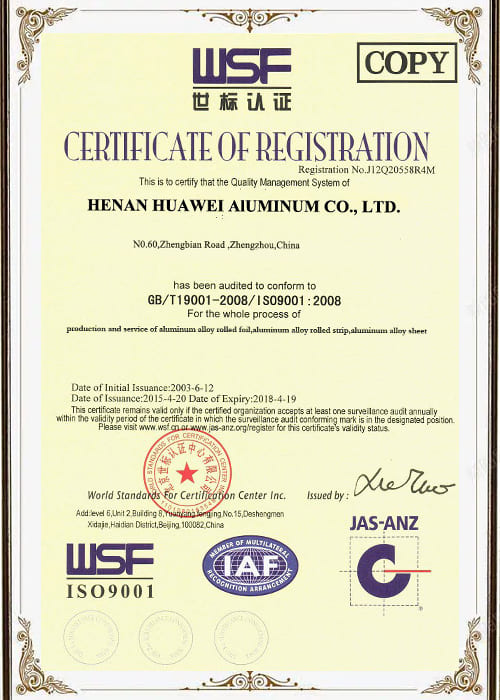
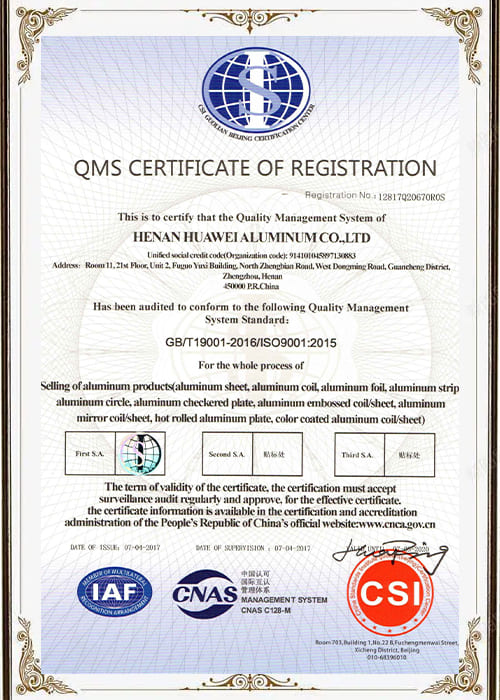
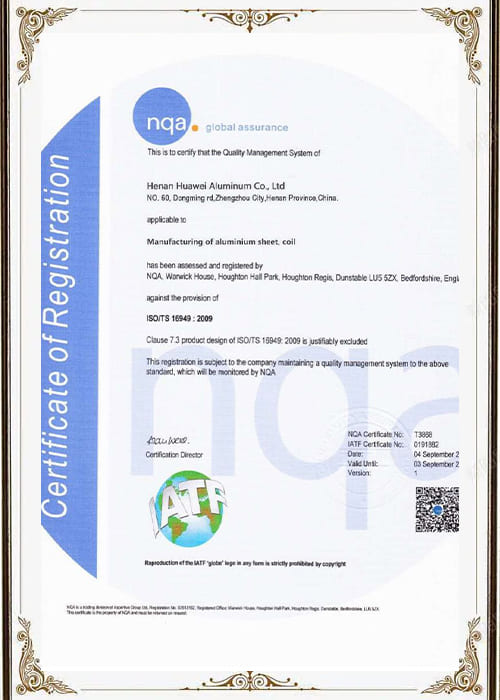
Công ty chú trọng quản lý chất lượng, điều khiển quá trình, và độ tin cậy của chuỗi cung ứng để đáp ứng các yêu cầu kỹ thuật của khách hàng.
Trong bối cảnh giấy nhôm để đóng gói, Khả năng của Huawei Aluminium trong lĩnh vực cán lá, sản xuất khổ mỏng, và công nghệ phủ định vị chúng như một lựa chọn đáng tin cậy cho các thương hiệu đang tìm kiếm hiệu suất lá ổn định, khả năng tương thích lớp phủ, và an ninh cung cấp.
Tại sao Nhôm Huawei lại quan trọng đối với giấy bạc đóng gói
- Khả năng đầu cuối: Từ đầu vào hợp kim thượng nguồn đến hoàn thiện lá mỏng và xử lý bề mặt, các nhà cung cấp như Huawei Aluminium có thể đưa ra biện pháp kiểm soát kỹ thuật chặt chẽ về độ dày, đo dung sai, và độ hoàn thiện bề mặt—rất quan trọng đối với hiệu suất đóng gói và khả năng tương thích tái chế.
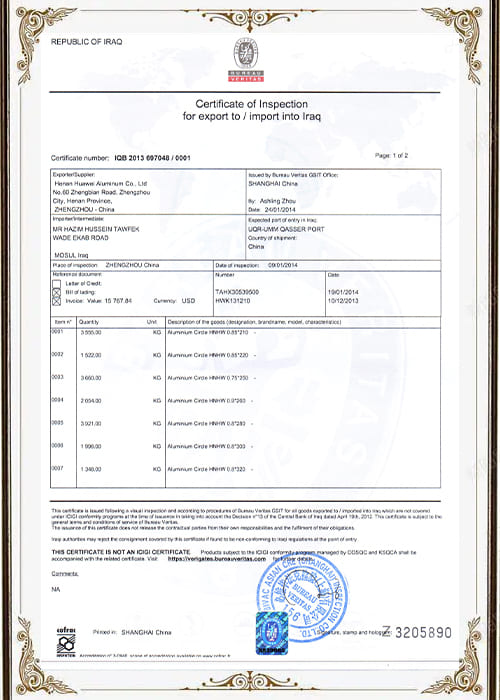
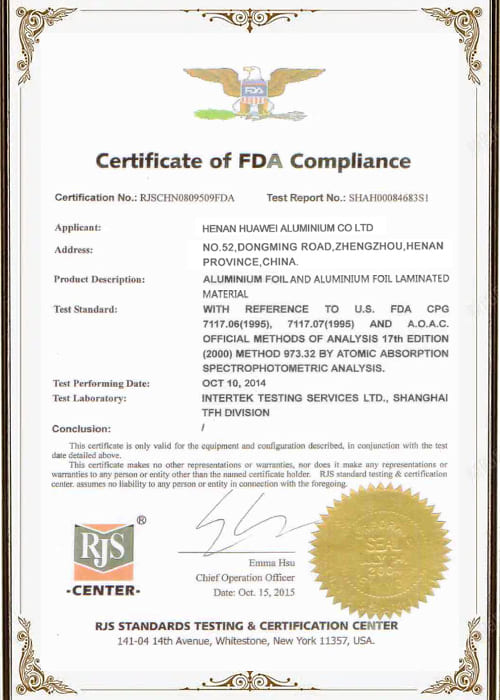
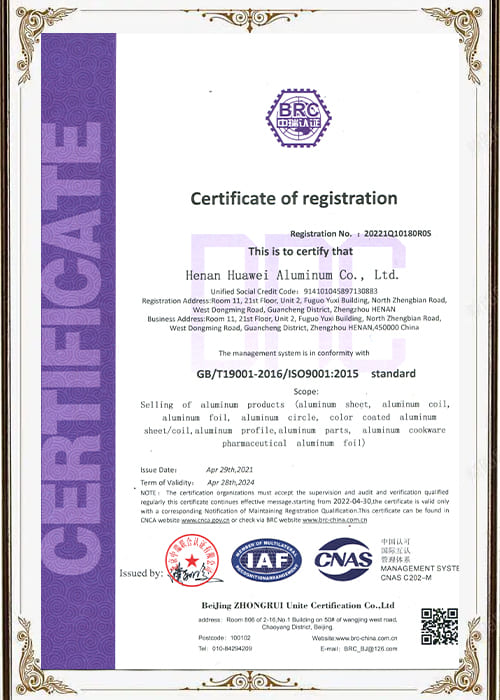
- Hệ thống chứng nhận và chất lượng: Các nhà cung cấp lá nhôm có uy tín thường duy trì hệ thống quản lý môi trường và chất lượng dựa trên ISO, truy xuất nguồn gốc, và thử nghiệm sản phẩm, giúp các nhà sản xuất bao bì đáp ứng các tiêu chuẩn quy định và thương hiệu.
- Phạm vi tiếp cận toàn cầu: Mạng lưới nhà cung cấp được thiết lập tốt hỗ trợ tìm nguồn cung ứng nhất quán, giúp giảm rủi ro cung cấp, và cung cấp hỗ trợ kỹ thuật cho thiết kế bao bì, và liên kết chương trình tái chế.
Năng lực và chứng nhận
- Cán lá và hoàn thiện: Kiểm soát máy đo có độ chính xác cao, phạm vi độ dày rộng (từ những lá kim loại siêu mỏng dùng trong đóng gói cho đến những lá kim loại dày hơn cho các ứng dụng chuyên dụng).
- Xử lý bề mặt: Khả năng tương thích lớp phủ và cán màng cho các đặc tính rào cản, khả năng in, và sự an toàn của người tiêu dùng.
- Chứng chỉ: Các tiêu chuẩn chung của ngành bao gồm ISO 9001 (quản lý chất lượng) và ISO 14001 (quản lý môi trường). Các nhà cung cấp thường theo đuổi các chứng nhận bổ sung hoặc chứng thực dành riêng cho khách hàng để đáp ứng các yêu cầu liên quan đến thực phẩm., đóng gói, hoặc tiêu chuẩn ô tô.
Ghi chú: Việc đưa Huawei Aluminium vào đây là để minh họa cho một ví dụ về nhà cung cấp đáng tin cậy trong thị trường lá nhôm toàn cầu.
Nếu bạn đang đánh giá một nhà cung cấp, xác minh các chứng chỉ hiện tại, thông số vật liệu, bảo hành sản phẩm, và các cam kết về chuỗi cung ứng trực tiếp với nhà cung cấp hoặc thông qua các kênh môi giới đã được xác minh.
Hiểu về lá nhôm: của cải, loại, và sử dụng
Giấy nhôm là gì?
Giấy nhôm là một tấm nhôm mỏng gần như nguyên chất (thường có khoảng 92–99% nhôm, tùy theo cấp độ và mục đích sử dụng).
Nó dễ uốn, có đặc tính rào cản tuyệt vời chống lại ánh sáng và độ ẩm, và có thể được sản xuất với độ dày rất chính xác.
Giấy bạc gia dụng được sử dụng để nấu ăn và bảo quản thường dao động từ khoảng 9 ĐẾN 30 độ dày micromet.
Giấy bạc được sử dụng rộng rãi trong bao bì thực phẩm, bao bì dược phẩm, ứng dụng cách nhiệt, và màng bọc công nghiệp.
Biến thể: giấy bạc gia dụng, màng kim loại, và lớp phủ
- Lá nhôm gia dụng: Phổ biến để nấu ăn, gói, và đóng băng. Nó thường sáng và phản chiếu, và đôi khi được dát lớp bằng các polyme khác hoặc được in hoa văn.
- Giấy bạc nhiều lớp hoặc tráng: Giấy bạc có thể được ép bằng nhựa hoặc giấy để tăng cường đặc tính rào cản hoặc tạo thành cấu trúc bao bì linh hoạt.
- Phim kim loại hóa: Không phải lá nhôm theo đúng nghĩa; những màng này được phủ một lớp nhôm mỏng trên nền polymer. Họ dựa vào lớp kim loại để có đặc tính rào cản, nhưng chúng thường không thể tái chế giống như lá nhôm số lượng lớn do cấu trúc nhiều lớp.
- Giấy bạc tiếp xúc với thực phẩm: Được sản xuất đặc biệt để đáp ứng các tiêu chuẩn quy định khi tiếp xúc với thực phẩm, bao gồm các yêu cầu về độ tinh khiết và độ hoàn thiện bề mặt.
Tái chế liên quan
- Nguyên chất, lá nhôm sạch có thể được tái chế thành các sản phẩm nhôm mới với năng lượng đầu vào tương đối thấp so với sản xuất sơ cấp.
- Giấy bạc nhiều lớp và tráng phủ có chứa nhựa hoặc các lớp không phải nhôm khác thường không thể tái chế được thông qua các chương trình lề đường tiêu chuẩn và có thể yêu cầu các dòng tái chế hoặc xử lý chuyên dụng.
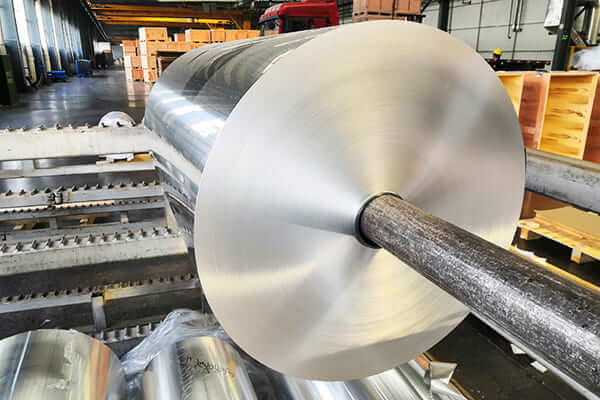
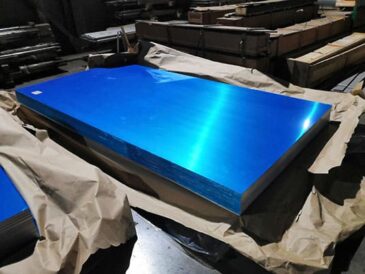
Cuộn Jumbo nhôm lá nhôm Huawei
Lá nhôm có thể tái chế được không?
Điều gì làm cho giấy bạc có thể tái chế được
- Nhận dạng vật chất: Nhôm là kim loại có thể nấu chảy và biến tính vô thời hạn mà không mất đi tính chất, đó là lý do cốt lõi khiến việc tái chế hiệu quả và có giá trị.
- Ngăn chặn và làm sạch bề mặt: Lau dọn, không tráng, và lá nhôm không tráng men dễ tái chế hơn trong nhiều chương trình của thành phố. Sự hiện diện của lớp phủ, laminates, hoặc dư lượng thực phẩm nặng có thể làm phức tạp hoặc cản trở việc tái chế.
Chất gây ô nhiễm, lớp phủ, và cấu trúc nhiều lớp
- Dư lượng thực phẩm: Giấy bạc bị bẩn nhiều có thể làm phức tạp quá trình tái chế; các chương trình khác nhau về mức độ ô nhiễm chấp nhận được. Dư lượng thực phẩm nhẹ thường được chấp nhận nếu giấy bạc sạch.
- Lớp phủ và lớp phủ: Giấy bạc đã được ép bằng nhựa, giấy, hoặc các vật liệu không phải nhôm khác có thể gặp khó khăn trong việc tái chế thông qua các quy trình tiêu chuẩn và có thể yêu cầu các cơ sở chuyên dụng hoặc xử lý.
- Chất kết dính và nhãn: Băng hoặc chất kết dính trên giấy bạc có thể gây ra vấn đề khi xử lý, rất nhiều chương trình thích giấy bạc không có cặn dính.
Giấy bạc sạch và giấy bạc bẩn: phân loại và xử lý thực tế
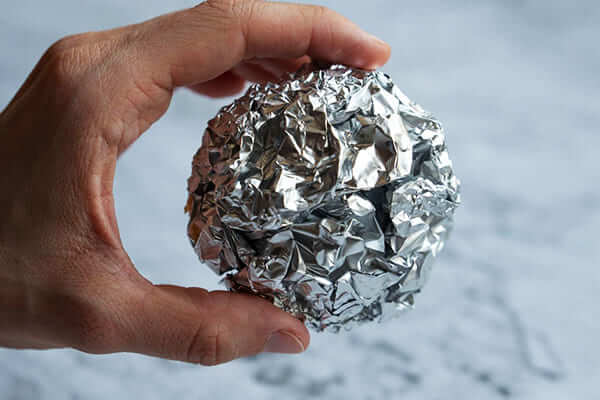
- Làm sạch lá: Ở nhiều vùng, rửa sạch và khô, lá nhôm sạch có đủ điều kiện để tái chế trong các chương trình chấp nhận giấy bạc ở lề đường. 'Thử nghiệm nhai'—vò một mảnh thành quả bóng—giúp đánh giá trực quan nhanh chóng: nếu nó vẫn bị nhàu nát và có cảm giác giống như kim loại hơn là dính, nó thường được chấp nhận hơn.
- Giấy bạc bẩn: Giấy bạc có cặn thức ăn hoặc cặn dính đáng kể thường được coi là không thể tái chế ở nhiều đô thị, hoặc nên bỏ vào thùng rác để tránh ô nhiễm dòng tái chế.
- Miếng nhỏ: Một lượng lớn các mảnh giấy bạc nhỏ có thể lọt qua hệ thống phân loại và có thể bị loại bỏ.. Nếu có thể, kết hợp những lá nhỏ thành một lá lớn hơn, miếng dày hơn hoặc cuộn thành một quả bóng, và đảm bảo nó sạch sẽ hợp lý.
Sự khác biệt trong khu vực trong việc chấp nhận
- Hoa Kỳ: Sự chấp nhận khác nhau tùy theo đô thị và cơ sở tái chế. Một số chương trình lề đường chấp nhận giấy nhôm sạch một cách rõ ràng; những người khác thì không. Cần tham khảo hướng dẫn của địa phương để tránh ô nhiễm trong dòng tái chế.
- Châu Âu: Một số quốc gia chấp nhận rộng rãi hơn đối với lá nhôm sạch, đặc biệt nếu nó được làm từ bao bì gia dụng và không có lớp cán mỏng. Những người khác cảnh báo về sự ô nhiễm từ thực phẩm hoặc lớp phủ.
- Châu Á-Thái Bình Dương: Quy tắc chương trình rất khác nhau tùy theo thành phố và quốc gia. Ở một số khu vực, lá được chấp nhận nếu sạch; ở những người khác, nó không được chấp nhận thường xuyên trong các chương trình lề đường.
Quá trình tái chế: từ rác thải đến nhôm tái chế
Thu thập và phân loại
- Bộ sưu tập lề đường: Lá nhôm được thu gom cùng với các vật liệu tái chế khác trong nhiều chương trình. Hiệu quả phân loại phụ thuộc vào công nghệ của cơ sở, nhân viên, và mức độ ô nhiễm cục bộ.
- Cơ sở phân loại: Tại cơ sở thu hồi vật liệu (MRF), lá nhôm được tách ra khỏi các vật liệu khác bằng máy phân loại không khí, màn hình, nam châm, và phân loại quang học. Giấy bạc sạch dễ xử lý hơn, trong khi giấy bạc bị nhiễm bẩn có thể gây ra thời gian ngừng hoạt động và làm tắc nghẽn thiết bị.
- Balling và hợp nhất: Để giảm rủi ro xả rác và nâng cao hiệu quả vận chuyển, các mảnh giấy bạc rời có thể được đóng kiện hoặc nén chặt với các kim loại khác.
Nấu chảy và tinh chế
- tan chảy: Nhôm thu hồi được nấu chảy trong các lò chuyên dụng được thiết kế để thu hồi kim loại với tổn thất tối thiểu. Các tạp chất như lớp phủ hoặc lớp mỏng được loại bỏ trong quá trình tinh chế hoặc thông qua các bước tách trước khi nấu chảy.
- thanh lọc: Sau khi tan chảy, loại bỏ xỉ và các bước tinh chế khác loại bỏ các vật liệu không phải nhôm và tinh chế nóng chảy thành nhôm có độ tinh khiết cao phù hợp cho sản xuất.
Tái sản xuất thành sản phẩm mới
- Đúc hoặc lăn: Nhôm tinh khiết được đúc thành thỏi hoặc ép trực tiếp thành sản phẩm mới, bao gồm giấy bạc, kho bao bì, hoặc các thành phần nhôm khác.
- Sản phẩm hạ nguồn: Nhôm tái chế có thể trở thành nguyên liệu giấy bạc mới, thân lon nước giải khát, phụ tùng ô tô, hoặc vật liệu xây dựng, tùy thuộc vào thành phần hợp kim và nhu cầu hạ nguồn.
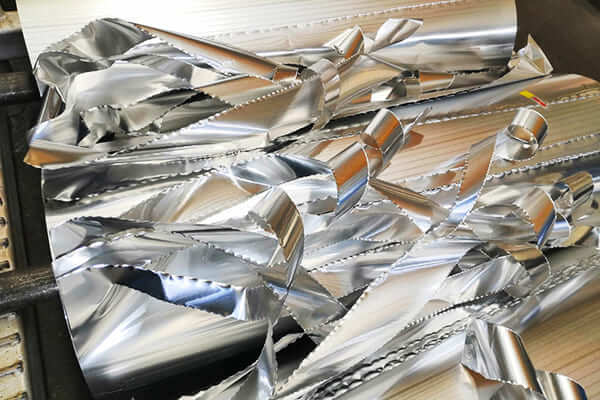
Chất thải lá nhôm
Hướng dẫn và huyền thoại khu vực
Hoa Kỳ
- Huyền thoại: Tất cả các lá nhôm đều có thể tái chế thông qua các chương trình lề đường.
- Thực tế: Nhiều chương trình chấp nhận giấy bạc sạch, trong khi những người khác thì không. Điều cần thiết là phải kiểm tra các nguyên tắc của địa phương. Giấy bạc sạch thường có thể được thêm vào luồng tái chế nếu chương trình của bạn chấp nhận nó một cách rõ ràng; nếu không thì, nó phải được vứt vào thùng rác hoặc thêm vào thùng rác tái chế chuyên dụng nếu có.
- Lời khuyên thiết thực: Rửa sạch một thời gian ngắn, khô, và giữ giấy bạc nguyên vẹn nhất có thể (tránh xé thành từng mảnh nhỏ) trước khi cho vào thùng tái chế nếu chương trình địa phương của bạn chấp nhận giấy bạc. Nếu nghi ngờ, liên hệ với cơ quan quản lý chất thải tại địa phương của bạn.
Châu Âu
- Huyền thoại: Giấy bạc không bao giờ có thể tái chế được.
- Thực tế: Trong một số chương trình châu Âu, giấy bạc gia dụng sạch được chấp nhận như một phần của dòng kim loại, đặc biệt là nếu nó không bị nhiễm bẩn nặng và bị bong tróc. Tuy nhiên, các tấm mỏng và lá tráng thường không thể tái chế được thông qua các dòng lề đường tiêu chuẩn.
- Lời khuyên thiết thực: Tìm hướng dẫn của địa phương về việc chấp nhận giấy bạc, hoặc sử dụng trung tâm tái chế có liệt kê các vật liệu được chấp nhận.
Châu Á-Thái Bình Dương
- Huyền thoại: Giấy bạc luôn có thể tái chế được với quy trình tái chế tiêu chuẩn.
- Thực tế: Chính sách rất khác nhau tùy theo thành phố và quốc gia. Một số chương trình chấp nhận giấy bạc; những người khác yêu cầu nó phải được bỏ vào thùng rác hoặc xử lý thông qua các luồng tái chế chuyên dụng.
- Lời khuyên thiết thực: Khi đi du lịch hoặc di chuyển, kiểm tra các hướng dẫn tái chế tại địa phương để tránh ô nhiễm hoặc phân loại sai vật liệu.
Hướng dẫn khu vực về tái chế lá nhôm
| Vùng đất | Chấp nhận lá nhôm sạch trong tái chế lề đường? | Yêu cầu hoặc ghi chú | Lớp phủ/lớp phủ thông thường cần chú ý |
|---|---|---|---|
| Hoa Kỳ | Thay đổi theo đô thị | Kiểm tra chương trình địa phương; giấy bạc sạch thường được chấp nhận trong một số chương trình | Tránh dùng giấy bạc nhiều lớp hoặc tráng phủ; đảm bảo dư lượng tối thiểu |
| Châu Âu | Một số chương trình chấp nhận giấy bạc sạch | Kiểm tra nguyên tắc quốc gia và thành phố | Tấm nhựa và nhựa thường không được chấp nhận; các luồng giấy bạc riêng biệt nếu có |
| Châu Á-Thái Bình Dương | Có tính biến đổi cao | Xác minh các quy tắc chương trình địa phương | Giấy bạc nhiều lớp hoặc tráng thường bị loại trừ; tìm kiếm các trung tâm tái chế chuyên dụng |
Sử dụng năng lượng và tác động môi trường của việc tái chế nhôm
| Giai đoạn xử lý | Sản xuất nhôm sơ cấp (khoảng. KWH/kg) | Sản xuất nhôm tái chế (khoảng. KWH/kg) | Tiết kiệm năng lượng tương đối |
|---|---|---|---|
| Nóng chảy và đúc | 13-16 kWh/kg | 0.5-1,0 kWh/kg | Tiết kiệm năng lượng khoảng 90–95% |
| Sản xuất hạ nguồn | Khác nhau với sản phẩm cuối cùng | Tương tự hoặc thấp hơn nếu quy trình tái sản xuất hiệu quả | Cải thiện hiệu quả năng lượng tổng thể trong suốt vòng đời |
| Lợi ích tái chế tổng thể | Nhu cầu năng lượng cao | Nhu cầu năng lượng giảm đáng kể | ~95% tiết kiệm năng lượng (con số tiêu biểu được các nhóm ngành trích dẫn) |
Ghi chú: Số liệu năng lượng thay đổi tùy theo công nghệ, thiết kế nhà máy, và vị trí. Các giá trị trên là phạm vi đại diện được sử dụng bởi các phân tích ngành và tài liệu giáo dục để minh họa mức độ tiết kiệm từ việc tái chế nhôm.
Hướng dẫn thực hành: cách tái chế giấy nhôm
Làm sạch và chuẩn bị
- Rửa nhẹ: Nếu chương trình địa phương của bạn chấp nhận giấy bạc, rửa nhanh để loại bỏ cặn thức ăn nặng. Điều này làm giảm ô nhiễm trong dòng tái chế.
- Khô hoàn toàn: Đảm bảo giấy bạc khô hoàn toàn trước khi cho vào tái chế.
- Chứa các mảnh nhỏ: Nếu giấy bạc của bạn có nhiều mảnh nhỏ, hãy cân nhắc việc gấp chúng thành một tấm hoặc quả bóng lớn hơn để giúp thiết bị phân loại nhận ra nó là nhôm.
- Tấm laminate riêng biệt: Nếu giấy bạc được ép bằng nhựa hoặc giấy, coi nó là loại không thể tái chế trong nhiều chương trình và bỏ nó vào thùng rác trừ khi bạn biết có một cơ sở ở địa phương chấp nhận bao bì nhiều lớp.
Khi nào cần vứt bỏ lá nhôm
- Nếu giấy bạc bị dính nhiều chất béo, dầu, hoặc nước sốt không thể rửa sạch ở mức độ hợp lý, tốt nhất nó thường được vứt vào thùng rác để bảo vệ dòng tái chế.
- Nếu giấy bạc được ép hoặc phủ bằng vật liệu không phải nhôm, nó thường không thể tái chế được thông qua các chương trình lề đường tiêu chuẩn.
Những cân nhắc đặc biệt đối với bao bì tiếp xúc với thực phẩm
- Giấy bạc tiếp xúc với thực phẩm được sử dụng rộng rãi và có thể được tái chế ở những nơi được chương trình chấp nhận, miễn là nó sạch và không có chất gây ô nhiễm đáng kể.
- Mối quan tâm về an toàn thực phẩm nhấn mạnh đến việc làm sạch và giảm thiểu dư lượng, nhưng yếu tố chính quyết định khả năng tái chế vẫn là thành phần của vật liệu và liệu có tồn tại lớp phủ hoặc lớp lót hay không.
So sánh: dữ liệu, bảng, và những hiểu biết thực tế
Sự khác biệt chính giữa lá nhôm có thể tái chế và không thể tái chế (định hướng thực hành)
| Tiêu chí | Giấy bạc có thể tái chế (lề đường điển hình) | Giấy bạc không thể tái chế (trường hợp phổ biến) | Bài học thực tế |
|---|---|---|---|
| Vật liệu | Nhôm; tinh khiết hoặc gần tinh khiết | Nhiều lớp bằng nhựa/giấy; cặn nặng | Kiểm tra cán màng; tránh những mảnh được phủ nhiều |
| Sạch sẽ | Làm sạch hoặc rửa nhẹ | Bị dính nhiều dầu, nước sốt, hoặc pho mát còn sót lại | Rửa sạch và lau khô khi có thể; nếu quá ô nhiễm, vứt bỏ |
| ngăn chặn | Tấm nguyên vẹn hoặc miếng lớn hơn | Những mảnh nhỏ hoặc mảnh vụn | Giữ các mảnh hợp nhất; tránh phân tán |
| Lớp phủ | Lớp phủ tối thiểu hoặc chỉ có nhôm | Có nhựa hoặc chất kết dính | Tấm laminate thường làm giảm khả năng tái chế |
| Nguyên tắc địa phương | Thay đổi theo chương trình | Thay đổi theo chương trình | Luôn xác minh với chính quyền địa phương |
So sánh năng lượng thực tế và lợi ích vật chất (tái chế vs. chôn lấp)
| Kịch bản | Lá nhôm tái chế (Kilôgam) | Tiết kiệm năng lượng sử dụng (khoảng, kWh) | giảm CO2e (khoảng, Kilôgam) | Ghi chú |
|---|---|---|---|---|
| Tái chế hộ gia đình (cổ phiếu hộ gia đình điển hình) | 0.5–2 kg mỗi tuần cho mỗi hộ gia đình tùy theo mức độ sử dụng | 25–100 kWh tiết kiệm năng lượng hàng tuần (tổng hợp) | 0.5–2 kg CO2e/kg tái chế | Giả sử sạch sẽ, giấy bạc được chấp nhận; con số thay đổi tùy theo chương trình địa phương |
| Các lối tắt công nghiệp trong các nhà máy đóng gói | Số lượng lớn hơn, dòng chảy tập trung | 50–1000 kWh mỗi tuần cho mỗi cơ sở | Vài chục đến hàng trăm kg CO2e | Hiệu quả cao hơn nhờ kích thước lớn hơn, dòng suối sạch hơn |
| Kịch bản từ chất thải đến bãi chôn lấp | Giấy bạc không được tái chế | 0 kWh đã tiết kiệm; năng lượng sử dụng trong xử lý | CO2e cao hơn do quá trình chôn lấp | Nhấn mạnh tầm quan trọng của dòng tái chế |
Câu hỏi thường gặp
Lá nhôm có thể tái chế được không?
Đúng, lá nhôm có thể tái chế được trong nhiều chương trình, đặc biệt là khi nó sạch sẽ, khô, và không có lớp phủ hoặc lớp phủ nặng. Sự chấp nhận khác nhau tùy theo đô thị, vì vậy hãy kiểm tra nguyên tắc địa phương của bạn. Nếu chương trình của bạn chấp nhận giấy bạc, rửa nhẹ và đảm bảo giấy bạc ở dạng mảnh lớn hơn thay vì mảnh nhỏ sẽ cải thiện hiệu quả phân loại.
Tôi có thể tái sử dụng giấy nhôm không?
Tuyệt đối. Tái sử dụng là một thực hành bền vững, đặc biệt cho mục đích nấu ăn hoặc lưu trữ thực phẩm. Giấy bạc tái sử dụng phải sạch và không có cặn nặng nếu bạn có ý định tái chế sau này. Tái sử dụng giúp giảm chất thải tổng thể và kéo dài tuổi thọ của giấy bạc trong dây chuyền đóng gói.
Chảo nhôm có thể tái chế được không?
Chảo lá nhôm thường có thể tái chế được ở những nơi chương trình chấp nhận lá nhôm, miễn là chúng sạch và không có lớp phủ phi nhôm. Nếu chảo có lớp phủ nhựa hoặc là một phần của khay composite, nó có thể không được chấp nhận trong các luồng tiêu chuẩn ở lề đường.
Còn giấy bạc nhiều lớp hoặc tráng phủ thì sao?
Giấy bạc nhiều lớp hoặc tráng (giấy bạc liên kết với các lớp nhựa hoặc giấy) thường không thể tái chế được thông qua các chương trình lề đường tiêu chuẩn. Một số cơ sở chuyên ngành có thể xử lý vật liệu nhiều lớp, nhưng hầu hết các hộ gia đình nên bỏ giấy bạc nhiều lớp vào thùng rác trừ khi có một chương trình địa phương chấp nhận rõ ràng việc đó.
Phần kết luận
Lá nhôm có thể tái chế được không? Câu trả lời ngắn gọn là: nó có thể, trong nhiều trường hợp, nhưng nó không được đảm bảo ở mọi nơi.
Chìa khóa để tái chế thành công nằm ở nhận dạng vật liệu, sự sạch sẽ, ngăn chặn, và thông số kỹ thuật của chương trình địa phương.
Lá nhôm là vật liệu có khả năng tái chế vô thời hạn, và tái chế, nó giúp tiết kiệm năng lượng và giảm tác động môi trường một cách đáng kể.
Tuy nhiên, các quy tắc phụ thuộc vào đô thị của bạn, sự hiện diện của lớp phủ hoặc lớp phủ, và mức độ ô nhiễm.
Bằng sự hiểu biết các hướng dẫn thực tế, bạn có thể đưa ra những lựa chọn sáng suốt phù hợp với chính sách địa phương và các mục tiêu bền vững rộng hơn.
Dành cho các tổ chức đánh giá chuỗi cung ứng bao bì, kết hợp với một nhà cung cấp đáng tin cậy như Huawei Aluminium có thể hỗ trợ kết quả tái chế minh bạch và có trách nhiệm.
Khi lựa chọn sản phẩm giấy bạc, xem xét chất lượng xuyên suốt, khả năng tương thích lớp phủ, và các tùy chọn cuối đời mà cơ sở của bạn hỗ trợ.
Bằng cách kết hợp sự siêng năng của nhà cung cấp, nhận thức của người tiêu dùng, và các chương trình thành phố mạnh mẽ, vòng đời của lá nhôm có thể đóng góp có ý nghĩa cho nền kinh tế tuần hoàn.
Nếu bạn tò mò về việc triển khai chương trình tái chế giấy bạc trong tòa nhà của mình, nơi làm việc, hoặc cộng đồng, bắt đầu với cuộc họp giao ban của cơ quan quản lý rác thải địa phương, sau đó tiến hành kiểm tra nhanh các luồng giấy bạc của bạn.
Theo dõi nguồn ô nhiễm, đo lường kết quả tái chế, và điều chỉnh các hoạt động mua hàng và phân loại cho phù hợp.
Cách tiếp cận của bạn càng chính xác, lá nhôm của bạn càng có nhiều khả năng được phục hồi, tái chế, và được mô phỏng lại như những sản phẩm mới—khép kín vòng lặp trong một loại vật liệu từ lâu đã chứng minh được giá trị của nó trong lĩnh vực đóng gói và hơn thế nữa.
Chia sẻ với PDF: Tải xuống