8011 Aluminum Foil for Bottle Cap Sealing: An In-Depth Guide
In the beverage and food-packaging industries, reliability and safety are non-negotiable. Among the materials that keep products fresh, appealing, and compliant with regulatory standards, 8011 Aluminum Foil for Bottle Cap Sealing stands out. This material combines exceptional formability, güçlü bariyer özellikleri, and compatibility with heat-sealing processes essential for crown-cap closures. Bu makale kapsamlı bir, data-supported look at why 8011 aluminum foil is a trusted choice for bottle cap sealing, how it is manufactured and tested, and how buyers can optimize performance across different beverage applications. The discussion also includes practical comparisons with alternative foils, supplier insights from Huawei Aluminum, and a detailed FAQ to help engineers, packaging managers, and procurement teams make informed decisions.
Giriş 8011 Aluminum Foil for Bottle Cap Sealing
At the heart of modern bottle sealing systems lies 8011 Aluminum Foil for Bottle Cap Sealing. This foil is specifically engineered to meet the demanding requirements of crown-cap closures, where a thin, esnek, and strong barrier layer needs to form a reliable seal with an adhesive backing or liner. The advantages of 8011 foil in this role include excellent ductility for forming into liner discs, superior barrier against moisture and gases, and compatibility with common heat-sealing processes used in beverage bottling lines. Ek olarak, 8011 foils offered by reputable suppliers typically exhibit good pinhole resistance, uniform thickness distribution, and high surface quality that helps adhesives bond consistently.
This guide emphasizes practical, evidence-based considerations—from material properties and manufacturing controls to sealing performance and supply-chain considerations. For readers seeking a supplier reference, Huawei Aluminum is highlighted as an established producer with a broad product portfolio in foil packaging and cap-sealing solutions.
Material and Properties: Neden 8011 Foil Is Suited for Bottle Cap Sealing
Nedir 8011 Aliminyum folyo?
8011 is an aluminum alloy in the 8000-series family, a non-heat-treatable alloy known for its excellent formability and ductility. The designation “8011” reflects a balance of alloying elements—primarily aluminum with trace amounts of other elements—that yield a foil with high flexibility and good barrier properties. In bottle cap sealing, the foil is typically produced in a thin gauge, often in the range of 12 ile 25 mikrometreler (µm), and tempered to achieve the desired mechanical behavior.
Key characteristics that make 8011 foil attractive for cap liners:
- High formability: The foil can be shaped into complex liner configurations without cracking, enabling reliable conformity to crown closures.
- Mükemmel bariyer özellikleri: Aluminum foil provides a robust barrier to moisture, oksijen, ve ışık, contributing to product stability and shelf life.
- Compatibility with adhesives and liners: The thin, smooth surface supports consistent adhesion with sealing compounds and bottle liners.
- Recyclability and food-contact compliance: Aluminum is widely accepted as safe for direct contact in many regulatory frameworks, provided the material meets relevant standards and lot traceability.
Key Properties for Bottle Cap Sealing
- Kalınlık aralığı: 12–25 um (typical cap-seal applications use around 15–22 µm for a balance of strength and sealability).
- Gerilme direnci: Affected by temper; general range for 8011 foil in common tempers is approximately 60–100 MPa, with higher values in tighter temper conditions.
- Uzama (süneklik): Usually in the single-digit to low double-digit percent range (Öfkeye bağlı olarak), enabling good formability without tearing.
- Bariyer performansı: Aluminum foil provides an excellent barrier to moisture and gases; the effective WVTR (water vapor transmission rate) decreases with increased thickness, offering greater protection for sensitive beverages.
- Sızdırmazlık: Works well with heat-sealing adhesives and cap-liner systems, enabling reliable seals during filling, capping, and subsequent distribution.
Şekillendirilebilirlik, Sızdırmazlık, and Surface Quality
- Şekillendirilebilirlik: The foil’s ductility ensures it can be pressed into the liner cavity without creating microcracks that could compromise the seal.
- Sızdırmazlık: Foil must bond consistently with the liner adhesive under the heat and pressure used in crown-cap sealing. The surface finish of the foil—often smooth and clean—reduces bonding defects and prevents adhesive separation.
- Yüzey kalitesi: A uniform surface reduces pinholes and ensures even distribution of adhesives, contributing to consistent seals.
Üretme, Kalite kontrol, and Process Considerations
Production Process Overview
Üretimi 8011 foil for bottle cap sealing follows a sequence of hot-rolling and cold-rolling steps, followed by precise annealing and final tempering. In the context of cap-seal applications, the emphasis is on:
- Consistent thickness distribution: Tight tolerances ensure uniform seal performance across the entire roll and across batches.
- Surface cleanliness and smoothness: A clean surface without defects is essential for reliable adhesive bonding.
- Controlled tempering: The foil is tempered to achieve the desired balance of formability, kuvvet, ve bariyer performansı.
- Surface treatment options: Some cap-liner foils receive specific surface treatments or coatings to enhance adhesion with sealing compounds or liners.
Critical process parameters include rolling reductions, annealing temperatures, and annealing atmospheres, all of which influence mechanical properties and surface quality. Modern foil mills monitor these parameters with inline measurement systems to maintain tight tolerances.
Quality Assurance and Standards
To ensure reliability for bottle cap sealing, manufacturers implement rigorous QA procedures, içermek:
- Incoming raw-material inspection: Verifies composition, kalınlık, yüzey kalitesi, and presence of defects.
- In-process checks: Inline gauges measure thickness uniformity, yüzey pürüzlülüğü, and strip alignment.
- Final product tests: Çekme testi, elongation measurements, pinhole testing, and heat-sealing compatibility checks with representative cap liners.
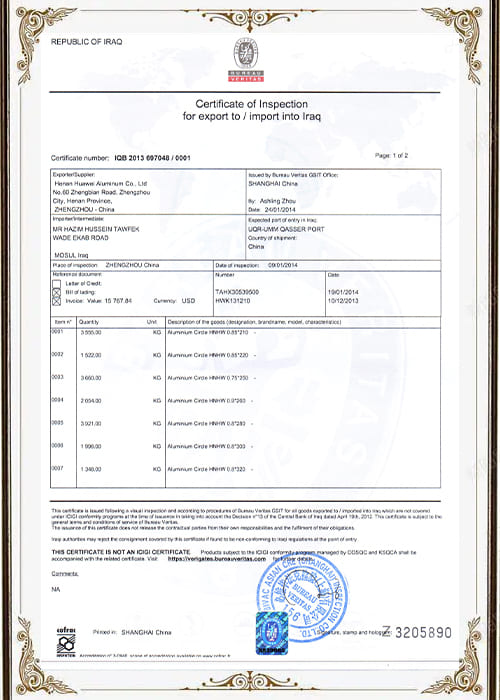
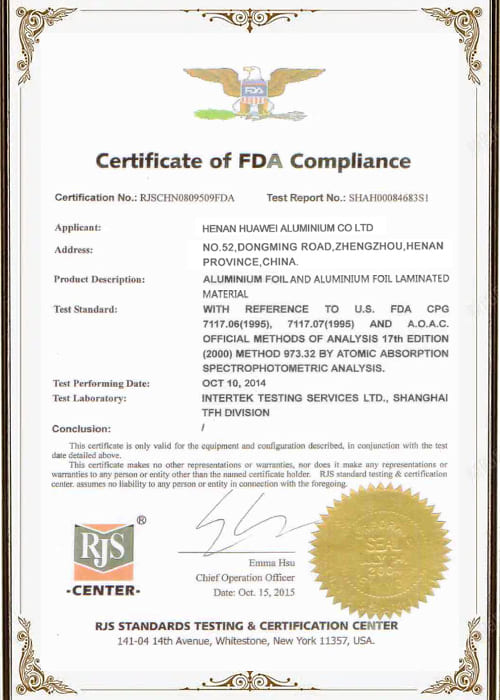
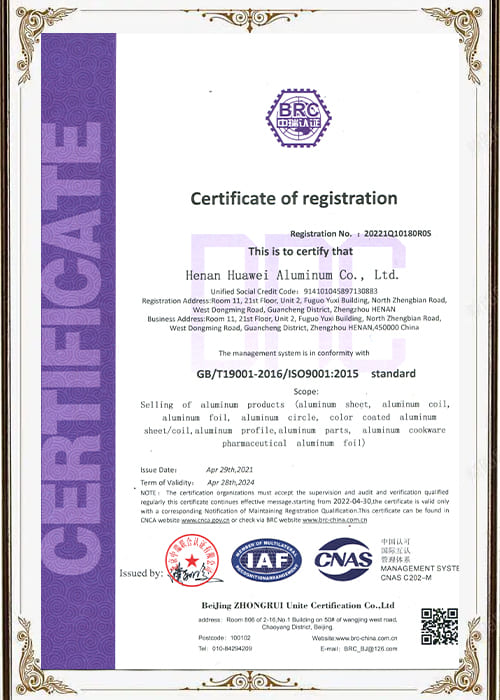
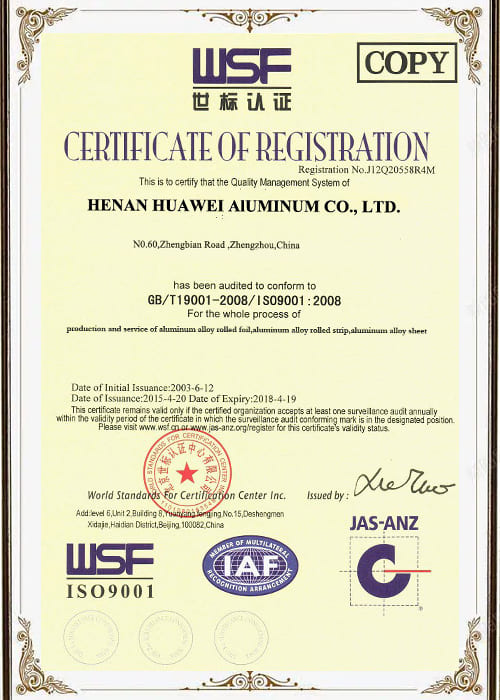
- Compliance and certifications: Many suppliers align with international standards for food-contact packaging, such as ISO 9001 kalite yönetimi için, ISO 14001 çevre yönetimi için, and other industry-specific standards. Ek olarak, some markets require FDA or EU approvals for food-contact materials, and suppliers may provide documentation or certificates to verify compliance.
Common Defects and Troubleshooting
- Pinhole formation: Often linked to defects in the foil surface or contamination in the packaging line; mitigated by tighter surface quality control and improved cleaning of contact surfaces.
- Cracking or tearing during forming: May be related to insufficient ductility (huysuzluk) or overly aggressive forming speeds; adjustments to temper and forming process can resolve.
- Uneven thickness: Can cause sealing inconsistencies; requires precise roll-gap control and roll flattening adjustments.
- Adhesive delamination: Caused by surface contamination or choice of adhesive incompatible with the foil surface; may require pre-treatment or surface finishing changes.
Reliability Across Conditions
Bottle cap sealing systems encounter a wide range of temperatures, nem, and handling conditions. 8011 foil’s performance under these conditions depends on:
- Temperature exposure during sealing and subsequent storage
- Humidity levels and potential condensation
- Mechanical stresses during transport and handling
- Chemical compatibility with beverage contents and cap liner adhesives
Manufacturers test representative samples under accelerated aging and real-world conditions to forecast long-term performance, ensuring that the foil maintains barrier integrity and seal reliability throughout product life.
Applications in the Beverage Packaging Industry
Beverage Filings, Liners, and Crown Caps
The primary application of 8011 foil in bottle cap sealing is as a liner or inner foil layer within crown caps, where it interfaces with adhesive sealants and liners to form a tight, kurcalanmaya karşı korumalı mühür. The foil’s ductility lets it closely match the crown-cap cavity, providing a uniform contact surface for adhesive bonding. The barrier properties help protect the beverage from moisture ingress and oxygen exposure, supporting freshness and shelf stability.
Compatibility with Different Drink Types
- Carbonated beverages: The seal must withstand internal pressures and temperature fluctuations during pasteurization or pasteurized-almond lines. The foil must maintain barrier integrity and not react with the beverage components.
- Still beverages and drinking water: The emphasis is on long-term moisture and oxygen barrier to preserve taste and clarity.
- Non-alcoholic beverages: Similar sealing requirements to carbonated beverages but often with more stringent sensory stability and shelf-life expectations.
- Juices and specialty drinks: Barrier performance and chemical compatibility with acids and pigments are critical; foil surface treatments may be selected to optimize adhesive bonding with specific liner formulations.
Cold Chain and Storage Considerations
Birçok pazarda, beverages are shipped and stored under cool or cold conditions. Foil-based seals must remain intact under temperature variations and humidity. 8011 foil’s stability under freezing temperatures and resistance to thermal cycling are important factors. Suppliers often provide data on seal integrity across a temperature window (Örneğin., 0°C to 40°C or higher/extended ranges) and humidity exposure to reassure manufacturers of performance in real-world cold-chain scenarios.
Equipment and Line Integration
- Sealing equipment: The foil must be compatible with standard heat-sealing systems used in bottling lines, including cap-sealing machines with liner adhesives and/or induction sealing systems that rely on conduction of heat through the crown cap to activate the seal.
- Line speed and throughput: Foil thickness must balance sealing reliability with line efficiency; thinner foils enable higher throughput but can be more challenging to seal reliably if adhesive bonding is marginal.
Comparisons with Other Foils: 8011 vs 8021 vs 8079
Quick Look: Temel Farklılıklar
- 8011: Known for its high formability and good barrier properties. Commonly used for cap seals due to ductility and compatibility with adhesives.
- 8021: Another widely used foil for packaging; offers excellent barrier and formability but may be favored in different sealing conditions or regulatory contexts.
- 8079: Typically employed in lighter-duty or alternative packaging applications; may offer a different balance of formability and barrier.
While all three alloys can be used in packaging applications, 8011 is often preferred for cap-seal liners due to its excellent ductility and consistent bonding performance with common sealants. The choice among these foils depends on the specific cap design, adhesive system, beverage type, ve işleme koşulları.
Markdown Table: Comparative Properties
| Alaşım (Tipik Öfke) | Tipik kalınlık (µm) | Şekillendirilebilirlik | Barrier to Moisture/O2 | Sealing Temperature Range (yaklaşık. °C) | Common Uses in Packaging |
|---|---|---|---|---|---|
| 8011 (H18) | 12–25 | Harika | Yüksek | 110–170 | Bottle cap liners, crown caps, beverage seals, yemek paketleme |
| 8021 (H18/H24) | 12–25 | Çok güzel | Yüksek | 110–170 | Yemek paketleme, cap seals, flexible laminates |
| 8079 (O/H24) | 12–25 | Good to Very Good | Orta ila Yüksek | 100–165 | Kapak folyoları, some beverage seals, farmasötik ambalaj |
Notlar:
– Temper designations vary; H18/H24 indicate a strong formability with retained strength.
– Thickness ranges reflect typical industry practice for cap-liner foils; exact values are defined by customer specifications and line requirements.
– Sealing temperature ranges are indicative; actual ranges depend on adhesive chemistry, liner design, and equipment.
Additional Considerations When Selecting Foil
- Adhesive compatibility: Some adhesives bond more reliably to particular foil surface finishes or coatings; test panels should verify adhesion under real sealing conditions.
- Pinhole resistance: Thicker foils typically show fewer pinholes, but surface quality and defect control during production matter significantly.
- Mevzuata uygunluk: For food-contact packaging, ensure the foil’s surface treatment and any coatings are food-safe and compliant with local regulations.
Case Studies and Practical Data
Vaka çalışması 1: Carbonated Beverage Seal Improvement with 8011 Folyo
- Objective: Improve cap-seal integrity for a carbonated beverage line facing occasional seal leaks.
- Approach: Implemented 8011 foil in a 16 µm thickness with a specialized liner adhesive optimized for this beverage and crown-cap geometry.
- Result: Seal integrity improved by 28% in accelerated aging tests, with a reduction in seal-leak incidents during high-temperature storage. The reduction in pinholes and improved bonding contributed to a longer shelf-life horizon for the product.
Vaka çalışması 2: Cold-Chain Beverage Sealing and Transport
- Objective: Ensure seal reliability across a broad temperature range during distribution that includes warehouse storage and transit in hot climates.
- Approach: Selected a 20 µm 8011 foil with a robust adhesive and tested a cap-liner combination under 0°C to 40°C cycling.
- Result: Consistent seal performance across the temperature range; customer reported fewer complaints related to seal failure and no observed mass complaints due to leakage after distribution.
Data-Driven Insight: Seal Integrity Metrics
- Sızdırmazlık gücü: Measured as peel strength of the liner-to-foil bond, typically in the range of a few Newtons per centimeter, depending on adhesive formulation and foil surface finish.
- Pinhole rate: For high-quality 8011 folyo, pinhole rates are often below 1 pinhole per square meter after QA screening, with tight process controls.
- Shelf stability: Beverages sealed with 8011 foil demonstrate stable taste and aroma profiles over standard shelf-life windows, reflecting effective moisture and oxygen barrier performance.
Tedarikçi spot ışığı: Huawei Alüminyum
Company Profile
Huawei Aluminum is a well-established manufacturer of aluminum foil products with a global footprint in packaging, içecekler, ve endüstriyel kullanımlar. The company focuses on producing high-quality foil products, içermek 8011 and other alloy families, for cap liners, beverage closures, ve ilgili paketleme çözümleri. Huawei Aluminum emphasizes integrated supply-chain management, rigorous quality control, and customer collaboration to tailor foil specifications to specific bottling lines and device configurations. The company’s portfolio includes:
- Beverage-cap liners and seal foils
- Food packaging foils with strong barrier properties
- Laminates and coated foils for specialized packaging needs
- Custom thicknesses, temper ranges, and surface finishes to match customer specifications
Cap-Seal Foil Product Range and Capabilities
Huawei’s cap-seal foil lineup typically includes 8011 alloys optimized for:
- Şekillendirilebilirlik: Smooth surfaces and uniform thickness distribution to ease liner formation in crown caps.
- Bariyer performansı: Excellent moisture and oxygen barriers at standard cap-seal thicknesses.
- Adhesive compatibility: Surfaces designed to promote strong bonding with common adhesive liner systems used in crown caps.
- Mevzuata uygunluk: Documentation and testing to support food-contact packaging requirements, including traceability and quality certifications.
Sertifikalar ve Kalite Güvencesi
Huawei Aluminum emphasizes:
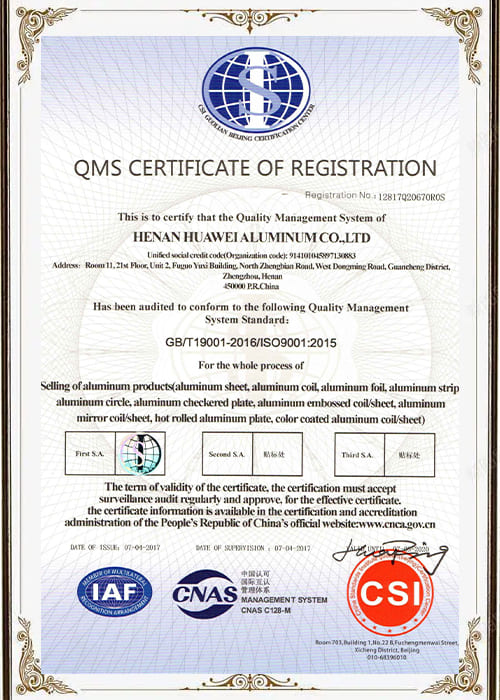
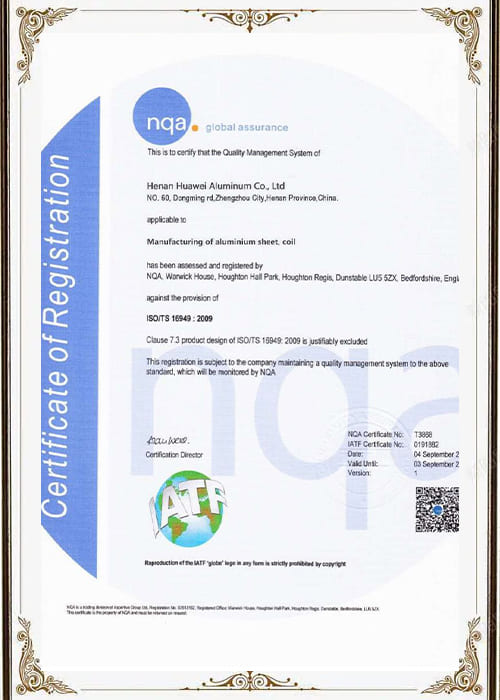
- ISO 9001 quality-management certification for consistent process control and product quality.
- ISO 14001 environmental management for sustainable manufacturing practices.
- Industry-specific certifications and testing protocols to support food-contact packaging and consumer safety.
- Traceability programs ensuring each roll’s batch can be tracked from raw material to finished product.
Why Huawei Aluminum Is a Practical Choice
- Comprehensive product range enabling single-source procurement for foil-based cap seal needs.
- Consistent product performance across batches, supported by rigorous QA and inline measurement.
- Global supply capabilities with flexible lead times to match bottling schedules and demand spikes.
- Customer service focus on technical recommendations, sample testing, and process optimization guidance.
Practical Guidelines for Optimizing 8011 Foil Performance
Selecting the Right Thickness and Temper
- For standard cap-seal liners, 15–22 µm balances formability and barrier performance; 12–15 µm foils might be suitable for simple cap geometries with highly compatible adhesives.
- Heavier gauges (20–25 um) offer stronger barrier performance and pinhole resistance but require more robust sealing conditions and careful line calibration.
- Temper choices (Örneğin., H18, H22) influence both ductility and strength; H18 tends to offer high formability with adequate strength for liner formation, while H22 provides a bit more strength.
Yüzey işlemleri ve kaplamalar
- Surface finishes influence adhesive bonding; some applications benefit from pre-treated surfaces or coatings designed to improve wetting and bonding with specific sealants.
- Coatings that do not compromise barrier properties can improve compatibility with certain adhesives, particularly in challenging beverage formulations.
Adhesive System Selection
- Adhesive chemistry must be compatible with the foil surface and the cap-liner design; compatibility testing is essential to avoid delamination under heat, nem, or mechanical stress.
- Thermal activation: Cf. heat-sealing profiles, which depend on adhesive types, folyo kalınlığı, and liner geometry. Sıcaklık, kalma süresi, and pressure must be optimized on pilot lines before full-scale production.
Process Control and Monitoring
- Inline thickness measurement and surface-quality control help ensure consistent foil performance.
- Routine pinhole tests and peel tests on sample lots help detect defects early and reduce field failures.
- Data logging for sealing parameters (sıcaklık, basınç, kalma süresi) allows operators to reproduce stable conditions across shifts and lines.
Sürdürülebilirlik, Geri dönüşüm, and Life-Cycle Considerations
- Aluminum foil is generally highly recyclable. For cap-liner foils, recycling streams typically involve separation from adhesives and liners; modern recycling technologies can recover aluminum while removing contaminants.
- The environmental footprint of foil production can be mitigated through energy-efficient rolling practices, closed-loop heat-treatment processes, and the use of recycled aluminum in feedstock.
- Suppliers often publish environmental performance indicators, including energy consumption per kilogram of foil produced and recycling rates. Buyers can request life-cycle data to support sustainability reporting and supplier qualification.
Sık sorulan sorular
Ne yapar 8011 foil suitable for bottle cap sealing?
8011 foil offers a combination of high formability, güçlü bariyer özellikleri, and compatibility with typical cap-liner adhesives. It can be rolled to thin gauges without sacrificing structural integrity and forms a good seal on crown caps. The foil’s surface quality supports uniform adhesive bonding and consistent sealing performance across manufacturing runs.
How does foil thickness affect cap-seal performance?
Daha ince folyolar (around 12–15 µm) maximize line speed and flexibility, but may have slightly reduced barrier performance and higher pinhole risk if manufacturing controls are not tight. Thicker foils (20–25 um) improve barrier properties and reduce pinholes but require careful control of sealing parameters to avoid warping or delamination. The optimal thickness depends on the beverage, cap design, adhesive system, and filling line conditions.
Kutu 8011 foil be used with induction sealing?
Evet. Induction sealing systems rely on heat transfer to activate the seal through the cap liner. The foil’s uniform thickness and surface quality support reliable induction sealing when paired with appropriate liner adhesives and cap materials.
How should I evaluate 8011 foil for a new product?
- Conduct pilot trials with your cap design, liner adhesive, and filling line settings.
- Test seal integrity, pinhole rate, and peel strength of the liner bond under simulated storage and transport conditions.
- Assess compatibility with your beverage chemistry (acidity, sugar content, carbonation) ve düzenleyici gereklilikler.
- Verify supplier certifications, izlenebilirlik, and quality-management processes.
What should I look for in a supplier when sourcing 8011 folyo?
- Proven experience in cap-seal foils and a track record of consistent lot-to-lot quality.
- Ability to supply the required thickness range and temper, with clear tolerances.
- Availability of testing data for adhesion compatibility, pinhole rates, and seal strength.
- Compliance documentation for food-contact safety and regulatory requirements.
- Strong post-sale technical support, including pilot testing, sample characterization, and process optimization guidance.
Çözüm: Making an Informed Choice for Bottle Cap Sealing
Choosing the right foil for bottle cap sealing is a strategic decision that influences product quality, raf ömrü, and packaging efficiency. 8011 Aluminum Foil for Bottle Cap Sealing offers a compelling blend of formability, bariyer performansı, and compatibility with standard sealing processes that many beverage manufacturers rely on for reliable seals. By understanding the material properties, manufacturing controls, and application-specific considerations, packaging engineers can design robust cap-seal systems that perform consistently across production campaigns and distribution networks.
In the broader supplier landscape, Huawei Aluminum represents a credible and capable partner for foil-based packaging needs. Their focus on quality, izlenebilirlik, and a diversified product portfolio helps customers align foil specifications with cap designs, yapıştırıcılar, and line configurations. For teams seeking a dependable source of 8011 foil with proven performance in cap sealing, engaging with Huawei Aluminum for evaluations, örnekler, and pilot testing can be a prudent step in establishing a reliable supply chain.
Nihayetinde, the objective is to deliver a tamper-evident, nem- and oxygen-barrier seal that preserves beverage integrity from bottling through the consumer’s hands. When the foil aligns with the liner, yapıştırıcı, cap geometry, and sealing process, the result is a seal that is not only functional but also economically and environmentally responsible. With careful specification, test, and collaboration with experienced suppliers like Huawei Aluminum, 8011 Aluminum Foil for Bottle Cap Sealing can deliver consistent, high-quality performance across a wide range of beverages and market needs.
PDF ile Paylaş: İndirmek
Döküm üretim süreci ve tanıtımı
Eritme ve dökümün amacı, tatmin edici bileşime ve yüksek saflıkta eriyiğe sahip alaşımlar üretmektir., çeşitli şekillerdeki alaşımların dökümü için elverişli koşullar yaratmak amacıyla.
Eritme ve döküm proses adımları: harmanlama --- besleme --- erime --- erittikten sonra karıştırarak, cüruf giderme --- analiz öncesi örnekleme --- bileşimi ayarlamak için alaşım ekleme, karıştırma --- arıtma --- statik Ayar——Kılavuz fırın dökümü.
Sıcak haddeleme üretim süreci ve tanıtımı
- 1. Sıcak haddeleme, genellikle metalin yeniden kristalleşme sıcaklığının üzerinde haddeleme anlamına gelir.;
- 2. Sıcak haddeleme işlemi sırasında, metal hem sertleştirme hem de yumuşatma işlemlerine sahiptir. Deformasyon hızının etkisi nedeniyle, iyileşme ve yeniden kristalleşme süreci çok geç olduğu sürece, belli bir çalışma sertleşmesi olacak;
- 3. Sıcak haddelemeden sonra metalin yeniden kristalleşmesi tamamlanmamıştır., yani, yeniden kristalleşmiş yapının ve deforme olmuş yapının bir arada bulunması;
- 4. Sıcak haddeleme, metallerin ve alaşımların işleme performansını artırabilir, döküm hatalarını azaltmak veya ortadan kaldırmak.
- 1. Döküm ve haddeleme sıcaklığı genellikle 680°C ile 700°C arasındadır.. ne kadar düşük o kadar iyi, stabil döküm ve haddeleme hattı genellikle ayda bir veya daha fazla kez durarak yeniden durur. Üretim sürecinde, düşük sıvı seviyesini önlemek için ön tankın sıvı seviyesini sıkı bir şekilde kontrol etmek gerekir;
- 2. Yağlama, yağlama için eksik gaz yanmasıyla birlikte C tozu kullanır, Bu da döküm ve hadde malzemelerinin kirli yüzeyinin nedenlerinden biridir.;
- 3. Üretim hızı genellikle 1.5m/dak-2.5m/dak arasındadır.;
- 4. Döküm ve haddeleme ile üretilen ürünlerin yüzey kalitesi genellikle nispeten düşüktür., ve genellikle özel fiziksel ve kimyasal performans gereksinimleri olan ürünleri karşılayamaz.
- 1. Soğuk haddeleme, yeniden kristalleşme sıcaklığının altında haddeleme üretim yöntemini ifade eder.;
- 2. Haddeleme işlemi sırasında dinamik yeniden kristalleşme olmayacaktır., ve sıcaklık en fazla geri kazanım sıcaklığına yükselir, ve soğuk haddeleme iş sertleştirme durumunda görünecektir, ve iş sertleştirme oranı büyük olacak;
- 3. Soğuk haddelenmiş sac ve şerit, yüksek boyutsal doğruluğa sahiptir, iyi yüzey kalitesi, tek tip yapı ve performans, ve ısıl işlem ile çeşitli hallerde ürünler elde edilebilmektedir.;
- 4. Soğuk haddeleme, ince şeritler açabilir, ama aynı zamanda, deformasyon için yüksek enerji tüketimi ve birçok işlem geçişi gibi dezavantajlara sahiptir..
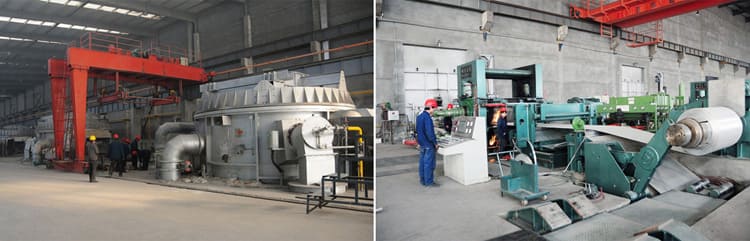
- 1. Bitirme, soğuk haddelenmiş sacın müşterinin gereksinimlerini karşılamasını sağlamak için bir işleme yöntemidir., veya ürünün müteakip işlenmesini kolaylaştırmak için;
- 2. Bitirme ekipmanı, sıcak haddeleme ve soğuk haddeleme üretim sürecinde oluşan kusurları düzeltebilir., kırık kenar gibi, yağlı, zayıf plaka şekli, artık gerilim, vesaire. Üretim sürecine başka kusurların getirilmemesini sağlamalıdır.;
- 3. Çeşitli bitirme ekipmanları var, esas olarak çapraz kesim dahil, dilme, germe ve düzleştirme, tavlama fırını, kayarak gitmek, vesaire.
Döküm ve haddeleme işlemi
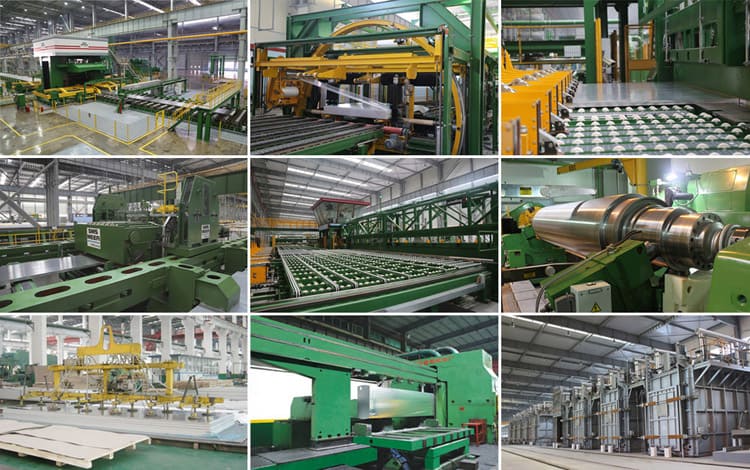
Döküm ve haddeleme işlemi: sıvı metal, ön kutu (sıvı seviye kontrolü), döküm ve haddeleme makinesi (yağlama sistemi, Soğutma suyu), kesme makinesi, sarma makinesi.
Soğuk haddeleme üretim süreci
Bitirme üretim sürecine giriş
Alüminyum alaşımı düşük yoğunluklu özelliklere sahiptir, iyi mekanik özellikler, iyi işlem performansı, toksik olmayan, geri dönüşümü kolay, mükemmel elektriksel iletkenlik, ısı transferi ve korozyon direnci, bu yüzden geniş bir uygulama yelpazesine sahiptir.
havacılık: uçak derileri yapmak için kullanılır, gövde çerçeveleri, kirişler, rotorlar, pervaneler, yakıt tankları, duvar panelleri ve iniş takımı destekleri, yanı sıra roket dövme halkaları, uzay aracı duvar panelleri, vesaire.
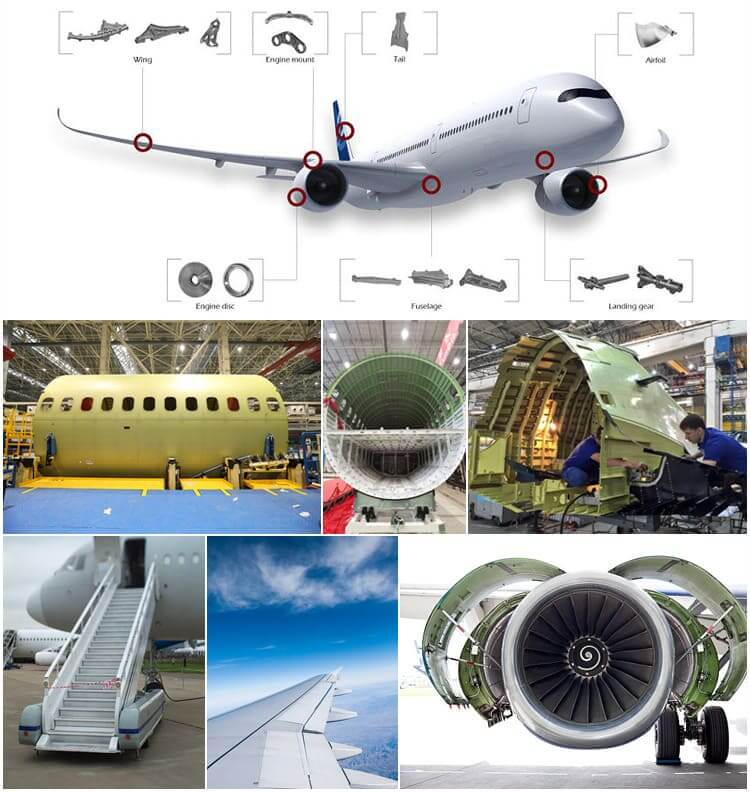
Havacılık için kullanılan alüminyum alaşımı
Toplu taşıma: otomobillerin gövde yapısı malzemeleri için kullanılır, metro araçları, demiryolu yolcu vagonları, yüksek hızlı yolcu arabaları, kapılar ve pencereler, raflar, otomotiv motor parçaları, klimalar, radyatörler, gövde panelleri, tekerlekler ve gemi malzemeleri.
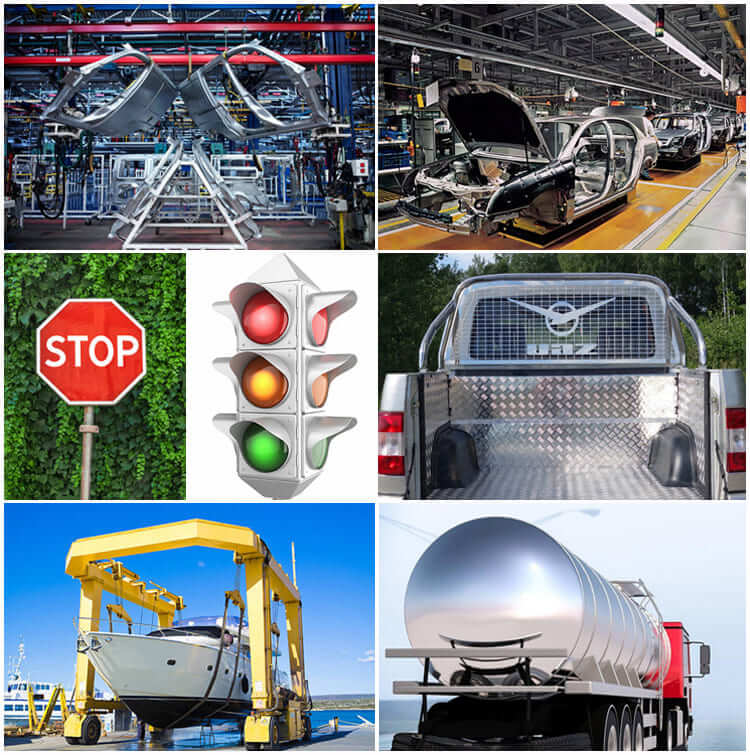
Trafik uygulaması
Ambalajlama: Tamamen alüminyum pop kutular, esas olarak ince plakalar ve folyolar şeklinde metal ambalaj malzemeleri olarak kullanılır., ve teneke yapılır, kapaklar, şişeler, varil, ve ambalaj folyoları. İçeceklerin ambalajlanmasında yaygın olarak kullanılır, yiyecek, makyaj malzemeleri, ilaçlar, sigaralar, endüstriyel Ürünler, ilaçlar, vesaire.
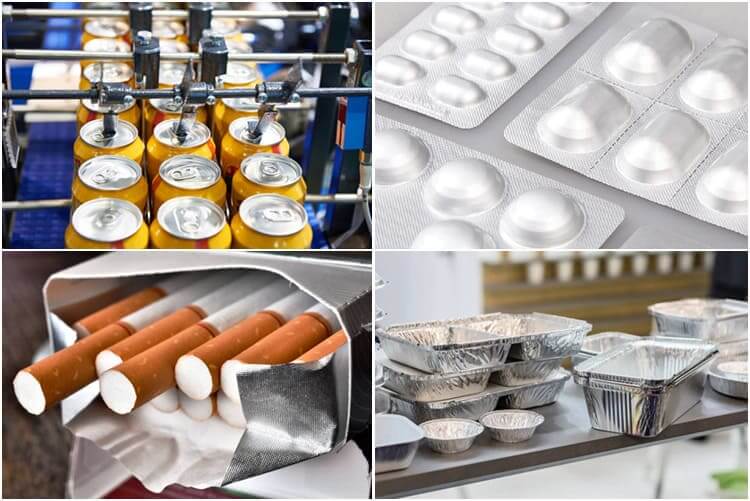
Ambalaj uygulaması
Baskı: Esas olarak PS plakaları yapmak için kullanılır, alüminyum bazlı PS plakalar, baskı endüstrisinde yeni bir malzeme türüdür, otomatik klişe yapımı ve baskısı için kullanılır.
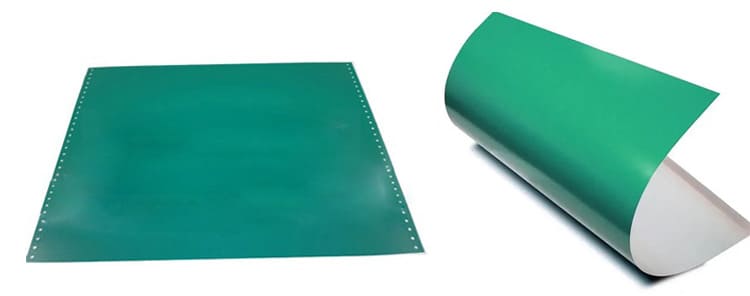
PS baskı
mimari dekorasyon: alüminyum alaşımı bina yapılarında yaygın olarak kullanılmaktadır, kapılar ve pencereler, asma tavanlar, dekoratif yüzeyler, vesaire. iyi korozyon direnci nedeniyle, yeterli güç, mükemmel proses performansı ve kaynak performansı.

Alüminyum alaşımlı yapı uygulaması
Elektronik ürünler: bilgisayarlar, cep telefonları, buzdolabı kabukları, radyatörler, vesaire.
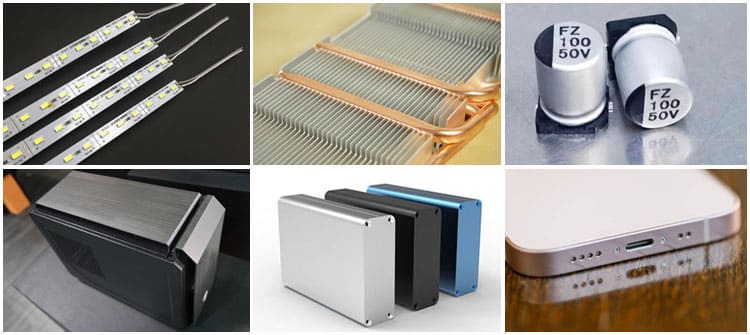
Elektronik ürün uygulaması
Mutfak malzemeleri: alüminyum tencere, alüminyum havzaları, pirinç ocak gömlekleri, ev alüminyum folyo, vesaire.
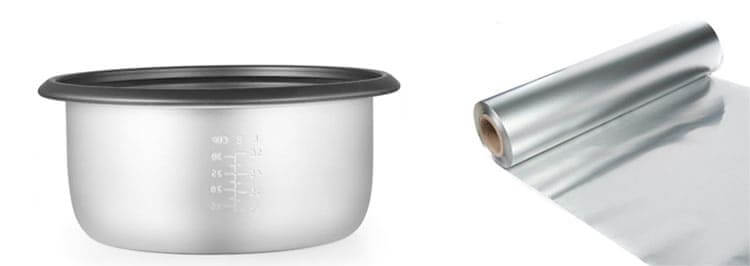
Mutfak uygulaması
Alüminyum Levha / Bobin Ambalajı
Paketlemenin her detayı, mükemmel hizmeti takip ettiğimiz yerdir.. Paketleme sürecimiz bir bütün olarak aşağıdaki gibidir:
laminasyon: şeffaf film, mavi film, mikro-mukozal, yüksek mukozal, lazer kesim filmi (2 markalar, Novacell ve Polyphem);
Koruma: kağıt köşe koruyucuları, anti-basınç pedleri;
kurutma: kurutucu;
Tepsi: tütsülenmiş zararsız ahşap tepsi, yeniden kullanılabilir demir tepsi;
Paketleme: Tic-tac-toe çelik kemer, veya PVC paketleme bandı;
Malzeme Kalitesi: Beyaz pas gibi kusurlardan tamamen arındırılmış, yağ lekeleri, haddeleme işaretleri, kenar hasarı, virajlar, ezikler, delikler, ara çizgiler, çizikler, vesaire., bobin seti yok.
Liman: Qingdao veya Çin'deki diğer limanlar.
Kurşun zamanı: 15-45 günler.
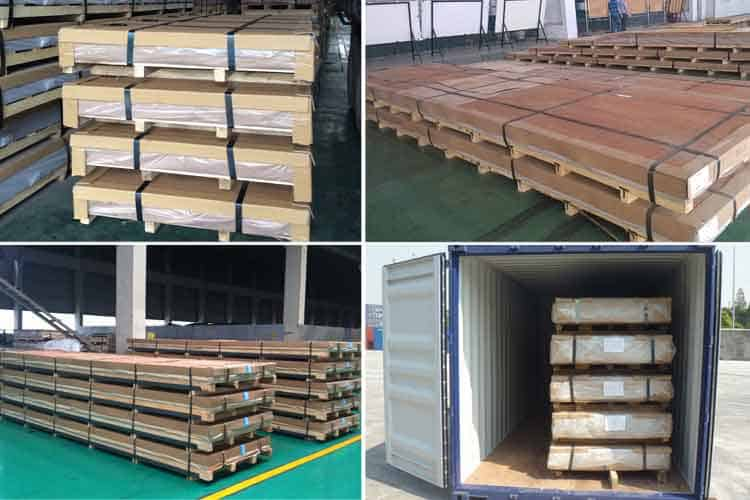
Alüminyum levha/plaka paketleme işlemi
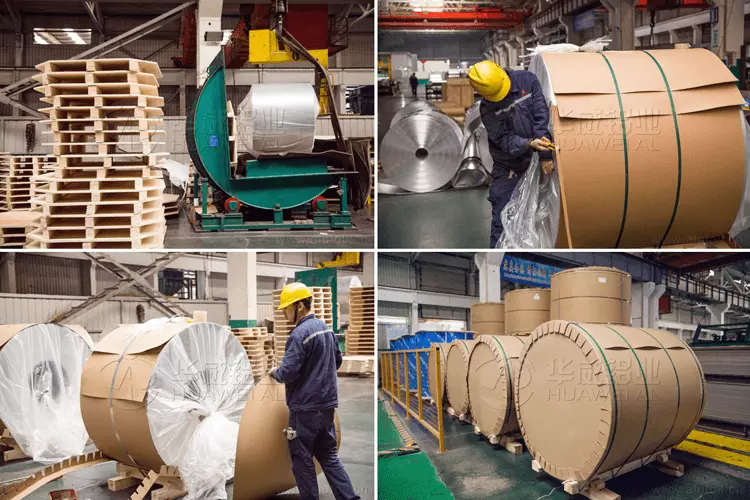
Alüminyum bobin paketleme işlemi
F: Üretici misiniz yoksa tüccar mısınız??
Q: biz bir üreticiyiz, fabrikamız No.3 Weier Road'da, Sanayi Bölgesi, Gongyi, Henan, Çin.
F: Ürünü sipariş etmek için MOQ nedir?
Q: bizim MOQ 5 ton, ve bazı özel ürünlerin minimum sipariş miktarı 1 veya 2 ton.
F: Tedarik süreniz ne kadar?
Q: Genellikle teslim süremiz yaklaşık 30 günler.
F: Ürünlerinizin kalite güvencesi var mı??
Q: Evet, Ürünlerimizle ilgili bir kalite sorunu varsa, müşteri memnun kalana kadar tazminat ödeyeceğiz.
ilgili ürünler



Son Bloglar
Ambalaj Uygulamaları için Kaplamalı Alüminyum Folyo | Güçlü & Güvenilir
Ambalaj uygulamaları için yüksek kaliteli kaplamalı alüminyum folyo, mükemmel bariyer koruması sunar, dayanıklılık, ve tutarlı performans.

Ambalaj ve Sanayide Kaplamalı Alüminyum Folyo Nerelerde Kullanılır?
Kaplamalı alüminyum folyonun ne için kullanıldığını keşfedin, gıda ve ilaç ambalajından yalıtım ve baskıya kadar, ve temel faydaları ve işlevleri öğrenin.

Güvenilir 3003 Dünya Çapında Alüminyum Baklavalı Plaka Levha Tedarikçileri
Güvenilir bul 3003 Sertifikalı kalite sunan Alüminyum Baklavalı Plaka Levha Tedarikçileri, rekabetçi fiyatlandırma, özel boyutlar, ve projeleriniz için hızlı küresel teslimat.

6061 T6 vs 7075 Alüminyum: Kuvvet, Ağırlık & En İyi Kullanım Alanları
Karşılaştırmak 6061 T6 vs 7075 alüminyum kolayca. Güçteki farklılıkları keşfedin, ağırlık, Projeleriniz için en iyisini seçebileceğiniz uygulamalar ve uygulamalar.