Премиальная теплоизоляционная алюминиевая фольга - экономьте энергию, Оставаться комфортно
18,507 Взгляды 2025-08-08 07:02:54
Повышение эффективности: Сила теплоизоляционной алюминиевой фольги для максимальной экономии энергии
Теплоизоляционная алюминиевая фольга представляет собой мощное сочетание легкого дизайна., Высокая отражательная способность, и практичная установка.
Это снижает теплоотдачу, защищает ограждающие конструкции зданий, и сокращает счета за электроэнергию при правильном применении.
В этом посте подробно рассматривается, как работает изоляция из алюминиевой фольги., где он превосходен, и как добиться максимальной экономии энергии в реальных проектах.
Вы найдете ясное, практическое руководство, техническое понимание, и пошаговые советы по установке.
Ожидайте контрольные списки, сравнительные таблицы, примеры, и реалистичный калькулятор энергосбережения.
Я структурировал контент, чтобы помочь профессионалам, Домашние мастера, строители, и энергоменеджеры быстро делают правильный выбор.

Теплоизоляционная алюминиевая фольга
Что такое теплоизоляционная алюминиевая фольга?
Теплоизоляционная алюминиевая фольга относится к материалам на основе алюминия, предназначенным для уменьшения теплопередачи за счет отражения лучистой энергии и действия в качестве барьера для пара и влаги..
Производители выпускают их во многих формах.: чистые слои фольги, ламинированные листы, пенопласт с фольгой, и композиты пузырьковой фольги.
Вы найдете их под многими именами: сияющие барьеры, фольгированная изоляция, пузырчатая пленка из фольги, и пенопластовые плиты на фольгированной основе. Каждый тип соответствует конкретному применению.
Как это работает: Радиация, проводимость, и конвекция
Тепло движется тремя путями: излучение, проводимость, и конвекция. Изоляция из алюминиевой фольги наиболее эффективно борется с излучением.
- Радиация: Алюминий отражает большую часть инфракрасного излучения.. Блестящая фольга часто имеет отражательную способность выше 90%. Это означает, что он направляет тепло обратно к источнику, а не позволяет ему проходить через себя..
- проводимость: Алюминий сам по себе хорошо проводит тепло.. Но в изоляции фольги используются тонкие металлические поверхности, прилегающие к воздушным зазорам или изолирующим жилам, чтобы уменьшить передачу проводимости через строительные конструкции..
- Конвекция: При установке фольги с воздушным зазором, зазор ограничивает движение воздуха и снижает конвективную теплопередачу.
Комбинируйте светоотражающую фольгу с воздушным зазором и/или пенопластовым сердечником., и вы получаете сильную устойчивость к лучистому теплу, предотвращая попадание влаги и действуя как пароизоляция..
Типичные композиции и конструкция
Производители комбинируют алюминий с различными подложками.:
- Однослойная алюминиевая фольга на подложке из крафт-бумаги.
- Алюминий, ламинированный полиэтиленовой пленкой (фольгированная пленка)
- Алюминиевая фольга, ламинированная стекловолокном, пенопласт, или минеральная вата
- Пузырчатая пленка, зажатая между слоями алюминия. (пузырьковая фольга)
- Многослойные ламинаты, включая холст, клеи, и светоотражающие пальто
Каждая конструкция уравновешивает тепловые характеристики, механическая прочность, контроль влажности, и стоимость.
Ключевые свойства материала
Вот основные физические свойства, на которые следует обратить внимание при выборе изоляционной фольги.:
- Отражательная способность: Процент отраженной лучистой энергии. Высокая отражательная способность (≥90%) улучшает характеристики лучистого барьера.
- Излучательная способность: Склонность материала к излучению теплового излучения. Более низкий коэффициент излучения означает лучшее отражение. Чистый алюминий может иметь коэффициент излучения всего 0,03–0,05..
- Теплопроводность: Алюминий сам по себе обладает высокой проводимостью. (~205 Вт/м·К), поэтому фольга сама по себе мало что делает, чтобы остановить проводящее тепло. Хитрость заключается в сочетании фольги с воздушными промежутками или сердцевиной из пенопласта..
- Проницаемость/пароизоляция: Слои фольги часто действуют как пароизоляция. (низкая паропроницаемость), что помогает предотвратить образование конденсата в узлах.
- Пожарная производительность: Обратите внимание на такие оценки, как распространение пламени и появление дыма.; некоторые ламинаты из фольги соответствуют особым требованиям класса пожаробезопасности.

Хуавей 1050 большой рулон алюминиевой фольги в упаковке
Общие характеристики теплоизоляционной алюминиевой фольги
| Параметр | Типичный диапазон / Ценить |
|---|---|
| Толщина алюминиевой фольги | 7–20 мкм (высокопроизводительные типы до 40 мкм) |
| Толщина композита | 2–20 мм (фольга + пена/крафт/стекловолокно) |
| Ширина | 1.0–1,25 м (возможна нестандартная ширина) |
| Длина броска | 20–60 м (промышленные рулоны до 100 м) |
| Структура | Односторонний / Двусторонний / Многослойный |
| Отражательная способность | ≥ 95–97% |
| Излучательная способность | ≤ 0.03 |
| Тепловое сопротивление (R-Value) | 1.0–3,5 м²·К/Вт |
| Влагопроницаемость | < 0.1 g/m²·24h |
| Предел прочности | 60–90 Н/25 мм |
Виды изоляции из алюминиевой фольги и как ее выбрать
Не каждое изделие из фольги подходит для каждой работы. Выбор правильного типа зависит от климата., приложение, метод установки, и бюджет.
Распространенные типы и их сильные стороны
Вот практическая разбивка:
- Сияющий барьер (односторонняя или двусторонняя фольга)
- Сильные стороны: Отлично отражает солнечное тепло в жарком климате.; легкий; легко применять на чердаках.
- Слабые стороны: Эффективность зависит от наличия воздушного зазора; не высокое значение R само по себе.
- Жесткие пенопластовые плиты с фольгированным покрытием
- Сильные стороны: Сочетает в себе отражающее и проводящее сопротивление.; отлично подходит для стен, крыши, и утепленная обшивка.
- Слабые стороны: Более высокая стоимость материала; требует тщательной герметизации.
- Изоляционные рулоны с фольгой (утеплитель фольго-крафт)
- Сильные стороны: Обеспечивает пароизоляцию и умеренное термическое сопротивление.; помещается между стойками и стропилами.
- Слабые стороны: Более низкое значение R, чем у более толстой изоляции.
- Пузырьковая фольга (фольга-пузырь-фольга)
- Сильные стороны: Легкий, хорошо для пола, подполья, и обмотка воздуховодов; выдерживает механические удары.
- Слабые стороны: Более низкое непрерывное значение R; сжимаемый.
- Фольга, ламинированная стекловолокном или минеральной ватой
- Сильные стороны: Сочетает тепловую массу и отражение излучения.; хорошие акустические свойства.
- Слабые стороны: Более тяжелый, дороже.
Распространенные марки теплоизоляционной алюминиевой фольги
| Ряд | Оценка | Содержание алюминия (%) | Основные характеристики | Общие приложения |
|---|---|---|---|---|
| 1ХХХ | 1050 | ≥ 99.5 | Высокая отражательная способность, сильная теплопроводность | Светоотражающая пленка кровельная, декоративная пленка для утепления интерьера |
| 1ХХХ | 1060 | ≥ 99.6 | Отличная пластичность, сильная коррозионная стойкость | Строительная изоляционная пленка, композитная алюминиевая фольга |
| 1ХХХ | 1100 | ≥ 99.0 | Хорошая коррозионная стойкость, отличная обрабатываемость | Слои утепления наружных стен, поверхности изоляционных панелей |
| 3ХХХ | 3003 | ≥ 98.6 | Более высокая прочность, Хорошее сопротивление погоды | воздуховоды ОВКВ, промышленная изоляция, кровельная светоотражающая пленка |
| 3ХХХ | 3105 | ≥ 98.0 | Высокая прочность, устойчивость к коррозии, хорошая адгезия покрытия | Изоляционная фольга с цветным покрытием, декоративная пленка для наружных стен |
| 8ХХХ | 8011 | ≥ 97.0 | Сбалансированная сила & пластичность, хороший барьер | Строительная изоляционная композитная фольга, термоупаковка для пищевых/фармацевтических продуктов |
| 8ХХХ | 8021 | ≥ 97.0 | Высокий барьер, устойчивость к коррозии | Изоляция холодильных складов, изоляция промышленного оборудования, барьер влаги |
Таблица быстрого сравнения
| Тип продукта | Лучшее использование | Отражательная способность | Пара барьер | Вклад R-ценности* |
|---|---|---|---|---|
| Сияющая барьерная фольга | Чердаки в жарком климате | Очень высокий (≥90%) | Да | Низкий в одиночку; высокая в сочетании с воздушным зазором |
| Пеноматериал с фольгированной поверхностью | Крыши, стены, обшивка | Высокий | Да | От умеренного до высокого (зависит от толщины пенопласта) |
| Фольга-Крафт Рулон | Шпильки, стропила | Середина | Да | От низкого до умеренного |
| Пузырьковая фольга | воздуховоды, трубы, под полом | Высокий | Да | Низкий |
| Фольга + Стекловолокно | Стены, потолки | Высокий | Да | От умеренного до высокого (со стекловолокном) |
*Значения R варьируются в зависимости от деталей установки и материалов.. Фольга в первую очередь уменьшает лучистое тепло.; изолирующая жила определяет проводящее значение R.
Почему стоит выбрать теплоизоляционную алюминиевую фольгу?
Выбор теплоизоляционной алюминиевой фольги дает определенные преимущества.. Узнайте, в чем фольга превосходит традиционную изоляцию, а где она дополняет другие системы..
Ключевые преимущества
- Малый вес и гибкость в обращении делают установку более быстрой и менее трудоемкой..
- Высокая отражательная способность снижает приток лучистого тепла в жарком климате., снижение охлаждающих нагрузок.
- При правильной герметизации действует как эффективный барьер для пара и влаги..
- Обеспечивает огнестойкую облицовку и может улучшить огнестойкость конструкций..
- Подходит для ограниченного пространства и обволакивает нестандартные формы., каналы, и трубы.
- Длительный срок службы при правильной установке; алюминий устойчив к коррозии и разрушению.

HVAC использовала теплоизоляционную алюминиевую фольгу
Где фольга приносит наибольшую пользу
- Чердаки и крыши в горячем состоянии, солнечный климат, где лучистое тепло стимулирует потребность в охлаждении.
- Металлические здания и склады с высоким коэффициентом усиления солнечной энергии.
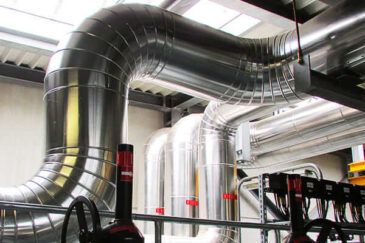
- Воздуховоды систем отопления, вентиляции и кондиционирования воздуха и дымоходы с отражающими слоями уменьшают потери/прибыли тепла..
- Рефрижераторы, охладители, и холодильные склады.
- Проекты модернизации, направленные на быструю энергетическую модернизацию без капитального строительства.
Соображения и ограничения
- Сама по себе фольга обеспечивает минимальную проводящую изоляцию.. Соедините его с пеной или волокнистой изоляцией для холодного климата..
- Ошибки при установке (контакт с изоляцией с обеих сторон, нет воздушного зазора) снизить производительность.
- Грязные или окисленные поверхности со временем теряют отражающую способность.. Держите фольгу чистой и защищенной.
- Строительные нормы и правила иногда ограничивают размещение фольги в определенных сборках.; подтвердить местные правила.
Показатели производительности: Как теплоизоляционная алюминиевая фольга обеспечивает экономию
Чтобы измерить ценность, вы должны понимать излучательную способность, отражательная способность, R-Value, и их практическое значение в сборках.
Излучательная и отражательная способность: История сияющего барьера
Коэффициент излучения измеряет, сколько теплового излучения излучает поверхность.. Низкая излучательная способность означает, что поверхность излучает меньше тепла.; следовательно, это отражает больше.
- Чистый блестящий алюминий: Коэффициент излучения ~0,03–0,05 → Коэффициент отражения ≈ 95–97%
- Окисленный алюминий: Коэффициент излучения повышается; отражательная способность уменьшается.
Лучистый барьер с низким коэффициентом излучения снижает лучистую передачу тепла через воздушное пространство чердака., что может значительно снизить охлаждающую нагрузку в жарком климате.
R-значение и фольга
Значение R количественно определяет сопротивление кондуктивному тепловому потоку.. Алюминиевая фольга сама по себе имеет незначительное значение R, но повышает эффективное значение R при размещении рядом с воздушным пространством..
- Фольга, обращенная к воздушному зазору, может добавить к этой сборке эквивалент нескольких R-единиц — это зависит от ориентации зазора и климата..
- Для холодного климата, комбинируйте фольгу с пеной или волокнистой изоляцией, чтобы получить значимые значения R..
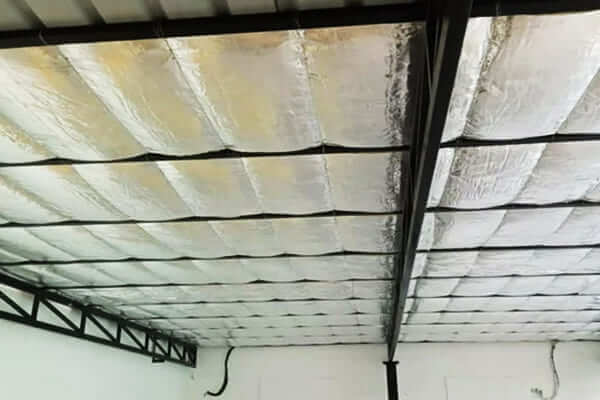
Теплоизоляционная алюминиевая фольга для строительства.
Пример: Эффект воздушного зазора
Поверхность фольги с воздушным зазором в 1 дюйм может добавить эффективное сопротивление примерно от R-2 до R-3 для этой стороны сборки за счет снижения излучательной способности поверхности..
Это ситуативно. Общее улучшение зависит от всего конверта.
Таблица тепловых характеристик (Ориентировочный)
| Сборка | Типичные условия | Эффективное улучшение |
|---|---|---|
| Стропила чердака с фольгированной облицовкой, 1″ воздушный зазор | Жаркий солнечный климат | Экономия энергии на охлаждение 5–15 % |
| Пенопласт толщиной 2 дюйма с фольгированной поверхностью | Обшивка наружных стен | Добавляет R-6 к R-8. (в зависимости от пены) |
| Воздуховод завернут в пузырчатую фольгу | Кондиционированное помещение | Снижает потери в воздуховодах на 10–30 % |
| Лучистый барьер в холодном климате | Зимнее отопление доминирует | Маленький эффект; должен сочетаться с объемной изоляцией |
Примечание: Цифры варьируются в зависимости от особенностей здания.. Используйте энергетическое моделирование для точных оценок.
Приложения и варианты использования
Изоляция из алюминиевой фольги используется в самых разных целях.. Ниже я описываю практическое использование, ожидания производительности, и реальное руководство.
Чердаки и крыши
Установите лучистую барьерную пленку на стропила чердака или задрапируйте ее по полу чердака.. В жарком климате, это значительно снижает теплопередачу в жилые помещения посредством радиационной передачи..
Советы:
– Поверните блестящую сторону к жилому помещению на чердаке, чтобы отразить чердачное тепло..
– Сохраняйте воздушный зазор на одной стороне фольги для обеспечения наилучшей производительности..
– Герметизировать все швы и отверстия для обеспечения пароизоляционной функции..
Стены и внешняя обшивка
Пенопластовые плиты с фольгированным покрытием служат сплошной изоляцией., улучшение тепловых характеристик стен и уменьшение тепловых мостов.
Советы:
– Устанавливать поверх шпилек в качестве слоя внешней обшивки..
– Загерметизировать стыки и отверстия подходящей лентой или герметиком..
– Сопряжение с соответствующим WRB и облицовкой в соответствии с кодом.
Воздуховоды и системы HVAC
Обертывание воздуховодов фольгированной изоляцией сводит к минимуму потери энергии при распределении.. Это помогает поддерживать температуру приточного воздуха и снижает пиковую нагрузку на оборудование HVAC..
Советы:
– Используйте изоляцию на основе фольги или пузырчатую фольгу, специально предназначенную для обертывания воздуховодов..
– Заклейте швы фольгированной лентой, предназначенной для использования в системах отопления, вентиляции и кондиционирования воздуха..
– Соблюдайте расстояние до компонентов, находящихся под напряжением..
Трубы и механическая изоляция
Фольга препятствует образованию конденсата и защищает трубы в холодных помещениях.. Они также уменьшают потери тепла в трубопроводах горячей воды и повышают эффективность системы..
Советы:
– Избегайте сжатия изоляционных слоев.; сохраняйте постоянную толщину.
– Используйте проклеенные фольгой швы для контроля пара..
– Защищайте пленку от механических повреждений и пешеходного движения..
Холодное хранение, Охлаждение, и транспорт
Светоотражающая пленка снижает проникновение тепла в рефрижераторы и холодильные помещения., усиление контроля температуры и сокращение циклов компрессора.
Советы:
– Использование многослойных фольгированных композитов для механической защиты..
– Герметизируйте края и стыки, чтобы минимизировать проникновение воздуха..
– В сочетании с изоляцией с закрытыми порами при высоком воздействии влаги.
Промышленное и специальное использование
- Высокотемпературная технологическая изоляция, в которой отражающие слои защищают внешние поверхности..
- Огнестойкие сборки, когда облицовка из фольги соответствует нормам пожарной безопасности..
- Сельскохозяйственные применения, такие как изоляция теплиц и содержание животных..
Выбор правильного продукта: Технические характеристики и руководство по выбору
Не все изделия из фольги одинаковы. Вот как можно сравнить и выбрать продукт, подходящий для вашего проекта..
Критические технические характеристики для рассмотрения
- Показатели отражательной и излучательной способности (ищите низкую излучательную способность, <0.1)
- Термическое сопротивление изолирующей жилы (если присутствует)
- Толщина материала (измеряется в милах или микронах) и армирование сеткой
- Скорость передачи водяного пара (ВВТР)
- Классификация пожара и дыма (АСТМ Е84 / UL 723)
- Прочность на разрыв и сопротивление разрыву
- Совместимость клеев и лент
Контрольный список выбора
- Сопоставьте продукт с применением (чердак, воздуховод, обшивка стен).
- Проверьте соответствие нормам и класс пожарной опасности..
- Подтвердите необходимый воздушный зазор для лучистых барьеров.
- Выбирайте ленту и мастику, рассчитанную на изделия из фольги..
- Отдавайте предпочтение продуктам с УФ-защитой, если подвергаетесь воздействию солнечных лучей..
- Проверьте руководство по установке и гарантию производителя..
Таблица сравнения продуктов (Ориентировочный)
| Продукт | Толщина | Излучательная способность | Приложение | Рейтинг пожарной безопасности |
|---|---|---|---|---|
| Односторонняя излучающая фольга | 0.5–1 мил | 0.03–0,05 | Чердачный лучистый барьер | Варьируется |
| Пенопласт с фольгированным покрытием (1″) | 5– пена 25 мм + фольга | Пена определяет значение R | Обшивка, стены | Класс А / Варианты Б |
| Фольга-пузырь-фольга | 2пузырь –8 мм + фольга | Низкий | воздуховоды, обертывания | Обычно класс B |
| Фольга-крафт рулон | 2–6 млн | Низкий | Шпильки, стропила | Варьируется |
Всегда проверяйте текущие технические характеристики продукта..
Затраты на установку и трудозатраты
Бюджет реалистично. Затраты на материалы часто являются лишь частью инвестиций..
Драйверы затрат
- Тип и качество продукта
- Размер и сложность проекта
- Цены на оплату труда в вашем регионе
- Доступность (чердак против крыши против промышленных воздуховодов)
- Необходимые вспомогательные материалы (лента, крепежные детали, клеи)
Сделай сам или профессиональная установка
- Маленькие проекты (обертка воздуховода, обертывание труб): Легко сделать своими руками, если у вас есть базовые инструменты..
- Чердачный лучистый барьер: Самостоятельная работа для уверенных домовладельцев; будьте осторожны с безопасностью на чердаке и проводкой.
- Коммерческое применение или применение на крыше: Отдавайте предпочтение профессиональным монтажникам с опытом и оборудованием..
Пример сметы трудозатрат (Ориентировочный)
- Чердачный лучистый барьер: 4–8 часов для типичного дома (2 монтажники) → стоимость рабочей силы $200–$600 в зависимости от тарифов.
- Обмотка воздуховодов (небольшая система): 2–6 часов → $150–$450.
- Внешняя обшивка пенопластом (профессиональный): Значительный труд; получить расценки подрядчика.
Воздействие на окружающую среду и устойчивость
Изоляция из алюминиевой фольги обеспечивает экологические преимущества и компромиссы.. Понимание влияния жизненного цикла помогает сделать ответственный выбор.
Преимущества
- Значительная экономия эксплуатационной энергии, особенно в регионах с преобладанием похолодания.
- Длительный срок службы снижает частоту замены..
- Алюминий легко перерабатывается; металлолом фольги имеет высокую ценность для переработки.
- Снижает выбросы углекислого газа за счет снижения потребления энергии в системах отопления, вентиляции и кондиционирования воздуха..
Компромиссы
- Производство алюминия требует значительных энергозатрат, поэтому начальная воплощенная энергия выше, чем у некоторых материалов.
- Используйте переработанный алюминий и продукты, полученные из ответственных источников, чтобы сократить выбросы углерода..
- Сбалансируйте воплощенную энергию с долгосрочной эксплуатационной экономией, чтобы оценить чистое воздействие на окружающую среду..
Переработка и окончание срока службы
- Собирайте чистую фольгу и отходы отдельно.; многие программы переработки принимают алюминий.
- Ламинированные композиты с пластиком могут усложнить переработку — обратитесь к руководству по переработке у производителя..
- Конструкция рассчитана на разборку, когда возможно восстановление материалов..
Часто задаваемые вопросы (Часто задаваемые вопросы)
Ниже приведены ответы на распространенные вопросы, которые задают домовладельцы и специалисты..
Работает ли теплоизоляционная алюминиевая фольга в холодном климате?
Это помогает в сочетании с объемной изоляцией.. Один, фольга обеспечивает низкую проводимость R-значения. Используйте пенопласт с фольгированным покрытием и обеспечьте надлежащую пароизоляцию, чтобы избежать проблем с конденсацией в холодных условиях..
Сколько энергии я сэкономлю?
Экономия зависит от климата, характеристики дома, и токовая изоляция. В жарком климате, лучистые барьеры на чердаке обычно дают 5–15% экономии на охлаждении.. Используйте детальное моделирование для точных оценок.
Можно ли установить фольгированный утеплитель самостоятельно?
Да, для многих приложений (каналы, трубы, чердаки). Убедитесь, что вы соблюдаете правила безопасности, поддерживать воздушные зазоры, и не закрывайте вентиляцию. Наймите профессионалов для кровельных работ и сложных монтажных работ..
Является ли фольгированный утеплитель пароизоляцией?
Большинство слоев алюминиевой фольги действуют как замедлители пара из-за их низкой проницаемости.. Герметизация швов для сохранения функциональности пароизоляции..
Фольга со временем ржавеет?
Алюминий устойчив к общей коррозии. Окисление поверхности слегка повышает излучательную способность, но обычно не разрушает отражательные свойства в течение десятилетий.. Защищайте от физических повреждений и агрессивного химического воздействия..
Может ли изоляция из фольги вызвать проблемы с влажностью?
При неправильном применении, фольга может задерживать влагу, особенно в стенах. Обеспечьте правильную вентиляцию, управлять профилями пара, и следуйте лучшим практикам строительной науки.
Заключение
Теплоизоляционная алюминиевая фольга – это не просто еще один изоляционный продукт.; это высокопроизводительный, прочный, и устойчивый решение для контроля теплопередачи.
Отражая лучистую энергию, устойчивость к влаге, и обеспечивает длительную тепловую защиту, отвечает требованиям современного строительства, промышленность, и транспорт.
При правильной установке, это обеспечивает значительную экономию энергии, улучшает комфорт, и защищает конструкции на протяжении десятилетий, что делает его разумным выбором для тех, кто ценит производительность и экологичность..