Invoering
2mm 1050 H24 Aluminum Mirror Sheet is more than a material; it’s a versatile solution for high-reflectivity surfaces that demand both durability and visual appeal. In modern architecture, interior design, bewegwijzering, and solar applications, the combination of a near-pure aluminum alloy (1050) with the H24 temper (spanningsgehard) yields a sheet that is easy to work with, highly reflective when finished to a mirror surface, and capable of withstanding daily wear. The 2mm thickness adds a robust rigidity that simplifies handling and assembly while keeping weight manageable for decorative panels and structural interfaces.
This post introduces 2mm 1050 H24 Aluminum Mirror Sheet in depth, with practical guidance on properties, verwerking, toepassingen, and supplier considerations. It also provides objective comparisons, data-driven insights, and actionable recommendations to help engineers, specifiers, fabrikanten, and designers select the right mirror sheet for their projects. We will also highlight Huawei Aluminum, a prominent supplier in this field, to illustrate what a reliable supply chain partner looks like, including quality controls, certificeringen, and service capabilities that backing 2mm 1050 H24 Aluminum Mirror Sheet from a reputable producer.
What is 2mm 1050 H24 Aluminum Mirror Sheet?
Composition and temper
- Legering: 1050 is part of the commercially pure aluminum family (de 1000 serie). Het bevat doorgaans niet minder dan 99.5% aluminium, with trace elements such as magnesium and silicon kept to very low levels. This high aluminum content gives exceptional corrosion resistance and excellent workability.
- Woedeaanval: H24 denotes a specific heat-treat and strain-hardening process. In de praktijk, H24 means the metal has been strain-hardened to a defined level and then stabilized, balancing strength and ductility. For 1050-H24, the material becomes more resistant to deformation than annealed grades, while still retaining good formability for bending, stempelen, and shaping.
Implications for your project:
– Excellent formability relative to harder alloys, which simplifies shaping into decorative profiles, reflectoren, and panels.
– Good resistance to weathering and oxidation, especially critical for outdoor or semi-exposed installations.
– Consistent performance in environments where cleanliness and brightness of the reflective surface matter.
Surface mirror finish process
The defining feature of a mirror sheet is the surface polish. For 2mm 1050 H24 Aluminum Mirror Sheet, the finishing process typically includes:
– Mechanical and/or chemical-mechanical polishing to achieve a very smooth surface, often with surface roughness Ra in the sub-micron range.
– Cleaning and surface conditioning to remove oils, oxiden, and particulates that might mar the mirror finish.
– Optional protective measures such as a clear coat or film to guard against scratches during handling, verzinsel, or installation.
– Optional protective backing or liner for transport and storage to preserve the mirror’s brightness before installation.
Key performance outcomes:
– High specular reflectivity on visible light, which makes the sheet ideal for architectural reflectors, interior design accents, and optical applications where light amplification is desired.
– Consistent mirror finish across a wide width, enabling uniform appearance for large panels or continuous surfaces.
Typical specifications and ranges
Because production tolerances vary by rolling mill, finishing line, and customer spec, you’ll commonly see the following ranges for 2mm 1050 H24 Aluminum Mirror Sheet:
– Alloy: 1050 (99.5%+ Al)
- Woedeaanval: H24
– Thickness: 2.0 ± 0.05 mm (typical tolerance; some suppliers offer ±0.1 mm depending on processing)
– Width: Up to several thousand millimeters (depending on line capacity; common portable panels range from 1000 naar 2000 mm for ease of fabrication)
– Oppervlakteafwerking: Mirror grade with Ra often 0.1–0.4 μm after finishing (varies with polishing technology)
– Density: ~2,70–2,71 g/cm3
– Thermal conductivity (typical for aluminum): ~235–240 W/m·K
– Electrical conductivity: ~62–68% IACS (for pure 1050, near 100%; for alloyed with trace impurities, slightly reduced)
– Yield strength (H24): generally in the lower tens of MPa range (relative to harder alloys), with actual values highly dependent on exact tempering and processing
– Ultimate tensile strength (UTS): commonly in the 90–120 MPa range for 1050-H24 in practice
– Verlenging (in 50 mm or similar gauge length): often in the 15–25% range depending on prior work-hardening and thickness
Opmerking: These values are representative of industry practice and can vary by mill, coil batch, and finishing technique. Always verify with the supplier’s certified test data and material test reports (MTRS) for your project.
Why 2mm thickness matters
- Structural and installation practicality: The 2mm thickness provides a sturdy, yet still flexible sheet that can be cut, geboord, and formed with standard metalworking tools. It offers a favorable strength-to-weight ratio for large wall panels, sign faces, or decorative elements.
- Handling and logistics: Mid-thickness sheets like 2mm are easier to transport and install than very thin foils, while still being lighter than thicker, more rigid panels.
- Mirror quality balance: A 2mm sheet supports a durable mirror finish with a consistent brightness, while minimizing deflection that can be seen on very thin panels.
Surface durability and protection
- Scratches and abrasion: Mirror surfaces can be vulnerable to micro-scratches during handling and fabrication. Engaging protective films during cutting and assembly can preserve brightness until final installation.
- Milieubescherming: Depending on the environment, applying a clear protective coating or sealant can prolong life in outdoor or harsh indoor settings. Some customers choose to apply scratch-resistant polymer coatings on the backside to improve durability without affecting optical performance.
Applications and industries
Architectural and interior design
- Feature walls, columns, en decoratieve panelen: The bright, reflective surface of 2mm 1050 H24 Aluminum Mirror Sheet can create the illusion of more space, enhance lighting, and add a premium finish to interiors.
- Bewegwijzering en displaypanelen: Indoor signage, information boards, and display backdrops benefit from the reflector properties and ease of fabrication.
- Lighting fixtures and reflectors: The reflective surface can improve light distribution in fixtures, producing a more uniform glow without requiring complex optics.
Automobiel, vervoer, and signage interiors
- Interior trim and trim strips: The work-hardening range of H24 helps with form stability in interior components that must resist deformation.
- Display panels in vehicles or transit hubs: Mirror sheets can provide aesthetically pleasing surfaces with good brightness and clarity.
Solar reflectors and energy applications
- Reflective surfaces in solar concentrators or solar ovens: The mirrored surface supports high optical efficiency for concentrating sunlight to a focal point or line, particularly in non-thermally demanding environments.
- Daylighting systems: In architectural daylighting, carefully designed mirror sheets can contribute to indirect lighting strategies, reducing artificial light usage.
Elektronica, consumer products, and signage aesthetics
- Decorative faceplates and enclosures: The mirror-like finish creates a premium, high-contrast appearance that enhances consumer perception of quality.
- Display lenses and panels: In limited applications, the mirror surface can help direct light in compact assemblies.
Material performance and comparison
Mechanical properties and behavior
- Kracht en vormbaarheid: 1050-H24 is comparatively soft among aluminum alloys, but the H24 temper makes it sufficiently stiff for many thin panel applications while still allowing bending and shaping operations without cracking.
- Ductility and elongation: The strain-hardened state of H24 preserves ductility, enabling forming operations and reducing the risk of cracking in corners and bends.
- Hardheid: The material is generally softer than heat-treatable alloys such as 6061 of 7075, but this softness is an advantage for achieving a smooth mirror surface with fewer microstructural defects.
Physical properties and performance data (typische bereiken)
- Dikte: ~2,70–2,71 g/cm3
- Warmtegeleiding: ~235–240 W/m·K
- Uitzettingscoëfficiënt: ~22.0–23.0 μm/m·K (bij benadering)
- Elektrische geleiding: high for aluminum, but typical values drop slightly due to trace impurities in commercially pure 1050
- Reflectiviteit (polished mirror): roughly 85–92% in the visible spectrum depending on surface finish quality and protective coatings
Notes for specifiers:
– If your project requires a specific reflectivity target (Bijvoorbeeld, a precise luminance distribution for a daylighting plan), coordinate with the supplier on mirror finish grade, polishing method, and any protective coatings.
– In outdoor applications, confirm environmental resistance to humidity, zout spray (if near coastlines), and UV exposure. Some mirror surfaces may require protective films or coatings to preserve brightness in outdoor conditions.
Comparisons: 2mm 1050 H24 Mirror Sheet vs alternatives (data-driven table)
| Eigendom / Vereiste | 2mm 1050 H24 Mirror Sheet | 3mm 1050 H24 Mirror Sheet | 2mm 6061-T6 Mirror or polished sheet | 2mm 1050 O humeur (non-mirrored) |
|---|---|---|---|---|
| Dikte | 2.0 mm | 3.0 mm | 2.0–3.0 mm common | 2.0 mm nominal |
| Legering familie | 1050 (Commercially pure Al) | 1050 (Commercially pure Al) | 6061 (Al-Mg-Si) of vergelijkbaar | 1050 (pure Al) |
| Woedeaanval | H24 | H24 | T6 or O/H22 variants | O or H12/H22 variants |
| Mirror finish quality | Hoog (mirror polished) | Hoog (mirror polished) | Similar mirror finish possible on specialist lines | Mirror finish less common in non-mirrored versions |
| Reflectiviteit (ca.) | 85–92% | 85–92% | 85–92% depending on finish | Generally not optimized for mirror |
| Gewicht (per m2) | ~5.4 kg (bij 2 mm, dikte 2.7 g/cm3) | ~ 8,1 kg (bij 3 mm) | 5.4 kg for 2 mm, 8.1 kg for 3 mm | 5.4 kg (2 mm) |
| Stijfheid / stijfheid | Gematigd; suitable for panels | Higher stiffness; less deflection | Higher stiffness with T6 temper | Lower stiffness if annealed |
| Vervormbaarheid | Good for bending and forming | Slightly less formable than 2 mm | Good with tolerances; depends on temper | Easiest to bend among tempers |
| Corrosieweerstand | Excellent for pure Al; enhanced by protective coatings | Uitstekend | Excellent with proper coatings or anodizing | Excellent if clean, but prone to oxidation without coating |
| Kostenoverwegingen | Generally lower material cost than other alloys | Slightly higher due to thicker sheet and same alloy | Higher due to alloy complexity and processing | Generally similar to 1050 raw material; mirror finish adds cost |
Important notes:
– All values are indicative. Actual performance depends on exact alloy composition, woedeaanval, oppervlakte -afwerking, coating, and fabrication processes. Always obtain certified test data (MTR) from your supplier for precise comparisons.
Surface treatment options and their impact
- Anodiseren: Voor 1050 serie, anodizing can be less common for mirror surfaces, but protective coatings and color anodizing can be used if the aesthetic is acceptable and the corrosion protection beyond the mirror finish is required.
- Clear coat protection: Een dunne, transparent polymer topcoat can provide abrasion resistance and environmental protection without significantly affecting reflectivity.
- Ion-assisted depositions: In specialized cases, decorative or functional coatings can be added to improve scratch resistance or color effects, with minimal impact on visible reflectivity if designed carefully.
Supplier overview: Huawei-aluminium
Over Huawei Aluminium
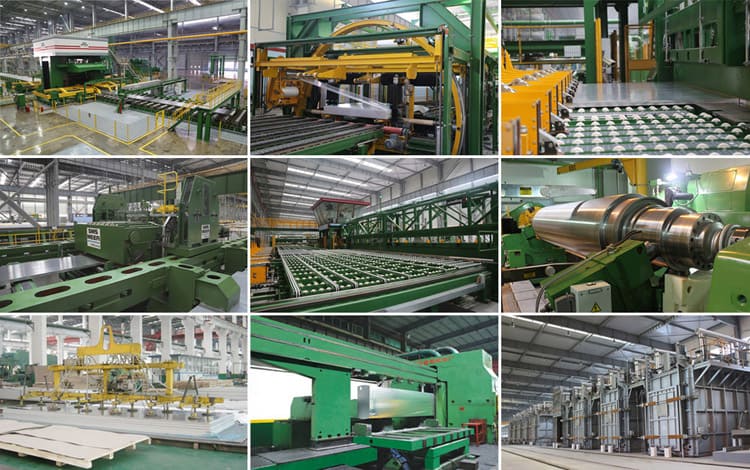
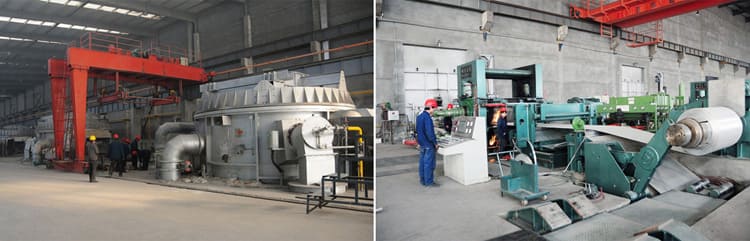
Huawei-aluminium, a notable supplier in the aluminum sheet and plate market, has established capabilities that align well with the needs of 2mm 1050 H24 Aluminum Mirror Sheet customers. The company emphasizes full-spectrum processing—from raw material handling and continuous casting to hot rolling, koud rollen, temperen, and surface finishing. Huawei Aluminum’s emphasis on quality control, veerkracht van de toeleveringsketen, and global distribution networks makes it a credible option for customers seeking reliable supply chain partnerships for mirror sheet applications.
Key strengths to look for when evaluating Huawei Aluminum as a supplier:
– End-to-end manufacturing capabilities: The ability to produce both the raw material and finished mirror surfaces reduces lead times and improves consistency.
– Surface finishing capacity: In-house mirror polishing lines and finishing processes can shorten the turnaround from order to delivery and allow tighter surface tolerances.
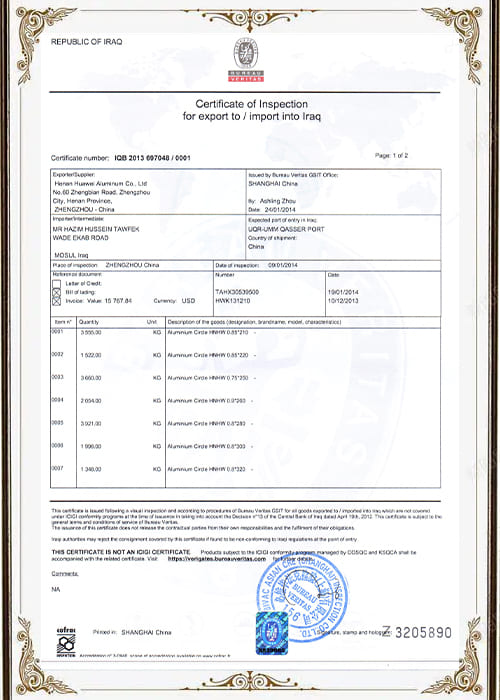
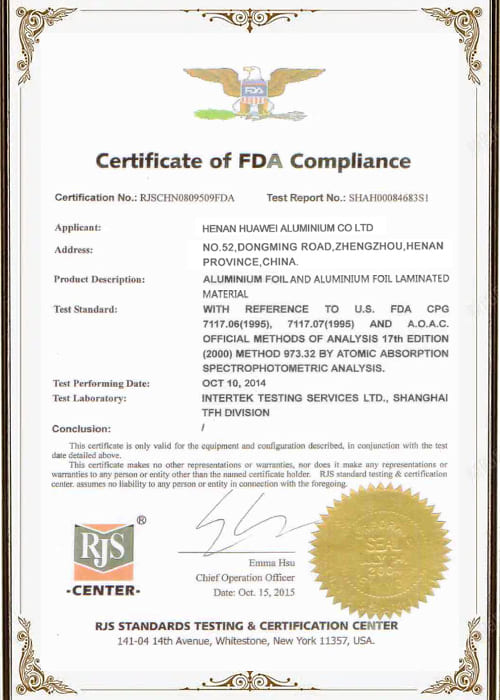
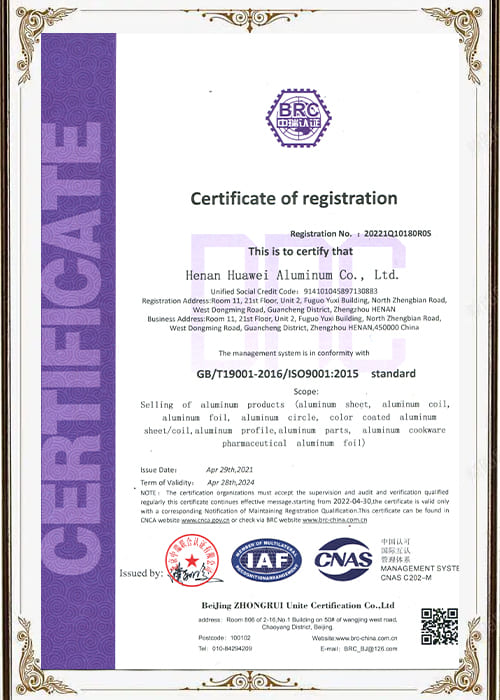
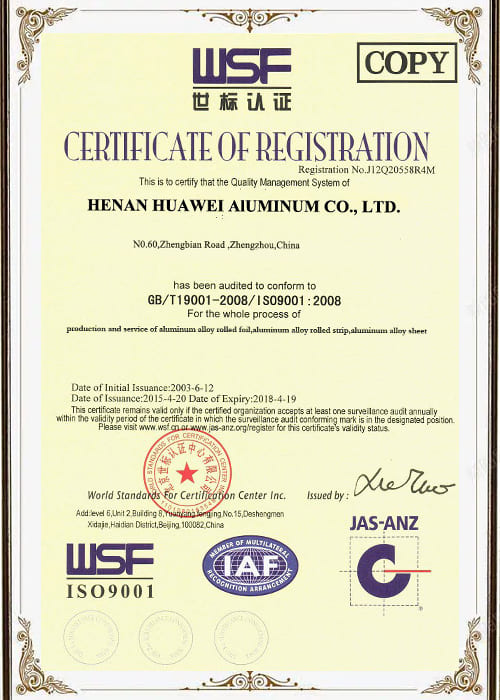
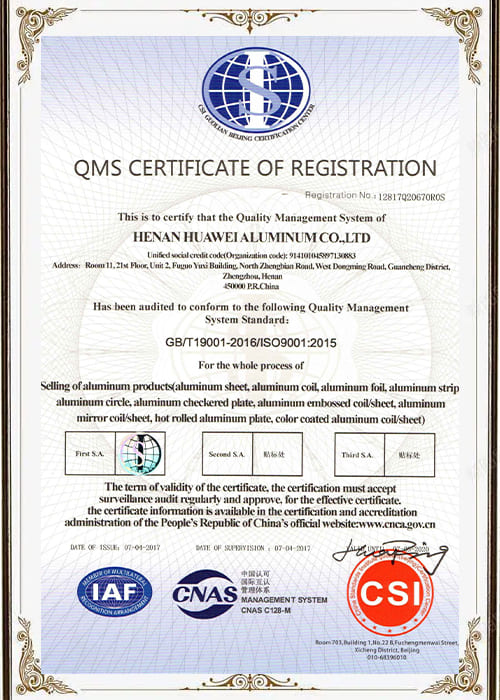
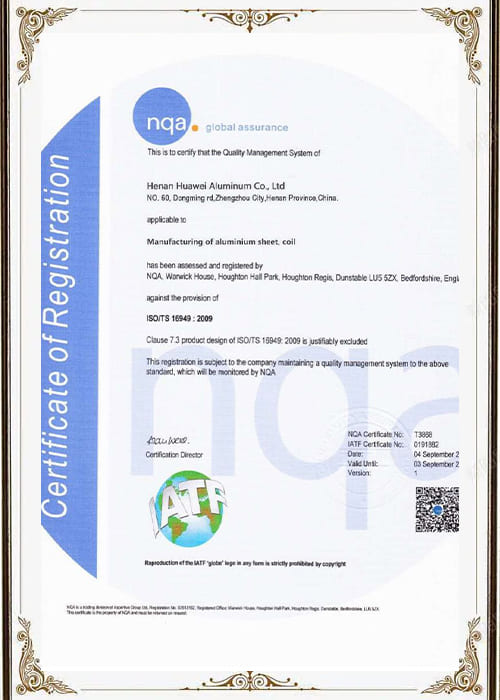
– Certifications and quality controls: ISO 9001, ISO 14001, and relevant aerospace or construction-grade process certifications are typical indicators of quality management maturity.
– Global logistics and after-sales support: Strong after-sales services, on-time delivery, and technical support help project teams stay on schedule.
Why choose Huawei Aluminum for 2mm 1050 H24 Mirror Sheet
- Consistent mirror quality: A robust mirror finish requires precise polishing and careful surface treatment; a supplier with in-house finishing lines minimizes variation across batches.
- Aanpassingsmogelijkheden: The ability to tailor thickness tolerances, breedte, and protective film options to project needs reduces rework and supply chain risk.
- Transparent data: MTRS, coating specifications, and surface finish reports support QA processes, enabling reliable project documentation.
- Service ecosystem: Access to technical advisory, cutting-to-size services, and quick sample provisioning helps with prototyping and design validation.
Quality control and certifications
- Material traceability: Comprehensive lot tracing from incoming raw material to finished mirror sheets.
- Surface quality inspections: Visual and metrology-based checks for surface uniformity, specular reflection, and defect density.
- Mechanische testen: treksterkte, hardheid, and bend tests where applicable, along with dimensional tolerances checks.
- Niet-destructieve testen (NDT): Eddy current or other non-destructive methods may be used for quality assurance on large panels or critical applications.
- Environmental and safety compliance: Adherence to environmental management standards and safety regulations in manufacturing environments.
Production and processing considerations
Snijden, vormgeven, en vormen
- Snijden: 2mm 1050 H24 Mirror Sheet can be cut with standard metalworking tools (shears, saws, Laser snijden, and waterjet), but care must be taken to avoid marring the mirror surface. Protective films can shield the surface during cutting.
- Buiging: The H24 temper provides adequate formability for moderate bends. Tight radii on sharp curves can create surface micro-cracks or distort the mirror if not handled properly. Use proper tooling radii and slow forming speeds.
- Drilling and punching: Use appropriate drill bit types (bijv., high-speed steel or carbide) and pilot holes to minimize micro-cracking on the mirror surface. Deburr after punching to preserve surface quality.
Surface protection during fabrication
- Protective films: Temporary protective films are commonly used during cutting and assembly to prevent scratching. Ensure films are compatible with aluminum surfaces and do not leave residues after removal.
- Netheid: Keep the surface free of grease, stof, and abrasive particles during handling to preserve reflectivity.
Finishing and coatings
- Polishing quality: Mirror finish depends on abrasive sequence, polishing time, and equipment. Consistency is key; plan for QA checks after finishing.
- Coatings: If environmental exposure is anticipated, consider protective coatings that maintain reflectivity while increasing scratch resistance and UV stability. Always verify that coatings do not degrade the optical brightness.
Tolerances and fit
- Dimensional tolerances: For 2mm sheet, typical thickness tolerances ±0.05–0.1 mm are common; width tolerances depend on the processing line.
- Vlakheid: Large mirror panels require flatness control to avoid bowing or waviness that can distort reflected light. This is often addressed with careful cooling, controlled rolling, and post-processing straightening if needed.
Behandeling, opslag, en installatie
- Behandeling: Use soft, non-marring supports and protective packaging. Avoid stacked loads that could scratch surfaces.
- Opslag: Store flat, with protective sheets or in a clean, dry environment to avoid corrosion at any micro-scratched spots.
- Installatie: Use non-abrasive fasteners, Vermijd te strak, and consider edge protection to prevent edge damage to the reflective surface.
Quality assurance and testing
Surface quality testing
- Visual inspection: Check for scratches, kuilen, or milling marks. Uniform brightness is essential for a high-quality mirror.
- Oppervlakteruwheid: Verify Ra values post-polish, ensuring they meet the agreed mirror grade.
- Gloss finish measurement: A glossometer can quantify surface brightness, which helps ensure consistency across panels.
Mechanische testen
- Trekproeven: Confirm strength in the H24 temper; verify typical 2mm thickness sample ranges.
- Hardheid testen: Brinell or microhardness tests can verify that the tempering state aligns with the specifications.
Niet-destructieve testen (NDT)
- Eddy current and other non-destructive techniques help verify surface integrity and detect sub-surface defects that might affect long-term performance.
- Dimensional stability checks: Thermal cycling tests to verify that the sheet maintains flatness and thickness tolerances under anticipated service conditions.
Documentatie en traceerbaarheid
- Material Test Reports (MTRS) and certificates of conformity: These documents accompany shipments and are essential for QA in regulated or certified installation environments.
- Process documentation: Finishing parameters, polishing equipment calibration, and surface treatment records should be part of the project file.
Comparative table: 2mm 1050 H24 Mirror Sheet vs alternatives (uitgebreid)
| Comparison factor | 2mm 1050 H24 Mirror Sheet | 2mm 1050 H24 (with protective coating) | 2mm 6061-T6 Mirror Sheet | 1.5–2.0mm aluminum oxide-coated mirror sheet (gespecialiseerd) |
|---|---|---|---|---|
| Material class | Commercieel zuiver aluminium; gemakkelijk te vormen | Same base; coating adds protection | Al-Mg-Si alloy; hogere kracht; more rigid | Advanced surface treatment; unique reflectivity and durability |
| Mirror quality stability | High with quality finishing | Improved scratch resistance; might slightly reduce reflectivity | Goed, depending on finish; may require adhesion layers | High reflectivity with specialized coatings; potential color shifts |
| Weight per m2 | ~5.4 kg at 2 mm | ~5.4 kg plus coating weight | ~5.4 kg (2 mm) but with structural advantages from alloy | Light or heavy depending on coating and substrate |
| Cost trend | Gematigd | Moderate-to-higher due to coating | Higher due to alloy and processing | Potentially higher due to advanced coatings |
| Durability under abrasion | Good with proper protective finish | Improved abrasion resistance | Higher hardness, less susceptible to scratching | Superior abrasion resistance, but coating integrity critical |
| Corrosieweerstand | Excellent for pure Al; depends on environment | Enhanced with protective coatings | Good-to-very-good, depends on environment | Coatings provide corrosion resistance; base substrate properties still matter |
| Fabrication considerations | Easy to form; mirror finish achievable | Vergelijkbaar; surface finish maintained | Requires different tooling and tempering; more robust | Requires specialized coating processes; compatibility with adhesives and substrates essential |
Opmerkingen:
– The table emphasizes practical trade-offs. For most interior and sheltered external applications, 2mm 1050 H24 Mirror Sheet remains a reliable balance of cost, reflectiviteit, en werkbaarheid. In harsh outdoor environments or specialized performance scenarios, alternate alloys or coated/multi-layer solutions may be favorable.
Environmental impact and sustainability
recycleerbaarheid
- Aluminum is among the most recyclable metals. 1050 H24 mirror sheet, being an aluminum product, can be recycled with relatively low energy input compared to primary production.
- Recycling streams can care for both the metal and residual coatings if applicable. If protective coatings are present, the recycling process may require additional handling to remove coatings before remelting.
Energy and processing efficiency
- The production of aluminum sheet involves melting and rolling processes that require substantial energy, but modern mills have made improvements in energy efficiency and waste heat recovery.
- Reuse and remanufacture incentives, such as remnant scrap and short supply chains, can reduce environmental impact when sourcing from suppliers with robust circular economy programs.
Overwegingen over de levenscyclus
- The long service life of mirror sheets in architectural and interior uses, combined with their recyclability at end of life, can contribute to sustainable outcomes when designed for longevity and reusability.
- Bij het selecteren van een leverancier, consider not only the upfront material cost but also the environmental stewardship of the supplier, including energy intensity reductions, waste management, and compliance with environmental laws.
Practical tips for selection and project planning
- Define your reflectivity target: If a project requires precise brightness or glare control, specify the mirror finish grade and protective coatings needed to meet optical performance.
- Consider environmental exposure: For outdoor installations or spaces with high humidity, ensure the mirror sheet is adequately protected or coated to resist weathering while maintaining reflectivity.
- Plan for fabrication tolerance: Ensure your cutting, buigen, and joining processes are compatible with the 2mm thickness and the mirror surface. Pre-finishing and labeling can reduce handling damage.
- Verify supply chain reliability: Choose suppliers with traceable MTRs, lead-time transparency, and logistical support that align with your project schedule.
- Factor in total cost of ownership: Beyond base material price, include costs for finishing, coatings, protective films, installation labor, and potential maintenance over the product’s life.
FAQ (frequently asked questions)
Q1: What makes 2mm 1050 H24 Aluminum Mirror Sheet suitable for interior design?
- A2: Its high reflectivity, goede vervormbaarheid, and corrosion resistance make it an ideal surface for interior design elements like feature walls, plafonds, en decoratieve panelen. The 2mm thickness offers a good balance between stiffness and weight, making fabrication and installation straightforward.
Q2: How does the mirror finish impact performance in lighting designs?
- A2: A high-quality mirror finish increases brightness and even distribution of light. The reflectivity in the visible spectrum (typically 85–92% for well-polished 1050 mirror surfaces) enhances daylighting and artificial lighting effects, enabling designers to sculpt light with greater control.
Q3: Can 2mm 1050 H24 Mirror Sheet be used outdoors?
- A3: Ja, but outdoor performance depends on surface protection and coatings. For prolonged exposure, a protective coating or weather-resistant film can preserve brightness and resist corrosion. It’s essential to confirm environmental ratings with the supplier and to apply protective measures as needed.
Q4: What is the typical lead time for 2mm 1050 H24 Mirror Sheet from a supplier like Huawei Aluminum?
- A4: Lead times vary by order size, current production load, and customization requirements (breedte, coating, film). A reputable supplier will provide a schedule with milestones for material certification, afwerking, snijden, and delivery. Expect several weeks for standard stock, longer for custom sizes or protective options.
Q5: What kind of finishing options affect reflectivity?
- A5: Polished mirror finishes deliver the highest reflectivity. Coatings and protective films may slightly reduce brightness but can improve scratch resistance and long-term durability. It’s important to discuss the trade-offs with the supplier to maintain the desired optical performance.
Q6: How do I calculate the weight of 2mm 1050 H24 Mirror Sheet per square meter?
- A6: Weight per square meter is thickness (in meters) x density (approximately 2.70–2.71 g/cm3). Voor een 2 mm dikte, this is 0.002 m x 2700 kg/m3 ≈ 5.4 kg/m2.
Q7: Are there alternatives to 2mm 1050 H24 Mirror Sheet if higher strength is required?
- A7: Ja. Alternatives include higher-strength aluminum alloys (zoals 5000 of 7000 serie) or other tempered states (bijv., H18 or T6) that provide greater stiffness and strength. Echter, these alloys may have different workability and corrosion characteristics and could reduce reflectivity if not finished carefully.
Q8: What kind of quality documentation should I expect with a shipment?
- A8: Reputable suppliers provide Material Test Reports (MTRS), processing certificates, surface finish specifications, dikte toleranties, and reflectivity testing data. Ensure you receive these documents with your order to support QA and compliance requirements.
Use case examples and case study insights
- Case study 1: A boutique hotel uses 2mm 1050 H24 Mirror Sheet to create a bright, luxurious reception feature wall. The design requires precise curvature and a consistent mirror finish across large panels. The supplier provides cut-to-size sheets, pre-assembly polishing checks, and protective film during installation, resulting in a fast build cycle and a premium aesthetic.
- Case study 2: An architectural firm selects 2mm mirror sheets for an internally illuminated ceiling panel system. The high reflectivity enhances lighting efficiency while preserving a slender profile. The panels are mounted with gentle curves to avoid optical hotspots, using protective films during transport and careful edge detailing.
- Case study 3: A solar collector project uses 2mm mirror sheets as a reflective boundary within a compact directional collector. With protective coatings and careful alignment, the mirror surface contributes to enhanced light concentration while the low mass of 2 mm minimizes supporting structure requirements.
These examples illustrate how 2mm 1050 H24 Aluminum Mirror Sheet can be integrated into diverse projects, from aesthetics to energy efficiency, while offering a practical route to high-performance surfaces.
Summary and conclusion
2mm 1050 H24 Aluminum Mirror Sheet represents a pragmatic fusion of reflectivity, vervormbaarheid, en duurzaamheid. Its commercially pure aluminum composition provides excellent corrosion resistance and easy processing, while the H24 temper delivers the right balance of strength and ductility for forming and assembly. The mirror finish, when properly produced, yields high reflectivity that can power a range of applications—from decorative architectural panels to functional reflectors in lighting and solar contexts.
In selecting this material, projects benefit from:
– Strong optical performance with high reflectivity on polished surfaces
– Manageable weight and robust 2 mm thickness for structural stability
– Good formability suitable for bends and shapes required in panels and fixtures
– Compatibility with protective coatings and protective films to improve durability in varied environments
– A credible supply chain with established producers such as Huawei Aluminum, which offers end-to-end capabilities, kwaliteitscontroles, and reliable delivery
Huawei Aluminum stands out as a credible supplier option due to its integrated production flow, finishing capabilities, and emphasis on quality and traceability. When selecting a supplier for 2mm 1050 H24 Aluminum Mirror Sheet, prioritize certified data, reliable lead times, and after-sales support that can help with on-site fabrication challenges and long-term maintenance planning.
If you plan a project that requires a bright, duurzaam, and workable mirror surface, 2mm 1050 H24 Aluminum Mirror Sheet could be the right choice. Door de eigenschappen van het materiaal te begrijpen, processing considerations, en leveranciersmogelijkheden, you can make informed decisions that optimize aesthetics, functionality, and project lifecycle costs.
Als je wilt, I can tailor this content further for a specific project brief, including more detailed data, mill test data formats, or a customized supplier comparison focused on Huawei Aluminum versus other manufacturers.
Deel met PDF: Downloaden
Gieten productieproces en de introductie ervan
Het doel van smelten en gieten is om legeringen te produceren met een bevredigende samenstelling en een hoge smeltzuiverheid, om gunstige voorwaarden te creëren voor het gieten van legeringen van verschillende vormen.
Stappen van het smelt- en gietproces: batching --- voeden --- smeltend --- roeren na het smelten, slakken verwijderen --- pre-analyse bemonstering --- legering toevoegen om de samenstelling aan te passen, roeren --- verfijnen --- statische instelling - Gids ovengieten.
Warmwalsen productieproces en de introductie ervan
- 1. Heetwalsen verwijst over het algemeen naar walsen boven de herkristallisatietemperatuur van het metaal;
- 2. Tijdens het warmwalsproces, het metaal heeft zowel verhardings- als verzachtingsprocessen. Vanwege de invloed van vervormingssnelheid, zolang het herstel- en herkristallisatieproces te laat is, er zal een zekere werkverharding zijn;
- 3. De herkristallisatie van het metaal na warmwalsen is onvolledig, dat is, het naast elkaar bestaan van herkristalliseerde structuur en vervormde structuur;
- 4. Warmwalsen kan de verwerkingsprestaties van metalen en legeringen verbeteren, gietfouten verminderen of elimineren.
- 1. De giet- en walstemperatuur ligt over het algemeen tussen 680°C en 700°C. Hoe lager hoe beter, de stabiele giet- en walslijn stopt meestal een keer per maand of vaker om opnieuw te staan. Tijdens het productieproces, het is noodzakelijk om het vloeistofniveau van de voortank strikt te controleren om een laag vloeistofniveau te voorkomen;
- 2. Smering gebruikt C-poeder met onvolledige verbranding van gas voor smering, wat ook een van de redenen is voor het vuile oppervlak van giet- en walsmaterialen;
- 3. De productiesnelheid ligt over het algemeen tussen 1,5 m/min-2,5 m/min;
- 4. De oppervlaktekwaliteit van door gieten en walsen vervaardigde producten is over het algemeen relatief laag, en kunnen over het algemeen niet voldoen aan producten met speciale fysieke en chemische prestatie-eisen.
- 1. Koudwalsen verwijst naar de walsproductiemethode onder de herkristallisatietemperatuur;
- 2. Er zal geen dynamische herkristallisatie zijn tijdens het walsproces, en de temperatuur zal maximaal stijgen tot de hersteltemperatuur, en het koudwalsen zal verschijnen in een werkverhardende staat, en de werkverhardingssnelheid zal groot zijn;
- 3. De koudgewalste plaat en strip hebben een hoge maatnauwkeurigheid, goede oppervlaktekwaliteit, uniforme structuur en prestaties, en producten in verschillende toestanden kunnen worden verkregen met warmtebehandeling;
- 4. Koud walsen kan dunne reepjes uitrollen, maar op het zelfde moment, het heeft de nadelen van een hoog energieverbruik voor vervorming en veel bewerkingsgangen.
- 1. Afwerking is een verwerkingsmethode om de koudgewalste plaat te laten voldoen aan de eisen van de klant, of om de latere verwerking van het product te vergemakkelijken;
- 2. De afwerkingsapparatuur kan de defecten corrigeren die zijn veroorzaakt in het productieproces van warmwalsen en koudwalsen, zoals gebarsten rand, olieachtig, slechte plaatvorm, resterende spanning, enz. Het moet ervoor zorgen dat er geen andere defecten in het productieproces worden gebracht;
- 3. Er zijn verschillende afwerkingsapparatuur, voornamelijk met inbegrip van cross-cutting, scheuren, rekken en strekken, gloeioven, glibberen, enz.
Giet- en walsproces
Giet- en walsproces: vloeibaar metaal, voorste doos (controle van het vloeistofniveau), giet- en rolmachine (smeersysteem, koelwater), scheerapparaat, wikkelmachine.
Koudwalsen productieproces
Inleiding tot het afwerken van het productieproces
Aluminiumlegering heeft de kenmerken van lage dichtheid, goede mechanische eigenschappen, goede verwerkingsprestaties, niet giftig, gemakkelijk te recyclen, uitstekende elektrische geleiding, warmteoverdracht en corrosiebestendigheid, dus het heeft een breed scala aan toepassingen.
Ruimtevaart: gebruikt om vliegtuighuiden te maken, romp frames, liggers, rotoren, propellers, brandstoftanks, wandpanelen en stutten van het landingsgestel, evenals ringen voor het smeden van raketten, ruimtevaartuig wandpanelen, enz.
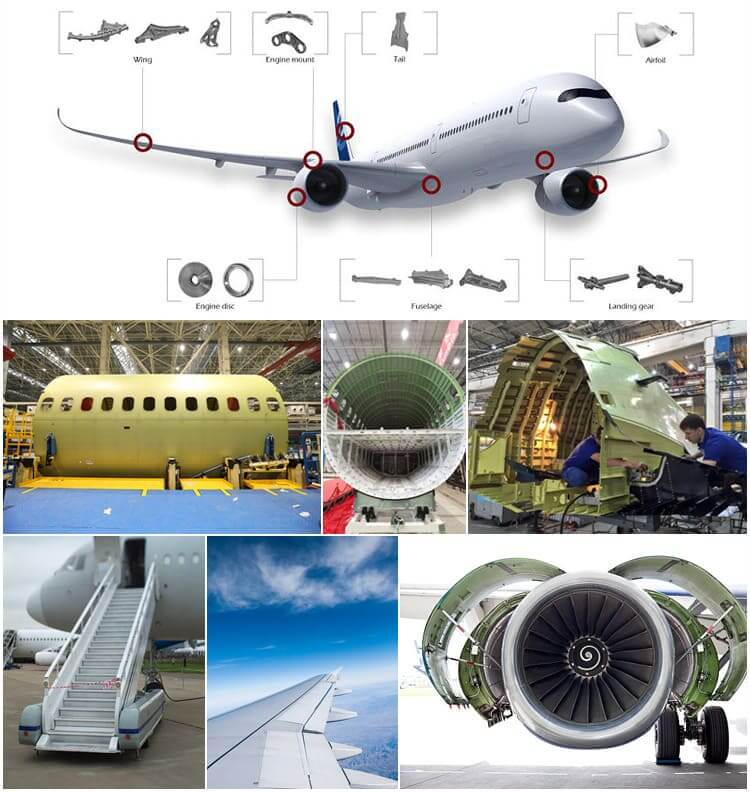
Aluminiumlegering gebruikt voor ruimtevaart
Vervoer: gebruikt voor carrosseriematerialen van auto's, metro voertuigen, trein personenauto's, snelle personenauto's, deuren en ramen, planken, auto motor onderdelen, airconditioners, radiatoren, carrosserie panelen, wielen en scheepsmaterialen.
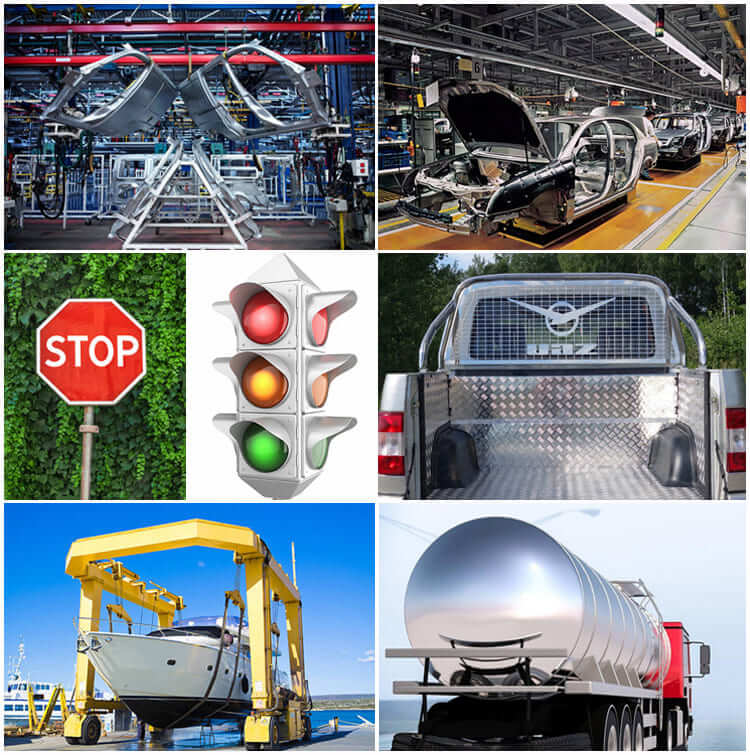
Verkeerstoepassing
Verpakking: Geheel aluminium blikjes worden voornamelijk gebruikt als metalen verpakkingsmateriaal in de vorm van dunne platen en folies, en er worden blikjes van gemaakt, deksels, flessen, vaten, en verpakkingsfolies. Op grote schaal gebruikt in de verpakking van dranken, voedsel, cosmetica, geneesmiddelen, sigaretten, industriële producten, geneesmiddelen, enz.
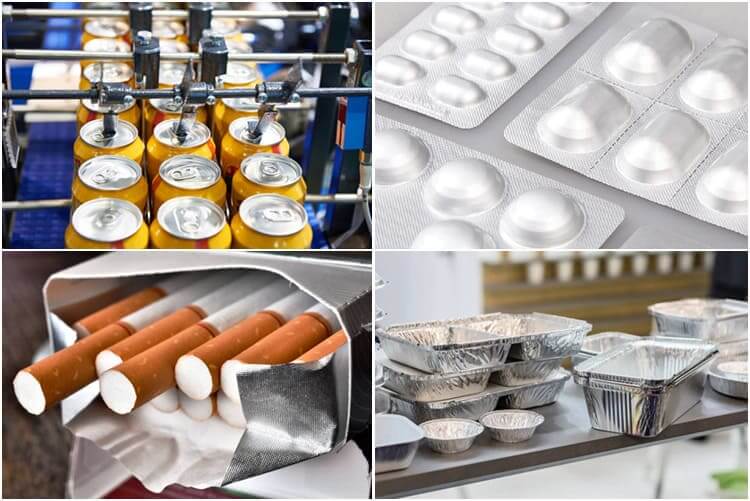
Verpakkingstoepassing
Afdrukken: Hoofdzakelijk gebruikt om PS-platen te maken, PS-platen op basis van aluminium zijn een nieuw type materiaal in de drukindustrie, gebruikt voor het automatisch maken en printen van platen.
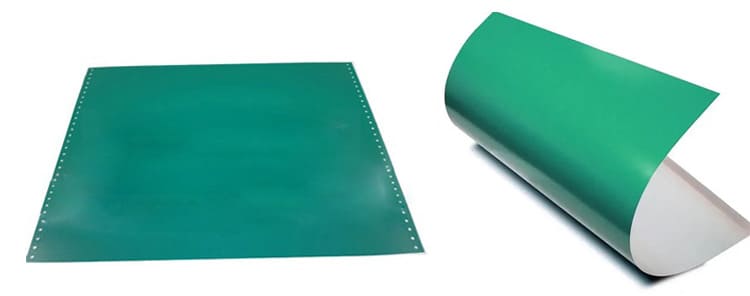
PS-afdrukken
Architecturale decoratie: aluminiumlegering wordt veel gebruikt in bouwconstructies, deuren en ramen, verlaagde plafonds, decoratieve oppervlakken, enz. vanwege de goede corrosiebestendigheid, voldoende kracht, uitstekende procesprestaties en lasprestaties.
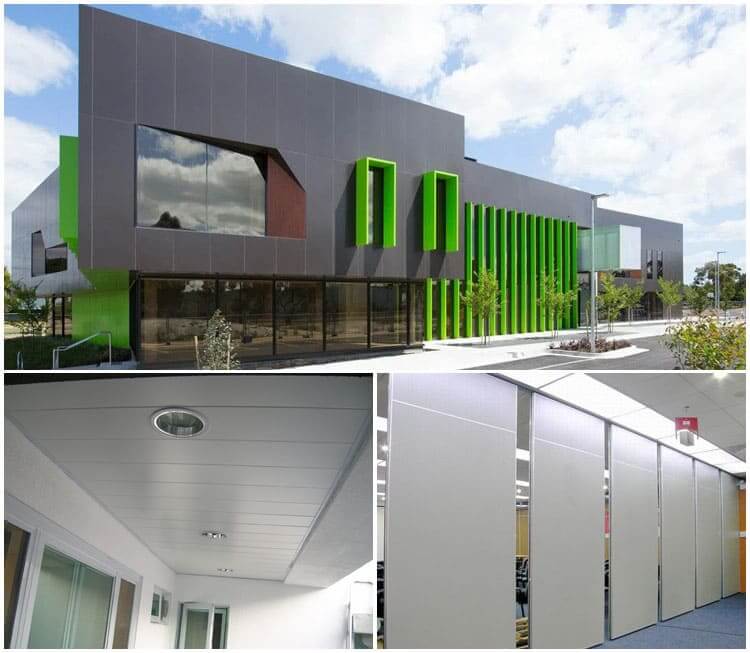
Constructietoepassing van aluminiumlegering
Elektronica: computers, mobieltjes, koelkast schelpen, radiatoren, enz.
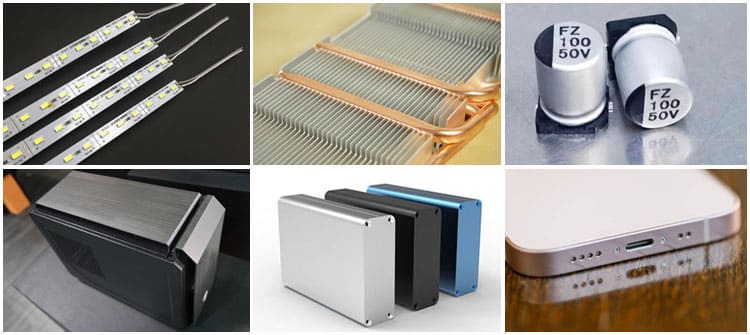
Elektronische producttoepassing
Keukenbenodigdheden: aluminium potten, aluminium wasbakken, rijstkoker voeringen, huishoud aluminiumfolie, enz.
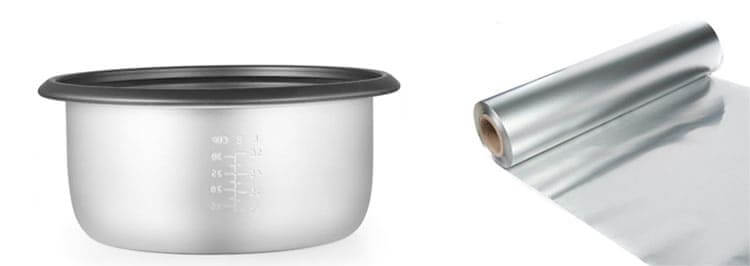
Keuken applicatie
Verpakking van aluminiumplaat / spoel
Elk detail van de verpakking is waar we streven naar perfecte service. Ons verpakkingsproces als geheel is als volgt:
Lamineren: heldere folie, blauwe folie, micro-slijmvlies, hoog slijmvlies, lasersnijden folie (2 merken, Novacell en Polyphem);
Bescherming: papieren hoekbeschermers, anti-druk pads;
drogen: droogmiddel;
Dienblad: gegaste onschadelijk houten dienblad, herbruikbare ijzeren bak;
Inpakken: Stalen riem van boter-kaas-en-eieren, of PVC-verpakkingsriem;
Materiële kwaliteit: Geheel vrij van gebreken zoals witroest, olie vlekken, rollende tekens, rand schade, bochten, deuken, gaten, lijnen breken, krassen, enz., geen bobine set.
Haven: Qingdao of andere havens in China.
Doorlooptijd: 15-45 dagen.
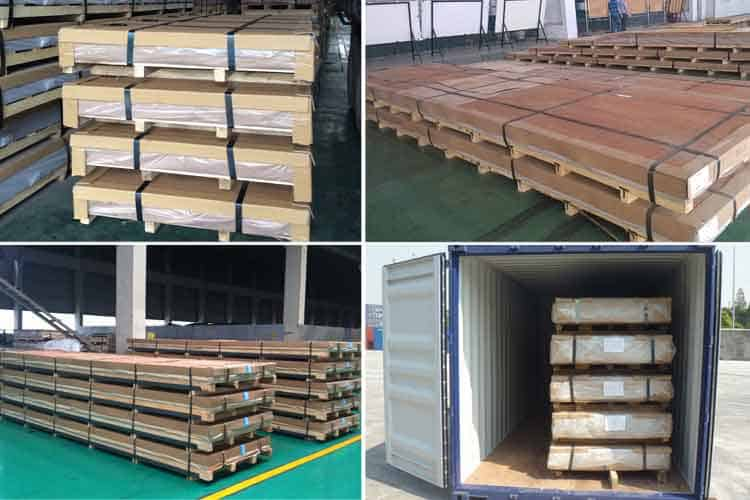
Aluminium plaat/plaat verpakkingsproces
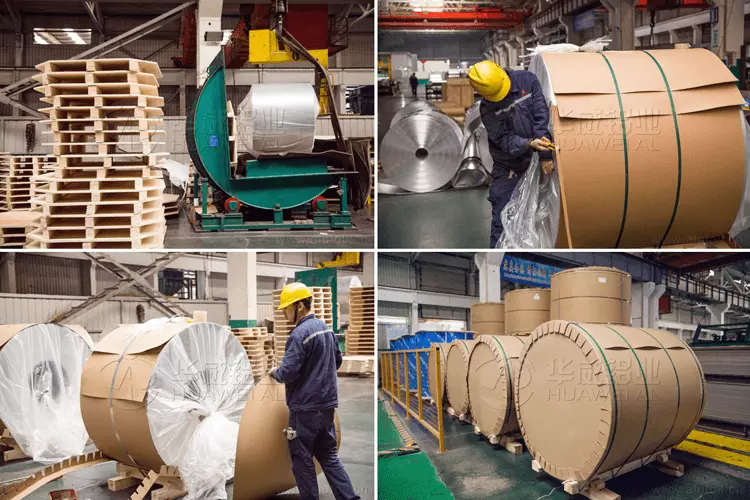
Verpakkingsproces van aluminium spoelen
F: Bent u een fabrikant of een handelaar?
Q: Wij zijn een fabrikant, onze fabriek bevindt zich op No.3 Weier Road, Industrie gebied, Gongyi, Henan, China.
F: Wat is de MOQ voor het bestellen van het product?
Q: Onze MOQ is 5 ton, en sommige speciale producten hebben een minimale bestelhoeveelheid van 1 of 2 ton.
F: Hoe lang is uw doorlooptijd?
Q: Over het algemeen is onze doorlooptijd ongeveer 30 dagen.
F: Hebben uw producten kwaliteitsborging?
Q: Ja, als er een kwaliteitsprobleem is met onze producten, wij vergoeden de klant totdat deze tevreden is.
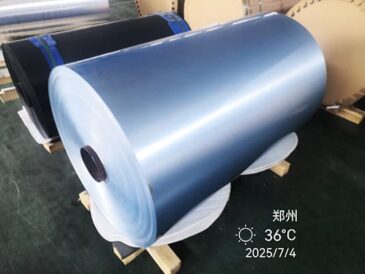
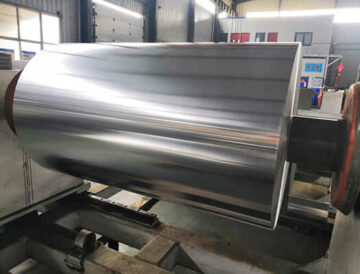
gerelateerde producten



Laatste blogs
Gecoate aluminiumfolie voor verpakkingstoepassingen | Sterk & Betrouwbaar
Hoogwaardig gecoate aluminiumfolie voor verpakkingstoepassingen, biedt uitstekende barrièrebescherming, duurzaamheid, en consistente prestaties.

Waar wordt gecoate aluminiumfolie voor gebruikt in de verpakking en industrie
Ontdek waarvoor gecoate aluminiumfolie wordt gebruikt, van voedsel- en farmaceutische verpakkingen tot isolatie en bedrukking, en leer de belangrijkste voordelen en functies kennen.

Vertrouwd 3003 Leveranciers van aluminium traanplaatplaten wereldwijd
Vind betrouwbaar 3003 Leveranciers van aluminium traanplaatplaten die gecertificeerde kwaliteit bieden, concurrerende prijzen, aangepaste maten, en snelle wereldwijde levering voor uw projecten.

6061 T6 versus 7075 Aluminium: Kracht, Gewicht & Beste toepassingen
Vergelijken 6061 T6 versus 7075 aluminium gemakkelijk. Ontdek verschillen in kracht, gewicht, en toepassingen om het beste voor uw projecten te kiezen.