Gebruikelijke legeringen van koelwagens gebruiken PE-gecoate aluminium spoel
1310 Keer bekeken 2026-07-06 07:41:38
Invoering
Gebruikelijke legeringen van gebruikte PE-gecoate aluminium spoel met koelwagen bevinden zich op het kruispunt van lichtgewicht ontwerp, corrosieweerstand, en duurzaamheid op lange termijn.
Als koeler (gekoeld) vrachtwagenvloten breiden zich uit om te voldoen aan de wereldwijde vraag naar koelketens, fabrikanten en exploitanten vertrouwen steeds meer op PE (polyethyleen) gecoate aluminium spoel voor de productie van binnen- en buitenpanelen, isolerende bekledingen, en voeringvellen die bestand zijn tegen gebruik bij lage temperaturen, frequent laden/lossen, en barre wegomstandigheden.
De juiste aluminiumlegering gecombineerd met een robuuste PE-coating bepaalt niet alleen de esthetische en structurele kwaliteit van de trailer, maar ook de prestaties van het koelsysteem, brandstofefficiëntie, en onderhoudskosten gedurende de levenscyclus van het voertuig.
In het bijzonder, dit artikel benadrukt het belang van de legeringskeuze in relatie tot de hechting van PE-coatings, vervormbaarheid, corrosiebestendigheid in vochtige omstandigheden, omgevingen met lage temperaturen, en de levenscycluskosten van koeltrailers.
Door de interactie tussen legeringschemie te begrijpen, woedeaanval, en coatingtechnologie, belanghebbenden kunnen de paneelprestaties optimaliseren, het aantal defecten verlagen, en de algehele betrouwbaarheid van gekoeld transport verbeteren.
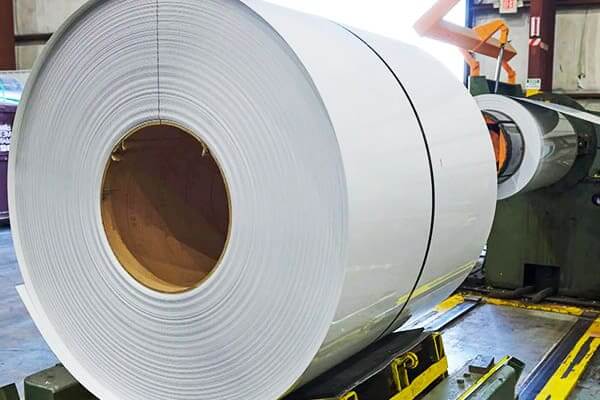
Gebruikelijke legeringen van koelwagens gebruiken PE-gecoate aluminium spoel
Wat is PE-gecoate aluminium spoel voor koelwagens?
Wat is PE-coating?
PE-coating op een aluminium spoel verwijst naar een film van polyethyleen die op één of beide zijden van een aluminium plaat of spoel wordt aangebracht.
Deze coating biedt verschillende functionele voordelen: verbeterde chemische resistentie, vochtbarrière, eenvoudiger schoonmaken, en een oppervlak dat indien nodig geschikt is om te verven of te schilderen.
In het kader van koelwagens, PE-coatings worden gewaardeerd vanwege hun veerkracht bij vocht, zoutoplossing, en soms zure vrachtomgevingen, evenals hun compatibiliteit met isolatiesystemen en binnenbekledingsmaterialen.
Het coatingproces levert doorgaans een uniforme dikte op in de buurt van enkele micrometers tot enkele tientallen micrometers, afhankelijk van de specificaties van de fabrikant en de beoogde gebruiksomgeving.
Waarom aluminium spoel gebruiken??
Aluminium spoel biedt een voordelige combinatie van lichtgewicht massa met aanzienlijke sterkte, corrosieweerstand, en vervormbaarheid.
Voor koeltrailers, de spoelen worden omgezet in panelen, voeringen, en isolatiebekledingen die aan de volgende omstandigheden moeten voldoen:
- Blootstelling aan lage temperaturen (vaak ruim onder 0°C tijdens transport)
- Incidentele thermische cycli als deuren open/dicht gaan en als de omgevingstemperatuur fluctueert
- Vocht en vochtigheid, die corrosie in bepaalde metaalsystemen kunnen veroorzaken als coatings falen
- Mechanische belasting door laden/lossen en verkeerstrillingen
- De behoefte aan reinigbaarheid en sanitaire eisen in de vrachtruimte
De lage dichtheid van aluminium helpt het voertuiggewicht te verminderen, wat zich vertaalt in brandstofefficiëntie en lagere bedrijfskosten – een cruciale factor in de totale eigendomskosten voor wagenparken.
Een robuuste PE-gecoate aluminium spoel zorgt voor een duurzame buitenkant en ondersteunt reinigbare binnenoppervlakken, waardoor onderhoud en stilstand worden geminimaliseerd.
Belangrijke prestatiestatistieken voor koeltoepassingen
- Adhesie van de coating: De verbinding tussen de PE-coating en de basislegering moet bestand zijn tegen herhaald buigen en buigen van de randen zonder blaasvorming of delaminatie.
- Impact- en krasbestendigheid: Panelen ervaren het omgaan met en contact met vracht, rekken, of gereedschap; coatings moeten bestand zijn tegen krassen waardoor blank metaal bloot kan komen.
- Temperatuurstabiliteit: De coating en het substraat moeten betrouwbaar presteren binnen het typische temperatuurbereik van koelcontainers, inclusief ultra-lage temperaturen tijdens het transport.
- Vervormbaarheid: De spoel moet met consistente maatvoering in de gewenste paneelvormen kunnen worden vervaardigd.
- Corrosieweerstand: In vochtige en zoutrijke omgevingen, een corrosiebestendige legering zorgt voor een lange levensduur van de panelen en minder onderhoud.
- Coatingafwerking en kleurstabiliteit: Voor buitenpanelen, kleurbehoud en oppervlakteglans zijn belangrijk voor de esthetiek en de verkoopwaarde, terwijl binnenoppervlakken mogelijk een eenvoudig te reinigen afwerking vereisen.
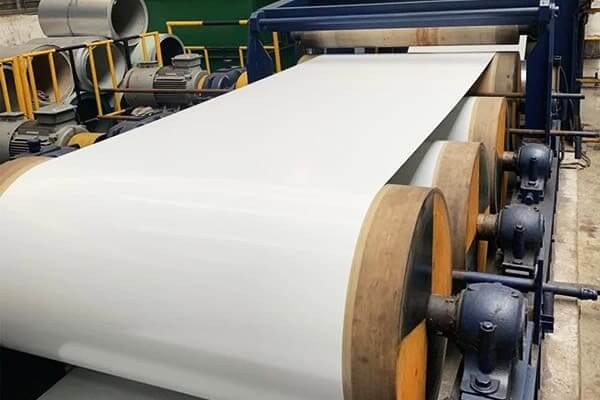
Huawei 3003 PE-gecoate aluminium spoelproductie
Veelgebruikte legeringen die worden gebruikt in PE-gecoate aluminium spoelen
Het selecteren van de juiste aluminiumlegering is van fundamenteel belang voor het bereiken van de beoogde combinatie van vervormbaarheid, kracht, en corrosiebestendigheid in combinatie met PE-coating.
In de volgende paragrafen worden de meest voorkomende legeringsfamilies gepresenteerd die worden gebruikt voor PE-gecoate aluminium spoel van koelwagens, met praktische begeleiding over humeur, typische eigenschappen, en toepassingen.
3xxx-serie: Aluminium-mangaanlegeringen (Al-Mn)
- Gemeenschappelijke legeringen: 3003, 3004, 3105
- Typische temperatuurbereiken: H14, H24 (en soms O, F), afhankelijk van vervormbaarheid en prestatie-eisen
- Belangrijkste eigenschappen:
- Uitstekende vervormbaarheid en buigbaarheid
- Matige kracht; goede corrosiebestendigheid
- Gemakkelijk verwerkbaar voor coatings en fabricages
- Waarom gebruikt in PE-gecoate koelcontainers?:
- De hoge vervormbaarheid ondersteunt complexe paneelgeometrieën zonder dat de coating barst
- Voldoende corrosiebestendigheid voor het interieur van trailers en matig corrosieve omgevingen
- Kosteneffectieve optie met betrouwbare coatinghechting en lange levensduur
- Typische toepassingen:
- Binnenvoeringen en panelen
- Buitenbeplatingssecties op lichtere koelcompartimenten
- Isolatiebekledingen gecombineerd met PE-coatings voor vochtbeheersing
5xxx-serie: Aluminium-magnesiumlegeringen (Al-Mg)
- Gemeenschappelijke legeringen: 5052, 5083, 5086 (en aanverwante cijfers)
- Typische temperatuurbereiken: H32, H34, H36, soms O of H24 afhankelijk van de vervormbaarheid
- Belangrijkste eigenschappen:
- Hogere sterkte dan de 3xxx-serie met behoud van goede vervormbaarheid
- Opmerkelijke corrosieweerstand, inclusief blootstelling aan atmosferische omstandigheden en vochtigheid
- Goede lasbaarheid en vermoeiingsprestaties
- Waarom gebruikt in PE-gecoate koelcontainers?:
- Dankzij de verbeterde sterkte kunnen dunnere meters voldoen aan de vereisten voor paneelsterkte, helpt het gewicht te verminderen
- Een goede corrosieweerstand helpt bij buitenpanelen die te maken kunnen krijgen met strooizout
- Sterke coatinghechting en compatibiliteit met gangbare PE-coatingprocessen
- Typische toepassingen:
- Structurele panelen en buitenhuiden op middelzware koeltrailers
- Wandpanelen voor binnen waar meer sterkte gewenst is zonder dat dit ten koste gaat van de vervormbaarheid
6xxx-serie: Aluminium-Mg-siliciumlegeringen (Al-Mg-Si)
- Gemeenschappelijke legeringen: 6061, 6063
- Typische temperatuurbereiken: T5, T6, of O voor verschillende vervormbaarheids- en sterkteprofielen
- Belangrijkste eigenschappen:
- Goede tot uitstekende vervormbaarheid en oppervlakteafwerking
- Hogere sterkte dan 3xxx-legeringen bij sommige temperaturen, met betrouwbare corrosieweerstand bij juiste behandeling
- Uitstekende coatingcompatibiliteit en uniformiteit van het oppervlak voor coatings
- Waarom gebruikt in PE-gecoate koelcontainers?:
- Geschikt voor veeleisendere buitenpanelen of componenten die een hogere stijfheid vereisen
- Sterke coatinghechting door verfijnde microstructuur, het verbeteren van de levensduur van de coating
- Consistente maatvastheid bij temperatuurschommelingen
- Typische toepassingen:
- Buitenhuiden waarbij een combinatie van sterkte en esthetische aantrekkingskracht nodig is
- Interieurpanelen in drukbezochte ruimtes waar duurzaamheid belangrijk is
Andere overwegingen en legeringen die doorgaans niet primair zijn voor spoelen
- 8xxx en speciale legeringen: Hoewel er aluminiumlegeringen zijn buiten de 3xxx–6xxx-families, vanwege de kosten komen deze minder vaak voor als basislegeringen voor met PE gecoate spoelen in koeltoepassingen, beschikbaarheid, of beperkingen op de hechting van de coating. In sommige nichegevallen, 8xxx-legeringen of legeringen met een hoog siliciumgehalte kunnen worden overwogen vanwege gespecialiseerde thermische prestaties of slijtvastheid, maar ze zijn niet standaard voor typische koeltrailerpanelen.
- Temperatie en microstructuur: De temperaanduiding (zoals H14, H24, T6, enz.) speelt een cruciale rol bij de vervormbaarheid, kracht, en coatingcompatibiliteit. Bijvoorbeeld, H14 geeft aan dat het materiaal is gegloeid en vervolgens in lagere mate door spanning is gehard, balanceren van vormbaarheid met kracht, terwijl T6 duidt op oplossingswarmtebehandeld en kunstmatig verouderd voor hogere sterkte, wat de vervormbaarheid in sommige paneelgeometrieën kan verminderen. De keuze van het humeur wordt bepaald door het fabricageproces (buigradiussen, stempelen, rollend) en eindgebruiksprestaties.
Vergelijking van legering per legering: Praktische inzichten voor PE-gecoate koelspiralen
| Legering familie | Gemeenschappelijke legeringen (voorbeelden) | Typische humeuropties | Mechanische eigenschappen (typisch) | Corrosieweerstand | Vervormbaarheid met PE-coating | Praktische koeltoepassingen | Opmerkelijke opmerkingen |
|---|---|---|---|---|---|---|---|
| 3xxx-serie | 3003, 3004, 3105 | H14, H24, O, F | YS: ~60–110 MPa; UTS: ~90–150 MPa; gemakkelijk te vormen | Goed tot matig | Uitstekend; hoge rek vermindert het risico op beschadiging van de coating | Binnenvoeringen, lichte buitenpanelen | Prima voor weinig geld, behoeften aan hoge vervormbaarheid |
| 5xxx-serie | 5052, 5083 | H32, H34, H36 | YS: ~90–125 MPa; UTS: ~210–260 MPa; sterk | Erg goed | Goed tot zeer goed | Buitenhuiden en binnenpanelen die een hogere sterkte vereisen | Hogere sterkte per dikte vermindert het gewicht, De kosten variëren met de dikte |
| 6xxx-serie | 6061, 6063 | T5, T6, O | YS: ~120–275 MPa; UTS: ~ 190–310 MPa; goed tot uitstekend | Uitstekend met de juiste coating | Uitstekend; zacht, uniforme oppervlakken | Structurele buitenpanelen, interieurs van hoge oppervlaktekwaliteit | Hogere sterkte, maar vereist mogelijk een zorgvuldiger coatingbeheer |
Opmerkingen:
– Temper-classificaties (H, T, O) geven warmtebehandeling en werkverhardingstoestanden aan, waardoor de vervormbaarheid en sterkte aanzienlijk worden beïnvloed.
– In de praktijk, de keuze uit 3xxx, 5xxx, en 6xxx-legeringen voor met PE gecoate spoelen zullen de kosten compenseren, vereiste sterkte, paneelgeometrie, en coatinghechtingsprestaties. Voor binnenvoeringen die veelvuldig worden behandeld, 3xxx-legeringen zijn populair; voor buitenhuiden met hogere structurele eisen, 5xxx- of 6xxx-legeringen kunnen de voorkeur hebben.
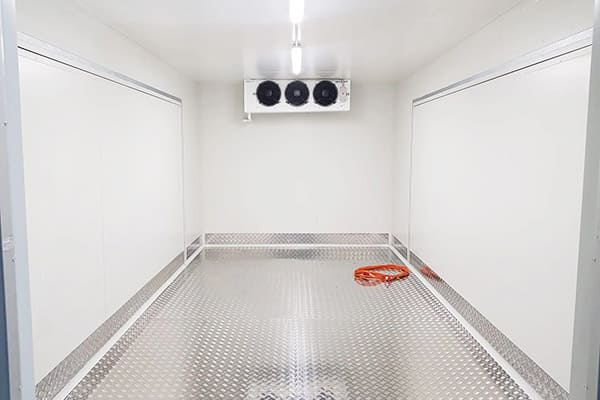
3105 PE-gecoate aluminium spoel gebruikt voor het interieur van de koelwagen
Verpakking, Coatinghechting, en prestaties op lange termijn
De hechting van PE-coatings is een cruciale bepalende factor voor de prestaties op lange termijn bij koeltoepassingen.
De hechting hangt niet alleen af van de coatingchemie en dikte, maar ook van de oppervlakteafwerking van de basislegering, kenmerken van de oxidelaag, en humeur.
Verschillende praktische richtlijnen helpen een betrouwbare hechting en coatingintegriteit te garanderen:
- Voorbereiding van het oppervlak: Schurende of chemische voorbehandelingen om een schoon resultaat te creëren, Het opgeruwde oppervlak verbetert de hechting van de coating. Een consistente oppervlakteafwerking voorkomt lokale delaminatie bij buigen.
- Compatibiliteit met voorbehandeling: Sommige coatings vereisen chemische primers of hechtingsbevorderaars die compatibel zijn met de specifieke aluminiumlegering en -temperatuur. Fabrikanten specificeren vaak goedgekeurde voorbehandelingen voor elke legeringsfamilie.
- Dikte van de coating: De typische dikte van de PE-coating op naar de spoel gerichte oppervlakken die worden gebruikt in koelpanelen varieert van ongeveer 12 naar 25 micrometers, afhankelijk van de blootstelling aan het milieu, risico op slijtage, en UV-overwegingen. Oppervlakken die naar binnen gericht zijn, kunnen dunnere coatings gebruiken; naar buiten gerichte of sterk blootgestelde oppervlakken kunnen dikkere coatings gebruiken voor duurzaamheid.
- Thermische compatibiliteit: De combinatie van PE-coating en aluminium moet herhaalde thermische cycli tussen omgevingstemperaturen en gekoelde temperaturen tolereren zonder verbrossing of delaminatie.
- Randbescherming: Randen en snijkanten zijn gevoeliger voor beschadiging van de coating; zorgvuldige randafdichting en bijwerken zijn belangrijk bij de fabricage.
Ervaring uit de praktijk leert dat combinatiekeuzes – b.v., 5052 of 6063 legeringen met een goed hechtende PE-coating van 15–20 μm – leveren vaak een optimale sterktebalans, vervormbaarheid, en duurzaamheid van de coating voor moderne koeltrailers.
Wanneer de coatingformulering en het uithardingsproces goed zijn afgestemd op de gekozen legering en temperatuur, levensduur wordt verlengd, onderhoudsintervallen worden langer, en het risico op coatinggerelateerde defecten aan assemblagelijnen wordt verminderd.
Ontwerp- en productieoverwegingen voor PE-gecoate koelpanelen
In de praktijk, fabrikanten optimaliseren de hele keten: van legeringskeuze tot coatingtoepassing, verzinsel, en eindmontage.
Deze ontwerpoverwegingen beïnvloeden zowel de prestaties als de kosten.
- Paneelgeometrie en buigradii: De gekozen legeringstemperatuur moet de buigradiussen tolereren die vereist zijn voor het paneelontwerp zonder dat de PE-coating of het basismetaal barst. 3xxx-legeringen bieden doorgaans superieure buigbaarheid, terwijl 6xxx-legeringen mogelijk een grotere straal of een tussenliggende warmtebehandeling vereisen om de vervormbaarheid te behouden.
- Randafwerking: Randen zijn van cruciaal belang voor de integriteit van de coating. Ontbramen en kantcoaten of afdichten voorkomen het ontstaan van corrosie aan de snijkanten en beschermen tegen het binnendringen van vocht.
- Methoden voor verbinden: Lassen, meeslepend, of mechanische bevestiging zijn gebruikelijk. Aluminiumlegeringen hebben compatibele bevestigingsmiddelen en processen nodig om galvanische corrosie te voorkomen en de integriteit van de coating bij verbindingen te garanderen.
- Oppervlakte-esthetiek: Buitenpanelen moeten hun kleur en glans behouden onder UV-blootstelling en temperatuurwisselingen. PE-coating met een UV-stabiel additief en de juiste uitharding helpen het uiterlijk van het oppervlak te behouden.
- Onderhoud en repareerbaarheid: De mogelijkheid om coatings op servicelocaties opnieuw te bekleden of te repareren, heeft invloed op de levenscycluskosten. Gerepareerde oppervlakken moeten aan dezelfde normen voor corrosiebestendigheid en coatinghechting voldoen als nieuwe oppervlakken.
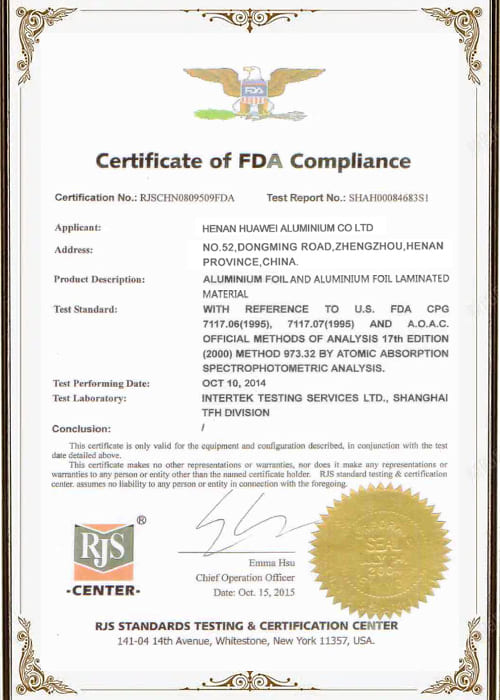
- Compliance en certificeringen: Materialen die in koelwagens worden gebruikt, moeten voldoen aan de relevante normen voor transportapparatuur en, in sommige regio's, veiligheid bij voedselcontact als iets de lading raakt. Terwijl binnenoppervlakken mogelijk geen voedselcontactoppervlakken zijn, Voor sommige componenten en coatings zijn mogelijk specifieke goedkeuringen vereist.
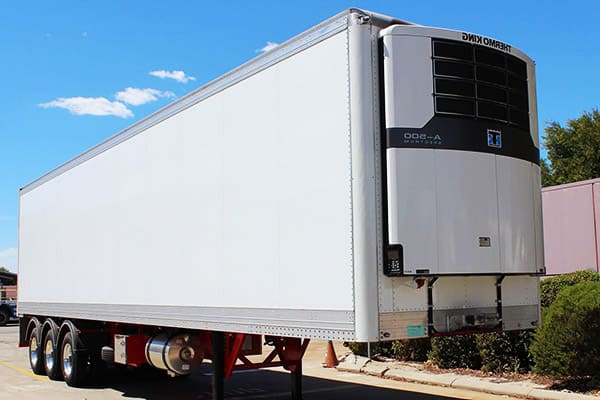
3003 PE-gecoate aluminium koelwagendisplay
Leverancier Spotlight: Huawei-aluminium
Huawei-aluminium is een gerenommeerde leverancier van aluminiumproducten, inclusief PE-gecoate aluminium spoelen die worden gebruikt in koelwagenpanelen en -voeringen. Het bedrijf benadrukt:
- Een breed productassortiment: aluminium spoelen voor verschillende tempervereisten, met PE-coatingopties op maat gemaakt voor binnen- en buitentoepassingen.
- Toepassing Geschiktheid: producten ontworpen voor omgevingen die typisch zijn voor koeltrailers, inclusief gebruik bij lage temperaturen en blootstelling aan vocht en strooizout.
- Compatibiliteit en hechting van coatings: nadruk op coatingaanbrengprocessen die een duurzame hechting bieden aan gewone legeringen die in koelpanelen worden gebruikt (3xxx, 5xxx, en 6xxx-serie).
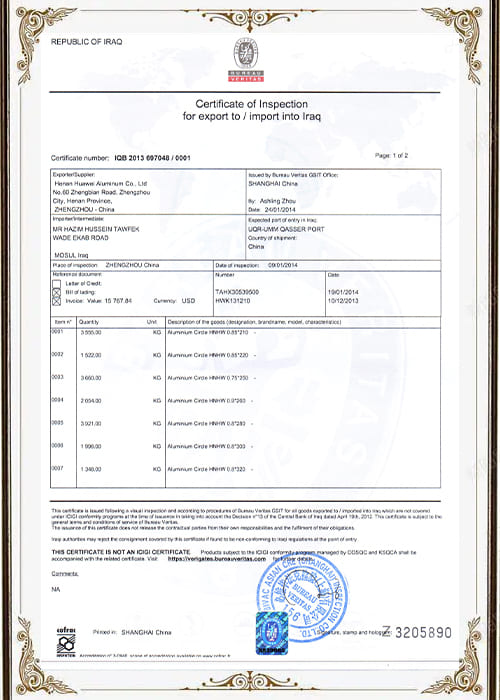
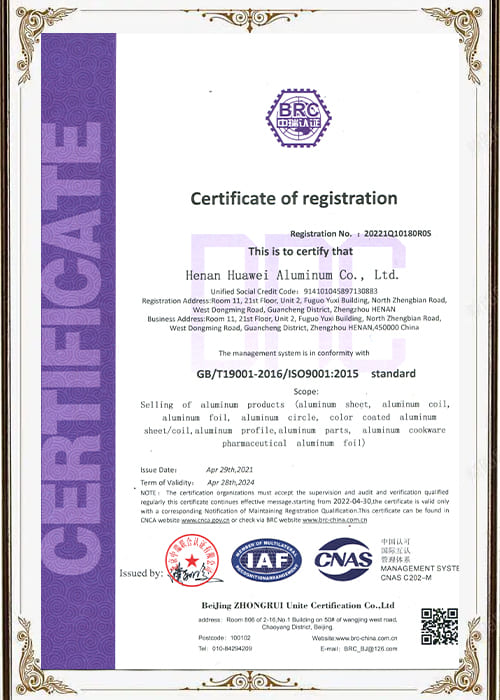
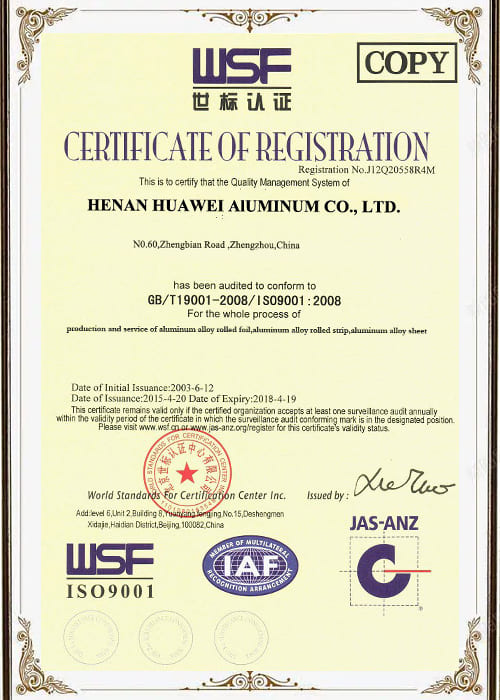
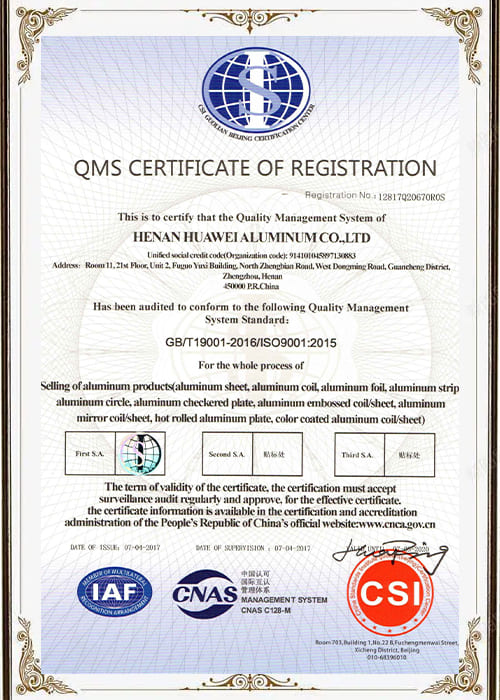
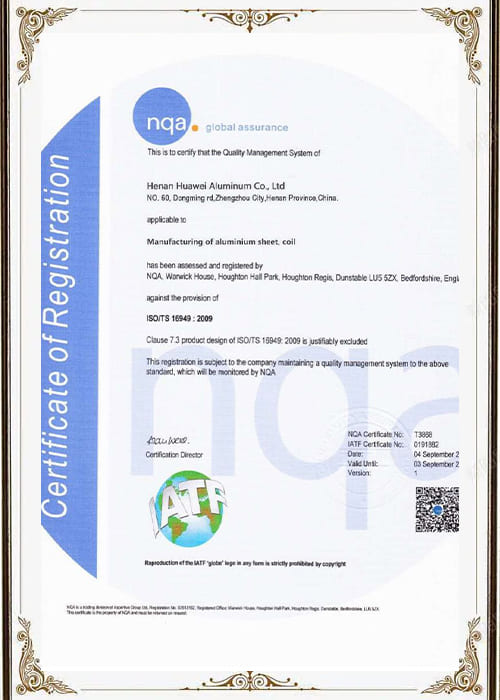
- Kwaliteit en naleving: standaard kwaliteitsborgingspraktijken die gebruikelijk zijn bij toonaangevende aluminiumleveranciers, met documentatie en testen om prestatieclaims te ondersteunen.
Door Huawei Aluminium in deze gids te introduceren, kunnen praktijkmensen in contact komen met een geloofwaardige bron voor PE-gecoate aluminium spoelproducten die aansluiten bij de hierboven besproken legeringskeuzes.
Bij het evalueren van leveranciers, kopers moeten de productgegevensbladen bekijken (PDS), Gegevensbladen over coatings (CDS), temper opties, laagdiktebereiken, en prestatietestresultaten (hechting, flexibiliteit, Impact weerstand, en vocht-/chemische bestendigheid).
De productliteratuur en ondersteuningskanalen van Huawei Aluminium kunnen deze details bieden om ervoor te zorgen dat de geselecteerde legerings- en coatingconfiguratie voldoet aan de ontwerp- en servicevereisten van de koeltrailer.
Veelgestelde vragen over veel voorkomende legeringen van gebruikte koelwagens met PE-gecoate aluminium spoel
Q: Wat zijn de meest voorkomende legeringen die worden gebruikt voor PE-gecoate koelwagens??
A: De meest voorkomende legeringen zitten in de 3xxx, 5xxx, en 6xxx-serie. Specifiek, 3003, 3004, En 3105 (3xxx) voor hoge vervormbaarheid; 5052 En 5083 (5xxx) voor hogere sterkte en corrosiebestendigheid; En 6061 En 6063 (6xxx) wanneer een hogere stijfheid en oppervlakteafwerking nodig zijn.
Q: Hoe kies ik een legering voor een specifiek koelpaneel?
A: Houd rekening met de locatie van het paneel (interieur versus exterieur), vereiste sterkte, vervormbaarheid, blootstelling aan vocht of zout, vereisten voor de hechting van coatings, en kosten. Binnenvoeringen profiteren van legeringen met hoge vervormbaarheid (3xxx) met robuuste coatinghechting, terwijl buitenhuiden legeringen met een hogere sterkte kunnen rechtvaardigen (5xxx of 6xxx) als de structurele eisen hoger zijn.
Q: Welke temperatuur is het beste voor PE-gecoate koelpanelen??
A: Het hangt af van het fabricageproces. H14 of H24 (3xxx) bieden een balans tussen vervormbaarheid en sterkte voor veel binnenpanelen. Voor buitenpanelen die meer sterkte vereisen, T5- of T6-temperaturen (6xxx) mag werkzaam zijn, op voorwaarde dat het vormingsproces de eindtemperatuur aankan zonder de coating in gevaar te brengen.
Q: Hoe dik moet de PE-coating zijn op aluminium spoelen die worden gebruikt in koeltoepassingen?
A: Typische coatingdikte varieert van ongeveer 12 naar 25 micrometers, afhankelijk van de blootstelling, risico op slijtage, en coatingformulering. Buitenoppervlakken en kritische verbindingen kunnen dikkere coatings rechtvaardigen, terwijl binnenoppervlakken dunnere coatings kunnen gebruiken waarbij reiniging en kosten prioriteit hebben.
Q: Welke rol speelt Huawei Aluminium op deze markt?
A: Huawei Aluminium is een erkende leverancier van PE-gecoate aluminium spoelproducten, biedt een reeks legeringsopties en coatingoplossingen die zijn ontworpen voor toepassingen met koeltrailers. Kopers moeten de productgegevensbladen van Huawei raadplegen voor specifieke legering, woedeaanval, bekledingsdikte, en hechtingsprestaties om afstemming op de projectvereisten te garanderen.
Q: Hoe beïnvloeden milieu- en levenscyclusoverwegingen de keuze van legeringen??
A: De recycleerbaarheid van aluminium en het potentieel voor gewichtsvermindering dragen bij aan lagere emissies tijdens de levenscyclus en een lager brandstofverbruik. Bij de keuze van de legeringen moeten de prestaties in evenwicht worden gebracht met de kosten en overwegingen rond het einde van de levensduur, gericht op het maximaliseren van de duurzaamheid en het minimaliseren van de onderhoudsbehoeften in de typische levenscyclus van een koeltrailer.
Q: Zijn er industrienormen die ik moet volgen bij het specificeren van PE-gecoate aluminium rollen voor koeltrailers??
A: Normen kunnen algemene aluminiumproductspecificaties omvatten (ASTM, NL), normen voor de hechting van coatings, en branchespecificaties met betrekking tot de constructie van koeltrailers. Het is essentieel om samen te werken met de coatingleverancier en de aluminiumfabriek om compatibiliteit en naleving van de beoogde servicevoorwaarden te garanderen.
Conclusie
Het kiezen van de juiste gemeenschappelijke legeringen van gebruikte PE-gecoate aluminium spoel met koelwagen is een multidisciplinaire beslissing die materiaalkunde combineert met praktische fabricagekennis en vlooteconomie.
De juiste legering in het juiste humeur, gecombineerd met een robuuste PE-coating, levert een koeltrailer die lichtgewicht is, duurzaam, en kosteneffectief gedurende de hele levenscyclus.
Door de sterke punten en beperkingen van 3xxx te begrijpen, 5xxx, en 6xxx legeringen, en door coatingprocessen af te stemmen op de legeringschemie, Fabrikanten en exploitanten kunnen superieure prestaties bereiken in de veeleisende omgeving van koeltransport.
Als u een leverancier overweegt voor PE-gecoate aluminium spoel, Huawei Aluminium biedt een geloofwaardige optie met een focus op coatingprestaties en beschikbaarheid van legeringen.
Gebruik deze handleiding als raamwerk voor het ontwikkelen van uw specificatie, het beoordelen van leveranciersgegevensbladen, en het communiceren van uw prestatiedoelstellingen aan uw productieteams.
Op het einde, de combinatie van goed gekozen legeringschemie en goed uitgevoerde coatingtechnologie zal zich vertalen in veiliger, betrouwbaarder, en efficiëntere koeltrailers die voldoen aan de behoeften van moderne koelketenlogistiek.
Deel met PDF: Downloaden
gerelateerde producten


Gerelateerde toepassingen


8011 Aluminiumfolie voor farmaceutische verpakking
Premie 8011 aluminiumfolie voor farmaceutische verpakkingen zorgt voor een uitstekende vochtigheid, zuurstof, en lichtbarrière-eigenschappen. Ideaal voor blisterverpakkingen, stripverpakkingen, en medicijnverpakkingen om de productkwaliteit te beschermen en de houdbaarheid te verlengen.