Pentole in alluminio anodizzato
15,489 Viste 2025-11-06 07:29:00
1. Che cosa sono le pentole in alluminio anodizzato?
Le pentole in alluminio anodizzato sono pentole in alluminio che hanno subito ossidazione elettrochimica controllata. Il processo converte i micron esterni dell'alluminio in dare Al₂O₃, creando una superficie che è difficile, inerte, e resistente alla corrosione. Rispetto all'antiaderente verniciato o solo PTFE, lo strato anodico è integrante al substrato (non un film), così non si sbuccia né si sfalda in condizioni di utilizzo normale.

Pentole in alluminio anodizzato
2. Selezione della lega delle pentole (Corpo & Maniglia)
| Componente | Leghe consigliate | Perché queste leghe | Note per l'anodizzazione |
|---|---|---|---|
| Corpo padella/pentola (imbutitura/filatura) | 3003, 3004, 5052 Circolo in alluminio | Buona trafilabilità; grano stabile per la filatura; forza equilibrata | 3xxx/5xxx anodizzati uniformemente; popolare per pentole anodizzate dure corpi |
| Basi forgiate/spesse & padelle premium | 6061, 6082 | Maggiore resistenza e rigidità per sezioni più spesse | Anodizzazione dura bene; ideale per 2.5–5,0 mm padelle premium |
| Coperchi (porta anelli/pomelli) | 3003/5052 | Leggero, formabile | Anodizzato o trasparente |
| Maniglie / Rivetti | 3003/5052 (Al fuso/formato) O 304/430 SS | Impugnatura termicamente sintonizzata | Le maniglie in acciaio inossidabile evitano il calore delle mani; ferritico 430 aiuta i dischi a induzione |
Mancia: Le leghe pressofuse ad alto contenuto di silicio vengono anodizzate in toni più scuri/irregolari; premio forgiato o lavorato i corpi cedono il più uniforme finitura anodizzata dura.
3. Parametri tecnici tipici
| Parametro | Anodizzazione decorativa | Anodizzazione dura | Unità / Note |
|---|---|---|---|
| Spessore del rivestimento | 5 - 25 | 25 - 100 | µm |
| Durezza superficiale | 150 - 300 | 350 - 700 | alta tensione (Vickers) |
| Porosità (non sigillato) | 5 - 15% | 1 - 6% | Porosità inferiore = maggiore resistenza alla corrosione |
| Impatto termico | < 3–5% | Minimo | Riduzione del trasferimento di calore trascurabile |
| Resistenza all'usura | 2–4× contro. nudo Al | 5–10× contro. nudo Al | Prova di abrasione Taber |
| Resistenza alla nebbia salina | 24 - 96 H | 96 - 500 H | Dipende dalla qualità della sigillatura |
| Metodo di sigillatura | Acqua calda / chimico | Chimico / sigillatura a freddo | Migliora la resistenza alla corrosione |
| Sicurezza alimentare | Conforme dopo la sigillatura | Pienamente conforme | Migrazione & testato sui metalli pesanti |
Dati basati su intervalli di test di laboratorio standard e risultati industriali; i valori specifici dipendono dal metodo di elaborazione e dal protocollo di test.

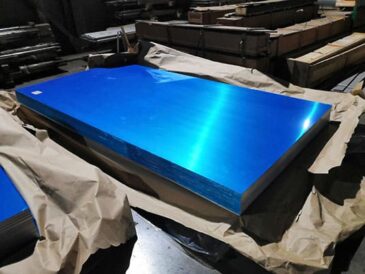
5052 Cerchio in alluminio anodizzato
4. Analisi delle prestazioni & Approfondimenti sui dati
4.1 Indossare & Resistenza ai graffi
Lo strato di ossido anodico è simile alla ceramica, aumentando drasticamente la durezza.
I rivestimenti anodizzati duri in genere raggiungono 350–700 alta tensione, che riduce l'usura superficiale di 5–8 volte rispetto all'alluminio nudo.
L'abrasione Taber e i test sul campo confermano che le pentole anodizzate dure mantengono l'aspetto e le prestazioni antiaderenti anche dopo un uso prolungato.
4.2 Conducibilità termica
L'alluminio di base ha una conduttività termica di circa 237 W/m · k, mentre lo strato di ossido ha un valore molto più basso.
Tuttavia, poiché lo strato anodico è estremamente sottile (Generalmente <50 µm), il suo impatto complessivo sul trasferimento di calore è meno di 5%.
Così, le pentole anodizzate preservano il segno distintivo dell'alluminio distribuzione del calore rapida e uniforme.
4.3 Resistenza alla corrosione & Sigillatura
I pori anodici non sigillati possono intrappolare contaminanti e ridurre la resistenza alla corrosione.
Attraverso sigillatura ad acqua calda o chimica, diminuzione della dimensione dei pori e della permeabilità, aumentando le prestazioni in nebbia salina da 24 ore fino a 500 ore.
Un sottile rivestimento per alimenti può essere applicato post-anodizzazione per acido potenziato, alcali, e resistenza alla pulizia.
4.4 Sicurezza del contatto alimentare
Ossido di alluminio (Al₂o₃) È chimicamente inerte e non reattivo.
Per garantire la sicurezza:
-
- I pori devono essere adeguatamente sigillati;
- I residui di elettroliti devono essere rimossi;
- I materiali coloranti o di rivestimento devono rispettare i limiti di migrazione.
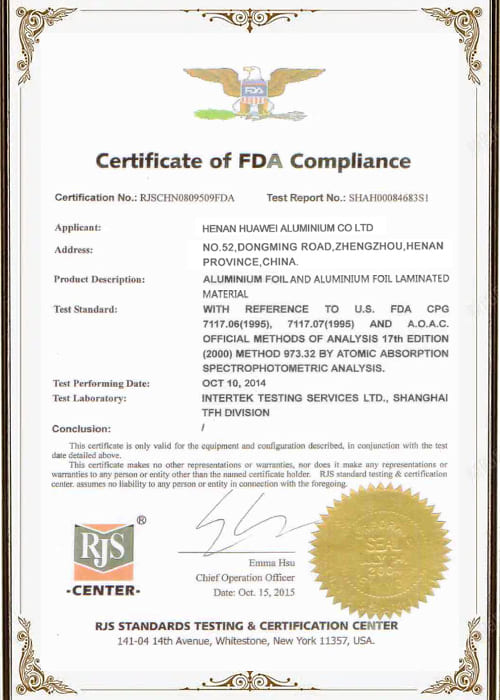
Le pentole certificate in genere passano prove di migrazione globale e specifica come richiesto da FDA / Norme UE sul contatto alimentare.

Confezionato 1100 Circolo in alluminio
5. Progetto & Considerazioni sulla produzione
5.1 Selezione delle leghe
La composizione della lega influisce sull'uniformità e sull'aspetto dell'anodizzazione.
Scelte comuni: 3003, 5052, 6061 -
- 3003: Ottima formabilità, ideale per pentole e padelle imbutite.
- 5052 / 6061: maggiore resistenza e stabilità post-formatura.
Henan Huawei Aluminum Co., Ltd. può consigliare tipi di leghe in base alla compatibilità di formatura e anodizzazione.
5.2 Spessore del film rispetto. Applicazione
| Applicazione | Tipo | Spessore consigliato |
|---|---|---|
| Pentole quotidiane | Anodizzazione decorativa | 5–20 µm |
| Professionale / pentole pesanti | Anodizzazione dura | 30–80 µm |
I rivestimenti più spessi migliorano la durata ma aumentano leggermente i costi e lo stress interno; equilibri progettuali ottimali durezza, costo, e risposta al calore.
5.3 Sigillatura & Post-trattamento
Per massimizzare la resistenza alla corrosione e l'igiene:
- Sigillatura chimica è consigliato rispetto alla sigillatura con acqua calda;
- Opzionale rivestimenti in nano-silice o fluoro per uso alimentare può migliorare la pulibilità e ridurre le macchie.
5.4 Controllo di qualità (Controllo qualità / QI)
I punti critici di ispezione includono:
- Uniformità dello spessore del film (tolleranza ±2–5 µm);
- Test di durezza (Valori HV);
- Verifica della sigillatura dei pori (prove di bolle o coloranti);
- Campionamento in nebbia salina e ciclo di abrasione;
- Test di migrazione e metalli pesanti (FDA / Conformità UE).

Test di spessore del cerchio di alluminio
6. Percorsi di produzione di pentole in alluminio anodizzato
- Disegno profondo + filatura (più comune): Cerchi di alluminio → tazze imbutite → filate a profilo → rifilatura → anodizzazione dura → sigillo.
- Forgiato di grosso spessore: piastra/slug riscaldata e forgiata → Trim CNC → anodizzazione dura → sigillo. Meglio per anche il riscaldamento e resistenza alla deformazione.
- Base incollata ad impatto: Corpo in alluminio + disco inossidabile ferritico incollato ad impatto per compatibilità per induzione.
- Rivettature/maniglie: Le maniglie/rivetti in acciaio inox riducono al minimo la conduzione del calore nell'impugnatura; le maniglie in alluminio anodizzato sono più leggere ma necessitano di tagli termici.
7. Controllo qualità Huawei & Piano di prova
- Spessore anodico: Mappatura delle correnti parassite (≥12 punti per piatto).
- Durezza: Test HV su bordo/piatto; accettazione ≥ 350 alta tensione per le linee premium.
- Qualità del sigillo: Macchia di colorante o caduta di conduttività metodo.
- Corrosione: Nebbia salina neutra o nebbia salina acetica (orari definiti dal cliente); simulanti di cucina (pomodoro/limone).
- Adesione: Tratteggio incrociato su tinto/anodizzato + sistemi di finitura.
- Shock termico: 10× cicli (200 °C per l'estinzione in acqua).
- Deformazione/piattezza: Pre- e cicli post-termici su infissi con piano in vetro.
- Fondo a induzione: Taglio del legame / sbucciare dopo il ciclismo.

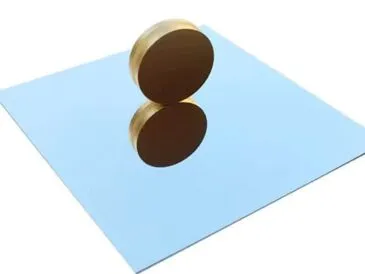
Cerchio in alluminio anodizzato Huawei
8. Pentole in alluminio anodizzato Confronta con altri materiali
| Attributo | Alluminio anodizzato duro | Inossidabile (304/316) | Ghisa | Rame (rivestito) |
|---|---|---|---|---|
| Conducibilità termica | Alto (≈205) | Basso (≈16) | Medio (≈50) | Molto alto (≈385) |
| Tempo di riscaldamento | Veloce | Lento | Medio | Veloce |
| Peso (relativo) | Il più leggero | Pesante | Pesante | Più pesante |
| Durezza superficiale | Alto (300–500 alta tensione) | Medio | Medio (condito) | Morbido (il volto vestito è SS) |
| Pronto per l'induzione | Necessita di disco/rivestimento | SÌ | SÌ | Se rivestito ferritico |
| Manutenzione | Basso | Basso | Necessario condimento | Moderare |
| Livello di costo | $$ (premio di valore) | $$–$$$ | $–$$ | $$$$ |
9. Conclusione
L'anodizzazione trasforma le pentole in alluminio in a durevole, resistente alla corrosione, e visivamente accattivante prodotto pur mantenendo la sua leggerezza ed efficienza termica.
Il successo dipende dalla selezione adatta leghe, spessore del rivestimento, e processi di sigillatura, combinato con rigoroso controllo qualità e conformità.
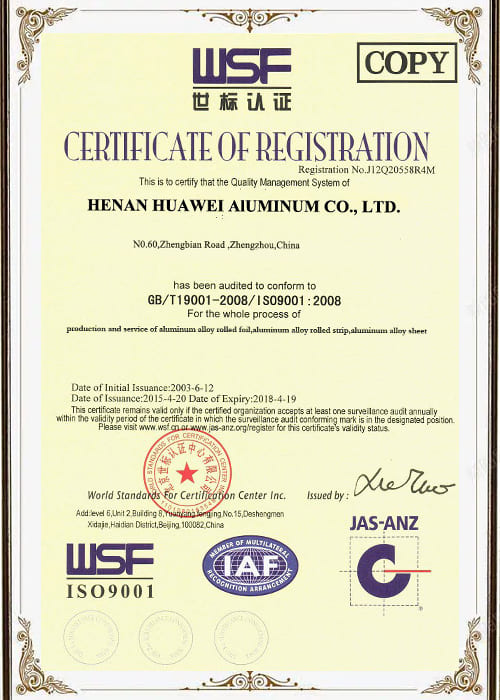
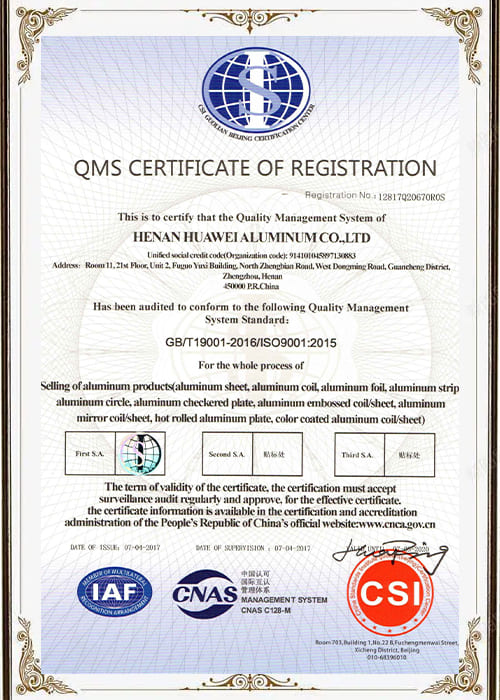
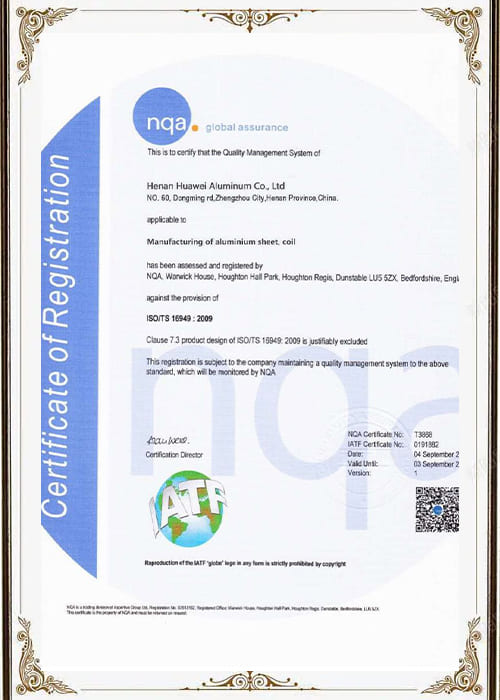
Con capacità di produzione e test a processo completo, Henan Huawei Aluminum Co., Ltd. offre ai produttori di pentole a soluzione completa di ingegneria dei materiali e delle superfici, garantire qualità costante e competitività globale.
10. Domande frequenti: pentole in alluminio anodizzato
Le pentole in alluminio anodizzato duro sono antiaderenti?
Non intrinsecamente. È poco aderente quando preriscaldato/stagionato; molte marche aggiungono PTFE/ceramica per un facile rilascio.
Gli acidi attaccheranno la superficie?
Il Tipo III adeguatamente sigillato tollera gli acidi da cucina; evitare un ammollo prolungato alcali forti detersivi.
Utensili in metallo?
Il contatto occasionale va bene; evitare raschiature taglienti per preservare l'estetica della finitura.
Lavabile in lavastoviglie?
Alcuni prodotti sono classificati così, Ma lavare a mano prolunga l'aspetto e la durata della guarnizione.
Uso ad induzione?
Richiede disco ferritico O rivestito costruzione.
L’esposizione all’alluminio è un rischio?
IL lo strato anodico è inerte; isola l'alluminio base dagli alimenti.
Perché le padelle premium sono più pesanti?
Basi più spesse (≥3 mm) migliorare l'uniformità e la resistenza alla deformazione.
Il colore può sbiadire?
I coloranti possono sbiadire sotto i raggi UV/alcali; anodizzato duro naturale grigio/nero è più stabile.