Unleash Superior Protection: Discover the Power of 1060 Aluminum Foil for Car Clothes Heat Shielding!
138 Mga Pananaw 2026-03-23 07:15:16
Panimula
In modern automotive design, thermal management is a critical factor that affects passenger comfort, component longevity, and overall vehicle efficiency. Among the range of materials adopted for heat management, aluminum foil stands out for its combination of light weight, mataas na reflectivity, and easy formability. The focus of this guide is on 1060 Aluminum Foil for Car Clothes Heat Shield.
This article provides an in-depth look at why 1060 foil is a practical choice for heat-shield applications in vehicles, how it performs under real-world conditions, and how buyers can select, implement, and verify a suitable foil solution. It also introduces Huawei Aluminum, a leading supplier in this field, to help buyers evaluate supply options, Mga sertipikasyon, and reliability across the supply chain.
1060 aluminum foil for car clothes heat shield is not just about a single sheet of metal; it is about a reflective, durable barrier that reduces radiant heat transfer, protects sensitive interiors, and contributes to sustained cabin comfort.
Throughout this article, you will find detailed data, practical guidance, and credible comparisons to help engineers, procurement teams, and automotive manufacturers make informed decisions.

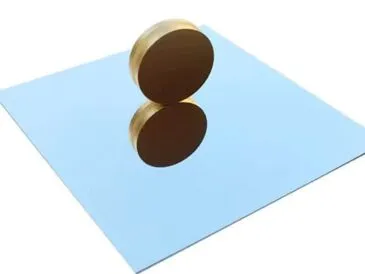
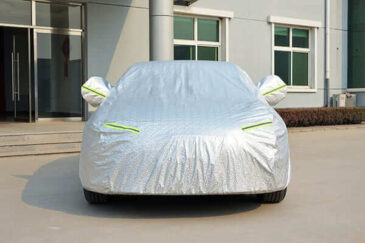
1060 Aluminum Foil for Car Clothes Heat Shield
Pag-unawa 1060 Aluminum Foil
Ano ang 1060 Aluminum Foil?
1060 aluminyo foil refers to a foil product produced from the 1060 haluang metal, which is commercially pure aluminum with a minimum aluminum content of 99.60%.
This high-purity alloy is prized for exceptional ductility, mahusay na paglaban sa kaagnasan, and superb workability.
When processed into thin foils, 1060 exhibits outstanding formability, allowing it to conform to complex shapes and be used as a heat-shield layer in automotive assemblies.
Key properties of 1060 foil include:
– High ductility and malleability, enabling tight bends and custom profiles without cracking.
– Very good corrosion resistance, even in humid or aggressive environments.
– High reflectivity in the infrared and visible ranges, contributing to radiant heat reflection.
– Moderate tensile strength in annealed conditions, which is suitable for thin-film shielding without adding significant weight.
Bakit nga ba 1060 Aluminum Foil for Car Clothes Heat Shield
Heat shields in automotive contexts primarily rely on two mechanisms: reflection of radiant heat and interruption of heat flow through physical barriers.
1060 foil excels in the reflective role due to its smooth, clean surface and high reflectivity.
When used as part of a multi-layer assembly—often combined with a polymer film layer (such as PET or LDPE) or with a protective backing—the foil can reflect a substantial portion of radiant heat emitted by engines, exhaust components, and hot surfaces, reducing the transfer of thermal energy to cabin materials and interior surfaces.
In addition to reflectivity, 1060 foil provides:
– Compatibility with bonding processes (adhesives, heat-activated laminates) that are common in automotive interior fabrication.
– Compatibility with decorative or protective coatings that might be applied for enhanced durability or aesthetics.
– Stability under typical automotive service temperatures, given aluminum’s inherent resilience to heat up to several hundred degrees Celsius in short-duration exposures.

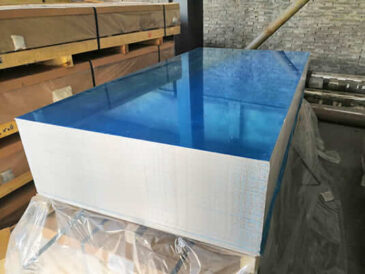
Detailed display of large rolls of aluminum foil
Core Properties for Heat Shield Performance
Thermal and Reflective Characteristics
- Thermal kondaktibiti: Tinatayang 205 W/m·K for aluminum at room temperature, which supports rapid lateral heat distribution and reduces hot spots when used as a reflective layer.
- Emissivity: Low emissivity when polished (often around 0.04–0.08 for highly reflective metal surfaces), which helps minimize heat absorption from radiant sources.
- Pagninilay: High reflectivity in the infrared range (roughly 85–95% depending on surface finish and any coatings), enabling effective radiant heat shielding.
- Punto ng pagtunaw: 660.3°C, providing robust performance under typical automotive heat exposure levels (engine bays, exhaust heat shields) and well above normal service temperatures.
Mechanical Characteristics
Dahil 1060 is a commercially pure alloy, its mechanical strength is moderate in annealed form but sufficient for thin-film foil used as a shield:
– Tensile strength (annealed na nga ba): Typically around 70–110 MPa, depending on thickness and rolling history.
– Elongation (percent): Usually high for foil, supporting shaping and forming without cracking.
– Hardness: Low in annealed state; can be hardened slightly with rolling tension or through specific processing if needed.
– Formability: Napakahusay, easily curled, tinatakan na ng selyo, and laminated to other materials.
Corrosion and Environmental Resistance
- Paglaban sa kaagnasan: Excellent in most automotive environments; resistant to moisture, salts, and typical cabin contaminants when cleaned and maintained.
- Surface finish options: Plain foil, metallized or coated variants, and protective backing layers can be applied to improve durability and compatibility with automotive adhesives.
Safety and Compliance
1060 aluminum foil used in automotive applications commonly adheres to industry standards for material safety and environmental impact.
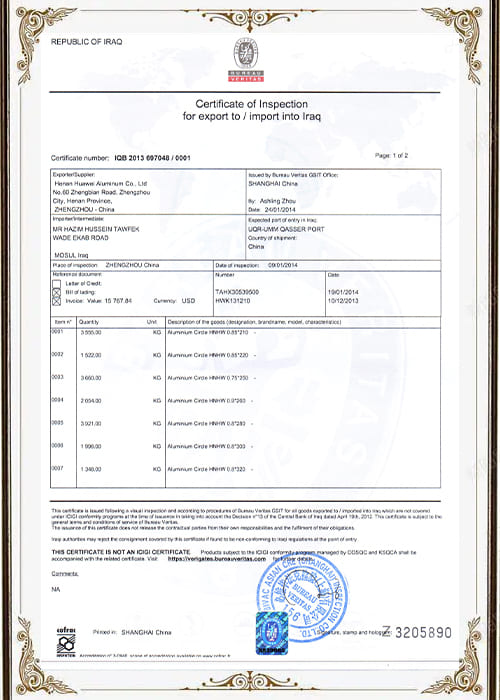
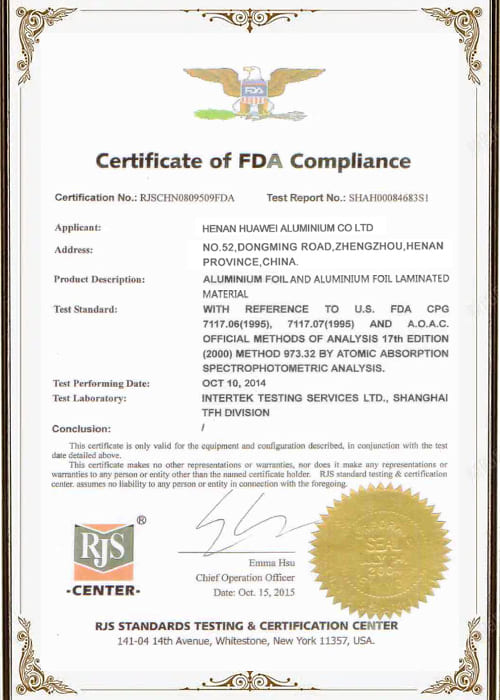
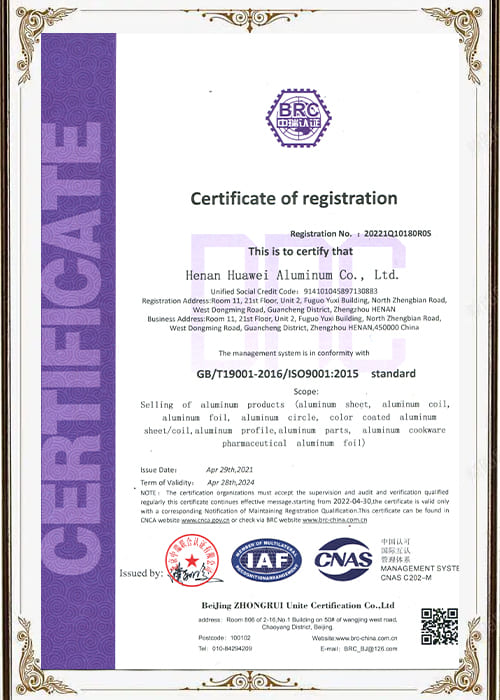
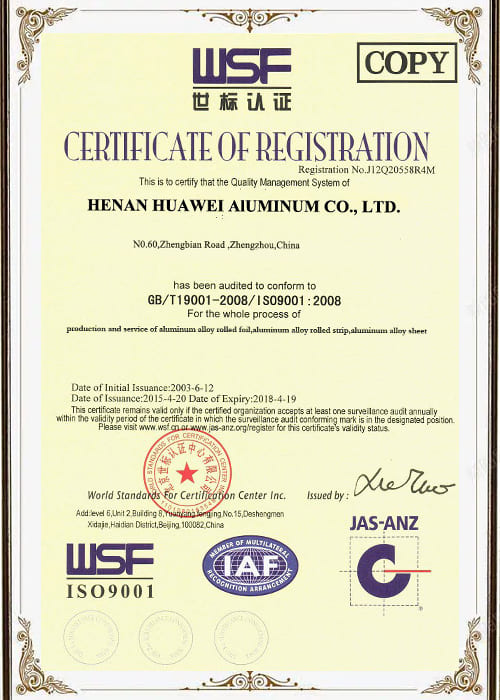
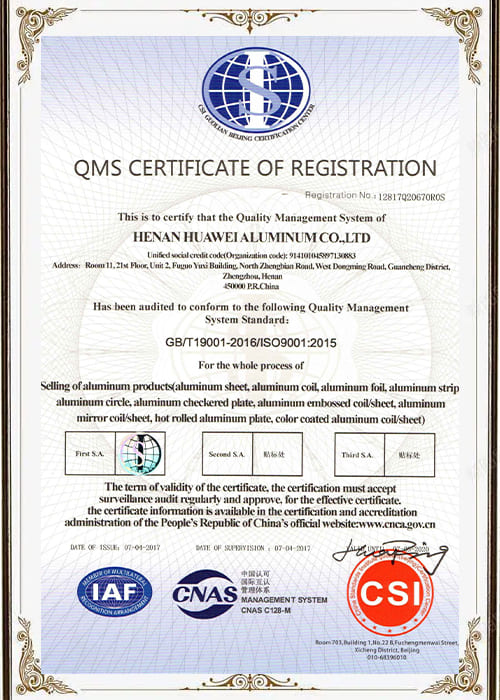
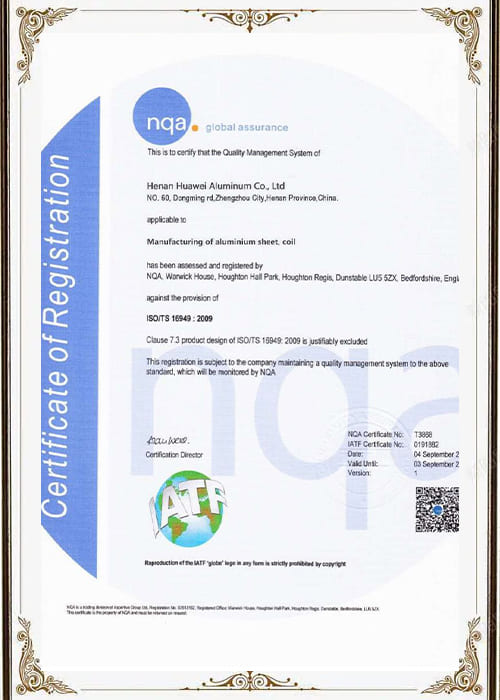
Suppliers obtain certifications such as ISO 9001 for quality management, and some products may carry additional third-party verifications (halimbawa na lang, SGS testing or RoHS compliance) depending on the market and customer requirements.
When selecting a supplier, verify that the foil batch meets your internal specifications for purity, Pagtatapos ng Ibabaw, tolerances, at pag iimpake.

Aluminum Foil Thickness Calculation
Applications in Automotive Heat Shielding
Engine Compartment and Exhaust Heat Shielding
In the engine bay, radiant heat from exhaust pipes, manifolds, and turbochargers can raise nearby components’ temperatures, impacting efficiency and life.
1060 Aluminum Foil for Car Clothes Heat Shield can act as a reflective barrier to reduce heat load on hoses, mga wire, and nearby plastics.
The foil is typically integrated into a multilayer configuration that includes a fabric or polymer backing to maintain space, provide mechanical support, and allow easy installation on complex contours.
Cabin and Dashboard Protection
Heat ingress from engine operations and radiant sources can transfer to dashboards, seating fabrics, at mga electronics.
A lightweight, reflective foil layer can be placed behind dash panels or seat backs to deflect a portion of radiant heat away from sensitive components and materials, improving passenger comfort and reducing material aging.
Clothing and Protective Barriers
In some vehicle interiors, protective clothing or barrier layers may be used in specialized applications such as mission-critical or high-performance vehicles.
1060 foil’s ductility and formability make it suitable for lining or wrapping protective garments or shields that are integrated into the vehicle interior for extra heat protection around critical areas.
Multilayer Heat Shield Assemblies
Most automotive heat shields are not a single layer. They combine:
– A reflective foil (1060) to reflect radiant heat.
– A compliant polymer film (Mga Alagang Hayop, LDPE) to act as an insulating spacer, providing a low thermal conduction path while enabling clean lamination.
– A backing fabric or mesh to provide structural support and ease of installation.
This multilayer approach is common in automotive heat-shield systems because it balances reflectivity, paglaban sa init, mechanical stability, at gastos.
Manufacturing and Quality Standards
Alloy and Purity
1060 refers to a commercially pure aluminum grade with at least 99.60% aluminyo. The remaining composition consists of trace elements that do not significantly alter ductility or corrosion resistance.
For heat-shield applications, suppliers focus on consistent purity to ensure uniform reflectivity and predictable mechanical properties.
Surface Finishes and Treatments
- Plain foil (uncoated): Common in shielding applications where laminate or adhesive backing is applied later.
- Coated or laminated foil: Foil may be laminated to PET, LDPE, or other polymers to create a stable, easy-to-handle shield structure, providing both mechanical resilience and a clean surface suitable for bonding.
- Protective backing: Some configurations include a fabric or perforated backing to add rigidity or to ease installation.
Packaging and Handling
Foil rolls for automotive heat shields are typically packaged to prevent surface damage during transit and storage. Common packaging options include:
– Coiled rolls with protective liners.
– Pre-cut sheets intended for automotive assembly lines.
– Interleaved sheets to minimize surface scratching.
Certifications and Quality Assurance
A reputable supplier will provide documentation such as:
– Material specification sheets (MSDS-style but for alloys and foils), including purity, thickness tolerances, width range, and surface finish.
– ISO 9001 certified quality management system.
– Third-party testing results (hal., SGS) for mechanical properties, paglaban sa kaagnasan, and packaging integrity.
– RoHS compliance where applicable for interior materials and consumer vehicle components.
Supplier Spotlight: Huawei Aluminum
Huawei Aluminum is a prominent supplier in the aluminum foil sector, with a focus on high-quality foil products and integrated supply chain capabilities. The company emphasizes:
– A broad portfolio including 1060 and other 1xxx-series aluminum foils designed for packaging, paglilim, and shielding applications.
– Modern rolling mills and finishing lines that produce tight thickness tolerances suitable for precise heat-shield laminates.
– A global customer base in automotive, pag iimpake, and industrial sectors.
– Certifications and testing capabilities aligned with international standards, enabling robust traceability from alloy source to finished foil.
– Value-added services such as custom laminations, patong na patong, and backing material partnerships to meet specific customer requirements.
When engaging Huawei Aluminum or any major supplier, buyers should request:
– Batch-level material certificates with composition and thickness tolerances.
– Surface finish and coating options, kung mayroon man.
– Sample material for qualification testing in the target heat-shield assembly.
– Lead times, minimum order quantities, and logistics options for global supply.

Huawei 1060 Aluminum Foil Packaged
Choosing 1060 Aluminum Foil for Car Clothes Heat Shield
Factors to Consider
- Purity and alloy consistency: Ensure the foil comes from a supplier able to guarantee 99.60%+ aluminum content with minimal trace-element variation.
- Kapal ng tolerance: Typical heat-shield foils range from 0.012 mm sa 0.04 mm. The exact thickness should be matched to the shield’s mechanical needs and the installation method.
- Surface finish and coatings: Decide whether a plain foil suffices or a laminated/coated foil is required for bonding, tibay ng katawan, or improved cleanability.
- Width and length: Roll width should align with the installation geometry; consider pre-cut sheets for assembly lines to reduce handling time.
- Mechanical compatibility: Ensure the foil can bend, crease, or conform to the vehicle’s contours without cracking, particularly at tight radii.
- Thermal performance targets: Define the radiant heat reduction target and verify it with lab or field testing data for the proposed multilayer assembly.
- Certification and traceability: Demand full material traceability, batch testing results, and third-party verification if required by the customer or regulator.
- Cost and supply risk: Compare price per unit area and consider the reliability of the supplier’s lead times and capacity to avoid production delays.
Practical Selection Checklist
- Confirm the foil’s purity and tolerance for thickness (hal., ±0.001–0.005 mm depending on the supplier).
- Verify compatibility with intended adhesive systems (hal., high-temperature adhesives, fluoropolymer coatings).
- Check the availability of backing laminates (Mga Alagang Hayop, LDPE, or fabric) if the application requires a multilayer shield.
- Obtain a sample roll or sheet for initial fit tests on a representative vehicle section.
- Review warranty and post-sale support from the supplier.
Performance Data and Testing
Laboratory and Field Testing Standards
To ensure the foil’s performance in automotive heat shields, suppliers and manufacturers typically perform tests including:
– Thermal reflectivity tests to quantify radiant heat rejection at relevant wavelengths.
– Emissivity measurements to determine the foil’s heat emission characteristics under operational conditions.
– Mechanical endurance tests including bending, lamination, and aging in simulated automotive environments (temperature cycles, kahalumigmigan, vibration).
– Adhesion and coating compatibility tests for laminates or adhesives used in multilayer shields.
– Corrosion resistance tests (salt spray or humidity exposure) to ensure long-term durability.
Representative Data for 1060 Foil
Tala: Values below are representative of typical 1060 foil in standard manufacturing conditions and should be verified with the specific supplier batch data.
- Saklaw ng kapal: 0.012–0.025 mm for many automotive heat shield foils; tighter tolerances (±0.001 mm) are achievable with precision rolling.
- Lakas ng paghatak (annealed na nga ba): 70–110 MPa
- Pagpapahaba sa break: 20–40% (typical for thin foil)
- Thermal kondaktibiti: ~205 W/m·K
- Emissivity: 0.04–0.08 (low emissivity for polished surfaces; can be higher if coatings are present)
- Pagninilay: 85–95% in the infrared range, depending on surface finish and coatings
- Service temperature range: typically up to 200–250°C for short exposures in typical assemblies; long-term exposure should be evaluated against the shield’s design.
DURABILITY IN AUTOMOTIVE CONDITIONS
In automotive applications, heat shields experience not only heat but also mechanical stresses, kahalumigmigan, road debris, and chemical exposure from cleaning agents and road salts. 1060 papel de liha, when laminated to a backing layer and properly bonded, provides:
– Adequate resistance to flexing and bending without cracking.
– Stability against corrosion and oxidation in typical vehicle environments.
– Sufficient adhesion to backing films or fabrics used in heat-shield assemblies.
Designers should test the full shield stack in an environmental chamber to simulate heat-soak, cycling, vibration, and exposure to automotive fluids. Real-world demonstration programs and supplier-provided qualification kits can help validate the shield’s performance before large-scale deployment.
Comparative Tables: 1060 Foil vs Alternatives
Comparison table (markdown) helps clarify how 1060 foil stacks up against other common aluminum alloys used in heating and shielding contexts.
| Pag-aari / haluang metal | 1060 (Commercially Pure) | 1050 | 1100 | 3003 |
|---|---|---|---|---|
| Al content (min) | 99.60% | ~99.50% | ~99.00% | ~96.0% |
| Typical applications | Foil, pag stamp ng, pagbibigay ng kalasag | Foil, paglabas ng mga, chemical containers | Foil, mga heat exchanger | Ductwork, sheet metal, foil laminates |
| Thermal kondaktibiti (mga approx) | 205 W/m·K | ~205 W/m·K | ~205 W/m·K | ~210 W/m·K |
| Ductility / pagiging formable | Napakahusay | Napakahusay | Very good | Mabuti na lang |
| Pagninilay (IR) | Mataas na (varies with finish) | Mataas na | Mataas na | Moderate-High |
| Paglaban sa kaagnasan | Napakahusay | Napakahusay | Napakahusay | Mabuti na lang |
| Lakas ng paghatak (annealed na nga ba) | 70–110 MPa | Katulad ng 1060 | Katulad ng 1060 | Katamtaman |
| Typical thickness range (papel de liha) | 0.012–0.025 mm common | 0.012–0.025 mm | 0.012–0.025 mm | 0.02–0.05 mm |
| Gastos (relative) | Generally lower for same thickness | Similar | Similar | Higher in some cases |
| Ease of bonding with laminates | Very good | Very good | Very good | Mabuti na lang |
Notes:
– The above table reflects typical industry observations; actual performance depends on surface finish, Mga patong, laminate materials, and processing methods.
– The choice between these alloys often hinges on the balance of ductility, conductivity, cost, and compatibility with the intended shielding stack.
Mga FAQ
1) What is the main advantage of using 1060 aluminum foil for car clothes heat shield?
– The main advantages are high reflectivity of radiant heat, excellent formability to fit complex vehicle geometries, at malakas na paglaban sa kaagnasan. When laminated with backing films, it creates a durable, easy-to-install heat-shield assembly that can significantly reduce radiant heat transmission to interior components and surfaces.
2) How does 1060 foil compare with other aluminum alloys for heat shields?
– 1060 foil offers superior ductility and high purity, which translates to excellent forming capabilities and consistent reflective performance. While alloys like 1050, 1100, at 3003 also perform well, they may have slightly different balances of strength, ductility, at gastos. The choice depends on the specific design, bonding method, and performance targets of the shield.
3) What thickness should be used for automotive heat shields?
– A common range is 0.012–0.025 mm for foil in multilayer shields. Thicker foils offer more mechanical strength but add weight and cost, while thinner foils offer flexibility but may require more robust backing layers to maintain surface integrity and adhesion.
4) Are there any certification requirements when selecting foil for automotive use?
– Yes. Automotive applications typically require documentation such as material specifications, batch certificates, surface finish details, at, where necessary, third-party verification (hal., SGS) and ISO 9001 quality management. Additional requirements may arise from specific automaker standards or supplier qualification programs.
5) How should heat shields with 1060 foil be tested before installation?
– Shield assemblies should undergo thermal testing to verify radiant heat rejection, mechanical durability under vibration and thermal cycling, and adhesion testing for the laminate. Field tests or simulated automotive chamber tests can validate performance under expected operating conditions.
6) What role can Huawei Aluminum play in my supply chain?
– Huawei Aluminum can supply 1060 foil in various thicknesses and widths, with laminate options and backing materials to suit heat shield modules. They can provide batch-level documentation, testing data, and lead-time information to help with supplier qualification and production planning.
7) How durable are 1060 foil heat shields in humid or salty environments?
– The corrosion resistance of 1060 foil is excellent for typical automotive environments. When properly laminated and protected with backing layers, shields can maintain performance through normal humidity and exposure to road salts. Regular inspection and appropriate maintenance will extend service life.
8) Can I customize the foil with a specific backing or coating?
– Yes. Many applications require a laminated backing (hal., PET or LDPE) or coatings to improve adhesion, mekanikal na pagganap, or heat tolerance. Confirm with the supplier about available backing materials, bonding processes, and the compatibility with adhesives used in your assembly.
Pangwakas na Salita
1060 Aluminum Foil for Car Clothes Heat Shield represents a practical, effective approach to managing radiant heat in modern vehicles.
Its high purity, napakahusay na formability, and strong corrosion resistance make it a natural fit for multilayer shield assemblies that combine a reflective foil with polymer backings and protective laminates.
The material’s performance in automotive environments—paired with careful design, testing, and quality control—can deliver meaningful gains in passenger comfort, component longevity, and overall vehicle efficiency.
When selecting a supplier, Huawei Aluminum stands out as a capable partner with a focus on high-quality foil products, robust processing capabilities, and a commitment to traceability and reliability.
By engaging such a supplier, engineers and procurement teams can secure consistent material quality, align with automotive qualification requirements, and streamline the path from development to production.
Ultimately, the successful deployment of 1060 aluminum foil for car clothes heat shield comes down to thoughtful design, precise material specifications, and rigorous testing.
With the right materials, backing laminates, and installation practices, automotive heat shields can achieve their dual goals: protecting interior materials from radiant heat and maintaining a comfortable, safe cabin environment for drivers and passengers alike.
Share with PDF: Download