1. Executive Summary
Food-grade aluminum foil is aluminum foil manufactured and processed for applications where the material may come into direct or indirect contact with food.
It combines aluminum’s barrier performance, low weight, thermal conductivity, formability, and recyclability with controlled material quality and, where required, suitable coatings or laminating systems.
A key point is that “food-grade” is not simply an aluminum alloy designation. Food-contact suitability depends on the complete material and its intended conditions of use, including the alloy, temper, surface condition, coatings, adhesives, food type, temperature, and contact time.
In the United States, the FDA evaluates food-contact substances according to their authorized uses and conditions of use; in the European Union, food-contact materials must comply with the general safety requirements of Regulation (EC) No. 1935/2004 and applicable good manufacturing practices.
Food-grade aluminum foil is widely used in food wrapping, household foil, lidding foil, flexible packaging, baking trays, food containers, and multilayer packaging.
Depending on the application, common aluminum grades include 1060, 1100, 3003, 3004, 8006, and 8011.
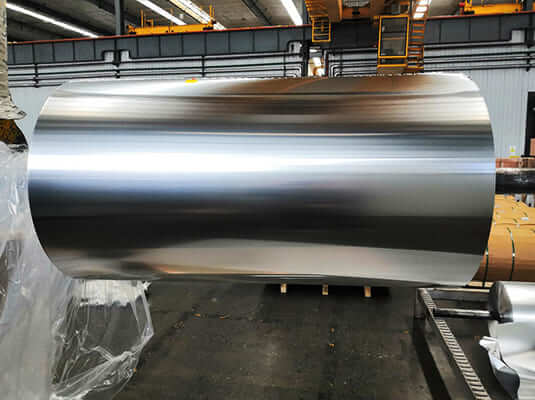
Huawei Food-grade Aluminum Foil
2. What Is Food-grade Aluminum Foil?
Food-grade aluminum foil is a thin aluminum material manufactured to controlled specifications for food packaging, preparation, storage, or related food-contact applications.
It may be supplied as bare aluminum foil or incorporated into a coated, printed, or laminated structure.
Unlike the term “8011,” “3003,” or “1060,” which identifies an alloy composition, food-grade describes the suitability of the finished material for a particular food-contact application.
A specific alloy cannot automatically be considered suitable for every food-contact condition.
2.1 How Aluminum Foil Protects Food
The aluminum layer provides an effective barrier against several external factors that can reduce food quality.
Moisture: Aluminum foil helps prevent water vapor from entering or leaving the package, supporting the texture and shelf life of many foods.
Oxygen: The aluminum layer provides a highly effective barrier against oxygen, helping limit oxidation and associated deterioration.
Light: Aluminum is opaque, providing strong protection from visible and ultraviolet light. This is particularly useful for light-sensitive foods, oils, dairy products, and other products susceptible to photo-oxidation.
Odors and Contamination: Properly constructed aluminum packaging can also help prevent the transfer of external odors and protect food from environmental contamination.
2.2 Bare Food-grade Aluminum Foil
Bare aluminum foil is commonly used where the aluminum surface itself is appropriate for the intended application.
Typical uses include:
- Household food wrapping
- Baking and grilling
- Food storage
- Selected food-container applications
- Lidding applications
However, direct contact with a particular food should always be evaluated according to the food composition and intended conditions of use.
Highly acidic or salty foods, for example, may require additional consideration because food chemistry can influence aluminum surface behavior.
2.3 Coated Food-grade Aluminum Foil
For applications requiring additional protection or a specific functional surface, aluminum foil can be coated with a suitable lacquer or polymer coating.
A coated structure may provide:
- Improved resistance to certain food compositions
- Heat-sealing capability
- Better printability
- Improved adhesion
- Additional surface protection
The coating itself becomes part of the food-contact material and therefore needs to be appropriately selected and evaluated.
FDA’s food-contact framework covers not only the aluminum substrate but also substances such as coatings, adhesives, and other components that may contact or migrate into food.
2.4 Laminated Aluminum Foil
Aluminum foil can also be combined with materials such as PET, PE, PP, PA, or paper to create a multilayer packaging structure.
For example:
PET / Aluminum Foil / PE
In this type of structure, aluminum provides the primary barrier function, while the polymer layers can provide:
- Heat sealing
- Mechanical reinforcement
- Printability
- Product-contact protection
- Improved converting performance
The compliance of the complete structure should be assessed rather than assuming that the aluminum substrate alone determines food-contact suitability.
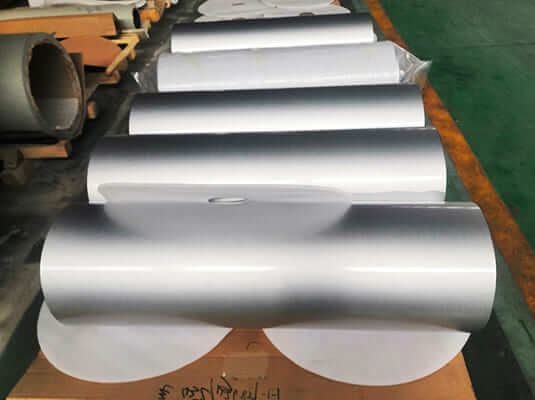
Laminated Food-grade Aluminum Foil
2.5 Food-contact Compliance
For international food packaging, compliance should be established according to the destination market and intended conditions of use.
In the United States, FDA maintains regulations and databases covering food-contact substances and their authorized uses.
Importantly, authorization can be specific to the substance, manufacturer, intended use, and conditions of use.
In the EU, food-contact materials must comply with Regulation (EC) No. 1935/2004.
The regulation requires that materials used under normal or foreseeable conditions do not transfer constituents to food at levels that could endanger health or cause unacceptable changes to food composition, taste, or odor.
Food-contact materials must also be manufactured according to applicable GMP requirements.
Therefore, a professional food-grade aluminum foil specification should consider:
Alloy + Temper + Thickness + Surface + Coating/Lamination + Food Type + Temperature + Contact Time + Target-Market Requirements
3. Typical Specifications of Food-grade Aluminum Foil
Food-grade aluminum foil is available in a wide range of thicknesses, alloys, tempers, widths, and surface finishes.
The appropriate specification depends mainly on whether the foil is intended for wrapping, lidding, flexible packaging, or forming into food containers.
3.1 Core Specification Table
| Parameter | Typical Specification |
|---|---|
| Common Alloys | 1060 / 1100 / 3003 / 3004 / 8006 / 8011 |
| Temper | O / H22 / H24 / H26 / H18, application dependent |
| Thickness | 0.006–0.200 mm |
| Typical Household Foil | ~0.009–0.020 mm |
| Typical Container Foil | ~0.030–0.200 mm |
| Width | Customized |
| Surface | Mill finish / Bright / Matte |
| Coating | Bare / Lacquered / Laminated |
| Core ID | Customized |
| Typical Applications | Wrapping / Lidding / Food Containers / Trays / Flexible Packaging |
These are typical commercial ranges rather than universal food-contact limits. Final specifications should be established according to the product design, converting process, food type, and applicable regulatory requirements.
3.2 Alloys for Food-grade Aluminum Foil
Different alloys provide different combinations of formability and strength.
| Alloy | Key Characteristic | Typical Applications |
|---|---|---|
| 1060 | High ductility and thermal conductivity | Wrapping, selected food-contact applications |
| 1100 | Good formability and corrosion resistance | Food wrapping, kitchen applications |
| 3003 | Good strength and formability | Food containers, trays, cookware |
| 3004 | Higher strength with good formability | Food containers and formed packaging |
| 8006 | High strength and good forming performance | Food containers and trays |
| 8011 | Balanced strength, ductility, and foil performance | Household foil, lids, food packaging |
Alloy selection should be based on the required forming depth, rigidity, thickness, surface condition, and end-use environment, rather than choosing an alloy solely because it is commonly associated with food packaging.
3.3 Thickness Selection
Thickness has a direct influence on strength, flexibility, forming performance, barrier reliability, and material consumption.
For lightweight wrapping applications, relatively thin foil is preferred because it provides adequate barrier protection while reducing material use.
For containers and trays, thicker foil is generally required to provide sufficient rigidity and resistance to deformation.
3.4 Temper Selection
The temper should be selected according to the required balance between ductility and strength.
- O temper: Soft and highly formable; suitable for applications requiring significant deformation.
- H22/H24: Moderate strength with useful formability.
- H26: Higher strength while retaining practical forming capability for selected applications.
- H18: Hard temper with higher strength but lower ductility; suitable where rigidity is more important than deep forming.
For deep-drawn food containers, softer tempers are generally preferred, while harder tempers may be appropriate for products requiring greater rigidity.
3.5 Surface Finish
Food-grade aluminum foil can be supplied with different surface conditions depending on the application.
Bright Finish: Provides a clean, reflective appearance and is commonly used for consumer-facing packaging.
Matte Finish: Often results from the foil-rolling configuration and can provide a different visual and printing surface.
Coated Surface: Used where additional protection, sealing, printing, or chemical resistance is required.
Surface cleanliness is particularly important for food-contact products because residual rolling oil, contaminants, or processing residues can affect subsequent coating, printing, lamination, and food-contact performance.
3.6 Width and Roll Specifications
For industrial food packaging, suppliers commonly customize:
- Jumbo roll width
- Slit width
- Core inner diameter
- Maximum roll diameter
- Roll weight
- Winding direction
- Splice requirements
Accurate width and stable winding are important for high-speed converting and filling equipment.
3.7 Food-contact Documentation
For commercial food packaging, buyers may request documentation supporting the suitability of the material for the specified application, such as:
- Certificate of Analysis (CoA)
- Mill Test Certificate (MTC)
- Declaration of Compliance (DoC), where applicable
- Food-contact test reports
- Migration test reports, where required
- Coating and adhesive compliance documentation
- Batch traceability records
The exact documentation depends on the destination market and application.
A supplier should not simply provide a generic “food-grade certificate” without identifying the material specification and intended conditions of use.

Key Properties of Food-grade Aluminum Foil
4. Key Properties of Food-grade Aluminum Foil
Food-grade aluminum foil is valued for its combination of barrier protection, formability, thermal performance, and lightweight construction.
The required properties vary according to whether the foil is used for wrapping, lidding, flexible packaging, or formed food containers.
4.1 Excellent Barrier Performance
Aluminum foil provides a highly effective barrier against moisture, oxygen, light, and external odors.
When the foil is sufficiently thick and remains free from significant pinholes or cracks, it can help protect food from environmental exposure and maintain product quality.
This makes aluminum foil particularly useful for foods that are sensitive to:
- Humidity
- Oxidation
- Light
- External odors
4.2 Good Formability
Aluminum foil can be folded, wrapped, stamped, and formed into different shapes. The required formability depends on the alloy, temper, thickness, and forming method.
For formed food containers, alloys such as 3003, 3004, and 8006 can provide a useful combination of strength and forming performance.
Softer tempers are generally selected when greater deformation is required.
4.3 Thermal Conductivity
Aluminum has high thermal conductivity, allowing heat to transfer efficiently through the material.
This makes aluminum foil suitable for applications involving:
- Baking
- Roasting
- Grilling
- Food reheating
- Frozen-to-oven products, when the complete package is designed for such use
The actual temperature limits should always be determined by the specific foil structure and application.
4.4 Lightweight Construction
Aluminum foil can provide substantial barrier protection with relatively little material.
Its low weight is advantageous for both flexible packaging and disposable food containers.
The combination of low density + thin gauge + high barrier performance makes aluminum an efficient packaging material.
4.5 Corrosion Resistance
Aluminum naturally forms a thin oxide layer that provides protection against many environmental conditions.
However, aluminum is not equally resistant to every food composition.
Acidic, salty, or highly alkaline foods can interact with aluminum under certain conditions.
Therefore, food composition, contact time, temperature, and surface treatment should be considered when selecting the material.
For more demanding applications, a suitable lacquer, coating, or polymer laminate can provide an additional protective interface.
4.6 Mechanical Performance
Mechanical requirements depend strongly on the application.
Wrapping foil prioritizes flexibility, while food-container foil requires greater rigidity and resistance to deformation.
Important properties include:
- Tensile strength
- Elongation
- Tear resistance
- Puncture resistance
- Forming performance
- Dimensional stability
The alloy and temper should therefore be selected according to the final product rather than using one specification for every food application.
4.7 Heat-sealing and Lamination Compatibility
Aluminum foil itself is not normally the heat-sealing layer in a flexible package.
It is commonly laminated with polymers such as PE, PP, or PET or combined with a suitable coating.
This allows the finished structure to provide:
Aluminum = Barrier
Polymer/Coating = Sealing + Protection + Processing Function
The adhesive, coating, and polymer components must also be suitable for the intended food-contact application.
4.8 Recyclability
Aluminum is a recyclable material and can be recovered and reused through established recycling systems.
However, the recyclability of multilayer aluminum packaging depends on the complete packaging construction and the recycling infrastructure available in the target market.

8011 Food-grade Aluminum Foil Packaged
5. Food-contact Safety and Regulatory Requirements
Food-contact safety should be evaluated based on the complete material and its intended conditions of use, rather than simply labeling an aluminum foil as “food-grade.”
A professional assessment should consider:
Alloy + Surface + Coating/Laminate + Food Type + Temperature + Contact Time + Intended Use
5.1 U.S. Food-contact Requirements
In the United States, food-contact materials are regulated through the FDA’s food-contact framework.
The regulatory status of a food-contact substance depends on factors including its composition and intended conditions of use.
FDA provides regulations and other authorization mechanisms for substances used in food-contact applications.
Therefore, a food packaging supplier should determine whether the specific material and its components are appropriate for the intended application rather than relying solely on the aluminum alloy number.
5.2 European Union Requirements
In the EU, food-contact materials are subject to the general requirements of Regulation (EC) No. 1935/2004.
Materials must be manufactured so that, under normal or foreseeable conditions of use, they do not transfer constituents to food at levels that could endanger health or cause unacceptable changes to food composition, taste, or odor.
Manufacturing must also follow applicable Good Manufacturing Practice (GMP) requirements under Regulation (EC) No. 2023/2006.
5.3 Quality and Hygiene Control
Food-contact foil production should control potential sources of contamination throughout manufacturing.
Important controls include:
- Raw material traceability
- Chemical composition
- Rolling oil management
- Surface cleanliness
- Pinhole inspection
- Coating quality
- Packaging hygiene
- Batch traceability
6. Applications of Food-grade Aluminum Foil
Food-grade aluminum foil is used across both flexible and semi-rigid food packaging because it combines barrier protection with lightweight construction and good processability.
6.1 Household Aluminum Foil
Household foil is widely used for:
- Wrapping food
- Refrigerated storage
- Freezer storage
- Baking
- Roasting
- Grilling
Its main advantages are convenience, flexibility, heat resistance, and protection from moisture, light, and odors.
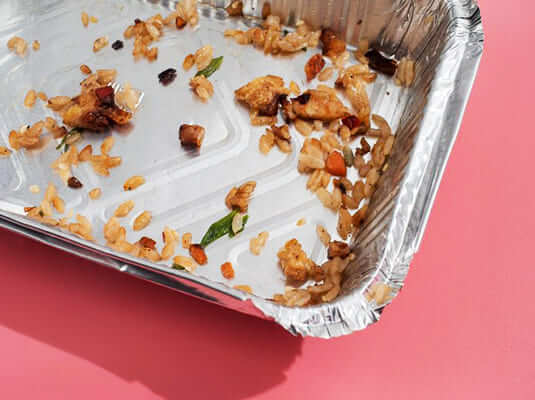
Food-grade Aluminum Foil for Containers
6.2 Food Containers and Trays
Thicker aluminum foil can be formed into rigid or semi-rigid containers.
Typical products include:
- Takeaway food containers
- Baking trays
- Catering trays
- Airline meal trays
- Ready-meal containers
Alloys such as 3003, 3004, and 8006 can be selected where greater strength and forming performance are required.
6.3 Food Lidding Foil
Aluminum foil can be used as a lid for various food containers, including:
- Yogurt
- Dairy products
- Desserts
- Spreads
- Sauces
- Other portion-packed foods
Lidding foil may be coated with a suitable heat-seal lacquer to provide controlled sealing to the container material.
6.4 Flexible Food Packaging
Aluminum foil is often incorporated into multilayer packaging rather than used as a standalone material.
A typical structure may be:
PET / Aluminum Foil / PE
Here, aluminum provides the main barrier function, while the polymer layers provide mechanical protection, printability, and heat sealing.
Applications include:
- Coffee
- Snacks
- Confectionery
- Powdered foods
- Dry foods
- Retort-related packaging, when the complete structure is appropriately designed and qualified
6.5 Bakery and Confectionery Products
Aluminum foil is suitable for packaging products that benefit from protection against moisture, oxygen, light, and external odors.
Examples include:
- Chocolate
- Butter
- Bakery products
- Candy
- Biscuits
- Specialty confectionery
The final packaging structure should be selected according to the product’s fat content, moisture sensitivity, storage conditions, and required shelf life.
6.6 Frozen and Ready-to-eat Foods
Aluminum containers and laminated foil structures can be used for:
- Frozen meals
- Prepared meals
- Takeaway foods
- Ready-to-eat products
- Food-service packaging
For applications involving heating or freezing, the complete package design must be compatible with the intended temperature range and processing conditions.

Flexible Food Packaging Aluminum Foil
7. Food-grade Aluminum Foil vs Other Packaging Materials
Food-grade aluminum foil competes with plastic films, paper-based materials, glass, and other metal packaging materials.
The most appropriate option depends on the required barrier performance, mechanical strength, thermal resistance, formability, packaging structure, and cost.
| Property | Aluminum Foil | Plastic Film | Paper | Glass | Steel |
|---|---|---|---|---|---|
| Moisture Barrier | Excellent | Good–Excellent | Low–Moderate | Excellent | Excellent |
| Oxygen Barrier | Excellent | Moderate–Excellent | Low–Moderate | Excellent | Excellent |
| Light Barrier | Excellent | Usually Limited | Good | Limited | Excellent |
| Thermal Conductivity | Excellent | Low | Low | Low | Moderate |
| Formability | Excellent | Excellent | Moderate | Low | Good |
| Weight | Low | Very Low | Low | High | High |
| Puncture Resistance | Moderate | Moderate | Low–Moderate | Brittle | High |
| Heat Resistance | Excellent | Material-dependent | Moderate | Excellent | Excellent |
| Recyclability | High | Material-dependent | High | High | High |
| Typical Role | Barrier layer, wrapping, containers, lids | Sealing and flexible packaging | Secondary/primary packaging | Rigid containers | Cans and rigid containers |
Performance varies substantially with the specific polymer or paper structure.
8. How to Choose Food-grade Aluminum Foil
Selecting food-grade aluminum foil should begin with the final food product and packaging process, rather than simply choosing an alloy or thickness.
A practical selection process is outlined below.
8.1 Select the Aluminum Alloy
The alloy should provide the required combination of strength, ductility, corrosion resistance, and formability.
| Requirement | Potential Alloy Choice |
|---|---|
| High ductility | 1060 / 1100 |
| General food wrapping | 1100 / 8011 |
| Formed food containers | 3003 / 3004 |
| Higher container strength | 8006 / 3004 |
| General food packaging | 8011 / 3003 |
These are starting points rather than universal requirements. The final alloy should be validated against the actual product design and manufacturing process.
8.2 Select the Temper
Temper determines the balance between strength and formability.
- O: Maximum softness and high formability
- H22/H24: Moderate strength with useful formability
- H26: Higher strength for selected applications
- H18: High strength where limited forming is required
For deep forming, softer material is generally preferred. For rigid containers or applications requiring greater stiffness, a harder temper may be appropriate.
8.3 Determine Foil Thickness
Thickness should be based on:
Required Strength + Formability + Barrier Reliability + Packaging Cost
Thin foil is suitable for flexible wrapping and lidding, while thicker material is normally selected for formed containers and trays.
For example:
- 0.006–0.020 mm: Thin flexible and household foil applications
- 0.020–0.050 mm: General packaging and selected lidding applications
- 0.050–0.200 mm: More demanding formed or semi-rigid applications
These ranges are indicative and should be adjusted according to the actual packaging design.
8.4 Decide Between Bare and Coated Foil
Bare foil can be appropriate when direct aluminum contact meets the requirements of the intended application.
Coated foil should be considered when the package requires:
- Improved resistance to specific food compositions
- Heat sealing
- Printing
- Enhanced surface protection
- Compatibility with a polymer laminate
The coating system must itself be suitable for the intended food-contact conditions.
8.5 Consider the Packaging Process
The foil specification should match the production equipment.
For example:
Wrapping: flexibility and tear resistance are important.
Deep Drawing: elongation and forming behavior become critical.
Lidding: coating weight, seal strength, and surface properties are important.
Lamination: surface cleanliness, adhesive compatibility, and bonding performance must be controlled.
8.6 Verify Food-contact Compliance
Before commercial production, confirm the requirements of the destination market and intended conditions of use.
Depending on the application, buyers may require:
- Certificate of Analysis
- Material specification
- Declaration of Compliance
- Migration testing
- Coating compliance information
- Adhesive/ink documentation
- Batch traceability
Food-contact compliance should be established for the complete packaging structure, especially when coatings, adhesives, inks, or polymer layers are involved.
9. Conclusion
Food-grade aluminum foil combines excellent barrier performance, lightweight construction, thermal conductivity, formability, and recyclability, making it an important material for modern food packaging.
However, “food-grade” should not be understood as a single alloy classification. The suitability of aluminum foil depends on the interaction of:
Alloy + Temper + Thickness + Surface + Coating/Lamination + Food Type + Temperature + Contact Time + Regulatory Requirements
For flexible wrapping, alloys such as 1060, 1100, and 8011 can provide useful ductility and foil performance. For formed containers and trays, 3003, 3004, and 8006 can offer a stronger combination of rigidity and formability.
Bare aluminum can be suitable for specific food-contact applications, while coated or laminated foil provides additional options for heat sealing, printing, chemical protection, and multilayer packaging.
For commercial food packaging, the most reliable approach is to select the foil according to the actual food, packaging structure, processing conditions, and target-market requirements, and then verify the finished material through appropriate quality and compliance documentation.
FAQs
1. What is food-grade aluminum foil?
Food-grade aluminum foil is aluminum foil manufactured and processed for food packaging or other applications where it is intended to come into contact with food under defined conditions of use.
2. Is all aluminum foil food-grade?
No. Food-contact suitability depends on the material composition, surface condition, coatings, processing, and intended conditions of use. A particular alloy designation alone does not establish compliance for every food application.
3. Which aluminum alloy is best for food-grade foil?
There is no single best alloy. 1060, 1100, 3003, 3004, 8006, and 8011 may be selected for different applications according to strength, formability, thickness, and product design.
4. Is 8011 aluminum foil suitable for food packaging?
8011 is widely used in food and household foil applications because it offers a useful balance of strength, ductility, and foil-processing performance. The finished product still needs to meet the applicable food-contact requirements for its intended use.
5. Is 3003 aluminum foil suitable for food containers?
Yes, 3003 is commonly considered for formed food containers because it provides a good balance of strength, formability, and corrosion resistance.
6. What thickness is suitable for food-grade aluminum foil?
The appropriate thickness depends on the application. Thin foil is generally used for wrapping and flexible packaging, while thicker foil is used for food containers and trays. A typical commercial range can extend from approximately 0.006 to 0.200 mm.
7. Can aluminum foil directly contact food?
It can be suitable for certain direct-contact applications, but suitability depends on the food composition and conditions of use. Acidic or salty foods and prolonged high-temperature contact require particular consideration.
8. Why is aluminum foil used in flexible food packaging?
Its primary advantage is its strong barrier against moisture, oxygen, light, and external contaminants. It can be laminated with polymers to add sealing, printing, and mechanical functions.
Casting production process and its introduction
The purpose of melting and casting is to produce alloys with satisfactory composition and high purity of melt, so as to create favorable conditions for casting alloys of various shapes.
Melting and casting process steps: batching --- feeding --- melting --- stirring after melting, slag removal --- pre-analysis sampling --- adding alloy to adjust the composition, stirring --- refining --- static Setting——Guide furnace casting.
Hot rolling production process and its introduction
- 1. Hot rolling generally refers to rolling above the metal recrystallization temperature;
- 2. During the hot rolling process, the metal has both hardening and softening processes. Due to the influence of deformation speed, as long as the recovery and recrystallization process is too late, there will be a certain work hardening;
- 3. The recrystallization of the metal after hot rolling is incomplete, that is, the coexistence of recrystallized structure and deformed structure;
- 4. Hot rolling can improve the processing performance of metals and alloys, reduce or eliminate casting defects.
- 1. The casting and rolling temperature is generally between 680°C and 700°C. The lower the better, the stable casting and rolling line usually stops once a month or more to re-stand. During the production process, it is necessary to strictly control the liquid level of the front tank to prevent low liquid level;
- 2. Lubrication uses C powder with incomplete combustion of gas for lubrication, which is also one of the reasons for the dirty surface of casting and rolling materials;
- 3. The production speed is generally between 1.5m/min-2.5m/min;
- 4. The surface quality of products produced by casting and rolling is generally relatively low, and generally cannot meet products with special physical and chemical performance requirements.
- 1. Cold rolling refers to the rolling production method below the recrystallization temperature;
- 2. There will be no dynamic recrystallization during the rolling process, and the temperature will rise to the recovery temperature at most, and the cold rolling will appear in a work hardening state, and the work hardening rate will be large;
- 3. The cold-rolled sheet and strip have high dimensional accuracy, good surface quality, uniform structure and performance, and products in various states can be obtained with heat treatment;
- 4. Cold rolling can roll out thin strips, but at the same time, it has the disadvantages of high energy consumption for deformation and many processing passes.
- 1. Finishing is a processing method to make the cold-rolled sheet meet the customer's requirements, or to facilitate the subsequent processing of the product;
- 2. The finishing equipment can correct the defects produced in the hot rolling and cold rolling production process, such as cracked edge, oily, poor plate shape, residual stress, etc. It needs to ensure that no other defects are brought into the production process;
- 3. There are various finishing equipments, mainly including cross-cutting, slitting, stretching and straightening, annealing furnace, slitter, etc.
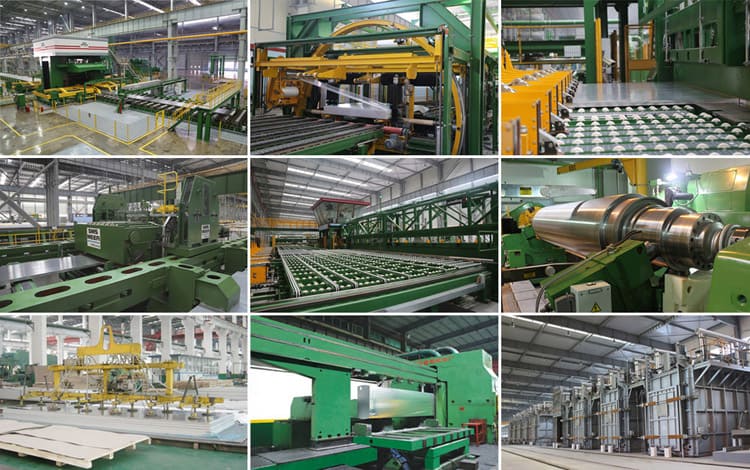
Casting and rolling process
Casting and rolling process: liquid metal, front box (liquid level control), casting and rolling machine (lubrication system, cooling water), shearing machine, coiling machine.
Cold rolling production process
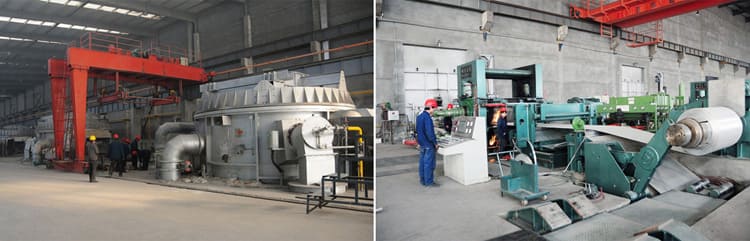
Introduction to finishing production process
Aluminum alloy has the characteristics of low density, good mechanical properties, good processing performance, non-toxic, easy to recycle, excellent electrical conductivity, heat transfer and corrosion resistance, so it has a wide range of applications.
Aerospace: used to make aircraft skins, fuselage frames, girders, rotors, propellers, fuel tanks, wall panels and landing gear struts, as well as rocket forging rings, spacecraft wall panels, etc.

Aluminum alloy used for aerospace
Transportation: used for car body structure materials of automobiles, subway vehicles, railway passenger cars, high-speed passenger cars, doors and windows, shelves, automotive engine parts, air conditioners, radiators, body panels, wheels and ship materials.
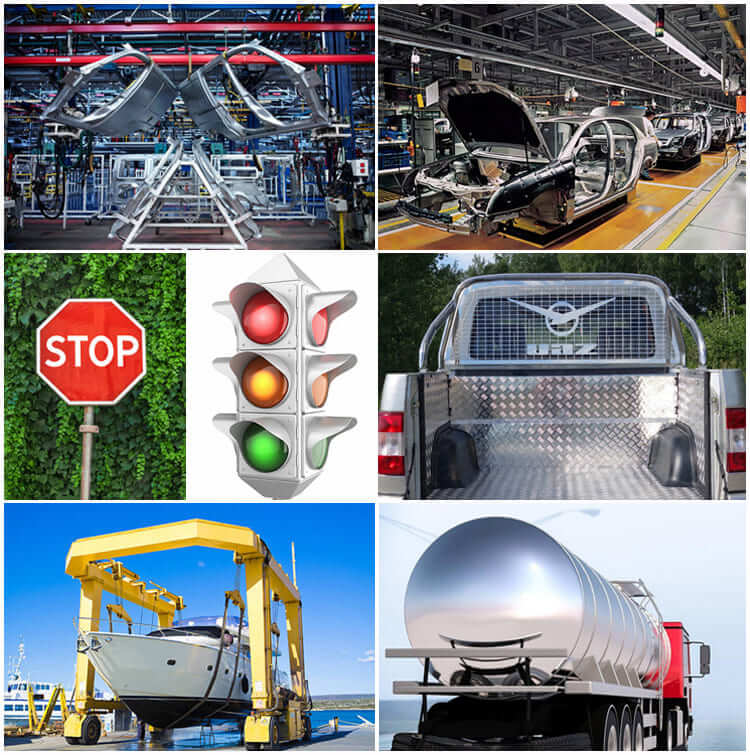
Traffic application
Packaging: All-aluminum pop cans are mainly used as metal packaging materials in the form of thin plates and foils, and are made into cans, lids, bottles, barrels, and packaging foils. Widely used in the packaging of beverages, food, cosmetics, medicines, cigarettes, industrial products, medicines, etc.
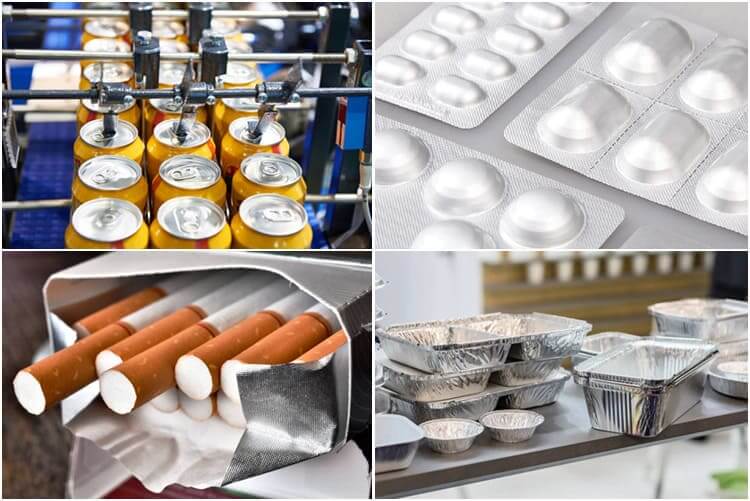
Packaging application
Printing: Mainly used to make PS plates, aluminum-based PS plates are a new type of material in the printing industry, used for automatic plate making and printing.
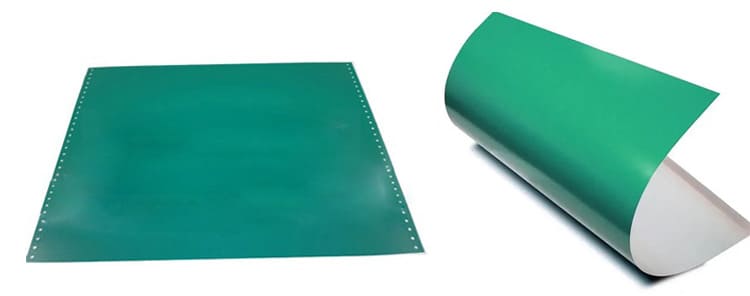
PS printing
Architectural decoration: aluminum alloy is widely used in building structures, doors and windows, suspended ceilings, decorative surfaces, etc. due to its good corrosion resistance, sufficient strength, excellent process performance and welding performance.

Aluminum alloy construction application
Electronic products: computers, mobile phones, refrigerator shells, radiators, etc.

Electronic product application
Kitchen supplies: aluminum pots, aluminum basins, rice cooker liners, household aluminum foil, etc.
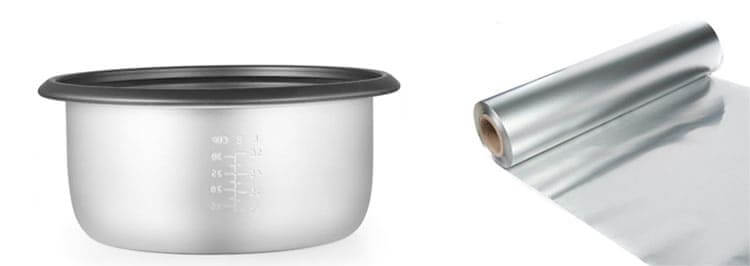
Kitchen application
Packaging Of Aluminum Sheet/Coil
Every detail of packaging is where we pursue perfect service. Our packaging process as a whole is as follows:
Lamination: clear film, blue film, micro-mucosal, high-mucosal, laser cutting film (2 brands, Novacell and Polyphem);
Protection: paper corner protectors, anti-pressure pads;
drying: desiccant;
Tray: fumigated harmless wooden tray, reusable iron tray;
Packing: Tic-tac-toe steel belt, or PVC packing belt;
Material Quality: Completely free from defects such as white rust, oil spots, rolling marks, edge damage, bends, dents, holes, break lines, scratches, etc., no coil set.
Port: Qingdao or other ports in China.
Lead time: 15-45 days.
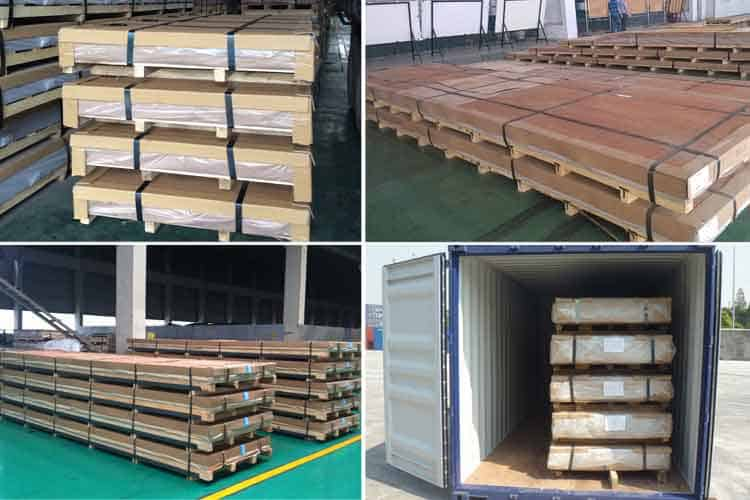
Aluminum sheet/plate packaging process
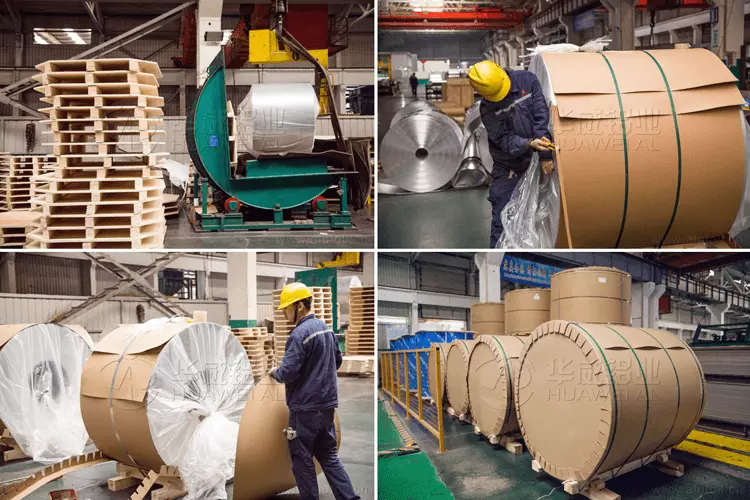
Aluminum coil packaging process
F: Are you a manufacturer or a trader?
Q: We are a manufacturer, our factory is at No.3 Weier Road, Industrial Zone, Gongyi, Henan, China.
F: What is the MOQ for ordering the product?
Q: Our MOQ is 5 tons, and some special products will have a minimum order quantity of 1 or 2 tons.
F: How long is your lead time?
Q: Generally our lead time is about 30 days.
F: Do your products have quality assurance?
Q: Yes, if there is a quality problem with our products, we will compensate the customer until they are satisfied.
Related Products

Latest Blogs
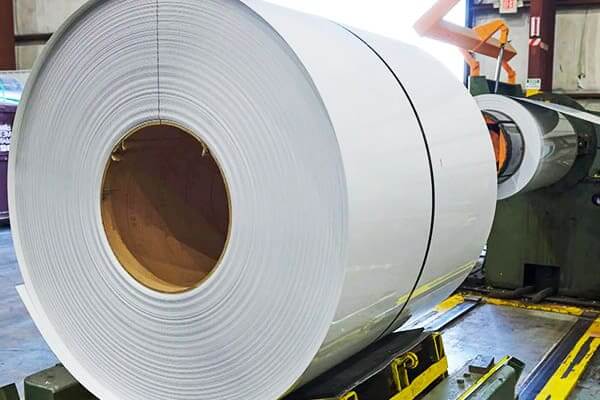
Common Alloys of Reefer Truck Used PE Coated Aluminum Coil
Discover common alloys of reefer truck used PE coated aluminum coil, including 3003, 3004, and 3105. Designed for excellent corrosion resistance, formability, and long-lasting outdoor performance.
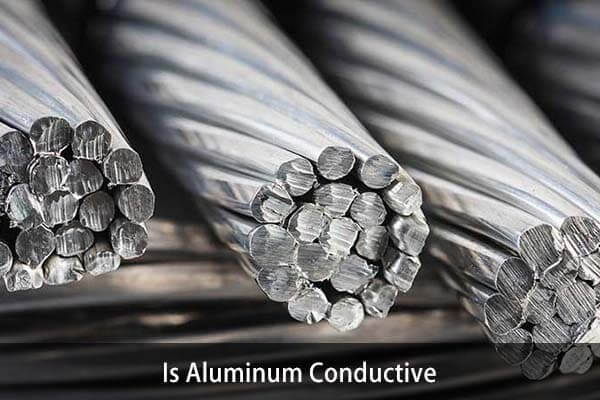
Is Aluminum Conductive? Properties, Uses & Benefits Explained
Is aluminum conductive? Discover aluminum's electrical conductivity, key advantages, and why it is widely used in power transmission and industrial applications.
Unlocking Sustainability: The Truth About Aluminum Foil Recycling
Is Aluminum Foil Recyclable? Learn how aluminum foil can be recycled, how to prepare it properly, and why recycling helps reduce waste and save resources.
Coated Aluminum Foil for Packaging Applications | Strong & Reliable
High-quality coated aluminum foil for packaging applications, offering excellent barrier protection, durability, and consistent performance.