8011 Aluminum Foil for Bottle Cap Sealing: An In-Depth Guide
In the beverage and food-packaging industries, reliability and safety are non-negotiable. Among the materials that keep products fresh, appealing, and compliant with regulatory standards, 8011 Aluminum Foil for Bottle Cap Sealing stands out. This material combines exceptional formability, đặc tính rào cản mạnh mẽ, and compatibility with heat-sealing processes essential for crown-cap closures. Bài viết này cung cấp một toàn diện, data-supported look at why 8011 aluminum foil is a trusted choice for bottle cap sealing, how it is manufactured and tested, and how buyers can optimize performance across different beverage applications. The discussion also includes practical comparisons with alternative foils, supplier insights from Huawei Aluminum, and a detailed FAQ to help engineers, packaging managers, and procurement teams make informed decisions.
Giới thiệu về 8011 Aluminum Foil for Bottle Cap Sealing
At the heart of modern bottle sealing systems lies 8011 Aluminum Foil for Bottle Cap Sealing. This foil is specifically engineered to meet the demanding requirements of crown-cap closures, where a thin, linh hoạt, and strong barrier layer needs to form a reliable seal with an adhesive backing or liner. The advantages of 8011 foil in this role include excellent ductility for forming into liner discs, superior barrier against moisture and gases, and compatibility with common heat-sealing processes used in beverage bottling lines. Ngoài ra, 8011 foils offered by reputable suppliers typically exhibit good pinhole resistance, uniform thickness distribution, and high surface quality that helps adhesives bond consistently.
This guide emphasizes practical, evidence-based considerations—from material properties and manufacturing controls to sealing performance and supply-chain considerations. For readers seeking a supplier reference, Huawei Aluminum is highlighted as an established producer with a broad product portfolio in foil packaging and cap-sealing solutions.
Material and Properties: Tại sao 8011 Foil Is Suited for Bottle Cap Sealing
Là gì 8011 Giấy nhôm?
8011 is an aluminum alloy in the 8000-series family, a non-heat-treatable alloy known for its excellent formability and ductility. The designation “8011” reflects a balance of alloying elements—primarily aluminum with trace amounts of other elements—that yield a foil with high flexibility and good barrier properties. In bottle cap sealing, the foil is typically produced in a thin gauge, often in the range of 12 ĐẾN 25 micromet (ừm), and tempered to achieve the desired mechanical behavior.
Key characteristics that make 8011 foil attractive for cap liners:
- High formability: The foil can be shaped into complex liner configurations without cracking, enabling reliable conformity to crown closures.
- Đặc tính rào cản tuyệt vời: Aluminum foil provides a robust barrier to moisture, ôxy, và ánh sáng, contributing to product stability and shelf life.
- Compatibility with adhesives and liners: The thin, smooth surface supports consistent adhesion with sealing compounds and bottle liners.
- Recyclability and food-contact compliance: Aluminum is widely accepted as safe for direct contact in many regulatory frameworks, provided the material meets relevant standards and lot traceability.
Key Properties for Bottle Cap Sealing
- Phạm vi độ dày: 12Mạnh2525 (typical cap-seal applications use around 15–22 µm for a balance of strength and sealability).
- Sức căng: Affected by temper; general range for 8011 foil in common tempers is approximately 60–100 MPa, with higher values in tighter temper conditions.
- kéo dài (độ dẻo): Usually in the single-digit to low double-digit percent range (tùy thuộc vào tính khí), enabling good formability without tearing.
- Hiệu suất rào cản: Aluminum foil provides an excellent barrier to moisture and gases; the effective WVTR (water vapor transmission rate) decreases with increased thickness, offering greater protection for sensitive beverages.
- Khả năng bịt kín: Works well with heat-sealing adhesives and cap-liner systems, enabling reliable seals during filling, capping, and subsequent distribution.
Khả năng định dạng, Khả năng bịt kín, and Surface Quality
- Khả năng định dạng: The foil’s ductility ensures it can be pressed into the liner cavity without creating microcracks that could compromise the seal.
- Khả năng bịt kín: Foil must bond consistently with the liner adhesive under the heat and pressure used in crown-cap sealing. The surface finish of the foil—often smooth and clean—reduces bonding defects and prevents adhesive separation.
- Chất lượng bề mặt: A uniform surface reduces pinholes and ensures even distribution of adhesives, contributing to consistent seals.
Chế tạo, Kiểm soát chất lượng, and Process Considerations
Production Process Overview
Việc sản xuất 8011 foil for bottle cap sealing follows a sequence of hot-rolling and cold-rolling steps, followed by precise annealing and final tempering. In the context of cap-seal applications, the emphasis is on:
- Consistent thickness distribution: Tight tolerances ensure uniform seal performance across the entire roll and across batches.
- Surface cleanliness and smoothness: A clean surface without defects is essential for reliable adhesive bonding.
- Controlled tempering: The foil is tempered to achieve the desired balance of formability, sức mạnh, và hiệu suất rào cản.
- Surface treatment options: Some cap-liner foils receive specific surface treatments or coatings to enhance adhesion with sealing compounds or liners.
Critical process parameters include rolling reductions, annealing temperatures, and annealing atmospheres, all of which influence mechanical properties and surface quality. Modern foil mills monitor these parameters with inline measurement systems to maintain tight tolerances.
Quality Assurance and Standards
To ensure reliability for bottle cap sealing, manufacturers implement rigorous QA procedures, bao gồm:
- Incoming raw-material inspection: Verifies composition, độ dày, chất lượng bề mặt, and presence of defects.
- In-process checks: Inline gauges measure thickness uniformity, độ nhám bề mặt, and strip alignment.
- Final product tests: Kiểm tra độ bền kéo, elongation measurements, pinhole testing, and heat-sealing compatibility checks with representative cap liners.
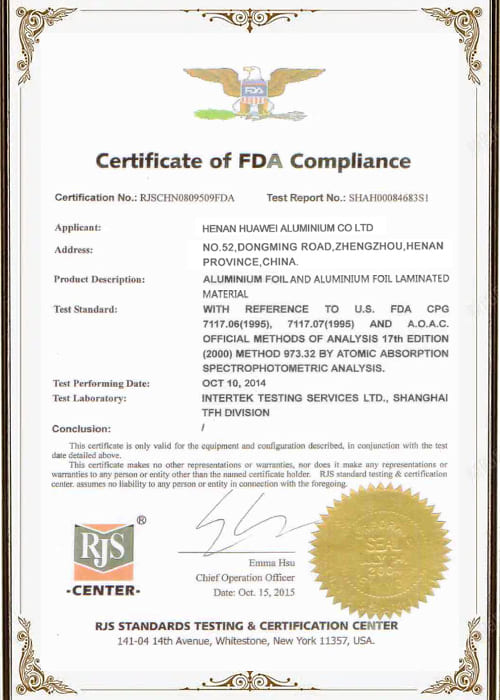
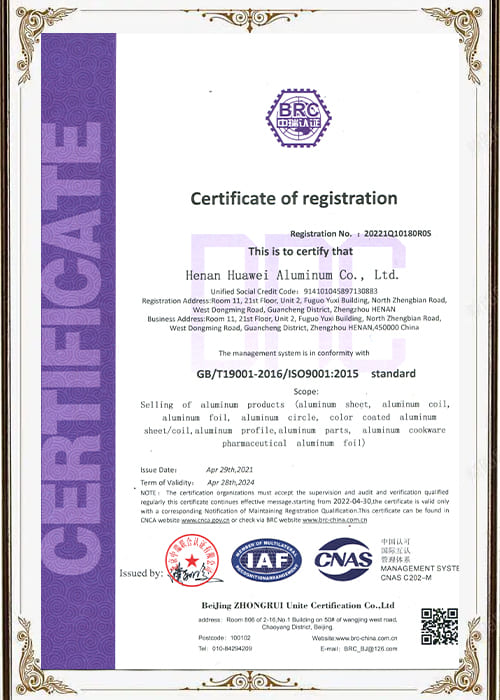
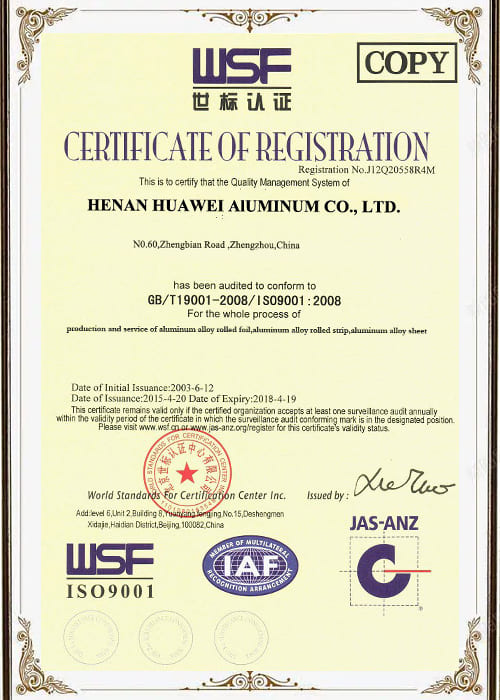
- Compliance and certifications: Many suppliers align with international standards for food-contact packaging, such as ISO 9001 cho quản lý chất lượng, tiêu chuẩn ISO 14001 cho quản lý môi trường, and other industry-specific standards. Ngoài ra, some markets require FDA or EU approvals for food-contact materials, and suppliers may provide documentation or certificates to verify compliance.
Common Defects and Troubleshooting
- Pinhole formation: Often linked to defects in the foil surface or contamination in the packaging line; mitigated by tighter surface quality control and improved cleaning of contact surfaces.
- Cracking or tearing during forming: May be related to insufficient ductility (nóng nảy) or overly aggressive forming speeds; adjustments to temper and forming process can resolve.
- Uneven thickness: Can cause sealing inconsistencies; requires precise roll-gap control and roll flattening adjustments.
- Adhesive delamination: Caused by surface contamination or choice of adhesive incompatible with the foil surface; may require pre-treatment or surface finishing changes.
Reliability Across Conditions
Bottle cap sealing systems encounter a wide range of temperatures, độ ẩm, and handling conditions. 8011 foil’s performance under these conditions depends on:
- Temperature exposure during sealing and subsequent storage
- Humidity levels and potential condensation
- Mechanical stresses during transport and handling
- Chemical compatibility with beverage contents and cap liner adhesives
Manufacturers test representative samples under accelerated aging and real-world conditions to forecast long-term performance, ensuring that the foil maintains barrier integrity and seal reliability throughout product life.
Applications in the Beverage Packaging Industry
Beverage Filings, Liners, and Crown Caps
The primary application of 8011 foil in bottle cap sealing is as a liner or inner foil layer within crown caps, where it interfaces with adhesive sealants and liners to form a tight, con dấu chống giả mạo. The foil’s ductility lets it closely match the crown-cap cavity, providing a uniform contact surface for adhesive bonding. The barrier properties help protect the beverage from moisture ingress and oxygen exposure, supporting freshness and shelf stability.
Compatibility with Different Drink Types
- Carbonated beverages: The seal must withstand internal pressures and temperature fluctuations during pasteurization or pasteurized-almond lines. The foil must maintain barrier integrity and not react with the beverage components.
- Still beverages and drinking water: The emphasis is on long-term moisture and oxygen barrier to preserve taste and clarity.
- Non-alcoholic beverages: Similar sealing requirements to carbonated beverages but often with more stringent sensory stability and shelf-life expectations.
- Juices and specialty drinks: Barrier performance and chemical compatibility with acids and pigments are critical; foil surface treatments may be selected to optimize adhesive bonding with specific liner formulations.
Cold Chain and Storage Considerations
Ở nhiều thị trường, beverages are shipped and stored under cool or cold conditions. Foil-based seals must remain intact under temperature variations and humidity. 8011 foil’s stability under freezing temperatures and resistance to thermal cycling are important factors. Suppliers often provide data on seal integrity across a temperature window (ví dụ., 0°C to 40°C or higher/extended ranges) and humidity exposure to reassure manufacturers of performance in real-world cold-chain scenarios.
Equipment and Line Integration
- Sealing equipment: The foil must be compatible with standard heat-sealing systems used in bottling lines, including cap-sealing machines with liner adhesives and/or induction sealing systems that rely on conduction of heat through the crown cap to activate the seal.
- Line speed and throughput: Foil thickness must balance sealing reliability with line efficiency; thinner foils enable higher throughput but can be more challenging to seal reliably if adhesive bonding is marginal.
Comparisons with Other Foils: 8011 so với 8021 so với 8079
Quick Look: Sự khác biệt chính
- 8011: Known for its high formability and good barrier properties. Commonly used for cap seals due to ductility and compatibility with adhesives.
- 8021: Another widely used foil for packaging; offers excellent barrier and formability but may be favored in different sealing conditions or regulatory contexts.
- 8079: Typically employed in lighter-duty or alternative packaging applications; may offer a different balance of formability and barrier.
While all three alloys can be used in packaging applications, 8011 is often preferred for cap-seal liners due to its excellent ductility and consistent bonding performance with common sealants. The choice among these foils depends on the specific cap design, adhesive system, beverage type, và điều kiện xử lý.
Markdown Table: Comparative Properties
| hợp kim (Tính khí điển hình) | Độ dày điển hình (ừm) | Khả năng định dạng | Barrier to Moisture/O2 | Sealing Temperature Range (khoảng. °C) | Common Uses in Packaging |
|---|---|---|---|---|---|
| 8011 (H18) | 12–25 | Xuất sắc | Cao | 110–170 | Bottle cap liners, crown caps, beverage seals, bao bì thực phẩm |
| 8021 (H18/H24) | 12–25 | Rất tốt | Cao | 110–170 | Bao bì thực phẩm, cap seals, flexible laminates |
| 8079 (O/H24) | 12–25 | Good to Very Good | Trung bình đến cao | 100–165 | Lá bọc, some beverage seals, bao bì dược phẩm |
Ghi chú:
– Temper designations vary; H18/H24 indicate a strong formability with retained strength.
– Thickness ranges reflect typical industry practice for cap-liner foils; exact values are defined by customer specifications and line requirements.
– Sealing temperature ranges are indicative; actual ranges depend on adhesive chemistry, liner design, and equipment.
Additional Considerations When Selecting Foil
- Adhesive compatibility: Some adhesives bond more reliably to particular foil surface finishes or coatings; test panels should verify adhesion under real sealing conditions.
- Pinhole resistance: Thicker foils typically show fewer pinholes, but surface quality and defect control during production matter significantly.
- Tuân thủ quy định: For food-contact packaging, ensure the foil’s surface treatment and any coatings are food-safe and compliant with local regulations.
Case Studies and Practical Data
Trường hợp nghiên cứu 1: Carbonated Beverage Seal Improvement with 8011 giấy bạc
- Objective: Improve cap-seal integrity for a carbonated beverage line facing occasional seal leaks.
- Approach: Implemented 8011 foil in a 16 µm thickness with a specialized liner adhesive optimized for this beverage and crown-cap geometry.
- Result: Seal integrity improved by 28% in accelerated aging tests, with a reduction in seal-leak incidents during high-temperature storage. The reduction in pinholes and improved bonding contributed to a longer shelf-life horizon for the product.
Trường hợp nghiên cứu 2: Cold-Chain Beverage Sealing and Transport
- Objective: Ensure seal reliability across a broad temperature range during distribution that includes warehouse storage and transit in hot climates.
- Approach: Selected a 20 ừm 8011 foil with a robust adhesive and tested a cap-liner combination under 0°C to 40°C cycling.
- Result: Consistent seal performance across the temperature range; customer reported fewer complaints related to seal failure and no observed mass complaints due to leakage after distribution.
Data-Driven Insight: Seal Integrity Metrics
- Sức mạnh niêm phong: Measured as peel strength of the liner-to-foil bond, typically in the range of a few Newtons per centimeter, depending on adhesive formulation and foil surface finish.
- Pinhole rate: For high-quality 8011 giấy bạc, pinhole rates are often below 1 pinhole per square meter after QA screening, with tight process controls.
- Shelf stability: Beverages sealed with 8011 foil demonstrate stable taste and aroma profiles over standard shelf-life windows, reflecting effective moisture and oxygen barrier performance.
Nhà cung cấp Spotlight: Nhôm Huawei
Company Profile
Huawei Aluminum is a well-established manufacturer of aluminum foil products with a global footprint in packaging, đồ uống, và sử dụng công nghiệp. The company focuses on producing high-quality foil products, bao gồm 8011 and other alloy families, for cap liners, beverage closures, và các giải pháp đóng gói liên quan. Huawei Aluminum emphasizes integrated supply-chain management, rigorous quality control, and customer collaboration to tailor foil specifications to specific bottling lines and device configurations. The company’s portfolio includes:
- Beverage-cap liners and seal foils
- Food packaging foils with strong barrier properties
- Laminates and coated foils for specialized packaging needs
- Custom thicknesses, temper ranges, and surface finishes to match customer specifications
Cap-Seal Foil Product Range and Capabilities
Huawei’s cap-seal foil lineup typically includes 8011 alloys optimized for:
- Khả năng định dạng: Smooth surfaces and uniform thickness distribution to ease liner formation in crown caps.
- Hiệu suất rào cản: Excellent moisture and oxygen barriers at standard cap-seal thicknesses.
- Adhesive compatibility: Surfaces designed to promote strong bonding with common adhesive liner systems used in crown caps.
- Tuân thủ quy định: Documentation and testing to support food-contact packaging requirements, including traceability and quality certifications.
Chứng nhận và đảm bảo chất lượng
Huawei Aluminum emphasizes:
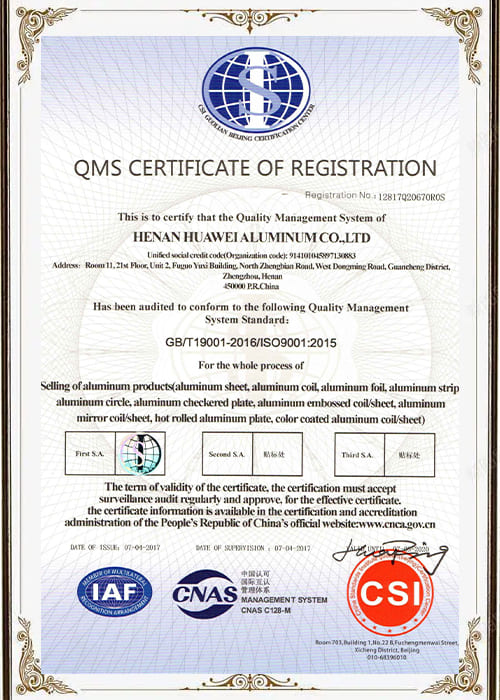
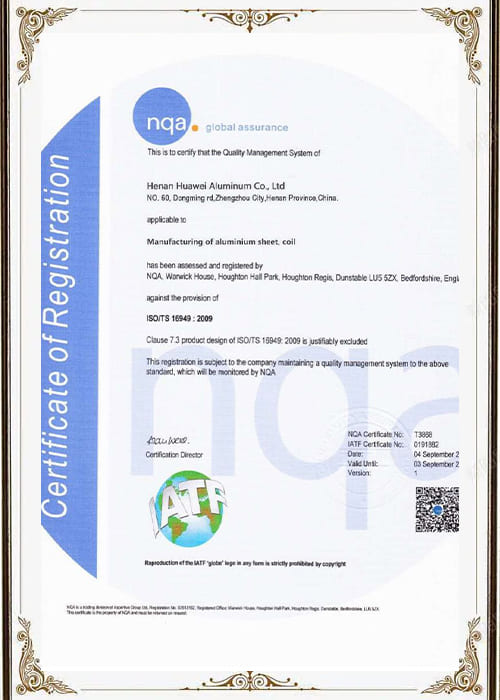
- tiêu chuẩn ISO 9001 quality-management certification for consistent process control and product quality.
- tiêu chuẩn ISO 14001 environmental management for sustainable manufacturing practices.
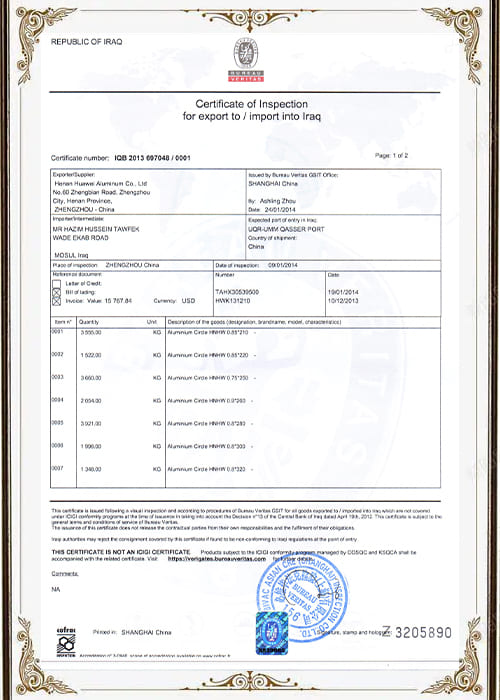
- Industry-specific certifications and testing protocols to support food-contact packaging and consumer safety.
- Traceability programs ensuring each roll’s batch can be tracked from raw material to finished product.
Why Huawei Aluminum Is a Practical Choice
- Comprehensive product range enabling single-source procurement for foil-based cap seal needs.
- Consistent product performance across batches, supported by rigorous QA and inline measurement.
- Global supply capabilities with flexible lead times to match bottling schedules and demand spikes.
- Customer service focus on technical recommendations, sample testing, and process optimization guidance.
Practical Guidelines for Optimizing 8011 Foil Performance
Selecting the Right Thickness and Temper
- For standard cap-seal liners, 15–22 µm balances formability and barrier performance; 12–15 µm foils might be suitable for simple cap geometries with highly compatible adhesives.
- Heavier gauges (20Mạnh2525) offer stronger barrier performance and pinhole resistance but require more robust sealing conditions and careful line calibration.
- Temper choices (ví dụ., H18, H22) influence both ductility and strength; H18 tends to offer high formability with adequate strength for liner formation, while H22 provides a bit more strength.
Phương pháp điều trị bề mặt và lớp phủ
- Surface finishes influence adhesive bonding; some applications benefit from pre-treated surfaces or coatings designed to improve wetting and bonding with specific sealants.
- Coatings that do not compromise barrier properties can improve compatibility with certain adhesives, particularly in challenging beverage formulations.
Adhesive System Selection
- Adhesive chemistry must be compatible with the foil surface and the cap-liner design; compatibility testing is essential to avoid delamination under heat, độ ẩm, or mechanical stress.
- Thermal activation: Cf. heat-sealing profiles, which depend on adhesive types, Độ dày lá, and liner geometry. Nhiệt độ, thời gian dừng lại, and pressure must be optimized on pilot lines before full-scale production.
Process Control and Monitoring
- Inline thickness measurement and surface-quality control help ensure consistent foil performance.
- Routine pinhole tests and peel tests on sample lots help detect defects early and reduce field failures.
- Data logging for sealing parameters (nhiệt độ, áp lực , thời gian dừng lại) allows operators to reproduce stable conditions across shifts and lines.
Tính bền vững, Tái chế, and Life-Cycle Considerations
- Aluminum foil is generally highly recyclable. For cap-liner foils, recycling streams typically involve separation from adhesives and liners; modern recycling technologies can recover aluminum while removing contaminants.
- The environmental footprint of foil production can be mitigated through energy-efficient rolling practices, closed-loop heat-treatment processes, and the use of recycled aluminum in feedstock.
- Suppliers often publish environmental performance indicators, including energy consumption per kilogram of foil produced and recycling rates. Buyers can request life-cycle data to support sustainability reporting and supplier qualification.
Câu hỏi thường gặp
Những gì làm cho 8011 foil suitable for bottle cap sealing?
8011 foil offers a combination of high formability, đặc tính rào cản mạnh mẽ, and compatibility with typical cap-liner adhesives. It can be rolled to thin gauges without sacrificing structural integrity and forms a good seal on crown caps. The foil’s surface quality supports uniform adhesive bonding and consistent sealing performance across manufacturing runs.
How does foil thickness affect cap-seal performance?
Lá mỏng hơn (around 12–15 µm) maximize line speed and flexibility, but may have slightly reduced barrier performance and higher pinhole risk if manufacturing controls are not tight. Thicker foils (20Mạnh2525) improve barrier properties and reduce pinholes but require careful control of sealing parameters to avoid warping or delamination. The optimal thickness depends on the beverage, cap design, adhesive system, and filling line conditions.
Có thể 8011 foil be used with induction sealing?
Đúng. Induction sealing systems rely on heat transfer to activate the seal through the cap liner. The foil’s uniform thickness and surface quality support reliable induction sealing when paired with appropriate liner adhesives and cap materials.
How should I evaluate 8011 foil for a new product?
- Conduct pilot trials with your cap design, liner adhesive, and filling line settings.
- Test seal integrity, pinhole rate, and peel strength of the liner bond under simulated storage and transport conditions.
- Assess compatibility with your beverage chemistry (acidity, sugar content, carbonation) và các yêu cầu quy định.
- Verify supplier certifications, truy xuất nguồn gốc, and quality-management processes.
What should I look for in a supplier when sourcing 8011 giấy bạc?
- Proven experience in cap-seal foils and a track record of consistent lot-to-lot quality.
- Ability to supply the required thickness range and temper, with clear tolerances.
- Availability of testing data for adhesion compatibility, pinhole rates, and seal strength.
- Compliance documentation for food-contact safety and regulatory requirements.
- Strong post-sale technical support, including pilot testing, sample characterization, and process optimization guidance.
Phần kết luận: Making an Informed Choice for Bottle Cap Sealing
Choosing the right foil for bottle cap sealing is a strategic decision that influences product quality, hạn sử dụng, and packaging efficiency. 8011 Aluminum Foil for Bottle Cap Sealing offers a compelling blend of formability, hiệu suất rào cản, and compatibility with standard sealing processes that many beverage manufacturers rely on for reliable seals. By understanding the material properties, manufacturing controls, and application-specific considerations, packaging engineers can design robust cap-seal systems that perform consistently across production campaigns and distribution networks.
In the broader supplier landscape, Huawei Aluminum represents a credible and capable partner for foil-based packaging needs. Their focus on quality, truy xuất nguồn gốc, and a diversified product portfolio helps customers align foil specifications with cap designs, chất kết dính, and line configurations. For teams seeking a dependable source of 8011 foil with proven performance in cap sealing, engaging with Huawei Aluminum for evaluations, mẫu, and pilot testing can be a prudent step in establishing a reliable supply chain.
Cuối cùng, the objective is to deliver a tamper-evident, độ ẩm- and oxygen-barrier seal that preserves beverage integrity from bottling through the consumer’s hands. When the foil aligns with the liner, dính, cap geometry, and sealing process, the result is a seal that is not only functional but also economically and environmentally responsible. With careful specification, thử nghiệm, and collaboration with experienced suppliers like Huawei Aluminum, 8011 Aluminum Foil for Bottle Cap Sealing can deliver consistent, high-quality performance across a wide range of beverages and market needs.
Chia sẻ với PDF: Tải xuống
Quá trình sản xuất đúc và giới thiệu của nó
Mục đích của quá trình nấu chảy và đúc là để tạo ra các hợp kim có thành phần đạt yêu cầu và độ tinh khiết cao của chất nóng chảy, để tạo điều kiện thuận lợi cho việc đúc các hợp kim có hình dạng khác nhau.
Các bước quy trình nóng chảy và đúc: trộn --- cho ăn --- tan chảy --- khuấy sau khi tan chảy, loại bỏ xỉ --- lấy mẫu trước khi phân tích --- thêm hợp kim để điều chỉnh thành phần, khuấy --- tinh luyện --- Cài đặt tĩnh——Đúc lò hướng dẫn.
Quá trình sản xuất cán nóng và giới thiệu của nó
- 1. Cán nóng thường đề cập đến việc cán trên nhiệt độ kết tinh lại kim loại;
- 2. Trong quá trình cán nóng, kim loại có cả quá trình làm cứng và làm mềm. Do ảnh hưởng của tốc độ biến dạng, chừng nào quá trình phục hồi và kết tinh lại là quá muộn, sẽ có một công việc khó khăn nhất định;
- 3. Sự kết tinh lại của kim loại sau khi cán nóng không hoàn toàn, đó là, sự cùng tồn tại của cấu trúc kết tinh lại và cấu trúc biến dạng;
- 4. Cán nóng có thể cải thiện hiệu suất xử lý kim loại và hợp kim, giảm hoặc loại bỏ các khuyết tật đúc.
- 1. Nhiệt độ đúc và cán thường nằm trong khoảng từ 680 ° C đến 700 ° C. càng thấp càng tốt, dây chuyền đúc và cán ổn định thường dừng mỗi tháng một lần hoặc hơn để đứng lại. Trong quá trình sản xuất, cần kiểm soát chặt chẽ mức chất lỏng của bể phía trước để tránh mức chất lỏng thấp;
- 2. Bôi trơn sử dụng bột C với khí đốt cháy không hoàn toàn để bôi trơn, đó cũng là một trong những nguyên nhân làm bẩn bề mặt vật liệu đúc và cán;
- 3. Tốc độ sản xuất thường nằm trong khoảng 1,5m / phút-2,5m / phút;
- 4. Chất lượng bề mặt của các sản phẩm được sản xuất bằng cách đúc và cán nói chung là tương đối thấp, và nói chung không thể đáp ứng các sản phẩm có yêu cầu về hiệu suất vật lý và hóa học đặc biệt.
- 1. Cán nguội dùng để chỉ phương pháp sản xuất cán dưới nhiệt độ kết tinh lại;
- 2. Sẽ không có sự kết tinh lại động trong quá trình cán, và nhiệt độ sẽ tăng lên đến nhiệt độ phục hồi nhiều nhất, và cán nguội sẽ xuất hiện ở trạng thái làm cứng, và tốc độ làm cứng công việc sẽ lớn;
- 3. Tấm và dải cán nguội có độ chính xác kích thước cao, chất lượng bề mặt tốt, cấu trúc và hiệu suất thống nhất, và các sản phẩm ở các trạng thái khác nhau có thể thu được bằng xử lý nhiệt;
- 4. cán nguội có thể cán ra các dải mỏng, nhưng tại cùng một thời điểm, nó có nhược điểm là tiêu thụ năng lượng cao để biến dạng và nhiều lần xử lý.
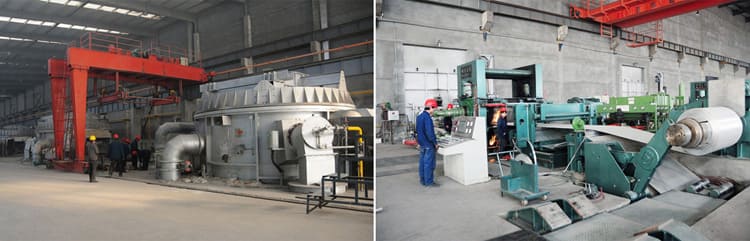
- 1. Gia công hoàn thiện là phương pháp gia công để làm cho tấm cán nguội đạt yêu cầu của khách hàng, hoặc để tạo thuận lợi cho quá trình xử lý tiếp theo của sản phẩm;
- 2. Thiết bị hoàn thiện có thể sửa chữa các khuyết tật được tạo ra trong quy trình sản xuất cán nóng và cán nguội, chẳng hạn như nứt cạnh, nhờn, hình dạng tấm kém, ứng suất dư, vân vân. Nó cần đảm bảo rằng không có khiếm khuyết nào khác được đưa vào quy trình sản xuất;
- 3. Có nhiều thiết bị hoàn thiện khác nhau, chủ yếu bao gồm cắt ngang, rạch, kéo dài và duỗi thẳng, lò ủ, con trườn, vân vân.
Quá trình đúc và cán
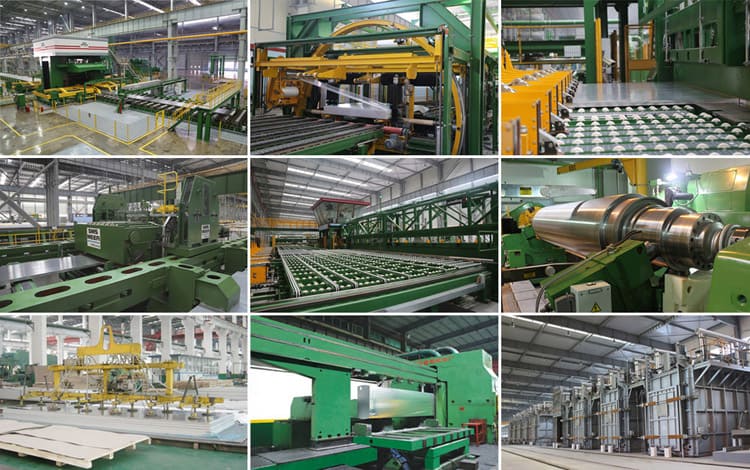
Quá trình đúc và cán: kim loại lỏng, hộp phía trước (kiểm soát mức chất lỏng), máy đúc và cán (hệ thống bôi trơn, nước làm mát), máy cắt cỏ, máy cuộn.
Quy trình sản xuất cán nguội
Giới thiệu quy trình sản xuất hoàn thiện
Hợp kim nhôm có đặc tính mật độ thấp, tính chất cơ học tốt, hiệu suất xử lý tốt, không độc hại, dễ tái chế, dẫn điện tuyệt vời, truyền nhiệt và chống ăn mòn, vì vậy nó có một loạt các ứng dụng.
hàng không vũ trụ: dùng để làm da máy bay, khung thân máy bay, dầm, cánh quạt, chân vịt, thùng nhiên liệu, tấm tường và thanh chống thiết bị hạ cánh, cũng như các vòng rèn tên lửa, tấm tường tàu vũ trụ, vân vân.
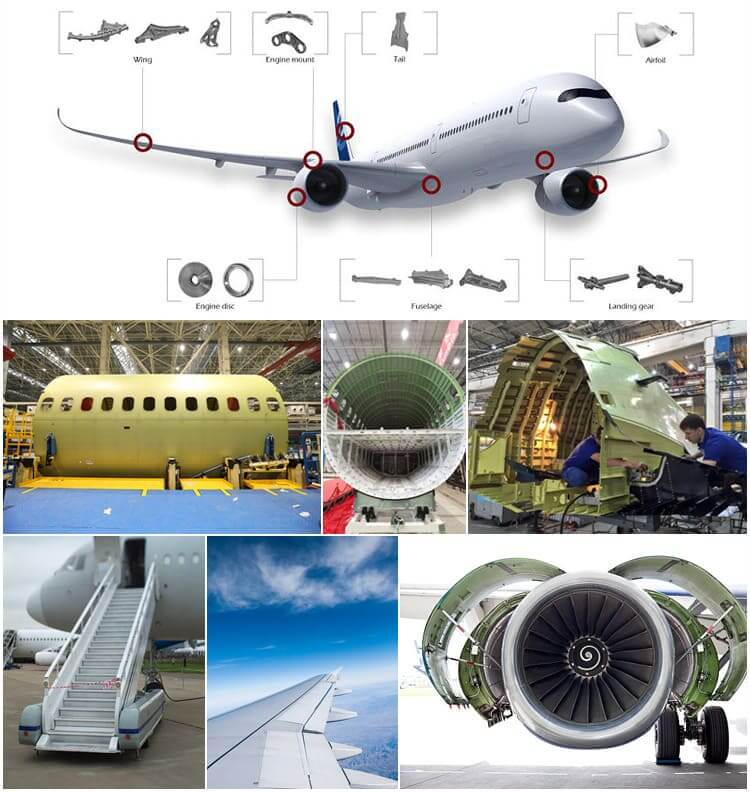
Hợp kim nhôm dùng cho hàng không vũ trụ
Vận tải: được sử dụng cho vật liệu kết cấu thân xe của ô tô, phương tiện tàu điện ngầm, xe khách đường sắt, xe khách cao tốc, cửa và cửa sổ, những cái kệ, bộ phận động cơ ô tô, máy điều hoà, Bộ tản nhiệt, tấm cơ thể, bánh xe và vật liệu tàu.
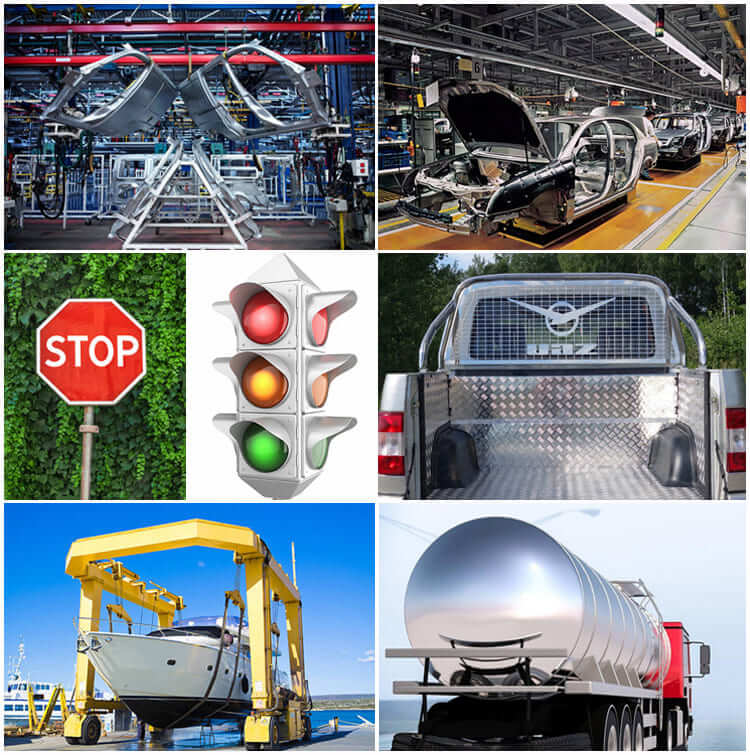
ứng dụng giao thông
bao bì: Lon pop hoàn toàn bằng nhôm chủ yếu được sử dụng làm vật liệu đóng gói kim loại ở dạng tấm và lá mỏng, và được làm thành lon, nắp đậy, chai, thùng, và lá bao bì. Được sử dụng rộng rãi trong bao bì đồ uống, đồ ăn, mỹ phẩm, các loại thuốc, thuốc lá, những sản phẩm công nghiệp, các loại thuốc, vân vân.
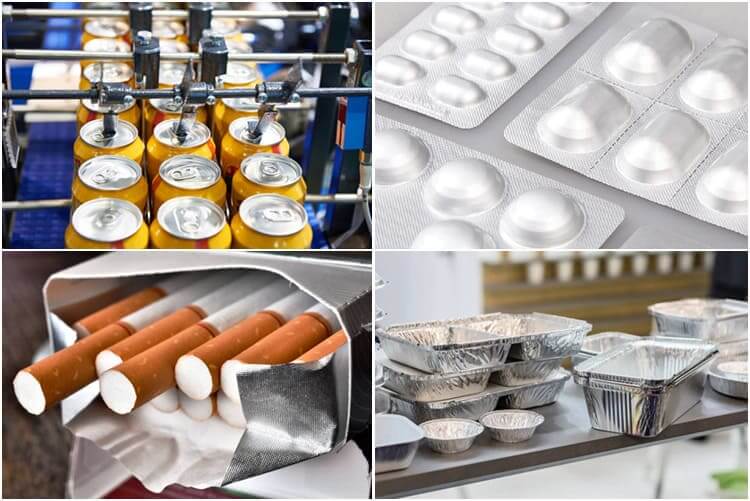
ứng dụng đóng gói
in ấn: Chủ yếu được sử dụng để làm tấm PS, Tấm PS nền nhôm là một loại vật liệu mới trong ngành in ấn, được sử dụng để tạo và in tấm tự động.
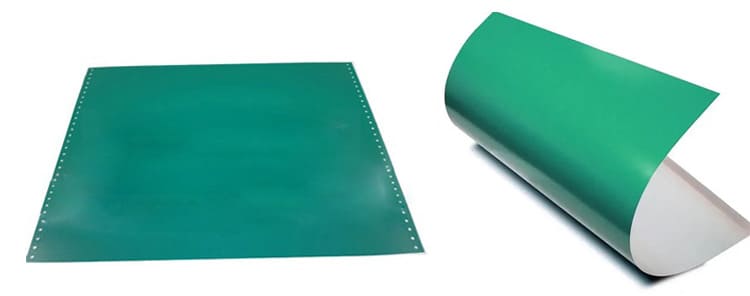
in PS
trang trí kiến trúc: hợp kim nhôm được sử dụng rộng rãi trong các cấu trúc xây dựng, cửa và cửa sổ, trần treo, bề mặt trang trí, vân vân. do khả năng chống ăn mòn tốt, đủ sức mạnh, hiệu suất quá trình tuyệt vời và hiệu suất hàn.

Ứng dụng xây dựng hợp kim nhôm
Sản phẩm điện tử: máy vi tính, điện thoại di động, vỏ tủ lạnh, Bộ tản nhiệt, vân vân.
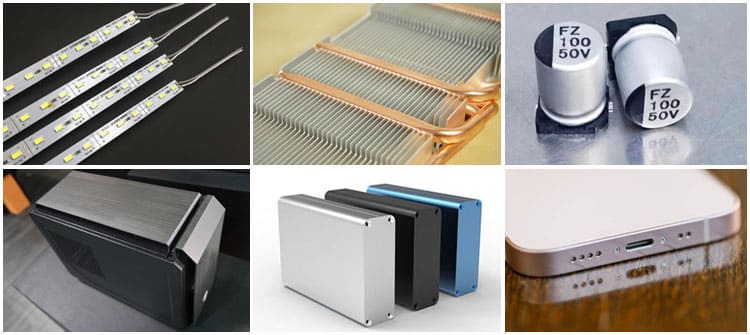
Ứng dụng sản phẩm điện tử
đồ dùng nhà bếp: chậu nhôm, lưu vực nhôm, lót nồi cơm điện, lá nhôm gia dụng, vân vân.
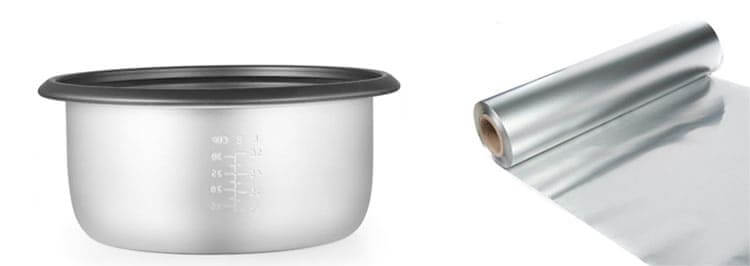
ứng dụng nhà bếp
Bao bì tấm nhôm/cuộn dây
Mỗi chi tiết của bao bì là nơi chúng tôi theo đuổi dịch vụ hoàn hảo. Quy trình đóng gói của chúng tôi nói chung như sau:
cán màng: rõ ràng phim, phim màu xanh, vi niêm mạc, cao niêm mạc, phim cắt laser (2 nhãn hiệu, Novacell và Polyphem);
Sự bảo vệ: giấy góc bảo vệ, miếng đệm chống áp lực;
làm khô: chất hút ẩm;
Cái mâm: khay gỗ vô hại khử trùng, khay sắt tái sử dụng;
đóng gói: Đai thép Tic-tac-toe, hoặc dây đai đóng gói PVC;
Chất lượng vật liệu: Hoàn toàn không có các khuyết tật như gỉ trắng, đốm dầu, vết lăn, thiệt hại cạnh, khúc cua, vết lõm, hố, ngắt dòng, trầy xước, vân vân., không có bộ cuộn dây.
Hải cảng: Thanh Đảo hoặc các cảng khác ở Trung Quốc.
thời gian dẫn: 15-45 ngày.
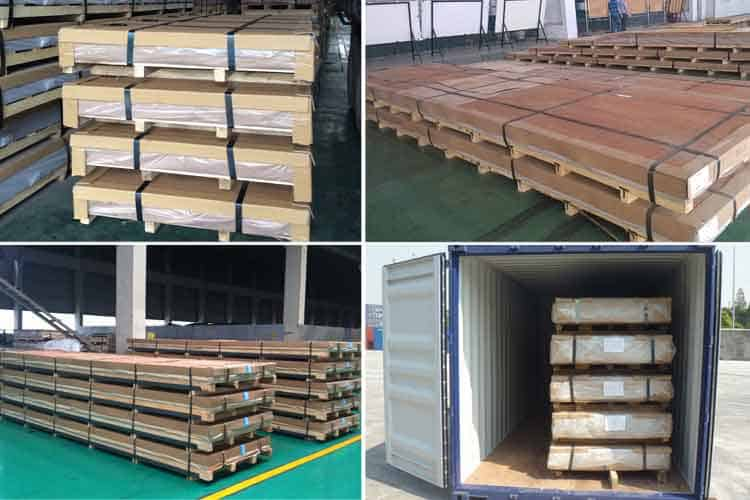
Quy trình đóng gói tấm / tấm nhôm
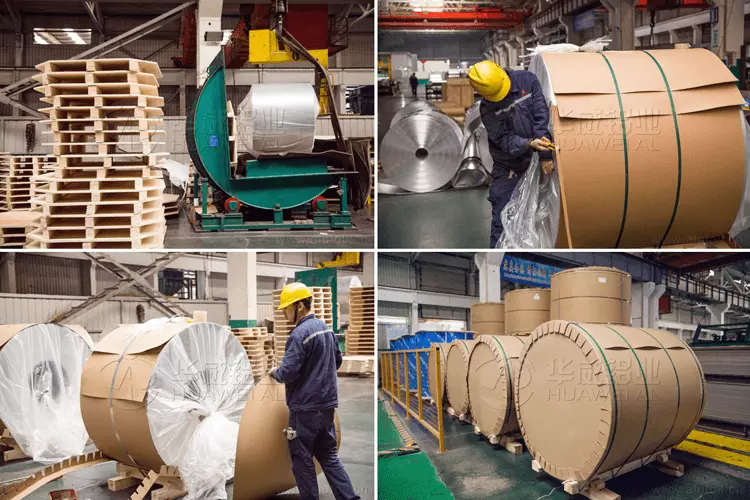
Quy trình đóng gói cuộn nhôm
F: Bạn là nhà sản xuất hay thương nhân?
Hỏi: chúng tôi là một nhà sản xuất, nhà máy của chúng tôi ở số 3 đường Weier, Khu công nghiệp, công nghĩa, hà nam, Trung Quốc.
F: Moq để đặt hàng sản phẩm là gì?
Hỏi: Moq của chúng tôi là 5 tấn, và một số sản phẩm đặc biệt sẽ có số lượng đặt hàng tối thiểu là 1 hoặc 2 tấn.
F: Thời gian giao hàng của bạn là bao lâu?
Hỏi: Nói chung thời gian dẫn đầu của chúng tôi là khoảng 30 ngày.
F: Sản phẩm của bạn có đảm bảo chất lượng không?
Hỏi: Đúng, nếu có vấn đề về chất lượng với sản phẩm của chúng tôi, chúng tôi sẽ bồi thường cho khách hàng cho đến khi họ hài lòng.
Những sảm phẩm tương tự



Blog mới nhất
Lá nhôm tráng cho các ứng dụng đóng gói | Mạnh & Đáng tin cậy
Giấy nhôm tráng chất lượng cao cho các ứng dụng đóng gói, cung cấp hàng rào bảo vệ tuyệt vời, Độ bền, và hiệu suất nhất quán.

Lá nhôm tráng được sử dụng làm gì trong bao bì và công nghiệp
Khám phá lá nhôm tráng phủ dùng để làm gì, từ bao bì thực phẩm và dược phẩm đến vật liệu cách nhiệt và in ấn, và tìm hiểu những lợi ích và chức năng cốt lõi.

đáng tin cậy 3003 Nhà cung cấp tấm nhôm kiểm tra trên toàn thế giới
Tìm đáng tin cậy 3003 Nhà cung cấp tấm nhôm kiểm tra cung cấp chất lượng được chứng nhận, giá cả cạnh tranh, kích cỡ tùy chỉnh, và giao hàng toàn cầu nhanh chóng cho các dự án của bạn.

6061 T6 vs 7075 Nhôm: Sức mạnh, Cân nặng & Sử dụng tốt nhất
So sánh 6061 T6 vs 7075 nhôm dễ dàng. Khám phá sự khác biệt về sức mạnh, cân nặng, và các ứng dụng để lựa chọn tốt nhất cho dự án của bạn.