1. Giới thiệu
9-micron 1235 Lá nhôm tổng hợp là một người có chuyên môn cao, multi-layer material that serves as a cornerstone of the modern flexible packaging industry.
This material system is engineered to provide a high-performance barrier at an optimal cost and weight. Its core is an ultra-thin, 9ừm (0.009mm) foil made from 1235 hợp kim nhôm, độ tinh khiết cao (≥99,35% Al) grade prized for its exceptional softness and workability.
While the 9-micron foil itself provides a near-perfect barrier to light, chất khí, và độ ẩm, its thinness makes it mechanically fragile and susceptible to pinholes.
These weaknesses are overcome by laminating it with other polymer films (such as PET, BOPP, and PE). The resulting composite structure leverages the absolute barrier of the aluminum core while gaining the strength, khả năng in, and sealability of the polymer layers.
This makes 9-micron 1235 composite foil the go-to solution for a vast range of applications, bao gồm cả bao bì thực phẩm (đồ ăn nhẹ, cà phê, sữa bột) and pharmaceutical sachets, where a high barrier, trọng lượng nhẹ, and cost-effectiveness are all critical requirements.
9-micron 1235 Lá nhôm tổng hợp
2. Sự hiểu biết 1235 Hợp kim nhôm
2.1 Thành phần hóa học
Các 1235 giấy nhôm belongs to the 1xxx series of commercial purity aluminum, specifically engineered for converter foil applications where formability and barrier performance take precedence over structural strength.
The chemical composition adheres to strict limits that maximize rolling efficiency and surface quality.
| Yếu tố | tối thiểu | Tối đa | Functional Role in 9μm Foil |
|---|---|---|---|
| Nhôm (Al) | 99.35% | - | Matrix providing ductility, phản xạ, và khả năng chống ăn mòn |
| silicon (Và) | - | 0.10% | Tight control ensures smooth rolling surface and minimizes inclusion defects |
| Sắt (Fe) | - | 0.60% | Provides slight strengthening; excessive levels increase pinhole risk |
| Đồng (cu) | - | 0.05% | Kept minimal to preserve electrical conductivity and corrosion resistance |
| mangan (mn) | - | 0.05% | Trace element limited to prevent work hardening |
| magie (Mg) | - | 0.05% | Controlled to avoid surface oxidation issues |
| kẽm (Zn) | - | 0.10% | Impurity management for anodizing compatibility |
| titan (Của) | - | 0.03% | Grain refinement in cast ingots |
| Các yếu tố khác (Mỗi) | - | 0.03% | Aggregate impurity cap ensuring consistency |
| Các yếu tố khác (Tổng cộng) | - | 0.10% | Overall purity protection |
2.2 Microstructure and Temper
Các 1235 alloy achieves its optimal properties through careful thermal processing.
Manufacturers produce 9-micron foil in two primary tempers, each serving distinct converting requirements:
O ôn hòa (Mềm mại, Ủ):
- Sức căng: 60–90 MPa (8.7–13.0 ksi)
- sức mạnh năng suất: 20–35 MPa (2.9–5.1 ksi)
- kéo dài: 25–35% (A50mm gauge)
- độ cứng: 20–25 HB
- Cấu trúc vi mô: Fully recrystallized equiaxed grains (ASTM 6–9) with minimal dislocation density
The O temper maximizes ductility for deep drawing, gấp, and complex forming operations.
The 25–35% elongation enables 9-micron foil to conform to sharp creases in cigarette inner liners and sachet corners without cracking.
This temper also optimizes adhesive wet-out during lamination, as the soft surface conforms to microscopic surface irregularities in plastic films.
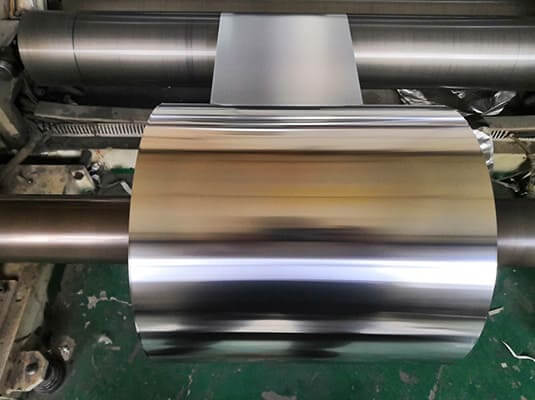
9-micron 1235 Lá nhôm H18
H18 Temper (Đầy khó khăn, Cold-Worked):
- Sức căng: 110–150 MPa (16.0–21.8 ksi)
- sức mạnh năng suất: 100–130 MPa (14.5–18.9 ksi)
- kéo dài: 1–3%
- độ cứng: 45–55 HB
- Cấu trúc vi mô: Elongated grains with high dislocation density from cold rolling
H18 temper provides handling stiffness for unwind operations and slit-edge stability.
Converters often specify H18 for foil that must traverse long web paths at high speed before lamination, as the increased rigidity reduces wrinkling and edge weaving.
The laminate structure subsequently provides flexibility in the finished product.
3. 9 Micrometer (mm) độ dày: Opportunities and Challenges
3.1 Opportunities (Why pursue 9 micromet?)
- Giảm nhẹ & material cost reduction. Moving from e.g., 12–15 µm down to 9 µm reduces aluminum mass by ~25–40%, lowering raw-material cost and package weight. (9 µm = 0.009 mm).
- Excellent barrier per unit mass. Even at 9 µm a continuous aluminum layer provides near-opaque light barrier and very low oxygen and moisture transmission when incorporated into a laminate; suppliers report OTR and WVTR figures that place such laminates in “high barrier” class for many food and pharmaceutical applications.
- Improved form-factor and aesthetics. Thin foil conforms to complex shapes (labels, lidding) with smaller step heights and less bulk.
3.2 Thử thách (Inherent weaknesses of 9 micromet)
- Mechanical fragility: reduced puncture resistance, higher sensitivity to handling, and increased risk of pinholes during rolling and lamination. Typical practical tensile/puncture performance must be validated for the stack and forming process.
- lỗ kim & defects control: process cleanliness and rolling/anneal schedules must be tightly controlled; pinhole density scales unfavorably with decreasing gauge.
- Adhesion and delamination risk: ultra-thin foil has less cohesive thickness for adhesives to “bite”; surface treatments or lacquers are often required to secure bond strength to polymers.
- Converting difficulty: rạch, embossing, die-cutting and rewinding require specialized tension control, anti-static measures and skilled equipment operators.
4. Structure of 9-Micron 1235 Composite Aluminum Foil
4.1 Typical Composite Structures
The 9-micron 1235 foil rarely serves as standalone packaging. Thay vì, it functions as the critical barrier layer within multi-material laminates that combine complementary properties.
Engineers design these structures to position each material where its properties deliver maximum value:
Kết cấu 1: PET/AL/PE (General-Purpose Food Packaging)
- THÚ CƯNG (12–25μm): Exterior print carrier providing mechanical strength, sự ổn định kích thước, and gloss
- Dính (1.5–3.0 g/m²): Polyurethane two-component system creating chemical bond
- AL (9mm): Core barrier layer blocking oxygen, độ ẩm, và ánh sáng
- Dính (1.5–3.0 g/m²): Tie layer for polyethylene adhesion
- Thể dục (40–80μm): Interior sealant providing heat-sealability, chemical resistance, and food contact compliance
Total thickness: ~65–120μm | Rào cản: OTR <0.1 cc/m²·day, WVTR <0.01 g/m2·ngày
Kết cấu 2: Paper/AL/PE (Cigarette Inner Liner)
- Giấy (40–60 g/m²): Exterior providing dead-fold characteristics, Độ mờ, and tactile quality
- AL (9mm): Barrier against moisture and aroma loss
- Thể dục (20–60μm): Heat-seal layer for pack closure
This structure leverages the “dead-fold” property of 1235-O foil—the ability to retain a crease without spring-back—essential for cigarette pack forming at 400+ packs/minute.
Kết cấu 3: BOPP/AL/CPP (Confectionery and Snacks)
- BOPP (20mm): High-clarity exterior with excellent machinability
- AL (9mm): Barrier and light protection
- CPP (40–70μm): Hot-tack sealant for high-speed form-fill-seal operations
The biaxially oriented polypropylene (BOPP) provides superior crack resistance compared to PET, while cast polypropylene (CPP) offers broader heat-seal windows for confectionery packaging.
Kết cấu 4: PA/AL/PE (Puncture-Resistant Pouches)
- PA (15mm, Nylon): Exterior providing exceptional puncture and abrasion resistance
- AL (9mm): Barrier layer
- Thể dục (60–80μm): Sealant and structural bulk
This configuration suits vacuum-packed meats and cheeses where bone edges or sharp corners threaten package integrity.
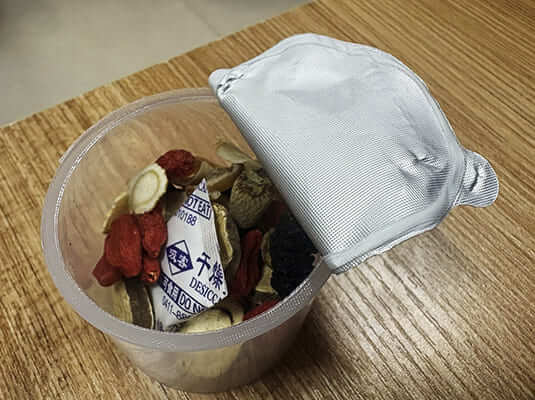
Tea packaging used 9-micron 1235 Lá nhôm tổng hợp
4.2 Why Composite for 9-Micron Aluminum Foil
Mechanical Protection:
The 9-micron foil cannot survive handling, Đang chuyển hàng, or retail display as a single layer.
THÚ CƯNG (tensile strength 200–300 MPa) or paper (stiffness 2–5 Nm/g) provide structural armor that prevents flex cracks and abrasion.
Tính toàn vẹn:
Aluminum lacks thermoplasticity—it cannot heat-seal. PE or CPP layers (melting point 110–135°C) create hermetic closures through impulse or hot-bar sealing.
Chemical Isolation:
Acidic or alkaline products (Nước sốt cà chua, chất tẩy rửa) corrode aluminum. PE and PP provide inert barriers preventing chemical attack.
Khả năng in:
Aluminum accepts only limited printing technologies. PET and paper substrates enable high-resolution gravure or flexographic decoration.
Cost Optimization:
At $8–12/kg for aluminum foil versus $2–4/kg for PE, composite structures minimize aluminum usage to the absolute barrier requirement while leveraging cheaper polymers for bulk.
5. Manufacturing Process of 9-Micron 1235 Composite Aluminum Foil
Key steps and control points:
- Casting and hot rolling to produce coil stock.
- Cold rolling schedules with multiple passes to progressively reduce gauge toward foil thickness. Intermediate and final anneals are applied to restore ductility and control grain structure. Precise pass schedules and roll gap control are critical to reach a uniform 9 µm target without excessive edge-wave or thickness variation.
- Surface preparation and cleaning to remove rolling oils and particulates (important to minimize pinholes).
- Coating/lacquering (không bắt buộc) to provide printability and corrosion resistance prior to lamination.
- cán màng (composite formation) — can be by solventless adhesive, ép đùn (melt adhesive), or solvent/wet adhesives depending on stack and end-use. Proper adhesive selection, nip temperature and pressure are tuned to avoid foil wrinkles and to achieve peel strength targets.
- Slitting and rewinding with strict tension control and anti-static handling for 9 µm gauges.
- Quality inspection (pinhole detection, bản đồ độ dày, surface inspection) and final packing.
Process control charts for foil production typically track gauge tolerance (ví dụ., ±0.5 µm target for 9 ừm), pinhole counts per m², and laminate peel strength.
6. Applications of 9-Micron 1235 Composite Aluminum Foil
6.1 Bao bì thực phẩm linh hoạt
The 9-micron 1235 foil serves as the barrier backbone for dry goods packaging:
- Coffee and Tea: Aroma retention critical; 9μm foil with <40 pinholes/m² maintains freshness 12–18 months
- Snack Foods: PET/AL/PE structures provide light protection for photosensitive vitamins and flavors
- Powdered Beverages: WVTR <0.01 g/m²·day prevents caking and preserves solubility
High-speed form-fill-seal (FFS) lines operate at 200+ cycles/minute with 9-micron foil, validating its mechanical stability under rapid flexing.
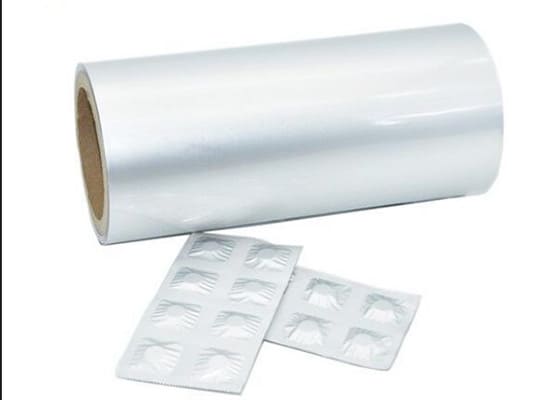
Sachet Strips For Medical Packaging
6.2 Pharmaceutical and Medical Packaging
Secondary overwraps for pharmaceuticals utilize 9-micron foil in:
- Sachet Strips: PET/AL/PE for unit-dose powders and granules
- LIDDING Lá: 9μm 1235-O replaces thicker gauges for cost-sensitive OTC products
- Tropical Blister Alternatives: Non-PVC laminates for high-humidity markets
Migration testing per EU 10/2011 and FDA 21 CFR 177.1390 ensures compliance for indirect food contact.
6.3 Tobacco Packaging
Cigarette inner liners represent a major 9-micron application:
- Kết cấu: Giấy (40–60 g/m²)/AL (9mm)/Thể dục (20–30μm)
- Gấp chết: 1235-O temper retains sharp creases without spring-back
- Rào cản hương thơm: Prevents moisture loss and flavor cross-contamination
- Speed Compatibility: Runs at 400+ packs/minute on G.D. and Focke machines
6.4 Industrial and Technical Applications
Cable Wrap: Non-woven/AL/PE laminates provide electromagnetic interference (EMI) shielding with 9-micron foil delivering >60 dB attenuation at 1 GHz.
Cách nhiệt tòa nhà: Foil-faced radiant barriers utilize 9μm 1235 for cost-effective reflectivity (>88% solar reflectance).
Battery Pouch Films: Lamination with nylon and polypropylene creates containment for lithium-ion cells, with 9-micron foil providing moisture barrier and electrical isolation.
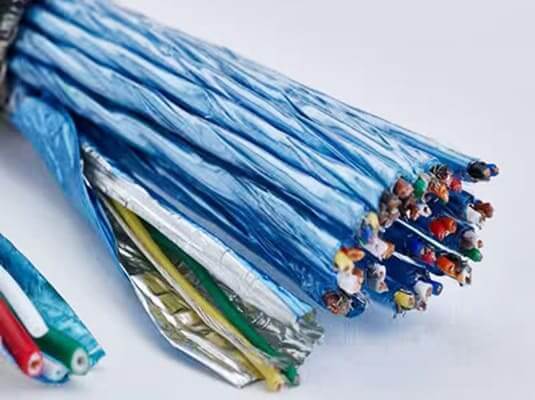
1235 aluminum foil for Cable Wrap
7. Comparative Alloy Analysis
Engineers selecting aluminum foil must evaluate alternatives to 1235. The following matrix compares key options for 9-micron applications:
| Thuộc tính | 1235 | 8079 | 8011 | Selection Guidance |
|---|---|---|---|---|
| Độ tinh khiết của nhôm | ≥99.35% | ≥99,0% | ~97.0% (Al-Fe-Si) | 1235 for highest purity; 8079 for pinhole-critical <7mm |
| Sức căng (ôi nóng nảy) | 60–90 MPa | 80MP110 MPA | 80–120 MPa | Higher strength in 8079/8011 for handling stiffness |
| kéo dài (ôi nóng nảy) | 25–35% | 15–25% | 15–25% | 1235 superior for deep drawing and folding |
| Dead-Fold Characteristics | Xuất sắc | Rất tốt | Tốt | 1235 preferred for cigarette/tobacco |
| Pinhole Resistance at 9μm | Enhanced: ≤40/m² | Enhanced: ≤30/m² | Enhanced: ≤25/m² | 8079/8011 intermetallics improve rolling; 1235 requires tighter process control |
| Cost Position | $ (Thấp nhất) | $$ | $$ | 1235 offers 10–15% cost advantage |
| Các ứng dụng tiêu biểu | Mainstream food, thuốc lá, general lamination | High-barrier pharma, abuse-resistant pouches | Nắp, tube laminates, heat-seal applications |
8. Huawei 9-Micron 1235 Composite Aluminum Foil Specification
(Representative supplier specification drawn from typical product pages — engineers should request a manufacturer-run Material Test Certificate and sample tests before approving for production.)
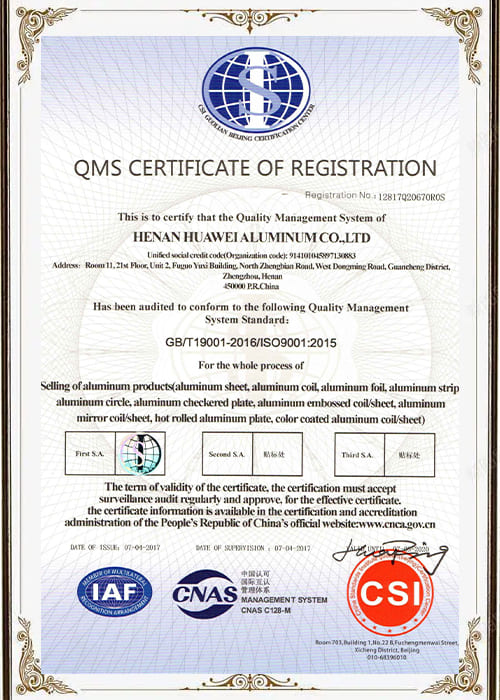
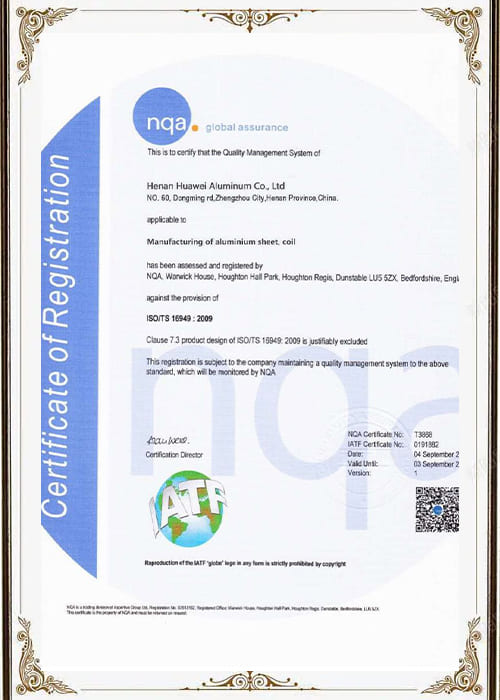
Supplier example: Công ty nhôm Hà Nam Huawei, TNHH (commercial supplier listing for “9-Micron 1235 Composite Aluminum Foil”). Reported or typical specification items include:
- hợp kim: 1235 (O temper typical for lamination).
- Nominal aluminum thickness: 9 ừm (0.009 mm).
- Composite stacks offered: PET/AL(9)/Thể dục; Paper/AL(9)/Thể dục; BOPP/AL(9)/Thể dục.
- Typical WVTR / OTR for laminated structures (supplier reported example): OTR < 0.1 (units depend on test method; usually cc/m²·day), WVTR < 0.01 (g/m2·ngày) for finished laminate — confirm test method and units with supplier before quoting shelf life.
- Mật độ lỗ kim: marketed as “low pinhole density” — suppliers commonly specify pinhole counts per m² or qualitative grades; ask for measured pinhole counts at acceptance.
- nóng nảy: Ô (ủ) or light cold-work (as required).
- lớp áo: optional lacquer for printability; adhesive systems per laminate.
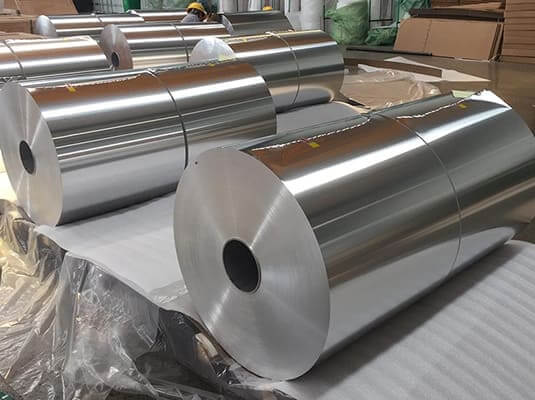
- Bưu kiện: jumbo rolls, typical widths 200–1,600 mm; coil ID/OD to buyer spec.
- Kiểm soát chất lượng: thickness tolerance band (vì 9 µm often specified ±0.5–1.0 µm depending on supplier), visual surface class, pinhole acceptance, MTC available on request.
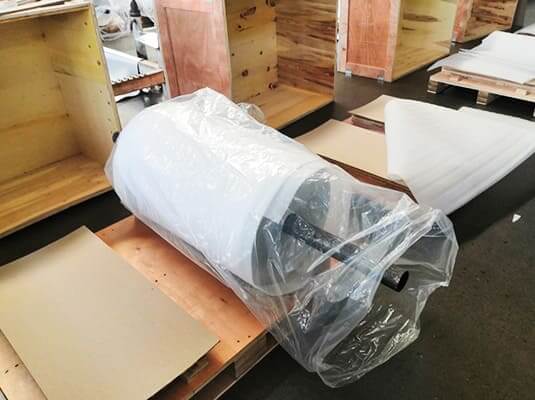
Huawei Aluminum Foil Export Packaging
9. Phần kết luận
Các 9-micron 1235 Lá nhôm tổng hợp is a testament to the power of systems thinking in material science.
It is a highly optimized solution that acknowledges the limitations of a single material and overcomes them through intelligent combination.
By pairing the absolute barrier potential of an ultra-thin 1235 aluminum foil with the mechanical strength of polymer films, the packaging industry has created a material that is both high-performing and highly economical.
It is not the most robust barrier available, but for the vast majority of flexible packaging needs, it represents the perfect equilibrium of protection, trị giá, và hiệu quả.
Câu hỏi thường gặp
1. If 9-micron foil has pinholes, is it still a “high barrier”?
Đúng. In a composite structure, the barrier performance is not determined by the foil alone. The adhesive and polymer layers create a “tortuous path” that effectively seals the microscopic pinholes. The final laminate still provides an exceptionally low OTR and WVTR (ví dụ., <0.5), which is firmly in the high-barrier category and far superior to any non-foil-based film.
2. Why not just use a thicker foil to avoid pinholes?
You can, but it comes with trade-offs. A thicker foil (ví dụ., 12µm or 15µm) will have fewer pinholes and more strength, but it will be more expensive, heavier, and result in a stiffer final package, which may not be desirable. 9 microns is often the most cost-effective solution that meets the required barrier specifications for a huge range of products.
3. What is the difference between this and “Alu-Alu” foil?
“Alu-Alu” (dạng lạnh) foil is a much thicker, soft-temper aluminum foil (tiêu biểu 45-60 micron) laminated with OPA and PVC. It is designed to be plastically deformed (cold-formed) into a blister cavity, providing an absolute, 100% rào cản. 9-micron composite foil is a thin, flexible material used for flat pouches and bags; it cannot be formed into a deep cavity.
Quá trình sản xuất đúc và giới thiệu của nó
Mục đích của quá trình nấu chảy và đúc là để tạo ra các hợp kim có thành phần đạt yêu cầu và độ tinh khiết cao của chất nóng chảy, để tạo điều kiện thuận lợi cho việc đúc các hợp kim có hình dạng khác nhau.
Các bước quy trình nóng chảy và đúc: trộn --- cho ăn --- tan chảy --- khuấy sau khi tan chảy, loại bỏ xỉ --- lấy mẫu trước khi phân tích --- thêm hợp kim để điều chỉnh thành phần, khuấy --- tinh luyện --- Cài đặt tĩnh——Đúc lò hướng dẫn.
Quá trình sản xuất cán nóng và giới thiệu của nó
- 1. Cán nóng thường đề cập đến việc cán trên nhiệt độ kết tinh lại kim loại;
- 2. Trong quá trình cán nóng, kim loại có cả quá trình làm cứng và làm mềm. Do ảnh hưởng của tốc độ biến dạng, chừng nào quá trình phục hồi và kết tinh lại là quá muộn, sẽ có một công việc khó khăn nhất định;
- 3. Sự kết tinh lại của kim loại sau khi cán nóng không hoàn toàn, đó là, sự cùng tồn tại của cấu trúc kết tinh lại và cấu trúc biến dạng;
- 4. Cán nóng có thể cải thiện hiệu suất xử lý kim loại và hợp kim, giảm hoặc loại bỏ các khuyết tật đúc.
- 1. Nhiệt độ đúc và cán thường nằm trong khoảng từ 680 ° C đến 700 ° C. càng thấp càng tốt, dây chuyền đúc và cán ổn định thường dừng mỗi tháng một lần hoặc hơn để đứng lại. Trong quá trình sản xuất, cần kiểm soát chặt chẽ mức chất lỏng của bể phía trước để tránh mức chất lỏng thấp;
- 2. Bôi trơn sử dụng bột C với khí đốt cháy không hoàn toàn để bôi trơn, đó cũng là một trong những nguyên nhân làm bẩn bề mặt vật liệu đúc và cán;
- 3. Tốc độ sản xuất thường nằm trong khoảng 1,5m / phút-2,5m / phút;
- 4. Chất lượng bề mặt của các sản phẩm được sản xuất bằng cách đúc và cán nói chung là tương đối thấp, và nói chung không thể đáp ứng các sản phẩm có yêu cầu về hiệu suất vật lý và hóa học đặc biệt.
- 1. Cán nguội dùng để chỉ phương pháp sản xuất cán dưới nhiệt độ kết tinh lại;
- 2. Sẽ không có sự kết tinh lại động trong quá trình cán, và nhiệt độ sẽ tăng lên đến nhiệt độ phục hồi nhiều nhất, và cán nguội sẽ xuất hiện ở trạng thái làm cứng, và tốc độ làm cứng công việc sẽ lớn;
- 3. Tấm và dải cán nguội có độ chính xác kích thước cao, chất lượng bề mặt tốt, cấu trúc và hiệu suất thống nhất, và các sản phẩm ở các trạng thái khác nhau có thể thu được bằng xử lý nhiệt;
- 4. cán nguội có thể cán ra các dải mỏng, nhưng tại cùng một thời điểm, nó có nhược điểm là tiêu thụ năng lượng cao để biến dạng và nhiều lần xử lý.
- 1. Gia công hoàn thiện là phương pháp gia công để làm cho tấm cán nguội đạt yêu cầu của khách hàng, hoặc để tạo thuận lợi cho quá trình xử lý tiếp theo của sản phẩm;
- 2. Thiết bị hoàn thiện có thể sửa chữa các khuyết tật được tạo ra trong quy trình sản xuất cán nóng và cán nguội, chẳng hạn như nứt cạnh, nhờn, hình dạng tấm kém, ứng suất dư, vân vân. Nó cần đảm bảo rằng không có khiếm khuyết nào khác được đưa vào quy trình sản xuất;
- 3. Có nhiều thiết bị hoàn thiện khác nhau, chủ yếu bao gồm cắt ngang, rạch, kéo dài và duỗi thẳng, lò ủ, con trườn, vân vân.
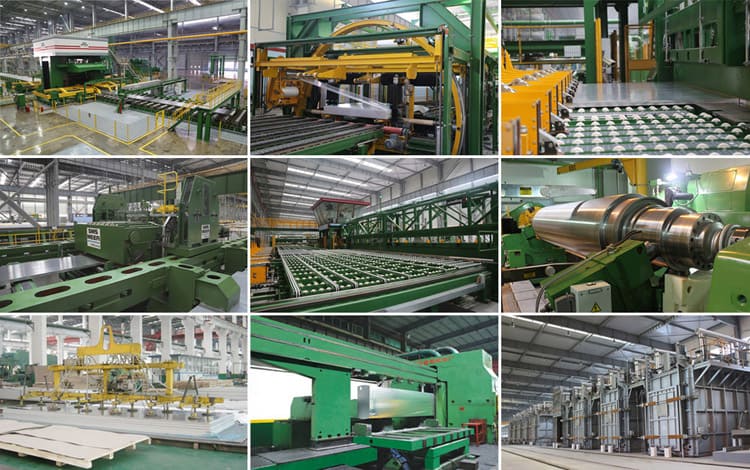
Quá trình đúc và cán
Quá trình đúc và cán: kim loại lỏng, hộp phía trước (kiểm soát mức chất lỏng), máy đúc và cán (hệ thống bôi trơn, nước làm mát), máy cắt cỏ, máy cuộn.
Quy trình sản xuất cán nguội
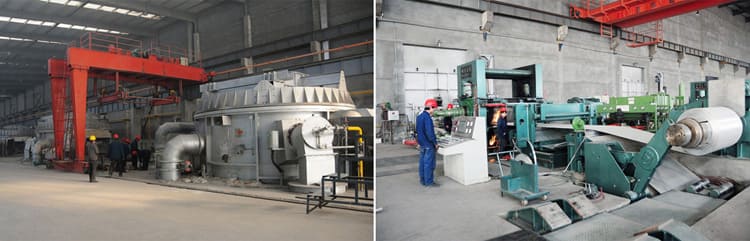
Giới thiệu quy trình sản xuất hoàn thiện
Hợp kim nhôm có đặc tính mật độ thấp, tính chất cơ học tốt, hiệu suất xử lý tốt, không độc hại, dễ tái chế, dẫn điện tuyệt vời, truyền nhiệt và chống ăn mòn, vì vậy nó có một loạt các ứng dụng.
hàng không vũ trụ: dùng để làm da máy bay, khung thân máy bay, dầm, cánh quạt, chân vịt, thùng nhiên liệu, tấm tường và thanh chống thiết bị hạ cánh, cũng như các vòng rèn tên lửa, tấm tường tàu vũ trụ, vân vân.

Hợp kim nhôm dùng cho hàng không vũ trụ
Vận tải: được sử dụng cho vật liệu kết cấu thân xe của ô tô, phương tiện tàu điện ngầm, xe khách đường sắt, xe khách cao tốc, cửa và cửa sổ, những cái kệ, bộ phận động cơ ô tô, máy điều hoà, Bộ tản nhiệt, tấm cơ thể, bánh xe và vật liệu tàu.

ứng dụng giao thông
bao bì: Lon pop hoàn toàn bằng nhôm chủ yếu được sử dụng làm vật liệu đóng gói kim loại ở dạng tấm và lá mỏng, và được làm thành lon, nắp đậy, chai, thùng, và lá bao bì. Được sử dụng rộng rãi trong bao bì đồ uống, đồ ăn, mỹ phẩm, các loại thuốc, thuốc lá, những sản phẩm công nghiệp, các loại thuốc, vân vân.
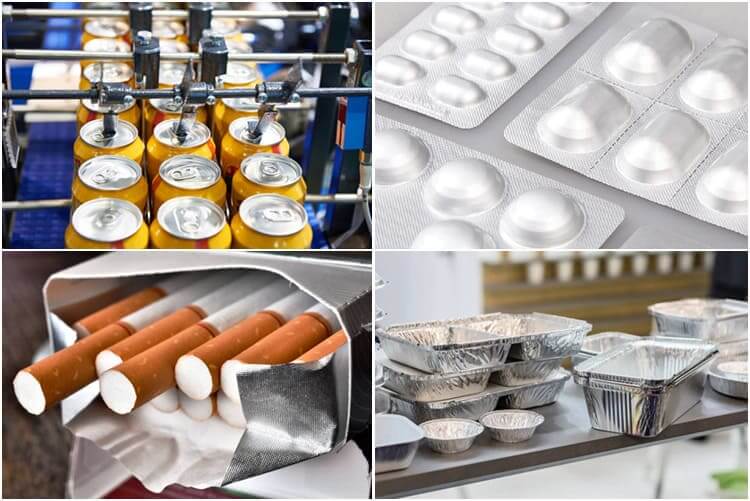
ứng dụng đóng gói
in ấn: Chủ yếu được sử dụng để làm tấm PS, Tấm PS nền nhôm là một loại vật liệu mới trong ngành in ấn, được sử dụng để tạo và in tấm tự động.
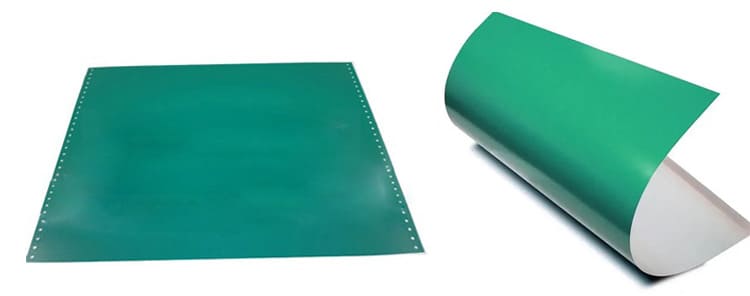
in PS
trang trí kiến trúc: hợp kim nhôm được sử dụng rộng rãi trong các cấu trúc xây dựng, cửa và cửa sổ, trần treo, bề mặt trang trí, vân vân. do khả năng chống ăn mòn tốt, đủ sức mạnh, hiệu suất quá trình tuyệt vời và hiệu suất hàn.

Ứng dụng xây dựng hợp kim nhôm
Sản phẩm điện tử: máy vi tính, điện thoại di động, vỏ tủ lạnh, Bộ tản nhiệt, vân vân.
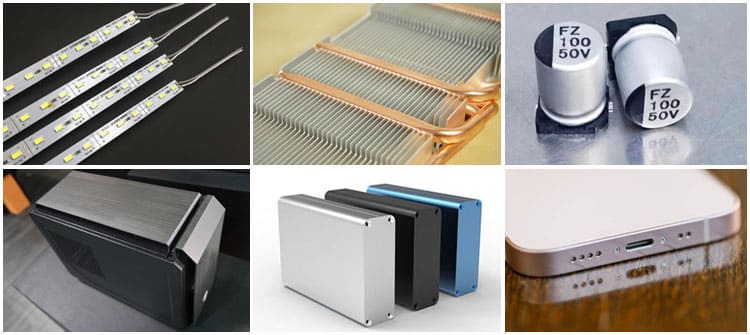
Ứng dụng sản phẩm điện tử
đồ dùng nhà bếp: chậu nhôm, lưu vực nhôm, lót nồi cơm điện, lá nhôm gia dụng, vân vân.
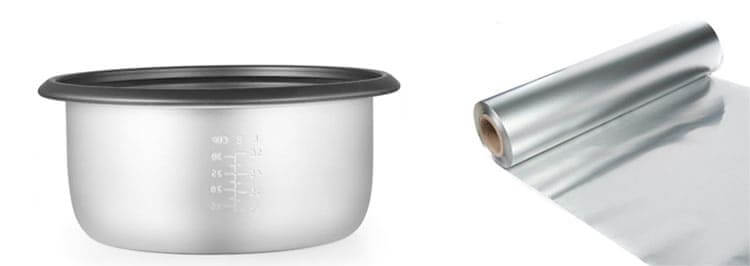
ứng dụng nhà bếp
Bao bì tấm nhôm/cuộn dây
Mỗi chi tiết của bao bì là nơi chúng tôi theo đuổi dịch vụ hoàn hảo. Quy trình đóng gói của chúng tôi nói chung như sau:
cán màng: rõ ràng phim, phim màu xanh, vi niêm mạc, cao niêm mạc, phim cắt laser (2 nhãn hiệu, Novacell và Polyphem);
Sự bảo vệ: giấy góc bảo vệ, miếng đệm chống áp lực;
làm khô: chất hút ẩm;
Cái mâm: khay gỗ vô hại khử trùng, khay sắt tái sử dụng;
đóng gói: Đai thép Tic-tac-toe, hoặc dây đai đóng gói PVC;
Chất lượng vật liệu: Hoàn toàn không có các khuyết tật như gỉ trắng, đốm dầu, vết lăn, thiệt hại cạnh, khúc cua, vết lõm, hố, ngắt dòng, trầy xước, vân vân., không có bộ cuộn dây.
Hải cảng: Thanh Đảo hoặc các cảng khác ở Trung Quốc.
thời gian dẫn: 15-45 ngày.
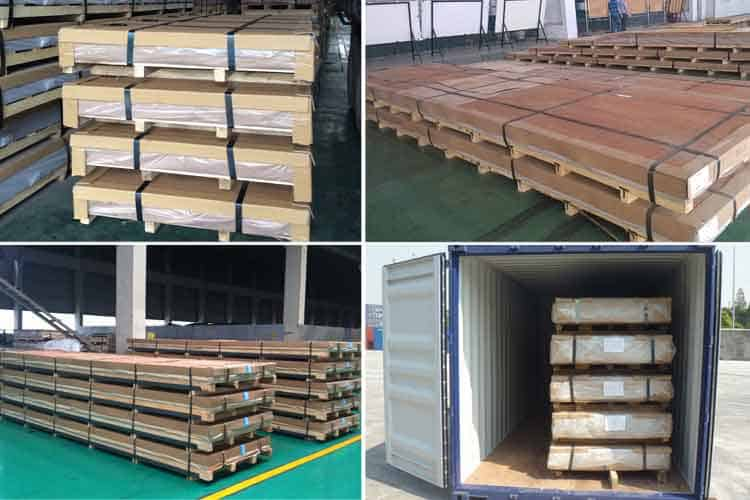
Quy trình đóng gói tấm / tấm nhôm
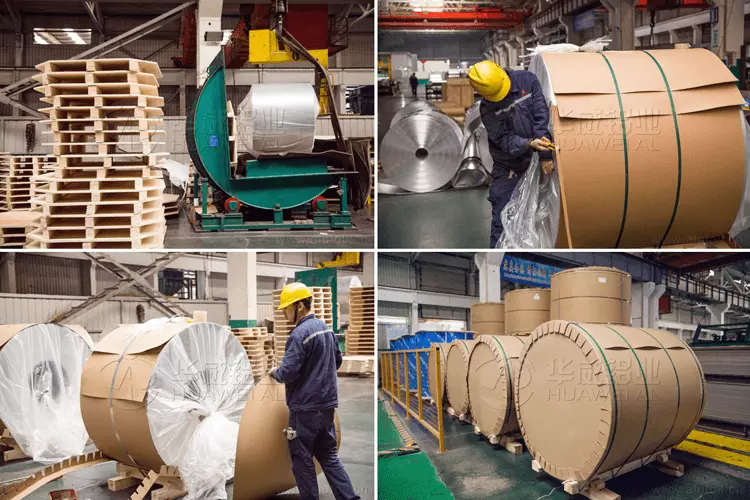
Quy trình đóng gói cuộn nhôm
F: Bạn là nhà sản xuất hay thương nhân?
Hỏi: chúng tôi là một nhà sản xuất, nhà máy của chúng tôi ở số 3 đường Weier, Khu công nghiệp, công nghĩa, hà nam, Trung Quốc.
F: Moq để đặt hàng sản phẩm là gì?
Hỏi: Moq của chúng tôi là 5 tấn, và một số sản phẩm đặc biệt sẽ có số lượng đặt hàng tối thiểu là 1 hoặc 2 tấn.
F: Thời gian giao hàng của bạn là bao lâu?
Hỏi: Nói chung thời gian dẫn đầu của chúng tôi là khoảng 30 ngày.
F: Sản phẩm của bạn có đảm bảo chất lượng không?
Hỏi: Đúng, nếu có vấn đề về chất lượng với sản phẩm của chúng tôi, chúng tôi sẽ bồi thường cho khách hàng cho đến khi họ hài lòng.
Những sảm phẩm tương tự


Blog mới nhất
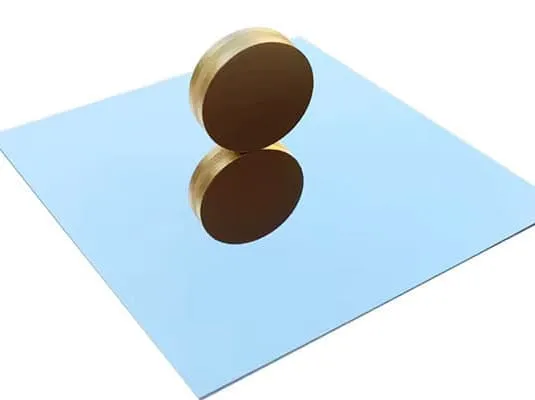
Tấm gương nhôm có độ phản chiếu cực cao
Tấm gương nhôm có độ phản chiếu cực cao với độ phản xạ nhìn thấy được 95–98%, độ phân tán thấp (TIS <1%), và tư vấn đặc điểm kỹ thuật cho BRDF, đường cong quang phổ và lớp phủ.

đáng tin cậy 3003 Nhà cung cấp tấm nhôm kiểm tra trên toàn thế giới
Tìm đáng tin cậy 3003 Nhà cung cấp tấm nhôm kiểm tra cung cấp chất lượng được chứng nhận, giá cả cạnh tranh, kích cỡ tùy chỉnh, và giao hàng toàn cầu nhanh chóng cho các dự án của bạn.

6061 T6 vs 7075 Nhôm: Sức mạnh, Cân nặng & Sử dụng tốt nhất
So sánh 6061 T6 vs 7075 nhôm dễ dàng. Khám phá sự khác biệt về sức mạnh, cân nặng, và các ứng dụng để lựa chọn tốt nhất cho dự án của bạn.

Công nghiệp hóa và ứng dụng lá nhôm tổ ong
Blog này khám phá quá trình công nghiệp hóa lá nhôm tổ ong, tập trung vào 3003 quá trình sản xuất hợp kim. Nó bao gồm cán nóng, đúc liên tục, và phương pháp đúc-cán liên tục, nêu bật những lợi ích của việc tối ưu hóa quy trình trong việc cải thiện tính chất cơ học, giảm tiêu thụ năng lượng, và giảm chi phí sản xuất.