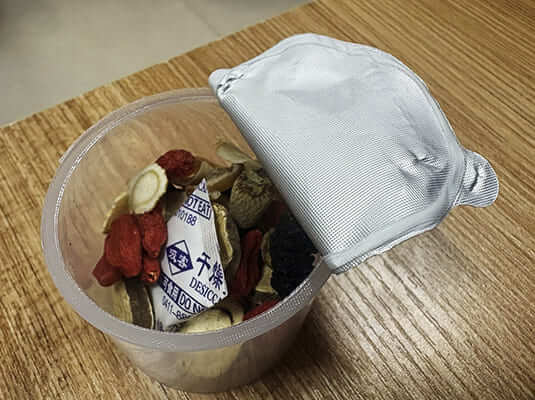
1. pengenalan
9-mikron 1235 kerajang aluminium komposit adalah sangat khusus, multi-layer material that serves as a cornerstone of the modern flexible packaging industry.
This material system is engineered to provide a high-performance barrier at an optimal cost and weight. Its core is an ultra-thin, 9µm (0.009mm) foil made from 1235 aloi aluminium, kesucian yang tinggi (≥99.35% Al) grade prized for its exceptional softness and workability.
While the 9-micron foil itself provides a near-perfect barrier to light, gas, dan kelembapan, its thinness makes it mechanically fragile and susceptible to pinholes.
These weaknesses are overcome by laminating it with other polymer films (such as PET, BOPP, and PE). The resulting composite structure leverages the absolute barrier of the aluminum core while gaining the strength, kebolehpercayaan, and sealability of the polymer layers.
This makes 9-micron 1235 composite foil the go-to solution for a vast range of applications, termasuk pembungkusan makanan (makanan ringan, kopi, susu Tepung) and pharmaceutical sachets, where a high barrier, ringan, and cost-effectiveness are all critical requirements.
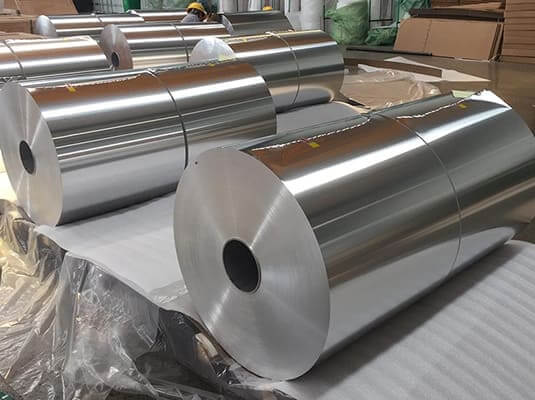
9-mikron 1235 kerajang aluminium komposit
2. Memahami 1235 Aloi aluminium
2.1 Komposisi kimia
The 1235 kertas aluminium belongs to the 1xxx series of commercial purity aluminum, specifically engineered for converter foil applications where formability and barrier performance take precedence over structural strength.
The chemical composition adheres to strict limits that maximize rolling efficiency and surface quality.
| unsur | Minimum | maksimum | Functional Role in 9μm Foil |
|---|---|---|---|
| aluminium (Al) | 99.35% | - | Matrix providing ductility, reflektif, dan rintangan kakisan |
| silikon (Dan) | - | 0.10% | Tight control ensures smooth rolling surface and minimizes inclusion defects |
| besi (Fe) | - | 0.60% | Provides slight strengthening; excessive levels increase pinhole risk |
| Tembaga (Cu) | - | 0.05% | Kept minimal to preserve electrical conductivity and corrosion resistance |
| Mangan (Mn) | - | 0.05% | Trace element limited to prevent work hardening |
| Magnesium (Mg) | - | 0.05% | Controlled to avoid surface oxidation issues |
| Zink (Zn) | - | 0.10% | Impurity management for anodizing compatibility |
| titanium (Daripada) | - | 0.03% | Grain refinement in cast ingots |
| Elemen lain (setiap satu) | - | 0.03% | Aggregate impurity cap ensuring consistency |
| Elemen lain (Jumlah) | - | 0.10% | Overall purity protection |
2.2 Microstructure and Temper
The 1235 alloy achieves its optimal properties through careful thermal processing.
Manufacturers produce 9-micron foil in two primary tempers, each serving distinct converting requirements:
O SMASI (Lembut, disepuh):
- Kekuatan Tegangan: 60–90 MPa (8.7–13.0 ksi)
- Kekuatan Hasil: 20–35 MPa (2.9–5.1 ksi)
- Pemanjangan: 25-35% (A50mm gauge)
- Kekerasan: 20–25 HB
- Struktur mikro: Fully recrystallized equiaxed grains (ASTM 6–9) with minimal dislocation density
The O temper maximizes ductility for deep drawing, melipat, and complex forming operations.
The 25–35% elongation enables 9-micron foil to conform to sharp creases in cigarette inner liners and sachet corners without cracking.
This temper also optimizes adhesive wet-out during lamination, as the soft surface conforms to microscopic surface irregularities in plastic films.
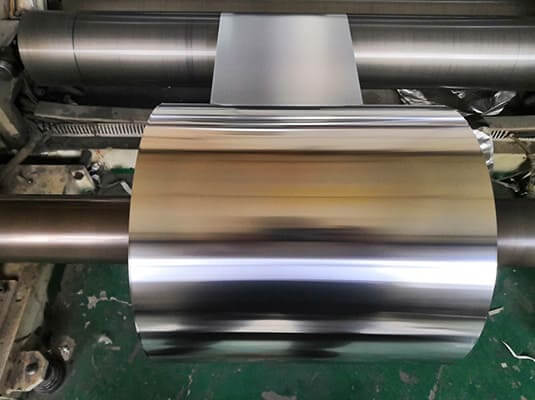
9-mikron 1235 Kerajang aluminium H18
H18 Temper (Penuh Keras, Cold-Worked):
- Kekuatan Tegangan: 110–150 MPa (16.0–21.8 ksi)
- Kekuatan Hasil: 100–130 MPa (14.5–18.9 ksi)
- Pemanjangan: 1–3%
- Kekerasan: 45–55 HB
- Struktur mikro: Elongated grains with high dislocation density from cold rolling
H18 temper provides handling stiffness for unwind operations and slit-edge stability.
Converters often specify H18 for foil that must traverse long web paths at high speed before lamination, as the increased rigidity reduces wrinkling and edge weaving.
The laminate structure subsequently provides flexibility in the finished product.
3. 9 Micrometer (μm) Ketebalan: Opportunities and Challenges
3.1 Opportunities (Why pursue 9 mikrometer?)
- Ringan & material cost reduction. Moving from e.g., 12–15 µm down to 9 µm reduces aluminum mass by ~25–40%, lowering raw-material cost and package weight. (9 µm = 0.009 mm).
- Excellent barrier per unit mass. Even at 9 µm a continuous aluminum layer provides near-opaque light barrier and very low oxygen and moisture transmission when incorporated into a laminate; suppliers report OTR and WVTR figures that place such laminates in “high barrier” class for many food and pharmaceutical applications.
- Improved form-factor and aesthetics. Thin foil conforms to complex shapes (labels, lidding) with smaller step heights and less bulk.
3.2 Cabaran (Inherent weaknesses of 9 mikrometer)
- Mechanical fragility: reduced puncture resistance, higher sensitivity to handling, and increased risk of pinholes during rolling and lamination. Typical practical tensile/puncture performance must be validated for the stack and forming process.
- Pinholes & defects control: process cleanliness and rolling/anneal schedules must be tightly controlled; pinhole density scales unfavorably with decreasing gauge.
- Adhesion and delamination risk: ultra-thin foil has less cohesive thickness for adhesives to “bite”; surface treatments or lacquers are often required to secure bond strength to polymers.
- Converting difficulty: membelah, embossing, die-cutting and rewinding require specialized tension control, anti-static measures and skilled equipment operators.
4. Structure of 9-Micron 1235 Composite Aluminum Foil
4.1 Typical Composite Structures
The 9-micron 1235 foil rarely serves as standalone packaging. Sebaliknya, it functions as the critical barrier layer within multi-material laminates that combine complementary properties.
Engineers design these structures to position each material where its properties deliver maximum value:
Struktur 1: PET/AL/PE (General-Purpose Food Packaging)
- PET (12–25μm): Exterior print carrier providing mechanical strength, kestabilan dimensi, and gloss
- Pelekat (1.5–3.0 g/m²): Polyurethane two-component system creating chemical bond
- AL (9μm): Core barrier layer blocking oxygen, lembapan, dan cahaya
- Pelekat (1.5–3.0 g/m²): Tie layer for polyethylene adhesion
- PE (40–80μm): Interior sealant providing heat-sealability, chemical resistance, and food contact compliance
Total thickness: ~65–120μm | Halangan: Otr <0.1 cc/m²·day, WVTR <0.01 g/m² · hari
Struktur 2: Paper/AL/PE (Cigarette Inner Liner)
- kertas (40–60 g/m²): Exterior providing dead-fold characteristics, kelegapan, and tactile quality
- AL (9μm): Barrier against moisture and aroma loss
- PE (20–60μm): Heat-seal layer for pack closure
This structure leverages the “dead-fold” property of 1235-O foil—the ability to retain a crease without spring-back—essential for cigarette pack forming at 400+ packs/minute.
Struktur 3: BOPP/AL/CPP (Confectionery and Snacks)
- BOPP (20μm): High-clarity exterior with excellent machinability
- AL (9μm): Barrier and light protection
- CPP (40–70μm): Hot-tack sealant for high-speed form-fill-seal operations
The biaxially oriented polypropylene (BOPP) provides superior crack resistance compared to PET, while cast polypropylene (CPP) offers broader heat-seal windows for confectionery packaging.
Struktur 4: PA/AL/PE (Puncture-Resistant Pouches)
- PA (15μm, Nylon): Exterior providing exceptional puncture and abrasion resistance
- AL (9μm): Barrier layer
- PE (60–80μm): Sealant and structural bulk
This configuration suits vacuum-packed meats and cheeses where bone edges or sharp corners threaten package integrity.
Tea packaging used 9-micron 1235 kerajang aluminium komposit
4.2 Why Composite for 9-Micron Aluminum Foil
Mechanical Protection:
The 9-micron foil cannot survive handling, penghantaran, or retail display as a single layer.
PET (tensile strength 200–300 MPa) or paper (stiffness 2–5 Nm/g) provide structural armor that prevents flex cracks and abrasion.
Integriti meterai:
Aluminum lacks thermoplasticity—it cannot heat-seal. PE or CPP layers (melting point 110–135°C) create hermetic closures through impulse or hot-bar sealing.
Chemical Isolation:
Acidic or alkaline products (sos tomato, detergen) corrode aluminum. PE and PP provide inert barriers preventing chemical attack.
Kebolehpercayaan:
Aluminum accepts only limited printing technologies. PET and paper substrates enable high-resolution gravure or flexographic decoration.
Cost Optimization:
At $8–12/kg for aluminum foil versus $2–4/kg for PE, composite structures minimize aluminum usage to the absolute barrier requirement while leveraging cheaper polymers for bulk.
5. Manufacturing Process of 9-Micron 1235 Composite Aluminum Foil
Key steps and control points:
- Casting and hot rolling to produce coil stock.
- Cold rolling schedules with multiple passes to progressively reduce gauge toward foil thickness. Intermediate and final anneals are applied to restore ductility and control grain structure. Precise pass schedules and roll gap control are critical to reach a uniform 9 µm target without excessive edge-wave or thickness variation.
- Surface preparation and cleaning to remove rolling oils and particulates (important to minimize pinholes).
- Coating/lacquering (pilihan) to provide printability and corrosion resistance prior to lamination.
- Laminasi (composite formation) — can be by solventless adhesive, penyemperitan penyemperitan (melt adhesive), or solvent/wet adhesives depending on stack and end-use. Proper adhesive selection, nip temperature and pressure are tuned to avoid foil wrinkles and to achieve peel strength targets.
- Slitting and rewinding with strict tension control and anti-static handling for 9 µm gauges.
- Quality inspection (pinhole detection, pemetaan ketebalan, surface inspection) and final packing.
Process control charts for foil production typically track gauge tolerance (cth., ±0.5 µm target for 9 µm), pinhole counts per m², and laminate peel strength.
6. Applications of 9-Micron 1235 Composite Aluminum Foil
6.1 Pembungkusan Makanan Fleksibel
The 9-micron 1235 foil serves as the barrier backbone for dry goods packaging:
- Coffee and Tea: Aroma retention critical; 9μm foil with <40 pinholes/m² maintains freshness 12–18 months
- Snack Foods: PET/AL/PE structures provide light protection for photosensitive vitamins and flavors
- Powdered Beverages: WVTR <0.01 g/m²·day prevents caking and preserves solubility
High-speed form-fill-seal (FFS) lines operate at 200+ cycles/minute with 9-micron foil, validating its mechanical stability under rapid flexing.
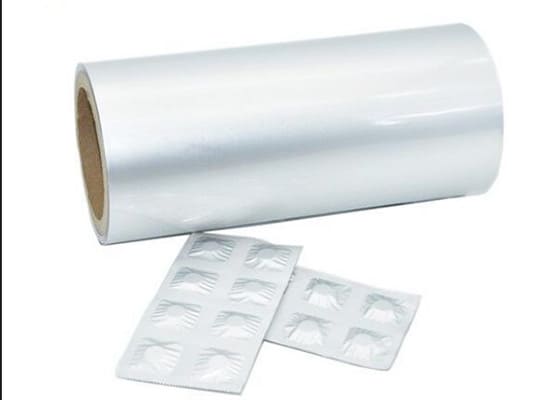
Sachet Strips For Medical Packaging
6.2 Pharmaceutical and Medical Packaging
Secondary overwraps for pharmaceuticals utilize 9-micron foil in:
- Sachet Strips: PET/AL/PE for unit-dose powders and granules
- Lidding Foil: 9μm 1235-O replaces thicker gauges for cost-sensitive OTC products
- Tropical Blister Alternatives: Non-PVC laminates for high-humidity markets
Migration testing per EU 10/2011 and FDA 21 CFR 177.1390 ensures compliance for indirect food contact.
6.3 Tobacco Packaging
Cigarette inner liners represent a major 9-micron application:
- Struktur: kertas (40–60 g/m²)/AL (9μm)/PE (20–30μm)
- Mati kali ganda: 1235-O temper retains sharp creases without spring-back
- Penghalang aroma: Prevents moisture loss and flavor cross-contamination
- Speed Compatibility: Runs at 400+ packs/minute on G.D. and Focke machines
6.4 Industrial and Technical Applications
Cable Wrap: Non-woven/AL/PE laminates provide electromagnetic interference (EMI) shielding with 9-micron foil delivering >60 dB attenuation at 1 GHz.
Building Insulation: Foil-faced radiant barriers utilize 9μm 1235 for cost-effective reflectivity (>88% solar reflectance).
Battery Pouch Films: Lamination with nylon and polypropylene creates containment for lithium-ion cells, with 9-micron foil providing moisture barrier and electrical isolation.
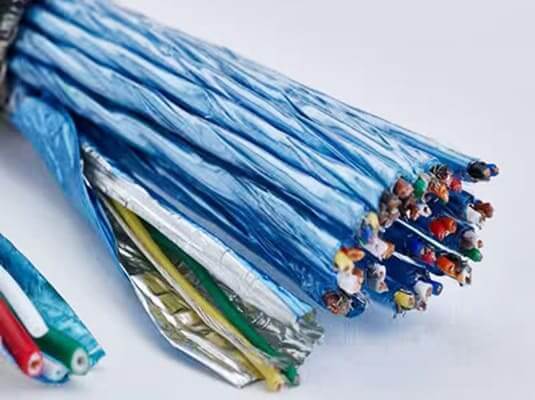
1235 aluminum foil for Cable Wrap
7. Comparative Alloy Analysis
Engineers selecting aluminum foil must evaluate alternatives to 1235. The following matrix compares key options for 9-micron applications:
| Atribut | 1235 | 8079 | 8011 | Selection Guidance |
|---|---|---|---|---|
| Ketulenan Aluminium | ≥99.35% | ≥99.0% | ~97.0% (Al-Fe-Si) | 1235 for highest purity; 8079 for pinhole-critical <7μm |
| Kekuatan Tegangan (Wahai perangai) | 60–90 MPa | 80-110 MPa | 80-120 MPa | Higher strength in 8079/8011 for handling stiffness |
| Pemanjangan (Wahai perangai) | 25-35% | 15-25% | 15-25% | 1235 superior for deep drawing and folding |
| Dead-Fold Characteristics | Cemerlang | Sangat bagus | Baik | 1235 preferred for cigarette/tobacco |
| Pinhole Resistance at 9μm | Enhanced: ≤40/m² | Enhanced: ≤30/m² | Enhanced: ≤25/m² | 8079/8011 intermetallics improve rolling; 1235 requires tighter process control |
| Cost Position | $ (Terendah) | $$ | $$ | 1235 offers 10–15% cost advantage |
| Aplikasi Biasa | Mainstream food, tembakau, general lamination | High-barrier pharma, abuse-resistant pouches | Lidding, tube laminates, heat-seal applications |
8. Huawei 9-Micron 1235 Composite Aluminum Foil Specification
(Representative supplier specification drawn from typical product pages — engineers should request a manufacturer-run Material Test Certificate and sample tests before approving for production.)
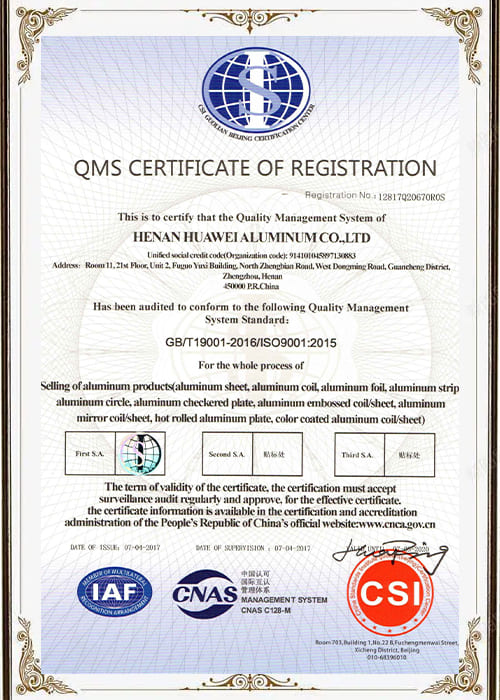
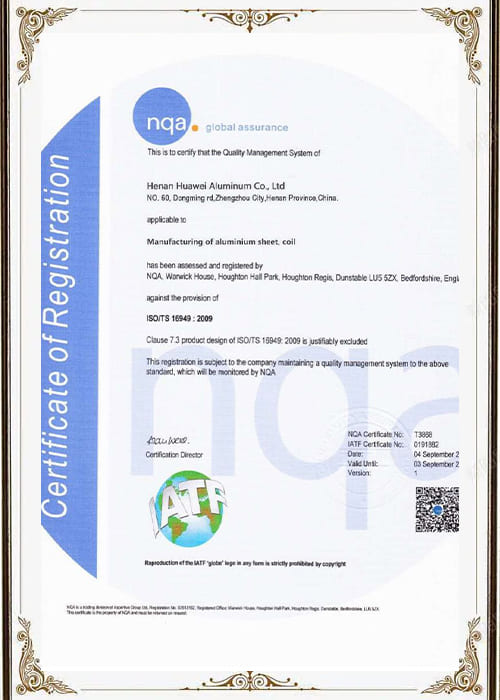
Supplier example: Henan Huawei Aluminium Co., Ltd (commercial supplier listing for “9-Micron 1235 Composite Aluminum Foil”). Reported or typical specification items include:
- Aloi: 1235 (O temper typical for lamination).
- Nominal aluminum thickness: 9 µm (0.009 mm).
- Composite stacks offered: PET/AL(9)/PE; Paper/AL(9)/PE; BOPP/AL(9)/PE.
- Typical WVTR / OTR for laminated structures (supplier reported example): Otr < 0.1 (units depend on test method; usually cc/m²·day), WVTR < 0.01 (g/m² · hari) for finished laminate — confirm test method and units with supplier before quoting shelf life.
- Ketumpatan pinhole: marketed as “low pinhole density” — suppliers commonly specify pinhole counts per m² or qualitative grades; ask for measured pinhole counts at acceptance.
- perangai: O (anil) or light cold-work (as required).
- Salutan: optional lacquer for printability; adhesive systems per laminate.
- Pakej: jumbo rolls, typical widths 200–1,600 mm; coil ID/OD to buyer spec.
- Kawalan kualiti: thickness tolerance band (untuk 9 µm often specified ±0.5–1.0 µm depending on supplier), visual surface class, pinhole acceptance, MTC available on request.
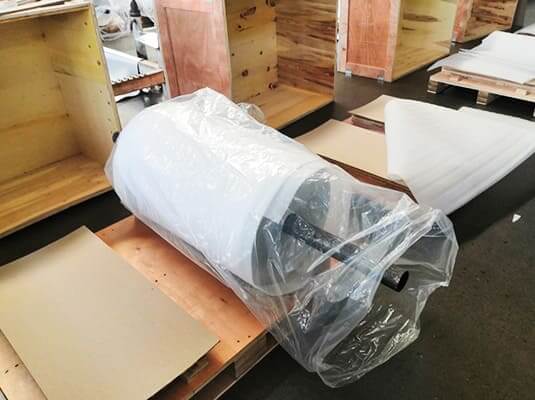
Huawei Aluminum Foil Export Packaging
9. Kesimpulan
The 9-mikron 1235 kerajang aluminium komposit is a testament to the power of systems thinking in material science.
It is a highly optimized solution that acknowledges the limitations of a single material and overcomes them through intelligent combination.
By pairing the absolute barrier potential of an ultra-thin 1235 aluminum foil with the mechanical strength of polymer films, the packaging industry has created a material that is both high-performing and highly economical.
It is not the most robust barrier available, but for the vast majority of flexible packaging needs, it represents the perfect equilibrium of protection, kos, dan kecekapan.
Soalan Lazim
1. If 9-micron foil has pinholes, is it still a “high barrier”?
ya. In a composite structure, the barrier performance is not determined by the foil alone. The adhesive and polymer layers create a “tortuous path” that effectively seals the microscopic pinholes. The final laminate still provides an exceptionally low OTR and WVTR (cth., <0.5), which is firmly in the high-barrier category and far superior to any non-foil-based film.
2. Why not just use a thicker foil to avoid pinholes?
You can, but it comes with trade-offs. A thicker foil (cth., 12µm or 15µm) will have fewer pinholes and more strength, but it will be more expensive, heavier, and result in a stiffer final package, which may not be desirable. 9 microns is often the most cost-effective solution that meets the required barrier specifications for a huge range of products.
3. What is the difference between this and “Alu-Alu” foil?
“Alu-Alu” (bentuk sejuk) foil is a much thicker, soft-temper aluminum foil (biasanya 45-60 mikron) laminated with OPA and PVC. It is designed to be plastically deformed (cold-formed) into a blister cavity, providing an absolute, 100% halangan. 9-micron composite foil is a thin, flexible material used for flat pouches and bags; it cannot be formed into a deep cavity.
Proses pengeluaran tuangan dan pengenalannya
Tujuan peleburan dan tuangan adalah untuk menghasilkan aloi dengan komposisi yang memuaskan dan ketulenan leburan yang tinggi, supaya mewujudkan keadaan yang baik untuk tuangan aloi pelbagai bentuk.
Langkah-langkah proses peleburan dan tuangan: batching --- memberi makan --- lebur --- kacau selepas cair, penyingkiran sanga --- persampelan pra-analisis --- menambah aloi untuk melaraskan komposisi, kacau --- menapis --- Tetapan statik——Panduan tuangan relau.
Proses pengeluaran rolling panas dan pengenalannya
- 1. Penggulungan panas secara amnya merujuk kepada penggelek di atas suhu penghabluran semula logam;
- 2. Semasa proses rolling panas, logam mempunyai kedua-dua proses pengerasan dan pelembutan. Disebabkan oleh pengaruh kelajuan ubah bentuk, selagi proses pemulihan dan penghabluran semula sudah terlambat, akan ada pengerasan kerja tertentu;
- 3. Penghabluran semula logam selepas penggelek panas tidak lengkap, itu dia, kewujudan bersama struktur terhablur semula dan struktur cacat;
- 4. Gulungan panas boleh meningkatkan prestasi pemprosesan logam dan aloi, mengurangkan atau menghapuskan kecacatan tuangan.
- 1. Suhu tuangan dan penggulungan biasanya antara 680°C dan 700°C. Lebih rendah lebih baik, garisan pemutus dan penggelek yang stabil biasanya berhenti sebulan sekali atau lebih untuk berdiri semula. Semasa proses pengeluaran, adalah perlu untuk mengawal ketat paras cecair tangki hadapan untuk mengelakkan paras cecair rendah;
- 2. Pelinciran menggunakan serbuk C dengan pembakaran gas yang tidak lengkap untuk pelinciran, yang juga merupakan salah satu punca permukaan kotor bahan tuang dan bergolek;
- 3. Kelajuan pengeluaran biasanya antara 1.5m/min-2.5m/min;
- 4. Kualiti permukaan produk yang dihasilkan melalui tuangan dan penggulungan secara amnya agak rendah, dan secara amnya tidak dapat memenuhi produk dengan keperluan prestasi fizikal dan kimia khas.
- 1. Rolling sejuk merujuk kepada kaedah pengeluaran rolling di bawah suhu penghabluran semula;
- 2. Tidak akan ada penghabluran semula dinamik semasa proses penggulungan, dan suhu akan meningkat kepada suhu pemulihan paling banyak, dan gelek sejuk akan muncul dalam keadaan pengerasan kerja, dan kadar pengerasan kerja akan menjadi besar;
- 3. Lembaran dan jalur canai sejuk mempunyai ketepatan dimensi yang tinggi, kualiti permukaan yang baik, struktur dan prestasi seragam, dan produk di pelbagai negeri boleh diperolehi dengan rawatan haba;
- 4. Gulungan sejuk boleh melancarkan jalur nipis, tetapi pada masa yang sama, ia mempunyai kelemahan penggunaan tenaga yang tinggi untuk ubah bentuk dan banyak pas pemprosesan.
- 1. Kemasan ialah kaedah pemprosesan untuk menjadikan helaian canai sejuk memenuhi keperluan pelanggan, atau untuk memudahkan pemprosesan seterusnya produk;
- 2. Peralatan penamat boleh membetulkan kecacatan yang dihasilkan dalam proses pengeluaran rolling panas dan sejuk, seperti tepi retak, berminyak, bentuk pinggan yang lemah, tekanan sisa, dan lain-lain. Ia perlu memastikan tiada kecacatan lain dibawa ke dalam proses pengeluaran;
- 3. Terdapat pelbagai peralatan kemasan, terutamanya termasuk memotong silang, membelah, regangan dan meluruskan, relau penyepuhlindapan, meluncur, dan lain-lain.
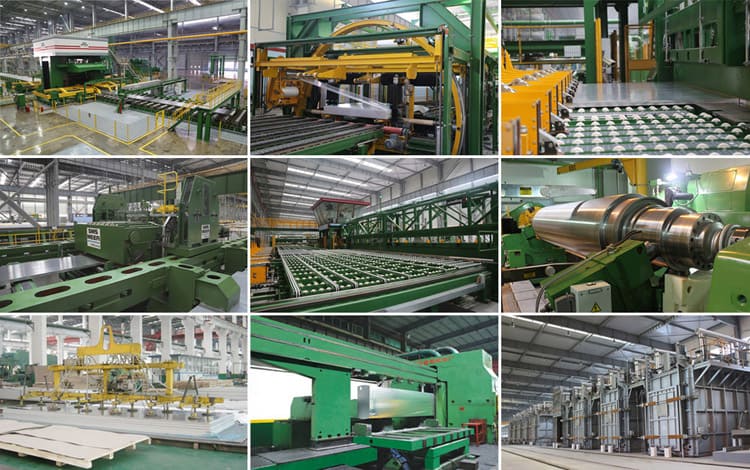
Proses penuangan dan penggulungan
Proses penuangan dan penggulungan: logam cair, kotak hadapan (kawalan paras cecair), mesin pemutus dan penggulungan (sistem pelinciran, air penyejuk), mesin ricih, mesin gegelung.
Proses pengeluaran rolling sejuk
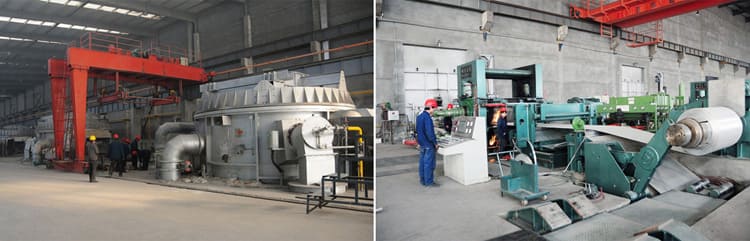
Pengenalan kepada proses pengeluaran penamat
Aloi aluminium mempunyai ciri-ciri ketumpatan rendah, sifat mekanikal yang baik, prestasi pemprosesan yang baik, tidak toksik, mudah untuk dikitar semula, kekonduksian elektrik yang sangat baik, pemindahan haba dan rintangan kakisan, jadi ia mempunyai pelbagai aplikasi.
Aeroangkasa: digunakan untuk membuat kulit pesawat, bingkai fiuslaj, galang, pemutar, baling-baling, tangki bahan api, panel dinding dan tupang gear pendaratan, serta cincin penempaan roket, panel dinding kapal angkasa, dan lain-lain.
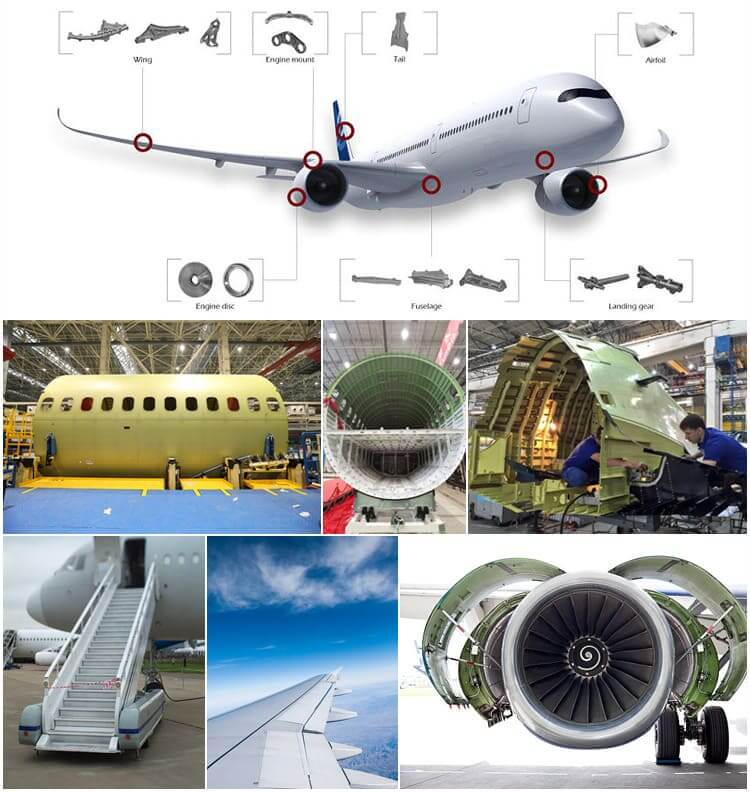
Aloi aluminium digunakan untuk aeroangkasa
Pengangkutan: digunakan untuk bahan struktur badan kereta kereta, kenderaan bawah tanah, kereta penumpang kereta api, kereta penumpang berkelajuan tinggi, pintu dan tingkap, rak, bahagian enjin automotif, penghawa dingin, radiator, panel badan, roda dan bahan kapal.

Permohonan trafik
Pembungkusan: Tin pop semua-aluminium digunakan terutamanya sebagai bahan pembungkusan logam dalam bentuk plat nipis dan kerajang, dan dijadikan tin, tudung, botol, tong, dan kerajang pembungkusan. Digunakan secara meluas dalam pembungkusan minuman, makanan, kosmetik, ubat-ubatan, rokok, produk industri, ubat-ubatan, dan lain-lain.
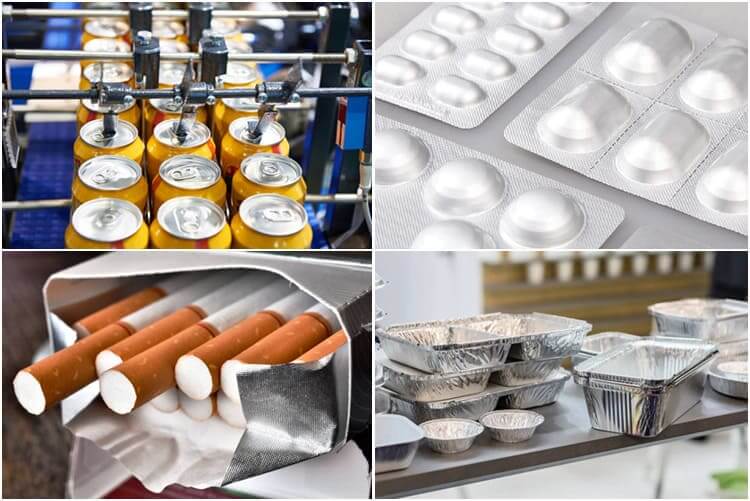
Aplikasi pembungkusan
Mencetak: Terutamanya digunakan untuk membuat plat PS, plat PS berasaskan aluminium adalah jenis bahan baharu dalam industri percetakan, digunakan untuk membuat dan mencetak plat automatik.
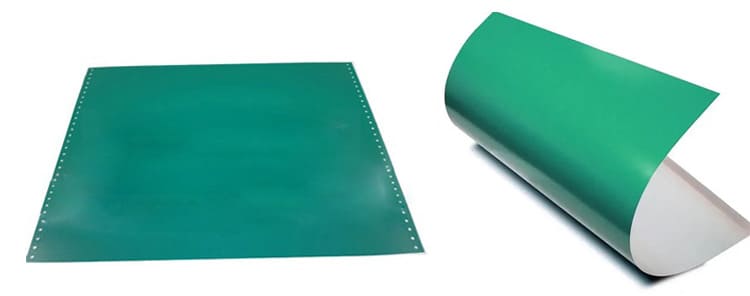
percetakan PS
Hiasan seni bina: aloi aluminium digunakan secara meluas dalam struktur bangunan, pintu dan tingkap, siling yang digantung, permukaan hiasan, dan lain-lain. kerana rintangan kakisan yang baik, kekuatan yang mencukupi, prestasi proses yang sangat baik dan prestasi kimpalan.

Aplikasi pembinaan aloi aluminium
Produk elektronik: komputer, telefon bimbit, kerang peti ais, radiator, dan lain-lain.
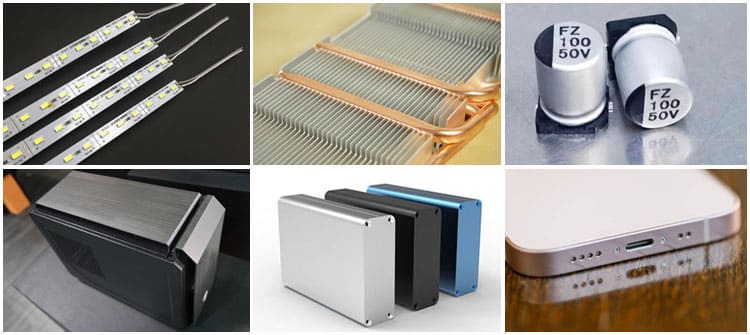
Aplikasi produk elektronik
Bekalan dapur: periuk aluminium, besen aluminium, pelapik periuk nasi, kerajang aluminium isi rumah, dan lain-lain.
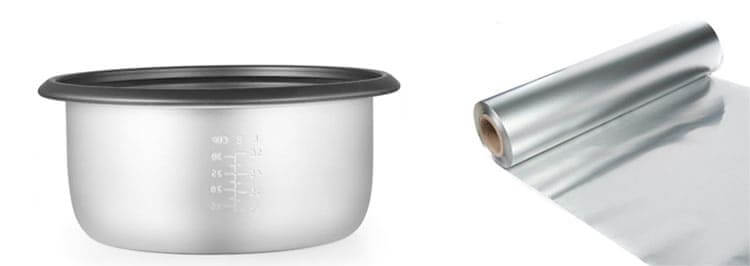
Aplikasi dapur
Pembungkusan Kepingan/Gegelung Aluminium
Setiap butiran pembungkusan adalah tempat kami mengejar perkhidmatan yang sempurna. Proses pembungkusan kami secara keseluruhan adalah seperti berikut:
Laminasi: filem yang jelas, filem biru, mikro-mukosa, mukosa tinggi, filem pemotongan laser (2 jenama, Novacell dan Polyphem);
Perlindungan: pelindung sudut kertas, pad anti tekanan;
pengeringan: bahan pengering;
Dulang: dulang kayu tidak berbahaya yang diwasap, dulang besi boleh guna semula;
Pembungkusan: Tali pinggang keluli tic-tac-toe, atau tali pinggang pembungkusan PVC;
Kualiti Bahan: Benar-benar bebas daripada kecacatan seperti karat putih, tompok minyak, tanda bergolek, kerosakan tepi, selekoh, kemek, lubang-lubang, garis putus, calar, dan lain-lain., tiada set gegelung.
Pelabuhan: Qingdao atau pelabuhan lain di China.
Masa utama: 15-45 hari.
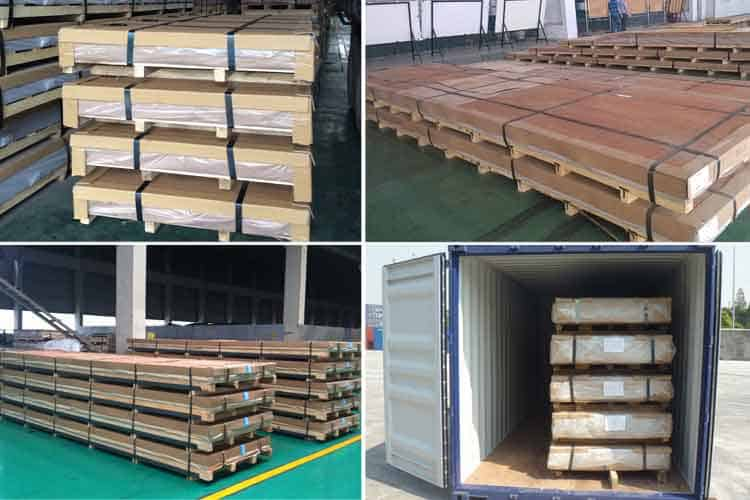
Proses pembungkusan kepingan / plat aluminium
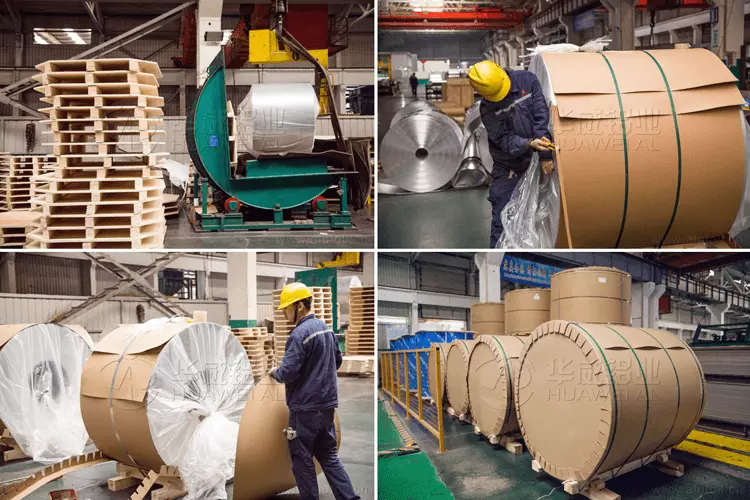
Proses pembungkusan gegelung aluminium
F: Adakah anda pengilang atau peniaga?
Q: Kami adalah pengilang, kilang kami terletak di No.3 Weier Road, Zon Perindustrian, Gongyi, Henan, China.
F: Apakah MOQ untuk memesan produk?
Q: MOQ kami ialah 5 tan, dan beberapa produk istimewa akan mempunyai kuantiti pesanan minimum sebanyak 1 atau 2 tan.
F: Berapa lama masa utama anda?
Q: Umumnya masa utama kami adalah lebih kurang 30 hari.
F: Adakah produk anda mempunyai jaminan kualiti?
Q: ya, jika terdapat masalah kualiti dengan produk kami, kami akan memberi pampasan kepada pelanggan sehingga mereka berpuas hati.
Produk Berkaitan


Blog Terkini
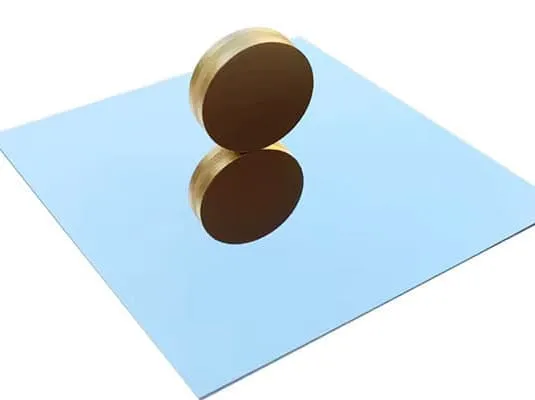
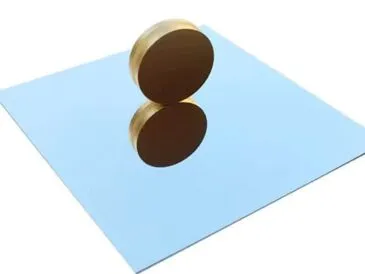
Lembaran cermin aluminium pemantulan ultra tinggi
Lembaran cermin aluminium pemantulan ultra tinggi dengan pantulan boleh dilihat 95–98%., taburan rendah (TIS <1%), dan nasihat spesifikasi untuk BRDF, lengkung spektrum dan salutan.

Dipercayai 3003 Pembekal Lembaran Plat Penyemak Aluminium Di Seluruh Dunia
Cari yang boleh dipercayai 3003 Pembekal Lembaran Plat Penyemak Aluminium menawarkan kualiti yang diperakui, penetapan harga yang kompetitif, saiz tersuai, dan penghantaran global yang pantas untuk projek anda.

6061 T6 lwn 7075 aluminium: Kekuatan, Berat badan & Kegunaan Terbaik
Bandingkan 6061 T6 lwn 7075 aluminium dengan mudah. Temui perbezaan dalam kekuatan, berat badan, dan aplikasi untuk memilih yang terbaik untuk projek anda.

Perindustrian dan penerapan kerajang aluminium sarang lebah
Blog ini meneroka perindustrian kerajang aluminium sarang lebah, memberi tumpuan kepada 3003 Proses pengeluaran aloi. Ia meliputi rolling panas, tuangan berterusan, dan kaedah pemutus yang berterusan, menonjolkan manfaat pengoptimuman proses dalam meningkatkan sifat mekanikal, mengurangkan penggunaan tenaga, dan menurunkan kos pengeluaran.