High Quality Aluminum Disc for Cookware
15,738 Views 2025-07-10 03:27:25
Aluminum discs form the foundation of superior cookware manufacturing, offering exceptional heat distribution and durability.
The quality of these discs directly impacts the performance and longevity of the final cookware products.
This comprehensive guide explores everything manufacturers and suppliers need to know about selecting and utilizing high quality aluminum disc for cookware production.
From alloy selection to technical specifications, quality factors to manufacturing processes, we’ll cover the essential aspects that ensure your cookware products meet the highest standards.
Whether you’re producing pots, pans, pressure cookers, or specialized cooking equipment, understanding these critical components will help you create exceptional products that stand out in the market.

High Quality Aluminum Disc for Cookware
Key Benefits of High Quality Aluminum Disc for Cookware
High quality aluminum discs offer numerous advantages that make them the preferred material for premium cookware manufacturing.
These benefits directly translate to superior performance in the finished products, enhancing both functionality and consumer satisfaction.
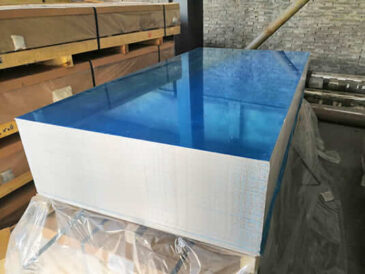
Premium aluminum discs with excellent surface finish for superior cookware production
Superior Heat Conductivity
Aluminum conducts heat approximately 4 times better than stainless steel.
This exceptional thermal conductivity ensures rapid and even heat distribution throughout the cooking surface, eliminating hot spots that can lead to uneven cooking or burning.
For professional and home chefs alike, this translates to more precise temperature control and consistent cooking results.
Additionally, aluminum’s quick response to temperature changes allows for more efficient cooking, reducing energy consumption and providing better control during delicate cooking processes.
This responsiveness is particularly valuable for sauces, chocolates, and other temperature-sensitive preparations.
Lightweight Yet Durable
Despite its impressive strength, aluminum weighs approximately one-third as much as steel.
This lightweight nature makes cookware more manageable and comfortable to use, especially for larger pots and pans.
The reduced weight doesn’t compromise durability when high quality aluminum discs are used in manufacturing.
Furthermore, properly manufactured aluminum cookware offers excellent resistance to warping and deformation under normal cooking conditions.
This stability ensures the cookware maintains its shape and performance characteristics throughout its lifespan, providing consistent cooking results year after year.
Excellent Formability
High quality aluminum discs possess superior formability, making them ideal for deep drawing, spinning, and other manufacturing processes used in cookware production.
This characteristic allows for the creation of complex shapes and designs without compromising structural integrity or performance.
The exceptional malleability of aluminum enables manufacturers to create cookware with precise dimensions and specifications.
This versatility supports innovation in cookware design, allowing for the development of specialized products tailored to specific cooking methods or culinary traditions.
Corrosion Resistance
Quality aluminum naturally forms a protective oxide layer that shields against corrosion.
This inherent resistance makes aluminum cookware highly durable and suitable for various cooking applications.
When properly anodized or treated, this corrosion resistance can be further enhanced.
The natural corrosion resistance of aluminum contributes significantly to the longevity of cookware products.
This durability represents an important selling point for consumers seeking long-term value and reliability in their kitchen investments, particularly for frequently used items.

High Quality Aluminum Disc for Basin
Essential Aluminum Alloys for Cookware Manufacturing
Selecting the appropriate aluminum alloy is crucial for ensuring the quality and performance of cookware products.
Different alloys offer varying properties that make them suitable for specific applications within the cookware industry.
Understanding these differences helps manufacturers choose the optimal material for their particular requirements.
| Alloy | Aluminum Content | Key Properties | Best Applications | Typical Thickness |
|---|---|---|---|---|
| 1050 | 99.5% | Excellent formability, high thermal conductivity, superior corrosion resistance | General cookware, frying pans, pot covers | 0.5mm – 3.0mm |
| 1060 | 99.6% | Enhanced purity, excellent deep drawing capability, superior surface finish | Premium cookware, pizza pans, baking sheets | 0.5mm – 3.0mm |
| 1100 | 99.0% | Good formability, excellent weldability, moderate strength | Stock pots, general cookware, utensils | 0.7mm – 2.0mm |
| 3003 | 98.6% (with manganese) | Improved strength, good formability, excellent corrosion resistance | Pressure cookers, rice cookers, durable cookware | 2.0mm – 4.0mm |
| 5052 | 97.5% (with magnesium) | High strength, excellent fatigue resistance, good corrosion resistance | Non-stick pans, pressure vessels, specialty cookware | 1.0mm – 3.0mm |
1000 Series Alloys for Superior Formability
The 1000 series aluminum alloys (1050, 1060, 1070, 1100) contain at least 99% aluminum, making them exceptionally pure.
This purity translates to superior formability, excellent heat conductivity, and consistent anodizing performance.
These characteristics make them ideal for applications requiring deep drawing and spinning, common processes in cookware manufacturing.
The high purity of these alloys also contributes to their excellent surface finish quality, an important factor for cookware aesthetics.
Additionally, their natural corrosion resistance makes them suitable for various cooking applications without requiring extensive protective treatments.

1100 High Quality Aluminum Disc for Cookware
3000 Series Alloys for Enhanced Durability
The 3000 series alloys, particularly 3003, contain manganese which significantly improves strength while maintaining good formability.
This combination makes them excellent for applications requiring both durability and the ability to form complex shapes.
The added strength doesn’t substantially impact weight, preserving the lightweight advantage of aluminum cookware.
These alloys are particularly well-suited for pressure cookers, rice cookers, and other applications where structural integrity under pressure or heat is essential.
Their improved strength also contributes to better resistance against warping and deformation during use, extending the product lifespan.
5000 Series Alloys for Specialized Applications
The 5000 series alloys contain magnesium, which provides exceptional strength-to-weight ratio and excellent fatigue resistance.
These properties make them ideal for specialized cookware applications that require superior structural integrity.
The 5052 alloy, in particular, offers an excellent balance of formability and strength.
These alloys are commonly used in professional-grade cookware and applications where durability under demanding conditions is paramount.
Their enhanced mechanical properties make them suitable for cookware designed for intensive commercial use or specialized cooking techniques.
Technical Specifications of High Quality Aluminum Disc for Cookware
Understanding the technical specifications of aluminum discs is essential for selecting the right material for specific cookware applications.
These specifications directly impact manufacturing processes, product performance, and overall quality.
Manufacturers must consider several key parameters when sourcing aluminum discs for cookware production.
Thickness Considerations
The thickness of aluminum discs typically ranges from 0.3mm to 6.0mm for cookware applications.
Selecting the appropriate thickness depends on the specific cookware type and its intended use.
Thinner discs (0.5-1.5mm) are generally used for items like baking sheets and simple pans, while thicker discs (2.0-4.0mm) are preferred for premium cookware that requires superior heat distribution and durability.
For pressure cookers and similar applications, manufacturers typically use discs in the 3.0-5.0mm range to ensure structural integrity under pressure.
The thickness also affects the weight of the final product, with thicker discs resulting in heavier cookware that may provide better heat retention but at the cost of increased weight.

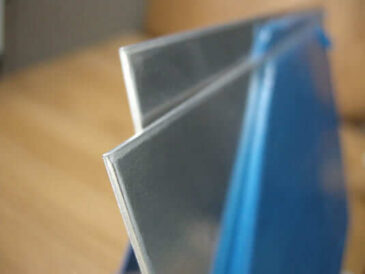
Huawei Aluminum Disc Circle Thickness Measurement
Diameter and Dimensional Accuracy
Aluminum discs for cookware typically range from 100mm to 600mm in diameter, though specialized applications may require smaller or larger dimensions.
The dimensional accuracy of these discs is crucial for efficient manufacturing processes, particularly for automated production lines where precise dimensions ensure proper fit in tooling and dies.
High quality aluminum discs maintain tight tolerances in both diameter and thickness, typically within ±0.1mm for thickness and ±0.5mm for diameter.
These precise dimensions minimize material waste and reduce the need for additional processing, ultimately improving production efficiency and reducing costs.
Surface Finish Quality
The surface finish of aluminum discs significantly impacts both manufacturing processes and the quality of the final product.
For cookware applications, manufacturers typically specify one of several finish types: mill finish, bright finish, or anodized aluminum disc quality.
The choice depends on the intended application and any subsequent surface treatments.
High quality aluminum discs feature consistent surface finishes free from defects such as scratches, dents, oil residue, or oxidation.
These clean surfaces ensure better adhesion for non-stick coatings and more consistent results during anodizing processes.
Premium discs often undergo additional processing to achieve specific surface characteristics tailored to particular manufacturing requirements.

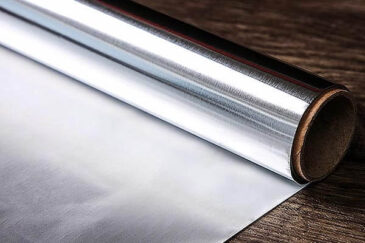
High Quality Aluminum Disc Surface Display
Temper and Mechanical Properties
The temper of aluminum discs refers to their hardness and formability, which are controlled through heat treatment and work hardening.
Common tempers for cookware applications include O (fully annealed), H12, H14, and H16 (various degrees of work hardening).
The O temper provides maximum formability for deep drawing operations, while the H tempers offer increased strength at the cost of reduced formability.
Key mechanical properties to consider include tensile strength, yield strength, and elongation.
For cookware applications requiring deep drawing, discs with high elongation values (typically 25-35% for O temper) are preferred.
The specific requirements depend on the manufacturing processes and the performance characteristics desired in the final product.
| Temper | Tensile Strength (MPa) | Yield Strength (MPa) | Elongation (%) | Best For |
|---|---|---|---|---|
| O (Annealed) | 60-100 | 20-40 | 30-45 | Deep drawing, complex forms |
| H12 (Quarter Hard) | 100-140 | 90-120 | 8-12 | Moderate forming, better strength |
| H14 (Half Hard) | 120-160 | 110-140 | 5-8 | Limited forming, higher strength |
| H16 (Three-Quarter Hard) | 140-180 | 130-160 | 4-6 | Minimal forming, maximum strength |
Need Custom Specifications for Your Cookware?
We can provide aluminum discs tailored to your exact requirements, including custom diameters, thicknesses, and surface finishes.
Quality Factors for Premium Aluminum Discs
The performance and durability of cookware products depend significantly on the quality of the aluminum discs used in their manufacture.
Several key factors distinguish high quality aluminum disc for cookware from substandard alternatives.
Understanding these quality indicators helps manufacturers source materials that will result in superior finished products.
Quality inspection process for premium aluminum discs ensures consistent performance
Material Purity and Composition
High quality aluminum discs are manufactured from virgin aluminum ingots rather than recycled materials.
This ensures consistent chemical composition and minimizes the presence of impurities that could affect performance.
Premium discs comply with international standards such as ASTM B209, EN 485, or GB/T 3880, which specify strict requirements for chemical composition.
The aluminum content in high-quality discs typically exceeds 99.5% for 1000 series alloys, with precisely controlled levels of alloying elements in other series.
This compositional consistency ensures predictable performance in both manufacturing processes and the finished cookware products.
Grain Structure and Consistency
The grain structure of aluminum discs significantly impacts their formability and resistance to cracking during manufacturing processes.
High quality discs feature uniform, fine grain structures that facilitate consistent performance during deep drawing and spinning operations.
Premium manufacturers typically control grain size to Grade I or II according to international standards.
This controlled grain structure ensures higher yield rates during production, with some manufacturers achieving nearly 100% yield when using top-quality aluminum discs.
The consistency of the grain structure throughout the disc also prevents localized weaknesses that could lead to failures during manufacturing or use.
Surface Quality and Defect Control
Premium aluminum discs feature surfaces free from defects such as scratches, dents, oil residue, or oxidation.
These clean surfaces ensure better adhesion for non-stick coatings and more consistent results during anodizing processes.
Quality manufacturers implement rigorous inspection procedures to identify and eliminate surface defects before shipping.
For cookware applications, surface quality directly impacts both the manufacturing process and the performance of the finished product.
Defects can lead to issues during forming operations and may compromise the integrity of coatings or treatments applied to the cookware surface.
Dimensional Consistency
High quality aluminum discs maintain tight tolerances in both diameter and thickness, typically within ±0.1mm for thickness and ±0.5mm for diameter.
This dimensional consistency ensures efficient manufacturing processes, particularly for automated production lines where precise dimensions are critical for proper tooling fit.
Consistent thickness across the entire disc is especially important for cookware applications, as variations can lead to uneven heat distribution in the finished product.
Premium manufacturers employ advanced measurement and control systems to ensure uniform thickness throughout each disc.
“The quality of aluminum discs directly impacts both manufacturing efficiency and product performance.
In our experience, investing in premium discs reduces production issues by over 30% and significantly enhances the quality of our cookware products.”
Certification and Compliance
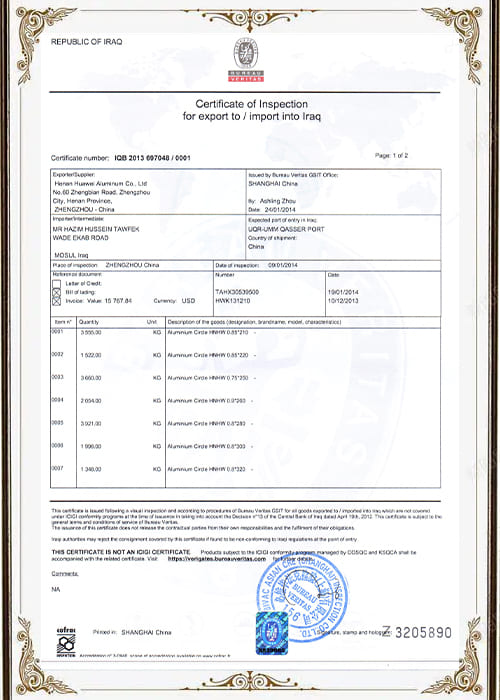
High quality aluminum discs for cookware applications typically come with comprehensive certification documentation.
This includes material test certificates (MTCs) that verify chemical composition, mechanical properties, and dimensional accuracy.
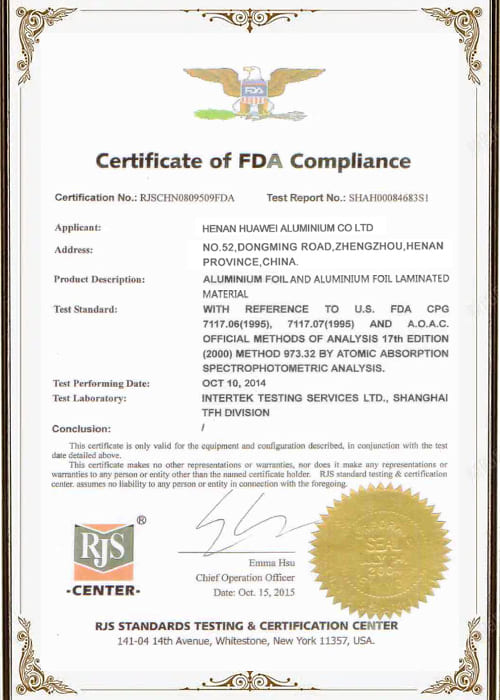
For food-contact applications, additional certifications such as FDA or LFGB compliance may be required.
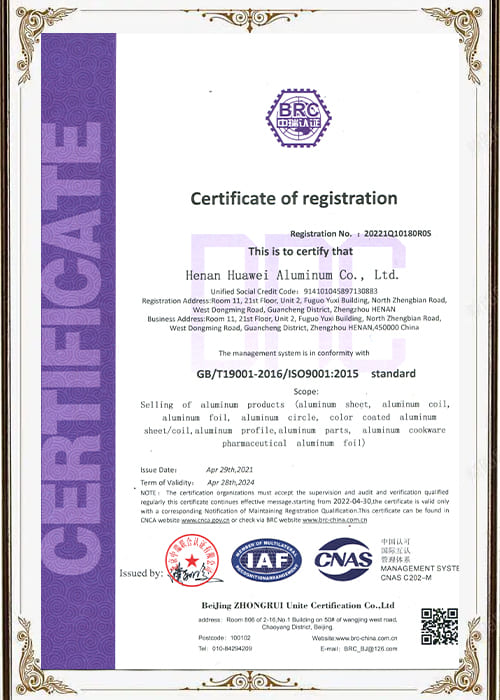
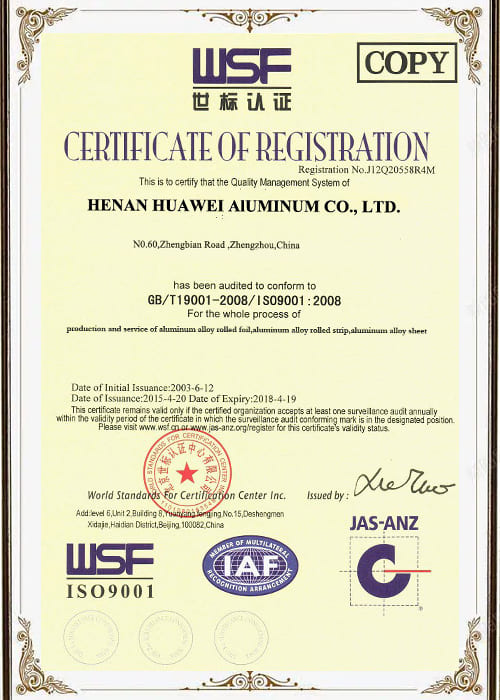
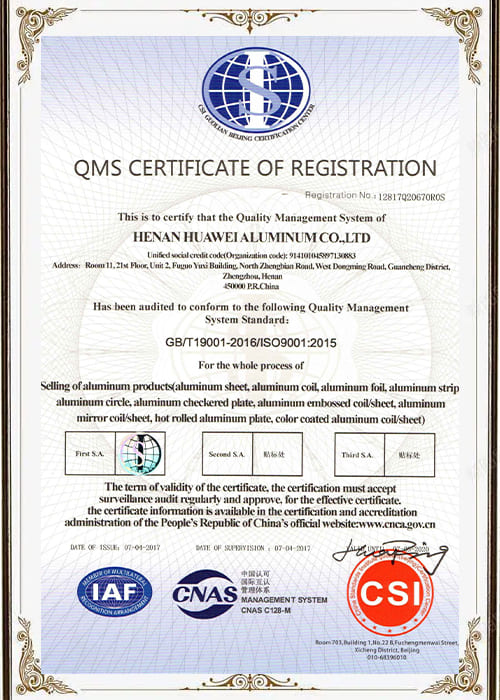
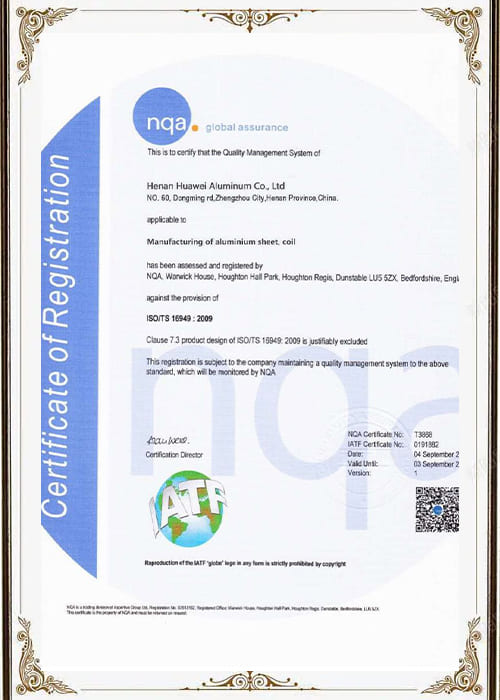
Reputable manufacturers maintain ISO 9001 certification for their quality management systems and may offer additional certifications specific to particular industries or applications.
These certifications provide assurance that the discs meet established quality standards and regulatory requirements.
Verify Quality Before Production
Request free samples of our premium aluminum discs to test in your manufacturing process before placing a bulk order.
Manufacturing Processes for Aluminum Cookware Discs
Understanding the manufacturing processes used to produce aluminum discs provides valuable insight into their quality and performance characteristics.
Different production methods result in varying properties that may be more suitable for specific cookware applications.
Manufacturers should consider these processes when selecting materials for their products.
Automated cutting process for precision aluminum disc production

High Quality Aluminum Disc for Cookware Menufacture
Direct Casting and Hot Rolling
This traditional process begins with molten aluminum that is cast into slabs or ingots, then hot-rolled to reduce thickness.
The resulting material undergoes cold rolling to achieve the desired final thickness before being cut into discs.
This method produces discs with excellent grain structure and mechanical properties, making them ideal for deep drawing applications in cookware manufacturing.
The controlled cooling during hot rolling contributes to the development of uniform grain structures, which enhances formability.
This process is particularly suitable for producing thicker discs (above 2mm) used in premium cookware applications where heat distribution and structural integrity are paramount.
Continuous Cast and Roll (CC) Process
The CC process combines casting and initial rolling into a continuous operation, producing coils directly from molten aluminum.
This method offers cost advantages and is commonly used for producing thinner aluminum discs.
The resulting material typically has different grain characteristics compared to traditional hot-rolled material, which may affect its performance in certain manufacturing processes.
CC aluminum discs are often preferred for spinning operations rather than deep drawing, as their grain structure may be less suitable for extreme forming operations.
However, advancements in CC technology have improved the quality and consistency of these materials, making them increasingly viable for a wider range of applications.
Disc Production Methods
Once the aluminum sheet or coil is produced, several methods are used to create the circular discs required for cookware manufacturing.
Each method offers different advantages in terms of precision, efficiency, and suitability for specific applications:
Stamping/Punching
This high-efficiency method uses specialized dies to punch discs directly from aluminum coils or sheets.
It’s ideal for mass production and offers excellent consistency when properly tooled.
Modern stamping lines can produce thousands of discs per hour with minimal material waste through optimized nesting patterns.
The edge quality of stamped discs depends on the condition of the tooling and the properties of the aluminum material.
Premium manufacturers maintain their tooling to ensure clean cuts with minimal burrs or deformation at the edges.
Laser Cutting
Laser cutting provides exceptional precision and flexibility, making it ideal for custom or small-batch production.
This method can achieve complex shapes and tight tolerances without the need for specialized tooling.
The heat-affected zone is minimal with properly calibrated equipment, preserving the material properties near the cut edge.
While typically slower and more costly than stamping for large production runs, laser cutting offers advantages for specialized applications or when frequent changes in disc specifications are required.
The edge quality is generally excellent, with minimal burrs or deformation.
Water Jet Cutting
Water jet cutting uses high-pressure water, often mixed with abrasive materials, to cut aluminum sheets into discs.
This cold-cutting process eliminates heat-affected zones entirely, preserving the material properties throughout the disc.
It’s particularly valuable for thicker materials or when thermal distortion must be avoided.
Like laser cutting, water jet cutting offers flexibility for custom specifications without specialized tooling.
The edge quality is excellent, though the cutting speed is generally slower than other methods, making it less suitable for high-volume production.
CNC Milling
For specialized applications requiring extremely precise dimensions or unique features, CNC milling can be used to produce aluminum discs.
This method offers the highest precision but at a higher cost and lower production rate.
It’s typically reserved for high-value applications or prototype development.
CNC milling can incorporate additional features such as center holes, grooves, or texture patterns directly during the disc production process.
This capability makes it valuable for specialized cookware components that require more complex geometries than simple discs.
Modern automated production line for high-volume aluminum disc manufacturing
Surface Treatments and Finishing
After the basic disc is produced, various surface treatments may be applied to enhance performance or appearance.
These treatments can significantly impact the functionality of the finished cookware products and may include:
Anodizing
Anodizing creates a durable, corrosion-resistant oxide layer on the aluminum surface.
This electrochemical process can be controlled to achieve specific thickness and porosity characteristics.
Anodized surfaces offer improved durability, corrosion resistance, and can accept dyes for decorative applications.
For cookware applications, anodizing improves scratch resistance and provides a non-reactive surface that won’t interact with acidic foods.
The process requires high-quality aluminum with consistent composition to achieve uniform results across the entire surface.
Non-stick Coating Application
Many cookware products feature non-stick coatings applied to the aluminum disc.
The quality of the base aluminum surface significantly impacts coating adhesion and durability.
Premium aluminum discs provide an ideal substrate for these coatings, with consistent surface characteristics that ensure uniform application and performance.
The application process typically involves surface preparation (often including sandblasting or chemical treatment), primer application, and final coating application, followed by high-temperature curing.
Each step requires precise control to achieve optimal results.
Optimize Your Manufacturing Process
Our technical team can recommend the ideal aluminum disc production method for your specific cookware application.
Applications of High Quality Aluminum Disc for Cookware
High quality aluminum discs serve as the foundation for a wide range of cookware products, each with specific requirements for material properties and performance characteristics.
Understanding these applications helps manufacturers select the appropriate aluminum specifications for their particular products.

Coated aluminum disc for pot
Frying Pans and Skillets
Frying pans and skillets typically utilize aluminum discs in the 2.0-3.0mm thickness range, with alloys such as 1060 or 3003 being common choices.
The excellent heat conductivity of aluminum ensures even cooking across the entire surface, eliminating hot spots that can lead to uneven results.
For these applications, discs with O or H12 temper provide the formability needed for the typical shallow drawing operations used in manufacturing.
Premium frying pans often feature thicker aluminum discs (3.0-5.0mm) for enhanced heat distribution and retention.
These thicker discs may require specialized forming equipment but result in superior cooking performance and durability.
Some high-end products utilize a combination of aluminum and other materials, such as stainless steel cladding or copper cores, to optimize performance.
Pots and Stockpots
Pots and stockpots typically require aluminum discs with excellent deep drawing properties to achieve their taller sidewalls.
Alloys such as 1100 or 3003 in O temper are commonly used, with thicknesses ranging from 1.0-2.5mm depending on the size and quality level of the product.
The formability of these materials allows manufacturers to create deep vessels with consistent wall thickness.
For larger stockpots, manufacturers may use spinning processes rather than deep drawing, which can accommodate larger diameters with less specialized tooling.
The aluminum discs for these applications must maintain consistent thickness across their entire surface to ensure uniform wall thickness in the finished product.

Aluminum disc spinning
Pressure Cookers and Specialized Cookware
Pressure cookers and other specialized cooking vessels require aluminum discs with superior strength and pressure resistance.
Alloys such as 3003 or 5052 are commonly used for these applications, with thicknesses typically in the 3.0-5.0mm range.
These materials provide the structural integrity needed to withstand the elevated pressures and temperatures encountered during use.
The manufacturing processes for these products often involve complex forming operations that require high-quality aluminum with consistent properties.
The discs must maintain their integrity throughout these processes to ensure the safety and reliability of the finished products, particularly for pressure-containing applications.
Baking Sheets and Pizza Pans
Baking sheets, pizza pans, and similar flat cookware items typically utilize aluminum discs in the 1.0-2.0mm thickness range.
Alloys such as 1060 or 3003 provide excellent heat distribution for even baking results.
These applications generally require less complex forming operations, focusing instead on flatness and consistent thickness for uniform heating.
The surface finish of the aluminum discs is particularly important for these applications, as it directly affects the release properties and cleaning characteristics of the finished product.
Many manufacturers apply non-stick coatings or other surface treatments to enhance performance, requiring high-quality aluminum substrates for optimal results.
| Cookware Type | Recommended Alloys | Typical Thickness | Key Requirements |
|---|---|---|---|
| Frying Pans | 1060, 3003 | 2.0-3.0mm | Even heat distribution, moderate formability |
| Stockpots | 1100, 3003 | 1.0-2.5mm | Excellent deep drawing properties, consistent wall thickness |
| Pressure Cookers | 3003, 5052 | 3.0-5.0mm | High strength, pressure resistance, safety |
| Baking Sheets | 1060, 3003 | 1.0-2.0mm | Flatness, even heat distribution, surface quality |
| Non-stick Cookware | 3003, 5052 | 2.0-3.0mm | Surface quality for coating adhesion, corrosion resistance |
Develop Custom Cookware Solutions
Our engineering team can help you design and develop innovative cookware products using premium aluminum discs.
Selection Guide: Choosing the Right Aluminum Disc
Selecting the optimal aluminum disc for specific cookware applications requires careful consideration of multiple factors.
This guide provides a structured approach to evaluating and selecting the most appropriate aluminum discs for your manufacturing needs, ensuring both production efficiency and product quality.
Step 1: Define Product Requirements
Begin by clearly defining the requirements for your finished cookware product.
Consider factors such as heat distribution needs, durability expectations, weight constraints, and any special features or performance characteristics.
These requirements will guide your material selection process and help identify the most critical properties for your application.
For example, professional-grade cookware typically prioritizes even heat distribution and durability, while consumer products might balance performance with weight and cost considerations.
Understanding these priorities helps narrow down the range of suitable aluminum disc specifications.
Step 2: Determine Manufacturing Process
Your manufacturing process significantly influences the aluminum disc specifications required.
Deep drawing operations demand excellent formability (typically O temper), while simpler forming processes can utilize stronger tempers.
Consider the complexity of your forming operations, the equipment capabilities, and any specific material properties needed for successful production.
If your process involves multiple forming steps or severe deformation, you’ll need aluminum discs with superior formability and consistent properties throughout.
Less demanding processes offer more flexibility in material selection, potentially allowing for cost optimization without compromising quality.

Manufacturing process selection guide for aluminum cookware production
Step 3: Select Appropriate Alloy
Based on your product requirements and manufacturing process, select an aluminum alloy that provides the necessary properties.
Consider factors such as strength, formability, corrosion resistance, and heat conductivity.
The most common alloys for cookware applications include:
- 1050/1060: Excellent formability and heat conductivity, ideal for deep drawing applications requiring superior surface finish.
- 1100: Good balance of formability and strength, suitable for general cookware applications.
- 3003: Improved strength compared to 1000 series, with good formability and excellent corrosion resistance.
- 5052: Higher strength and excellent fatigue resistance, ideal for pressure vessels and premium cookware.
Step 4: Specify Dimensions and Tolerances
Determine the precise dimensions required for your application, including diameter and thickness.
Consider the forming ratio (the relationship between the disc diameter and the depth of the formed part) to ensure sufficient material for your manufacturing process.
Specify appropriate tolerances based on your equipment capabilities and quality requirements.
For automated production lines, tighter tolerances may be necessary to ensure consistent processing.
Manual operations might accommodate wider tolerances without compromising quality.
Balance precision requirements with cost implications when specifying tolerances.
Step 5: Define Surface Requirements
Specify the surface quality needed for your application, considering both manufacturing requirements and the characteristics of the finished product.
For cookware that will receive non-stick coatings or other surface treatments, higher surface quality standards are typically necessary to ensure proper adhesion and performance.
Consider whether specific surface finishes (mill finish, bright finish, etc.) are required for your application.
Also specify acceptable limits for surface defects such as scratches, dents, or discoloration based on their potential impact on your manufacturing process and product quality.
Step 6: Verify Quality Standards and Certification
Ensure that your aluminum disc supplier can provide appropriate quality documentation and certifications.
For cookware applications, this may include material test certificates verifying chemical composition and mechanical properties, as well as food safety certifications such as FDA or LFGB compliance for direct food contact applications.
Consider whether additional testing or verification is needed for your specific application.
For critical components or high-performance products, you might require more comprehensive testing or tighter quality control standards than those provided by standard certifications.
Step 7: Request and Evaluate Samples
Before committing to large orders, request samples from potential suppliers and evaluate them in your actual manufacturing process.
This practical testing provides valuable insights into how the material will perform in your specific application and helps identify any potential issues before full-scale production.
During sample evaluation, assess factors such as formability, surface quality, dimensional accuracy, and any specific performance characteristics relevant to your application.
Document the results to facilitate comparison between different suppliers or material specifications.
Need Help Selecting the Right Aluminum Disc?
Our materials experts can guide you through the selection process and recommend the optimal specifications for your specific cookware application.
Frequently Asked Questions About Aluminum Discs for Cookware
Manufacturers and suppliers often have questions about selecting and using aluminum discs for cookware applications.
Here are answers to some of the most common inquiries we receive about high quality aluminum disc for cookware.
Is aluminum cookware safe for food preparation?
Yes, aluminum cookware is safe for food preparation when properly manufactured.
High quality aluminum forms a natural oxide layer that prevents direct contact between food and aluminum.
Additionally, most modern aluminum cookware features protective coatings or treatments that further enhance safety.
Reputable manufacturers ensure their aluminum discs comply with relevant food safety standards such as FDA regulations in the United States or LFGB standards in Europe.
These certifications verify that the materials are safe for food contact applications when used as intended.
How do I choose between 1000 series and 3000 series aluminum for cookware?
The choice between 1000 series (pure aluminum) and 3000 series (aluminum-manganese alloy) depends on your specific application requirements:
1000 series aluminum (1050, 1060, 1100) offers excellent formability and heat conductivity, making it ideal for applications requiring complex forming operations or superior heat distribution.
It’s commonly used for general cookware, frying pans, and applications where surface finish quality is paramount.
3000 series aluminum (primarily 3003) provides improved strength while maintaining good formability.
It’s particularly suitable for pressure cookers, rice cookers, and applications requiring enhanced durability or pressure resistance.
The slight reduction in thermal conductivity compared to 1000 series is typically negligible for most cookware applications.
What causes orange peel defects during cookware manufacturing?
Orange peel defects—rough, textured surfaces resembling an orange peel—typically occur during forming operations and are primarily caused by inconsistent grain structure in the aluminum disc.
This issue is more common with lower quality materials or discs produced from recycled aluminum.
To prevent orange peel defects, use high quality aluminum discs with controlled grain size (preferably Grade I or II) and consistent properties throughout.
Proper annealing before forming operations can also help ensure uniform deformation.
Additionally, optimizing forming parameters such as speed, pressure, and lubrication can minimize the occurrence of these defects.
How thick should aluminum discs be for quality cookware?
The optimal thickness depends on the specific cookware type and quality level:
For standard consumer cookware, thicknesses typically range from 1.5mm to 3.0mm.
Professional-grade cookware often uses thicker material (3.0-5.0mm) for improved heat distribution and durability.
Specialized applications like pressure cookers may require even thicker material for structural integrity.
Generally, thicker aluminum provides better heat distribution and resistance to warping but increases weight and material cost.
The right balance depends on your specific product positioning and performance requirements.
For premium cookware, the improved cooking performance of thicker aluminum often justifies the additional cost.
How can I verify the quality of aluminum discs before production?
Several methods can help verify aluminum disc quality before committing to full production:
1. Request material test certificates (MTCs) documenting chemical composition, mechanical properties, and dimensional accuracy.
2. Conduct visual inspection for surface defects, color consistency, and overall appearance.
3. Perform mechanical testing to verify tensile strength, yield strength, and elongation.
4. Test samples in your actual manufacturing process to evaluate formability and performance.
5. For critical applications, consider metallographic examination to evaluate grain structure and consistency.
Establishing a comprehensive incoming quality control process helps identify potential issues before they impact your production efficiency or product quality.
Have More Questions About Aluminum Discs?
Our technical experts are ready to answer your specific questions and provide personalized guidance for your cookware manufacturing needs.
Conclusion: Investing in Quality for Superior Cookware
High quality aluminum disc for cookware represents a critical investment in the performance, durability, and market success of your products.
By selecting premium materials with the appropriate specifications for your specific applications, you can enhance manufacturing efficiency, reduce defects, and deliver superior cookware that meets or exceeds customer expectations.
The journey to exceptional cookware begins with understanding the technical aspects of aluminum discs—from alloy selection to quality verification—and applying this knowledge to make informed sourcing decisions.
As the foundation of your products, these discs deserve careful consideration and a commitment to quality that will ultimately be reflected in your brand reputation and customer satisfaction.